

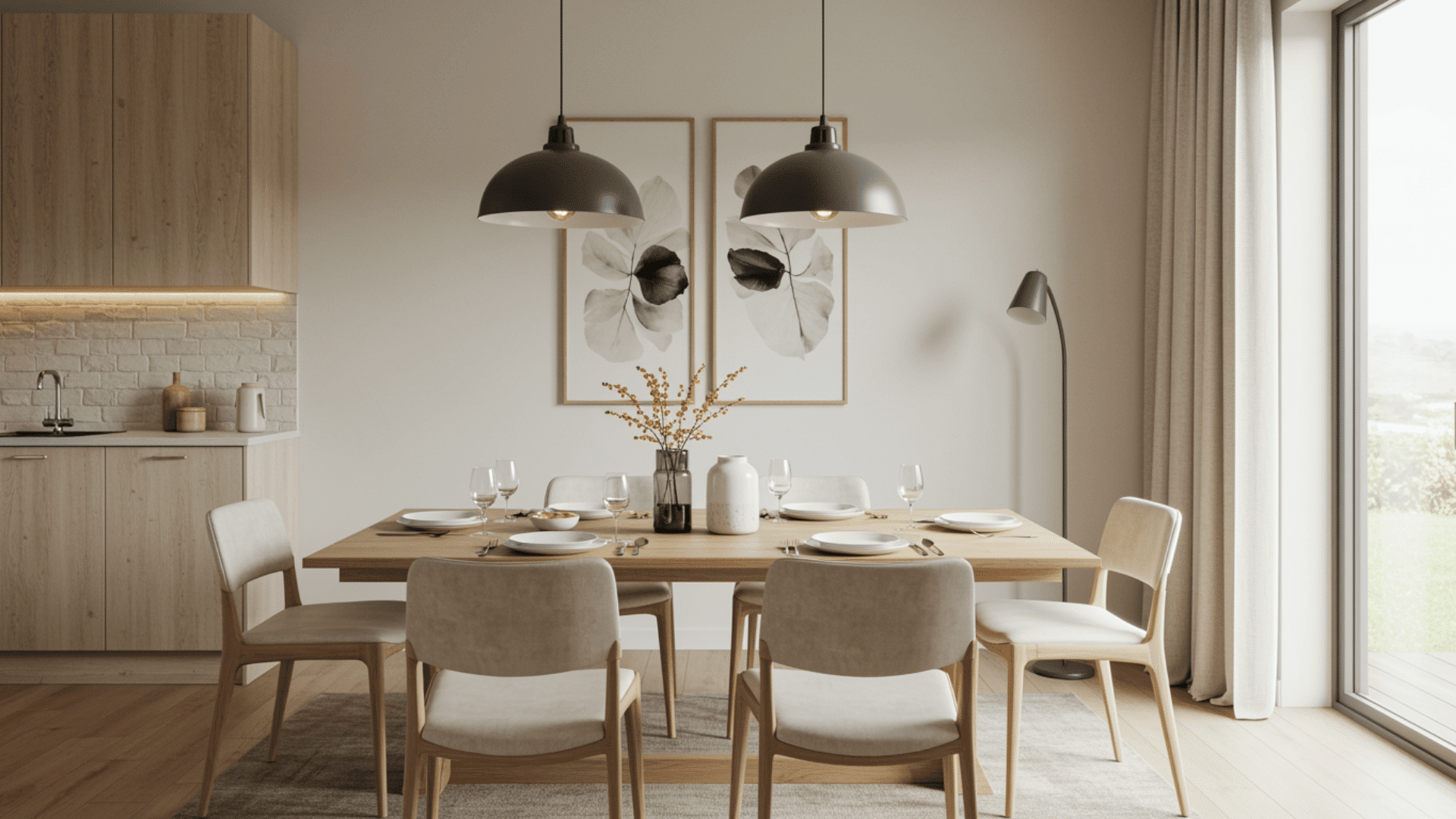
Selecting the right dining table involves more than just choosing an attractive design; the standard table height is crucial to creating a comfortable, functional dining experience.
If you’re furnishing a new home or replacing existing furniture, understanding proper table dimensions ensures your family and guests can dine comfortably without awkward postures.
The standard dining table height has been carefully researched to accommodate most adults, but it should be paired with appropriate chair heights.
This blog tells the ideal height combinations between dining tables and chairs, helping you create seating arrangements that balance comfort, style, and practicality.
What is the Standard Dining Table Height?
The standard dining table height typically ranges from 28 to 30 inches (71 to 76 cm), measured from the floor to the tabletop.
This height has become the industry standard because it offers the most comfortable, ergonomic position for most adults when paired with standard dining chairs.
Chairs designed for this height usually have a seat height of 17 to 19 inches, creating a comfortable 10- to 12-inch clearance between the seat and the underside of the table.
Standard-height tables also work well in both small and large dining spaces, making them a versatile choice for most homes.
If you’re selecting a new table or matching chairs to an existing one, this height range ensures a balanced and enjoyable dining experience.
Choosing the Right Fit for Your Dining Space

To create a comfortable and functional dining area, consider how each table height aligns with your lifestyle.
1. Standard Height
Standard dining tables measure 28-30 inches tall, designed for traditional dining chairs and everyday family meals.
This classic height accommodates most body types comfortably and works well in formal dining rooms.
It’s the most common option found in furniture stores and offers the widest selection of complementary seating styles for versatile décor matching.
| Pros | Cons |
|---|---|
| Universally comfortable for all ages and abilities | May feel too low in open-concept spaces with high ceilings |
| Widest variety of chair styles and price points available | Less casual atmosphere compared to elevated options |
2. Counter Height
Counter-height tables stand 34-36 inches tall, matching standard kitchen counter heights for a cohesive look.
These tables create a more casual, contemporary dining atmosphere perfect for breakfast nooks and eat-in kitchens.
The elevated position encourages social interaction and works exceptionally well in open floor plans where the dining area flows into the kitchen workspace.
| Pros | Cons |
|---|---|
| Creates visual continuity in kitchen-dining combinations | Not ideal for young children or elderly individuals |
| Space-efficient design allows stools to tuck completely underneath | Limited chair options; primarily requires counter stools |
3. Bar Height
Bar height tables reach 40-42 inches, creating a pub-style ambiance ideal for entertaining and casual gatherings.
This tallest option maximizes vertical space in compact areas and adds a sophisticated, modern element to game rooms, basements, or home bars.
The standing-friendly height encourages mingling and works beautifully as a room divider in studio apartments or loft-style living spaces.
| Pros | Cons |
|---|---|
| Perfect for small spaces; minimal footprint with maximum impact | Uncomfortable for extended dining or formal meals |
| Trendy aesthetic ideal for entertainment areas | Challenging accessibility for children, seniors, and wheelchair users |
How to Choose the Right Dining Table Height for Your Home?
Choosing the right dining table height starts with considering comfort, chair compatibility, and how you use your dining space.
Measure the table’s apron (the under-table frame) as it can reduce usable space. Your household’s needs also matter
Taller individuals may prefer slightly higher tables, while families with children often benefit from standard heights for easier access.
Think about your overall room style: standard height feels traditional and balanced, counter height (34–36 inches) suits casual or kitchen-adjacent areas, and bar height (40–42 inches) works for entertaining.
Matching height to daily lifestyle ensures a functional and comfortable dining setup.
Estimated Cost Considerations
Here’s a quick breakdown of the typical costs associated with standard, counter, and bar-height dining setups.
| Category | Standard Height Table | Counter Height Table | Bar Height Table |
|---|---|---|---|
| Average Table Price | $200–$1,200 | $250–$1,500 | $300–$1,800 |
| Chair/Stool Cost | $50–$200 each | $75–$250 each | $100–$300 each |
| Material Impact | Wood is most budget-friendly; metal/glass increases cost | Typically pricier due to sturdier frames | More expensive due to height and stability needs |
| Space Requirements | Works in small or large spaces | Often used in kitchens or open layouts | Best for spacious or entertainment-focused areas |
| Custom Options | Moderate cost increase | Higher due to size/height adjustments | Most expensive customization category |
| Overall Budget Range | Low to moderate | Moderate | Moderate to high |
Common Mistakes to Avoid
Choosing the right dining height is easier when you’re aware of the common mistakes many homeowners make.
- Choosing Chairs Before Measuring: Buying chairs first can lead to mismatched heights, causing uncomfortable seating and poor posture.
- Overlooking the Table Apron Height: A thick or low apron reduces usable knee space, even if the table height is standard.
- Assuming All Chairs Match All Tables: Styles vary widely; some chairs are too tall, too short, or too bulky for certain table designs.
- Forgetting to Measure the Entire Dining Area: Focusing only on table height without checking the room layout can create crowding and limit movement.
- Not Considering User Height or Family Needs: A one-size-fits-all approach can lead to discomfort; always customize it for the user who will use the table daily.
Conclusion
Understanding standard table height is essential for creating a dining space that balances comfort and functionality.
Remember that while standard dimensions work for most situations, personal preferences and specific needs should also guide your final decision.
If you’re purchasing new furniture or adjusting existing pieces, these measurements serve as your reliable foundation for optimal seating arrangements.
Measure your current setup, compare it against these standards, and make the necessary adjustments today. Your back and your dinner guests will thank you for prioritizing comfort!