

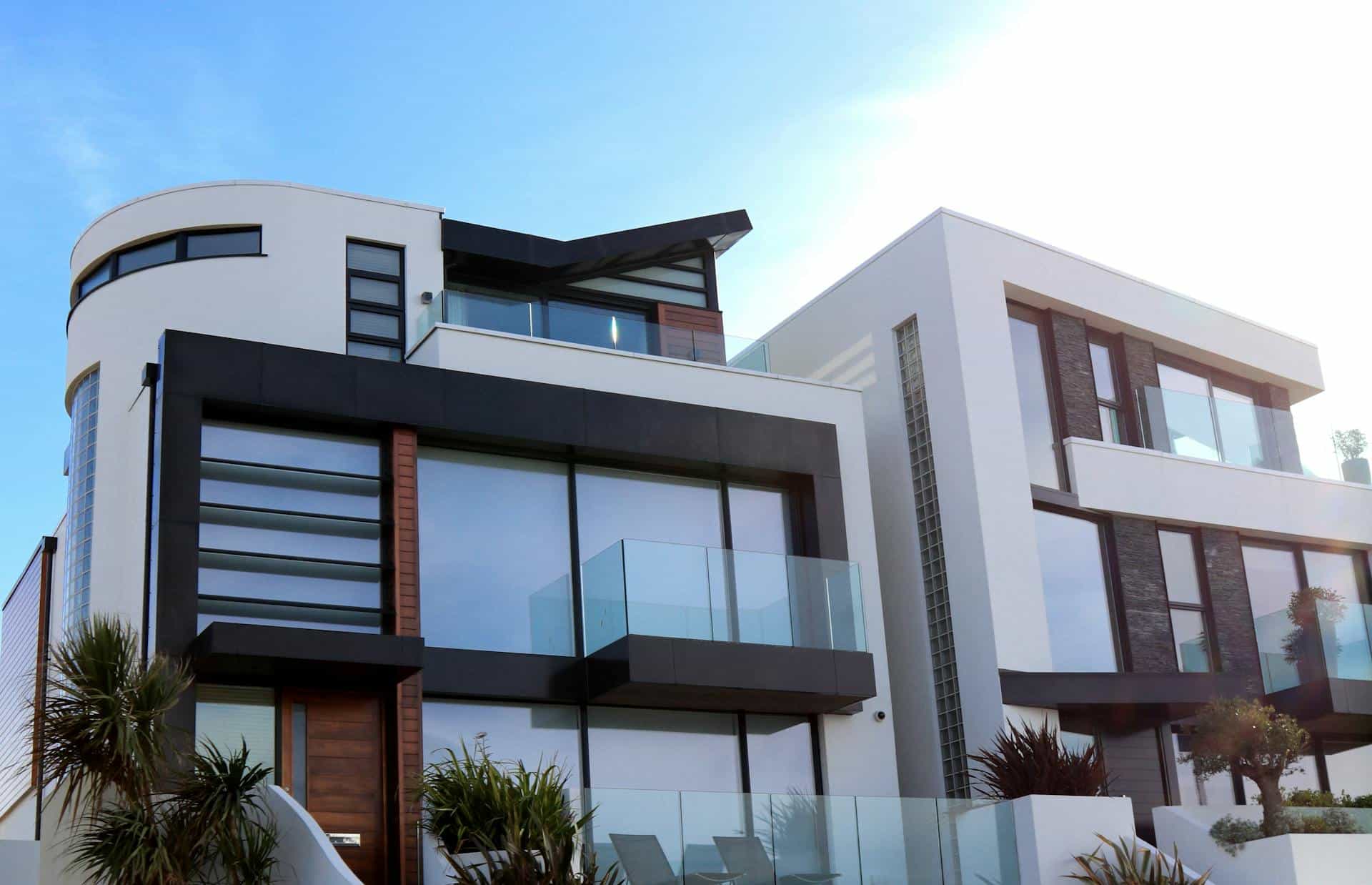
Blueprints and 2D elevations are no longer enough. Investors, city planners, and most importantly, buyers, struggle to connect with technical drawings. They need to see and feel a place before it exists. This gap between concept and comprehension is where projects stall or fail to secure early funding.
Modern exterior rendering directly addresses this. It has evolved from a basic design tool into a primary sales and marketing instrument. The right visualization doesn’t just show a building. It sells a lifestyle, communicates value, and secures commitment long before groundbreaking. Today, these images are the frontline of a development’s market entry.
Why Exterior Visualization Became a Sales Tool, Not Just a Design Asset
The real estate market fundamentally changed. With pre-sales dominating project financing, convincing people to buy from a promise is standard. Investors scrutinize visuals before committing capital. Online marketing means your project competes globally in a scroll.
The entire financial model now relies on selling an idea. Decisions are made entirely in the pre-construction phase. Exterior renderings became the definitive proof of that idea.
How Developers Use 3D Exterior Rendering Across the Project Lifecycle
These visuals are not a one-time deliverable. They are a flexible asset deployed at multiple critical junctures, from initial pitch to final sales push. A single render can be adapted for an investor deck, a billboard, and a planning committee presentation. Their utility spans the entire project timeline. They serve specific, high-stakes functions:
- Pre-sales materials for buyers and investors;
- Marketing visuals for websites and advertising campaigns;
- Presentations for planning approvals and stakeholders;
- Communication tools for brokers and sales teams.
This versatility makes them a central piece of project infrastructure, not a decorative afterthought.
Why Photorealism Matters in Competitive Real Estate Markets

A rendering that merely illustrates a design is a missed opportunity. In today’s market, visuals must perform. They are the first and often only chance to convince a skeptical buyer or a cautious planning board.
Photorealism is the technique that shifts an image from a simple illustration into a persuasive argument. It closes the credibility gap between a concept on paper and a future reality.
Standing Out in Saturated Urban Markets
In places like Toronto or Los Angeles, new developments stack up fast. If your visuals look generic, people scroll past. Worse, it quietly tells them the project might be generic too.
Photorealistic rendering has basically become the minimum bar. Not because buyers love “pretty pictures”, but because they use them to judge the level of finish, materials, and overall care. When everything is competing side by side, the first impression does a lot of the selling.
Helping Buyers Understand Scale, Context, and Atmosphere
Buyers fear the unknown. A building floating in white space creates anxiety. True photorealism answers questions. It shows how the structure fits on the street, the relationship to neighboring parks or water, and the quality of light at different hours.
It adds human activity, mature landscaping, and real-world textures. This context transforms an abstract design into a believable future.
Regional Expectations in the USA and Canada
Visual standards are not universal. What works in Miami can fall flat in Montreal. A successful rendering partner understands these regional dialects of design and expectation.
The aesthetic and contextual demands vary dramatically from coast to coast and across the border. Missing these subtleties makes a project feel out of place before it’s even built. Key markets have distinct profiles:
- High visual standards in California residential developments;
- Dense urban context requirements in New York projects;
- Large-scale master planning needs in Texas;
- Design-driven expectations in Vancouver and Western Canada.
Getting it right requires more than software skill. It demands local market intelligence.
What Developers Look for in a 3D Exterior Rendering Partner
Developers need a partner, not just a vendor. The goal is a visual that accurately sells the architectural vision while navigating market realities. It’s a strategic collaboration. The checklist goes far beyond finding a good artist. The right firm demonstrates a deeper competency:
- Understanding of architectural intent and zoning context;
- Experience working with large-scale residential projects;
- Ability to adapt visuals for different marketing channels;
- Consistent quality across multiple project phases.
This leads to a reliable, long-term relationship. It streamlines communication and ensures the visual narrative remains cohesive from the first investor meeting to the final condo brochure.
When Experience Across Markets Makes a Real Difference

This is where broad geographic experience pays off. A studio that has worked on urban infill in Brooklyn, suburban master-plans in Austin, and luxury towers in Vancouver brings a comparative perspective. They avoid provincial solutions.
They understand that a rendering for a Phoenix retirement community requires a different lighting and vegetation palette than one for a downtown Seattle high-rise. This breadth prevents costly missteps.
Firms operating on a national scale, like Notriangle 3D exterior rendering, develop this specific insight. By working nationwide across key U.S. markets, particularly California, New York, and Texas, and undertaking projects in major Canadian hubs like Vancouver, they accumulate a practical library of what resonates locally.
This isn’t about volume. It’s about cultivated, applied knowledge of regional buyer psychology and regulatory environments.
Exterior Rendering as a Bridge Between Design and Decision-Making
The final function is emotional. A powerful render does the heavy lifting of imagination for the buyer. It allows them to mentally move in. They can picture their car in the driveway, see the evening light on their balcony, and understand the view from the kitchen window.
This emotional bridge is where skepticism turns into desire. The rendering becomes the tangible artifact of a future life, making the decision to purchase feel less like a risk and more like an inevitable step.
Conclusion
Let’s be clear. 3D exterior rendering is a core component of the development budget, not a discretionary marketing line item. It is the primary tool for securing financing, winning approvals, and pre-selling units.
In high-stakes, competitive markets like the USA and Canada, its quality directly influences project velocity and profitability. It translates architectural investment into commercial value.
For developers, it’s no longer about having visuals. It’s about having the right visuals that speak the right language to the right audience. That’s the difference between a project that is simply built and one that is successfully sold.