


When I first started learning about project delivery methods, I found it confusing to tell the difference between design-build vs. design-bid-build.
If you’re planning a construction project, this choice can shape your budget, timeline, and overall experience in ways that are not always clear at first.
In this guide, I’ll explain both methods in a simple, easy-to-understand way so you can understand them without stress.
You’ll learn how each one works, along with its main pros and cons based on real situations.
I’ll also cover key differences, cost and timeline factors, and what professionals usually recommend for different types of projects.
My goal is to help you make a smart and practical decision.
By the end, you’ll know which method fits your needs and how to move forward with confidence and clarity for your project type and long-term goals.
Design Build Vs Design Bid Build: Quick Overview
Before getting into details, it helps to understand how these two methods actually work in real projects.
Both are widely used in construction, but they follow very different paths from start to finish.
In design-build, one team handles both planning and construction under a single contract. This means the same group is responsible for design decisions and building the project.
In design-bid-build, the process is split into two phases. You first hire a designer, then invite contractors to bid, and finally choose one to build.
The main difference is how the work is organized and who takes responsibility at each stage.
Design-build focuses on speed and teamwork, while design-bid-build gives you more control before construction begins.
What is Design Build?
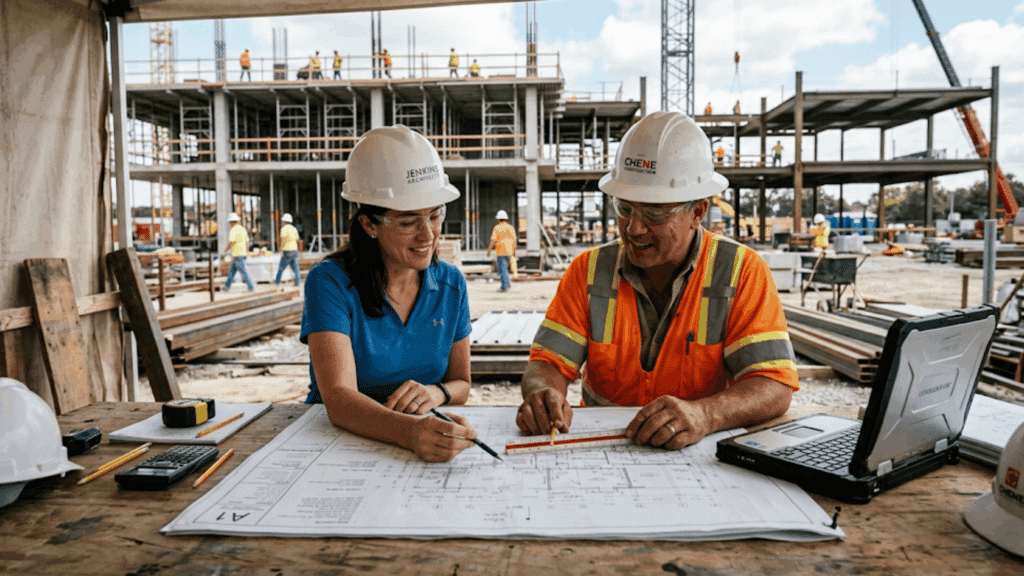
Design-build is a project method where one team handles both the design and construction work.
Instead of hiring separate designers and contractors, you work with a single company from start to finish. This setup helps keep things more connected and easier to manage.
With this approach, the same team plans, designs, and builds your project. That means fewer delays and fewer chances for miscommunication.
You don’t have to go back and forth between different groups.
The main idea is simple: one contract, one team, one point of contact. This can save time and reduce confusion during the project.
However, you also rely heavily on that one team to make the right decisions. So, choosing the right company becomes very important for your project’s success.
Pros and Cons of Design Build
Before you decide, it helps to see both sides in one place. This makes it easier to compare what you gain and what you may give up.
| Pros Of Design Build | Cons Of Design Build |
|---|---|
| Faster project delivery: Work phases can overlap, which helps save time. | Less owner control: You may have less input on design details. |
| Better communication: One team handles everything, reducing confusion. | Limited competitive bidding: Fewer chances to compare prices. |
| Cost control benefits: Early teamwork helps manage the budget. | Not ideal for complex oversight: Harder to track detailed work closely. |
| Reduced risk for owners: One team takes responsibility for the project. |
What is Design-Bid-Build?
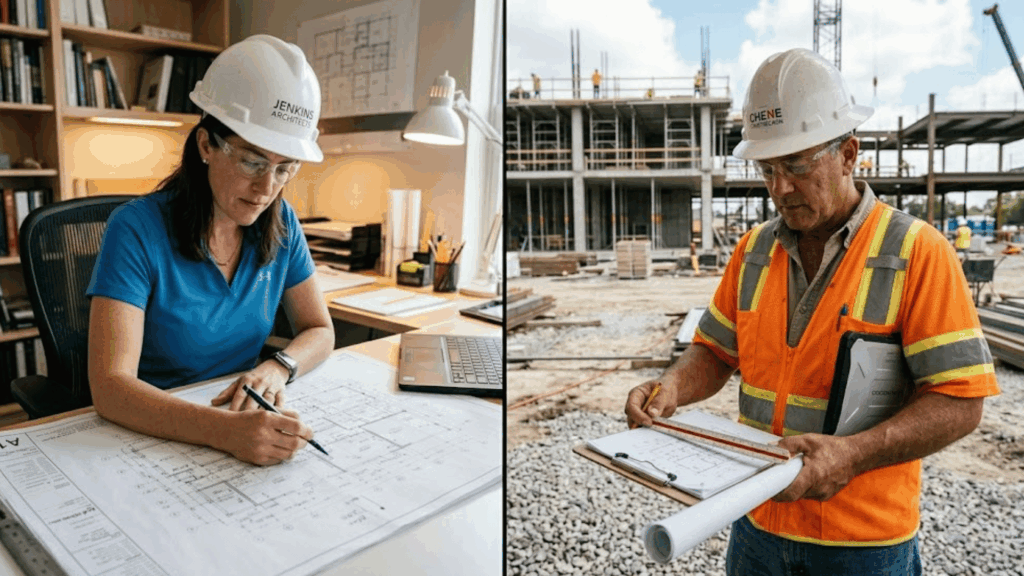
Design-bid-build is the traditional way most construction projects are done. In this method, the work happens in three clear steps: design, bid, and build.
Each phase is handled separately, which gives you more control over how the project develops.
First, you hire an architect or designer to create the full plan. Once the design is ready, contractors submit bids to win the job. After you choose a contractor, the construction work begins.
The key idea is simple: each step is completed before the next one starts. This makes the process more structured and easier to track.
Architects focus on design, while contractors handle the building. This clear split can improve quality, but it may also slow things down if issues arise between teams.
Pros and Cons of Design-Bid-Build
Looking at both sides together can make things clearer. It helps you understand what you gain and what trade-offs may come with it.
| Pros of Design-Bid-Build | Cons Of Design-Bid-Build |
|---|---|
| You can review and adjust plans before construction begins. | Each phase happens one after another, which takes more time. |
| You can compare multiple contractor bids. | Changes later can increase costs. |
| Widely used, so most teams understand the process well. | Separate teams may not always stay aligned. |
Key Differences Explained
These differences help you see how each method works in real situations. They also show what to expect during planning and construction.
- Contract Structure: Design-build uses a single contract for both design and construction. Design-bid-build uses separate contracts.
- Communication Flow: One team handles the entire design-build process. Design-bid-build involves multiple teams.
- Risk Distribution: Risk remains with the design-build team. In design-bid-build, it is shared.
- Project Speed: Design-build projects usually move faster. Design-bid-build takes more time due to separate phases.
- Owner Involvement: Design-build needs less daily involvement. Design-bid-build often requires more oversight.
- Flexibility: Design-build allows quick changes. Design-bid-build changes can take longer to approve.
Cost and Timeline Comparison
Understanding cost and timing side by side can make your decision easier. It gives you a clearer view of what to expect before you start.
| Factor | Design Build | Design Bid Build |
|---|---|---|
| Overall Cost | More predictable | Can change after bidding |
| Project Speed | Faster delivery | Slower due to phases |
| Change Orders | Fewer changes | More common |
| Start Time | Quick start | Delayed by bidding |
| Delay Risk | Lower | Higher |
| Cost Clarity | Less upfront detail | Clear through bids |
Expert Opinions and Final Verdict
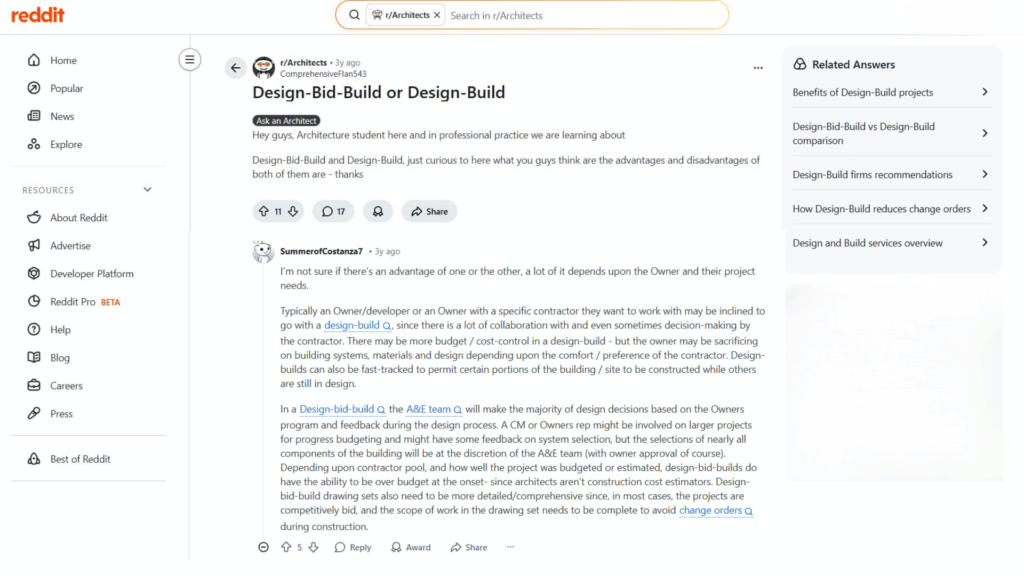
What professionals say often depends on the type of project and goals. Their experience gives a practical view that goes beyond theory.
Many contractors prefer design-build because it allows them to get involved early. This helps with planning and reduces the chances of costly changes later.
Project managers also lean toward this method when speed and coordination matter most.
However, they often choose design-bid-build when they need tighter control over design and decisions.
In real projects, design-build is becoming more popular due to faster timelines and better teamwork.
At the same time, design-bid-build is still widely used for projects that need a clear structure and detailed oversight.
Which Method Should You Choose?
The right choice depends on what you want from your project. Think about your goals, timeline, and how involved you want to be in decisions.
If your project is fast-paced or you want a smoother process, design-build often makes more sense. It works well for projects where speed, teamwork, and fewer delays matter most.
On the other hand, design-bid-build is a better fit when you want more control over design and prefer a clear step-by-step process.
For smaller or simpler projects, design-build can save time and reduce stress; for larger or detail-heavy projects, design-bid-build may offer better oversight.
There is no single “best” method. The right choice depends on your goals, budget, and the level of control you want during the project.
At the End
Choosing between design-build and design-bid-build really comes down to what matters most for your project.
If you want a faster, simpler process with fewer moving parts, design-build can help you manage it more easily.
If you value control and a clear step-by-step approach, design-bid-build may feel more comfortable.
As you move forward, set your budget, timeline, and the level of involvement you want in decision-making.
There isn’t a perfect option for everyone; only the one that best fits your situation. Taking time to understand both methods now can help you avoid problems later.
I hope this guide made things clearer and helped you feel more confident. Now I’d like to hear from you.
Have you worked with either method before? Share your experience in the comments below so others can learn from it too.