
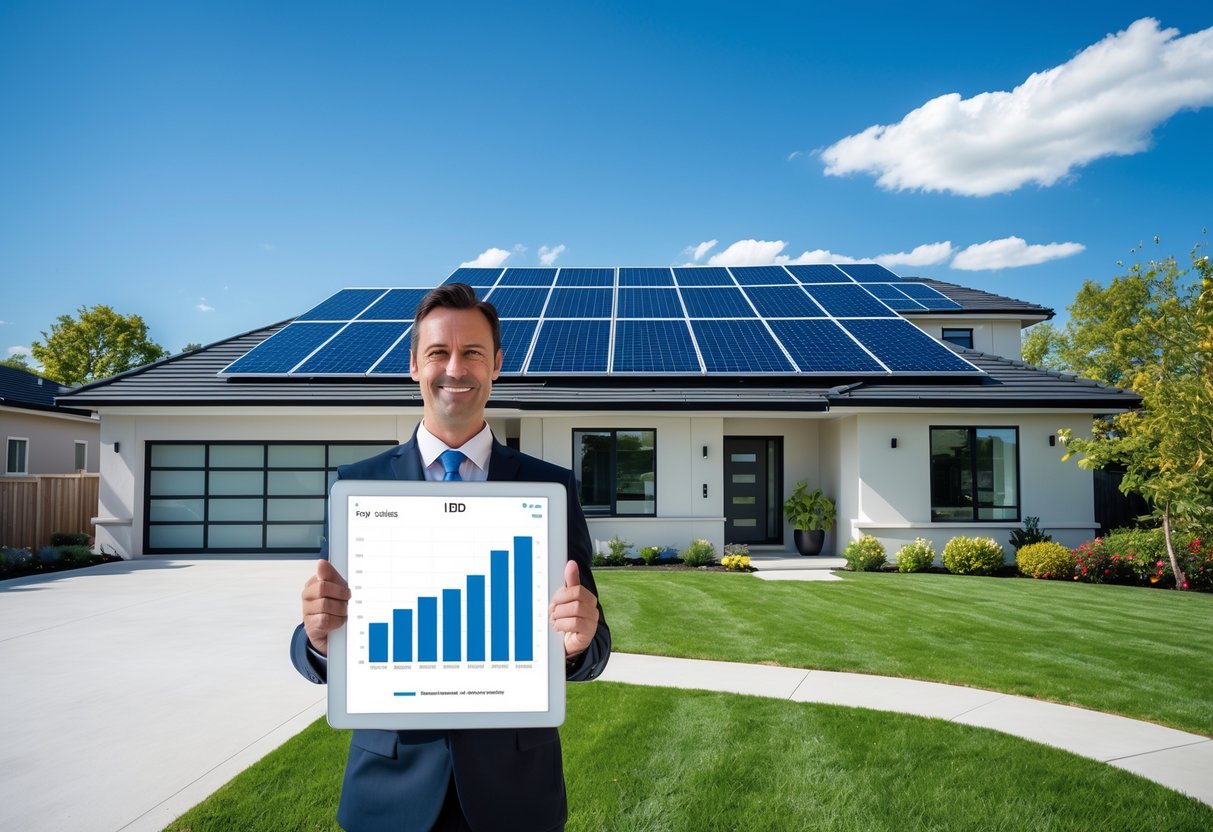
Many homeowners wonder if installing solar panels can actually increase the value of their property. Studies and real estate data show that solar panels generally add value to homes, but the exact impact can vary depending on location, system size, and market trends. According to the experts at Metro Express Solar, homes with solar panels often sell faster and at higher prices compared to those without.
The benefits extend beyond simple energy savings, as solar installations are viewed as upgrades that lower utility costs, making homes more attractive to buyers. However, factors like local electricity rates and available incentives play a crucial role in determining how much value solar panels add.
Understanding these nuances helps homeowners make informed decisions about investing in solar technology. This article explores the relationship between solar panels and home value, breaking down the key points every homeowner should know.
How Solar Panels Affect Home Value
Solar panels can positively influence home value, but the degree varies widely. Several factors like local market demand, system quality, and regional trends shape their impact. Understanding these influences helps clarify how much value solar installations might add.
Market Research on Solar Panel Impact
Studies consistently show homes with solar panels sell faster and at higher prices than comparable homes without them. The Lawrence Berkeley National Laboratory found an average increase of about $15,000 for homes with solar systems in the U.S.
Buyers often value the promise of reduced electricity bills and energy independence. However, home appraisers must adjust for local electricity rates and system size, which directly affect perceived benefits.
Variables That Influence Value Increase
Several variables dictate how much solar panels boost home value:
- System Ownership: Owned systems add more value than leased ones because they come without payment obligations.
- System Size and Age: Larger, newer systems typically provide higher value increases.
- Energy Savings: Regions with high electricity costs see larger price premiums.
- Homebuyer Awareness: In eco-conscious markets, demand for solar-ready homes is higher.
Maintenance history and installation quality also impact buyer confidence and value.
Trends in Different Regions
Regions with high electricity rates, strong solar incentives, and favorable sunlight patterns show greater value increases. California, for example, leads with noticeable premiums for solar-equipped properties.
Conversely, areas with low electricity costs or where solar incentives are limited often see smaller or negligible value impacts. Northeast and Pacific Northwest states report steady growth in solar value, while certain Midwest and Southern markets lag behind.
Regional policies and growing environmental awareness continue to shift these trends.
Financial Benefits Beyond Home Value
Solar panels provide measurable financial advantages through energy cost reduction and government incentives. These benefits support the decision to install solar technology apart from just increasing property worth.
Lower Energy Bills
Solar panels generate electricity from sunlight, directly reducing reliance on grid power. This can cut monthly energy bills by 30% to 70%, depending on location, system size, and household energy use.
Excess electricity produced during peak sunlight hours may be sold back to the grid in many areas, producing credits through net metering. This further lowers utility costs.
The initial system cost may seem high, but monthly savings reduce payback time. Many homeowners see a return on investment within 7 to 12 years.
Tax Incentives and Rebates
Federal, state, and local governments offer financial incentives to offset installation costs. The federal solar Investment Tax Credit (ITC) allows homeowners to deduct 30% of qualified system expenses from their federal taxes.
Additional incentives vary widely by state and municipality, including cash rebates, property tax exemptions, and sales tax exemptions. These can reduce upfront costs by thousands of dollars.
Programs regularly update, so homeowners should verify current eligibility. Combining multiple incentives can significantly improve affordability and project viability.
Considerations Before Installing Solar Panels
Understanding the financial and procedural aspects is crucial before installing solar panels. Several elements influence how much value solar panels add and what is required for proper home evaluation.
Factors Affecting Return on Investment
Return on investment (ROI) depends on installation cost, local energy prices, and government incentives. Higher upfront costs can be offset by tax credits or rebates, which vary by location.
Energy savings depend on the system’s size and sunlight exposure. Homes in sunnier regions typically see quicker payback periods.
Maintenance costs are generally low, but potential repair expenses can affect ROI. Property-specific factors, such as roof condition and orientation, also impact efficiency and value increase.
Home Appraisal and Solar Certification
Appraisers assess solar panels by verifying system ownership and certification status. Owned systems typically add more value than leased panels.
Proper documentation, including warranties and inspection reports, is essential. Certified solar systems often receive higher appraisals because they ensure quality and expected performance.
Appraisers consider the age and condition of the solar equipment. Updated systems with recent certifications can raise home value more effectively than older, uncertified ones.
FAQs About Solar Panels
1. What are solar panels?
Solar panels are devices that convert sunlight into electricity using photovoltaic (PV) cells. They are commonly installed on rooftops or open areas to harness solar energy.
2. How do solar panels work?
Solar panels absorb sunlight, which excites electrons in the PV cells, generating direct current (DC) electricity. An inverter then converts this DC into alternating current (AC) used by home appliances.
3. Are solar panels worth the investment?
Yes, solar panels can reduce electricity bills and increase property value. Though the initial cost can be high, incentives and long-term savings often make them cost-effective.
4. How long do solar panels last?
Most solar panels come with a warranty of 25 years but can last 30-40 years with proper maintenance.
5. Do solar panels work on cloudy days?
Solar panels generate less electricity on cloudy days but still produce some power since they rely on daylight, not direct sunlight.
6. What maintenance do solar panels require?
Solar panels require minimal maintenance—mainly periodic cleaning to remove dust and debris and regular inspections to ensure optimal performance.
7. Can solar panels power an entire home?
Depending on the system size and energy consumption, solar panels can power an entire home, especially when combined with battery storage.
8. Are there any environmental benefits?
Solar panels reduce reliance on fossil fuels, lowering greenhouse gas emissions and promoting sustainable energy.