

Why Surface Choices Matter More in Australia
Australian homes face conditions that destroy inferior materials faster than you might expect. I have seen benchtops fade, floors warp, and garage coatings peel because homeowners picked products tested for milder climates. Our intense UV exposure, coastal humidity, tracked grit, and summer heat demand surfaces that genuinely perform.
In this guide, I will walk you through benchtops that comply with new regulations, wet-area floors that stay safe, living spaces that handle traffic, and garage systems that resist hot tyres. You will learn the metrics that matter and how to match them to each room.
Durability Metrics Worth Knowing
Understanding a few key ratings helps you compare products confidently rather than relying on sales talk.
Slip Resistance
AS 4586 rates slip resistance using wet-pendulum P-classes from P0 to P5. Higher numbers mean lower slip risk when wet. For shower floors, I recommend P4 or P5. Texture and maintenance also affect real-world safety.
Water Absorption
ISO 10545-3 classifies porcelain by absorption. Group BIa porcelain absorbs 0.5 percent or less, making it effectively impervious. This matters for bathrooms, balconies, and anywhere moisture is constant.
Hardness and Wear
The Janka test measures timber dent resistance. Spotted Gum rates around 11.0 kN, Blackbutt around 9.1 kN, while many Oaks sit near 6.0 kN. For laminate, look for AC4 or AC5 ratings, which indicate high-traffic durability.
Paint Scrub Resistance
ISO 11998 tests how many scrub cycles paint withstands. Higher numbers mean you can clean walls repeatedly without damaging the finish. Most manufacturers recommend waiting about seven days before washing newly painted surfaces.
Kitchen Benchtops That Survive Daily Punishment
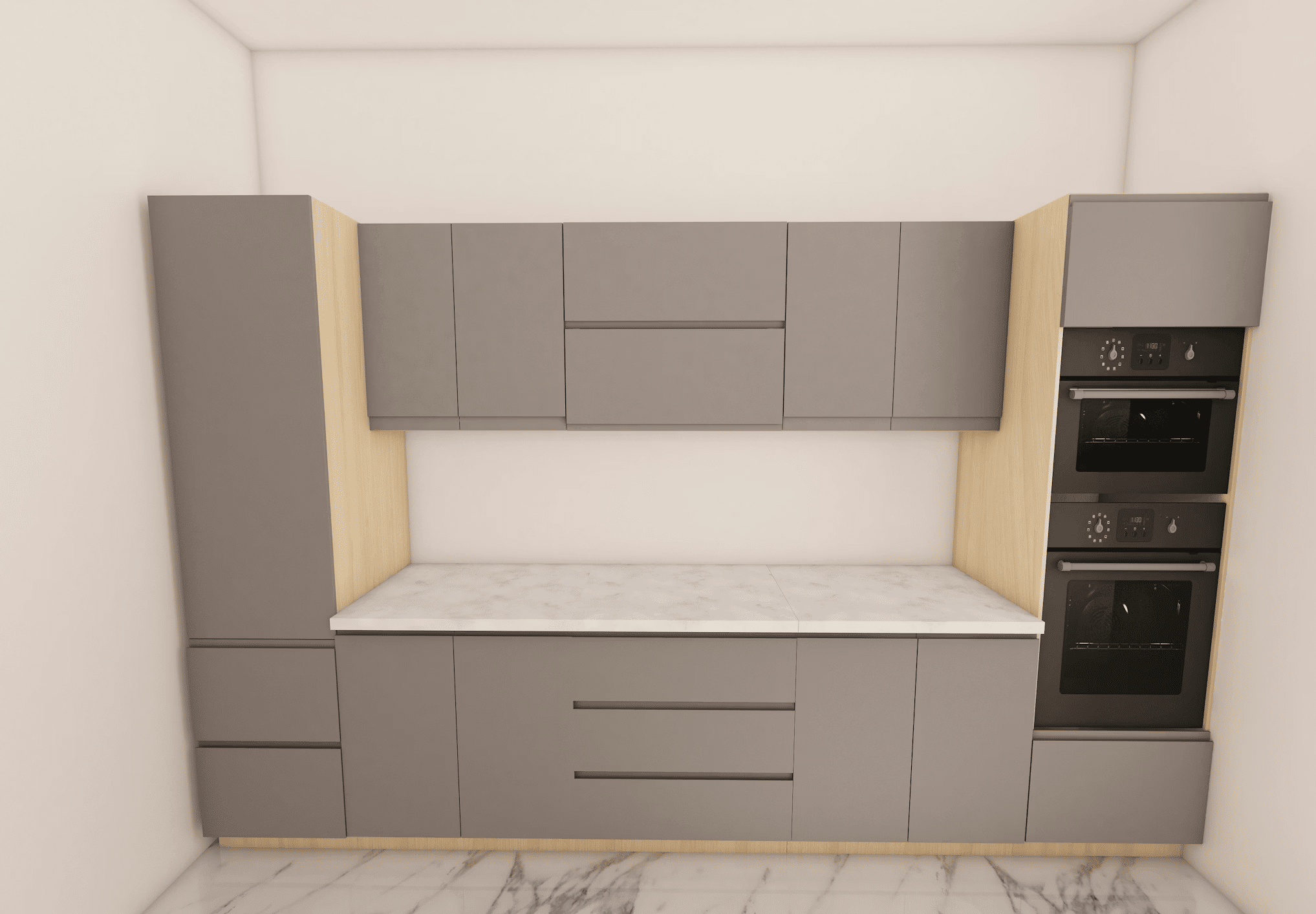
Your benchtop choice changed dramatically in 2024, and knowing what is available helps you plan confidently.
The Engineered Stone Ban
Australia banned engineered-stone benchtops from 1 July 2024, with import restrictions starting January 2025. Government guidance confirms porcelain and sintered products remain available and are excluded from the prohibition.
Best Alternatives
Porcelain and sintered slabs achieve around Mohs 7 hardness with very low water absorption. They handle heat, UV, and stains exceptionally well. Stainless steel offers hygienic, heat-resistant surfaces that develop a uniform patina over time. Natural granite provides classic appeal but needs annual sealing.
If your layout has tight tolerances or you are templating large-format porcelain or stainless benches, book Avian’s 3d laser scanning service to capture millimetre-accurate as-built conditions and cut rework.
Installation Essentials
Heavy slabs need proper substructure support, especially near cutouts. Porcelain edges require protection, and internal corners benefit from radii to reduce stress. Accurate templating captures out-of-square walls and appliance reveals.
Floors for Living Rooms, Halls, and Entries
High-traffic areas need materials that balance durability with warmth and practicality.
Porcelain Tiles
Porcelain delivers outstanding abrasion resistance and easy cleaning. Choose rectified edges for tight joints where your substrate allows, and plan movement joints for large areas.
Australian Hardwoods
Species like Spotted Gum and Blackbutt resist dents better than imported alternatives. Use matte or low-sheen finishes to hide micro-scratching, and add felt pads to furniture legs.
Laminate and Hybrid Planks
AC4 to AC5 rated products handle heavy residential traffic. Moisture-resistant cores and sealed edges help in kitchens and entries. Good underlay and proper expansion gaps prevent peaking at transitions.
Wet Rooms That Stay Safe and Dry
Bathrooms and laundries demand careful material selection and code-compliant installation.
Choosing the Right Slip Class
For shower floors, specify porcelain with AS 4586 ratings of P4 or P5. Mosaics and textured tiles increase contact points and improve drainage. Confirm the slip rating applies to wet conditions.
Waterproofing Done Right
NCC 2022 Part 10.2 sets wet-area requirements. Membranes must comply with AS/NZS 4858 and be installed with correct falls, vertical turn-ups, and sealed penetrations by competent trades.
Walls and Trims That Resist Scuffs
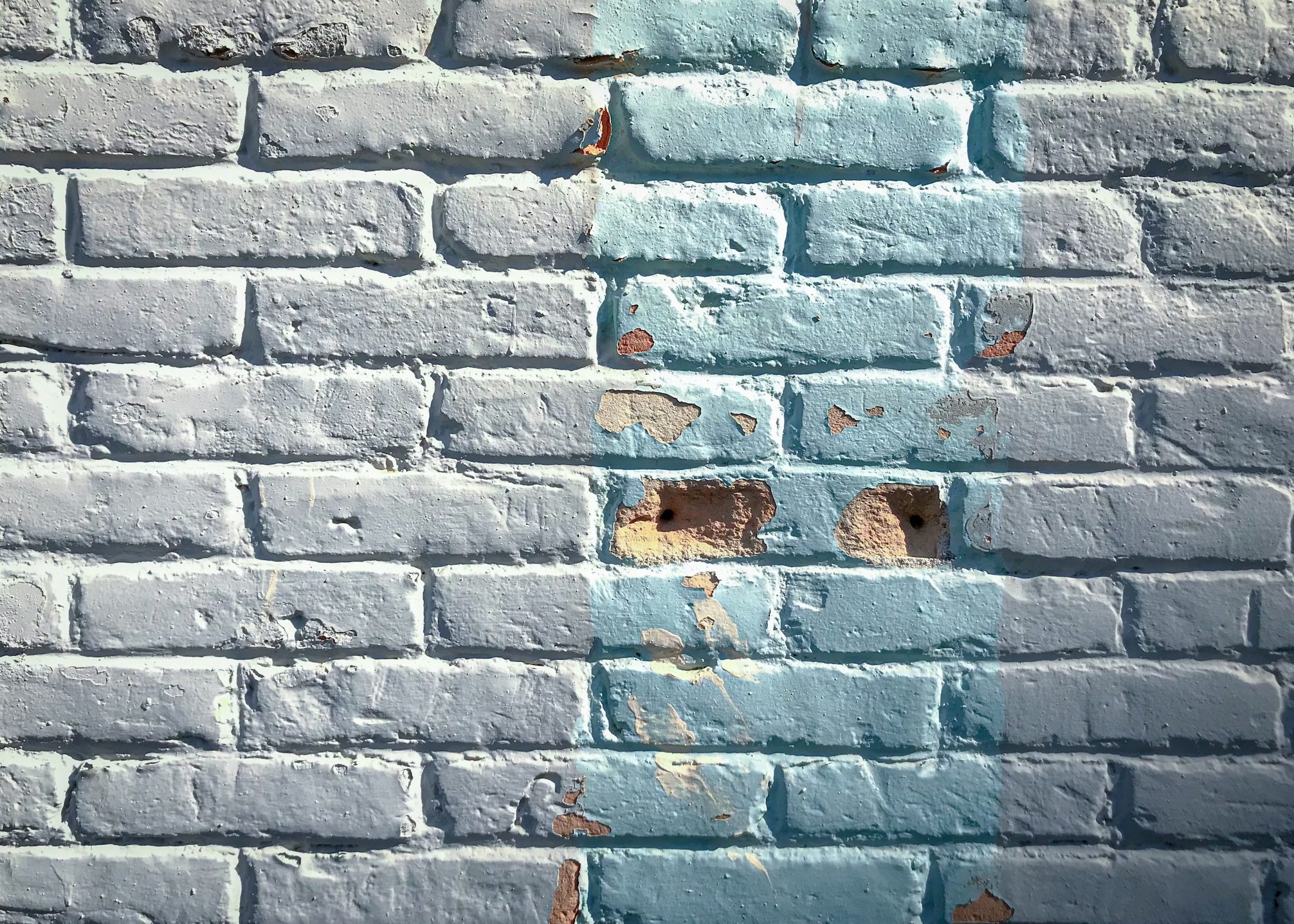
The right paint system makes cleaning easier and extends the time between repaints.
Choosing Scrub-Resistant Systems
Prioritise low-VOC acrylics with ISO 11998 scrub-resistance claims. For bathrooms, select mould-resistant formulas. Good preparation beats extra coats every time.
Sheen by Room
Use flat for ceilings, low-sheen for living areas, and semi-gloss for doors and skirtings where knocks are frequent.
Prefer to outsource high-wear walls and trims in SA? AJ Blunt Paint’s interior painters Adelaide can apply hard-wearing, low-VOC systems with clean lines in living rooms, hallways and kids’ rooms.
Application and Cure
Follow the manufacturer’s spread rates and wait about seven days before washing. Use soft cloths and neutral cleaners to maintain the finish.
Garage Floors That Actually Last
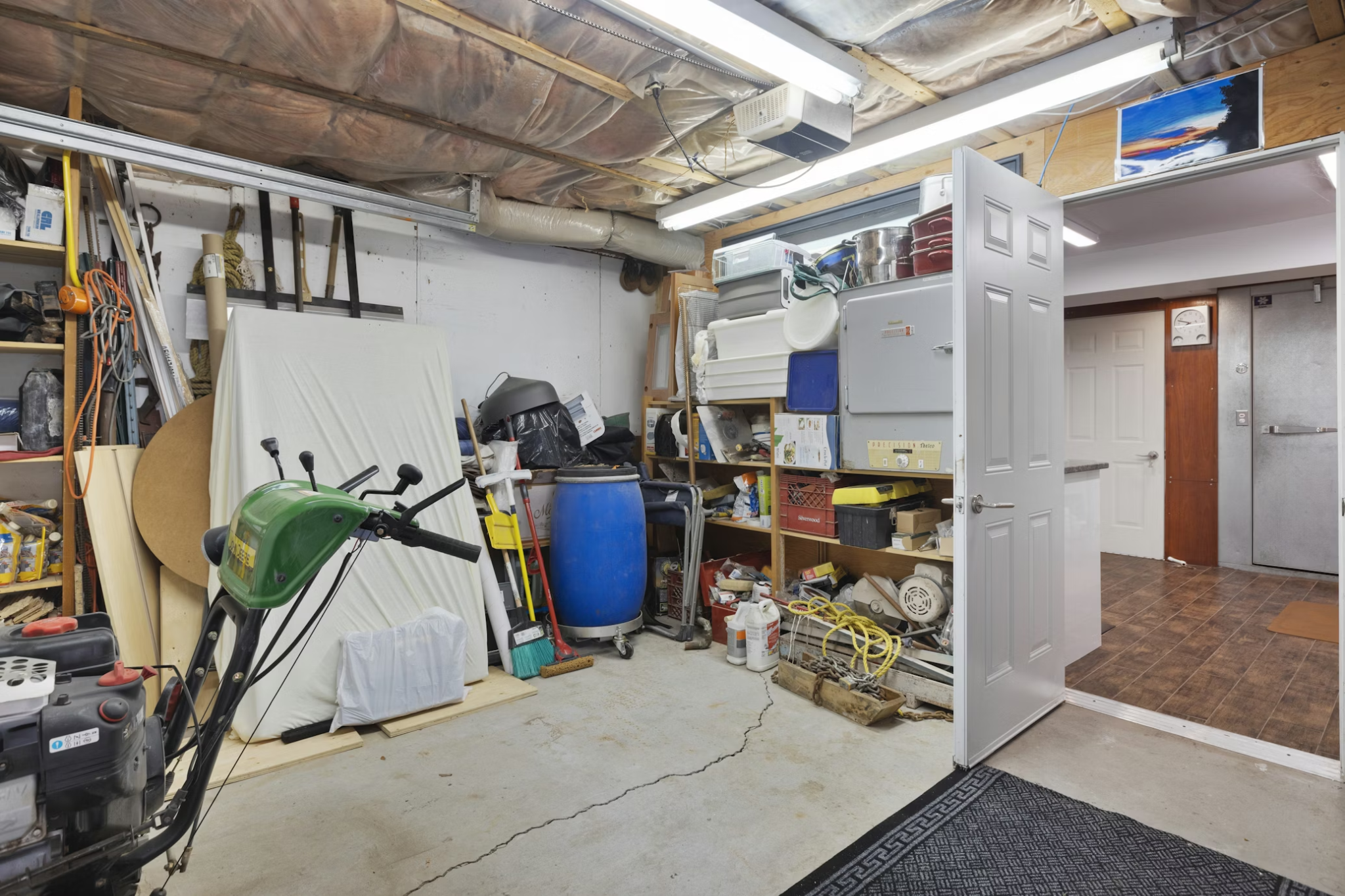
Standard floor paints fail under garage conditions, but layered resin systems perform reliably.
Building a Durable System
Start with a moisture-tolerant primer, add a 100 percent solids epoxy base coat, broadcast optional flake for texture, and finish with a UV-stable polyurethane topcoat.
Preventing Hot Tyre Pickup
Hot tyres soften inferior coatings and pull them from concrete. Adequate film build, proper cure times, and quality topcoats prevent this common failure.
For chemical-resistant, non-slip garage floors, epoxy floor coating range includes buildable systems you can texture to P3 to P5 and top-coat for UV stability.
Maintenance Essentials
Good maintenance extends surface life without damaging finishes.
- Benchtops: Daily wiping with neutral cleaners. Reseal granite annually.
- Floors: Entry mats, felt pads, routine dust control, and manufacturer-recommended cleaners.
- Walls: Gentle washing after full cure with soft cloths.
- Garage: Neutral detergents and periodic topcoat refresh when gloss dulls.
Conclusion
Choosing materials with proven metrics and installing to Australian standards delivers fewer failures and lower lifetime costs. Porcelain benches, hard Australian timbers, scrub-resistant paints, and layered garage systems are reliable choices when specified correctly. Verify test data, work with qualified trades, and plan maintenance upfront to protect your investment.
FAQs
What is the safest floor finish for a family bathroom?
Porcelain tiles with a verified AS 4586 wet-pendulum rating of P4 or P5 are reliable. Combine with compliant waterproofing and consistent falls to drain.
Are porcelain benchtops really heat and UV resistant?
Yes, they typically test around Mohs 7 hardness with very low water absorption and tolerate heat and UV well. Use sensible heat protection at extreme temperatures.
How long should I wait before washing newly painted walls?
Most manufacturers advise about seven days for the film to cure. After that, use soft cloths and neutral cleaners.
What prevents garage coatings from lifting under hot tyres?
A multi-layer resin system with adequate film build and a UV-stable topcoat resists lifting. Respect the cure times before driving on the surface.