

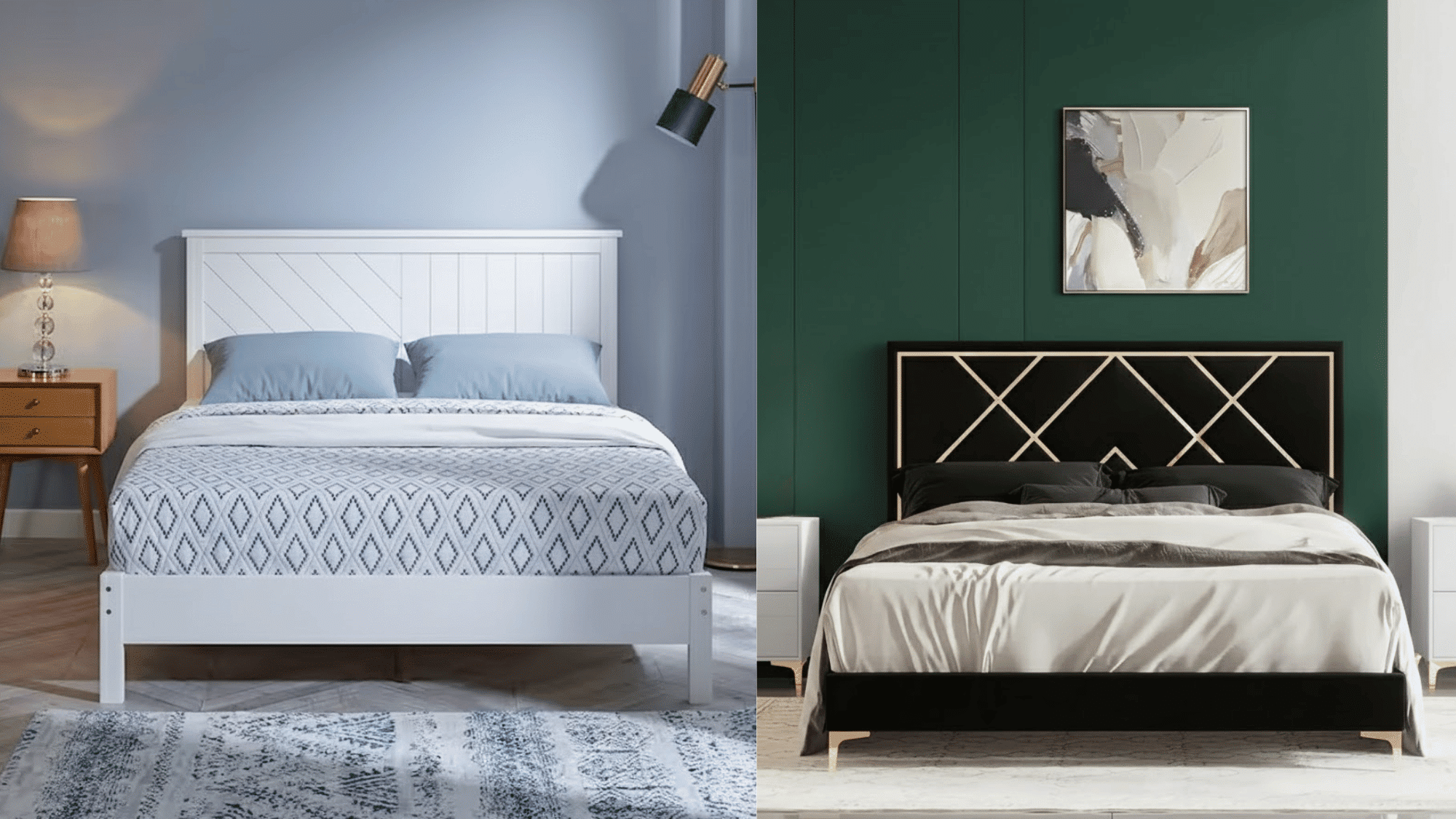
Choosing the right bed isn’t just about size, which is why many people want to compare queen vs. king bed options before buying.
When comparing a queen vs. king bed, shoppers often notice that the feel of the bedding, the materials, and even how the layers sit on the mattress can differ between the two sizes.
Understanding the differences between king and queen-size bed styles helps readers decide which works best for comfort, space, and everyday use.
This simple blog breaks down how texture appears on each bed, so anyone can make a confident choice.
A Quick Look at King and Queen Bed Sizes
The main difference between king and queen-size bed options is their width.
A queen bed usually measures about 60″ x 80″, making it a good fit for most bedrooms and ideal for single sleepers or couples who don’t need extra space.
A king bed is wider at about 76″ x 80″, giving couples more room to stretch out, but it works best in larger rooms. This change in surface area also affects how textures look and feel.
On a queen bed, blankets and patterns appear more compact, while on a king bed, the same textures spread out, creating a wider, more open look.
This can change the overall feel, weight, and placement of bedding layers.
How to Choose Between a King and a Queen
When choosing between these two sizes, consider lifestyle needs, available space, and overall comfort preferences.
Queen Bed
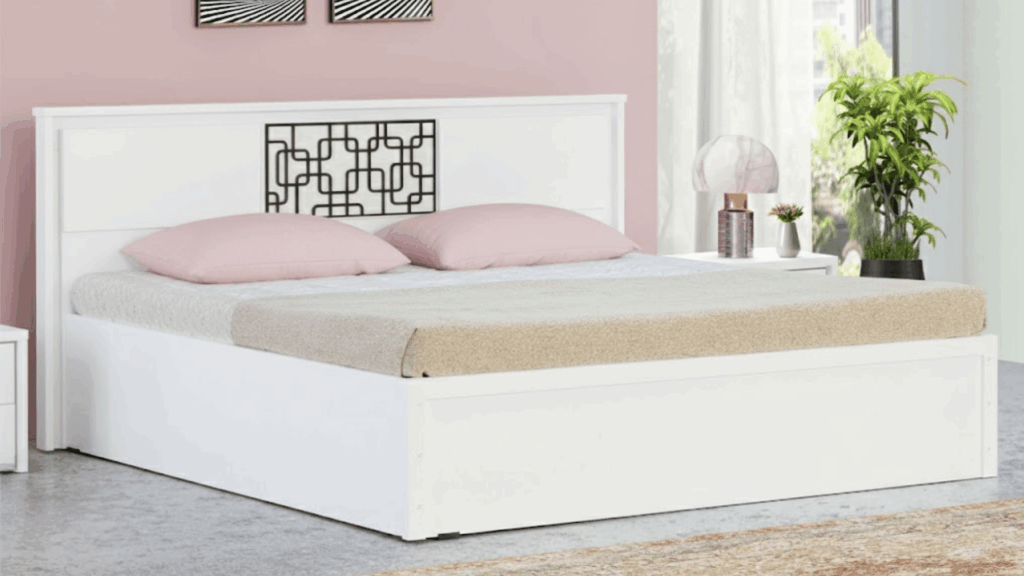
A queen bed is ideal for medium-sized bedrooms and works well for single sleepers or couples who don’t mind being close. It balances comfort and space without overwhelming the room.
It’s also a smart choice for people who like a cozier feel, since textures tend to sit closer together on a queen, creating a snug, warm experience.
King Bed
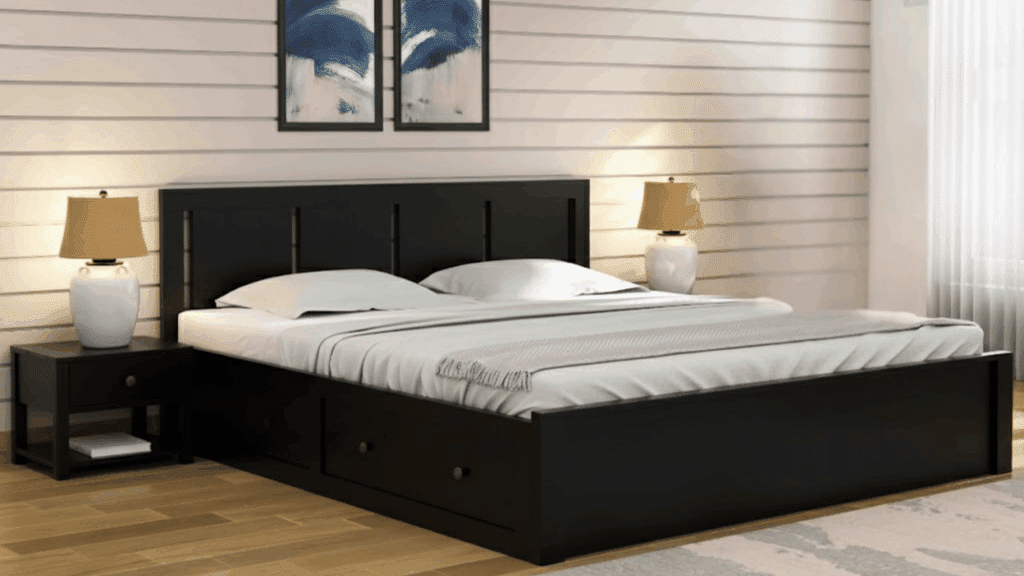
A king bed fits best in larger rooms and is perfect for couples wanting extra personal space, families with kids who climb in, or those with pets.
The wider surface lets textures spread out more evenly, giving the bedding a lighter, more open feel. This makes it great for people who enjoy layering, breathable materials, and an airy sleeping environment.
Considerations When Buying a Queen vs King Size Bed

Choosing between queen vs king bed sizes depends on comfort needs, room space, and how the bed will be used daily.
Room Size and Layout
Before choosing a queen or king bed, consider how much space is available.
A queen fits well in medium rooms without feeling crowded, while a king needs more open space to move around comfortably.
Measuring the room helps ensure there’s enough space for nightstands, walking areas, and other furniture without making the room feel tight.
Sleeping Arrangement
Whether someone sleeps alone or with a partner makes a big difference. A queen offers enough space for solo sleepers or couples who don’t mind sleeping close.
A king is better for partners who want extra personal space, pets sharing the bed, or families with occasional kids joining.
The added width can improve sleep quality by reducing movement disturbance.
Comfort and Texture Preference
Different textures can feel unique depending on the bed size.
On a queen, fabrics feel more concentrated, creating a cozier feel. On a king, those same textures spread out and may feel lighter or more airy.
Buyers who prefer snug, warm bedding may enjoy a queen, while those who love layered textures and breathable comfort often prefer the larger surface of a king.
Budget and Bedding Costs
A queen bed is usually more budget-friendly, both for the mattress and the bedding.
Sheets, comforters, and blankets for queen beds tend to cost less and are easier to find. King beds, while offering more space, cost more for both the mattress and bedding sets.
Shoppers should consider long-term costs when choosing a size that fits their lifestyle and budget.
Practical Tips for Choosing the Right Textures
The right textures can improve comfort, style, and temperature control, whether the bed is queen- or king-size.
- Choose cozy textures like fleece or flannel: Great for warmth and softness; these feel snug on a queen and evenly spread on a king.
- Pick airy textures like linen or cotton percale: Ideal for hot sleepers; they stay breathable and feel lighter across larger king surfaces.
- Use smooth textures such as sateen or silk: Perfect for a sleek feel; they drape beautifully on both sizes without adding heaviness.
- Select structured textures like waffle weave or quilted fabrics: they add depth and visual interest and look more defined on queens and more open on kings.
- Mix textures with balance: Combine one bold texture with softer ones to avoid cluttering a queen or overwhelming a king.
Conclusion
Understanding queen vs king bed setups helps shoppers choose the right blend of comfort and style.
When comparing a king vs queen bed, the difference in space affects how fabrics feel, how layers sit, and how the room looks overall.
A queen offers a cozy, concentrated texture experience, while a king provides a wider, more open surface that suits layered bedding.
By understanding the basic differences between king and queen-size bed options, anyone can choose the size that best matches their comfort needs, room layout, and personal style. preferences.