

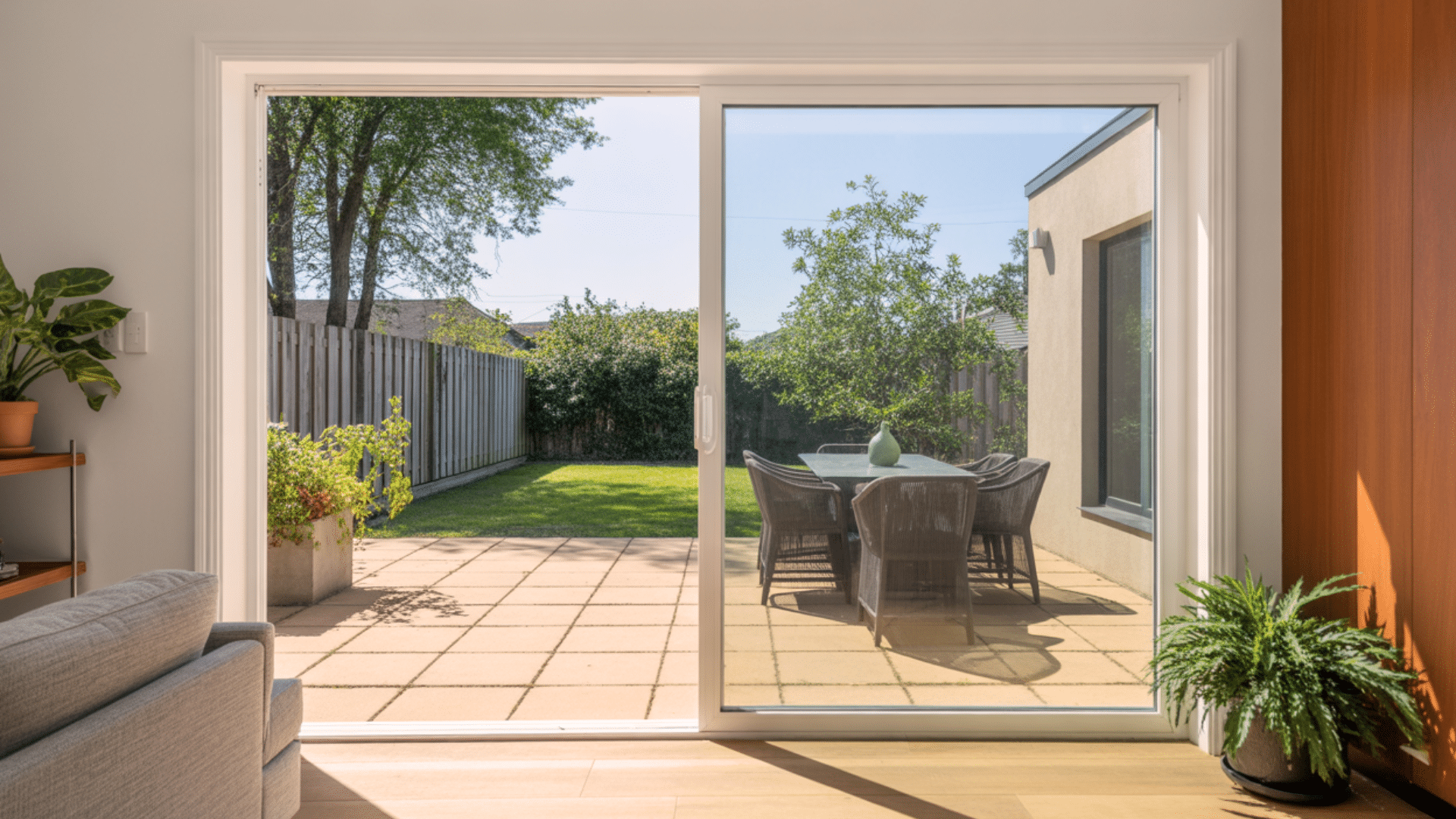
Understanding the sliding glass door dimensions is one of the first steps when you plan a new door or replace an old one.
I know it can feel confusing at first, especially when you see different sizes and terms used by makers. That’s why I want to walk you through the basics in a clear way.
In this guide, you’ll learn what the standard sizes mean, how to measure your space, and what affects the final fit.
I’ll also share tips that help you pick the right door for your home without guesswork.
When you understand these measurements, you can plan better, avoid costly mistakes, and choose a door that fits well and works well.
This guide will give you the simple details you need to feel confident before you buy or install your next sliding glass door.
What Are the Standard Measurements for Sliding Doors?
Standard sliding door measurements refer to the common sizes most makers use so doors fit typical home openings.
These sizes help you compare options and replace old doors without major changes. Most sliding glass doors range from 60 to 72 inches wide and 80 inches tall, though some models extend wider for larger spaces.
These measurements make it easier for you to plan, measure, and choose a door that fits your frame.
Makers follow similar sizing guidelines because it keeps production simple and helps installers work with predictable dimensions.
It also ensures that homeowners can find a replacement without rebuilding the opening.
When you know these ranges, you can check your space with confidence and pick a size that works for your layout. This makes choosing a new sliding door much easier and helps you avoid guesswork.
What Are Common Sliding Glass Door Sizes?
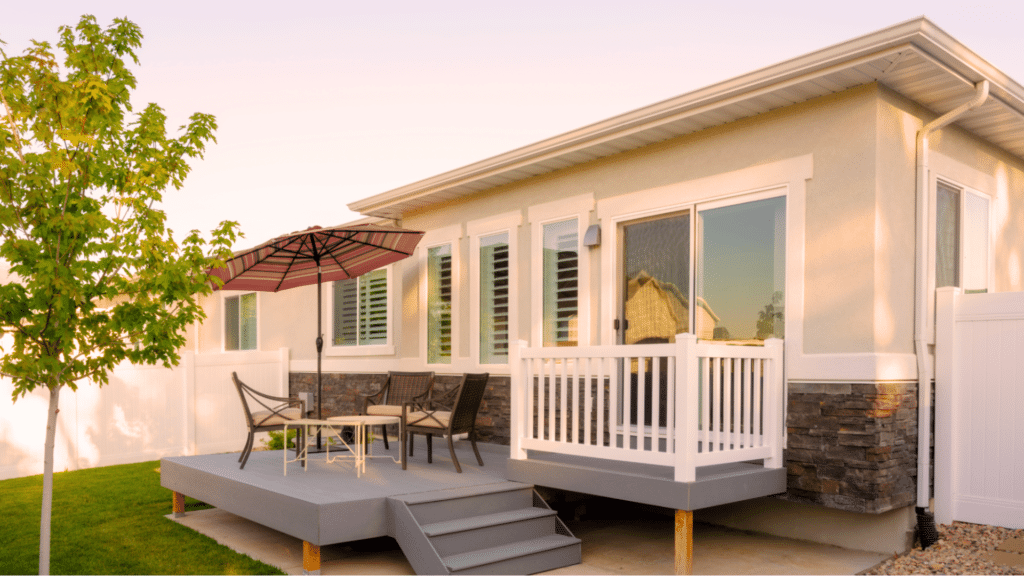
These are the sizes you’ll most often come across when looking for standard or replacement sliding glass doors. They make it easier to choose a door that fits your home without needing big changes to the existing opening.
1. Standard Two-Panel Sliding Door Sizes
Most two-panel sliding doors come in widths of 60, 72, or 96 inches with a height of 80 inches.
These sizes are common because they fit typical patio openings and allow one fixed panel and one moving panel to work smoothly.
Makers use these dimensions to keep installation simple and consistent across homes.
They also make replacements easier since many houses are built with these opening sizes already in place.
2. Three-Panel Sliding Door Sizes
Three-panel doors usually range from 108 to 144 inches wide with a standard height of 80 inches.
These larger sizes are often used in living rooms or dining areas where homeowners want a wider view and more light.
They offer two fixed panels and one sliding panel, giving more glass space without changing how the door operates.
Their popularity comes from builders designing bigger openings in newer homes to create a more open feel between indoor and outdoor areas.
3. Large Multi-Panel Sliding Door Sizes
Multi-panel doors can reach widths of 180 inches or more, with heights of 80 or 96 inches. These doors are chosen for rooms that need wide openings or better access to patios and decks.
They stack or slide along multiple tracks, which helps cover long wall sections without adding hinges or folding parts.
These sizes are less common because they require stronger frames and precise openings, but they work well in modern homes with larger layouts.
Use the chart below as a quick guide to the standard sizes most homeowners and installers rely on.
| Standard Two-Panel Sliding Glass Door Sizes | Standard Three-Panel Sliding Glass Door Sizes | Standard Four-Panel Sliding Glass Door Sizes | |||
| Width | Height | Width | Height | Width | Height |
| 60″ | 80″ | 108″ | 80″ | 144″ | 80″ |
| 60″ | 82″ | 108″ | 82″ | 192″ | 80″ |
| 60″ | 96″ | 108″ | 96″ | 144″ | 82″ |
| 72″ | 80″ | 144″ | 80″ | 192″ | 82″ |
| 72″ | 82″ | 144″ | 82″ | 144″ | 96″ |
| 72″ | 96″ | 144″ | 96″ | 192″ | 96″ |
| 96″ | 96″ |
Factors that Affect Sliding Glass Door Dimensions
Several details in your home can change the final size of a sliding glass door. These points help you understand why doors don’t always follow one set measurement.
1. Home Layout and Structural Openings
Your home’s layout and the size of the wall opening guide the door dimensions you can use. Older homes may have tighter spaces, while newer builds often allow wider openings for more light.
The structure around the opening, such as beams or load-bearing walls, also limits how wide or tall the door can be.
These factors shape the door size options that will fit safely and correctly without major changes.
2. Material Type and Door Style
The material you choose can change the overall size because wood, vinyl, and aluminum frames each have different thicknesses.
Door style matters too, since two-panel and multi-panel doors need different track widths and support.
Some styles require thicker frames for strength, which slightly reduces the final glass area. These differences affect how the door fits in the opening and how much room you need for smooth operation.
3. Frame Thickness and Glass Type
Frame thickness can change the overall door size because thicker frames take up more space within the opening.
This is common in doors built for added insulation or strength. Glass type also influences dimension needs, since double-pane or impact-resistant glass adds weight and may require sturdier framing.
These choices help improve durability and energy performance, but they also shape the final measurements you must plan for during installation.
Cost Impact of Different Door Sizes
Sliding glass door size plays a big role in the overall cost because larger doors need more materials, stronger frames, and heavier glass.
Smaller doors usually cost less since they use fewer parts and fit most standard openings.
Standard sizes fall in the middle, giving you a good balance of price and flexibility.
Oversized doors cost more because they often need thicker frames, special hardware, or extra panels to support the added width.
Installation costs can also rise when the opening needs repairs or adjustments to handle a wider or taller door. If the door is heavy, installers may need extra labor or support tools, which increases the final price.
By knowing how each size affects cost, you can choose a door that fits your budget and still works well for your space.
How to Measure for Sliding Glass Patio Doors?
Accurate measurements make choosing the right sliding glass door easier and help you avoid costly adjustments later. These steps guide you through the key checks.
Step 1: Measure the Width in Three Spots
Measure the width at the top, middle, and bottom of the opening to compare the numbers.
Use the smallest measurement so the new door fits without pressure on the frame. This helps you catch shifts from age or settling that often make openings uneven.
Always measure inside the frame, not the trim, to get the true size.
If the numbers differ, note the gap so installers can make small adjustments. This simple step helps prevent tight fits or drafts.
Step 2: Measure the Height from the Sill to the Header
Check the height on the left, center, and right sides because openings can dip or rise over time.
Use the shortest number to avoid forcing the door into place. Measure from the top of the sill to the bottom of the header, making sure the sill is clean so debris doesn’t change the reading.
Pay attention to worn or sagging spots that may affect how the new door sits. Recording these details helps you choose the correct frame height.
Step 3: Measure the Depth and Check for Obstructions
Depth matters because it shows how much room you have for the frame and track system.
Measure the depth of the opening from front to back to see which frame types will fit well. Look for trim, alarms, old hardware, or uneven framing that could block part of the new door.
Even small items can affect installation. If the depth is tight, choose a slimmer frame style to avoid sticking or misalignment.
These checks help you plan for a smooth and accurate installation.
Tips for Replacing an Existing Sliding Glass Door
These points help you choose a door that fits well and make the replacement process easier. Follow them to avoid common issues during installation.
- Measure the existing opening carefully and pick a door size that matches the smallest width and height readings.
- Check the frame condition to see if it can support a new door without repairs.
- Look for signs of rot, cracks, or water damage that may require structural fixes before installation.
- Make sure the new door style matches the track setup of the old frame to avoid extra adjustments.
- If the opening is slightly uneven, use shims to level the frame instead of forcing the door into place.
- Remove trim gently so it can be reused, saving time and cost.
- Clear the path around the door for easier removal of the old frame and safer installation of the new one.
When to Choose a Custom vs. Standard Door Size?
This comparison will help you see which option fits your home, your opening, and your budget. Use it to decide what works best before you buy.
| Option | When It Works Best | Pros | Cons | Cost Difference |
| Standard Door Size | Works well when your opening matches common widths and heights. | Lower price, easier to find, simple installation, faster delivery. | Limited design choices may not fit older or uneven openings. | Most affordable option. |
| Custom Door Size | Needed when the opening is wider, taller, or irregular. | Exact fit, more style choices, better match for unique layouts. | Higher cost, longer wait times, and may need extra installation steps. | It can be significantly more expensive than standard sizes. |
Conclusion
Understanding sliding glass door dimensions gives you a clearer path when planning a new installation or replacing an older door.
When you know the common sizes, the factors that affect fit, and the steps for measuring, it becomes much easier to choose a door that works well for your home.
The right size helps you avoid gaps, drafts, and long-term issues that often come from rushed decisions.
Careful measurements also save you time and money by reducing the need for adjustments later. As you look at your options, take your time and focus on what fits your space and daily use.
If you’ve replaced a sliding glass door before or learned something helpful along the way, share your experience in the comments below.
Your insight can help other readers make confident choices, too.