

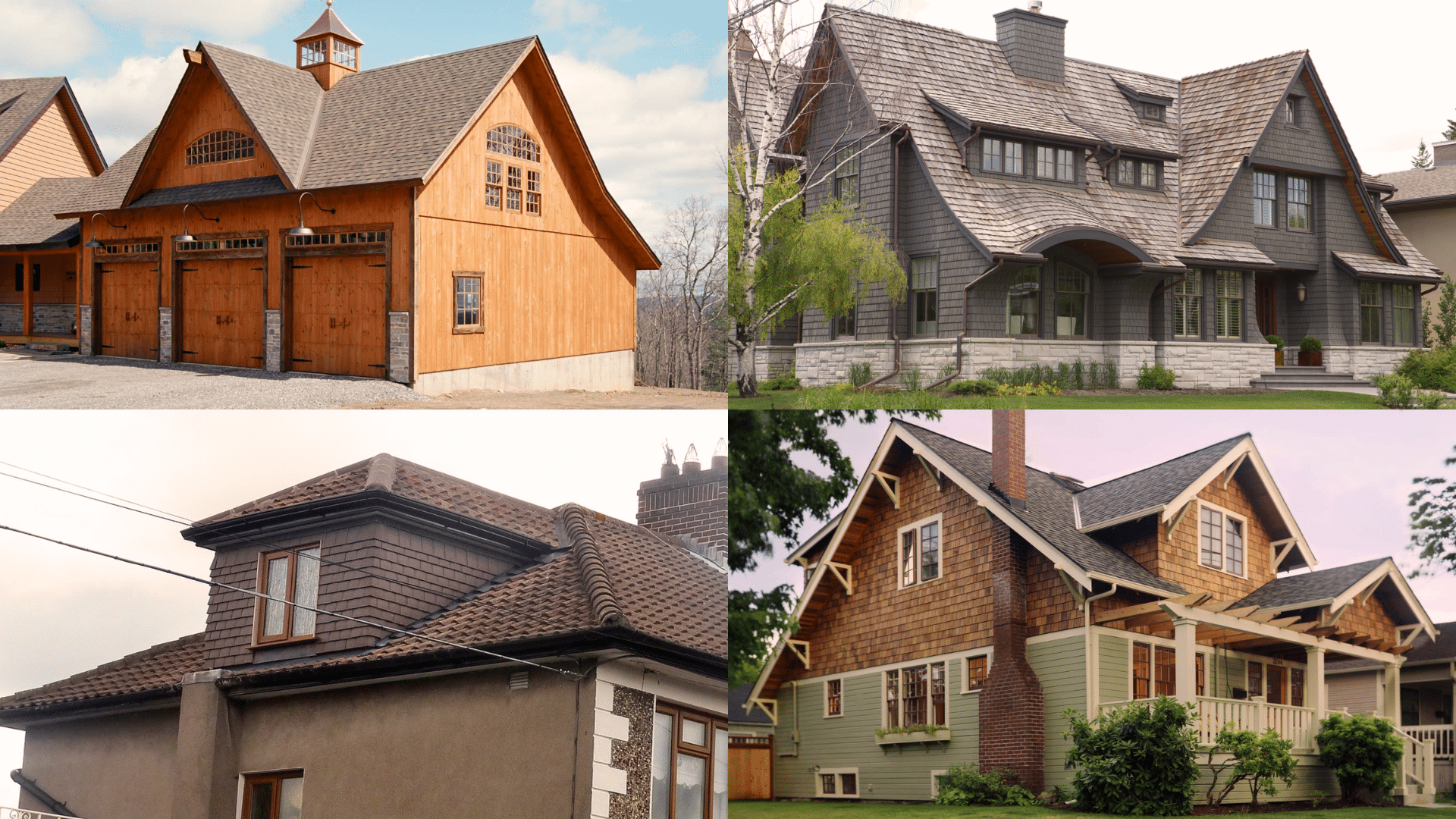
Dormers can shape a home in many ways, and each type brings its own look and feel.
When I first tried to understand them, I wanted someone to explain the styles in simple words without making it overwhelming. That’s what I want to give you here.
You might want more light, extra space, or a simple way to understand the roof shapes you see.
I’ll break down how dormers help with space, light, and airflow, and why some styles fit certain homes better than others.
In this guide, you’ll get clear, easy explanations of all the styles so you can see what sets them apart.
By the end, you’ll feel confident knowing which ones make sense for your home and why. Let’s get started!
What Is a Dormer?
A dormer is a small structure that sticks out from a roof to make space for a window. It adds headroom, light, and better airflow to the upper part of a home.
Most dormers have their own roof and sit above an attic or upper room.
They help turn tight areas into usable spaces and make the outside of a home look more balanced. A dormer can also shift how a roofline looks without changing the whole structure.
Builders use dormers to bring in natural light where regular windows can’t fit. They can be simple or detailed, depending on the style of the home.
You’ll see them on older houses, newer builds, and even small additions.
The main purpose of a dormer is to add light and space in a practical way. This makes it a helpful feature for many types of roofs.
Different Dormer Types to Enhance Your Roofline
These dormer styles offer different looks and practical benefits for many homes. Each type shapes the roofline in its own way while adding light, space, and simple function inside.
1. Gable Dormer
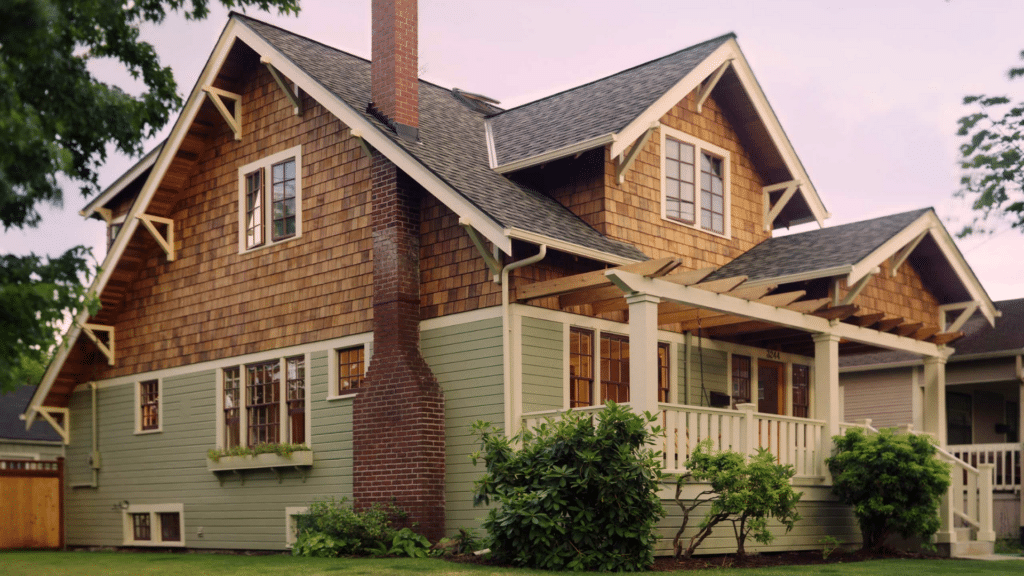
A gable dormer has a classic peak roof that forms a clean triangle, which makes it one of the most common choices for many homes.
It brings in steady natural light and adds comfortable headroom to upper floors, especially in tight attic spaces.
This style blends well with traditional and modern roofs since the shape is easy to match. Many homeowners like it because it breaks up a large roof without changing the main structure.
It offers a balanced look, simple upkeep, and reliable function.
2. Shed Dormer
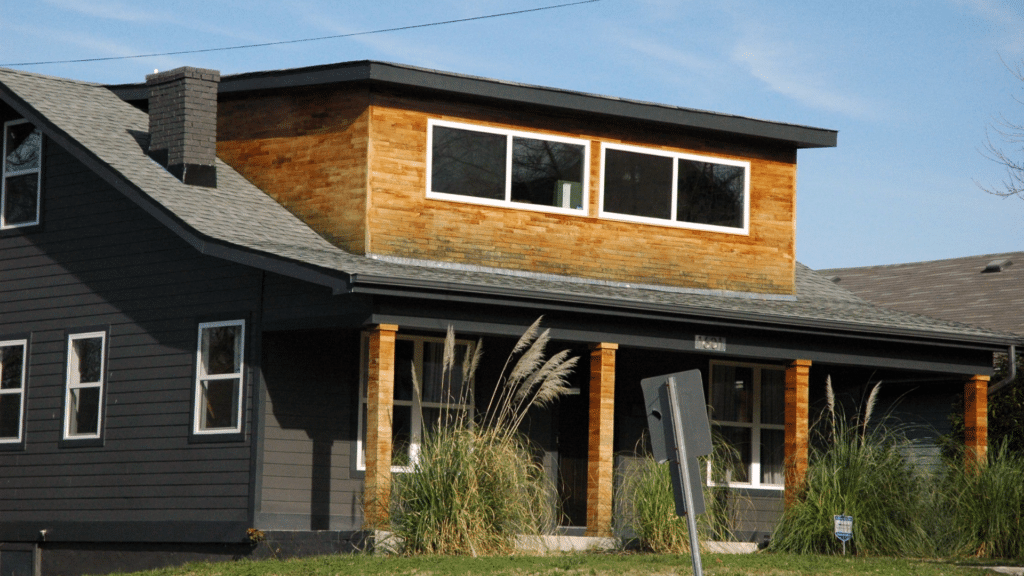
A shed dormer has a single sloping roof that creates a wide, open shape, making it great for adding roomy interior space.
It works well for turning attics into full living areas because it lifts the ceiling across a longer section.
This type also supports larger windows, which bring in bright, even light throughout the day. It fits many home styles and doesn’t overpower the roofline.
Homeowners choose shed dormers when they want more usable space in a simple, practical way without major structural changes.
3. Hip Dormer
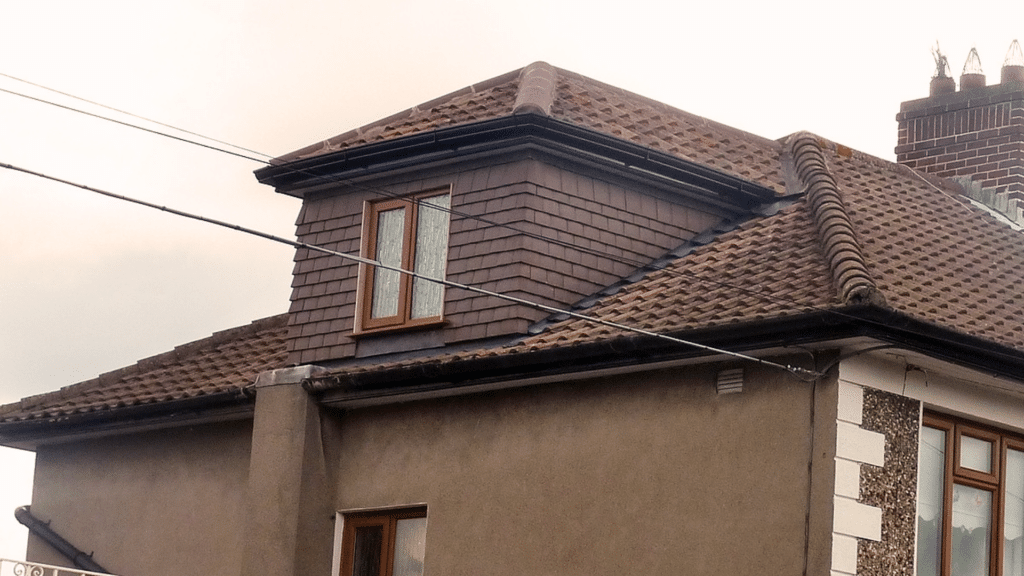
A hip dormer has a roof with three sloping sides, giving it a smooth and compact look that fits well with many home styles.
This shape makes the dormer sturdy and helps it shed water easily. Inside, it adds usable headroom while keeping the roofline balanced from the outside.
Many homeowners choose hip dormers for their neat, finished appearance and steady performance.
They combine well with hip roofs and other low-slope designs, making them a flexible option for both older homes and newer builds.
4. Eyebrow Dormer
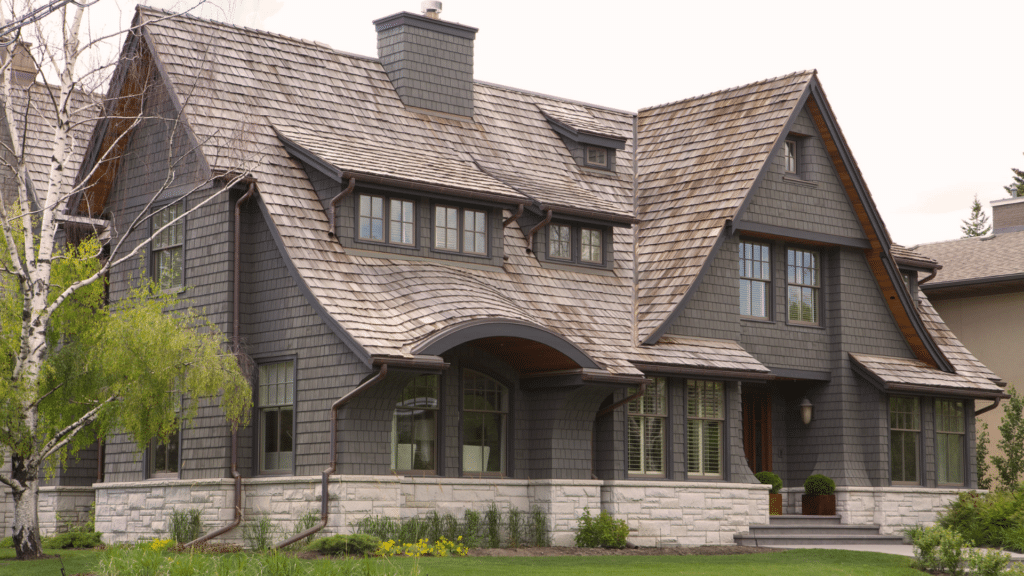
An eyebrow dormer has a soft, curved roof that rises gently from the main roof surface.
Its rounded shape brings in natural light without adding sharp angles, creating a smooth look on the exterior. Inside, it offers light and a touch of extra height, mainly for small reading spots or decorative spaces.
This type is often chosen for its subtle design and the way it softens long rooflines.
It works well on cottages, historic homes, and modern designs that want a softer roof detail.
5. Wall Dormer
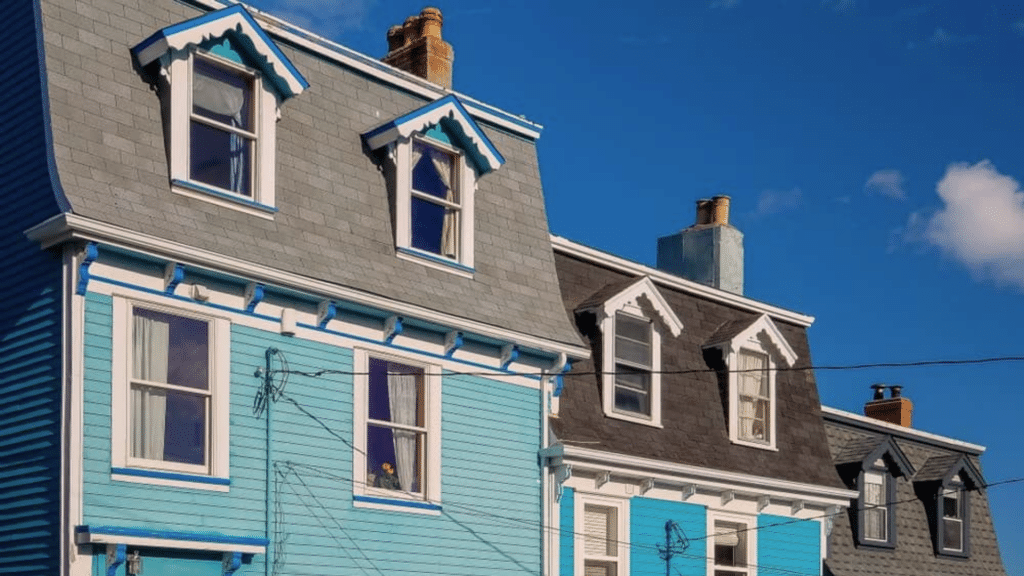
A wall dormer rises directly from the wall of the house instead of from the roof, which gives it a strong vertical look.
This design makes the dormer feel like a natural extension of the home rather than an added feature. Inside, it can create a full-height window that brings in bright, direct light.
Homeowners choose wall dormers when they want more window space and a clear view outdoors.
It works well in homes with tall upper floors and is a simple way to add light and presence.
6. Flat Dormer
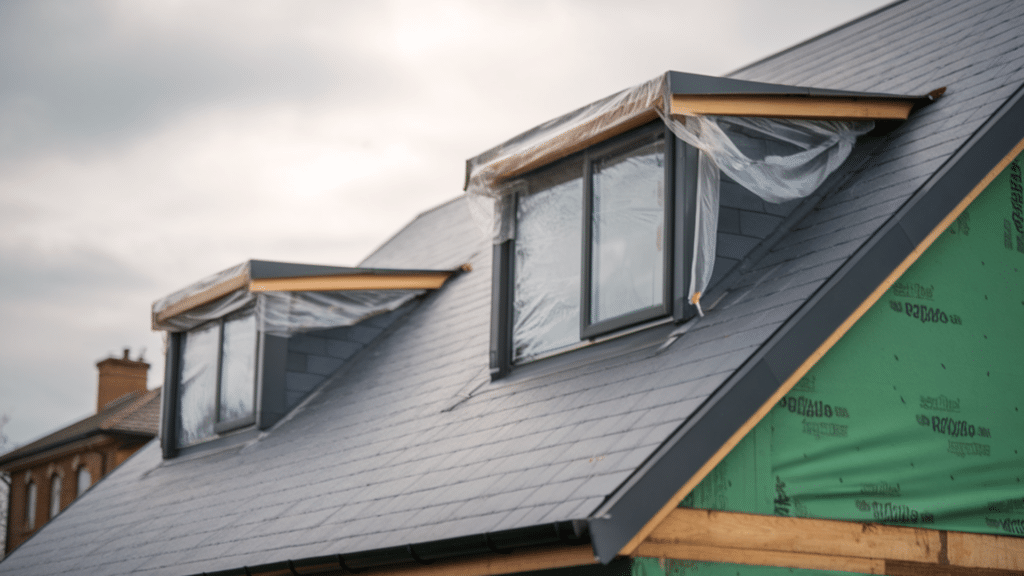
A flat dormer has a straight, level roof instead of a sloped one, giving it a simple and boxy shape that blends well with modern or clean-lined homes.
It brings in steady natural light and creates generous headroom, making upper rooms feel more open and usable.
Homeowners choose flat dormers when they want a straightforward design that maximizes interior space.
This type works well on roofs that can support a level surface and is often used in attic conversions. It offers a practical look with clear function.
7. Pyramidal Dormer
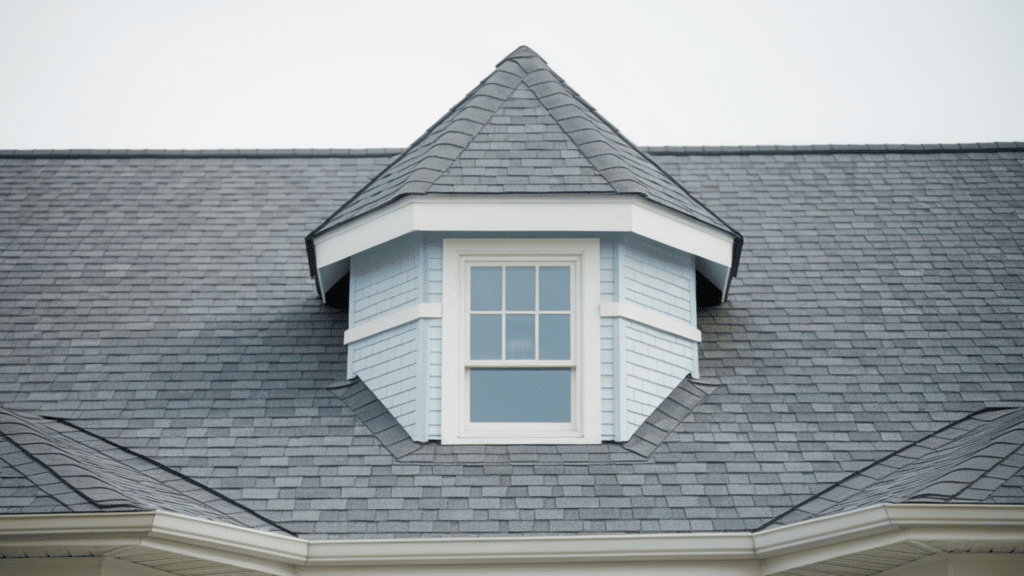
A pyramidal dormer has a roof with four equal sloping sides that meet at a single point, giving it a clean and compact shape.
It brings in natural light while keeping the exterior design balanced and structured. This style works well on homes that already feature strong geometric lines or symmetrical layouts.
Inside, it offers a useful amount of headroom and adds brightness to tight upper areas.
Homeowners choose pyramidal dormers for their solid form and steady look. It improves the roofline without requiring major changes to the main structure.
8. Pedimented Dormer
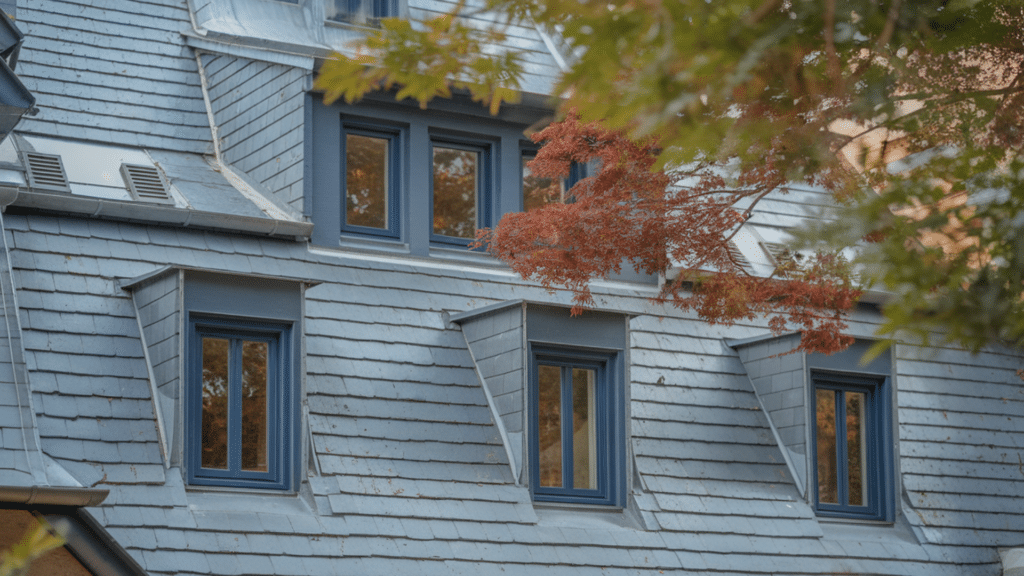
A pedimented dormer has a strong triangular shape with a decorative frame around the top, giving it a more classic and structured look.
It pairs well with traditional homes that use clean lines and balanced roof shapes.
Inside, it brings in good natural light and adds a clear vertical presence to the room. Homeowners choose this type when they want a dormer that feels polished and intentional.
It works well on homes that aim for a formal or symmetrical exterior design.
9. Mansard Roof Dormers
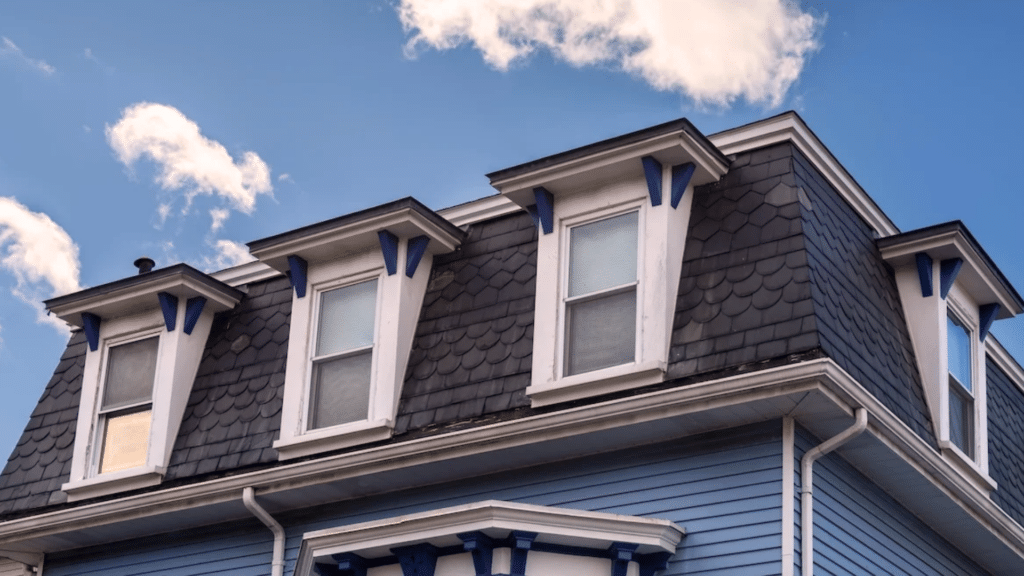
A mansard roof dormer is built into the steep lower slope of a mansard roof, creating extra space within the top floor.
Its placement allows for large windows that bring in generous natural light.
The design works well for homes that want to expand usable living space without altering the main structure too much. Inside, it offers comfortable headroom and makes rooms feel more open.
Many homeowners choose mansard roof dormers for their strong blend of style and practicality, along with their easy integration into classic architectural designs.
10. Flared Gable Dormer
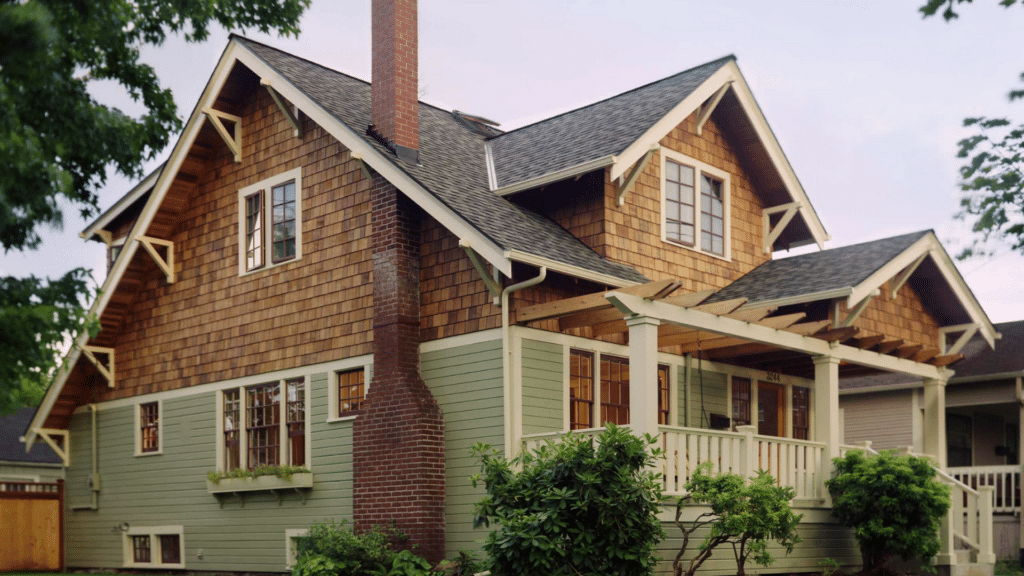
A flared gable dormer looks similar to a standard gable but has roof edges that flare outward slightly at the bottom.
This small detail changes the appearance and makes the dormer look more finished. It adds steady light and comfortable headroom inside.
Homeowners choose this option when they want something familiar with a subtle twist.
It works well for homes needing a little extra style without moving away from a classic roof shape. The flared edge also helps water run off smoothly.
11. Reversed Dormer
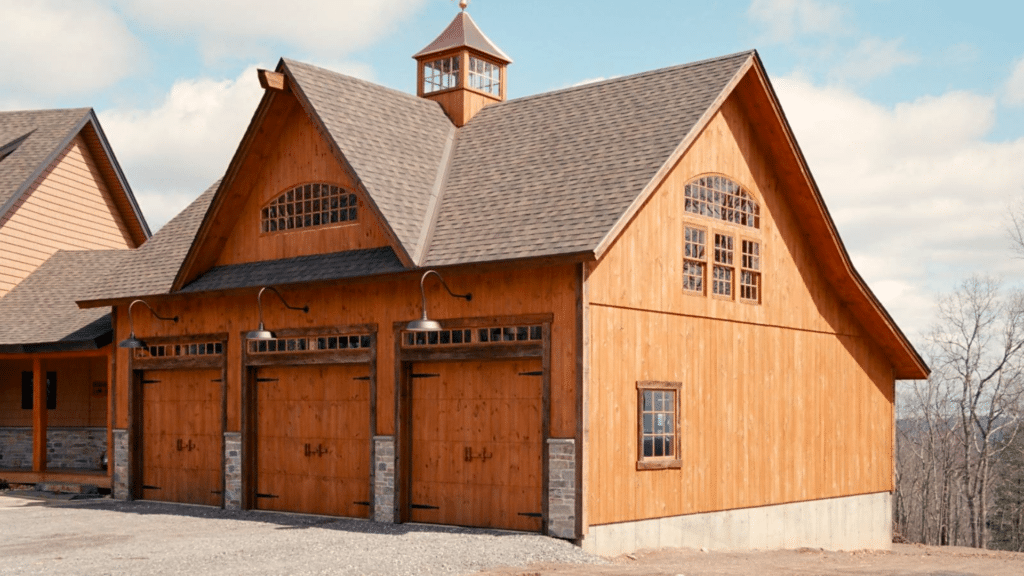
A reversed dormer is built by extending the roof downward into the interior space instead of projecting outward, creating a tucked-in look that feels unique yet simple.
This design brings in natural light from an unexpected angle and opens up wall space inside the room.
Homeowners choose reversed dormers when they want light and function without adding bulk to the exterior. It blends smoothly with the roofline and maintains a clean profile.
This makes it a practical choice for modern homes that want subtle design with clear interior benefits.
12. Copper Roof Dormer
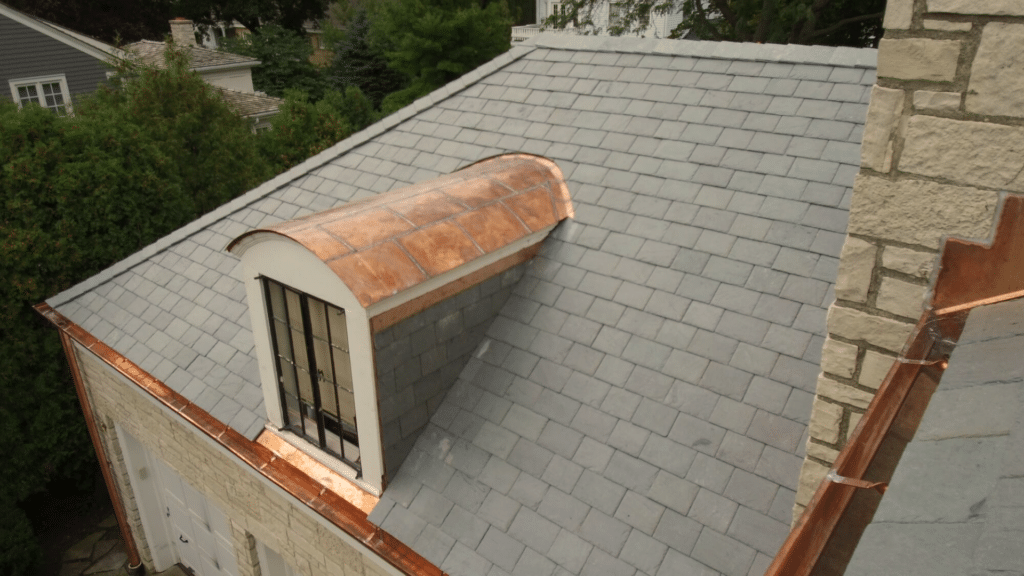
A copper roof dormer uses copper for its roofing material, which creates a long-lasting and low-maintenance surface.
Over time, the copper develops a natural patina, giving the dormer a distinct and aged look. Inside, it functions like other dormers by adding space and light.
Homeowners choose this type when they want a durable design that stands out in a subtle way.
It works well on both classic and upscale homes that value strong materials and long-term durability.
13. Nantucket Dormer
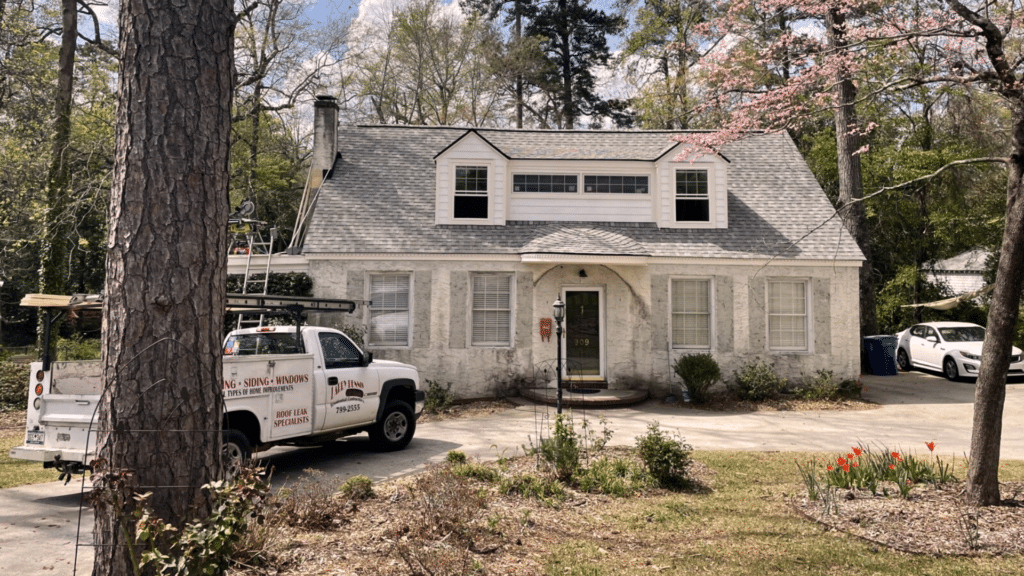
A Nantucket dormer combines a shed dormer in the center with two smaller gable dormers on each side.
This creates a wide, open layout that brings in a lot of natural light and adds significant interior space. It works especially well for attic rooms or upper floors that need more room.
The layered design also adds interest to large roof surfaces. Homeowners choose this type when they want both function and a standout design.
It’s a helpful option for homes with long rooflines needing more definition.
Pros and Cons of Dormers
Dormers offer useful benefits for light, space, and design, but they also come with a few challenges to consider. This table gives you a clear, simple look at both sides.
| Pros | Cons |
| Adds natural light to upper rooms | Can increase the overall project cost |
| Creates more headroom and usable space | May require structural changes to the roof |
| Improves airflow and ventilation | Installation can take time and planning |
| Helps balance the roofline and exterior look | Needs regular upkeep to prevent leaks |
| Supports better room layout and comfort | Not all roof types can support every dormer style |
| Can increase home value with a cleaner design | Poor placement may reduce efficiency |
| Works well for both old and new homes | It may affect insulation if not installed correctly |
Benefits of Adding Dormers to Roofs
Dormers can brighten upper floors, add usable space, and make a home feel more comfortable. They also improve the outside look without major construction.
1. More Natural Light
Dormers bring daylight into rooms that often stay dark because of sloped ceilings.
This boost in light makes the space easier to use for reading, working, or simple daily tasks.
It also helps the room feel larger and less closed in. Natural light supports a steady indoor temperature and lowers the need for daytime lighting.
With the right window size and placement, a dormer can turn an unused attic or upper room into a warm, welcoming space you enjoy spending time in.
2. Added Usable Space
Dormers raise part of the roof to add headroom, which can completely change how a tight space feels. Even a small dormer lets you stand, walk, and arrange furniture more freely.
Many people use the added room for reading nooks, storage, built-ins, or desk areas.
This makes the upper floor more useful without needing a full renovation. The new shape of the room also creates clearer lines, making the layout easier to work with.
A dormer gives you more control over how the space functions day to day.
3. Better Air Flow
A dormer window improves ventilation by opening up a higher point of the room. When paired with another window, it creates a cross-breeze that cools the space naturally.
This helps remove warm, trapped air and brings in fresh air that makes the room feel cleaner and more comfortable.
Better airflow supports healthier indoor air quality and reduces dependence on cooling systems.
Over time, this keeps the upper floor from feeling stuffy and helps maintain steady comfort, especially during warmer months.
4. Boost in Exterior Appeal
Dormers add shape and balance to a roofline, which changes how the home looks from the outside.
They break up large roof surfaces and give the structure a more finished, intentional design. This small architectural detail can help the home feel more welcoming and well put together.
Because dormers come in many styles, they can match older homes, newer builds, and everything in between.
A well-placed dormer often increases long-term value because it improves both looks and function without altering the main structure of the home.
Simple Care and Upkeep Tips for Dormers
Dormers stay in good shape with steady, basic maintenance. These easy tasks help prevent leaks, protect the roof, and keep the window area working well.
- Check the flashing around the dormer for gaps or wear.
- Look for cracked or missing shingles near the dormer base.
- Clear leaves and debris from the roof area around the dormer.
- Inspect the caulk and seals to catch early signs of moisture.
- Test the dormer window to ensure it opens and closes smoothly.
- Watch for signs of interior dampness during rainy months.
- Schedule a roof check if you see sagging or water stains.
- Keep gutters clean so water doesn’t back up near the dormer.
Conclusion
Understanding dormers makes it easier to see how they change a home’s light, space, and roofline.
Each style offers something different, and knowing these details helps you make choices that fit both your needs and the layout of your home.
When you compare these types, you get a clearer sense of what will work well and what may not suit your roof or room plans.
As you think about updates or future projects, use this guide to narrow down the styles that match your goals.
A well-chosen dormer can make a space brighter, more open, and more practical.
If you’ve added a dormer before or have questions about choosing one, share your experience in the comments below.