

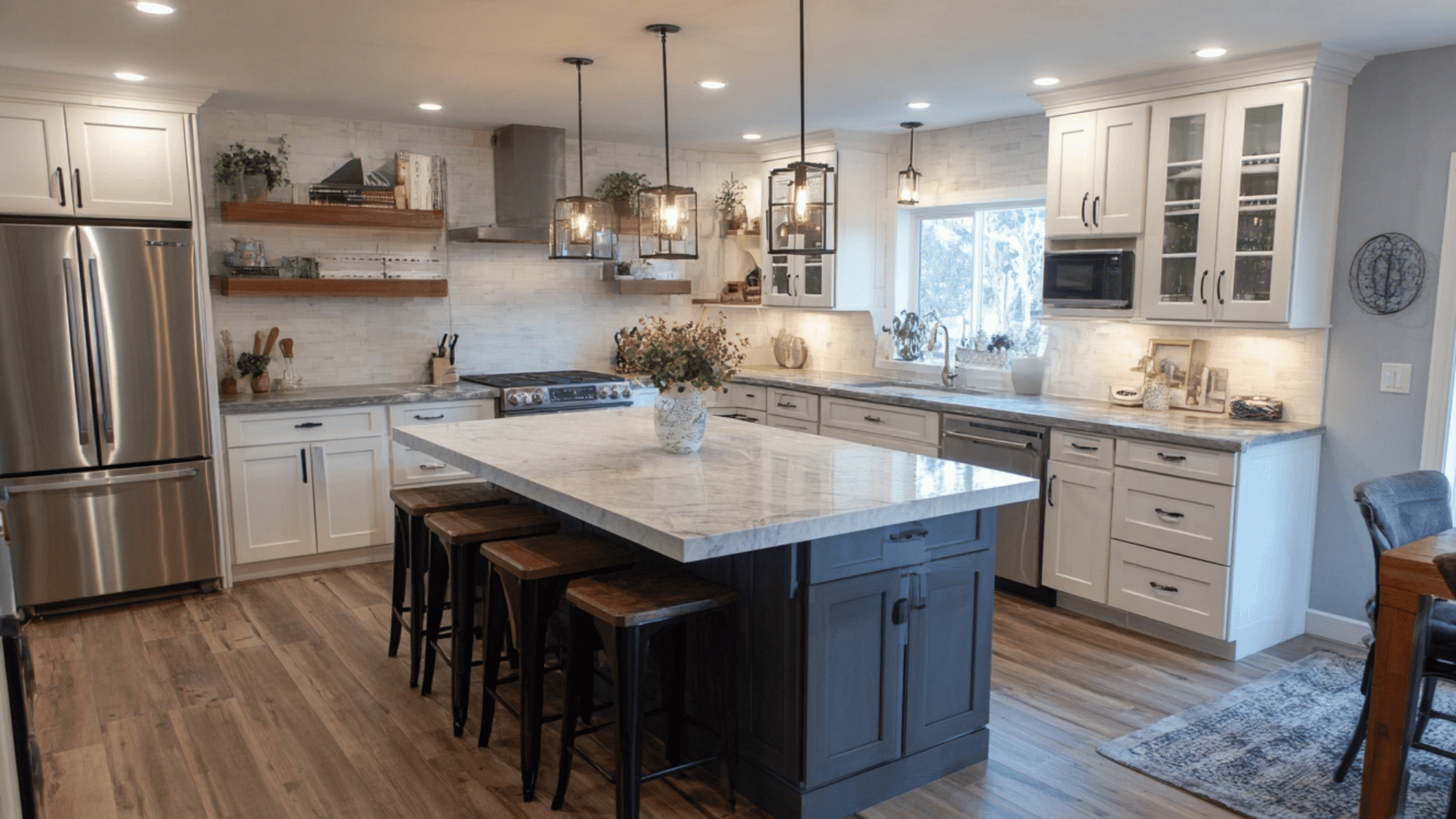
Kitchen counters are where the magic happens. Chopping vegetables, kneading dough, or simply setting down groceries after a long day; these surfaces see it all.
But have you ever stopped mid-prep and wondered if your counter feels a bit off?
Maybe it’s too high, forcing your shoulders to creep up. Or too low, making your back ache after just a few minutes.
That nagging discomfort isn’t random. Counter height matters more than most people think, and getting it right can change how you feel in your kitchen. So what exactly is the standard height, and why does it exist?
Standard Kitchen Counter Height in CM and Inches
Most kitchens follow a tried-and-tested formula when it comes to counter height.
The standard measurement sits at 36 inches, or roughly 91 centimeters, from floor to countertop.
This height didn’t just appear out of nowhere. It’s the result of years of design tweaks and ergonomic studies aimed at making kitchen work easier for the average person.
But not every kitchen sticks to this rule. Some go taller, some shorter, depending on who’s using the space.
Understanding these measurements helps when planning a new kitchen or troubleshooting why your current setup feels awkward.
Pros and Cons of 36-Inch vs. Custom Heights
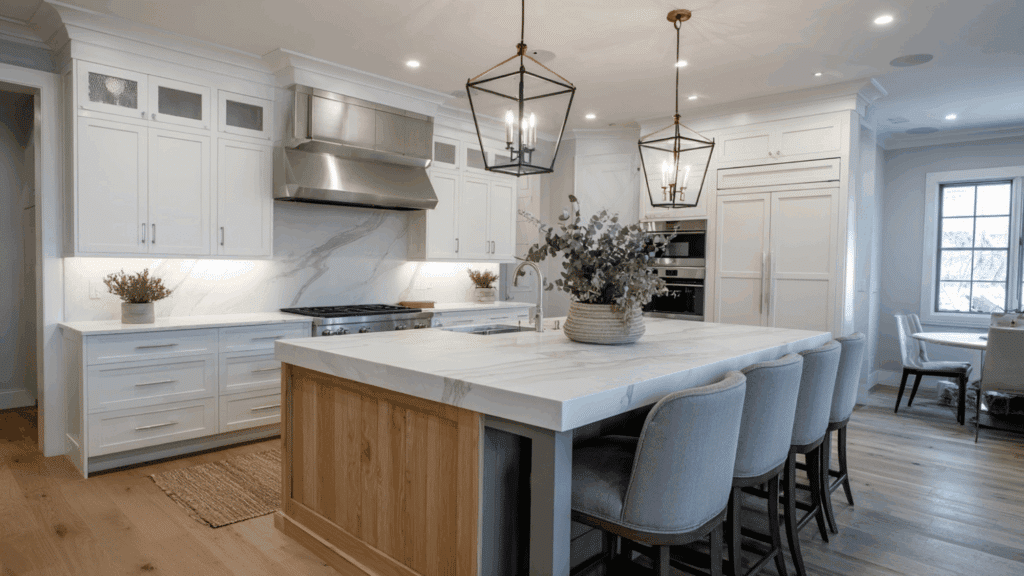
Choosing between standard and custom counter heights isn’t always straightforward. Each option comes with its own set of benefits and drawbacks that affect comfort, cost, and how your kitchen functions daily.
| Aspect | 36-Inch Standard Height | Custom Heights |
|---|---|---|
| Cost | Budget-friendly, uses off-the-shelf cabinets | More expensive, requires custom work |
| Comfort | Works well for average height users | Tailored to individual needs |
| Resale Value | Easier to sell, appeals to most buyers | May limit buyer appeal |
| Installation | Quick and simple setup | Takes longer, needs skilled labor |
| Ergonomics | Good for people 5’4″ to 5’10” | Perfect fit for any height |
| Appliance Fit | Standard appliances fit easily | May need special adjustments |
| Flexibility | One-size-fits-all approach | Personalized for your body |
Common Kitchen Counter Height Variations
Not all counters sit at the same level. Kitchens often feature different heights depending on their purpose, and each variation serves a specific role in making cooking and prep work more comfortable for different tasks.
Bar-Height Counters
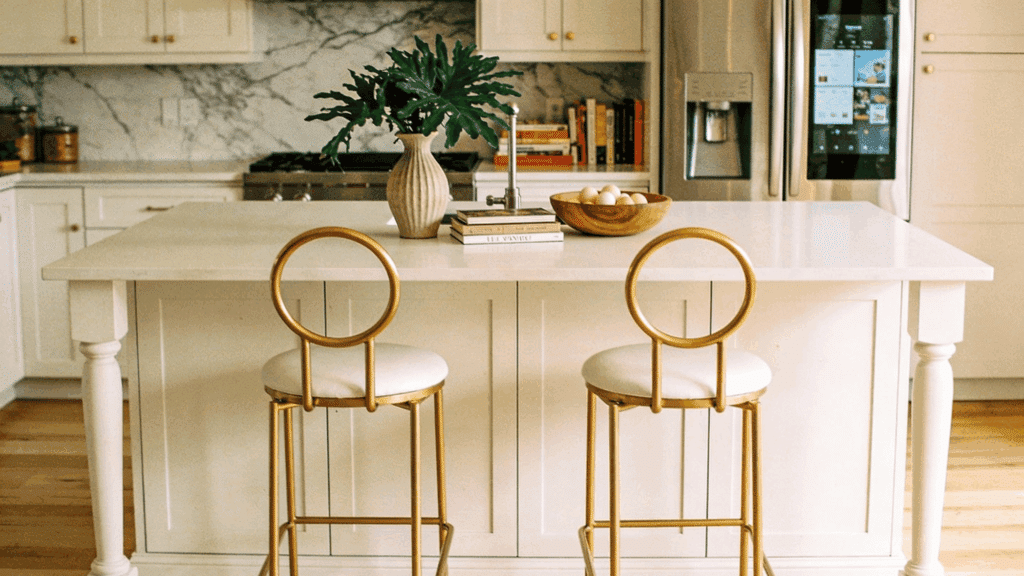
Bar-height counters stand at 42 inches, or about 107 centimeters. These elevated surfaces work great for casual dining spots or kitchen islands where people gather.
The extra height creates a natural separation between cooking and eating areas.
Bar stools fit perfectly underneath, and the raised position keeps clutter out of sight when guests visit.
Counter-Height Islands

Counter-height islands match the standard 36-inch measurement but often get raised to 39-42 inches on one side. This dual-height setup gives you workspace on one end and a breakfast bar on the other.
It’s a smart compromise that adds seating without sacrificing prep space, making the island the true centerpiece of modern kitchens.
Accessible or Universal Design Heights
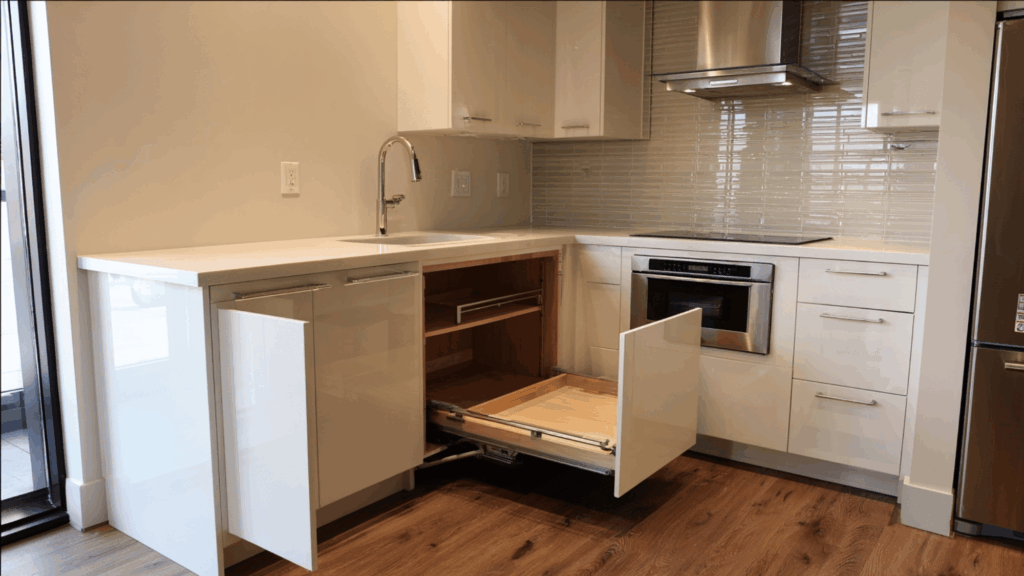
Accessible counters drop to 28-34 inches to accommodate wheelchair users and people with mobility challenges. These lower surfaces make cooking possible for everyone, not just the average-height person.
Universal design principles encourage mixing heights throughout the kitchen so all family members can work comfortably, regardless of physical ability or stature.
Baking Stations

Baking stations sit lower than standard counters, typically around 32-34 inches high. This reduced height makes kneading dough and rolling pastry much easier because you can put your body weight into the work.
Serious bakers swear by these dedicated zones, and even occasional cookie makers notice the difference when working at the proper level.
Kitchen Counter Height vs. Island Height Differences
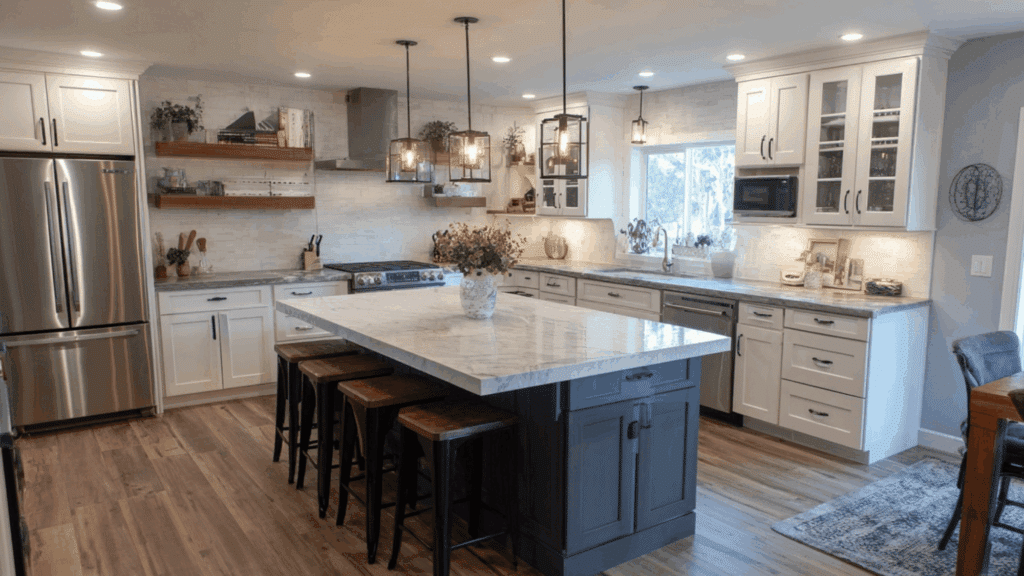
Walk into most kitchens, and you’ll notice something interesting. The island doesn’t always match the rest of the counters.
Sometimes it’s taller, sometimes it’s the same height, and occasionally it features multiple levels that seem to defy the standard rules.
This isn’t just a design quirk. Islands serve different purposes than perimeter counters, and their height reflects that.
While your main counters handle most of the heavy cooking work, islands often pull double duty as prep zones, dining spots, and social hubs. These varying roles mean the height needs to adapt.
Understanding why these differences exist helps you plan a kitchen that actually works for your lifestyle.
How to Measure Your Ideal Kitchen Counter Height
Finding your perfect counter height doesn’t require fancy equipment or professional help. A simple at-home test reveals what works best for your body, saving you from years of awkward bending and stretching.
Steps to Find Your Ideal Height:
- Stand straight with arms relaxed at your sides, then bend your elbows to 90 degrees.
- Measure the distance from the floor to your bent elbow using a tape measure.
- Subtract 4 to 6 inches from that measurement for your ideal counter height.
- Test the height by standing on a surface that matches your calculation.
- Adjust up or down based on whether you prefer chopping, kneading, or general prep work.
The Bottom Line
Getting counter height right isn’t about following rules blindly. It’s about making your kitchen work for you.
Some people thrive with the standard height, while others need something different to feel truly comfortable. The measurements and guidelines exist to help, not restrict.
Take time to assess what feels natural for your body. Do you bake often? Chop vegetables daily? Entertain guests regularly? These habits matter.
Your kitchen should support you, not fight against you. Whether you stick with standard heights or go custom, choose what makes cooking feel effortless rather than exhausting.