

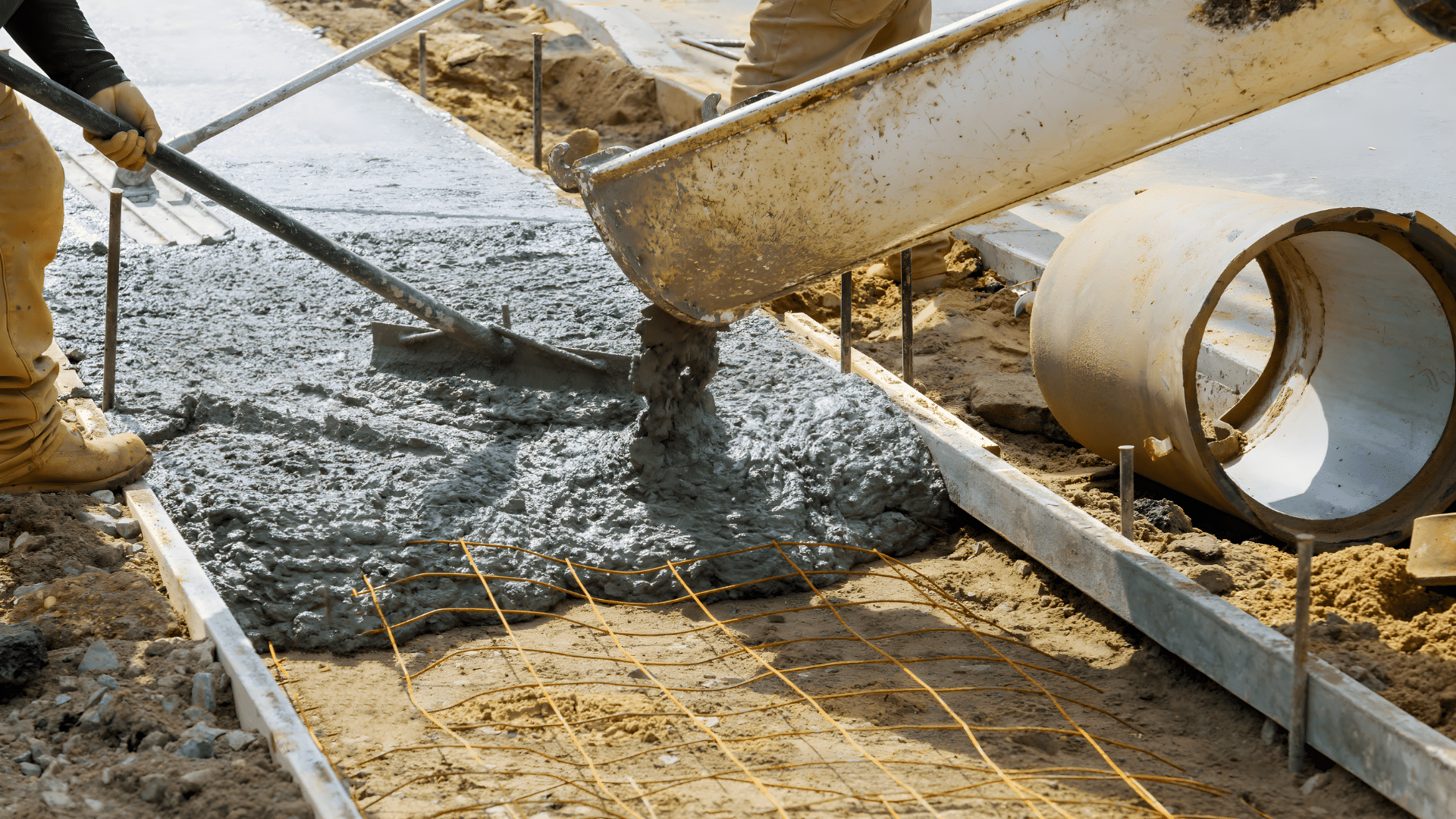
When working with concrete, knowing how long it takes to dry is crucial for any project, if you’re a DIYer or a contractor.
Concrete drying time can vary depending on many factors, like weather, humidity, and the type of mix you use.
You don’t want to rush the process or leave it too long, so it’s important to get the timing just right.
In this article, I’ll cover everything you need to know about how long concrete really takes to dry, including what affects its drying time and how you can tell when it’s ready.
If you’re pouring a driveway or setting up a foundation, understanding these details will help ensure your project goes smoothly and lasts longer.
Stick around for tips on speeding up the process when needed and avoiding mistakes that could cost you down the line.
Understanding Concrete Drying and Curing

Concrete drying and curing are two important steps in the process of making concrete strong and durable.
Drying refers to the removal of excess water from the concrete. This happens naturally as the water evaporates over time.
On the other hand, curing is a chemical process that occurs when the water inside the concrete reacts with the cement, helping it harden and gain strength.
Curing is vital because it ensures the concrete doesn’t crack or weaken.
While drying mainly focuses on the moisture level, curing is about allowing the concrete to fully set and reach its full strength.
Both drying and curing take time, but they’re necessary for the concrete to perform well in the long run.
Without proper drying and curing, your concrete might not last as long as it should.
How Long Does Concrete Take to Dry?
The time it takes for concrete to dry depends on several factors. Typically, it takes about 24 to 48 hours for concrete to dry enough to walk on.
However, this doesn’t mean it’s fully set. After this initial drying period, the concrete still needs more time to cure.
Full drying and curing can take anywhere from 28 to 30 days. The drying process is affected by factors like temperature, humidity, and the type of mix used.
For example, in hot weather, concrete might dry faster, while in cold or rainy conditions, it may take longer.
It’s important not to rush the process because improper drying can lead to cracks or weak spots. Patience is key, especially if you’re working on a project that needs long-term strength, like a foundation or driveway.
Factors Impacting the Amount of Time Concrete Takes to Set
Concrete drying and curing times vary depending on several factors. Understanding these will help you manage your project more effectively.
1. Temperature
The temperature has a significant impact on how quickly concrete dries. In warmer weather, concrete dries faster because the heat increases the rate at which water evaporates from the surface.
However, if the temperature is too high, the concrete can dry too quickly, leading to cracking or weak spots.
On the other hand, cold weather can slow down the drying and curing process. If the temperature drops below freezing, the curing process may stop altogether, leading to poor concrete strength.
The ideal temperature for concrete drying is between 50°F and 75°F, as it allows the water to evaporate at a balanced rate.
2. Humidity
Humidity plays a key role in how concrete dries. When the air has high humidity, the moisture in the concrete evaporates more slowly because the air is already filled with moisture.
This means that drying will take longer, which can extend the overall curing time.
Low humidity speeds up the drying process, but it can also lead to problems if the concrete dries too fast, causing cracks.
It’s best to maintain a balanced environment where the humidity is moderate to ensure the concrete dries properly without any damage.
3. Mix Proportions
The mix of ingredients in your concrete affects how long it takes to set. Too much water in the mix can increase drying time because the extra water needs to evaporate.
In addition, concrete with a high water content may not achieve the strength needed for a strong final product.
A good concrete mix should have the right balance of cement, sand, and water. This ensures that the concrete dries at a proper rate while also curing to full strength.
The proper mix ratio helps avoid cracks and ensures durability in the finished concrete.
4. Concrete Thickness
The thickness of the concrete also affects drying time.
Thicker slabs of concrete take longer to dry because the moisture trapped in the middle of the mix has to work its way out.
For example, a thin concrete layer, like a sidewalk, will dry faster than a thick foundation slab or driveway.
The thicker the concrete, the more time it will take for all the moisture to evaporate. This means that large projects or thicker layers of concrete will need more time to dry and cure fully.
5. External Weather Conditions
External weather conditions, such as rain and heat, can heavily influence how long concrete takes to dry.
When it rains, the concrete gets additional moisture, which slows down the drying process. In contrast, extremely hot weather can cause concrete to dry out too quickly, leading to surface cracks or poor curing.
It’s essential to protect your concrete from these weather extremes.
If it’s too hot or rainy, try to cover your concrete or apply a curing compound to control evaporation and protect it from damage.
How to Tell when Concrete Is Fully Dry?
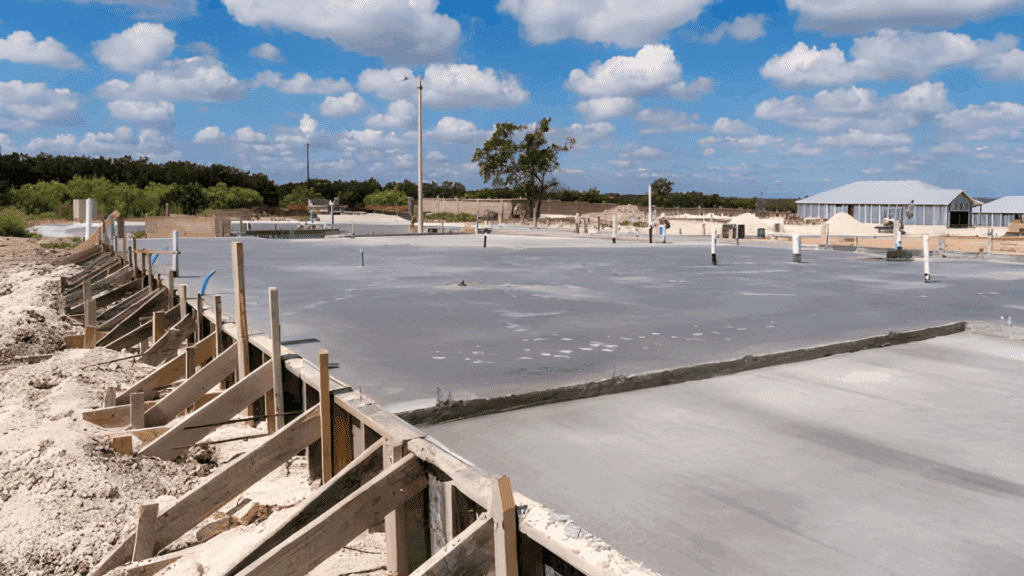
Checking concrete for dryness is important to make sure it’s ready for use. These are a few ways to tell when it’s fully dry.
- Color Change: Concrete will change color as it dries. When it’s wet, it looks darker, but as it dries, the color will lighten.
- Touch Test: Gently press your finger on the surface. If it feels damp or leaves an impression, it’s not fully dry.
- Sound Test: Tap the surface with a small hammer or tool. If it sounds hollow, the concrete may still have moisture inside.
- Moisture Meter: Use a moisture meter to measure the moisture content. It’s the most accurate way to check if it’s fully dry.
- Time: Wait for the recommended drying time based on the thickness and weather conditions, typically 24-48 hours.
Concrete Curing vs Drying: What’s the Difference?
Understanding the distinction between curing and drying helps ensure proper concrete treatment. Below is a simple breakdown of the two processes:
| Aspect | Drying | Curing |
| Definition | The process of moisture evaporating from concrete. | The chemical reaction between cement and water that strengthens concrete. |
| Duration | Takes a few days to a week. | It can take up to 28 days to reach full strength. |
| Purpose | Reduces moisture content for surface use. | Strengthens and hardens concrete for durability. |
| Key Factor | Affected by temperature, humidity, and air circulation. | Affected by moisture content and temperature. |
| Outcome | Concrete becomes dry to the touch but may still be weak. | Concrete gains maximum strength and durability. |
Tips to Speed up the Concrete Drying Process
If you’re wondering how long concrete takes to dry, there are a few ways to speed up the process. Consider these practical tips to ensure faster drying without compromising quality.
- Use Proper Ventilation: Increasing airflow around the concrete helps moisture evaporate faster.
- Apply a Curing Compound: This can help control moisture levels, preventing excessive evaporation and improving drying.
- Use Quick-Drying Concrete Mix: Choose a fast-setting concrete mix designed for quicker drying times.
- Use Heat: Applying gentle heat can speed up evaporation, but avoid using high temperatures that could damage the concrete.
- Reduce the Amount of Water: Less water in the mix can speed up drying, but be careful not to compromise the concrete’s strength.
- Cover with Plastic Sheets: In dry conditions, covering concrete with plastic can help retain moisture, which can improve the curing and drying process.
Conclusion
Understanding how long does concrete takes to dry and cure is key to the success of any project.
Drying and curing are two separate processes, each vital for achieving strong, durable concrete.
Weather conditions, mix proportions, and thickness all affect drying time, so it’s important to plan your project accordingly.
If you’re unsure whether your concrete is drying properly, simple tests like checking for color change or doing a touch test can help. Have you tried any of these methods in your own projects?
Share your experience in the comments below.
I’d love to know how you’ve managed concrete drying times, and your tips could help others in similar situations!