

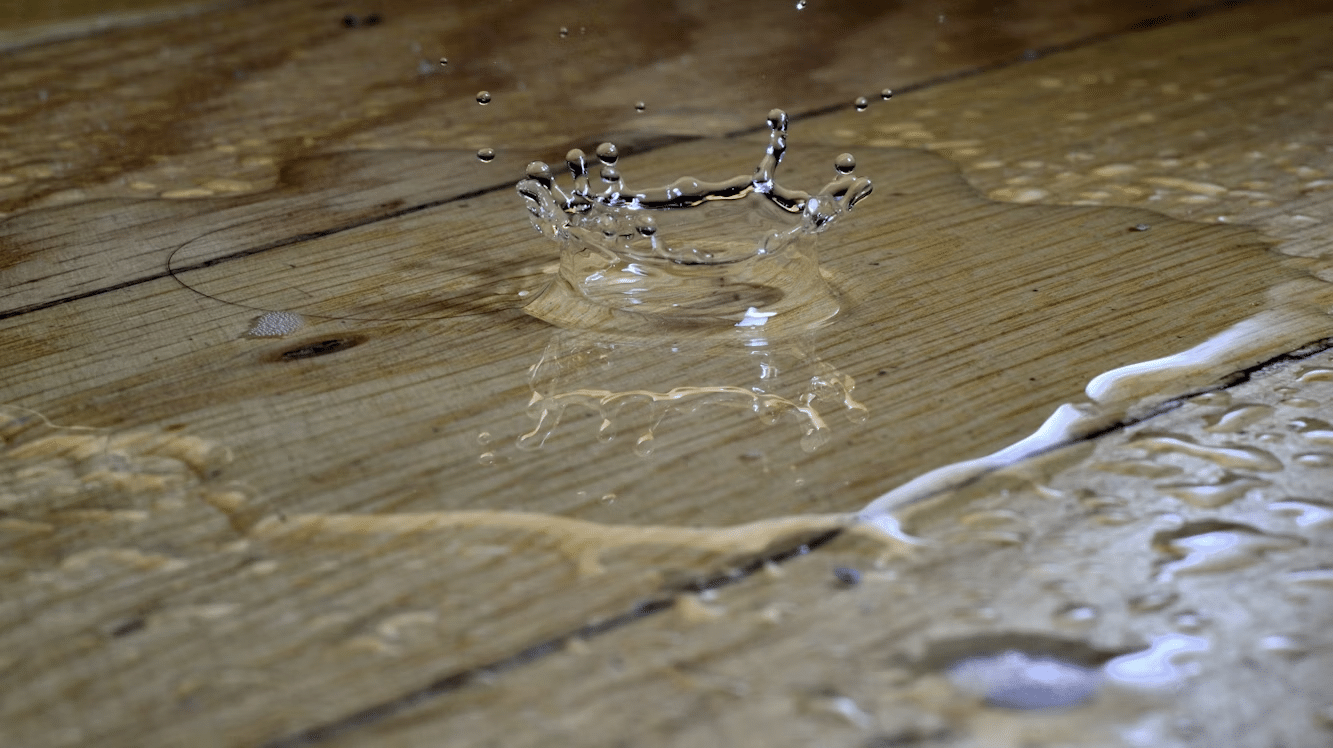
Water has a way of sneaking into places it shouldn’t. A small leak can become a big problem that outlasts the storm or the burst pipe. Beyond the obvious cleanup, there are hidden costs that hit your wallet, your time, and your peace of mind.
Higher utility and service bills
Repairing the source of a leak is only the start. After water damage, you may face extra flushing, testing, and follow-up maintenance to make sure everything is safe. One industry analysis found that typical combined water and sewer bills have climbed sharply in recent years, which means post-incident usage and service can cost more than you expect, according to Bluefield Research.
How to sidestep it
Install leak sensors near appliances and under sinks. Track your monthly usage for sudden spikes. If your bill jumps without a clear reason, inspect right away.
Hidden structural repairs
Water travels along framing, subfloors, and wall cavities. You might only see a stain, but swelling in subflooring or creeping rot can show up months later. That can turn into the replacement of baseboards, drywall sections, or even joists.
This is where speed matters. You might start with a quick dry-out, then move to emergency water damage cleanup if moisture readings stay high or odors linger. Early testing and targeted demolition prevent paying twice for the same area.
Quick checks that save money
- Use a moisture meter on walls and trim for baseline readings.
- Look for buckling floors and soft drywall corners.
- Recheck problem spots 1 week and 1 month later.
Mold remediation that balloons
Even small damp zones can grow mold. Once colonies spread into wall cavities or under flooring, the job can expand fast. A homeowner guide from Angi notes that professional mold remediation often lands in the low thousands, and larger or complex areas can cost far more when access is tight or porous materials are involved.
Keep mold from taking root
Dry wet materials within 24 to 48 hours. Remove soaked carpet pads and cellulose insulation that hold moisture. Use a dehumidifier to keep indoor humidity under 50 percent until readings are normal.
Premium restorations for severe saturation
Not all water damage is equal. When moisture saturates hardwoods, plaster, and structural cavities, restoration can shift into the highest complexity tier. Cost guides report that the most severe class of water damage work carries a wide price range due to specialized drying, containment, and reconstruction, as outlined by HomeAdvisor.
Recognize a high-complexity loss
If water traveled vertically through multiple floors, sat for several days, or impacted dense materials like hardwood and brick, expect specialized equipment and longer timelines.
Lost use of rooms and contents
You might not be able to use a kitchen, bath, or bedroom during drying and repairs. That means eating out more, buying temporary storage bins, or purchasing replacement basics while belongings are packed away. If you work from home, a closed office can also impact productivity.
Plan for a temporary layout. Set up a mini kitchen with a hot plate and a filtered water pitcher. Store essential clothes and supplies in clear bins so you don’t need to open taped boxes every morning.
Insurance surprises and gaps
Coverage details matter. Slow leaks, maintenance neglect, or groundwater intrusion may be excluded. Limits can apply to mold, code upgrades, or personal property categories. You could face deductibles that reset if a second issue pops up during the same season.
Keep coverage working for you
Document the scene with photos and moisture readings. Save plumber invoices and mitigation logs. Ask your agent about mold sublimits, ordinance-and-law coverage, and whether a sump pump or water backup rider makes sense.
How to lower your total cost by acting early
Fast action cuts the risk of structural damage, mold, and inflated bills. Start with safety and source control, then move to drying.
A simple 5-step playbook
- Kill power to affected areas if outlets or appliances get wet.
- Stop the source – shut off the main valve or disconnect the appliance.
- Extract standing water and remove porous materials that cannot be sanitized.
- Set up high-airflow drying and dehumidification until moisture readings normalize.
- Schedule follow-up checks to prevent hidden rebounds.
Smart upgrades that pay off after a leak
Consider small investments that reduce damage next time. Smart shut-off valves can detect abnormal flow and cut water quickly. Pan sensors beneath washing machines and water heaters alert you before a drip becomes a flood. Upgrading to water-resistant baseboards and using tile or waterproof vinyl in lower levels can prevent repeat repairs.
An annual plumbing inspection also helps. A pro can spot failing supply lines, corroded shut-offs, and slow-drain issues. Replacing a $15 braided steel hose beats replacing a kitchen ceiling.
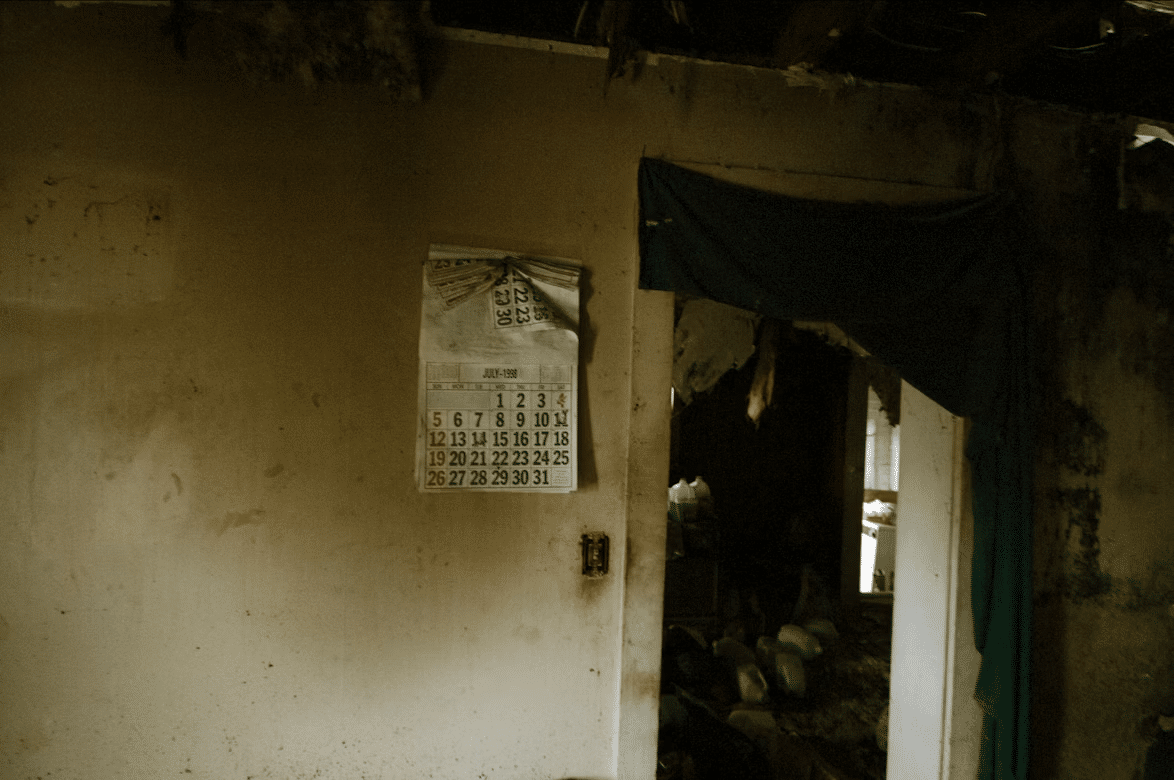
A water event is stressful, but it doesn’t have to spiral. With fast action, smart checks, and support from experienced restoration professionals like Regal Restoration, you can keep the hidden costs in check and get your space back without repeat repairs.