

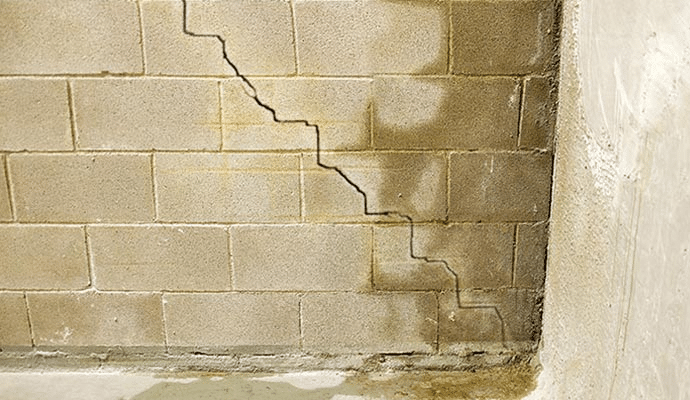
Water damage is one of the most expensive, stressful, and disruptive problems a homeowner can face. A burst pipe, a failed water heater, or even a slow, hidden leak can quietly cause thousands (or tens of thousands) of dollars in damage before anyone realizes there’s a problem.
Floors warp, drywall swells, mold begins to grow, and repairs escalate quickly. Traditionally, plumbing failures have been reactive: you only discover them after visible damage appears.
That reality is changing fast. Smart home leak-detection technology is emerging as a critical layer of home protection, joining smoke detectors, carbon monoxide alarms, and security systems as a standard safeguard. Plumbing companies are seeing this shift firsthand as more homeowners recognize that preventing water damage is far cheaper than repairing it.
Why Smart Leak Detection Is Surging
Smart leak detection is no longer niche technology. It’s growing rapidly for three main reasons.
- Water damage is more common than homeowners realize: While fires and burglaries get more attention, water damage is statistically more likely. Roughly one in 50 U.S. homeowners files a water-damage insurance claim each year. Many of these incidents happen overnight, while families are on vacation, or in areas of the home that aren’t checked regularly. Unlike smoke or theft, leaks can remain invisible for days or weeks, until ceilings sag or cabinets buckle.
- The technology has become dramatically better and more affordable: Modern leak-detection systems can identify a few drops of water, sense abnormal flow patterns, send instant smartphone alerts, and even shut off the home’s water supply automatically. Many integrate seamlessly with Alexa, Google Home, or Apple Home. What once required commercial-grade systems is now accessible to everyday homeowners.
- Insurance companies are paying attention: Insurers know that early detection saves enormous costs. As a result, some now offer premium discounts for homes equipped with approved smart shutoff valves or monitoring systems. From an insurance standpoint, a $1,000 smart valve can prevent a $25,000 claim.
How Modern Leak Detection Actually Works
Smart leak-detection systems generally fall into two categories, each serving a different purpose.
Point-based sensors (local detection) are small devices placed under sinks, behind toilets, near water heaters, or in laundry rooms. They detect moisture, standing water, and sometimes temperature drops that signal freezing conditions. These sensors are excellent early-warning tools, but they don’t stop the leak; they just alert you so you can act.
Inline smart shutoff valves (whole-home protection) are installed directly on the main water line. These systems monitor real-time pressure and flow throughout the entire home. If they detect something abnormal, like continuous water usage at 2 a.m. or a sudden spike consistent with a burst pipe, they automatically shut off the water, even if the homeowner is thousands of miles away.
Bizzy Bee Plumbing installs both systems across the Raleigh and Cary areas, often for homeowners who have already experienced a major water loss and want to make sure it never happens again.
Real-World Problems These Devices Prevent
According to technicians in the field, smart leak-detection systems most commonly stop damage from:
- Water heater tank failures that rust from the inside out
- Frozen or burst pipes during cold snaps
- Toilet supply line blowouts
- Dishwasher and refrigerator leaks
- Slow pinhole leaks hidden inside walls
- Irrigation system malfunctions
In one Raleigh case, a homeowner avoided a roughly $9,000 insurance claim when their smart shutoff valve detected abnormal flow and cut the water automatically. The cause turned out to be a cracked washing-machine hose, which is something that could have flooded the home overnight.
Why Leak Detection Matters Even More in 2025
Several trends are making smart leak detection essential rather than optional.
- Aging housing stock is a major factor. Homes built in the 1980s and 1990s are reaching an age where plumbing materials begin to fail more frequently, especially at joints and supply lines.
- Smart-home expectations have changed. Homeowners now expect data, automation, and real-time alerts from their homes. Plumbing is no longer isolated from technology; it’s becoming part of the broader smart-home ecosystem.
- Climate-driven risks are increasing. Sudden freezes, intense rain events, and sharp temperature swings all raise the likelihood of pipe failures. Traditional winterization alone is no longer enough protection.
Bizzy Bee Plumbing’s Perspective: Preventive Medicine for Homes
From Bizzy Bee Plumbing’s perspective, smart leak technology has become “preventive medicine” for houses. The company has seen growing demand from landlords, property managers, and owners of short-term rentals who can’t afford surprise emergencies.
These systems provide peace of mind when tenants fail to report small issues, or when a property sits vacant between occupants.
Leading Smart Leak Devices Homeowners Are Choosing
Among whole-home shutoff systems, Flo by Moen and Phyn Plus are widely recognized for their advanced analytics and reliable automatic shutoff capabilities. StreamLabs Control is also popular for its user-friendly installation and interface.
For point-based sensors, devices like YoLink, Aqara, and Govee offer strong performance, long battery life, and smart-home compatibility at accessible price points. Bizzy Bee Plumbing often recommends Flo or Phyn for full-home protection based on long-term reliability and customer feedback.
The Future: Predictive Plumbing Powered by AI
Today’s smart valves can detect leaks in real time. The next evolution is prediction. Artificial intelligence is already learning to recognize pressure changes, corrosion patterns, seasonal usage shifts, and early signs of pipe degradation. In the near future, homes may warn owners weeks or months before a pipe is likely to fail.
Endnote: Essential Home Infrastructure, Not Luxury Tech
Smart leak detection is quickly becoming as fundamental as smoke alarms. Compared to the staggering cost of water damage, the investment is small, and the protection is immediate.
For homeowners, landlords, and property managers alike, smart plumbing technology is no longer a luxury. It’s essential infrastructure for modern homes. Companies like Bizzy Bee Plumbing are helping homeowners make that transition, one smart sensor and shutoff valve at a time.