

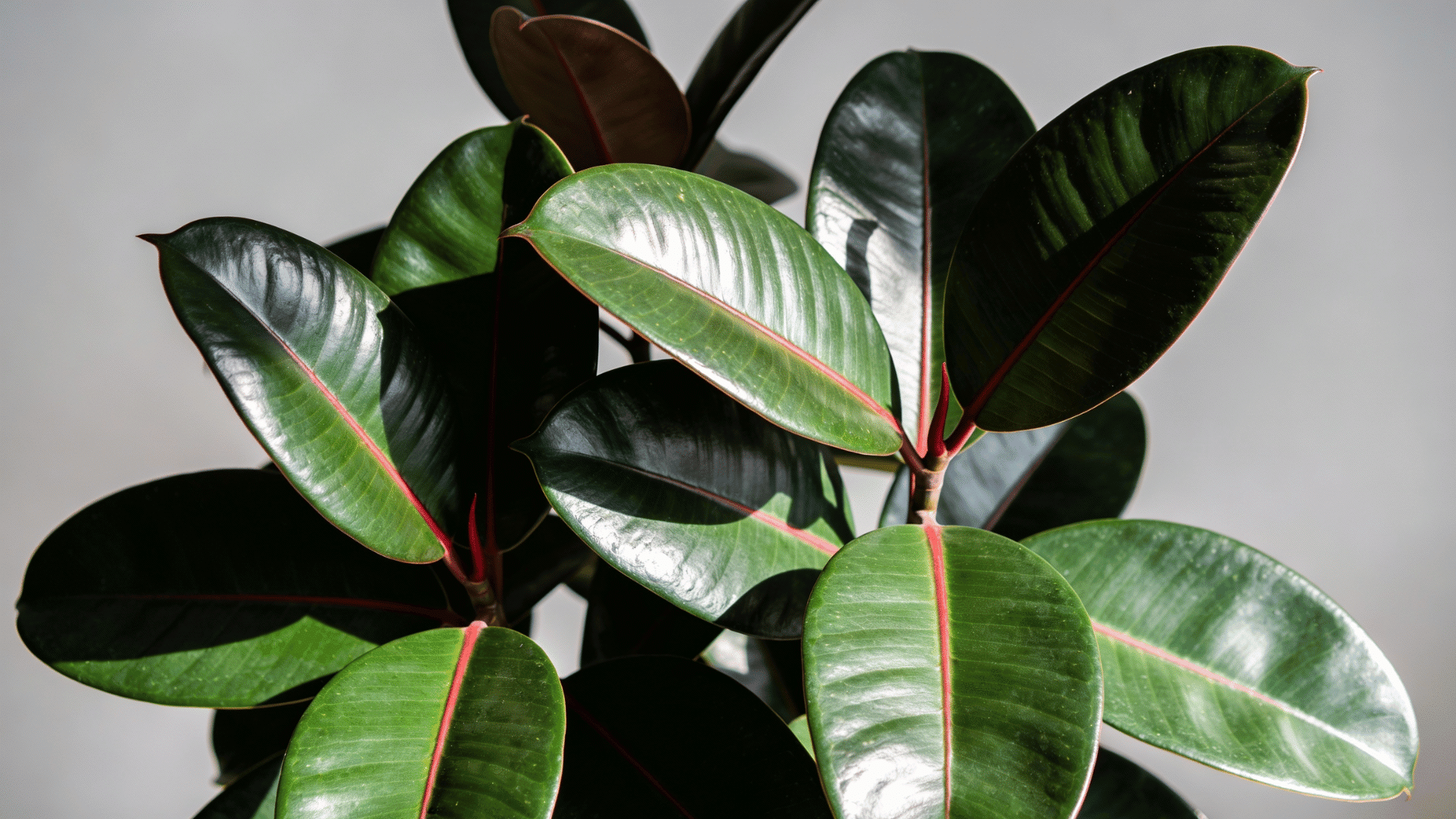
Rubber fig plants add a touch of green beauty to any indoor space. Their glossy leaves and tall structure make them popular among plant lovers.
But keeping them healthy requires more than just occasional watering.
Many people struggle with brown spots, drooping leaves, or slow growth. These issues often stem from simple care mistakes that are easy to fix once you know what to look for.
This blog covers everything needed to keep a rubber fig thriving indoors. From light requirements to watering schedules, the following tips will help any plant owner master the basics of rubber fig care.
About Rubber Fig Plants
Rubber fig plants, scientifically known as Ficus elastica, originally come from Southeast Asia. These tropical beauties can grow up to 100 feet tall in their natural habitat, but indoors they typically reach 6 to 10 feet.
The plant gets its name from the milky white sap it produces, which was once used to make rubber.
Its thick, shiny leaves can grow quite large, sometimes reaching 12 inches in length. The deep green foliage makes a bold statement in any room.
Rubber figs are relatively low-maintenance compared to other houseplants, making them perfect for beginners and experienced plant owners alike.
Types of Rubber Plants You Can Grow at Home
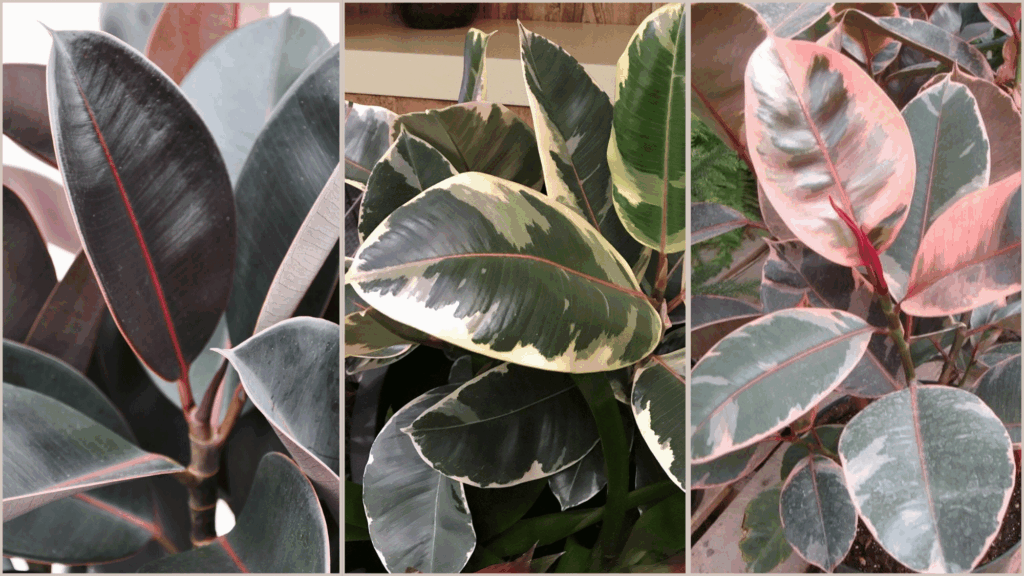
Rubber fig plants come in several stunning varieties, each with unique leaf colors and patterns. These different types offer options for every style preference, from classic green to eye-catching variegated designs.
1. Burgundy Rubber Plant
This variety features deep burgundy or almost black leaves that create a dramatic look. The dark foliage adds richness to any space and pairs beautifully with lighter-colored decor. It requires the same care as standard green varieties.
2. Tineke
Tineke rubber plants display gorgeous cream and green variegated leaves with pink stems. The marbling pattern makes each leaf unique and visually interesting. This variety needs slightly more light than solid-colored types to maintain its striking patterns.
3. Ruby
Ruby rubber plants showcase pink, cream, and green coloring that looks absolutely stunning. New leaves emerge with vibrant pink hues that gradually mature. The colorful foliage brings a cheerful, tropical vibe to indoor spaces and brightens up corners.
4. Variegated Varieties
Variegated rubber plants feature mixed patterns of green and cream or white on their leaves. These plants need bright indirect light to prevent losing their beautiful coloring. They grow slightly slower than solid green varieties but offer incredible visual appeal.
How Often to Water a Rubber Plant
Watering is one of the most important aspects of rubber plant care, yet it’s where many plant owners make mistakes. These plants prefer their soil to dry out slightly between waterings rather than staying constantly moist.
During spring and summer, rubber plants typically need water once a week.
In fall and winter, watering every 10 to 14 days is usually enough. The frequency depends on factors like temperature, humidity, and pot size.
Always check the top two inches of soil before watering. If it feels dry to the touch, it’s time to water. Overwatering causes more problems than underwatering, so when in doubt, wait another day or two.
Requirements for Healthy Rubber Fig Growth
Meeting a rubber plant’s basic needs ensures strong, vibrant growth. These six key factors work together to keep the plant thriving year-round.
- Light: Rubber plants thrive in bright, indirect sunlight for at least six hours daily. Direct sun can scorch leaves, while too little light causes leggy growth.
- Best Soil: Well-draining soil prevents root rot and keeps roots healthy. A mixture that allows water to flow through easily while retaining some moisture works best for rubber plants.
- Potting Mix: Use a potting mix containing peat moss, perlite, and pine bark. This combination provides proper drainage and aeration. Adding compost enriches the soil with nutrients for better growth.
- Temperature: Rubber plants prefer temperatures between 60 and 75 degrees Fahrenheit. They tolerate slight variations but dislike cold drafts or sudden temperature changes that stress the plant significantly.
- Humidity: These tropical plants enjoy humidity levels around 40 to 50 percent. Misting leaves occasionally or using a humidifier helps. Low humidity causes brown, crispy leaf edges over time.
- Fertilizing: Feed rubber plants monthly during spring and summer with diluted liquid fertilizer. Skip fertilizing in fall and winter when growth slows. Over-fertilizing burns roots and damages foliage quickly.
How to Prune a Rubber Plant to Encourage Bushy Growth
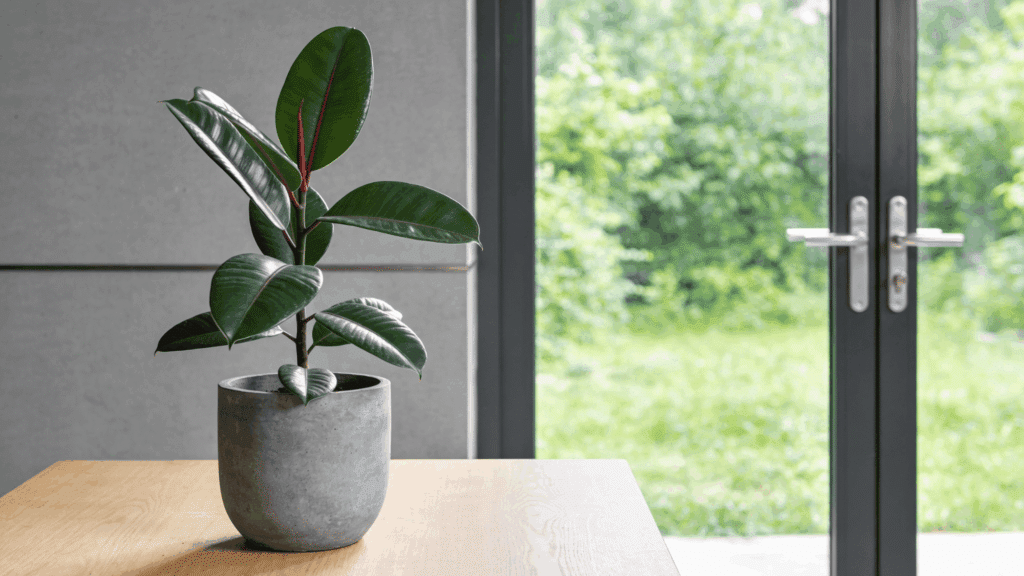
Rubber plants naturally grow tall and leggy, reaching for light with a single stem. Without pruning, they can become top-heavy and sparse at the bottom, which isn’t the look most people want indoors.
Pruning encourages the plant to branch out and develop multiple stems, creating a fuller, bushier appearance. The process involves cutting back the main stem, which signals the plant to grow new shoots from lower nodes.
The best time to prune is during spring or early summer when the plant actively grows.
Sharp, clean tools are essential to prevent disease. Pruning may seem intimidating at first, but it’s a straightforward process that dramatically improves the plant’s shape and overall appearance.
Common Rubber Fig Problems and Solutions
Even with proper care, rubber plants sometimes face issues. Recognizing problems early and knowing how to fix them keeps plants healthy and thriving.
| Problem | Solution |
|---|---|
| Yellow leaves | Reduce watering frequency. Yellow leaves usually indicate overwatering or poor drainage. Let soil dry out more between waterings and check drainage holes. |
| Brown leaf edges | Increase humidity around the plant. Mist leaves regularly, use a pebble tray with water, or place a humidifier nearby to add moisture. |
| Drooping leaves | Check soil moisture levels immediately. Drooping means either too much or too little water. Adjust watering schedule based on soil dryness to fix issue. |
| Leggy growth | Move plant to brighter location. Insufficient light causes stretched, sparse growth. Place near window with bright indirect light for compact growth patterns. |
| Sticky leaves | Inspect for pests like scale or aphids. Wipe leaves with soapy water solution. Treat with neem oil if infestation persists after initial cleaning attempt. |
| Leaf drop | Avoid sudden environmental changes. Rubber plants dislike temperature fluctuations, drafts, or moving locations. Keep conditions stable and consistent for best results. |
| Slow growth | Feed with balanced fertilizer monthly. During growing season, plants need nutrients. Ensure adequate light and warmth to support active growth as well. |
Rubber Fig Care Tips From Real Plant Owners
Experienced plant owners have learned valuable lessons through trial and error. These practical tips make rubber plant care easier and more successful.
- Rotate the pot every few weeks so all sides get equal light exposure and the plant grows evenly instead of leaning toward one direction.
- Wipe leaves with a damp cloth monthly to remove dust buildup that blocks light absorption and keeps the foliage looking glossy and healthy.
- Use lukewarm water when watering because cold water shocks the roots and can cause stress, leading to leaf drop or stunted growth over time.
- Bottom water occasionally by placing the pot in a tray of water for 15 minutes, allowing roots to absorb moisture evenly from below.
- Don’t panic over occasional leaf drop as rubber plants naturally shed older lower leaves as they mature and focus energy on new growth.
To Conclude
Rubber fig plants reward consistent care with stunning, glossy foliage that transforms indoor spaces. Check soil moisture regularly, provide adequate light, and resist the urge to overwater.
Remember that each plant is slightly different. What works perfectly for one might need tweaking for another.
Pay attention to how the plant responds and adjust care accordingly. With these guidelines in hand, anyone can successfully grow a thriving rubber fig.
Start implementing these tips today, and watch as the plant flourishes and becomes a beautiful focal point in the home.