

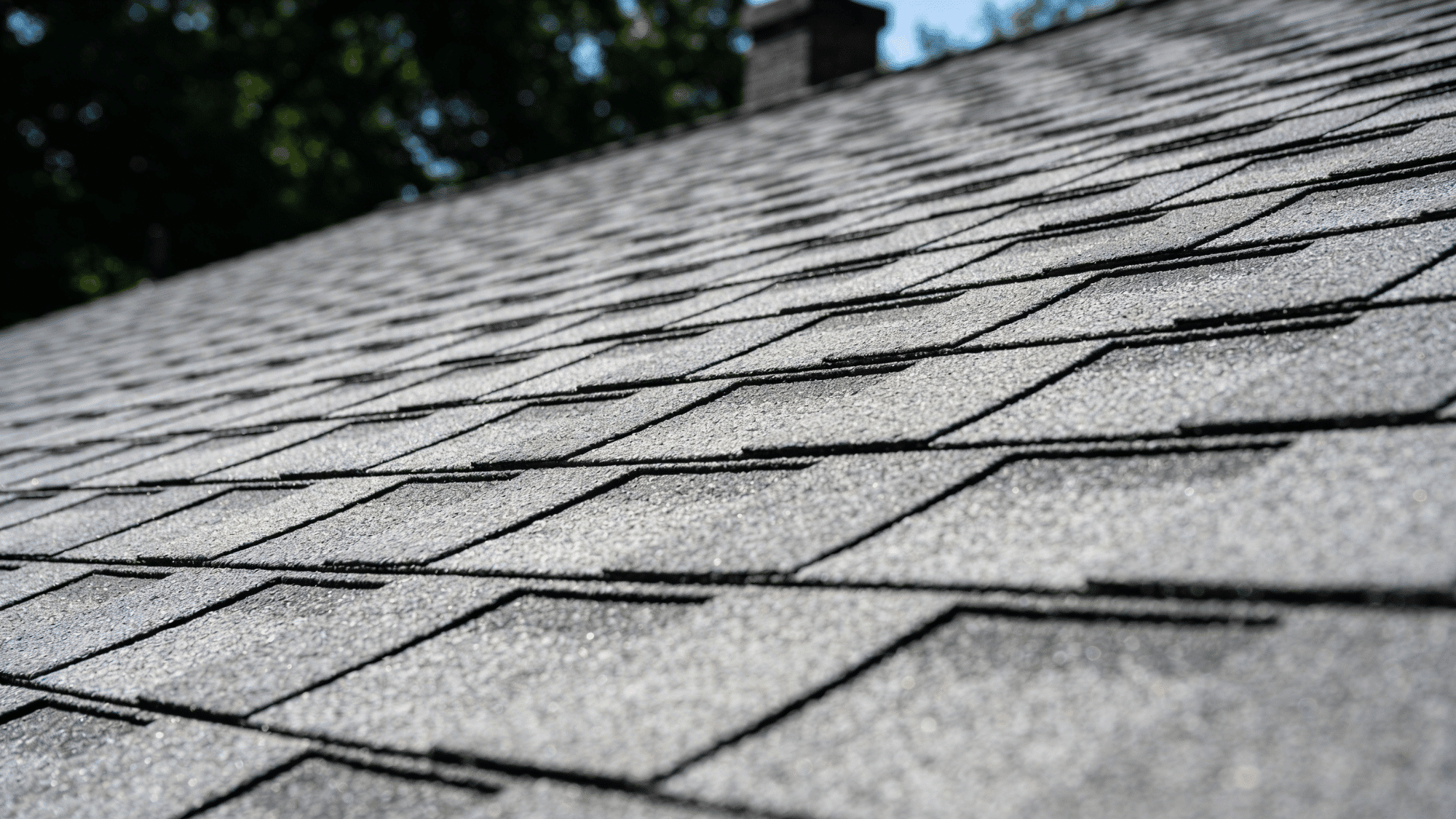
Most homeowners don’t think about their roof until something goes wrong. A missing shingle after a storm.
A small leak that turns into a big repair bill. That’s when the questions start, and one of the first ones is always, “What kind of shingles do I even have?“
Picking the right shingles matters more than most people realize. The wrong choice can cost thousands in repairs down the road. The right one? It can protect a home for decades.
There are quite a few shingle types out there. Each one works differently depending on the climate, budget, and style of the home. Let’s find out.
What are Roof Shingles?
Roof shingles are flat, overlapping pieces of material that cover the top of a home. They sit in layers across the roof, directing rainwater and debris away from the structure below.
Think of them as a shield; one that takes the full force of sun, wind, rain, and snow every single day.
They come in many materials, from asphalt to wood to metal. Each type has its own lifespan, cost, and level of upkeep. Choosing the right one depends on the home, the climate, and the budget.
Most Popular Roof Shingles Types
Most Popular Roof Shingles Types include durable, stylish, and cost-effective options that suit different climates, budgets, and home designs perfectly.
1. Asphalt Shingles
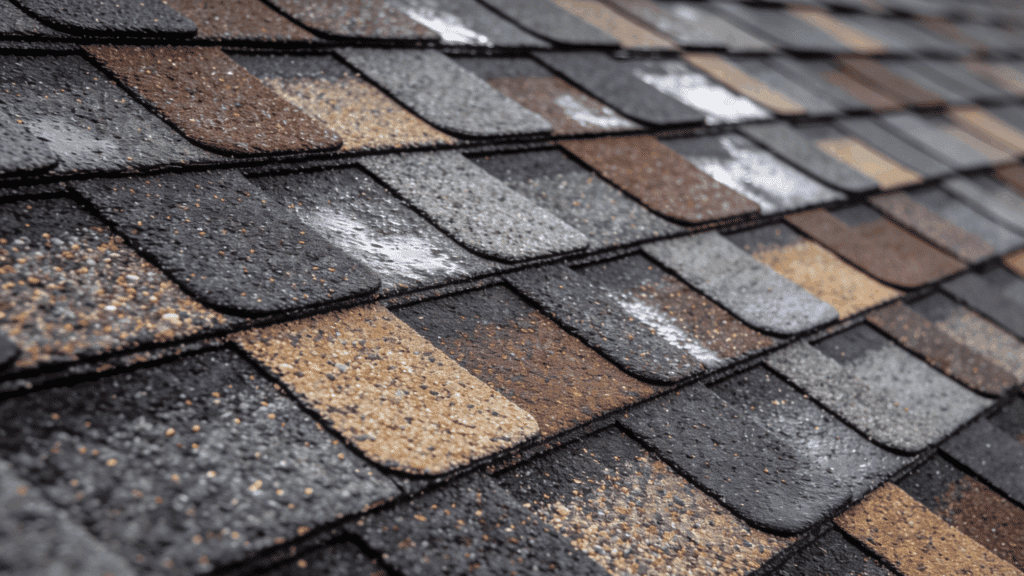
Asphalt shingles are the most widely used roofing material due to their affordability, easy installation, and reliable performance.
They come in styles like three-tab and architectural shingles, offering flexibility in appearance and durability.
Asphalt shingles work well in most climates and provide a decent lifespan with proper maintenance, making them a popular choice for homeowners seeking value.
2. Architectural Shingles
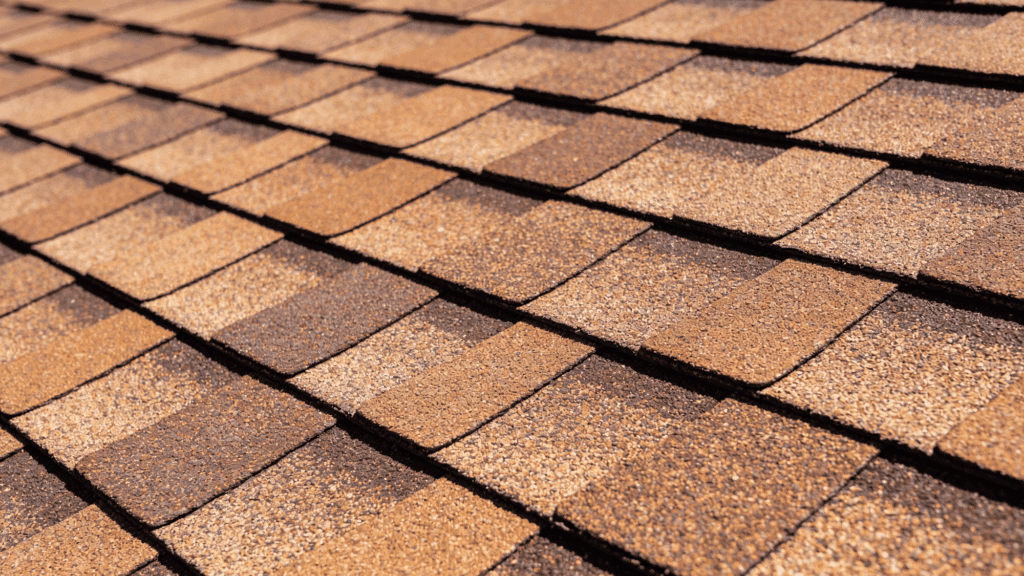
Architectural shingles, also called dimensional shingles, are thicker and more durable than basic asphalt options. They feature a layered construction that creates a textured, high-end look similar to wood or slate.
These shingles offer better wind resistance and longer warranties, making them ideal for homeowners who want improved durability and curb appeal without the cost of premium materials.
3. Wood Shingles and Shakes
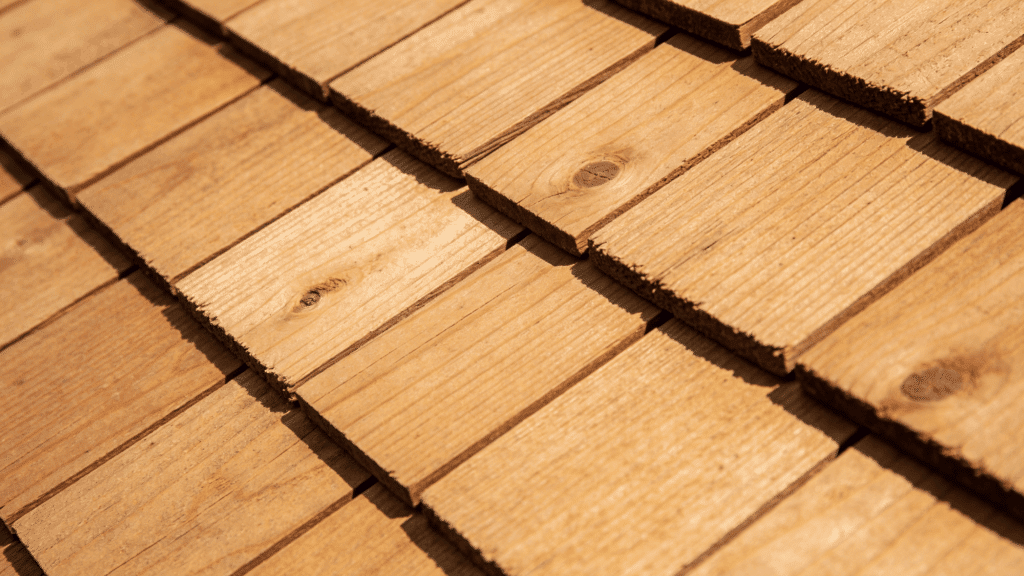
Wood shingles and shakes provide a natural, rustic appearance that enhances traditional and cottage-style homes.
Shingles are machine-cut for a smooth finish, while shakes are hand-split for a more rugged texture. Cedar is the most common choice because of its resistance to insects and decay.
However, wood requires regular maintenance and may be subject to fire restrictions.
4. Metal Shingles
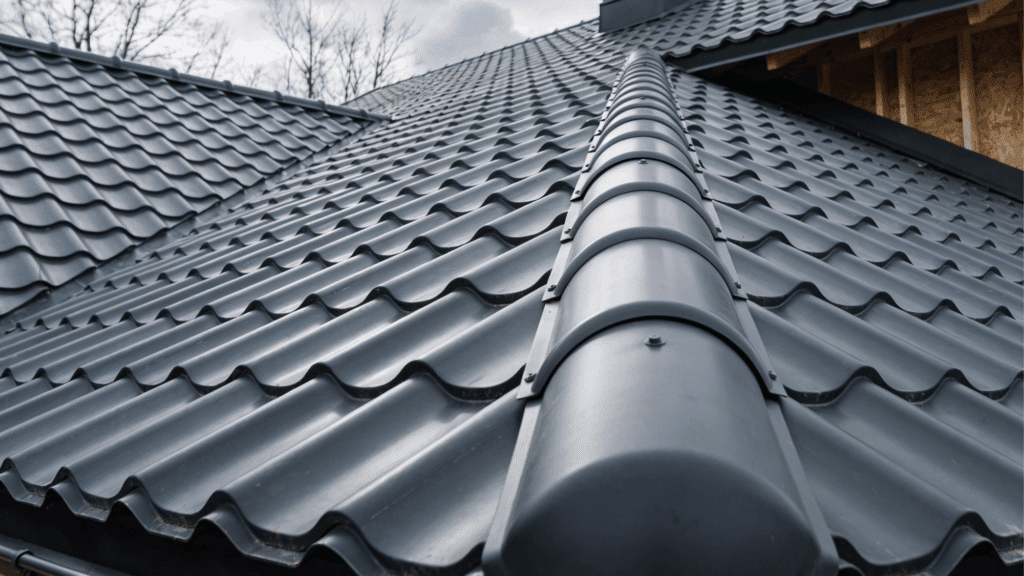
Metal shingles are a long-lasting and energy-efficient roofing option.
Made from steel, aluminum, or copper, they are designed to mimic traditional shingle styles while offering superior durability.
Metal shingles resist extreme weather, fire, and rot, making them suitable for harsh climates. Although the upfront cost is higher, they often last decades with minimal upkeep.
5. Slate Shingles
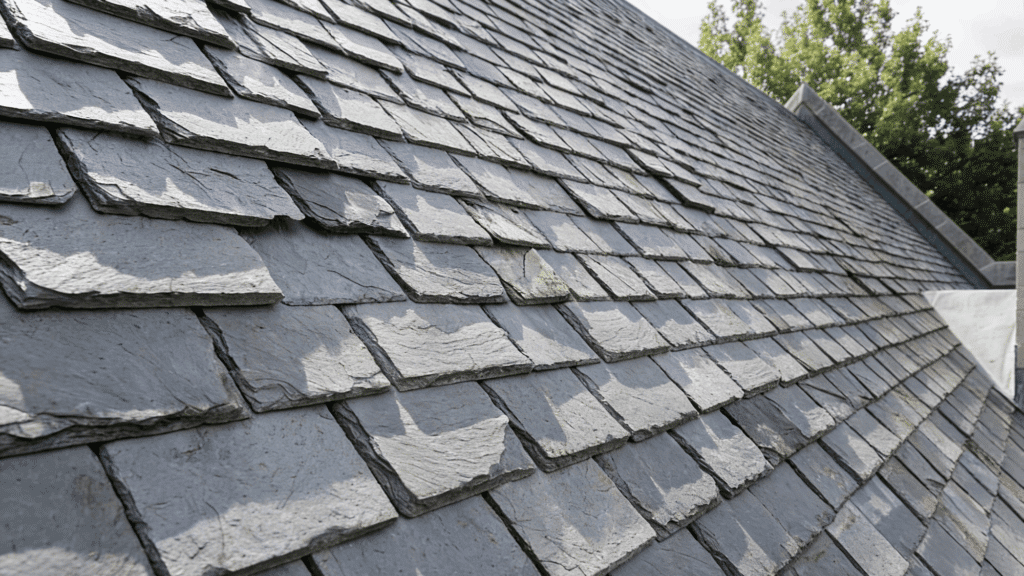
Slate shingles are one of the most durable and elegant roofing materials available.
Made from natural stone, they offer exceptional longevity, often lasting over 100 years. Slate is fire-resistant, environmentally friendly, and adds a premium look to any home.
However, it is heavy and expensive, requiring reinforced roof structures and professional installation for best results.
6. Clay and Concrete Tile Shingles
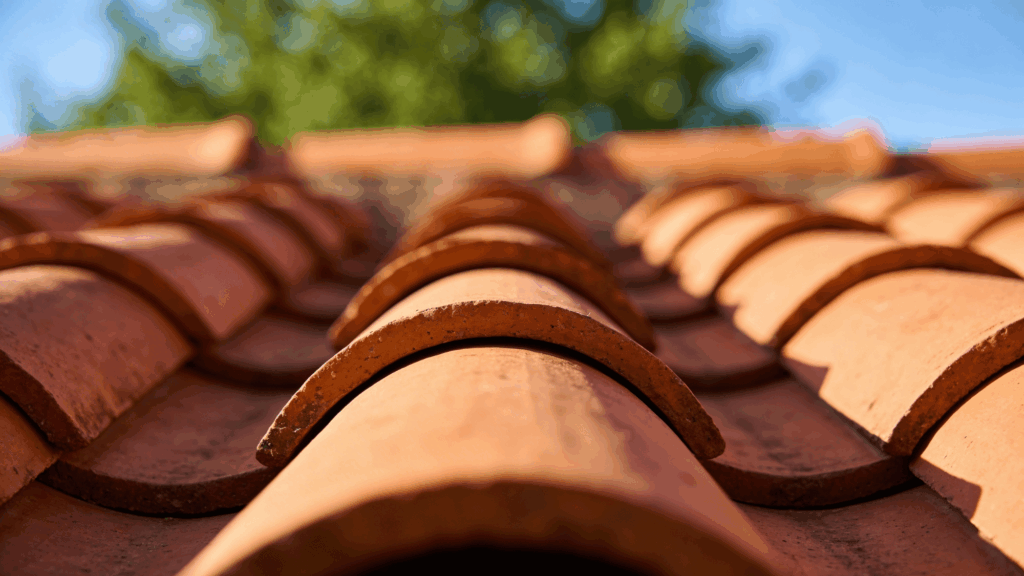
Clay and concrete tile shingles are popular in warm climates and Mediterranean-style architecture. They provide excellent resistance to heat, fire, and moisture while offering a distinctive aesthetic.
Clay tiles are lighter and more traditional, while concrete tiles are more affordable and versatile. Both types are long-lasting but may require extra roof support due to weight.
7. Composite (Synthetic) Shingles
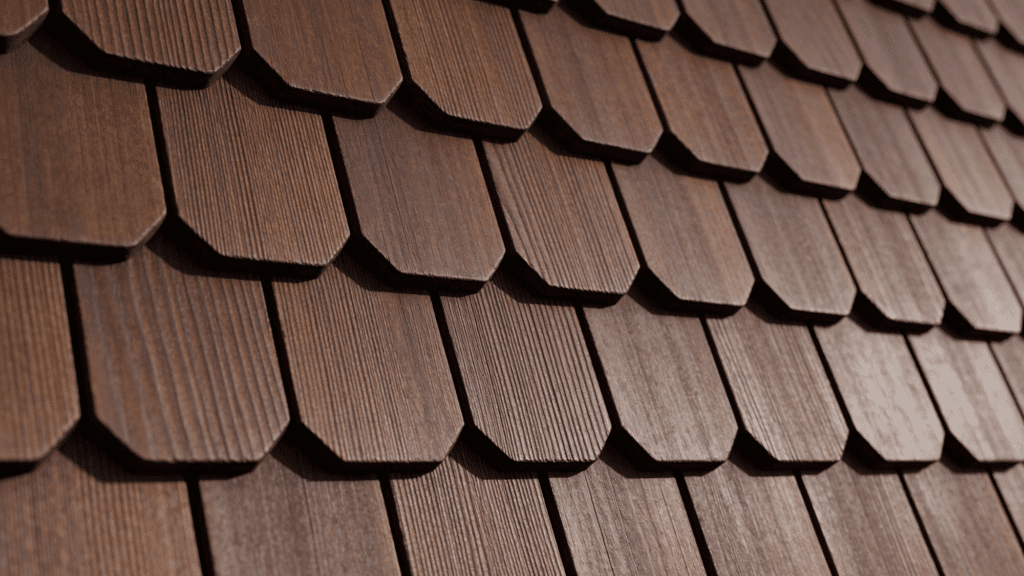
Composite shingles are made from engineered materials such as recycled plastics, rubber, or polymers.
They are designed to replicate the look of wood, slate, or tile while being lighter and easier to maintain. Composite shingles offer strong resistance to weather, cracking, and fading.
They are an eco-friendly choice that balances durability, appearance, and cost effectively.
Roof Shingles Types Features Comparison
Roof shingles types vary in durability, cost, lifespan, maintenance needs, and appearance, making comparison essential before choosing roofing materials.
| Shingle Type | Lifespan (Years) |
Cost Range | Durability Level | Maintenance | Best For |
|---|---|---|---|---|---|
| Asphalt Shingles | 15–30 | Low | Moderate | Low | Budget-friendly homes |
| Architectural Shingles | 25–40 | Moderate | High | Low | Enhanced curb appeal |
| Wood Shingles/Shakes | 20–40 | Moderate–High | Moderate | High | Rustic-style homes |
| Metal Shingles | 40–70 | High | Very High | Low | Harsh climates |
| Slate Shingles | 75–100+ | Very High | Exceptional | Low | Luxury, long-term value |
| Clay/Concrete Tiles | 50–100 | High | Very High | Low | Hot climates |
| Composite (Synthetic) | 30–50 | Moderate–High | High | Low | Low-maintenance durability |
How to Choose the Right Type of Roof Shingles for Your Home
Picking the right shingles does not have to be complicated. These simple steps make the decision much easier.
- Check the local climate first: Harsh winters or hot summers call for specific materials that can handle extreme conditions.
- Set a clear budget: Shingle prices vary widely, so knowing the spending limit helps narrow down the options fast.
- Consider the roof’s slope and style: Some shingles work better on steep roofs, while others suit low-pitched designs.
- Think about maintenance: Certain materials need regular upkeep, while others are largely hassle-free for years.
- Talk to a licensed roofing contractor: A professional can assess the home and recommend the most suitable option.
Conclusion
Every roof tells a story about the choices made beneath it.
The right shingles keep a home safe, dry, and looking great for decades. The wrong ones lead to repairs that drain the wallet fast.
There are solid options for every budget and climate. Asphalt, metal, wood, slate, each one has a place depending on what the home needs most.
Take time to compare options before making a final call. And when in doubt, bring in a trusted roofing contractor. A little research now saves a lot of stress later.
Frequently Asked Questions
Can I Install New Shingles over Old Ones?
Yes, but only if the roof has one layer and the structure is still in good condition.
Do Roof Shingles Affect Home Resale Value?
Absolutely. Premium shingles can improve curb appeal and attract buyers by signaling long-term durability.
How Can I Tell if My Shingles Are Damaged?
Look for curling edges, bald spots, cracked surfaces, or granules collecting in gutters.
Are There Shingles Designed for Better Noise Reduction?
Yes, thicker shingles, such as architectural or composite shingles, can significantly reduce rain and hail noise.