

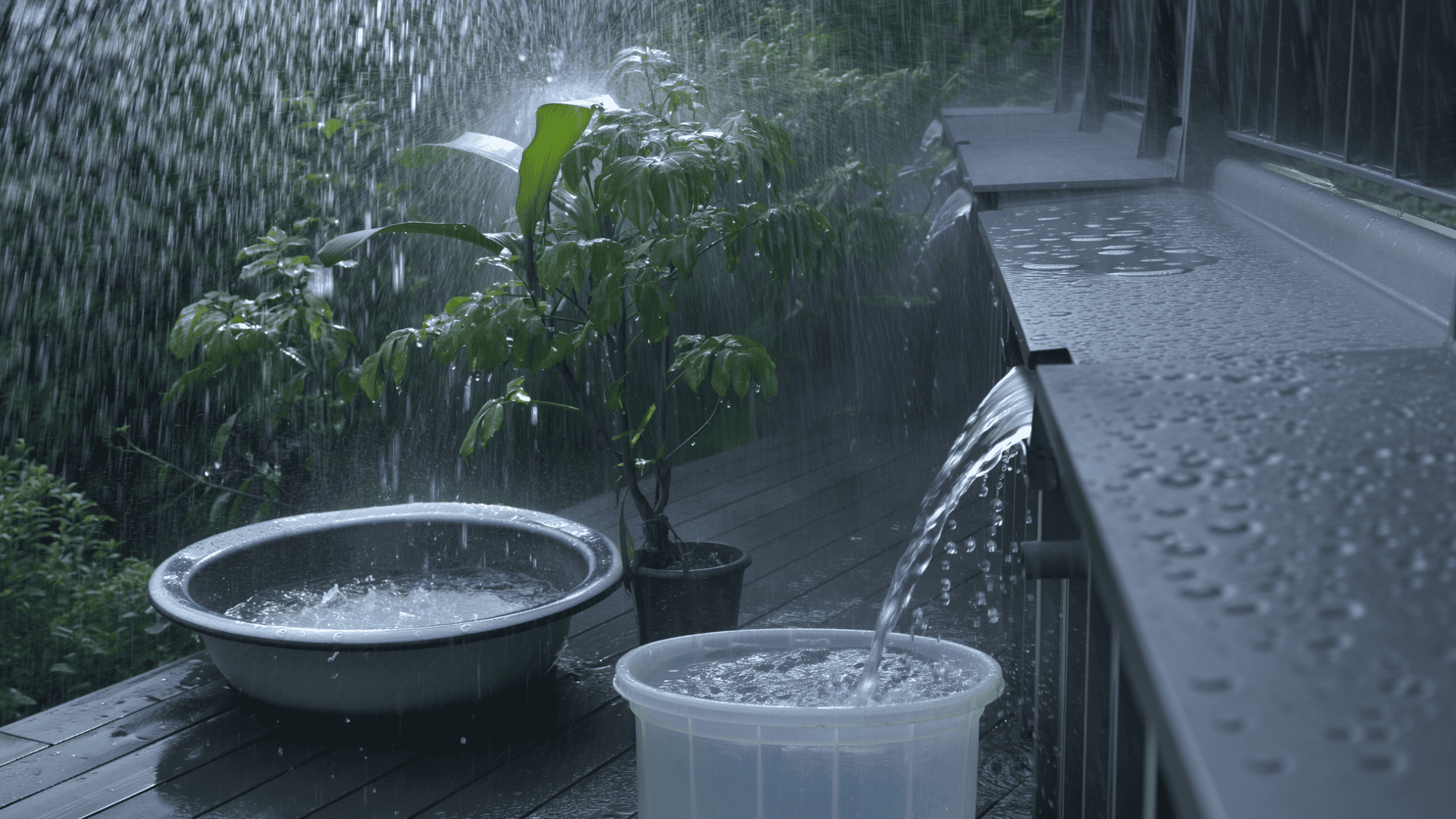
I used to think saving rainwater was always allowed. It felt simple and smart. Just place a barrel and collect what falls from the sky.
But when I looked into it, I found many rules and mixed opinions. That’s where the question comes in: why is collecting rainwater illegal in some places?
A lot of people feel confused about this topic. Some say it’s fully allowed, while others warn about fines and limits. The truth sits somewhere in between, and it depends on where you live.
In this blog, I will break it down in simple terms. You’ll learn why these laws exist, where rainwater collection is allowed, what people think about it, and some common myths that cause confusion.
Is It Illegal to Catch Rainwater Everywhere?
No, it is not illegal everywhere. Laws change based on the country or state. Some places even support rainwater collection to save water.
For example, some US states have limits or require permits, while others allow it freely. Many countries fully allow rainwater harvesting and even promote it for home use and farming.
Why is Collecting Rainwater Illegal in Some Places?
These regulations are in place to strike a balance between personal use and the protection of shared water resources.
- Rainwater Collection Isn’t Banned Everywhere, but Some Places Have Rules: Rainwater collection laws vary by location. Some areas encourage it, while others impose regulations.
- These Laws Often Come from Water Rights Systems: They control rainwater use, ensure fair distribution, and prevent overuse.
- In Many Regions, Even Rainwater Is Owned or Managed by The State: In some regions, rainwater is a public resource, regulated to maintain balance and prevent overuse.
- Governments regulate water flow to maintain balance in ecosystems: Governments control water collection to protect natural sources and ensure availability for all.
- Too much private rainwater storage can affect shared water sources: Excessive collection can reduce the flow of shared water, affecting public supplies.
- Small personal collections, like watering plants, are usually allowed: In most places, small-scale rainwater collection for personal use, like gardening or washing a car, is allowed.
- Restrictions mainly apply to large-scale storage or commercial use: Small collections are fine, but large-scale or commercial use often requires permits to protect public water supplies.
The Real Reason Behind These Laws
These laws are designed to balance the needs of individuals and communities while protecting shared resources. Here’s why governments put these rules in place:
| Reason | Simple Explanation |
|---|---|
| Water ownership laws (first user rights) | In some places, the first person or system using the water has legal rights to it, even rain. |
| Protecting rivers, lakes, and ecosystems | Rainwater helps keep natural water sources full, so limits help protect nature. |
| Preventing overuse of shared water sources | Too much private collection can reduce the water available for everyone else. |
| Infrastructure and water supply control | Governments manage water systems, and rules help keep the supply steady and fair. |
What People Say About Rainwater Collection?
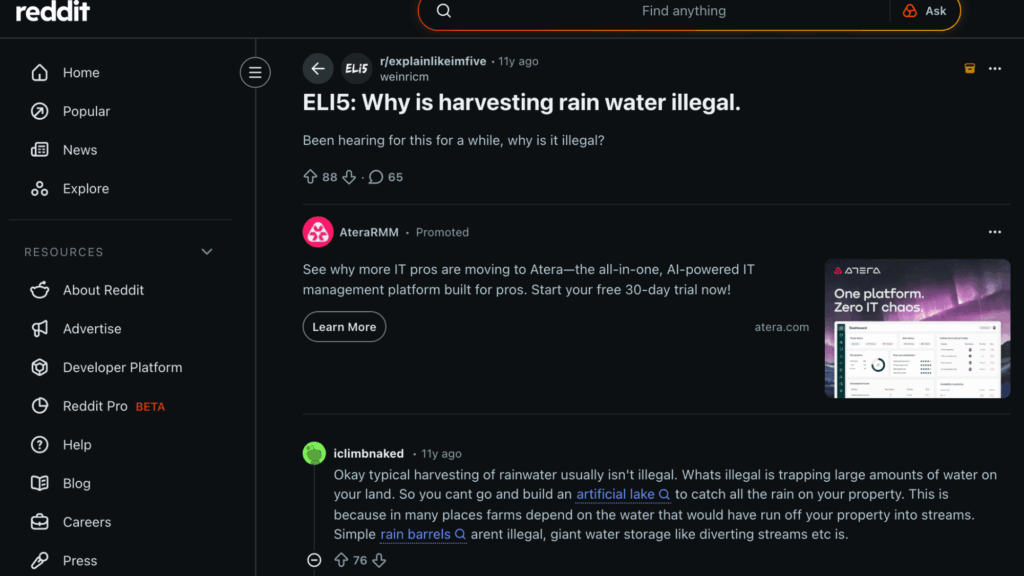
A Reddit discussion explains why collecting rainwater can be illegal in some places. While using a rain barrel for personal use is usually fine, collecting large amounts of water can cause problems.
One user points out that collecting rainwater isn’t illegal, but building an artificial lake to store all the rain on your property can be an issue.
This is because the water that naturally flows off your land helps fill rivers and streams, which many people rely on.
Simple rain barrels are okay, but large storage that affects shared water sources can be illegal to protect everyone’s water supply.
You can also view and participate in the discussions here at Reddit.
Where Rainwater Collection Is Restricted or Regulated
Here are some regions with known rules on rainwater harvesting, including permits, limits, or tank requirements:
1. United States
In the U.S., rainwater harvesting is legal nationwide, but specific rules vary by state.
Western states with historic water rights laws, like Colorado, allow limited residential collection (e.g., up to 110 gallons with sealed containers) and encourage compliance with water rights statutes.
Utah permits up to 2,500 gallons with registration, while other states may require local permits or safety standards for larger tanks.
Many states promote rainwater collection with incentives, but you should always check local codes before installing large systems.
2. United Kingdom
In the UK, collecting rainwater is legal and encouraged, particularly for non-potable uses. No water abstraction licence is needed unless the stored rainwater is mixed with surface or groundwater.
Rainwater harvesting systems must comply with building and plumbing safety standards, ensuring that the rainwater is kept separate from potable mains water.
This helps prevent contamination and ensures the safe use of harvested water for purposes like irrigation or toilet flushing.
3. Canada
In Canada, rainwater harvesting is allowed for non-potable uses such as irrigation and toilet flushing.
Provincial and municipal codes regulate system design, storage, overflow, and installation, requiring compliance with local bylaws and building standards.
The National Plumbing Code permits rainwater collection, but specific regulations may vary by province or municipality.
It’s essential to check local rules to ensure proper installation and use, as different regions may have unique requirements for rainwater harvesting systems.
4. Australia
Australia supports rainwater harvesting as a water conservation practice. Regulations differ by state, with some requiring permits or compliance with tank installation standards, especially for larger systems.
Local water authorities establish guidelines for system design, overflow management, and safety. These rules ensure that rainwater harvesting systems are safe, effective, and do not negatively impact the environment or water resources.
It’s important to follow local regulations when installing rainwater collection systems to ensure proper operation and compliance.
Always verify current local regulations before installing a system to ensure compliance.
Myths About Rainwater Collection Laws
Despite these common myths, the reality is that rainwater collection laws vary widely depending on location and system size.
- “It Is Illegal Everywhere” – False: Rainwater harvesting is allowed in many places; only some regions have specific limits or rules.
- “You Can’t Collect Any Rain” – False: Small‑scale collection for personal use is generally permitted in most countries and states.
- “You Need Permission Always” – Depends: Permits are required only for larger systems in certain areas; simple rain barrels usually don’t need approval.
Ethical Side of Collecting Rainwater
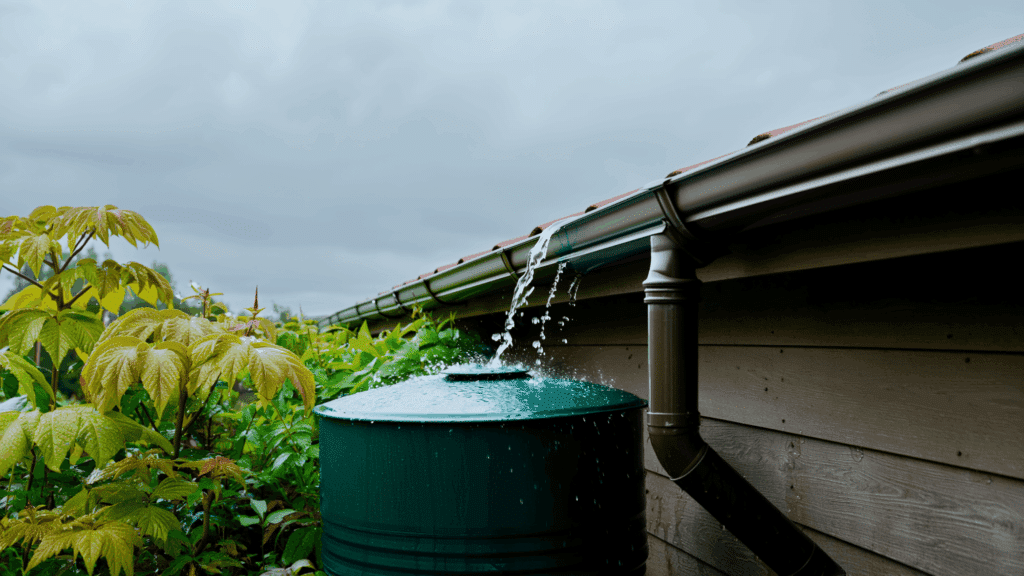
Balancing personal benefit with communal responsibility is key when collecting rainwater. While it offers environmental benefits, it must align with legal guidelines to protect shared resources.
Is It Right to Store Natural Resources?
Storing rainwater raises ethical questions about ownership of natural resources. While rainwater falls on private property, its collection can impact shared public water supplies.
It’s important to consider the broader environmental consequences and how personal use may affect the community.
Storing rainwater for personal use, such as irrigation, can be seen as sustainable, but it requires careful management to avoid overuse and depletion of resources that others rely on.
Balance Between Personal Use and Shared Resources
There’s a need to balance personal rainwater collection with the needs of the wider community.
Small-scale collection for gardening or household use is generally acceptable, but large-scale collection can reduce the amount of water available to others.
Over-collecting rainwater can disrupt natural water flows, affecting rivers and reservoirs.
It’s essential to follow local regulations and practice responsible collection to ensure that personal use doesn’t harm shared resources or public water supply systems.
Environmental Benefits vs Legal Concerns
Rainwater collection provides environmental benefits, such as reducing demand on municipal water supplies and promoting water conservation. It also helps prevent stormwater runoff and reduces energy use in water treatment processes.
However, legal concerns arise when unregulated or large-scale systems impact public water rights or ecosystems.
Laws governing rainwater harvesting are in place to ensure that personal use doesn’t infringe on the rights of others or harm the environment, maintaining a balance between sustainability and legal responsibility.
What You Should Check Before Collecting Rainwater
Before setting up a rainwater collection system, I found that checking local regulations and understanding the rules can save you from legal trouble. It’s important to know what’s allowed in your area regarding tank size, usage, and permits.
- Local laws and permits: Check local regulations to confirm rainwater collection is allowed and if permits are required.
- Tank size limits: Verify if there are any tank size limits for residential use, as some regions may regulate the amount of water you can store to prevent overuse of shared resources.
- Usage restrictions (drinking, irrigation, etc.): Understand how you can use collected rainwater, as some areas allow irrigation but restrict drinking without treatment.
Final Thoughts
In conclusion, rainwater collection is not universally illegal, but the laws surrounding it vary by where you live and how you plan to use the water.
Some regions actively encourage rainwater harvesting as an eco-friendly practice, especially for non-potable uses like irrigation.
However, strict regulations are in place in certain areas to protect public water supplies and prevent overuse.
In my experience, it’s essential to understand that while small-scale personal collections may be allowed, large systems often require permits and come with specific size restrictions.
Before you start collecting rainwater, take the time to check your local laws and make sure you’re following all the rules. This ensures you’re not only being environmentally responsible but also legally compliant.