

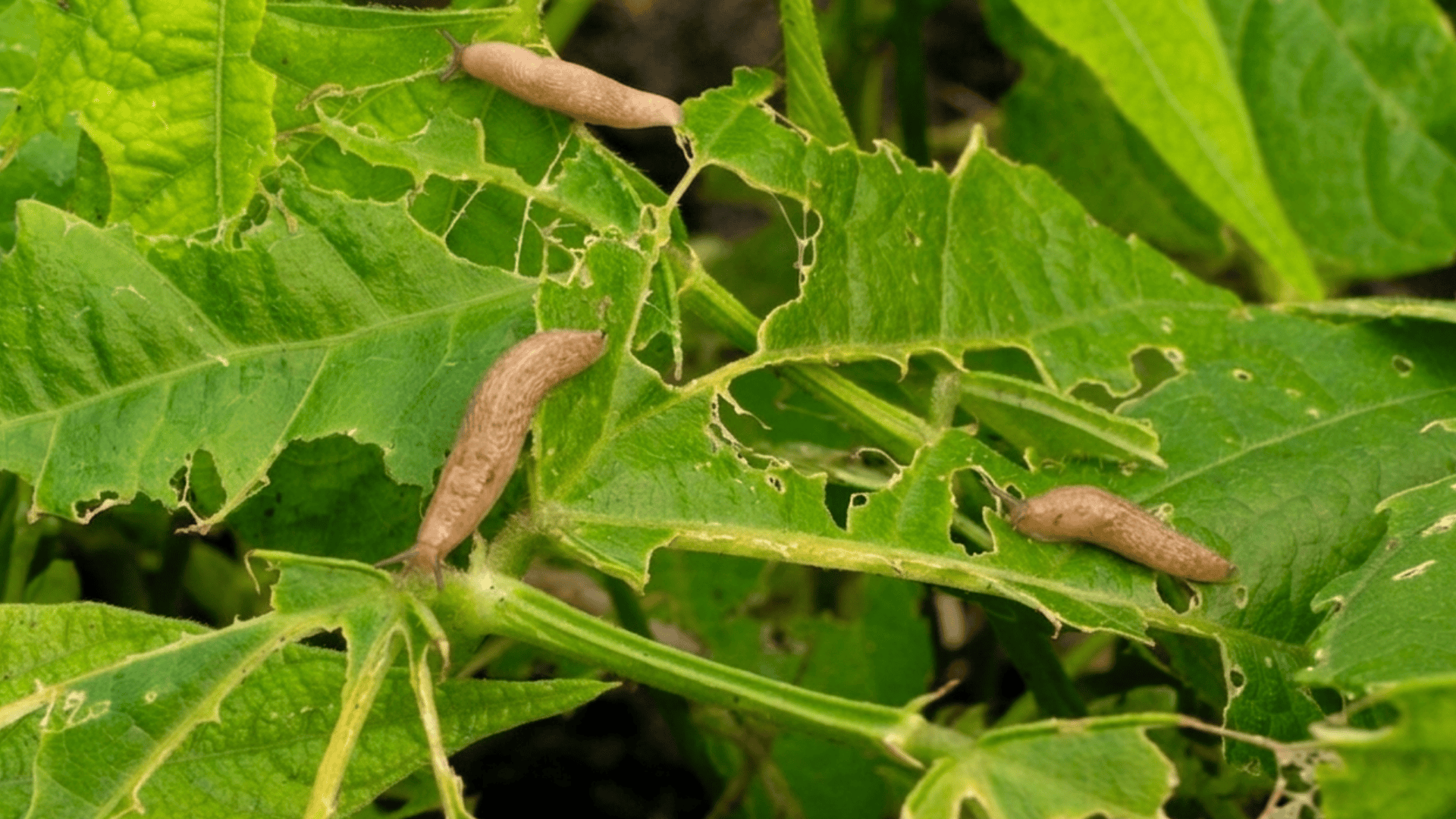
Slugs are one of those garden problems that seem small until you walk out one morning and find your plants destroyed overnight.
Slugs are one of the most common complaints I hear from home gardeners.
They are quiet, they work fast, and by the time you notice the damage, they are already gone and hiding somewhere nearby.
One thing that always stands out is how many simple, natural ways there are to get rid of slugs in the garden without reaching for harsh chemicals.
You do not need expensive products or professional help to get this under control.
A few smart habits and the right methods can make a real difference in a short amount of time.
In this article, I will share with you some natural, eco-friendly solutions that actually work, along with tips to keep slugs from coming back.
Why Slugs Are Attracted to Your Garden?
Slugs do not show up in your garden by accident. There are specific conditions that make your outdoor space appealing to them, and understanding those conditions is the first step toward keeping them away.
| Reason | What It Means |
| Moist Environments and Shade | Slugs prefer damp, shady areas where the soil stays wet. Gardens with poor drainage or heavy shade are more likely to attract slug activity |
| Overwatering Habits | Watering your garden in the evening leaves the soil wet overnight, which is exactly the condition slugs look for when they come out to feed |
| Dense Planting and Organic Debris | Thick plant coverage and piles of dead leaves, mulch, or garden waste give slugs plenty of places to hide during the day and feed at night |
| Favorite Plants | Slugs are particularly drawn to soft, leafy plants like lettuce, hostas, and young seedlings. If you grow any of these, your garden is already on their radar |
How to Tell If Slugs Are in Your Garden?
Slugs often stay hidden, so you may not notice them right away. These simple signs can help you spot their presence early.
- Irregular holes in leaves: You may see uneven holes in plant leaves, especially on soft plants like lettuce or hostas. Slugs usually feed at night, leaving this damage behind.
- Shiny slime trails: Look for thin, silvery trails on soil, pots, or leaves. These marks are left as slugs move and are one of the easiest signs to notice.
- Damaged seedlings: Young plants may suddenly disappear or look cut down at the base. Slugs prefer tender growth and can destroy seedlings overnight.
- Chewed fruits and vegetables: Low-growing produce like strawberries or tomatoes may show bite marks. The damage often appears close to the ground.
- Holes in flowers and stems: Not just leaves, slugs can also eat petals and soft stems. This can make flowers look torn or unhealthy.
- Clusters under garden items: Check under pots, stones, or mulch. Slugs hide in dark, moist places during the day to stay safe and cool.
Best Natural Ways to Get Rid of Slugs in Your Garden
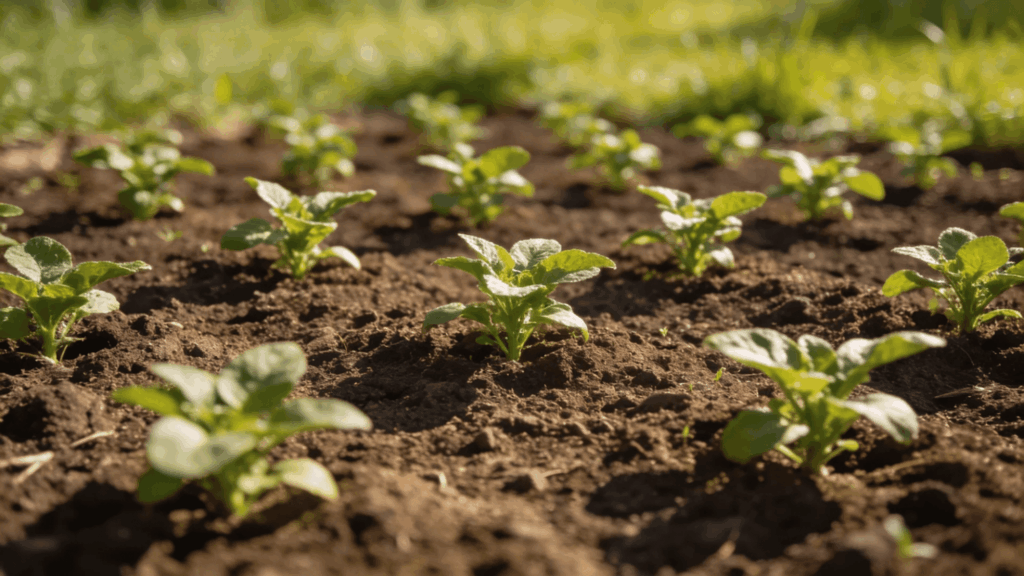
Dealing with slugs does not have to mean reaching for chemicals. These are the most effective natural methods that actually work.
1. Hand-Picking Slugs
Hand-picking is the most direct way to deal with a slug problem. Head out to your garden after dark or early in the morning when slugs are most active.
Use gloves and drop them into a bucket of soapy water.
It takes a little time, but it works well when combined with other methods.
Check under pots, stones, and dense foliage where slugs like to hide during the day before they come out to feed at night.
Impact: Immediate and direct slug removal with no cost involved.
2. Beer Traps
Beer traps are one of the most popular and effective slug control methods available.
Bury a shallow container in the soil so the rim sits level with the ground, then fill it halfway with beer.
Slugs are attracted to the yeast smell, crawl in, and cannot get back out. Empty and refill the trap every couple of days to keep it working.
It is a simple, low-cost method that can catch a surprisingly large number of slugs overnight.
Impact: Catches large numbers of slugs quickly and effectively.
3. DIY Yeast and Sugar Trap
If you do not want to use beer, a yeast-and-sugar trap works just as well.
Mix warm water with a teaspoon of sugar and a pinch of dried yeast, then pour it into a shallow buried container the same way you would a beer trap.
The mixture ferments slightly and produces a smell that attracts slugs just as effectively.
It is a cheaper alternative that uses ingredients most people already have at home and works just as reliably overnight.
Impact: Affordable beer trap alternative using household ingredients.
4. Crushed Eggshell Barriers
Crushed eggshells create a rough, sharp surface around your plants that slugs do not like crossing.
Scatter a generous layer around the bases of vulnerable plants and refresh it after rain, as it loses effectiveness when wet.
Save your eggshells over time and crush them as finely as possible for the best results.
It is a completely free method if you cook with eggs regularly and works well as part of a wider slug control strategy in any garden.
Impact: Free, natural barrier that protects individual plants.
5. Copper Tape or Rings
Copper gives slugs a mild static-like reaction when they touch it, which stops them from crossing it.
Wrap copper tape around the rim of pots or place copper rings directly in the soil around your most vulnerable plants.
Make sure the copper forms a complete circle with no gaps, as slugs will find any break and cross through it. Copper rings and tape are widely available at garden centers and last a long time before needing replacement.
Impact: Long-lasting physical barrier that deters slugs reliably.
6. Coffee Grounds
Sprinkling used coffee grounds around your plants creates a barrier that slugs find uncomfortable to cross.
The rough texture and caffeine content both deter them from getting close to your plants.
Collect used grounds from your morning coffee and scatter them in a thick ring around vulnerable plants. Refresh the barrier after rain, as it loses effectiveness when washed away.
Coffee grounds also add nutrients to the soil as they break down, making them a practical dual-purpose addition to any garden.
Impact: Deters slugs while adding nutrients to your soil
7. Diatomaceous Earth
Diatomaceous earth is a fine powder made from fossilized algae that damages the soft bodies of slugs when they crawl across it.
Sprinkle a thin layer around the base of your plants to create an effective barrier that slugs will avoid.
It works best in dry conditions, so reapply after rain or heavy watering to maintain its effectiveness. Always use food-grade diatomaceous earth in your garden, and apply it carefully to avoid inhaling the fine dust.
Impact: Highly effective natural powder barrier against slugs.
8. Encourage Natural Predators
Birds, frogs, toads, hedgehogs, and ground beetles all feed on slugs and can help keep their numbers under control naturally.
Put up a bird feeder or bird bath to attract more birds to your garden.
Create a small pond or leave a damp, sheltered corner to encourage frogs and toads to take up residence.
Avoid using chemical pesticides, as these harm the very predators that would otherwise help keep your slug population in check for free.
Impact: Creates a natural, self-sustaining slug control system.
9. Water Plants in the Morning
Changing when you water your garden is one of the simplest and most overlooked ways to reduce slug activity.
Watering in the evening leaves the soil wet and cool overnight, which is exactly the condition slugs prefer when they come out to feed.
Switching to morning watering gives the soil time to dry out during the day, making your garden far less attractive to slugs by the time night falls.
It costs nothing and makes a noticeable difference to slug activity over time.
Impact: Reduces slug activity with a simple routine change.
10. Citrus Peel Traps
Citrus peels placed upside down near vulnerable plants act as simple overnight traps for slugs. Slugs are attracted to the moist, sheltered environment under the peel and gather there during the night.
Check the traps early in the morning before slugs retreat to their daytime hiding spots and dispose of any you find.
Orange, lemon, and grapefruit peels all work well for this method. It is a completely free approach that makes good use of kitchen waste you would otherwise throw away.
Impact: Free overnight trap using everyday kitchen waste.
11. Remove Hiding Spots
Slugs spend their days hiding under debris, wet leaves, stones, and dense ground cover.
Removing these hiding spots forces them out into the open, where they are more vulnerable to predators and drying out in the sun.
Regularly clear fallen leaves, lift stones, and move pots around to disrupt their daytime shelters.
Keep the area around your most vulnerable plants as clear and open as possible. A tidy garden is far less hospitable to slugs than one with plenty of cover and damp corners.
Impact: Reduces slug population by removing daytime shelter.
12. Raised Beds and Containers
Growing vulnerable plants in raised beds or containers makes it much harder for slugs to reach them.
The height alone is enough to deter many slugs, especially when combined with copper tape around the rim.
Raised beds also tend to have better drainage, which means the soil dries out faster and stays less attractive to slugs overall.
If you are growing lettuce, seedlings, or hostas, moving them into raised beds is one of the most effective long-term solutions available.
Impact: Physically separates vulnerable plants from slug activity.
13. Sand Barriers
A thick layer of coarse sand scattered around the base of your plants creates a rough, dry surface that slugs find difficult and uncomfortable to cross.
Unlike some other barriers, sand stays in place reasonably well and does not break down quickly.
It works best when applied generously and kept dry, so top it up after heavy rain.
Coarse builder’s sand works better than fine sand for this purpose, as the larger particles create a more effective barrier against slug movement.
Impact: Low-cost physical barrier that is easy to maintain.
14. Nematodes
Nematodes are microscopic organisms that you mix with water and apply to your garden soil. They work by infecting slugs with a bacteria that is harmful to them but completely safe for plants, pets, and people.
They are available from garden centers and online, and one application can provide several weeks of protection.
Nematodes work best when the soil is moist and above a certain temperature, so apply them in spring or autumn for the best results in your garden.
Impact: Long-lasting biological control with no chemical use.
15. Garlic Spray
Garlic spray is a simple homemade solution that slugs find extremely off-putting.
Crush several garlic cloves, steep them in water overnight, then strain and spray the liquid directly onto the soil and around the base of your plants.
The strong smell acts as a deterrent, keeping slugs from approaching treated areas.
Reapply every few days and after rain to keep the barrier effective. It is cheap, completely natural, and safe to use around children, pets, and wildlife in your garden.
Impact: Natural, homemade deterrent that is safe for everyone.
16. Proper Plant Spacing
Planting too closely together creates the kind of dense, shaded, moist environment that slugs love.
Giving your plants more space between them improves air circulation, helping the soil dry out faster after rain or watering.
It also makes it easier to spot slug damage early and take action before it spreads. Check the recommended spacing for each plant you grow and stick to it as closely as possible.
This simple habit makes your garden naturally less attractive to slugs over the long term.
Impact: Reduces slug-friendly conditions through better garden layout.
17. Wool Pellets
Wool pellets are a natural and increasingly popular slug deterrent that works in two ways.
The rough, fibrous texture is uncomfortable for slugs to cross, and as the pellets absorb moisture, they swell up and become even more effective as a barrier.
Scatter them around the base of vulnerable plants and top up as needed throughout the growing season.
They break down slowly over time and add organic matter back into the soil as they do. They are safe for children, pets, and wildlife, and require very little effort to maintain.
Impact: Dual-purpose barrier that also improves soil quality.
Plants that Slugs Hate
One of the easiest long-term strategies for keeping slugs away is planting things they naturally avoid. Place these plants near your vulnerable ones as a companion planting strategy to create a natural barrier.
| Plant | Why Slugs Avoid It | Best Placed Near |
| Lavender | Strong scent that slugs find off-putting | Vegetable beds, flower borders |
| Rosemary | Tough, aromatic leaves that slugs dislike | Raised beds, kitchen gardens |
| Mint | Intense smell acts as a natural repellent | Pots, pathways, garden edges |
| Ferns | Rough, textured fronds that slugs avoid | Shaded garden corners, borders |
| Fennel | Strong fragrance that deters slug movement | Vegetable patches, open beds |
| Astrantia | Naturally unappealing to slugs | Mixed borders, flower gardens |
| Foxglove | Bitter taste and texture, slugs stay away from | Garden edges, woodland borders |
| Geranium | Scented leaves that slugs consistently avoid | Pots, raised beds, borders |
Do Slugs Have Any Benefits?
Slugs may look like pests, but they do play a small role in the garden. They help break down dead plants and fallen leaves, which adds nutrients back into the soil.
This helps improve soil health over time and supports better plant growth.
Slugs also serve as food for birds, frogs, beetles, and other small animals, helping keep the food chain active in your garden.
In some cases, their presence can show that the soil has enough moisture, which many plants need to grow well.
However, their benefits are limited because they also feed on fresh leaves, fruits, and young plants.
If their numbers increase too much, they can quickly damage crops. Keeping their population low helps maintain balance without harming your garden.
Conclusion
Dealing with slugs can feel frustrating, especially when the damage shows up overnight. But the good news is that you have many simple and natural ways to take control.
Small changes like adjusting watering habits, clearing hiding spots, and using easy home methods can make a big difference over time.
You do not need chemicals to protect your plants and keep your garden healthy.
Try a few of these methods and see what works best for your space. Every garden is different, and finding the right mix is key.
If you have tried any of these tips or have your own method, share your experience in the comments below. Your ideas could help others facing the same problem.