

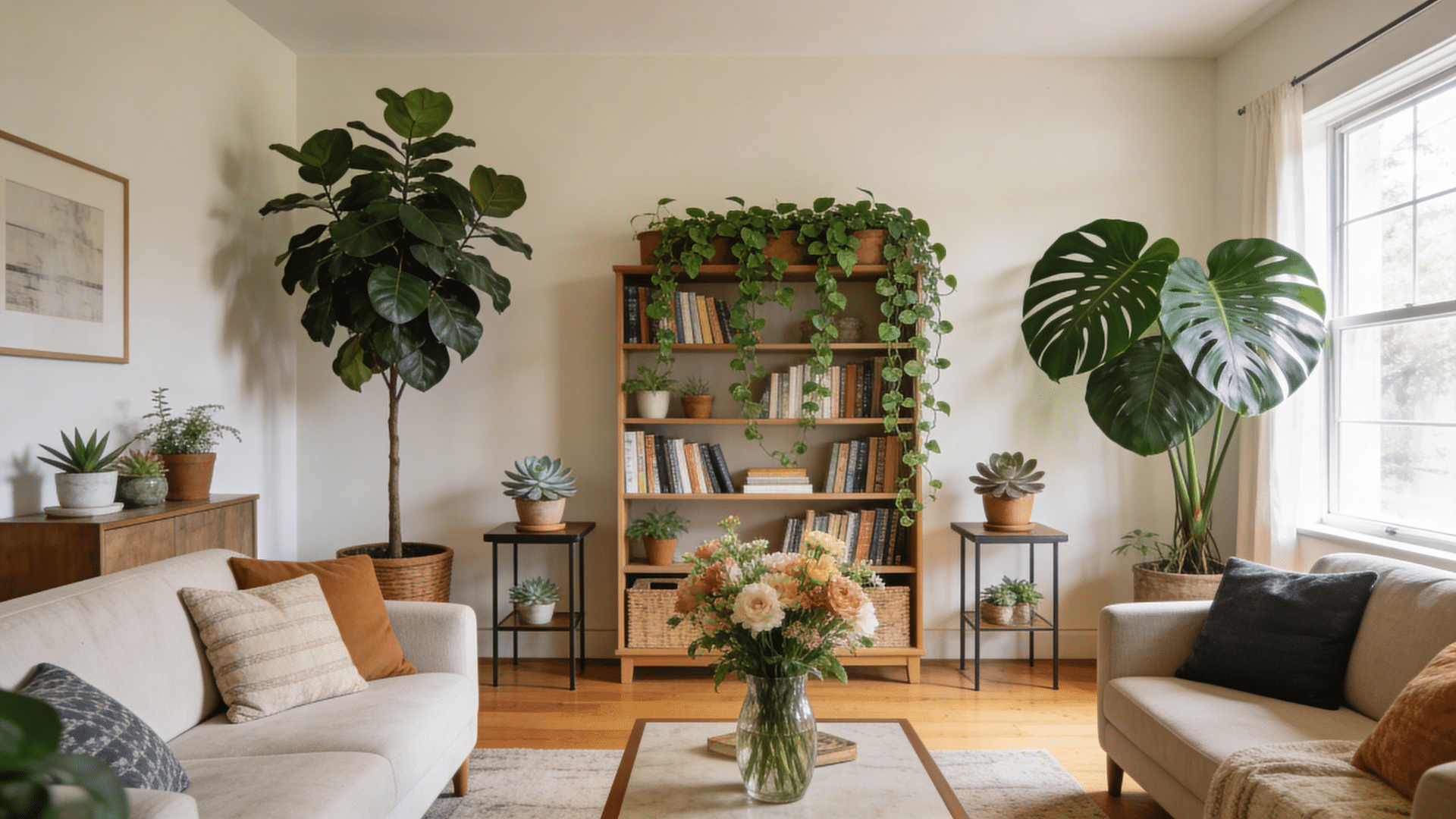
Have you ever stopped and wondered if the air inside your home is really clean? I used to think it was, but the truth is, indoor air can carry dust, chemicals, and tiny particles from furniture, paint, and cleaning products. Over time, this can affect how we feel every day.
That’s when I started looking into indoor plants. I found that some plants can help freshen the air while also making a room feel calm and alive. The best part is, many of them are easy to care for, even if you’re just starting out.
In this blog, I’ll share why indoor air quality matters, whether plants really help, and a list of the best indoor plants for cleaner air. I’ll also guide you on where to place them, how many you need, and simple care tips to keep them healthy.
Why Indoor Air Quality Matters
Indoor air quality plays a bigger role in your daily life than most people think.
Since many people spend most of their time inside at home, work, or school, the air you breathe indoors can directly affect your health.
Common indoor pollutants like dust, mold, pet dander, and chemicals from furniture or cleaning products can build up over time.
Poor air quality may lead to headaches, allergies, breathing issues, and low energy levels. In some cases, it can even affect sleep and focus.
This is why keeping your indoor air clean is so important. Simple steps like adding plants, improving ventilation, and reducing chemical use can make a real difference.
Cleaner air helps you feel more comfortable, supports better health, and creates a safer living space for you and your family.
Do Indoor Plants Really Improve Air Quality?
Indoor plants can help improve air quality, but they work best as part of a broader approach. They help in small, natural ways while also making your space feel fresh and calm.
- NASA Study Findings: Certain plants can absorb toxins like benzene and formaldehyde through their leaves and roots
- Oxygen Boost: Plants release oxygen, which can help improve the freshness of indoor air
- Humidity Support: They add moisture to the air, which may reduce dryness
- Limited Impact Alone: You need several plants to see noticeable air-cleaning results
- Best Results: Combine plants with ventilation and regular cleaning for better indoor air quality
Best Indoor Plants for Air Quality
Choosing the right plants can help make your indoor space feel fresher and healthier. These plants are known for improving air quality while being easy to care for.
1. Snake Plant
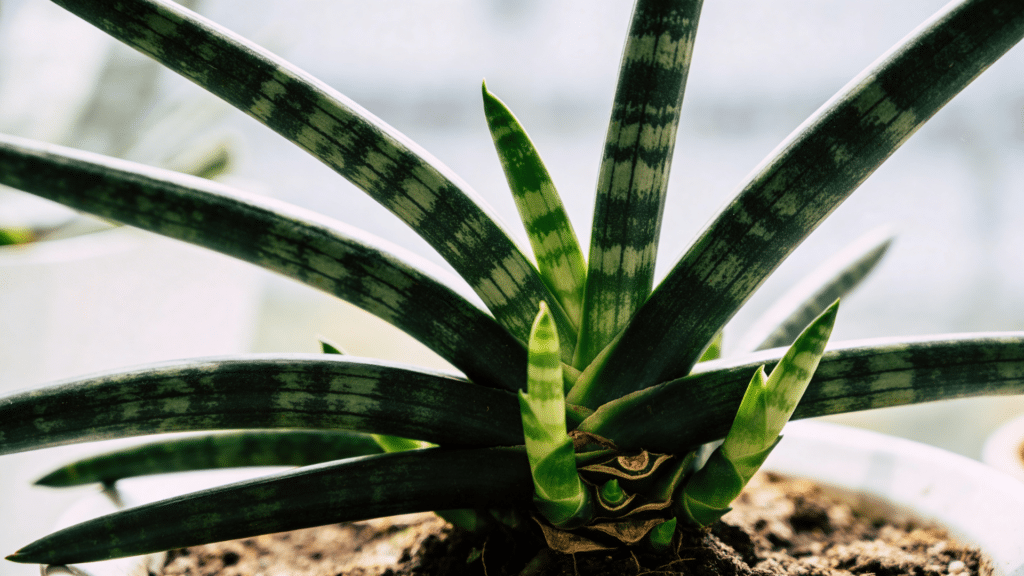
Snake plant is one of the easiest and most popular choices for improving indoor air quality. It is known for releasing oxygen at night, which makes it a great option for bedrooms.
This plant can help remove common indoor toxins, such as formaldehyde and benzene. It also survives in low light and needs very little water, making it perfect for beginners.
If you want a low-maintenance plant that still supports cleaner air, the snake plant is a smart pick for almost any room in your home.
2. Spider Plant
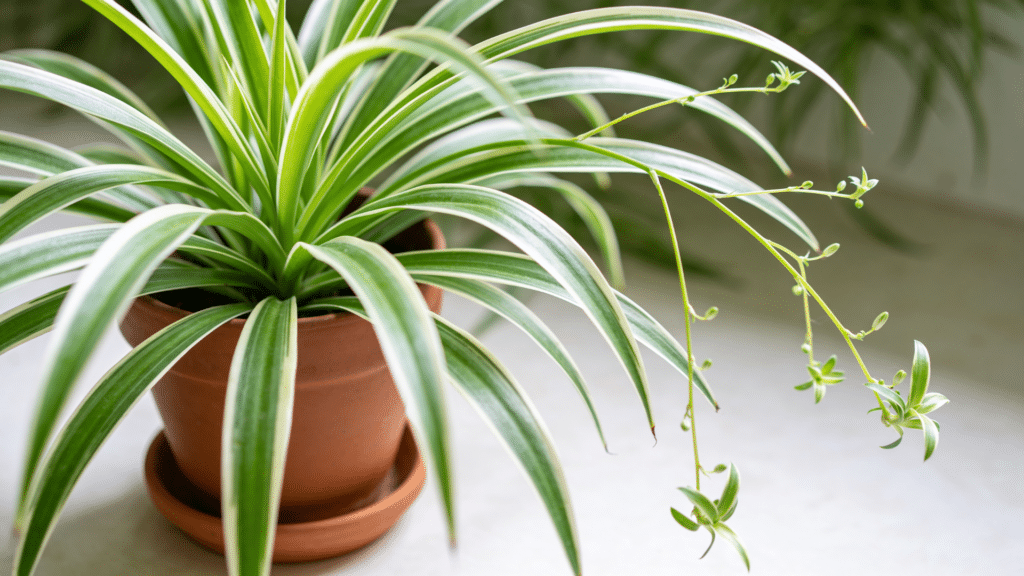
Spider plants are well-loved for their ability to clean indoor air while being very easy to grow. They can help remove pollutants like carbon monoxide and formaldehyde.
This plant grows quickly and produces small offshoots, making it fun to care for. It does well in indirect sunlight and only needs occasional watering.
Spider plants are also safe for pets, making them a great option for homes with pets. Their light, arching leaves add a fresh look to any room while helping improve air quality.
3. Peace Lily
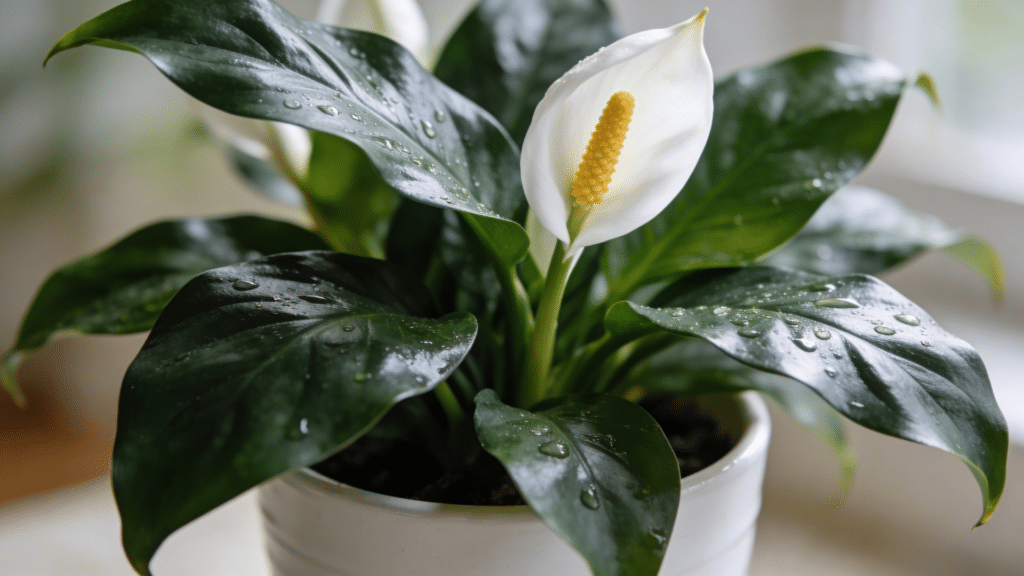
Peace lilies are known for their beautiful white blooms and air-cleaning benefits. They can help reduce indoor toxins such as benzene, ammonia, and formaldehyde.
This plant also adds moisture to the air, which can make breathing more comfortable. Peace lilies prefer low to medium light and need regular watering to stay healthy.
They are perfect for living rooms or offices where you want both style and function. With proper care, they can help create a calm and cleaner indoor environment.
4. Aloe Vera
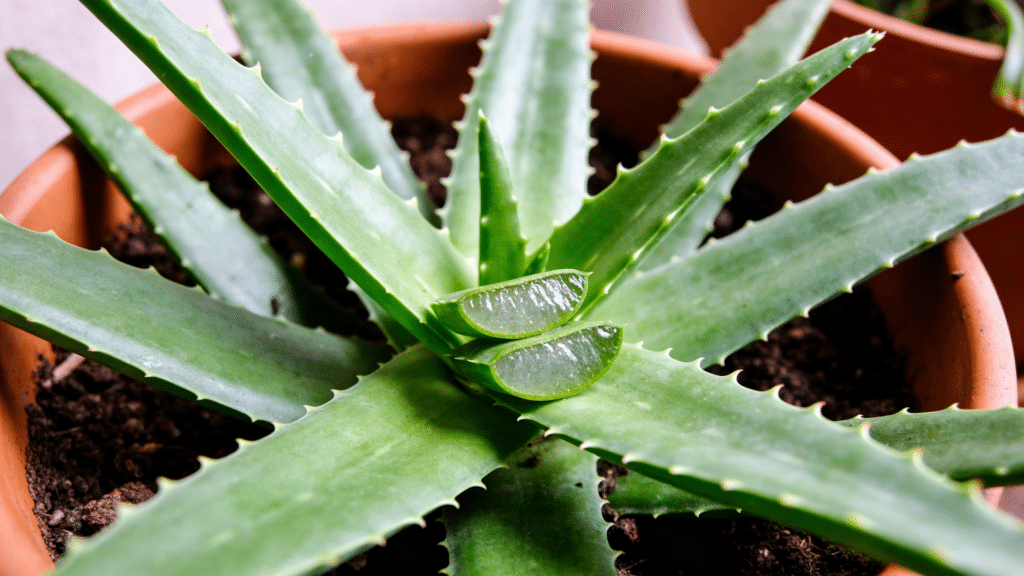
Aloe vera is more than just a healing plant; it can also support better air quality. It helps remove harmful chemicals found in cleaning products and paints.
Aloe releases oxygen at night, making it a good choice for bedrooms. It thrives in bright light and requires very little water, making it easy to maintain.
The gel inside its leaves can also be used for minor skin care needs. Aloe vera is a practical and useful plant that adds both beauty and function to your home.
5. Areca Palm
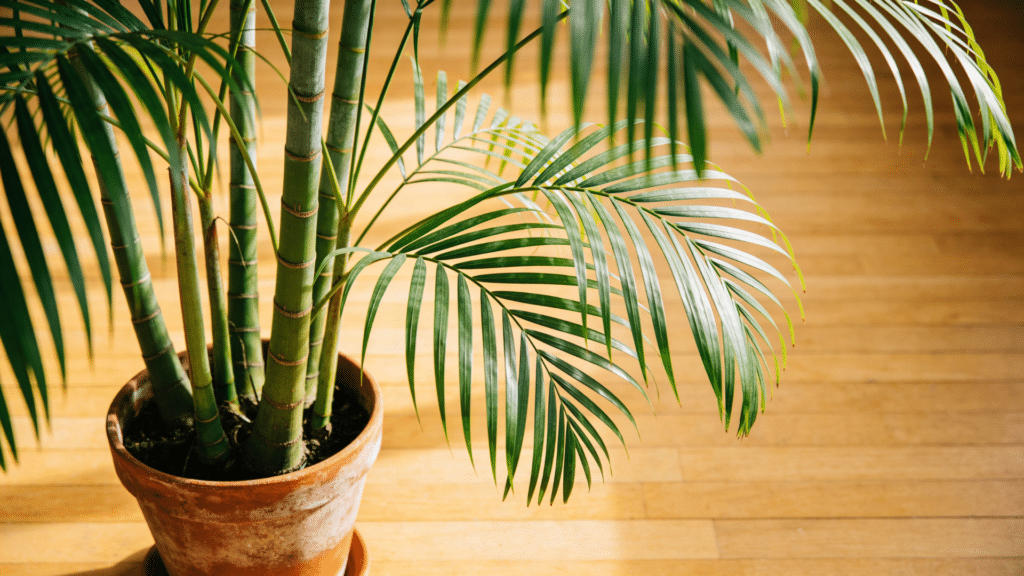
Areca palm is a great choice if you want a larger plant that improves air quality. It helps increase humidity and can make dry indoor air more comfortable.
This plant is also known for filtering toxins while releasing fresh oxygen. It prefers bright, indirect light and regular watering.
Areca palms are ideal for living rooms or open spaces where they can grow freely. Their soft, feathery leaves bring a relaxed feel to your home while helping maintain a healthier indoor environment.
6. English Ivy
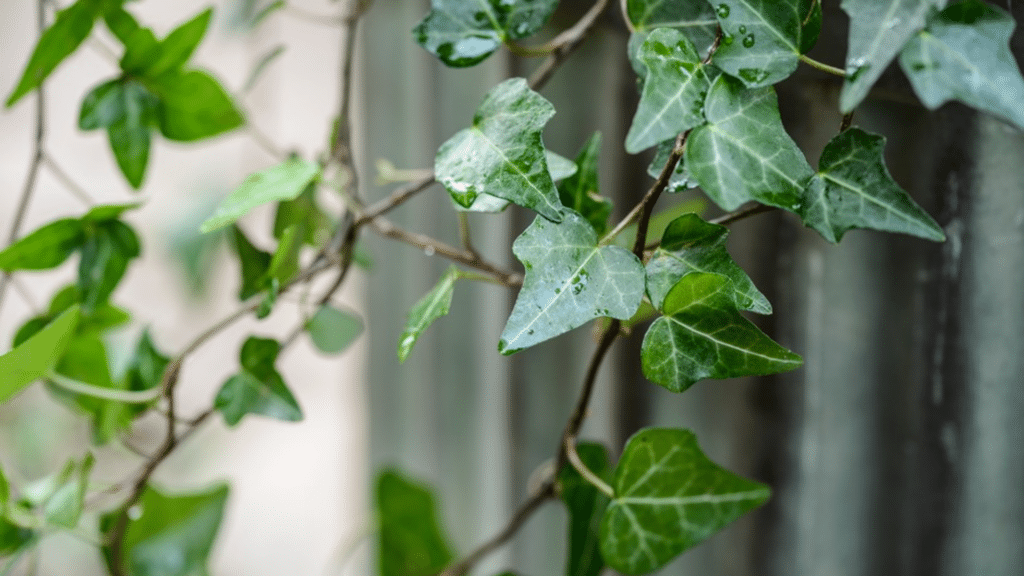
English ivy is a classic indoor plant that can help reduce airborne toxins and even mold levels. It works well in hanging baskets or small pots, making it very versatile.
This plant prefers moderate light and slightly moist soil. English ivy is often chosen for bedrooms or bathrooms where air quality can be a concern.
Its trailing vines add a soft, natural look to your space. With proper care, it can be a simple way to help improve indoor air quality.
7. Boston Fern
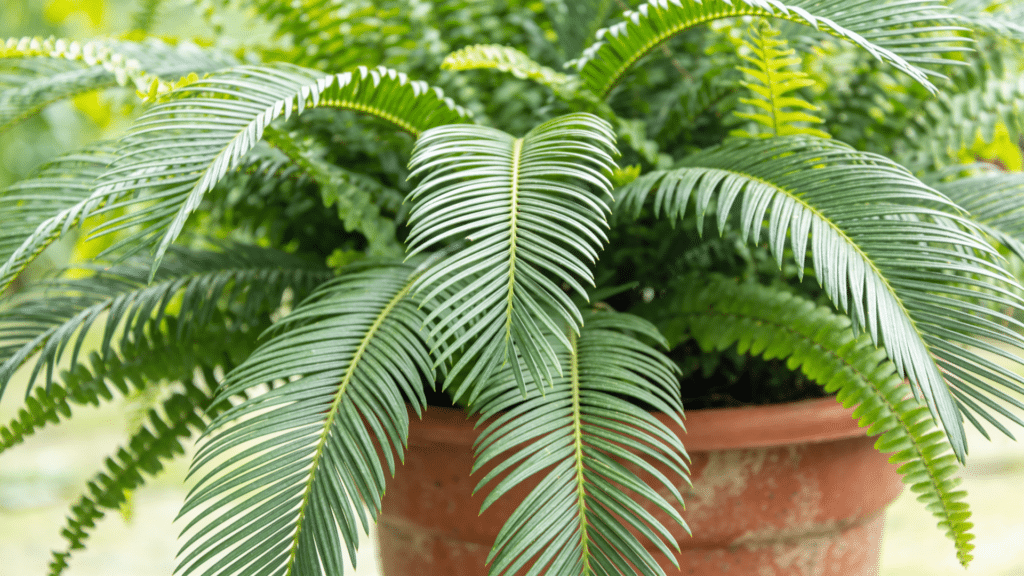
Boston ferns are known for their lush green leaves and their ability to improve indoor air quality. They help remove pollutants and add moisture to the air, which can be helpful in dry spaces.
This plant prefers cool temperatures, high humidity, and indirect light. It does require a bit more care, including regular watering and misting.
Boston ferns are perfect for bathrooms or shaded corners. Their full, leafy look makes any room feel fresh while supporting better air quality.
8. Bamboo Palm
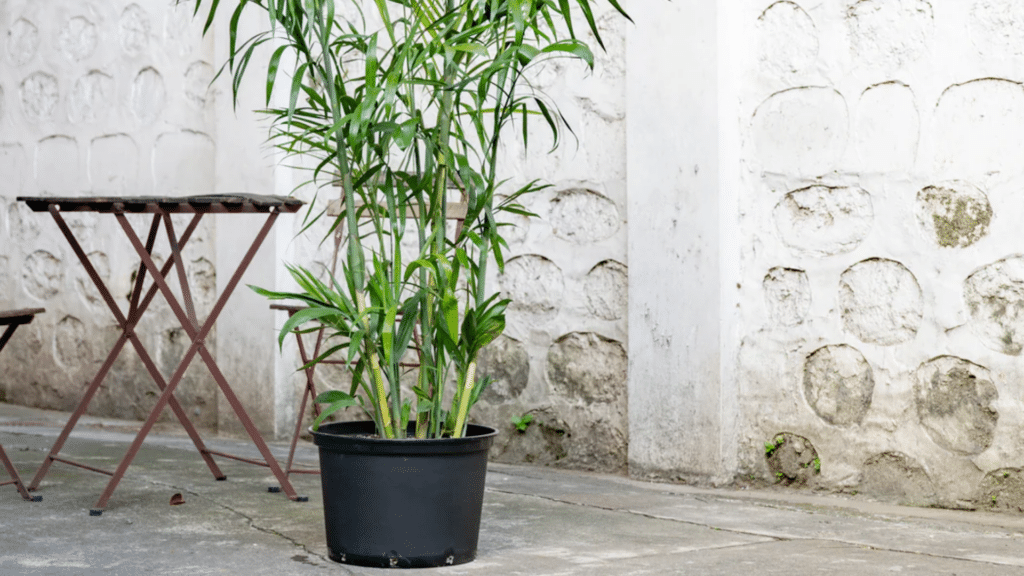
Bamboo palm is another strong air-supporting plant that works well indoors. It can help filter toxins like benzene and formaldehyde while adding moisture to the air.
This plant prefers indirect light and evenly moist soil. It is a great option for offices or living areas where you want to create a calm, tropical feel.
Bamboo palms are also safe for pets, making them a practical choice. Their upright growth adds height and greenery while improving indoor air quality.
9. Rubber Plant
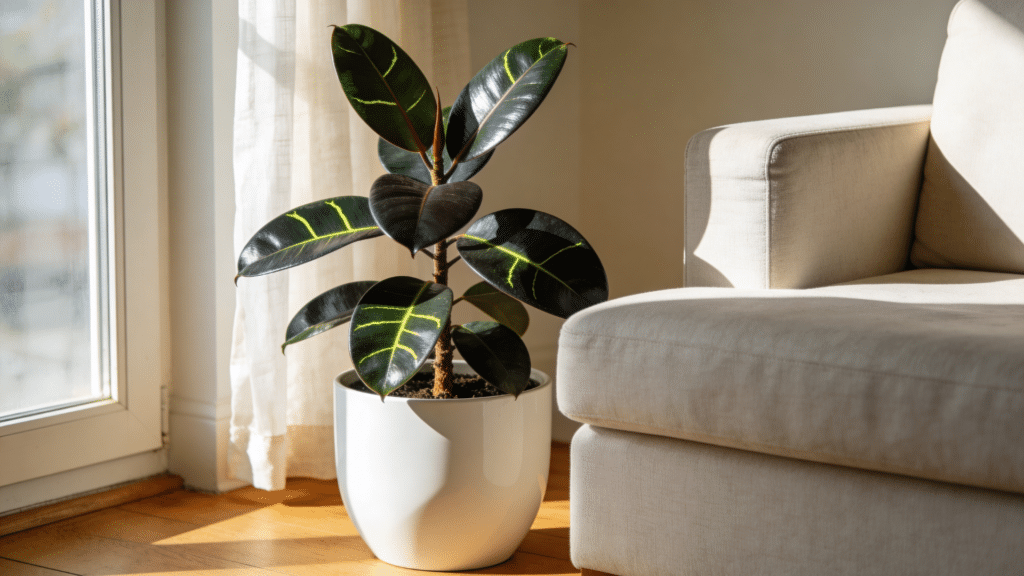
Rubber plants are known for their large, glossy leaves and strong air-cleaning ability. They can help remove toxins from indoor spaces while also adding oxygen.
This plant prefers bright, indirect light and needs moderate watering. It is easy to care for and can grow quite tall, making it a great statement piece.
Rubber plants are ideal for living rooms or corners that need a bold touch. In addition to their visual appeal, they support a cleaner, healthier indoor environment.
10. Golden Pothos
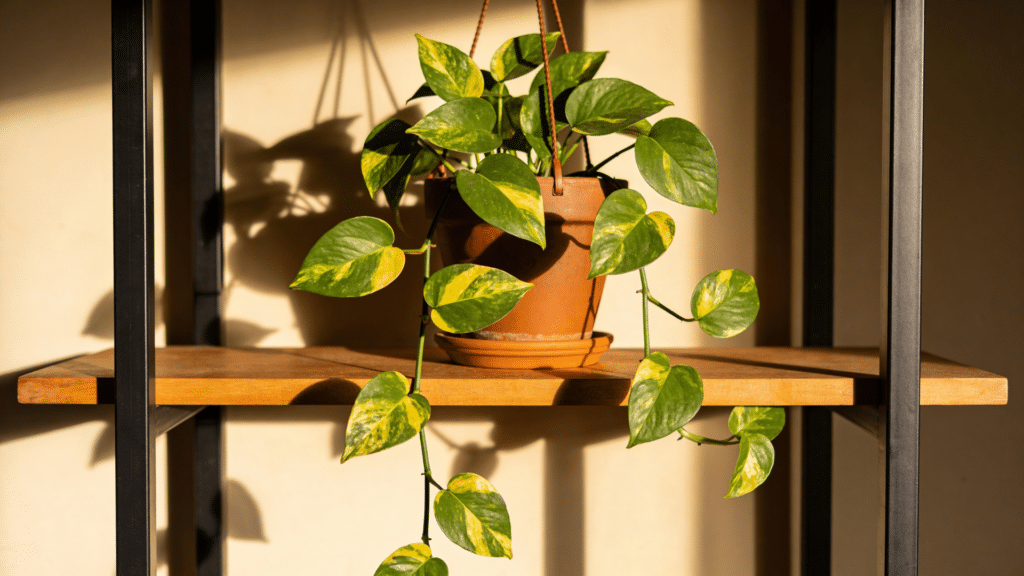
Golden pothos is one of the easiest plants to grow and maintain. It is known for removing indoor pollutants and improving air quality over time.
This plant can grow in low light and only needs occasional watering, making it perfect for beginners. It can be placed on shelves or allowed to trail from hanging pots.
Golden pothos is a flexible and forgiving plant that fits well in almost any space. It helps create a fresh indoor feel with very little effort.
11. Dracaena
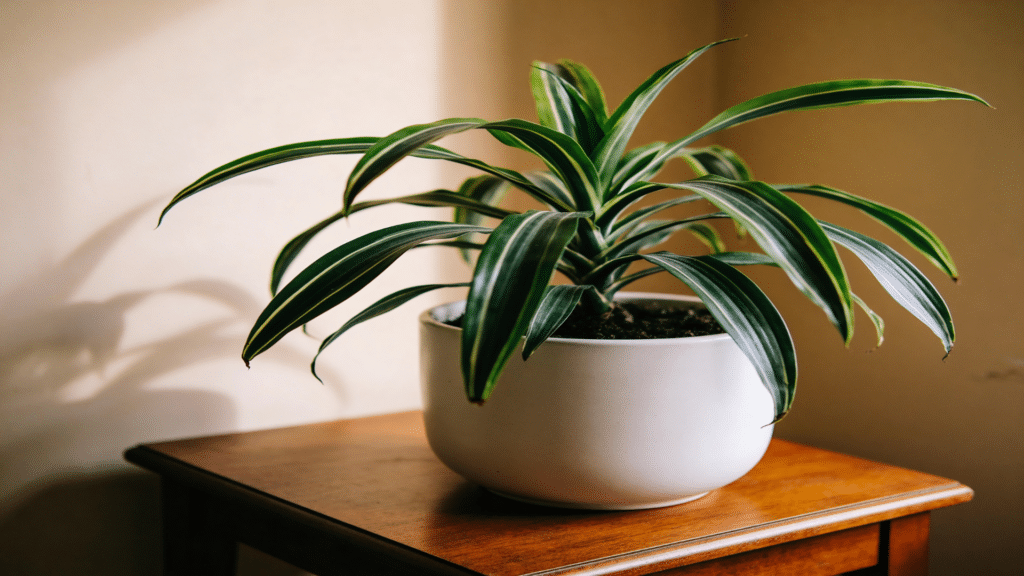
Dracaena plants come in wide varieties and are known for their air-supporting qualities. They can help remove toxins like formaldehyde and benzene from indoor spaces.
These plants prefer indirect light and moderate watering. Dracaena adds a modern look with its long, narrow leaves.
It works well in offices, bedrooms, or living rooms. With proper care, it can grow tall and make a strong visual impact. It is a great choice for anyone looking to combine style with better indoor air quality.
12. Chinese Evergreen
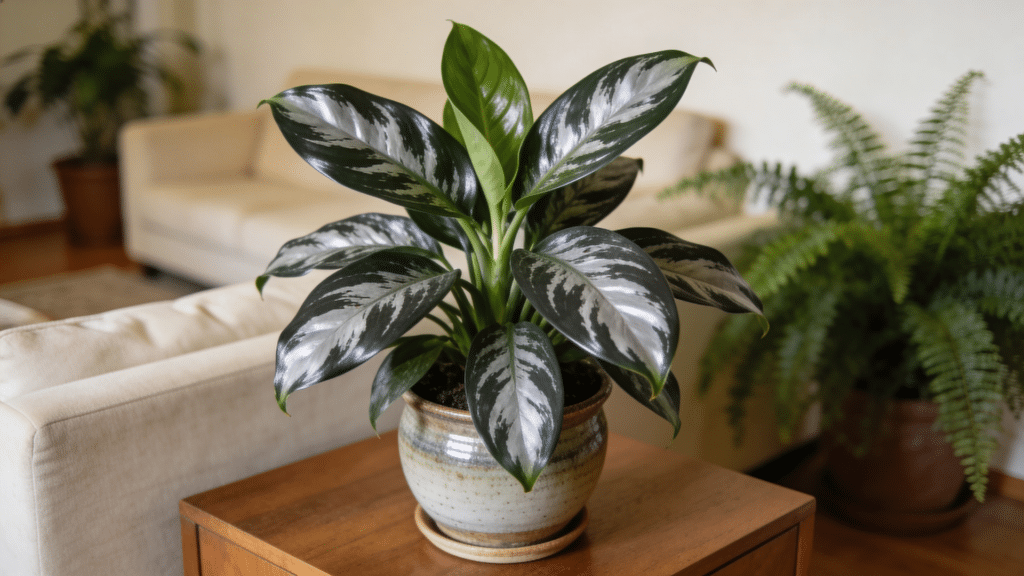
Chinese evergreen is a hardy plant that does well in low-light conditions. It helps improve indoor air by filtering out common toxins.
This plant is very easy to care for and only needs occasional watering. It is perfect for beginners or busy households.
Chinese evergreen has attractive, patterned leaves that add visual interest to any room. It is a great choice for bedrooms, offices, or corners with limited sunlight.
This plant offers both beauty and practical benefits for indoor spaces.
13. Chrysanthemum
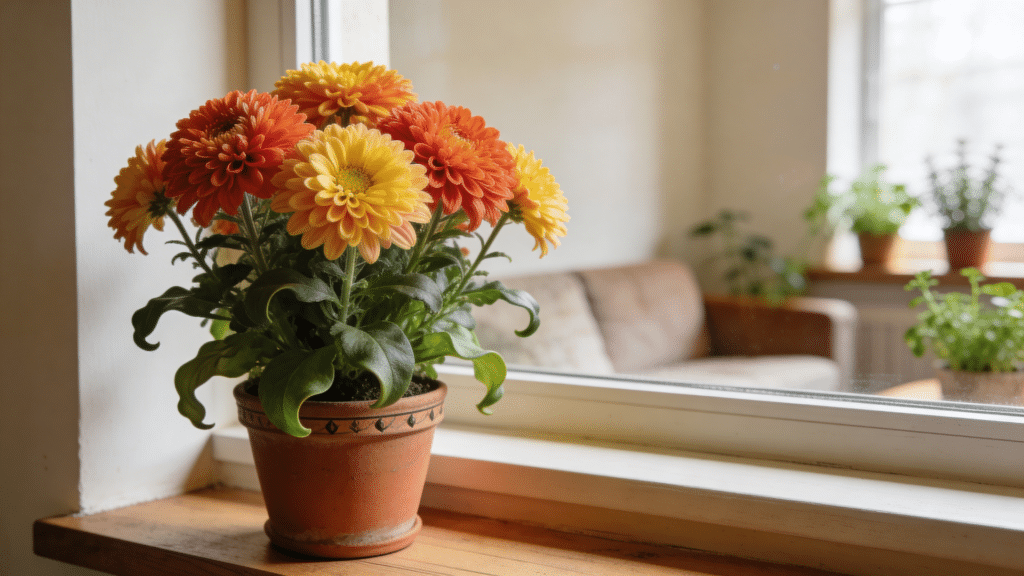
Chrysanthemums are known for their bright flowers and strong air-cleaning properties. They can help remove toxins like ammonia and benzene from indoor air.
These plants prefer bright light and regular watering. While they require a bit more care, their colorful blooms make them worth the effort.
Chrysanthemums are ideal for windowsills or well-lit areas. They add a cheerful touch to your home while helping support cleaner air. With proper care, they can brighten both your space and your air quality.
14. Weeping Fig
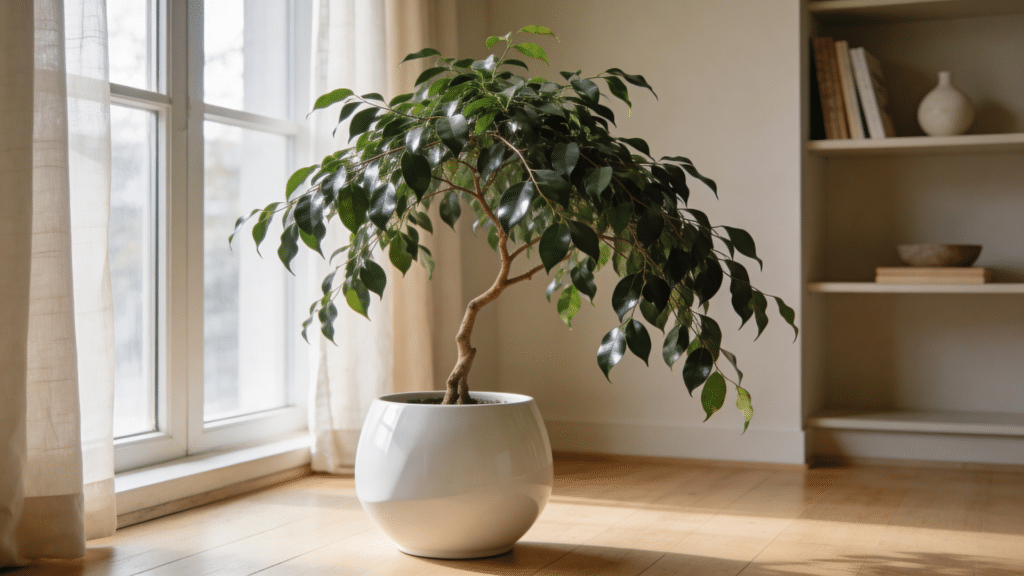
Weeping fig is a popular indoor tree that helps improve air quality. It can remove pollutants like formaldehyde from the air.
This plant prefers bright, indirect light and consistent watering. It may take some time to adjust to new environments, but once settled, it grows well.
Weeping fig adds a natural, tree-like feel to indoor spaces. It works best in living rooms or large areas with plenty of space to grow. Along with its appearance, it helps create a cleaner indoor atmosphere.
15. Philodendron
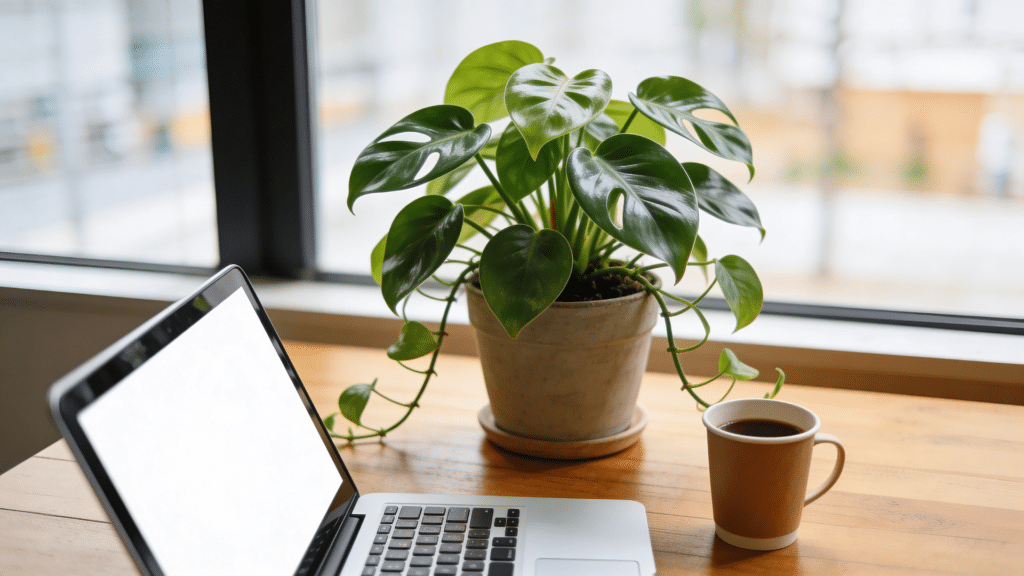
Philodendrons are easy-to-care-for plants that help improve indoor air quality. They can absorb toxins and add a fresh feel to your home.
These plants grow well in low to medium light and need moderate watering. Philodendrons are known for their heart-shaped leaves and trailing growth.
They are perfect for shelves, desks, or hanging pots. This plant is a great choice for beginners who want a simple way to improve indoor air while adding greenery to their space.
16. Parlor Palm
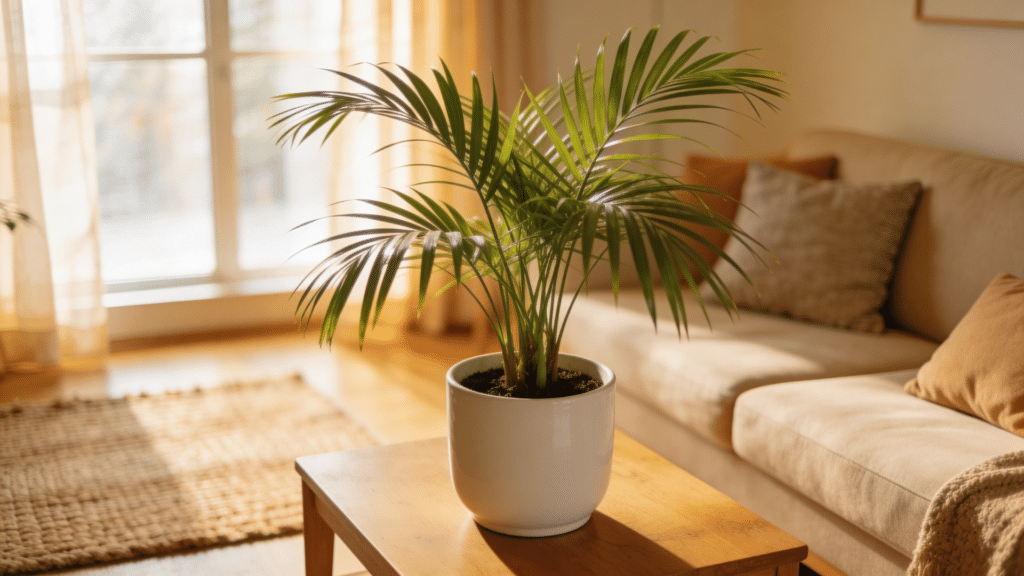
Parlor palms are classic indoor plants that help maintain cleaner air. They are easy to care for and grow well in low light conditions.
This plant also adds moisture to the air, which can make indoor spaces more comfortable. It needs light watering and occasional care. Parlor palms are ideal for offices, bedrooms, or small apartments.
Their soft, feathery leaves create a calm and relaxed look. They are a great choice for anyone wanting a low-effort plant with air-supporting benefits.
17. ZZ Plant
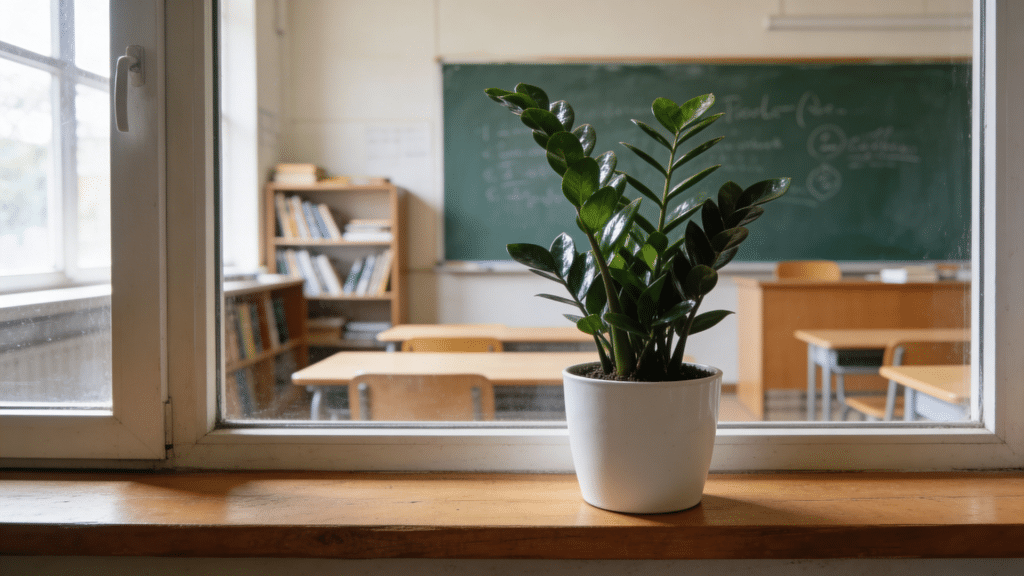
ZZ plants are known for being extremely tough and easy to maintain. They can survive in low light and need very little water.
While their air-cleaning ability is modest, they still help support a healthier indoor space. ZZ plants have shiny, dark green leaves that add a modern look.
They are perfect for busy people or those new to plant care. This plant fits well in offices or corners where other plants may struggle. It offers both style and low maintenance.
18. Calathea
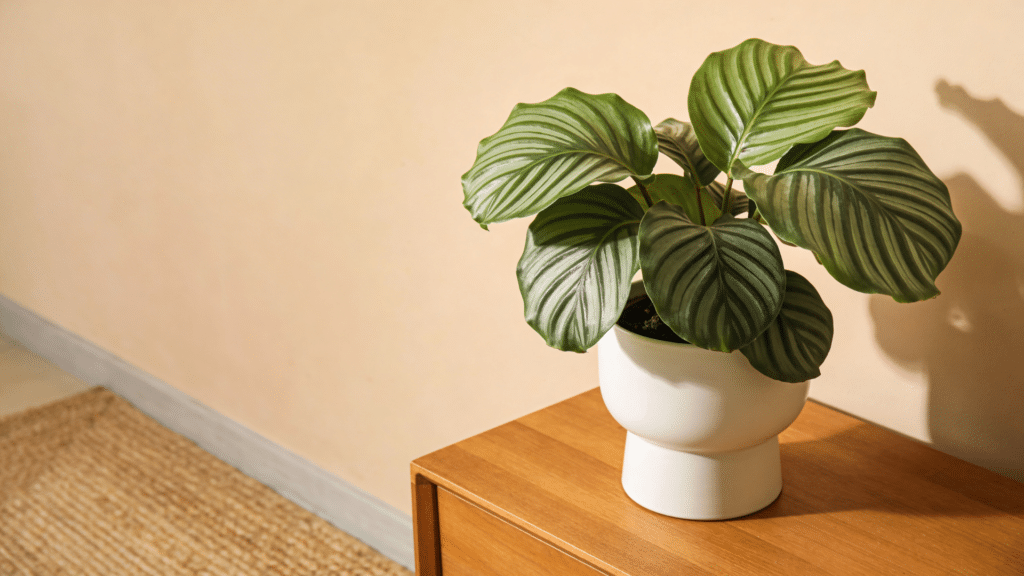
Calathea plants are loved for their patterned leaves and air-supporting benefits. They help improve indoor conditions by adding moisture to the air.
These plants prefer indirect light and consistent watering. Calathea can be a bit sensitive, but with proper care, it thrives well indoors.
It is perfect for bedrooms or living spaces that need a decorative touch. Along with its beauty, Calathea helps create a more comfortable indoor environment, especially in dry climates.
19. Kentia Palm
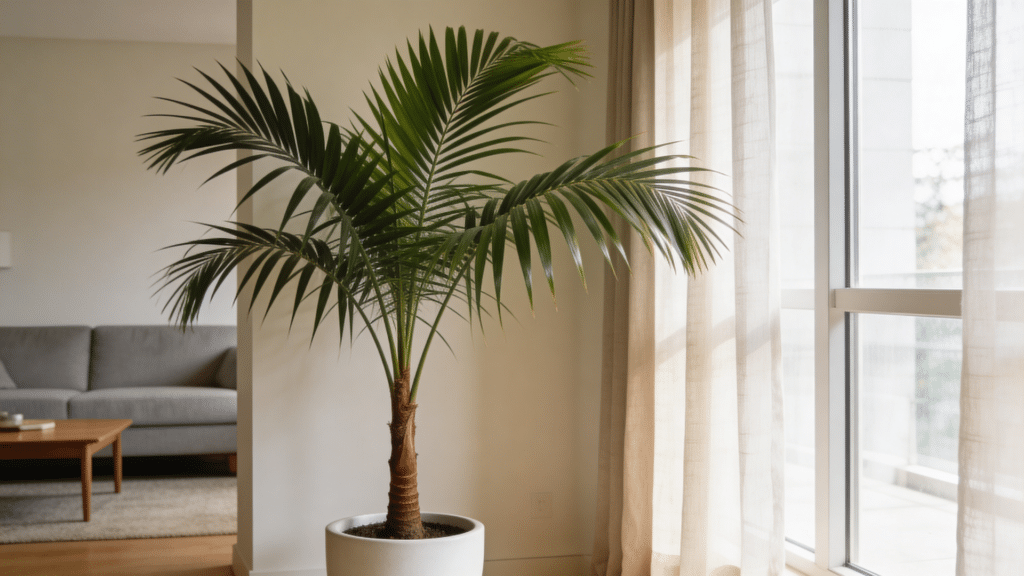
Kentia palm is a stylish indoor plant that supports better air quality while adding a calm, elegant feel. It grows well in low to moderate light and needs light watering.
This plant is slow-growing but very long-lasting. Kentia palm works well in living rooms, offices, or entryways.
Its tall, arching leaves bring a soft and natural look to indoor spaces. It is a great option for those who want a low-maintenance plant with a strong visual presence.
20. Ficus Alii
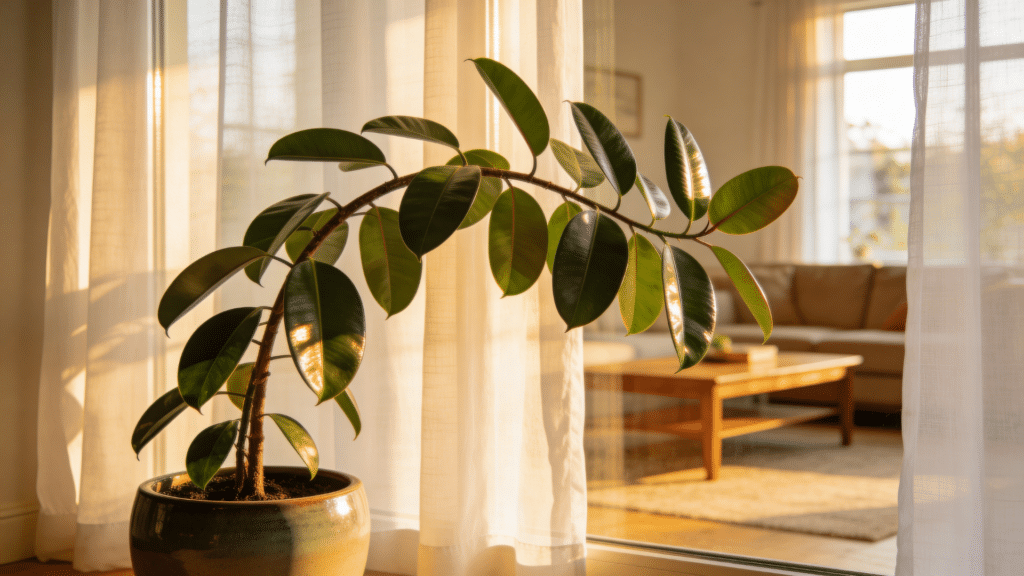
Ficus Alii is a less common but very effective indoor plant for air purification. It helps remove toxins while adding a fresh look to your space.
This plant prefers bright, indirect light and regular watering. It has long, narrow leaves that give it a sleek appearance. Ficus Alii is easier to manage compared to other ficus varieties.
It works well in modern homes and offices. With proper care, it can grow tall and become a standout feature.
21. Anthurium
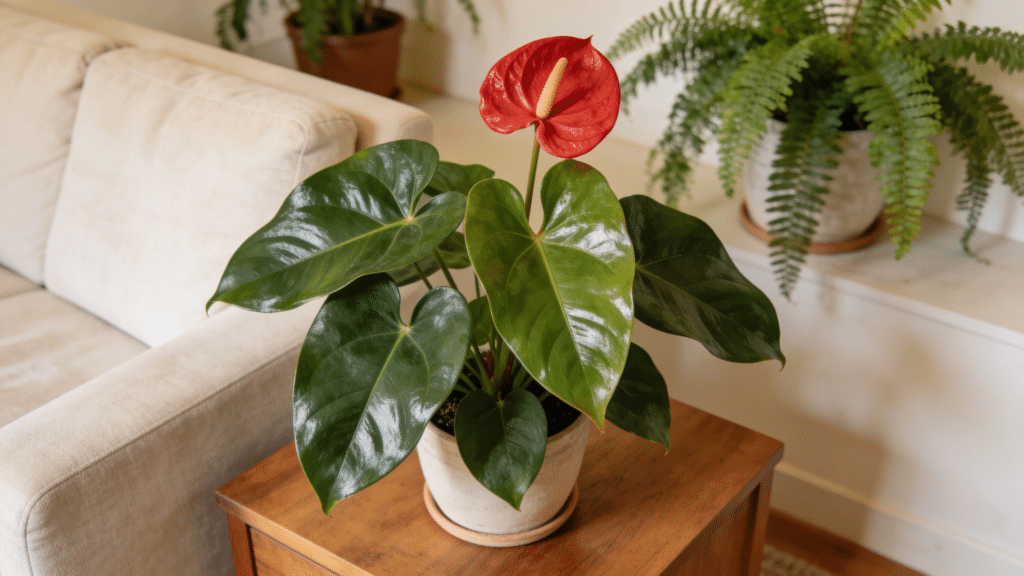
Anthurium plants are known for their bright, glossy flowers and air-supporting benefits. They help remove indoor pollutants while adding color to your space.
These plants prefer bright, indirect light and regular watering. Anthuriums also help increase humidity, making indoor air feel more comfortable.
They are perfect for desks, shelves, or living areas. With their vibrant look and practical benefits, anthuriums are a great way to add both beauty and cleaner air to your home.
Best Indoor Plants by Room
Placing the right plant in the right room helps it grow better and support cleaner air. Each space has different light and humidity levels, so choosing wisely makes a big difference.
| Room | Best Plants | Why They Work Well |
|---|---|---|
| Bedroom | Snake Plant, Aloe Vera | Release oxygen at night and need low care |
| Living Room | Areca Palm, Rubber Plant | Great for large spaces and improve overall air feel |
| Bathroom | Peace Lily, Boston Fern | Thrive in humidity and help manage moisture |
| Kitchen | Spider Plant, Pothos | Handle heat and changing light conditions |
| Home Office | ZZ Plant, Chinese Evergreen | Low maintenance and suitable for low-light areas |
How Many Plants Do You Need for Clean Air?
The number of plants you need depends on the size of your space and your goal. Research often suggests having at least two to three medium-sized plants per 100 square feet for noticeable air benefits.
While this may sound like a lot, even a few plants can still make your space feel fresher. Larger plants with more leaves can help more than small ones.
It’s also helpful to place plants in areas where you spend the most time, like bedrooms or living rooms. Keep in mind that plants work best along with good airflow and regular cleaning.
Instead of relying on just one plant, try adding a small group to create a healthier and more comfortable indoor environment.
Easy Care Tips for Air-Purifying Plants
Taking care of your plants the right way helps them stay healthy and do their job better. Simple care steps can keep your plants strong and your indoor air feeling fresh.
- Right Light: Place plants in suitable light conditions, as some prefer bright light while others grow well in shade
- Water Properly: Avoid overwatering; most indoor plants do better when the soil dries slightly between watering
- Clean Leaves: Wipe dust off leaves so plants can absorb air and light more effectively
- Good Soil: Use well-draining soil to keep roots healthy and prevent rot
- Proper Placement: Keep plants where airflow is good, not in tight or closed corners
- Regular Check: Look for yellow leaves or pests and fix issues early to keep plants thriving
Final Thoughts
To sum it up, I’ve found that adding indoor plants is one of the easiest ways to make a home feel fresher and more comfortable.
They may not solve every air problem, but they do help in small, natural ways. Plus, they make any space look more lively and peaceful.
What worked for me was starting small and choosing easy-to-care-for plants. Over time, I added more and placed them in the rooms where I spend the most time.
With a little care, they can stay healthy and support a better indoor space.
If you’re thinking about improving your home environment, I suggest giving indoor plants a try. Start with one or two and see how it feels. You might be surprised by the difference.
Go ahead and pick your first plant today and bring a bit of nature into your home.