


Raised bed gardening sounds simple enough. Build a box, fill it with dirt, and watch the vegetables grow. Not all soil is created equal.
The wrong mix can leave plants struggling, roots drowning, or nutrients disappearing faster than morning dew. Tomatoes might wilt, lettuce could bolt early, and carrots? They’ll come out looking like twisted pretzels.
Choosing the right soil mix makes all the difference between a thriving garden and a disappointing one.
Different plants have different needs, and the soil has to deliver. So what actually goes into the perfect raised bed mix?
Why the Right Soil Mix is Crucial for Raised Bed Success?
Raised beds don’t connect to the ground below. That means plants rely entirely on what’s inside the box.
Get the mix wrong, and roots can’t breathe, water pools at the bottom, or nutrients wash away with the first heavy rain.
Good soil does more than just hold plants upright. It needs to drain well but still retain moisture.
Roots need oxygen, so the mix can’t be too dense. And plants pull nutrients constantly, so the soil has to keep feeding them throughout the growing season.
The right balance creates an environment where roots thrive, and plants produce abundant harvests.
Key Factors That Define the Best Soil for Raised Beds
Several elements work together to create ideal raised bed soil. Each factor plays a specific role in plant health. Understanding these basics helps gardeners make informed choices about soil composition.
- Drainage: Water should flow through easily without pooling, preventing root rot and fungal diseases in plants.
- Water Retention: Soil must hold enough moisture between waterings so roots stay hydrated during dry spells.
- Nutrient Content: Essential minerals and organic matter provide the fuel plants need for growth and fruit production.
- Soil Structure: Loose, crumbly texture allows roots to spread easily and air to circulate throughout the bed.
- pH Balance: The acidity or alkalinity level affects how well plants can absorb available nutrients from soil.
- Organic Matter: Compost and decomposed materials improve texture, feed beneficial microbes, and slowly release nutrients over time.
Top Soil Mixes for Raised Beds
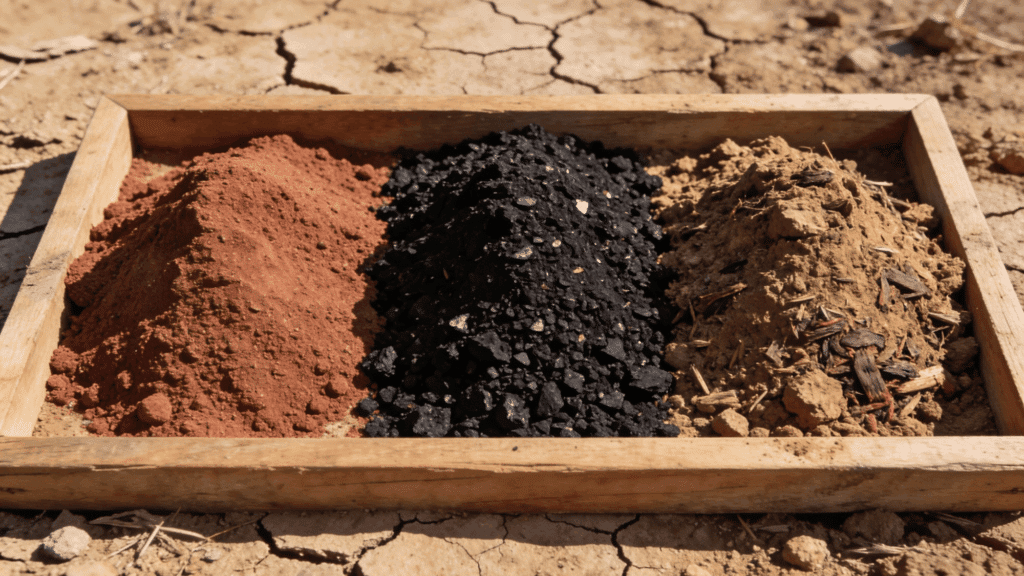
Choosing the right raised bed soil mix affects drainage, nutrients, cost, and yields. This comparison breaks down popular options so gardeners can decide which soil performs best for their needs.
1. Garden Soil vs Raised Bed Soil
Garden soil is dense and designed for in-ground use, while raised bed soil is lighter and better draining. Garden soil is affordable but compacts easily in beds.
Raised bed soil costs more yet supports healthier roots, improved aeration, and consistent moisture.
Use garden soil only when heavily amended; raised bed soil suits most vegetables and flowers for small garden spaces.
2. Topsoil + Compost Mix
A topsoil and compost mix balances structure and nutrition for raised beds.
Common ratios range from fifty-fifty to sixty-forty. Compost boosts microbial life and nutrients, while topsoil adds weight and stability.
This mix is affordable, easy to source, and suitable for most crops, though it may need aeration amendments for drainage over time in compacted beds and high rainfall areas.
3. Triple Mix Soil (Topsoil, Compost, Peat/Coco)
Triple mix soil combines topsoil, compost, and peat moss or coco coir for balanced performance. It offers good drainage, moisture retention, and nutrients, making it widely popular.
However, quality varies by supplier, and peat-based mixes may compact over time.
This mix works well for beginners but may require seasonal nutrient replenishment depending on crops, climate conditions, and watering habits.
4. Mel’s Mix (Square Foot Gardening Method)
Mel’s Mix uses equal parts compost, vermiculite, and peat moss for square-foot gardening. It delivers excellent aeration and high yields in shallow beds.
The downside is cost, especially vermiculite, and ongoing compost requirements.
Best for intensive planting and small raised beds, this mix favors productivity over budget efficiency and requires careful sourcing of quality materials to maintain consistent results.
5. Bagged Raised Bed Soil
Bagged raised bed soil offers convenience and a consistent texture without mixing. It is lightweight, drains well, and suits beginners or small projects.
Performance varies by brand, with some mixes lacking nutrients. While more expensive per volume, it saves time and labor, making it ideal for quick setups or limited gardening spaces with predictable results across seasons and minimal preparation effort.
6. DIY Custom Soil Mix for Raised Beds
A DIY custom soil mix allows gardeners to tailor ingredients to specific plants and climates. You can adjust drainage, nutrients, and organic matter precisely.
While it requires planning and effort, it often delivers superior results and cost control.
This approach suits experienced gardeners who want flexibility and long-term soil performance through ongoing amendments and seasonal testing for raised bed success.
Best Soil for Raised Beds Based on Gardening Needs
Different plants thrive in different soil conditions. Matching soil structure, nutrients, and drainage to plant type improves growth, yields, and long-term soil health.
| Gardening Need | Ideal Soil Mix | Key Characteristics | Best For |
|---|---|---|---|
| Vegetable Raised Beds | Topsoil + compost + aeration | Nutrient-rich, well-draining, moisture-balanced | Tomatoes, peppers, leafy greens |
| Flower Raised Beds | Triple mix with compost | Light texture, good drainage, moderate nutrients | Annuals, perennials, ornamentals |
| Herb Raised Beds | Sandy loam with compost | Fast-draining, low to moderate nutrients | Rosemary, thyme, basil |
| Root Crops | Loose topsoil + compost + sand | Deep, airy, low compaction | Carrots, beets, radishes |
| Shallow Raised Beds | Mel’s Mix or coconut-based mix | Lightweight, high aeration, nutrient dense | Lettuce, herbs, shallow-root plants |
Everything You Need to Know About Raised Bed Soil Care
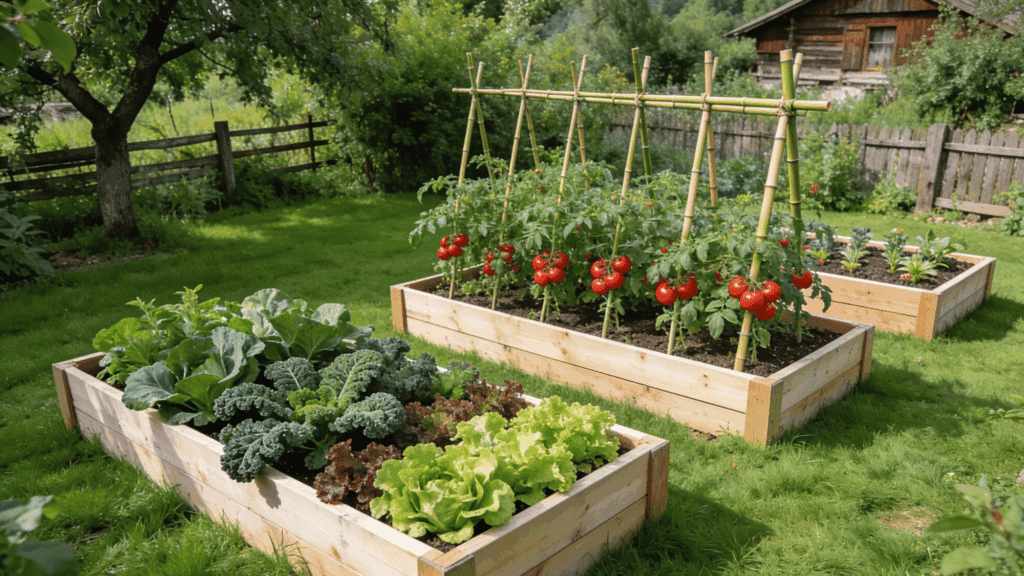
Maintaining raised bed soil isn’t a one-time task. Regular care keeps nutrients flowing and plants healthy season after season.
How Much Soil Do You Need for a Raised Bed?
Nobody wants to run short halfway through filling a bed or order twice what’s actually needed. Calculate volume by multiplying length × width × depth in feet, then converting to cubic yards.
Most vegetables thrive in 10-12 inches of depth, but root crops like carrots need closer to 18 inches for proper development.
How to Refresh and Improve Raised Bed Soil Each Season
Soil depletes over time as plants pull out nutrients. Top-dressing with 1-2 inches of compost each spring replenishes what was lost.
Light tilling or turning helps mix amendments into the existing soil without disrupting beneficial organisms below. Rotating crop families; moving tomatoes to where beans grew last year prevents nutrient imbalances and breaks pest cycles naturally.
Best Soil Amendments to Improve Raised Bed Performance
| Amendment | Primary Benefit | Best For |
|---|---|---|
| Compost | Adds nutrients and structure | General soil health |
| Worm Castings | Slow-release nutrients | Heavy feeders like tomatoes |
| Perlite | Improves drainage | Clay-heavy mixes |
| Vermiculite | Retains moisture | Sandy or fast-draining soil |
| Coco Coir | Sustainable moisture retention | Eco-conscious gardeners |
| Peat Moss | Acidifies and retains water | Acid-loving plants |
Maintenance for Long-Lasting Raised Bed Soil
Good soil doesn’t stay good forever. Simple maintenance practices keep raised beds productive year after year without complete soil replacement.
- Add compost annually: Top-dress with 1-2 inches each spring to replace nutrients plants consumed during the previous season.
- Test soil pH regularly: Check levels every 1-2 years and adjust with lime or sulfur to maintain optimal nutrient availability.
- Mulch the surface: A 2-3 inch layer reduces moisture loss, suppresses weeds, and breaks down to feed the soil over time.
- Avoid compaction: Never walk on raised bed soil since foot traffic crushes air pockets that roots need to breathe.
- Remove plant debris: Clear out dead plants after harvest to prevent diseases and pests from overwintering in the bed.
- Rotate crops strategically: Move plant families to different beds each year to prevent nutrient depletion and soil-borne disease buildup.
To Conclude
Raised bed success starts beneath the surface. The right soil mix creates the foundation for healthy roots, strong plants, and generous harvests. But it doesn’t end at the initial fill.
Regular top-ups with compost, strategic amendments, and smart crop rotation keep beds producing year after year. Testing pH levels, adding mulch, and protecting soil structure all contribute to long-term garden health.
Soil is a living system that responds to care. Feed it well, and it feeds the plants in return. Skip the shortcuts with cheap dirt or neglect seasonal refreshes, and yields will suffer.
Invest time in building and maintaining quality soil. The garden will reward that effort with vegetables worth bragging about.