

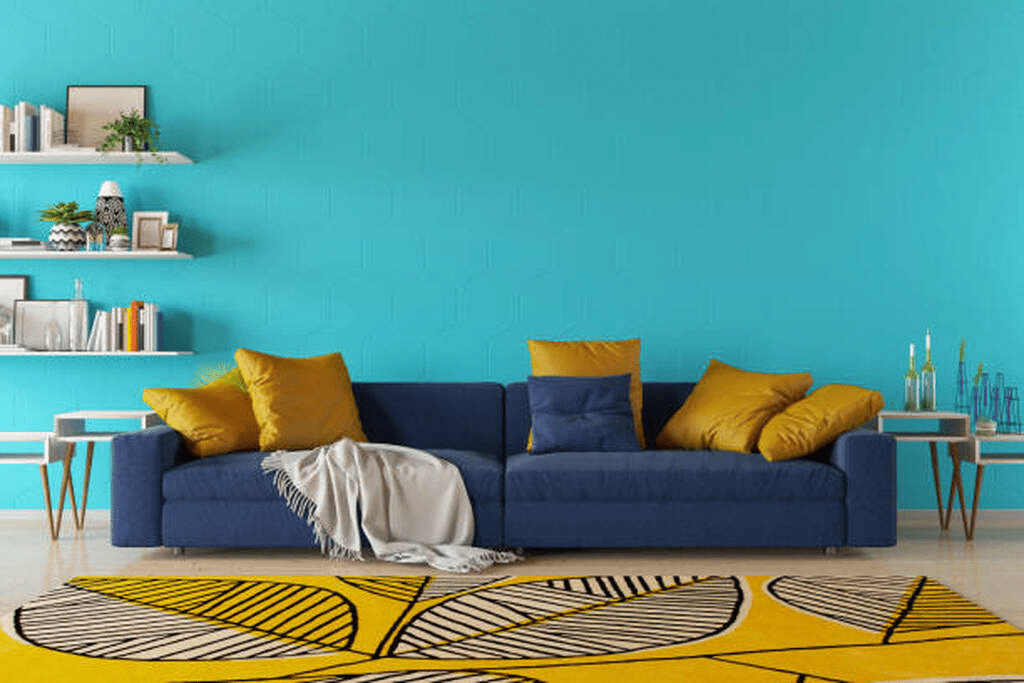
Picking the right paint colors for your home can feel difficult with so many options available. The colors you choose change how rooms feel, how big they look, and even your mood. This guide helps you pick colors you’ll love for years.
Understanding Colors
Colors have three main things: the actual color, how light or dark it is, and how bright or dull it looks. Knowing this helps you explain what you want to paint experts.
Warm colors like reds, oranges, and yellows make rooms feel cozy and full of energy. They make rooms feel smaller but more comfortable. Cool colors like blues, greens, and purples feel calm and peaceful. They work well in small rooms because they make spaces look bigger.
Neutral colors like whites, grays, beiges, and tans go with anything. They’re safe choices but can still look great when you pick the right shade.
Think About Your Light
Natural light and bulb light change how paint colors look. A color that looks perfect in the store might look totally different at home. Rooms facing north get cool, dim light that makes colors look darker. Rooms facing south get bright, warm light that makes colors look brighter.
Rooms facing east have warm light in the morning but cooler light in the afternoon. Rooms facing west are opposite, with cooler mornings and warm, golden light in the afternoon. Test paint samples on your walls and check them at different times before you decide.
Light bulbs also change colors. Warm yellow bulbs make colors look more yellow, while white LED lights can make them look blue or gray. Think about your lights when picking colors.
Picking Colors for Each Room
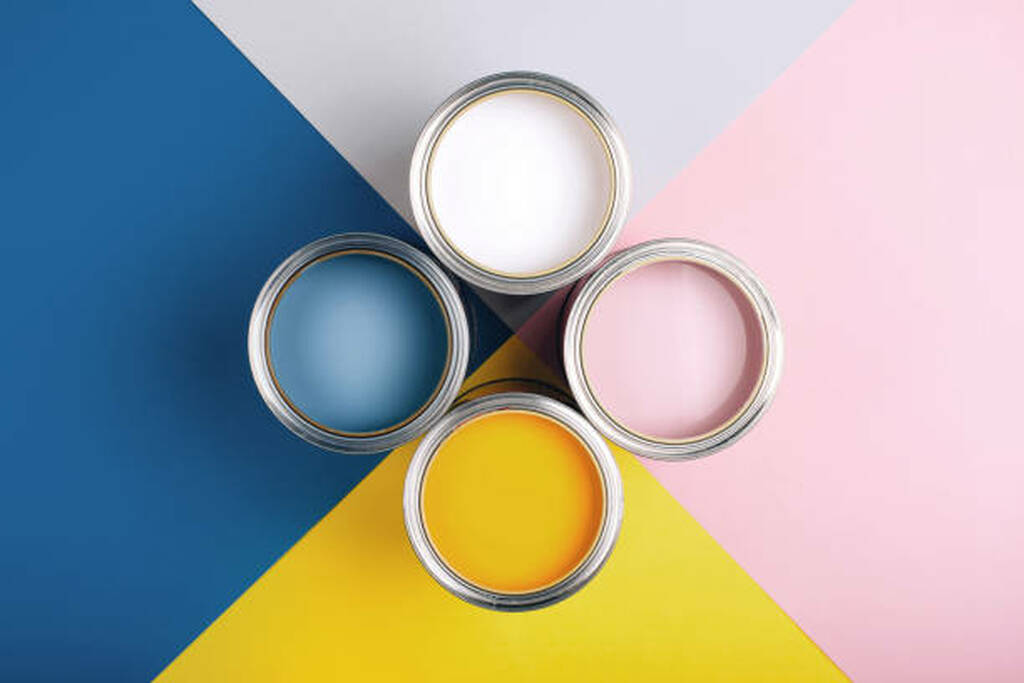

Different rooms need different colors. Living rooms are where you spend time with family and guests. Pick colors that show your style while feeling welcoming. Neutral colors with bright accents work well, or use a bold color on one wall if you like.
Bedrooms should help you relax and sleep. Soft blues, greens, and light purples create calm spaces. Warm neutral colors also work well. Stay away from bright reds or oranges unless you use them in small amounts.
Kitchens look good with cheerful, happy colors. Warm whites, soft yellows, or light greens make nice cooking spaces. The kitchen is also good for bold colors since you usually only paint walls, not cabinets.
Bathrooms can be either calming spa-like colors or bright energizing colors. Think about whether you want your bathroom to feel relaxing or energizing in the morning. Use paint that handles moisture well.
Home offices need colors that help you focus without making you tired. Blues and greens help you concentrate. Don’t pick colors that are too exciting or too boring. You want to feel awake but not distracted.
Testing Colors the Right Way
Never pick paint just from small chips. Buy sample sizes and paint big areas directly on your walls. Paint at least two coats because color looks different when it’s done right.
Paint samples in several spots around the room, especially on walls that get different light. Live with the samples for a few days, looking at them in morning light, afternoon light, and evening light with bulbs on.
Look at your samples next to your furniture, floors, and curtains. Colors affect each other, and what looks good alone might not match your other things.
Understanding Hidden Colors


Every paint color has hidden colors in it. White paint might have pink, blue, yellow, or gray hidden in it. Gray can look purple, blue, green, or brown. These hidden colors show up more once paint is on your walls.
These hidden colors should match your floors, furniture, and things you can’t change like counters or tiles. If your floors are warm honey colored, warm paint colors usually look better. Cool gray floors go well with cool paint colors.
To find hidden colors, put paint samples next to pure white. The color you see shows the hidden color. You can also compare your sample to other colors you know.
Making Colors Flow Between Rooms
Colors should flow nicely from room to room, making your whole home feel connected. This doesn’t mean painting everything the same, but colors should work well together.
One way is using different shades of the same color in different rooms. Another way uses the same neutral color everywhere with different bright colors in each space. Open spaces need special attention since you can see multiple areas at once.
Hallways and spaces between rooms should connect the colors in rooms next to them. Neutral colors work well here, or pick a shade that has parts of both nearby room colors.
Working With What You Have
Work with things you can’t easily change like floors, counters, tiles, or brick. These fixed things limit your paint choices, but think of them as a starting point, not a problem.
Pull colors from these permanent things for your paint choices. If you have a colorful tile, pick one color from the tile for your walls. This makes everything look planned.
If you don’t like a fixed thing, painting walls around it in matching colors can make it less noticeable. Cool paint colors make warm-colored things stand out less and the other way around.
Planning Your Budget
Good paint costs more but covers better, lasts longer, and looks more accurate. Cheap paint often needs extra coats and may not look as good or last long. Figure out how much paint you need based on your room size, counting multiple coats.
For bigger projects or painting your whole home, professional painting estimating services can give you detailed lists of paint amounts, work costs, and how long it takes. Companies like Pro Estimating Services help homeowners understand the complete job and cost before work starts, so there are no budget surprises.
Professional painters charge for work, materials, and getting surfaces ready. Getting surfaces ready the right way really affects how it looks but adds to the cost. Get detailed quotes that say exactly what’s included.
Getting Ready to Paint
Paint looks best on walls that are ready. Clean walls, fill holes and cracks, smooth rough spots, and use primer when needed. Primer is important when painting over dark colors, covering stains, or painting new walls.
Move or cover furniture, floors, and fixtures. Good prep work takes time but stops mistakes and makes it look professional. Rush this step and you’ll see problems no matter how nice your color is.
Picking the Right Finish
Paint comes in different finishes from flat to shiny. The finish changes both how it looks and how practical it is. Flat finishes hide wall problems but are harder to clean. They work well in rooms that don’t get much use like adult bedrooms or dining rooms.
Medium finishes offer a slight shine and are easier. These work in most rooms including living rooms, bedrooms, and hallways.
Shiny finishes are strong and easy to clean. Use them in bathrooms and kitchens where there’s moisture, on trim and doors, or in kids’ rooms where you need to wipe walls often.
Common Mistakes to Avoid
Don’t pick colors alone. Always think about how they work with your lights, furniture, and nearby rooms. Don’t paint your whole house the same trendy color. Trends change, and you might get tired of a bold choice everywhere.
Don’t ignore hidden colors. That nice gray might turn purple in your light. Don’t skip testing samples to save time or money. Repainting because you don’t like the color costs much more than samples.
Don’t forget about ceiling color. While white ceilings are normal, colored ceilings can add interest. Just be careful with dark ceiling colors as they can make rooms feel smaller.
How Colors Affect Feelings
Colors change emotions and how we act. Red increases energy and hunger, making it popular in dining areas but maybe too much for bedrooms. Blue lowers blood pressure and heart rate, helping you feel calm and focused.
Yellow brings happiness and energy but can make you anxious in bright shades or big areas. Green represents nature and balance, working well in almost any room. Purple suggests luxury and creativity.
Think about the feeling you want each room to have and pick colors that support that. However, your own feelings about colors matter more than general rules, so trust yourself.
Making Your Final Choice
After testing samples and living with them for several days, trust your feeling. If a color makes you happy every time you see it, that’s your color. If you’re not sure or it bothers you, keep looking.
Think about the long term. Will you still love this color in five years? Bold choices are exciting but think about whether they’ll last for you. If unsure, go slightly more neutral and add bold colors through things you can easily change.
Remember that paint is cheap and changeable compared to other home things. If you make a mistake, you can repaint. This should give you confidence to pick colors you love rather than playing it too safe.
Final Thoughts
Picking paint colors mixes art and planning. Understanding how light, hidden colors, and color matches work helps you make good choices. Testing properly and thinking about your room’s purpose, existing things, and mood you want leads to choices you’ll love.
Take your time with this choice. The right colors change your home’s feeling and make every room more enjoyable. Whether you paint yourself or hire help, the color choice is personal. Pick colors that make you happy and create the home you want to live in every day.