

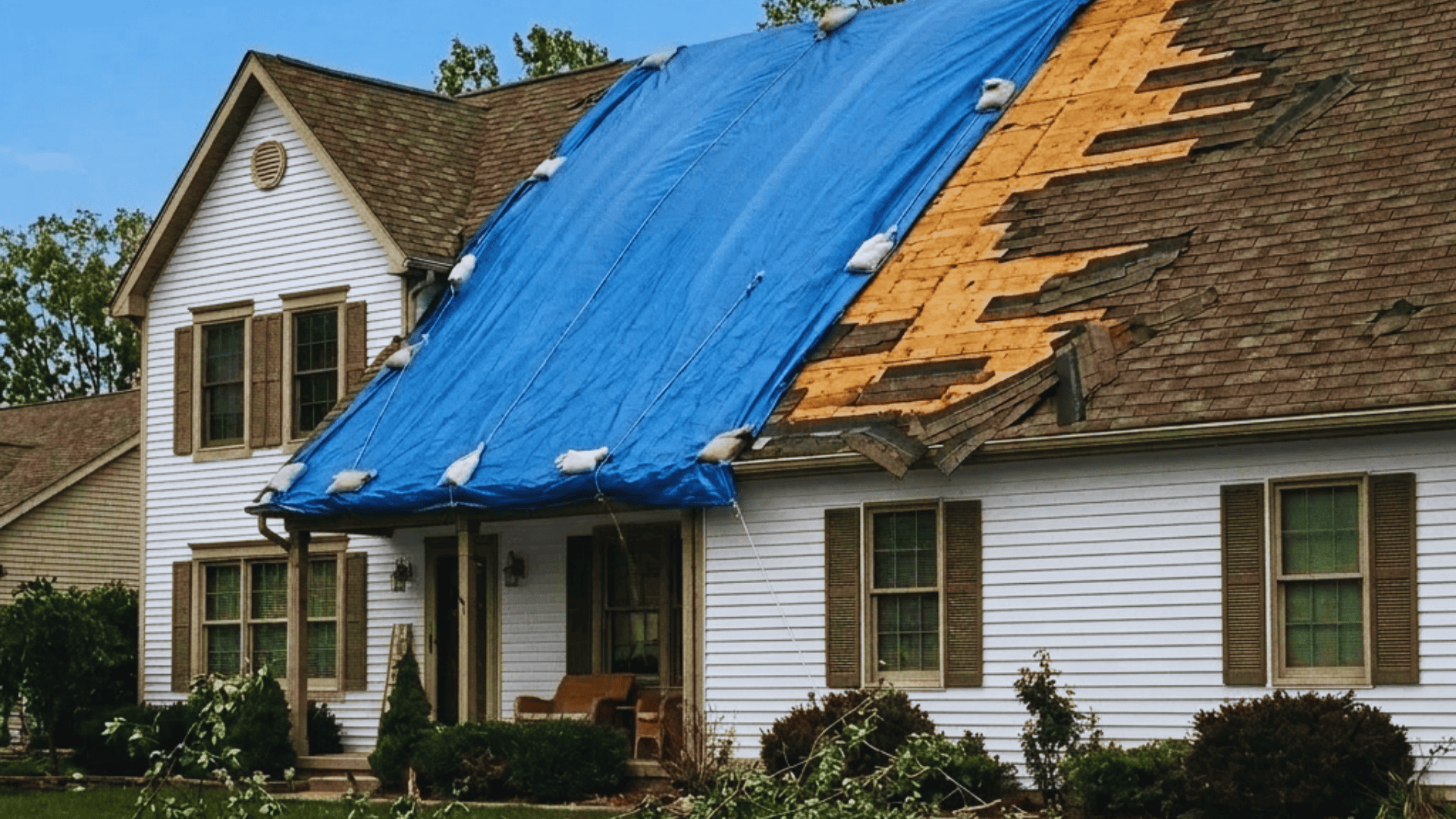
After a strong storm, I always take a moment to check the roof because small damage can turn into big problems fast.
You might not notice issues right away, but even a loose shingle or tiny crack can lead to leaks over time.
That is how a storm-damaged roof often starts, and it can get worse if left unchecked. A quick check now can save a lot of stress later.
In this guide, you will learn some of the clear signs to look for after a storm.
I will also walk you through a simple roof check you can do on your own. You will learn when it is best to call a professional for help.
This way, you can catch problems early, protect your home, and avoid costly repairs in the future.
What Causes Storm Damage to Roofs?
Storms damage roofs in several simple ways. Strong wind is one of the main causes. It can lift shingles, loosen nails, and even tear parts of the roof off.
Once shingles move out of place, the roof becomes weak and open to water. Hail is another common cause.
It hits the roof hard and can leave dents or cracks, which weaken the surface over time. These cracks may not be easy to see right away, but they can worsen over time.
Heavy rain then makes the problem worse. Water can seep through small gaps and cause leaks inside the home.
Falling branches during storms can also break shingles or damage roof sections.
Even small impacts can lead to bigger issues later. Understanding these causes helps spot early signs and prevents costly repairs.
Common Types of Storm-Damaged Roofs
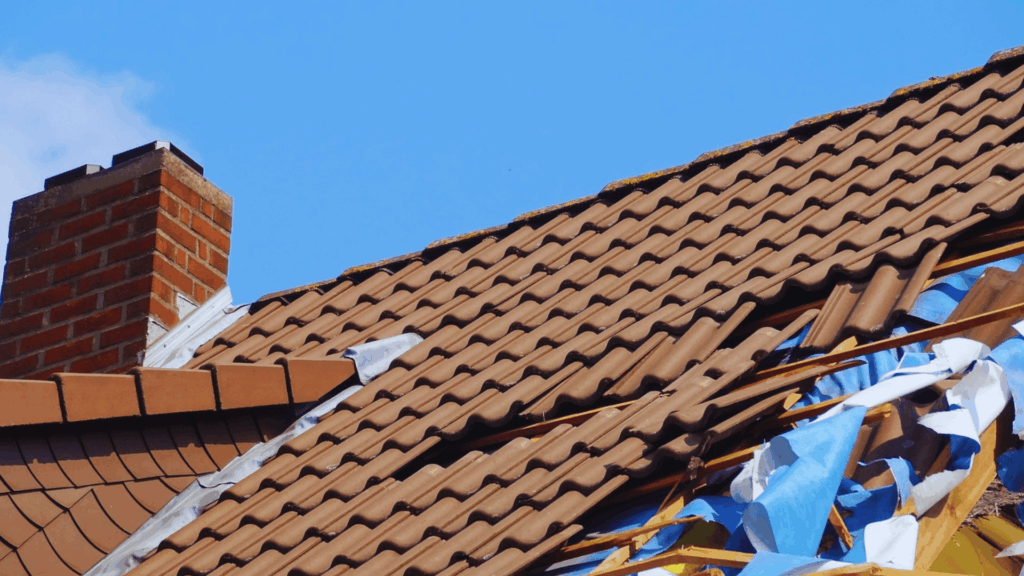
These can help you identify roof damage early, before it becomes more extensive repairs. Check both exterior and interior areas to catch problems quickly.
1. Missing Shingles
Missing shingles are one of the most visible signs of storm damage. Strong winds can lift and tear shingles away, leaving the roof exposed to rain and sunlight.
This creates weak spots where water can enter and damage the layers underneath.
Even a few missing shingles can lead to leaks if not repaired promptly.
It is important to scan the roof surface from the ground and look for uneven patches or gaps. Early repair helps prevent further damage and keeps the roof protected.
2. Dented or Cracked Shingles
Hail and flying debris can leave dents or cracks on shingles. These small damages may not look serious at first, but can weaken the roof over time.
Cracked shingles allow water to seep through, which can lead to leaks and mold growth.
Dents may also reduce the lifespan of the roofing material.
Check for rough spots or broken edges on shingles after a storm. Fixing damaged shingles early helps maintain the roof’s strength and prevents future issues.
3. Granules in gutters
Granules protect shingles from heat and weather damage. After a storm, these granules may collect in gutters or downspouts.
This is a sign that shingles are wearing down or have been hit by hail. Without granules, shingles become weak and less effective at keeping water out.
Check gutters for sand-like particles after heavy rain or storms.
If large amounts are present, it may indicate serious roof wear. Addressing this issue early helps extend the life of the roof.
4. Water Spots Inside the Home
Water spots on ceilings or walls often point to roof damage. These stains may appear as yellow or brown patches and usually grow over time.
They form when water leaks through damaged shingles or flashing.
Ignoring these signs can lead to mold and structural problems. It is important to inspect ceilings and upper walls after a storm.
Finding and fixing the source quickly helps prevent further indoor damage and protects the home’s structure.
5. Loose Roof Parts
Storms can loosen various parts of the roof, including shingles, flashing, and vents. Loose components may shift or fall off if not secured properly.
This creates openings where water and debris can enter.
Over time, this can lead to leaks and further damage. Check for anything that looks out of place or not tightly fixed.
Even small loose sections should be repaired quickly. Keeping all roof parts secure helps maintain overall stability and prevents costly repairs.
6. Sagging Roof Sections
A sagging roof is a serious sign of damage and should not be ignored. Heavy rain or debris can weaken the structure and cause parts of the roof to dip.
This often appears as uneven or curved areas along the roofline.
Sagging may lead to water pooling, which adds more weight and stress. Early detection is important to avoid collapse or major repairs.
A visual check from a distance can help spot any unusual dips or uneven sections.
7. Damaged or Bent Flashing
Flashing is used to seal joints and prevent water from entering the roof. Storms can bend, crack, or loosen these metal pieces.
Damaged flashing creates small gaps where water can seep in, leading to leaks. Common areas include around chimneys, vents, and edges.
Even slight damage can lead to bigger problems if ignored. Inspect these areas closely after a storm.
Fixing flashing early helps keep the roof sealed and protects the interior from water damage.
8. Clogged or Damaged Gutters
Gutters often collect debris like leaves, dirt, and broken shingles during a storm.
This can block water flow and cause overflow. When water cannot drain properly, it may pool on the roof or run down walls.
This increases the risk of leaks and exterior damage. Check for sagging gutters or sections pulling away from the roof.
Cleaning and repairing gutters helps maintain proper drainage and protects the roof and the home’s structure.
9. Mold or Mildew Growth
Mold or mildew can develop when moisture gets trapped after a storm. This often appears as dark spots or a musty smell in the attic or ceiling areas.
Mold can weaken roofing materials and spread quickly if not treated.
It may also affect indoor air quality. Regular checks after storms can help catch early signs.
Proper ventilation and timely repairs reduce moisture buildup and help prevent mold growth from damaging the roof structure.
10. Debris Impact Marks
Falling branches or debris can leave visible marks on the roof surface. These impacts may crack shingles or create dents that weaken the material.
Even small marks can allow water to enter over time.
It is important to check for scattered debris and inspect affected areas carefully.
Removing debris and fixing damaged spots early helps prevent long-term issues. Keeping the roof clear after a storm supports better protection and reduces the risk of further damage.
11. Water Dripping in Attic
Water dripping inside the attic is a strong sign of roof damage. This usually happens when shingles or flashing fail to keep water out.
Drips may appear during or after rain and can damage insulation and wooden structures. Over time, this can lead to mold and rot.
Check attic spaces for wet spots, stains, or damp areas after a storm.
Quick action helps stop further damage and keeps the roof and home interior safe.
How to Do a Basic Roof Inspection After a Storm?
A quick check after a storm helps catch problems early and avoid bigger damage. Focus on safe and simple steps that can be done without risk.
- Start with a Ground Check: Walk around the house and look at the roof from a distance. Check for missing shingles, fallen debris, or uneven areas. This step provides a safe overview without climbing.
- Look for Visible Damage: cracks, dents, or lifted shingles. Pay attention to roof edges and corners, as these areas are often hit first by strong winds.
- Check Gutters and Downspouts: Look inside gutters for shingle pieces or granules. Also, check if gutters are bent, clogged, or pulling away, as this can affect water flow.
- Inspect the attic for leaks: Go inside and check for water stains, damp spots, or a musty smell. These signs often point to hidden roof damage.
Parts of the Roof that Get Damaged First
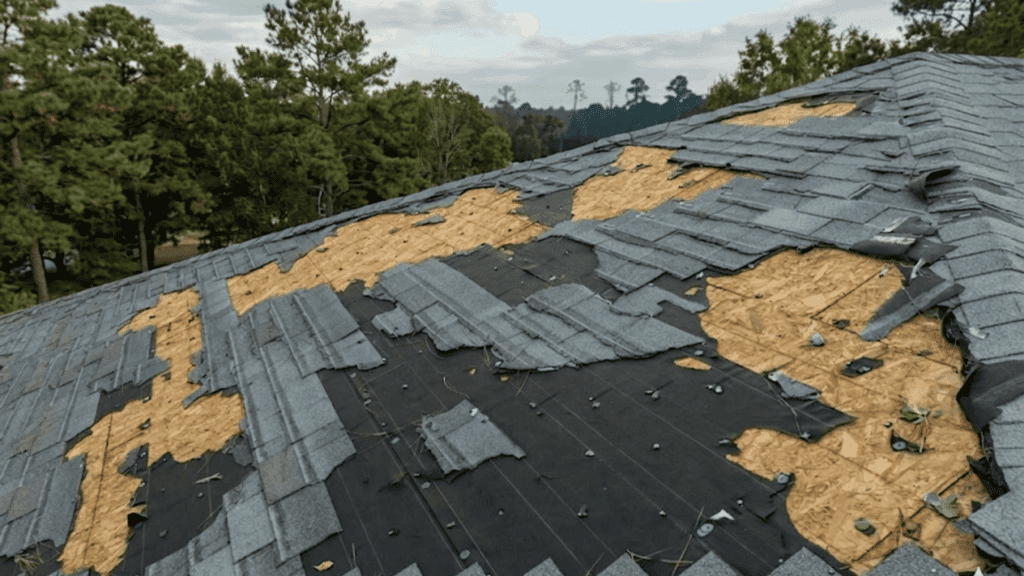
Some parts of the roof are more likely to be impacted during a storm and should be checked first. Roof edges are highly exposed, and strong winds can easily lift or loosen shingles from these areas.
Shingles across the surface can also crack or shift due to wind pressure and hail hits.
Flashing around chimneys, skylights, and joints is another weak point, as it can bend or come loose, allowing water to enter.
Roof vents may get damaged or displaced, which can lead to leaks inside.
Gutters in these areas may also be affected, leading to poor drainage. These sections often take the first hit because they are more open and less protected.
Checking these areas early helps spot damage quickly and reduces the chance of bigger problems later.
When You Should Get a Roof Inspection from a Professional?
Some roof problems are not easy to handle without expert help. After strong storms, hidden damage may not be visible from the ground, so a professional inspection is important.
If there are leaks, water stains, or dripping inside the home, it usually means the roof has damage that needs proper repair.
Missing shingles leave the roof exposed and should be repaired promptly.
If the damage looks serious, such as sagging areas or heavy debris, expert help is needed for safety. A musty smell or mold in attic spaces may point to hidden leaks.
Older roofs are also more likely to have weak spots, so regular inspection helps prevent bigger problems.
Quick action can also help with insurance claims if needed. Ignoring these signs may lead to costly repairs later.
Easy Tips to Reduce Future Storm Roof Damage
Simple habits can help keep the roof in better shape during storms. Small steps taken early can prevent bigger problems later.
- Regular Roof Checks: Check the roof a few times a year and after every storm. Look for loose shingles, cracks, or anything out of place. Early checks help catch problems before they grow.
- Clean Gutters Often: Remove leaves, dirt, and debris from gutters and downspouts. Clean gutters allow water to flow properly and prevent buildup on the roof.
- Trim Trees Near Roof: Cut back branches that hang over the roof. This reduces the risk of branches falling and damaging shingles during strong winds.
- Fix Small Damage Early: Repair loose shingles, minor cracks, or small leaks as soon as they appear. Quick fixes help avoid bigger repairs and keep the roof strong.
Conclusion
Storm damage may seem small at first, but it can quickly turn into a bigger issue if ignored.
A simple check after each storm can help catch problems early and protect the home from costly repairs.
Paying attention to signs like loose shingles, leaks, or debris can make a big difference over time. Quick action helps keep the roof strong and prevents damage from spreading further.
Every home faces storms differently, so staying alert is important. Small steps taken at the right time can save money and stress later.
If there has been any roof damage after a storm, share that experience in the comments below.
It can help others know what to look for and what actions worked best in real situations.