

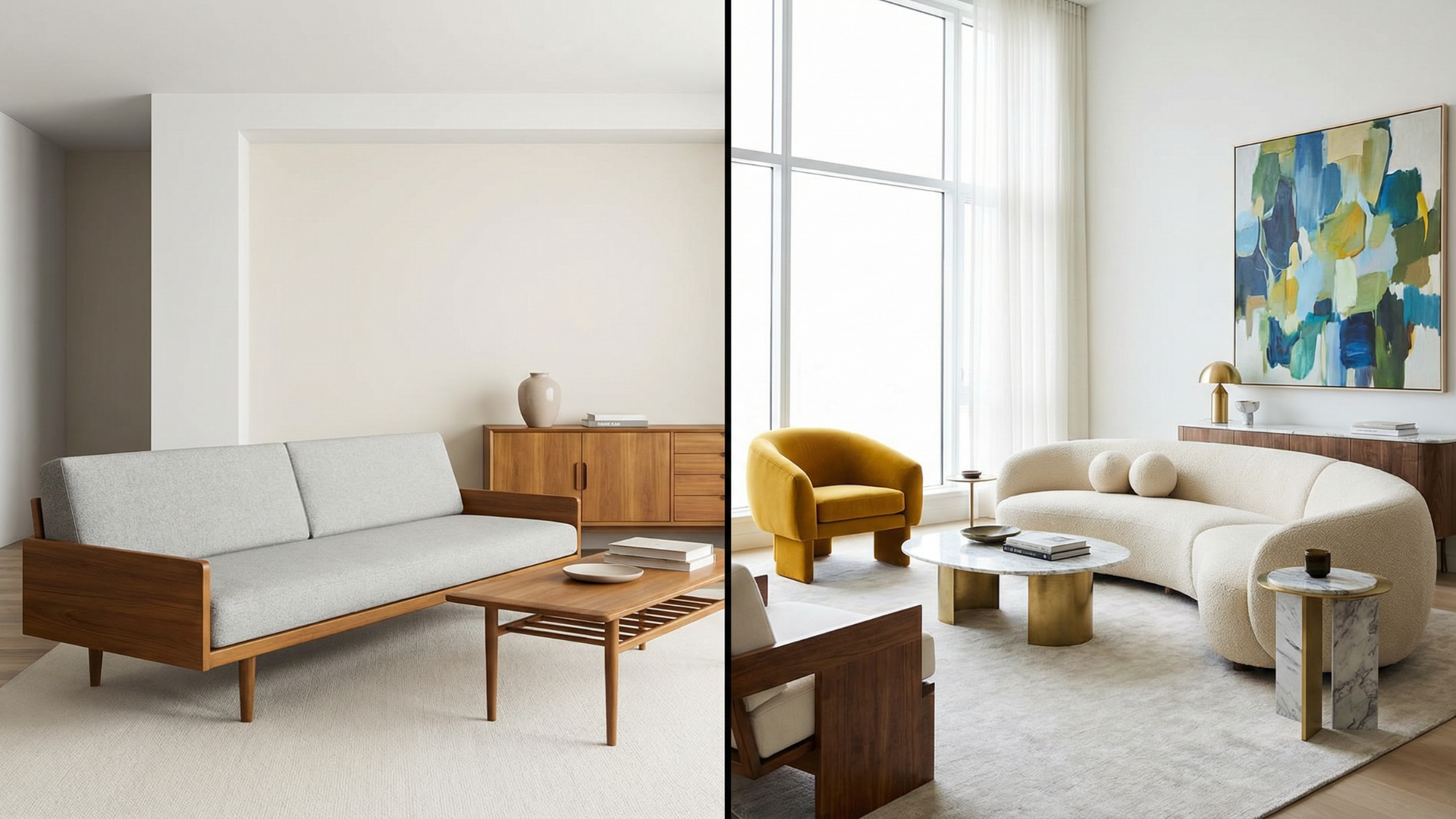
Walk into a furniture store or browse home listings online, and the words modern and contemporary appear everywhere. They often seem interchangeable.
In design, however, they do not mean the same thing. Each term points to a different approach shaped by different time periods and ideas.
Modern design grew out of a specific movement in the early 20th century. It follows clear principles focused on function, simplicity, and clean structure.
Contemporary design reflects what is current and evolving in the present moment.
While the two styles can look similar at first glance, their foundations and direction are not the same. Understanding this difference helps readers make smarter design choices.
What is Modern Design?
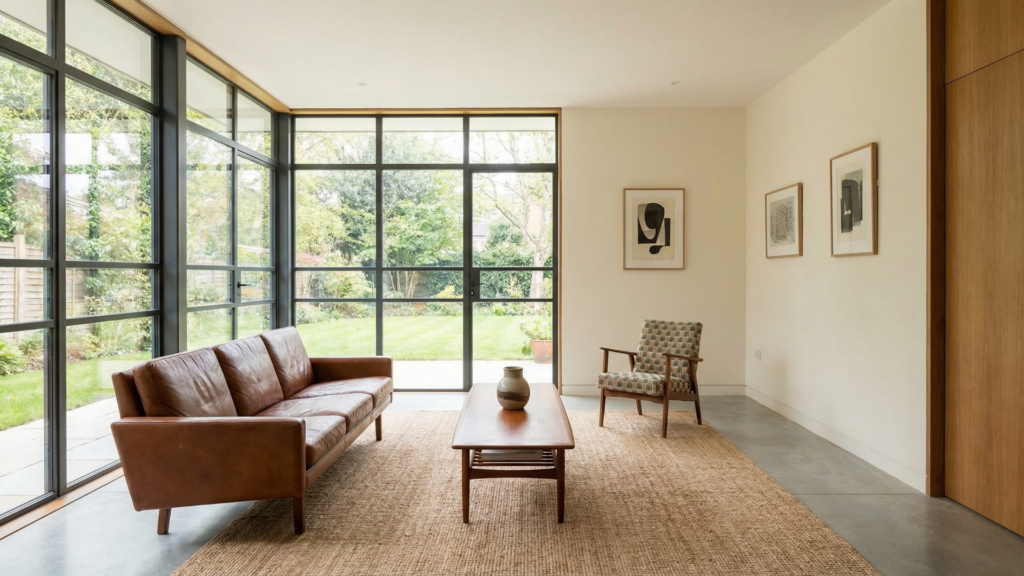
Modern design is rooted in a specific historical movement. It grew out of the modernist movement in the late 19th and early 20th centuries.
Influential schools and designers, including the Bauhaus in Germany and architects such as Le Corbusier and Ludwig Mies van der Rohe, shaped its direction.
Modern design rejected excessive ornamentation that characterized earlier styles such as Victorian or Art Nouveau. Instead, it emphasized function, simplicity, and honest use of materials.
The guiding principle was that form should follow function. In other words, a design should first serve its purpose, and its appearance should reflect that purpose.
Modern design is not constantly changing. It refers to a defined era, typically from the 1920s through the 1950s and sometimes extending into mid-century modern design.
Key Characteristics of Modern Design
- Clean, Straight Lines: Modern interiors and buildings rely heavily on straight lines. Horizontal and vertical elements dominate. Curves may appear, but they are usually simple and controlled rather than decorative.
- Open Floor Plans: Modern architecture often features open layouts. Walls between living, dining, and kitchen areas are minimized to create a sense of flow and connection.
- Neutral Color Palette: Modern design often uses neutral colors such as white, beige, gray, and black. These tones create a calm, balanced environment.
- Natural Materials: Wood, leather, stone, and metal are common in modern interiors. Materials are often shown in their natural state rather than heavily treated or decorated.
- Minimal Ornament: Decorative details are limited. Instead of carved moldings or elaborate trim, modern spaces rely on structure and proportion for visual interest.
What is Contemporary Design?
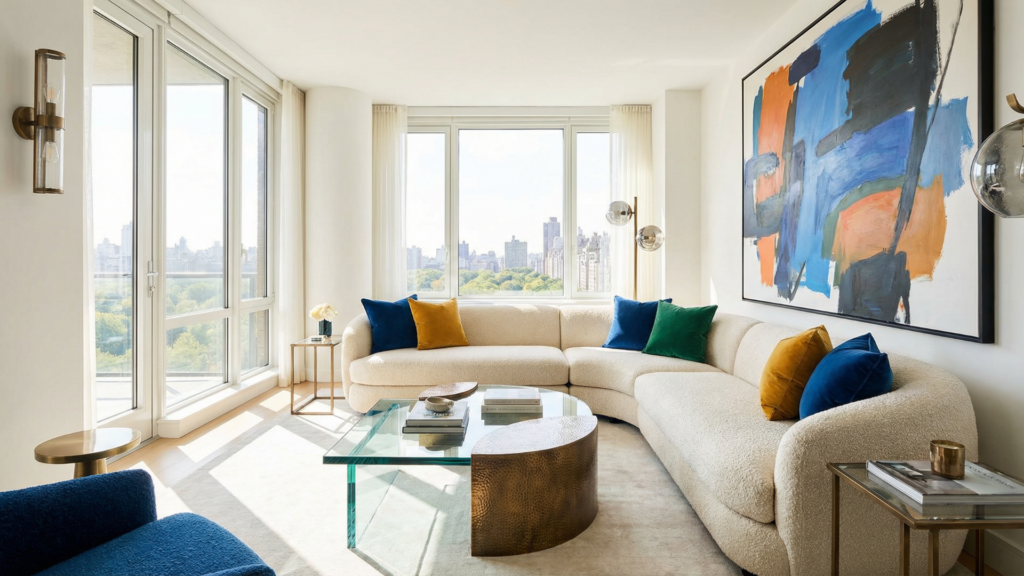
Contemporary design refers to what is current and relevant right now. Unlike modern design, it does not belong to one historical period.
It changes as trends change. What is considered contemporary today may look different ten years from now.
Contemporary interiors often borrow elements from a range of styles, including modern, industrial, minimalist, and even traditional. Because it evolves, contemporary design can be more flexible and experimental than modern design.
When discussing contemporary vs modern, it is important to remember that modern is fixed in time, while contemporary is fluid and responsive to current tastes.
Key Characteristics of Contemporary Design
- Focus on Current Trends: Contemporary design reflects what designers and homeowners favor today. This might include sustainable materials, smart home technology, or new color trends.
- Mix of Materials: Contemporary interiors often combine materials in unexpected ways. Glass, concrete, metal, and engineered wood may appear together in one space.
- Neutral Base with Bold Accents: Like modern design, contemporary style often begins with a neutral base. However, it is more open to bold statement pieces, including colorful artwork or dramatic lighting fixtures.
- Emphasis on Light: Large windows, open spaces, and reflective surfaces are common. Natural light is often highlighted as a key feature.
- Simplicity with Softness: Contemporary spaces can feature curved furniture and softer lines, in contrast to the strict geometry of modern design.
Key Differences Between Contemporary and Modern Design
To clearly understand contemporary vs modern design, it helps to compare their core elements side by side. While both styles value simplicity and clean spaces, they differ in origin, materials, structure, and overall direction.
Historical Roots
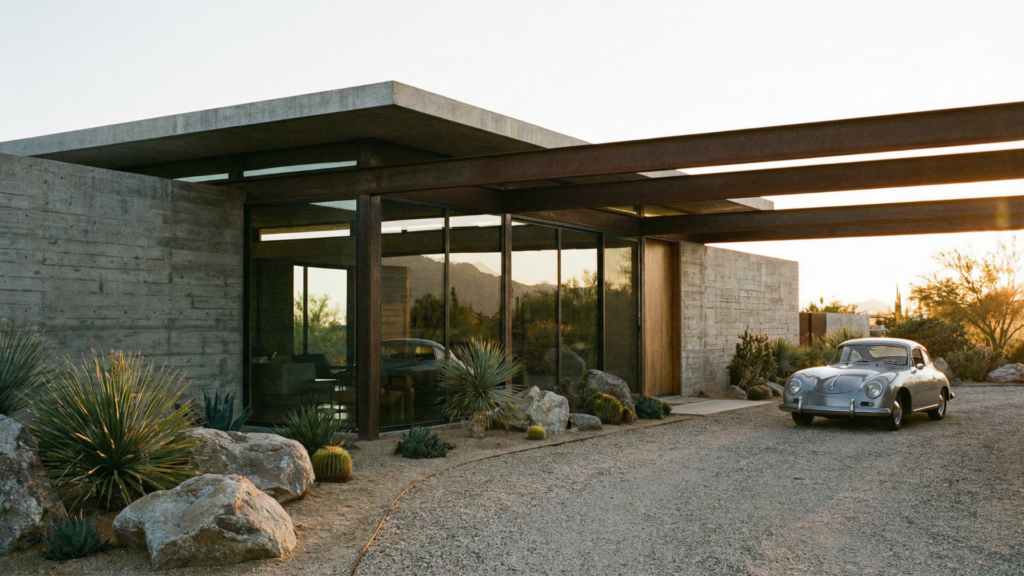
Modern design comes from the modernist movement of the early to mid-20th century.
It was shaped by industrial growth and a shift away from ornate traditional styles. Its principles were clearly defined and remain consistent today.
Contemporary design does not belong to one fixed period. It reflects current trends and evolves over time. What is considered contemporary today may change in the future, which makes it more flexible than modern design.
Color Palettes
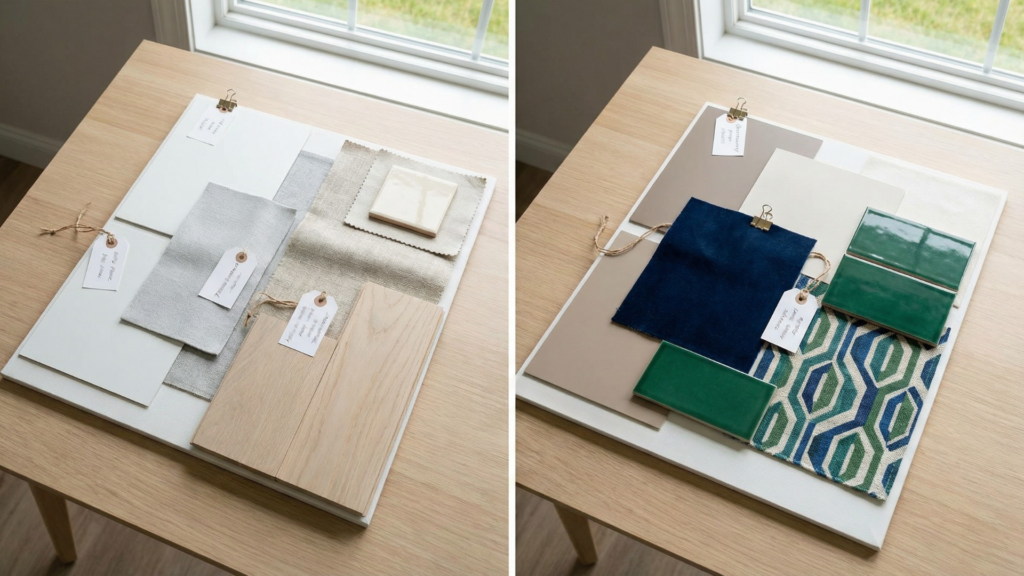
Modern design typically uses a controlled, neutral color palette. Shades like white, beige, gray, and black dominate the space. Accent colors are used sparingly to maintain balance and simplicity.
Contemporary design also favors neutrals, but it is more open to trend-based colors. Deep blues, earthy greens, or bold statement tones may appear depending on current preferences. The palette shifts as trends shift.
Furniture Style
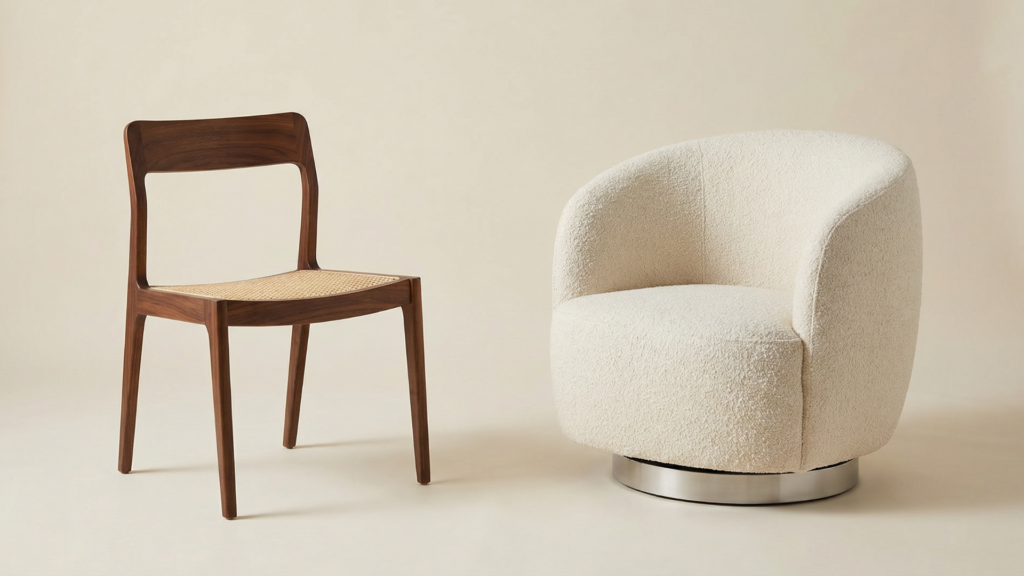
Modern furniture features clean lines, low profiles, and minimal detailing. Mid-century modern pieces are strong examples of this approach. Function and simplicity remain the priority.
Contemporary furniture is less tied to a specific era. It may include curved shapes, mixed materials, and larger statement pieces. Comfort and visual impact often play a bigger role in contemporary spaces.
Architectural Differences
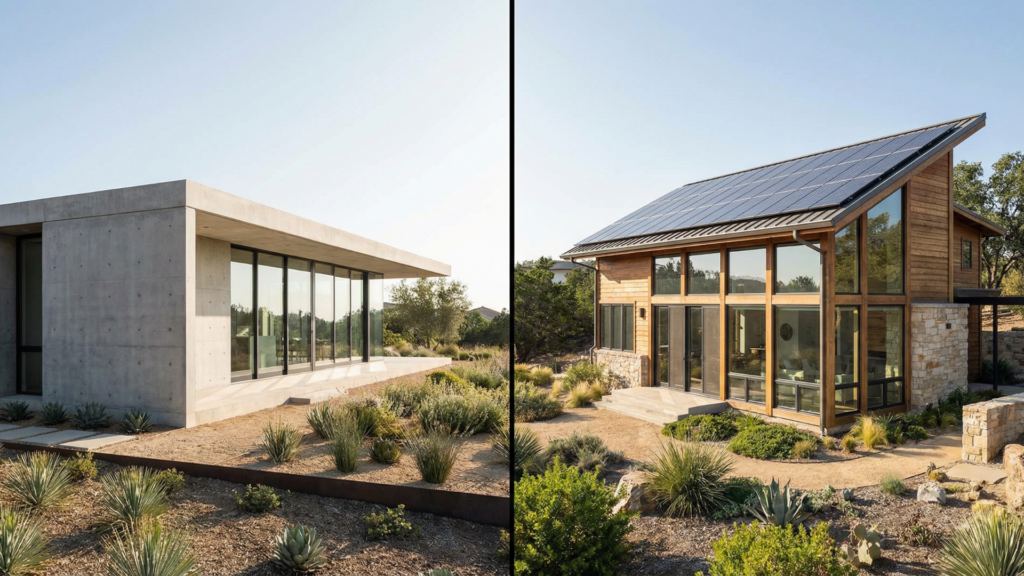
Modern architecture is known for flat roofs, geometric forms, open floor plans, and large windows. Decorative elements are limited, and structure is emphasized.
Contemporary architecture may include these features but adapts them to present needs. Sustainable materials, energy efficiency, and smart home technology are more commonly associated with contemporary homes.
Materials: Then and Now
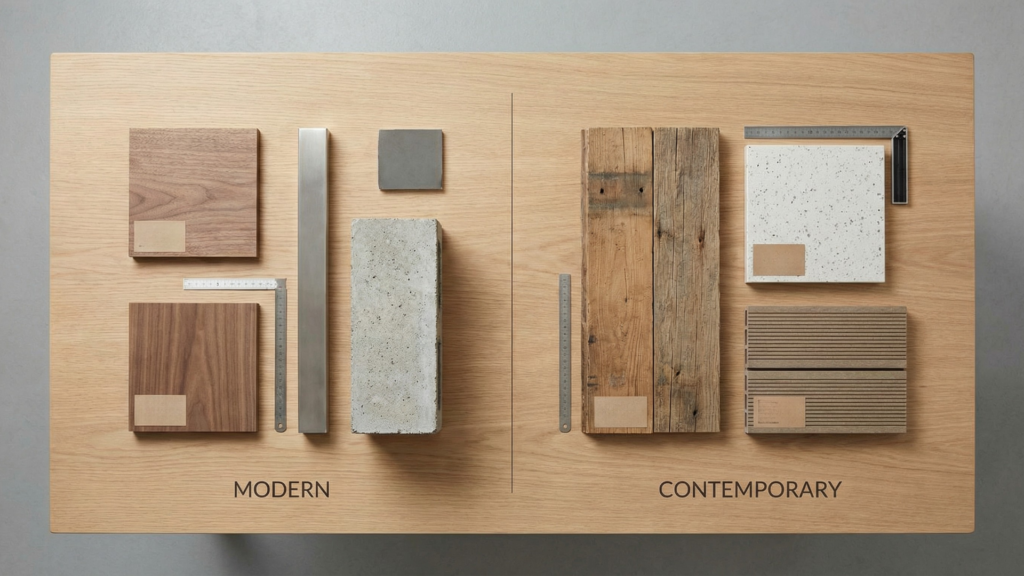
Modern design embraced materials such as steel, glass, concrete, and natural wood. These reflected industrial progress at the time.
Contemporary design still uses many of these materials but often incorporates newer options, including recycled products and eco-friendly finishes. Material choices reflect current environmental awareness.
Layout and Space Planning
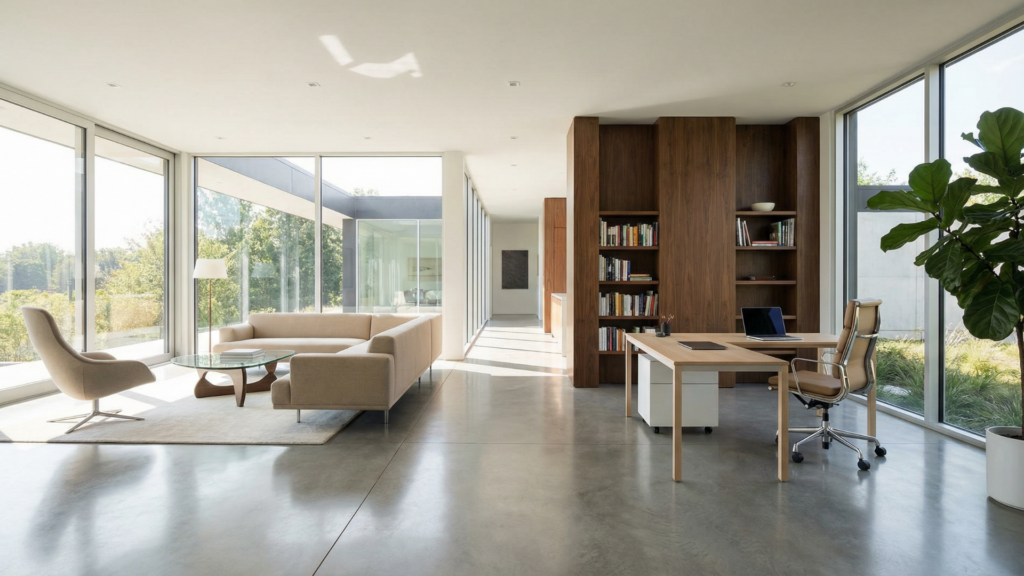
Modern interiors prioritize open layouts and functional organization. Spaces are arranged efficiently, with minimal clutter and built-in storage solutions.
Contemporary layouts also favor openness but adapt to current lifestyles. Flexible spaces, such as home offices or multi-purpose rooms, are more common today.
Decorative Approach
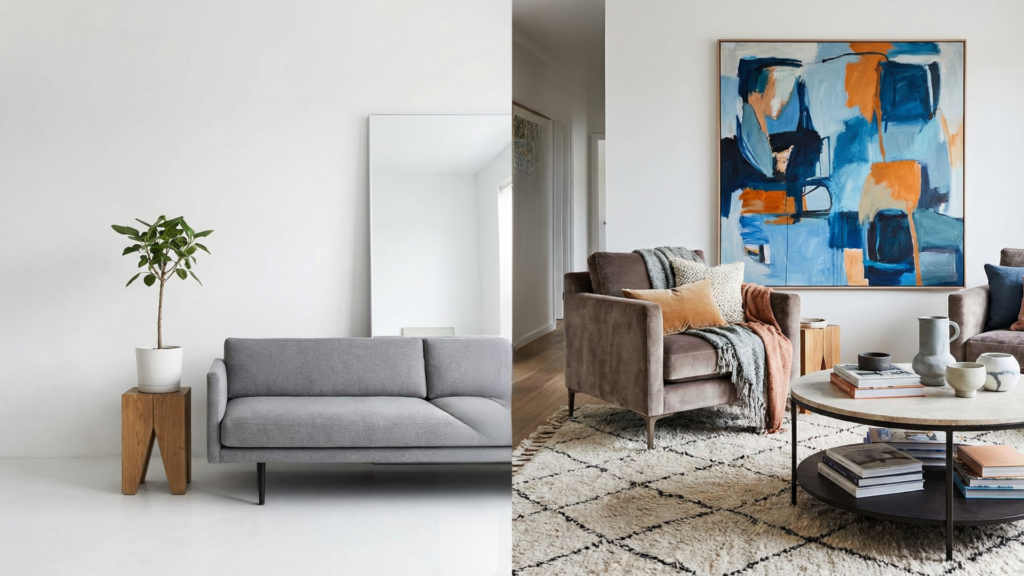
Modern design keeps decoration minimal. Artwork is often abstract, and accessories are limited. The focus remains on structure and form.
Contemporary design allows for greater decor variation. Textures, layered fabrics, and bold art pieces may appear while still maintaining a clean overall look.
Lighting Choices
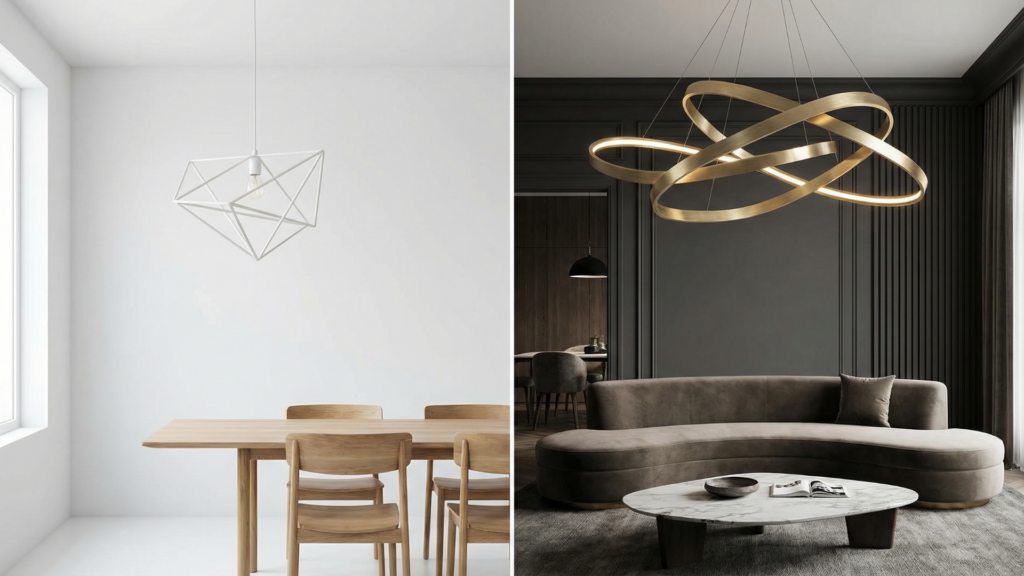
In modern interiors, lighting fixtures are simple and functional. Geometric pendant lights, understated floor lamps, and clean-lined sconces fit naturally into the space.
Contemporary lighting often serves as a focal point. Oversized chandeliers, sculptural fixtures, and integrated LED systems reflect current trends and technological advancements. Smart lighting controls and energy-efficient systems are also common.
Why Modern and Contemporary Often Look Alike?
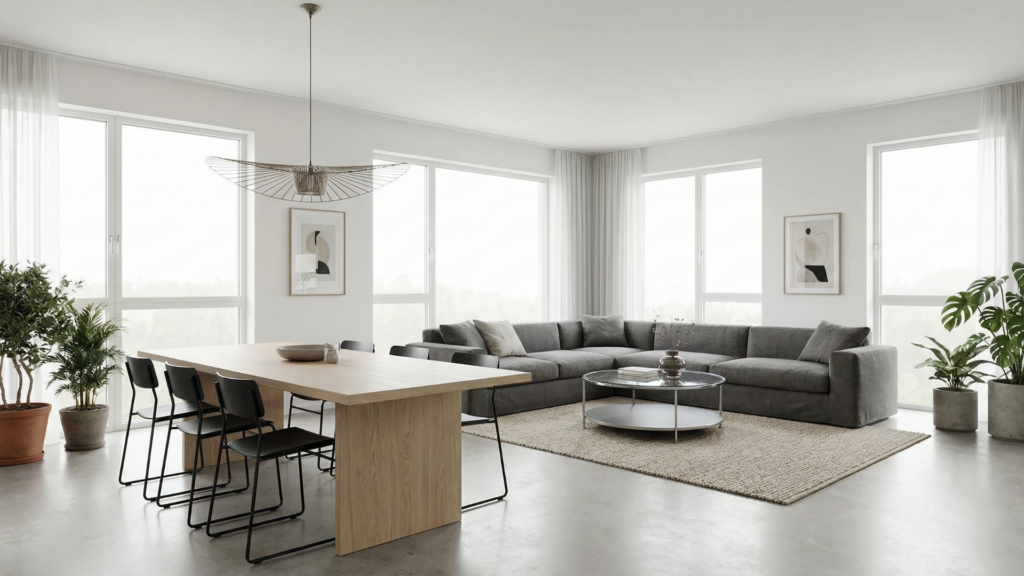
Although contemporary vs modern design have clear differences, they also share several core principles. These shared features are the main reason people often confuse the two styles.
| Feature | How it Appears in Both Styles |
|---|---|
| Emphasis on Simplicity | Both styles avoid excessive ornament and focus on clean, uncluttered spaces. |
| Clean Lines | Straight lines and clear geometric forms are common in furniture and architecture. |
| Open Floor Plans | Both favor open layouts that create flow between living, dining, and kitchen areas. |
| Neutral Color Base | Neutral tones such as white, gray, black, and beige often form the foundation of the space. |
| Focus on Function | Practical use of space is important, and design choices are often guided by purpose. |
| Minimal Clutter | Surfaces are kept clear, and storage solutions are designed to reduce visual noise. |
| Large Windows | Natural light plays a major role, with large windows frequently included in both styles. |
| Quality Materials | Both use materials like wood, metal, glass, and stone to create a refined look. |
How to Identify Modern vs Contemporary Interiors
When trying to determine whether a space is modern or contemporary, consider the following questions:
- Does the design reflect a specific mid-20th century influence?
- Are the furniture pieces clearly inspired by mid-century modern forms?
- Are current trends or technologies visible in the space?
- Does the design feel fixed in time or responsive to present tastes?
If the space reflects historical modernist principles, it is modern. If it feels current and adaptable, it is contemporary.
How to Choose Between Modern and Contemporary Design?
Selecting between modern and contemporary design depends on personal preference and lifestyle.
Those who appreciate structured rules and historical consistency may prefer modern design. Its clean lines and balanced proportions create a timeless appearance.
Those who enjoy change and want a space that reflects current trends may lean toward contemporary design. It allows more flexibility and integration of new ideas.
There is no strict rule that a home must follow a single style. Many interiors combine elements of both.
Final Thoughts
Choosing between modern and contemporary design requires more than recognizing clean lines and neutral colors.
Modern design follows established principles rooted in a specific era of design history. Contemporary design responds to what is happening now and adapts as preferences shift.
A clear understanding of these styles allows for more thoughtful design decisions. It prevents common labeling mistakes and helps create spaces that feel intentional rather than accidental.
Before planning a renovation or purchasing new furniture, review the defining traits of each style and decide which direction aligns best with your space and long-term design goals.