

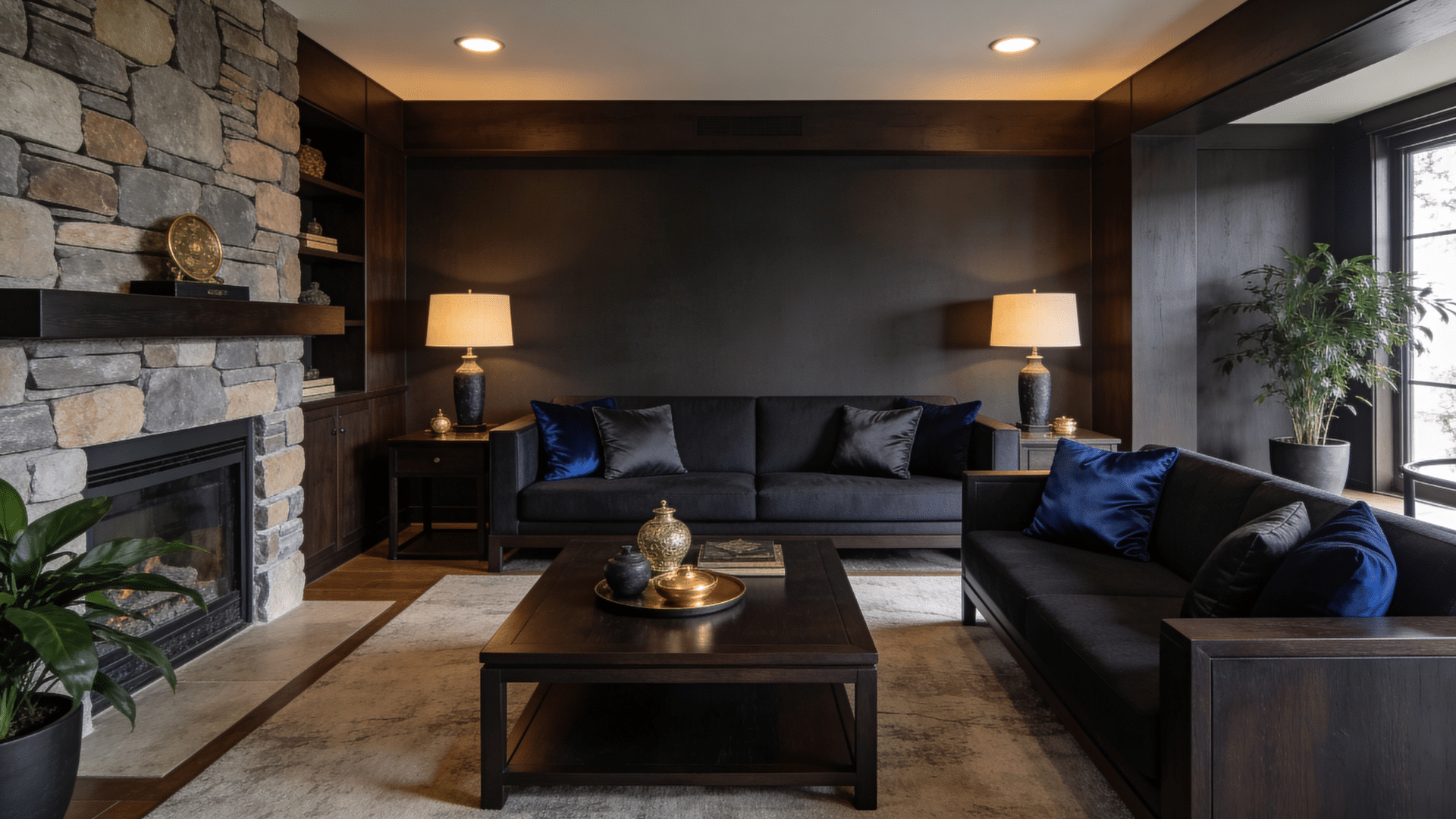
Your living room is one of the most important spaces in your home. It’s where you relax, spend time with family, and welcome guests.
But did you know the way you arrange this space can affect how you feel every day? That’s where Feng Shui comes in.
Feng Shui is an old design method that focuses on creating balance and allowing energy, or “chi,” to flow smoothly through your home.
The good part is, you don’t need to change everything to see results. Small updates like moving your sofa, clearing clutter, or adding simple decor can make a big difference.
A well-arranged feng shui living room can help you feel calmer, more comfortable, and connected.
What Is Feng Shui and Why Does It Matter in Your Living Room?
Feng Shui is a simple way to arrange your home so energy flows in a smooth and balanced way. It comes from an old Chinese practice that focuses on how your space affects how you feel.
In your living room, this matters because it is where you relax, talk, and spend time with others.
A well-arranged room can help you feel calm, focused, and more comfortable every day.
Good Feng Shui means placing furniture so the room feels open and easy to move in. It also means using the right colors, light, and items that bring a positive feeling.
When your living room feels balanced, it can improve your mood and even how you connect with others.
Small changes like moving a sofa or clearing clutter can make a big difference. You do not need a full makeover to see results.
Key Feng Shui Principles for the Living Room
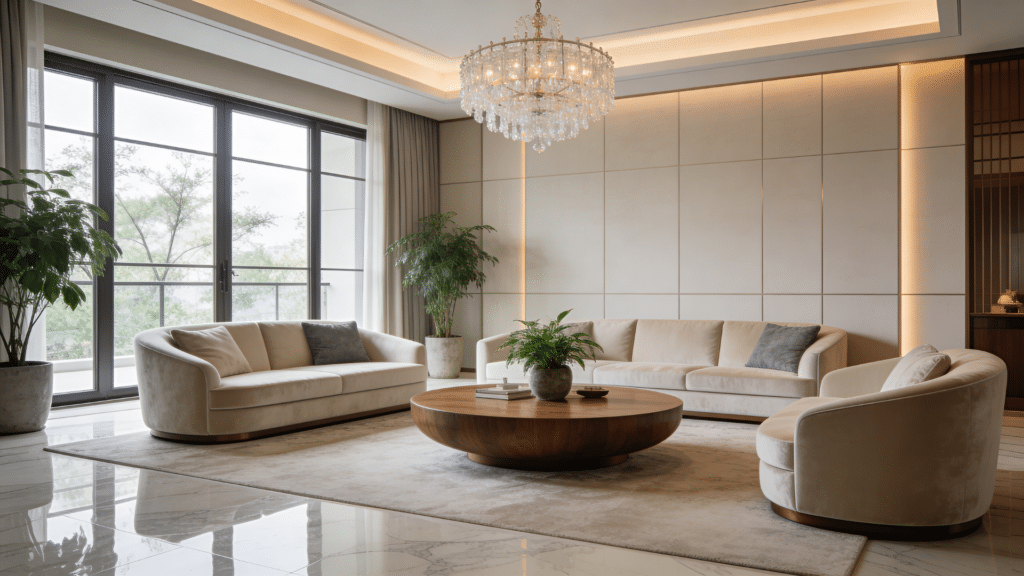
Feng Shui is based on simple ideas that help create balance and smooth energy flow in your living room. These principles guide how you arrange, decorate, and use your space for comfort and harmony.
1. Energy Flow (Chi)
Energy, known as chi, should move freely through your living room without any blockages. When furniture, clutter, or decor blocks pathways, the space can feel heavy or uncomfortable.
To support good energy flow, keep walkways open and avoid placing large items in busy areas.
Your layout should allow easy movement from one part of the room to another. Doors and windows should also remain clear to let energy enter and circulate naturally.
A space with smooth energy flow often feels more relaxed, inviting, and easy to spend time in every day.
2. Balance (Yin and Yang)
A well-designed living room should have a balance between calm and active elements, known as yin and yang. Yin represents softness and relaxation, while yang brings energy and brightness.
You can create this balance by mixing soft items like cushions and rugs with brighter lighting and structured furniture.
Too much of one side can make the room feel either too dull or too overwhelming. The goal is to create a space that feels both peaceful and lively at the same time.
When yin and yang are balanced, your living room becomes more comfortable and enjoyable to use daily.
3. The Five Elements
Feng Shui uses five elements, wood, fire, earth, metal, and water, to create harmony in a space. Each element adds a different type of energy and feeling to your living room.
Wood can be added through plants or wooden furniture, while fire shows up in candles or warm colors.
Earth comes from natural materials like clay or stone, metal through decor accents, and water through mirrors or glass.
The key is to include a mix of these elements without letting one take over. A balanced combination helps create a space that feels stable, fresh, and welcoming.
4. Command Position
The command position is one of the most important Feng Shui rules for your living room.
It means placing your main seating, like the sofa, where you can clearly see the entrance without being directly in line with it.
This position helps you feel more secure and in control of your space. Sitting with your back to the door can create discomfort, even if you don’t notice it right away.
By adjusting your seating to face the entry, you create a stronger sense of comfort and awareness.
This simple change can improve both energy flow and how you experience the room.
Decor Tips for a Feng Shui Living Room
The right decor can improve energy flow and make your living room feel calm and inviting. Simple decor choices can help create balance and a more comfortable space.
- Add Indoor Plants: Plants bring fresh energy and life into your living room. They help improve air quality and make the space feel more natural and relaxing.
- Use Mirrors Carefully: Place mirrors to reflect light and open up the space. Avoid placing them directly facing each other or doors.
- Choose Soft Shapes: Go for round or curved furniture and decor when possible. Soft shapes create a gentle, welcoming energy.
- Keep Natural Elements: Use wood, stone, or natural fabrics in your decor. These materials help create a grounded and balanced feel.
- Display Meaningful Items: Add decor that makes you feel happy or relaxed. Personal items bring positive energy into your space.
- Avoid Overcrowding: Keep your decor simple and organized. Too many items can block energy flow, making the room feel heavy.
Feng Shui Living Room Tips for a Fresh Look
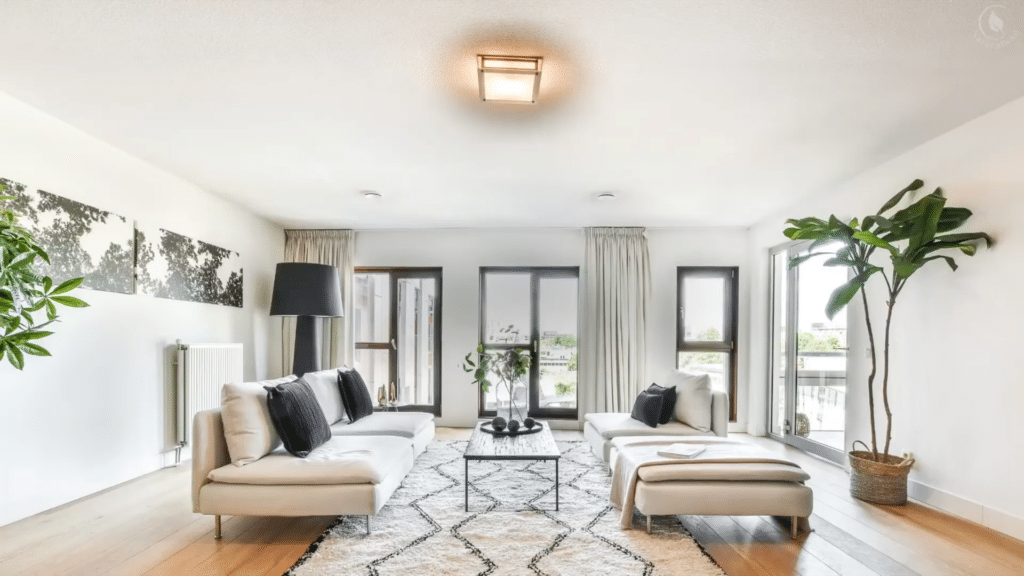
A few small changes can make your living room feel calm and balanced. These simple tips help improve flow, comfort, and daily use of your space.
1. Clear Clutter from Every Corner
Start by removing items that are not used or needed in the living room. Clutter blocks movement and makes the space feel tight and messy.
Clearing tables, shelves, and floors helps the room feel lighter and more open.
Keep only items that serve a purpose or bring comfort. This also makes cleaning faster and keeps the space easier to manage every day.
Check drawers, corners, and storage spaces where items build up. Even small clutter can affect the room. Clean surfaces improve flow and make the space more relaxing.
2. Place Your Sofa in a Strong Position
Place the sofa where the main door is visible without being directly in line with it. This setup helps create a sense of comfort and awareness in the room.
Keep the back of the sofa against a solid wall to add support and balance. This makes the seating area feel stable and well-arranged.
Avoid placing the sofa in the center without support behind it. This can make the space feel unsettled.
Leave enough space around seating for easy movement. A well-placed sofa improves flow and makes the living room feel more open and welcoming.
3. Let Natural Light Fill the Room
Allow as much natural light as possible to enter the living room during the day. Light makes the space feel fresh, open, and active.
Use light curtains or keep windows clear so sunlight can move freely inside. Clean windows often to improve brightness and keep the space looking neat.
If natural light is limited, add soft lighting with lamps in darker areas. Avoid harsh lights that feel too strong.
Balanced lighting helps improve mood and makes the room more comfortable. A bright space always feels more inviting and easy to use.
4. Choose Colors that Feel Calm
Use colors that create a calm and steady feeling in the living room. Soft tones like beige, light green, and warm white work well for most spaces.
These shades help reduce stress and keep the room balanced. Avoid using too many bold or dark colors in one place.
Stick to a simple color scheme to keep the space easy on the eyes. Add small color accents through cushions or decor.
The right color choice can improve the feel of the room without making big changes or spending much.
5. Add Plants for Fresh Energy
Add a few indoor plants to bring life and freshness into the living room. Plants help improve air quality and make the space feel active.
Place them near windows where they can get enough light. Choose plants that are easy to care for and fit the space well.
Avoid keeping dry or damaged plants, as they can make the room feel dull. Healthy plants support a fresh look and add a natural touch.
Even a few plants can improve how the room feels and make it more pleasant for daily use.
6. Improve Air Flow in the Room
Good air flow helps the living room feel fresh and comfortable. Open windows often to let fresh air move through the space. Stale air can make the room feel heavy and closed.
Keep windows clean and clear for better airflow. Use fans to improve air movement when needed.
Avoid placing large furniture in front of windows or vents. This can block air from moving around the room.
A space with good air flow feels lighter and easier to relax in. Fresh air supports better comfort and keeps the room feeling active and clean.
7. Use Mirrors the Right Way
Mirrors can help make a living room feel bigger and brighter when placed well. Place mirrors where they reflect light or a pleasant view.
This helps spread light across the room and makes the space feel open.
Avoid placing mirrors directly facing the main door, as it can affect the flow. Keep mirrors clean and simple without heavy frames. A well-placed mirror can improve balance in the room.
It also helps the space feel less crowded. Use mirrors in a way that supports light and space instead of creating confusion.
8. Keep Electronics Organized
Electronics are part of daily life, but too many wires and devices can make the room feel messy. Keep cables hidden and devices arranged in a simple way.
This helps the space look neat and easier to manage. Turn off unused devices to reduce noise and distraction in the room.
Avoid placing too many electronics in one area. This can make the space feel crowded.
A clean setup helps maintain balance and makes the room more relaxing. Keeping things simple supports a better flow and a more comfortable space.
9. Add Meaningful Decor Items
Choose decor that has meaning or brings a good feeling to the space. Items like family photos, simple art, or useful pieces can add warmth to the room.
Avoid filling the space with too many decorations. Too many items can make the room feel cluttered.
Keep decor balanced across the room so it feels even and calm.
Simple and thoughtful choices work better than adding many random items. A few well-placed pieces can improve the feel of the room and make it more enjoyable.
10. Keep Pathways Clear and Open
Clear pathways make it easy to move around the living room without obstacles. Arrange furniture so there is enough space to walk freely.
This helps the room feel open and easy to use every day. Avoid blocking doors or main walk areas with furniture.
A clear path also helps the room feel more organized. It reduces stress and makes the space safer.
When movement feels easy, the room becomes more comfortable. Open pathways support better flow and improve how the space works.
11. Create a Balanced Room Layout
A balanced layout means placing furniture and items in a way that feels even on all sides. Spread out heavy items so one area does not feel crowded.
Keep a mix of empty space and filled space to avoid a tight look. Balance helps the room feel calm and steady.
Avoid placing everything against one wall or filling one corner too much.
A balanced layout improves comfort and makes the room easier to use. It also helps the space feel more complete and well-arranged without extra effort.
Feng Shui Living Room Do’s and Don’ts
Following simple dos and don’ts can help keep your living room balanced and full of positive energy. Small changes in layout and decor can make a big difference in how the space feels.
| Do’s | Don’ts |
|---|---|
| Keep the space clean and clutter-free for smooth energy flow | Avoid overcrowding the room with too much furniture |
| Place seating where you can see the entrance | Don’t sit with your back directly facing the door |
| Use natural light and add lamps to brighten dark areas | Avoid dark, poorly lit corners |
| Add plants or natural elements for fresh energy | Don’t use too many artificial or lifeless decor items |
| Arrange furniture for easy movement and conversation | Avoid blocking pathways or doorways |
| Use balanced colors and soft textures | Don’t overuse harsh colors or sharp-edged furniture |
Benefits of Feng Shui Living Room
Simple changes can improve how your living room feels and works. A balanced space supports comfort, mood, and daily life.
1. Better Comfort and Relaxation
A Feng Shui living room helps create a calm and easy space to relax after a long day. Proper furniture placement and open space reduce stress and make the room feel more inviting.
When clutter is removed and the layout is balanced, the room feels less crowded and easier to use.
This setup supports quiet time, reading, or spending time with family. A well-arranged space helps the body and mind feel more at ease.
2. Improved Energy Flow in the Space
Feng Shui focuses on smooth movement within the room. When furniture is placed well, and pathways stay clear, movement feels natural and easy.
This helps the space feel open instead of blocked or tight.
Good flow also makes daily tasks easier, like walking around or using furniture. A room with better flow feels more active and comfortable.
It also supports a steady and balanced environment for everyday use.
3. Stronger Connection with Others
A balanced living room makes it easier to spend time with family and guests. Seating placed in a simple and open way encourages conversation and connection.
When the room feels calm and organized, people feel more comfortable staying longer.
Good lighting and space also help create a welcoming setting.
A Feng Shui layout supports better interaction and makes the living room a more enjoyable place to gather and share time together.
Common Feng Shui Mistakes to Avoid
Avoiding common mistakes can help keep your living room balanced and full of positive energy. Even small issues in layout or decor can block energy flow and affect how the space feels.
- Cluttered Space: Too much clutter blocks energy flow, making the room feel heavy. Keep your space clean and organized.
- Poor Sofa Placement: Placing the sofa with your back to the door can create discomfort. Always try to face or see the entrance.
- Blocking Pathways: Furniture placed in walkways can impede the free flow of energy. Keep paths open and easy to walk through.
- Too Many Dark Colors: Overusing dark shades can make the room feel dull and closed. Balance them with lighter tones.
- Ignoring Natural Light: A dark room can feel low in energy. Let in sunlight and use lamps to brighten the space.
- Overcrowding with Decor: Too many items can create chaos. Keep decor simple and meaningful for a calm environment.
Conclusion
Creating a feng shui living room is less about strict rules and more about building a space that feels balanced, open, and comfortable for everyday life.
When you focus on furniture, light, and clutter-free space, it helps energy move smoothly.
This can help improve your mood, reduce stress, and make your living room a place you truly enjoy spending time in.
You don’t need to change everything at once. Start small by adjusting your layout, adding plants, or improving lighting.
Pay attention to how each change makes your space feel, and build from there.
Over time, these small updates can create a living room that feels calm, welcoming, and full of positive energy for you and your guests.
Frequently Asked Questions
Is Feng Shui Suitable for Modern Living Rooms?
Yes, Feng Shui works well with modern living rooms. You don’t need traditional decor to apply it. Simple changes like layout, lighting, and balance can match any modern style while improving comfort and energy flow.
Can Feng Shui Work in Rented Spaces?
Feng Shui is flexible and easy to apply in rented homes. You can rearrange furniture, add plants, or use decor without making permanent changes.
Does Feng Shui Affect Sleep and Relaxation in the Living Room?
Yes, a balanced and organized space can help you feel more relaxed. A calm environment supports better rest and reduces stress.
Is Feng Shui Based on Science or Belief?
Feng Shui draws on traditional beliefs, but many of its ideas, such as decluttering and proper layout, align with practical design principles that enhance comfort.