

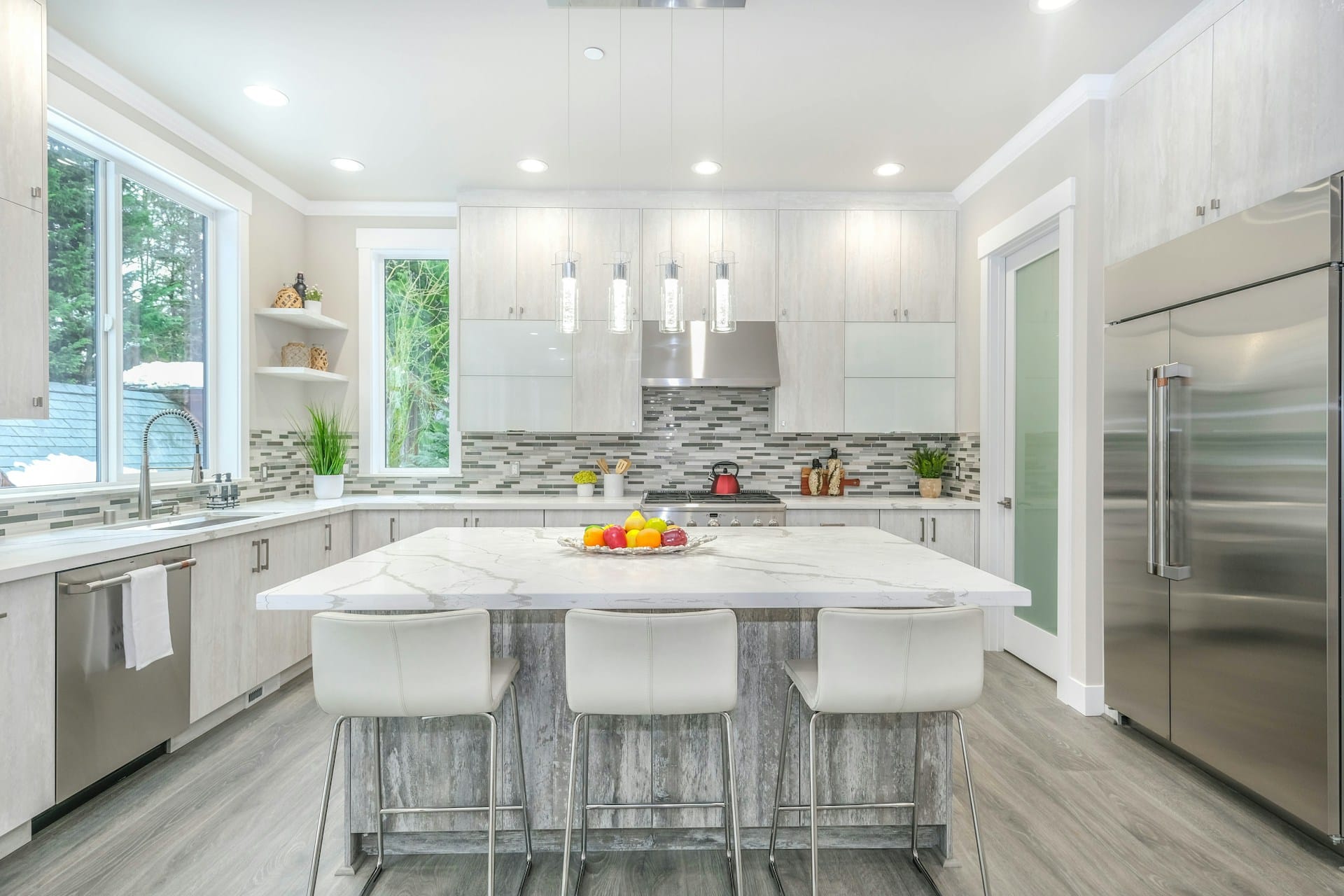
Kitchen renovations can create a lot of waste. Perfectly usable cabinets get hauled out, countertops end up in dumpsters and appliances that still function are replaced simply because they look old.
What makes it frustrating is how much of that material could have stayed in use. A cabinet box made from solid plywood might last decades. A refrigerator might still run fine even if it’s not the newest style. Countertops may only need a refresh instead of total removal.
Today, more homeowners are starting to think through their upgrades before tearing everything out. The idea is to improve what matters, keep what still works and avoid sending half a kitchen to a landfill.
It turns out this approach saves money too.
Eco-friendly upgrades often cost less because they reuse existing structures. They also reduce energy use, especially when older appliances or lighting are replaced with efficient models. Over time those changes lower utility bills while cutting down on waste.
None of this requires a massive renovation because a handful of smart improvements can make the room feel newer, brighter, and easier to use.
Why Sustainable Upgrades Matter
The kitchen is usually the first room people want to renovate. It’s where people cook, gather, and spend a lot of daily time. When something starts to look dated, the urge to redo the entire space shows up quickly.
Contractors see it all the time. A homeowner plans to replace one thing, then the project grows until everything is being removed.
The environmental cost is huge. The U.S. Environmental Protection Agency estimates that construction and demolition activity produces more than 600 million tons of waste each year in the United States. A large portion comes from renovation projects.
A lot of kitchens that get remodeled still have solid components. Cabinets might be strong but outdated, lighting might work but use too much electricity and appliances might still function but consume more energy than newer models.
When homeowners choose to upgrade only the parts that actually need improvement, the amount of waste drops dramatically. The National Association of Home Builders has reported that reusing materials during remodeling can reduce project waste by roughly 30-50%, depending on the home.
There is another advantage to this and that is that costs stay under control. Reusing existing structures avoids demolition, disposal fees, and replacement materials.
That doesn’t mean a kitchen has to stay outdated. It simply means the upgrade happens in a more practical way.
Energy-Efficient Appliances That Cut Utility Costs
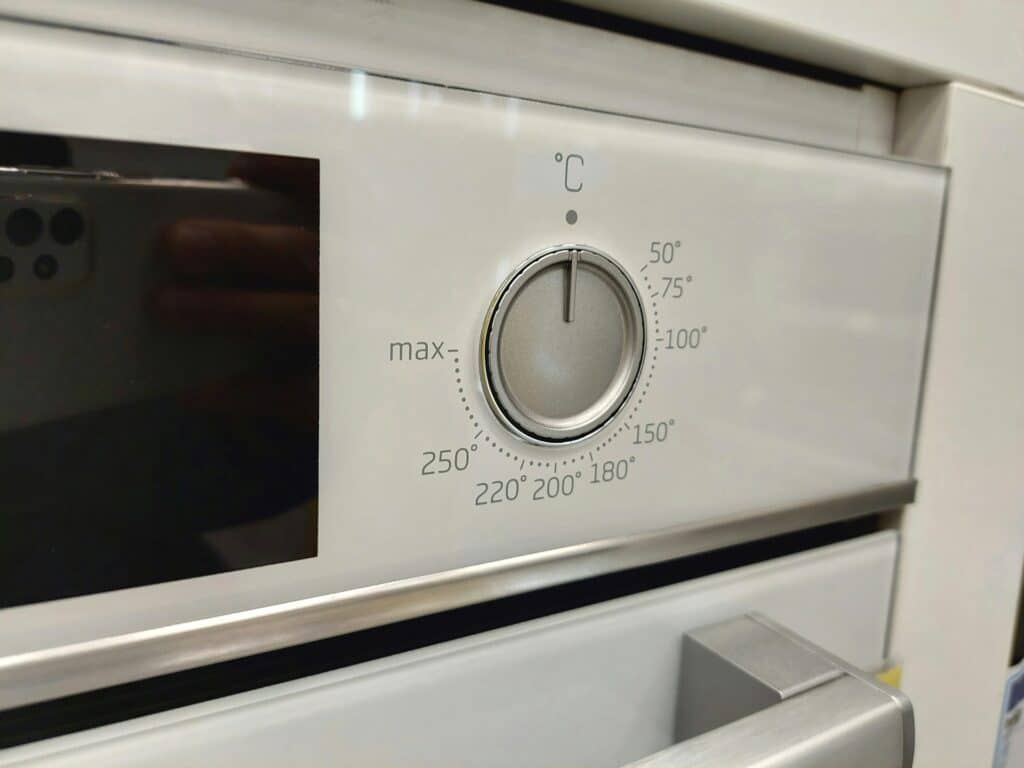
Appliances account for a large share of energy use. The refrigerator never turns off, dishwashers run almost daily in many homes and ovens and cooktops generate a lot of heat.
Older appliances often use far more energy than newer models. Take refrigerators for example. According to the U.S. Department of Energy, refrigerators built before 2001 can use up to 40% more electricity than modern ENERGY STAR models. That difference runs all day, every day.
Dishwashers have improved quite a bit too. ENERGY STAR certified units use about 12% less energy and roughly 30% less water compared with standard dishwashers. For households that run several loads a week, that can save a lot of money.
Cooking technology has changed as well. Induction cooktops have become more common in recent years. Instead of heating a burner first, induction transfers energy directly into the cookware. Less heat escapes into the air. Research from the Department of Energy suggests induction cooking can be around 10% more energy efficient than conventional electric ranges.
Appliance upgrades do require an upfront purchase but they are also there for the long-term. When an appliance runs for ten or fifteen years, efficiency improvements gradually repay the investment through lower energy and water bills.
Updating Cabinets Without Replacing Them
Cabinets usually take up the largest visual space and they are also one of the most expensive parts of a renovation.
Many remodels begin with a simple assumption. Replace all the cabinets and start fresh. The problem is that this approach sends a large amount of wood, hardware, and construction material straight to the landfill.
In plenty of homes the cabinet boxes themselves are still perfectly strong, the layout works and the structure is solid. What feels outdated is the exterior.
There are several ways to deal with that without removing the entire cabinet system.
Painting cabinets is one of the simplest changes because a fresh color can shift the entire mood. Lighter tones often brighten smaller spaces, while darker finishes can create a more modern style depending on the design.
Refinishing wood cabinets is another option. Instead of covering the wood, the surface gets sanded and resealed to bring back the natural grain.
Some homeowners replace only the cabinet doors and drawer fronts. This keeps the existing frames but updates the visible surfaces. Once new handles or knobs are added, the cabinets can look completely different.
Cabinet refacing is another great option because the boxes remain in place while new doors and outer surfaces are installed. A thin veneer is applied to the exposed frames so everything matches the updated doors.
From a waste perspective, this keeps most of the original cabinet structure in use. Instead of discarding entire units, the upgrade focuses only on the surfaces people actually see.The room feels newer without removing a large amount of material.
Choosing Sustainable Countertop Materials
Countertops often get replaced during updates, sometimes because of damage and sometimes because of changing design trends. When replacement is necessary, material choice is what is important.
Recycled glass countertops have gained attention over the past several years. These surfaces use crushed glass mixed with cement or resin and the result is durable and slightly textured, with bits of colored glass visible throughout the slab.
Reclaimed wood countertops are another possibility. Instead of harvesting new lumber, reclaimed wood comes from old barns, warehouses, or other structures that are being dismantled. The material carries natural wear and grain patterns that many homeowners like.
Quartz countertops have also become widely used. Quartz surfaces combine natural quartz particles with binding materials to create a hard, durable slab that resists stains and scratches well, and that helps them last longer.
Durability matters in sustainability conversations. A countertop that holds up for decades creates far less waste than one that needs replacement every ten years.
Improve Lighting with Energy-Saving Solutions
Lighting is an upgrade that often gets overlooked during improvements, yet it has one of the quickest impacts on energy use because older incandescent bulbs waste a surprising amount of energy as heat. LED lighting changed that situation almost overnight.
The U.S. Department of Energy reports that LED bulbs use at least 75% less electricity than incandescent bulbs and can last up to 25 times longer. That means fewer replacements and lower energy consumption.
Many kitchens benefit from adding layered lighting rather than relying on one overhead fixture. Under-cabinet lights illuminate countertops during food preparation, task lighting above a sink or island improves visibility for cooking while ceiling lights handle general brightness for the room.
Small changes like this reduce electricity use every day.
Final Words
A kitchen does not need to be stripped down and rebuilt to feel new again. In many homes, the best upgrades come from small but well-planned changes. Each of those choices keeps more material in circulation and less in the landfill and the end result often feels more natural.
The space improves gradually, and the house avoids the waste that comes from throwing out half a room in one weekend.