

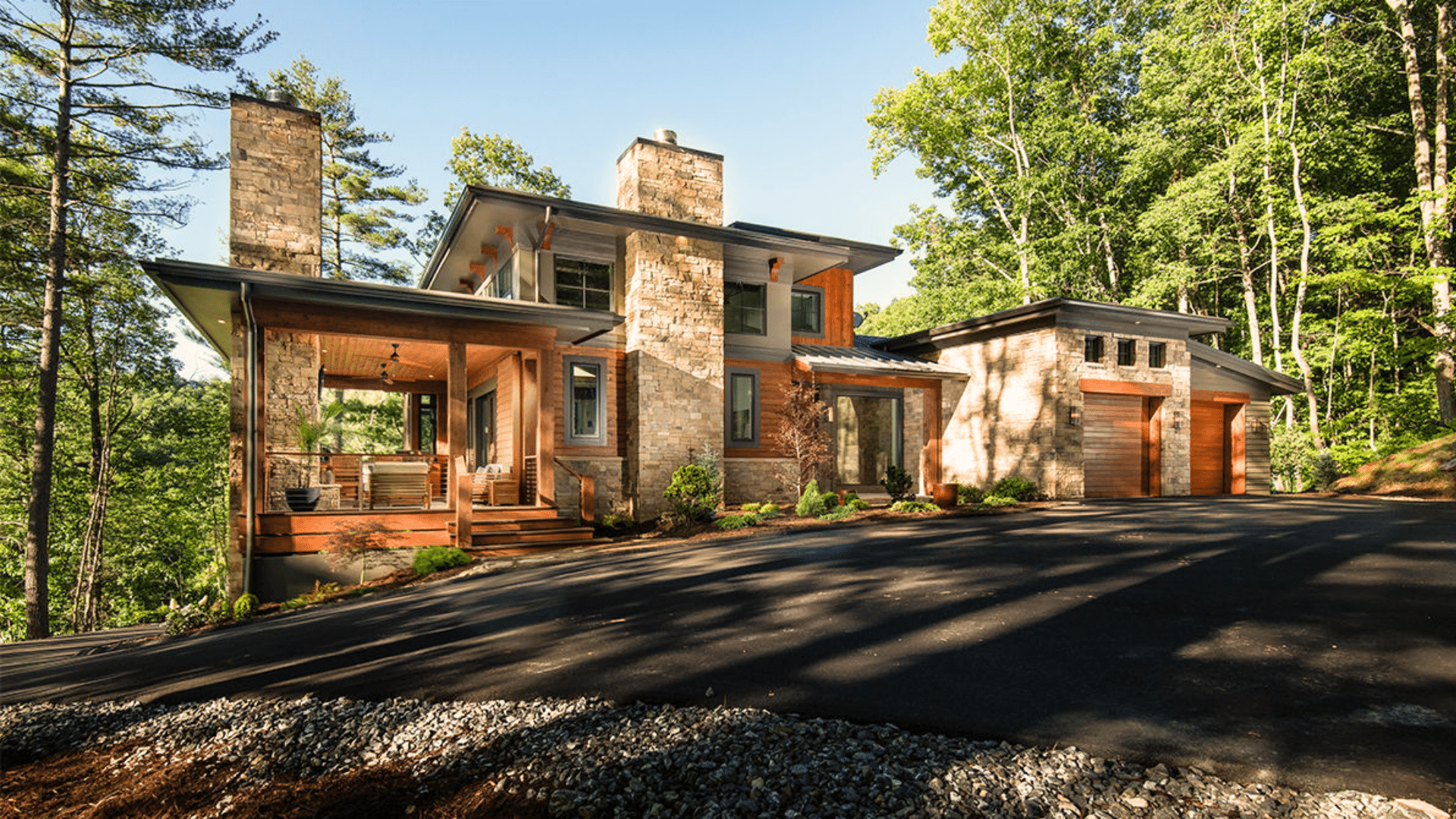
Some homes feel welcoming the moment you see them. That is often the case with the Craftsman house style, a design that has stayed popular for more than a century.
These homes focus on comfort, function, and honest materials instead of trends that fade fast.
In this guide, I shared what makes Craftsman homes special.
You will learn where the style came from, the key exterior and interior features, and how it compares to other home styles.
I have also shared common variations, along with the pros and cons to keep in mind.
A Craftsman home is known for simple design, natural wood and stone, and layouts that make daily life easier.
Wide porches, solid details, and built-in features all play a role. If you are buying, remodeling, or just curious, this article gives you all the answers you need.
What Is a Craftsman House Style?
A Craftsman house style is a home design that focuses on function, comfort, and honest materials. It began in the early 1900s and was shaped by the Arts and Crafts movement.
These homes stand out because they value simple design over decoration and use materials that feel real and sturdy.
Wood, stone, and brick are common both inside and out. What makes this style different is how practical it feels. Craftsman homes are built for daily living, not show.
Floor plans are easy to move through, and many homes include built-in features like shelves, benches, and cabinets.
Details such as low roofs, wide porches, and visible beams add character without feeling fancy.
Compared to styles like Victorian or Modern, Craftsman homes feel warm, balanced, and easy to live in for many families. Today, this style fits buyers who value comfort.
History of Craftsman Style Homes
The Craftsman style began in the early 1900s in the United States. It grew from the Arts and Crafts movement, which pushed back against mass-produced homes.
Builders wanted houses that felt well-made and useful. The focus was on quality craftsmanship, simple forms, and natural materials.
This style first became popular in California, then spread across the country.
Pattern books and magazines helped homeowners and builders copy the look at a lower cost.
Craftsman homes became common between 1905 and 1930. They worked well for growing families and middle-class buyers. These homes were easier to build than ornate styles and fit many neighborhoods.
Over time, the style changed, but the core ideas stayed the same.
Today, Craftsman homes are valued for their strong structure, practical layouts, and lasting appeal across different regions.
Key Features of a Craftsman House
Craftsman homes are known for strong details that focus on function and comfort. Each feature serves a purpose while adding a warm, lived-in feel.
1. Low-Pitched Roof and Wide Eaves
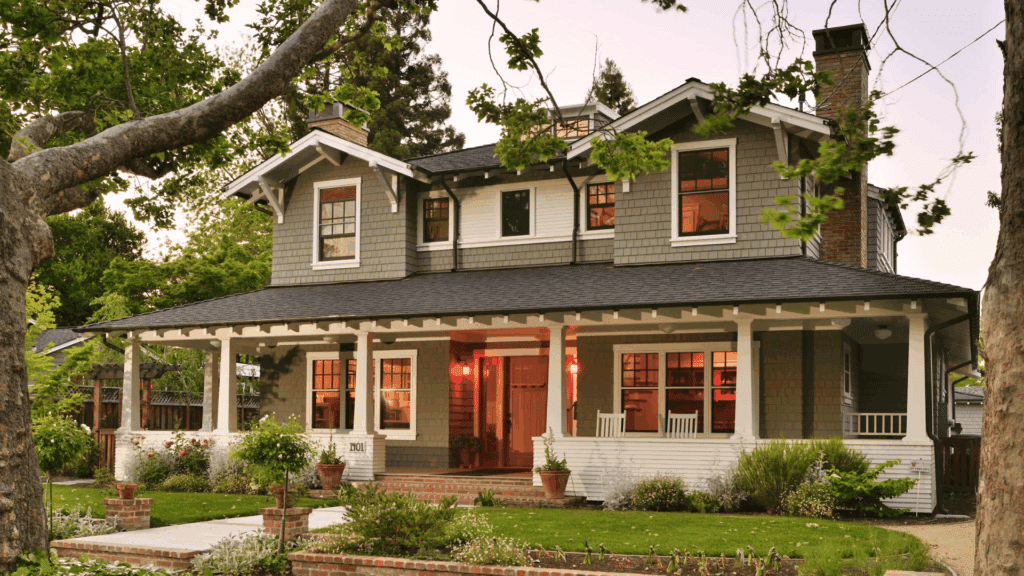
Craftsman homes often have low-pitched roofs with wide eaves that extend past the walls.
This design helps protect the home from rain and sun while giving it a grounded look. Exposed rafters are common and add simple detail without decoration.
The roof shape also helps the house blend into its surroundings.
Compared to steep or tall roofs, this feature keeps the home looking balanced, practical, and easy on the eyes from the street.
2. Front Porch with Thick Columns
A wide front porch is a key part of many Craftsman homes.
It creates a clear entry point and a place to sit or gather. The porch is usually supported by thick columns, often tapered, that feel solid and sturdy.
These columns are often made from stone, brick, or wood.
This feature adds strength to the home’s look and supports everyday use, making the porch feel like a real living space, not just decoration.
3. Natural Materials Like Wood and Stone
Craftsman homes rely on natural materials to create a warm and honest feel.
Wood and stone are used on the exterior and inside the home. You may see wood siding, stone bases, or brick details. Inside, wood trim, doors, and floors are common.
These materials are chosen for durability and function, not shine.
They age well over time and help the home feel solid, comfortable, and connected to nature.
4. Exposed Beams and Built-In Details
Inside a Craftsman home, exposed beams often appear on ceilings or entryways.
These beams show how the house is built and add character without extra decoration. Built-in details are also common, such as bookshelves, benches, and cabinets.
These features save space and reduce the need for extra furniture. They make rooms feel organized and useful.
Together, exposed beams and built-ins reflect the Craftsman focus on smart design and everyday comfort.
Interior Design Elements in Craftsman Homes
These homes are built for daily comfort, using practical details that support real living and hold up well over time.
- Open layouts that connect living, dining, and kitchen areas without feeling crowded
- Built-in furniture, such as bookcases, benches, and cabinets, reduces the need for extra pieces
- Wood trim around doors, windows, and ceilings that adds warmth without decoration
- Simple finishes that avoid shine and focus on durability
- Neutral color palettes that keep rooms calm and easy to update
- Solid wood doors and flooring that age well over time
- Fireplaces as natural focal points in main living areas
Craftsman Style vs Other Home Styles
Each home style serves a different purpose, and understanding the basics helps you choose the option that fits your needs best.
|
Feature |
Craftsman |
Colonial |
Victorian |
Modern |
|
Overall look |
Warm and practical |
Formal and balanced |
Detailed and decorative |
Clean and minimal |
|
Layout |
Cozy and functional |
Structured and symmetrical |
Room-based and closed |
Open and flexible |
|
Materials |
Wood, stone, brick |
Brick or siding |
Wood with ornate trim |
Glass, metal, concrete |
|
Details |
Built-ins and exposed beams |
Columns and shutters |
Decorative trim and patterns |
Simple lines and smooth surfaces |
|
Best for |
Comfortable daily living |
Traditional design fans |
Historic style lovers |
Open, updated living |
Is a Craftsman Style House Right for You?
Choosing a home style depends on how you live and what matters most, and a few clear factors can help guide a confident, informed decision.
- Enjoys homes with strong character and visible details
- Prefers practical layouts over wide open spaces
- Is comfortable maintaining wood features over time
- Values built-in storage and thoughtful room design
- Has a budget that allows for upkeep or custom repairs
- Favors natural materials over modern finishes
- Wants a home that feels warm and lived-in rather
Who Should Avoid Buying a Craftsman Home?
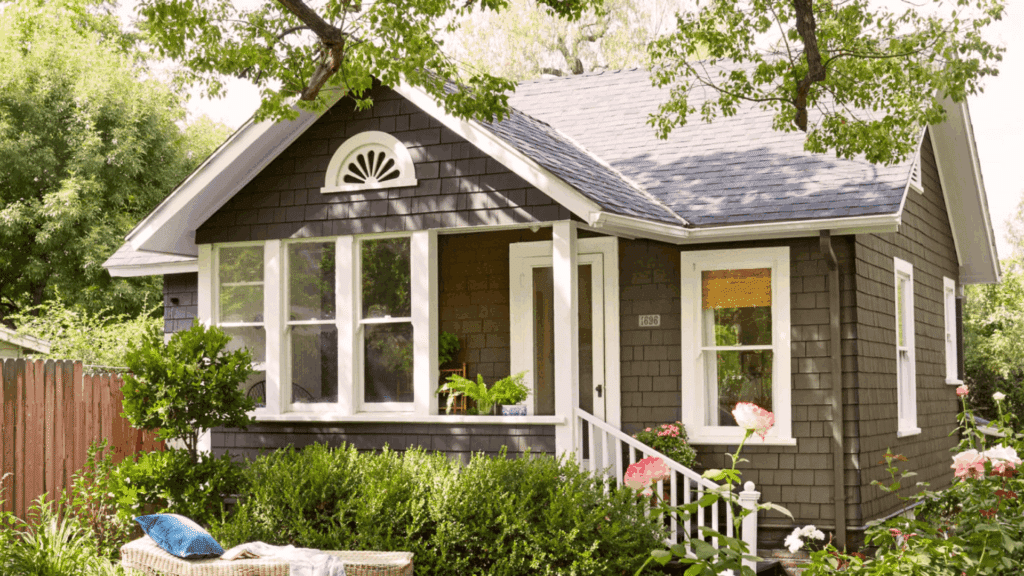
A Craftsman home is not the right fit for everyone. Buyers who want large open floor plans may feel limited by smaller rooms and defined spaces.
Those who prefer low upkeep may struggle with the maintenance required for wood trim, porches, and built-in features.
Craftsman homes often require regular care to keep details in good shape.
People who needlots of storage may also find limited closet space in older homes frustrating.
If a classy, modern look matters more than character, this style may feel too traditional. Budget is another factor. Repairs can cost more because skilled labor is often needed.
Buyers seeking quick upgrades and low long-term care may prefer newer homes with easy maintenance and open layouts.
Pros and Cons of Craftsman Style Homes
Craftsman homes offer a clear balance of comfort, design, and function. Understanding both sides helps buyers set realistic expectations.
|
Pros |
Cons |
|
Strong character that feels warm and welcoming |
Wood details may need regular care |
|
Cozy layouts that support everyday living |
Smaller rooms compared to modern homes |
|
Solid construction using natural materials |
Repairs can cost more due to skilled labor |
|
Built-in features that save space |
Limited closet space in older designs |
|
Wide porches that add usable outdoor space |
Fewer open floor plans in original homes |
Conclusion
Craftsman-style houses continue to stand out because they balance comfort, function, and lasting design.
From their history and defining features to interior details and popular variations, this guide breaks down what truly sets them apart.
You now know how Craftsman homes compare, including their strengths and challenges.
If you are buying a home, planning a remodel, or just learning more, use this guide as a reference point.
It can help you ask better questions, spot real Craftsman details, and make choices that fit your lifestyle and budget. Every home story is different, and real experiences matter.
If you live in a Craftsman home or have worked on one, share your thoughts in the comments below.
Your insight could help someone else make a smarter decision.