

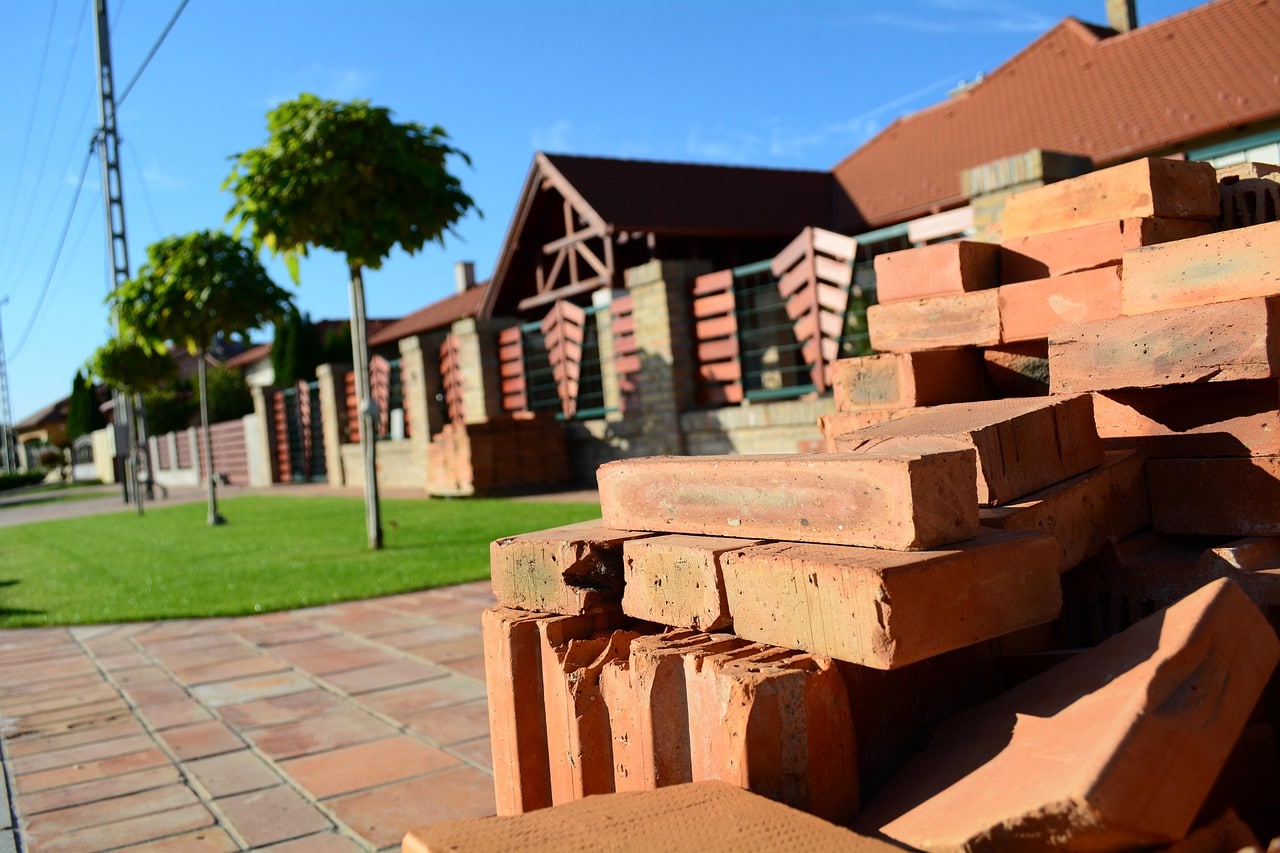
First impressions start way before entering the house, and often develop as a visitor walks toward the entrance. The exterior quietly communicates style, care, and quality within seconds. Of all outdoor elements, paving is surprisingly strong in shaping that experience.
Driveways, walkways, patios and entry paths are considered to be purely functional, but paving is one of the first objects that people look at and interact with. When properly planned, it produces a feeling of purpose and refinement. Even the most beautiful of homes can be incomplete when it is neglected. Well-designed paving sets expectations, establishes flow, and tells a visual story before the front door ever opens.
Why Paving Shapes First Impressions
People instinctively follow paved areas. These surfaces frame the home and provide structure to the outdoor space. Cracked concrete, uneven stones, or mismatched materials can immediately make a property feel dated.
Conversely, straight edges and harmonious designs are an indication of attention to detail. They suggest that the homeowner values quality. Paving also provides a visual transition between the street and the home, making that transition less dramatic and the approach less abrupt.
Choosing the Right Paving Style for Your Home
Every home has its own architectural language, and paving should speak the same dialect. Contemporary houses go well with big-format slabs, soft finishes, and naturalistic colors. These decisions support simplicity and enable the architecture to take the centre stage.
Traditional homes usually benefit from brick, cobblestone, or natural stone. These materials add warmth and personality without taking over the structure. The colors should coordinate though. Paving which complements exterior walls, trim, and roofing, results in visual harmony.
Texture and pattern also play a role. Smooth finishes feel contemporary and refined. Rougher or tumbled surfaces feel organic and classic. The goal is balance; paving should enhance the home’s personality, and not compete with it.
Materials and the Message They Send
Paving material has a direct impact on both appearance and longevity. Concrete pavers are still in favor due to their versatility. They work with all styles and can be set in countless patterns. With natural stone you can create a premium and timeless look. Brick paving is also a good option. It brings warmth and familiarity to heritage-based homes.
Porcelain paving is a newer trend, and modern homeowners prefer it because it provides a smooth surface, is stain resistant, and does not fade easily. Permeable paving is an appealing alternative in sustainable homes. It allows water to drain naturally and reduce runoff. Each material communicates something different. Choose one with careful consideration towards design and practicality.
Design Details That Elevate Curb Appeal
Paving design is mostly in the details. Borders and edging give paved areas definition and prevent them from blending awkwardly into surrounding spaces. They produce smooth lines and a feeling of completion.
Patterns create visual interest, but moderation is paramount. Simple layouts tend to age better and feel more refined. Alignment matters. Even spacing and straight joints contribute to a professional, intentional look. Another effective addition is lighting. Subtle pathway lighting highlights textures and improves visibility. With thoughtful integration, paving becomes a feature.
The most successful designs focus on how hardscaping relates with landscaping. Paving must lead naturally to garden beds, lawns, and planting areas. This harmony establishes a cohesiveness. Thoughtful driveway ideas can also elevate curb appeal. It converts the entry point into a design aspect that fits in with the overall appearance of the house.
The Practical Benefits Beyond Aesthetics
Visual impact is certainly important, but functionality is equally significant. Quality paving enhances safety by creating tracks that are stable and slip resistant. It decreases uneven footing and trip hazards.
Proper installation supports effective drainage so water does not pool. Durable materials resist weather changes, vehicle traffic, and everyday use much better than temporary and unfinished solutions. This durability translates into reduced maintenance and less repairs over time. Good paving is a silent worker that does its work in the background without losing its appearance.
Long-Term Value and Lasting Appeal
Well-designed paving adds more than immediate curb appeal. It contributes to long-term property value. Buyers often judge a home’s condition based on its exterior, and paving plays a major role in that assessment.
Even for homeowners not planning to sell, paving enhances daily living. It increases the ease of use, comfort, and pride of ownership. In regions with diverse climates, such as New Jersey, professionally executed solutions highlight the importance of combining design with local environmental considerations. Homeowners in that area should employ a New Jersey paving contractor to enhance the worth of their home.
Endnote
First impressions truly start from the ground up. Paving determines the approach, experience, and recollection of a home. It adds beauty, utility, and value when it is considered as a design element. That quiet confidence is what makes a lasting impression.