

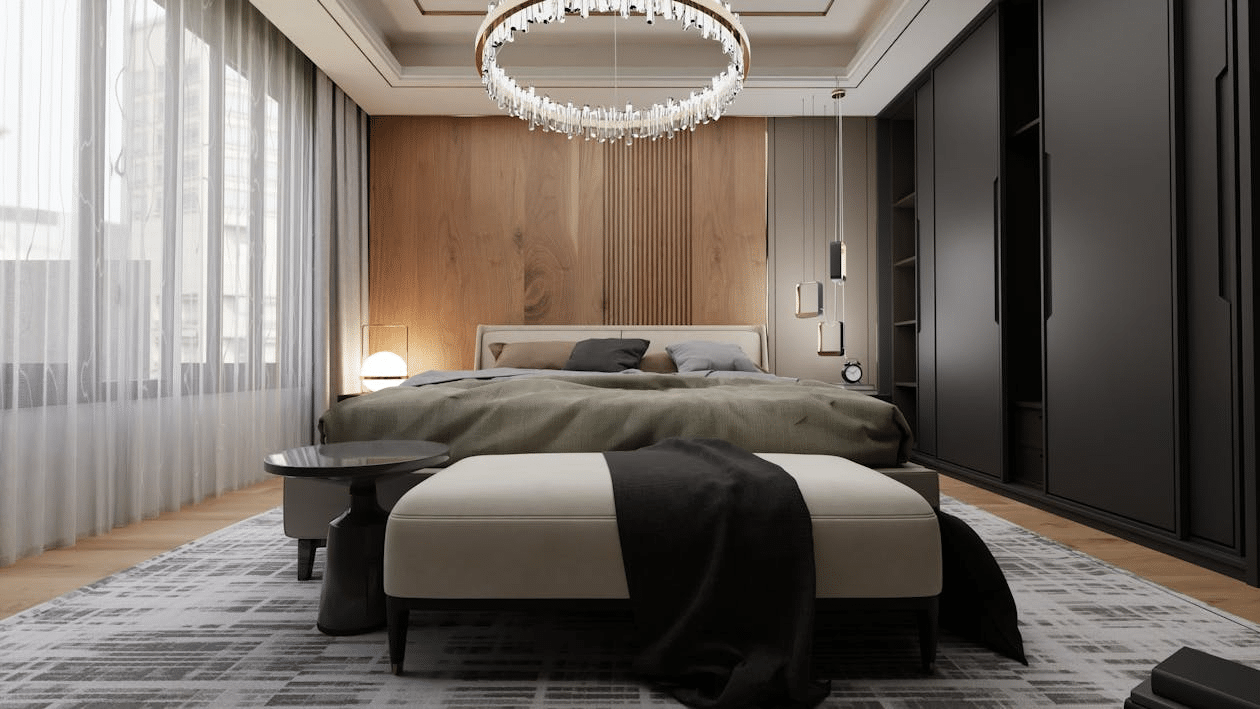
A bedroom should be a peaceful escape, not a source of stress caused by clutter. The good news is that you can transform your room into a stunning, functional sanctuary. Smart, inexpensive changes make it possible without requiring any expensive renovations. This article will take you through some highly effective strategies for creating bedroom spaces that combine functionality and beauty.
Coordinating Textures and Tones for Cohesion
The basis of any high-impact makeover is to establish a unified atmosphere. This is achieved by selecting and combining elements that work well together. Begin with a color scheme and apply it to your walls and furniture pieces. This could be a soft, neutral shade or an intense, dark color. These muted tones immediately create a calming effect, make small rooms seem bigger, and provide a versatile background that doesn’t require repainting to update the space.
Add different textures to provide a level of depth and interest that color cannot achieve on its own. Picture the juxtaposition of smooth, silk bedding alongside a textured wool blanket. Or sleek nightstands next to a natural jute carpet. Natural elements such as linen, wool, and wood bring vital warmth and ensure neutral color schemes don’t appear sterile.
Make sure all of your wooden pieces have an almost identical undertone. This small trick prevents visual chaos and allows your space to speak one unified design language, turning disparate pieces into a beautiful, professional space. These textured layers convert a monochromatic, colorless space into an elegant haven that engages every sense.
Implementing Integrated and Ample Storage Solutions
Storage often poses the greatest difficulty in designing a bedroom. Insufficiently designated storage areas inevitably lead to chaos. This is the biggest threat to a serene, high-quality look. While a beautiful dresser is always a great option, it does not have enough space for a modern wardrobe.
The best solution is to go with built in wardrobes that maximize all available vertical and horizontal wall space. These custom solutions are not like freestanding armoires. They complement the room’s architecture and create a sleek look that makes it feel larger while offering organized storage for everything.
Planning storage starts with evaluating what needs to be stored. Then choose storage that matches your decor to keep it visually unobtrusive while providing ample capacity. Options include suspended storage, compartments, and shelving concealed behind doors.
Beds featuring integrated hydraulic lifts uncover spacious compartments below, ideal for storing additional pillows or winter jackets. Nightstands featuring several drawers conceal necessities and maintain a tidy surface for a lamp or floral arrangement.
Strategic Lighting for Ambiance and Tasks
Lighting is among the most influential elements in any makeover approach. One unpleasant overhead bulb can depress a room and kill the homely feel that a bedroom needs. But a stratified lighting system balances functionality and aesthetics. Ambient lighting creates general lighting and sets the room’s mood. Good fixtures are decorative statements as well as functional elements.
Task lighting addresses specific activities. Elegant sconces over nightstands or desk-style lamps with an articulated design ensure the light is only where necessary, without cluttering the surfaces. Use fixtures with adjustable color temperatures here. They can be set to bright white for reading and to warm tones in the evening to signal sleep. Accent lighting adds impact, drawing attention to favorite items. This can be LED strips beneath shelves or puck lights inside wardrobes.
Dimmer switches should be installed at all levels of the house. This allows for instant control of the room’s mood. This upgrade allows an instant change from bright, functional light to soft, relaxing light. It ensures your bedroom adapts perfectly to every moment of your day.
Redefining Functionality with Architectural Elements
The final phase of a transformative renovation focuses on addressing the room’s permanent architectural features as design possibilities rather than mere structural requirements. Windows serve not only as sources of illumination but also as significant design elements. Elevating standard window casings to more intricate molding instantly brings historic appeal or contemporary elegance.
Window treatments ought to be viewed as an integral part of the room’s design, with rods mounted on the ceiling drawing attention upward and giving ordinary rooms a more spacious and impressive appearance. Combining lightweight sheet curtains with black drapes creates windows that are pretty and perfect for sleep.
Structural modifications can similarly shape the overall look of the space. Picture frame molding or shiplap on a plain wall adds architectural appeal. They create shadows and depth that turn flat surfaces into textured elements. This adds sophistication and proportion.
The door can be upgraded with a stronger design and elegant hardware to change the feel of entering your bedroom. A cozy seating area makes the bedroom a true escape. Treating these fixed elements as part of the design improves quality and ensures lasting impact.
Endnote
An effective bedroom transformation is a skillful combination of deliberate design choices and significant practical enhancements. By following the tips above, the result is an area that looks amazing and feels comfortable. You’ll have an efficient, comfortable retreat that works for your well-being over the long term.