

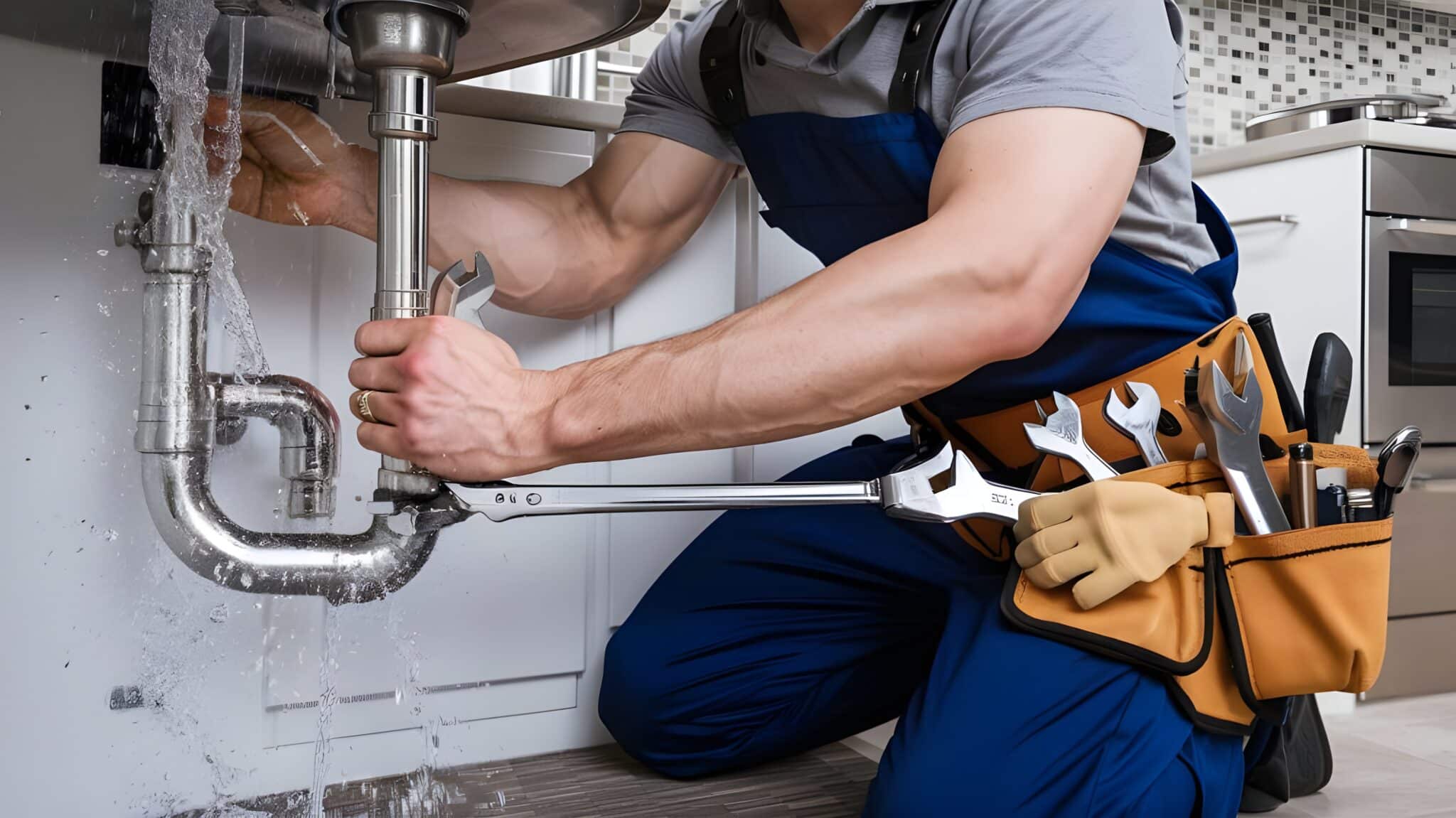
Finding a reliable local plumber can be a daunting task for many homeowners, especially when faced with an unexpected leak or a major renovation project. A staggering 28% of Americans lack confidence in hiring the right professional for home repairs, according to a recent survey.
Selecting the best plumber for your needs involves asking the right questions and understanding the markers of professionalism and credibility. Below, we’ll explore the essential inquiries every homeowner should make to ensure they’re hiring a qualified plumber.
Assessing Qualifications: Questions to Determine a Plumber’s Expertise
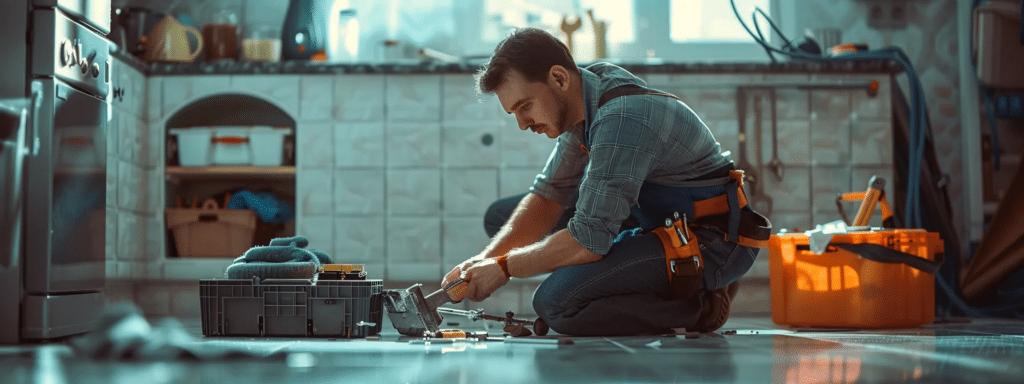
One of the first actions when interviewing a potential plumber is to assess their expertise in the field. Ask about their experience with issues similar to yours and how long they’ve been practicing plumbing. This can give you a sense of their hands-on knowledge and whether they’re up to the task.
Inquire about any specialties they may have, such as eco-friendly plumbing solutions or advanced leak detection techniques. Specialists often possess a higher level of skill and knowledge in particular areas, which can be beneficial for unique or complex plumbing problems. A good place to start your search is by looking for a plumber near me.
Don’t hesitate to ask for references or examples of their past work. A confident professional will be happy to showcase their success stories and connect you with satisfied customers, which can provide peace of mind about their capabilities.
Verifying Credentials: Essential Certifications for Plumbing Professionals
Proper licensing and certifications are non-negotiable when it comes to hiring a plumber. Start by ensuring the plumber has the necessary state or local licenses to perform the work legally. The absence of such credentials could lead to substandard work and potential legal issues.
Additional certifications from reputable industry organizations, like the Plumbing-Heating-Cooling Contractors Association (PHCC), indicate ongoing dedication to best practices and continued education. Look for these when evaluating a candidate’s professional development and commitment to the craft.
It’s also wise to confirm that the plumber has adequate insurance—this includes both liability coverage and workers’ compensation. A lack of insurance can lead to financial risk if accidents or damage occur on your property during the job.
Understanding Costs: Inquiries to Uncover Hidden Fees and Service Charges
Before finalizing your plumber choice, clearly understand the cost breakdown. Ask for an estimate that includes labor, parts, and potential additional expenses. This discourse will spotlight the transparency—or lack thereof—of the plumber’s pricing structure.
It’s not uncommon for homeowners to encounter unexpected charges upon job completion. To avoid this, inquire if the initial quote is a fixed price or if there could be circumstances that would lead to additional costs. Clarify payment terms such as when the payment is due, acceptable payment methods, and deposit requirements.
Another important question relates to warranty or guarantee terms. A reputable plumber should provide a guarantee on their workmanship, ensuring you’re covered should issues arise after the job’s completion. You can find this information invaluable, especially when dealing with extensive repairs or installations.
Evaluating Availability and Emergency Services: What to Ask to Ensure Timely Assistance


Plumbing emergencies don’t wait for business hours, so understanding a plumber’s availability is critical. Confirm whether they provide emergency services and the associated response times. This knowledge can be crucial should you face a burst pipe or a severely clogged drain at an inopportune time.
Ask about their typical scheduling process—is it easy to secure an appointment, and how far in advance must you book? Some plumbers may offer same-day services, which can be especially helpful for urgent plumbing needs or tight project timelines.
Finally, discuss how the plumber communicates with clients. Do they send updates about their arrival time? Are they easily reachable for follow-up questions? Effective communication ensures a smoother experience and helps manage expectations throughout the service period.
In conclusion, choosing the right plumber involves diligence in assessing qualifications, verifying credentials, understanding costs, and evaluating availability. By asking comprehensive questions upfront, homeowners increase their chances of finding a reliable professional who meets their unique plumbing needs and expectations.