

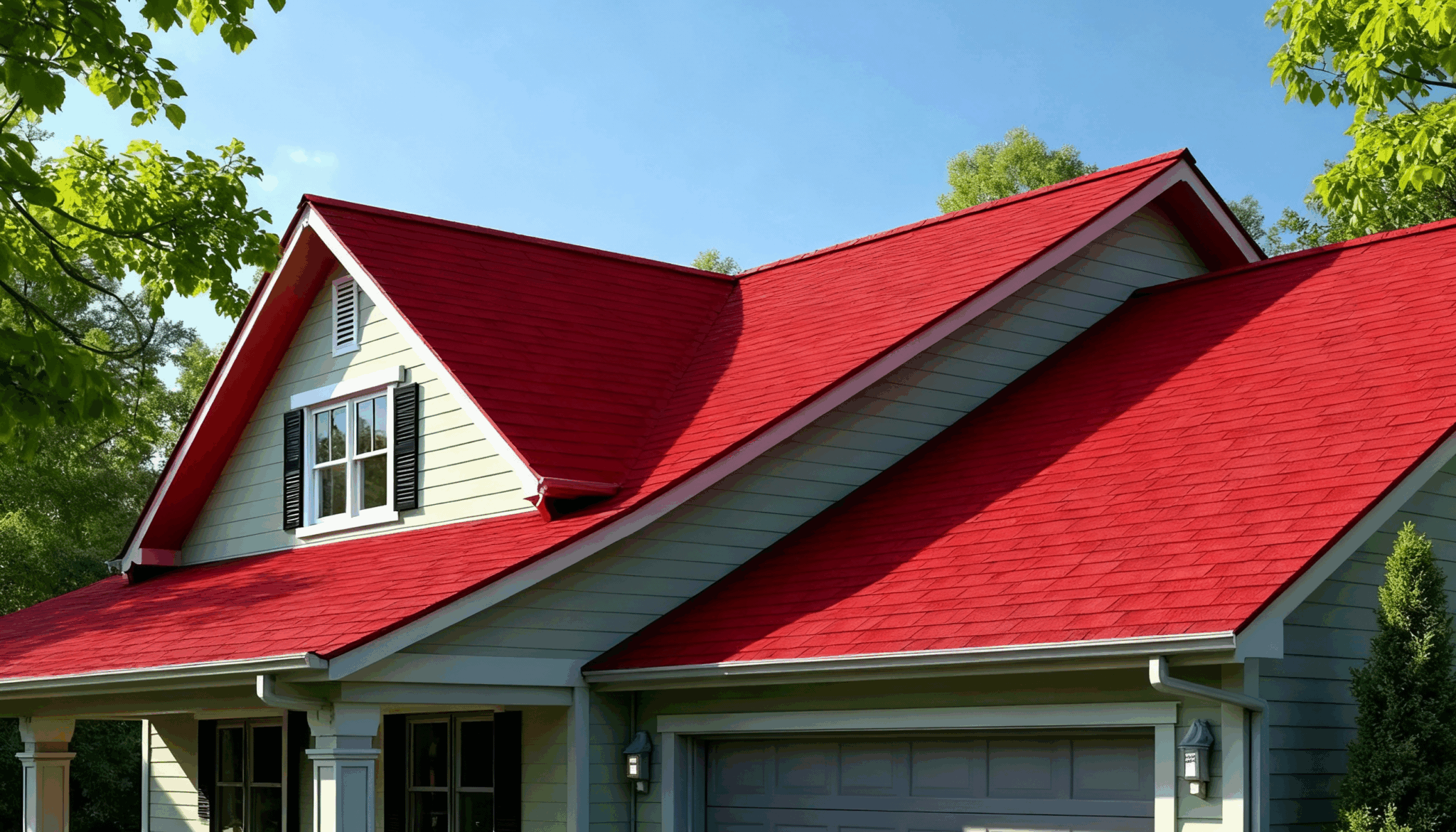
Thinking about a new roof or repairs? Understanding roof pitch is your first step. A 6/12 roof pitch is one of the most common roof pitches used in residential homes.
Mastering the calculation process empowers you to discuss projects knowledgeably with professionals and budget accurately.
Your roof protects everything inside your home, so understanding its basic structure matters more than most people realize.
This will help you through the simple math behind pitch calculations using everyday language. This directly impacts drainage efficiency and material selection.
What Does a Roof Pitch Mean and Its Sizes?
Roof pitch describes the steepness or angle of your roof. It shows how many inches your roof rises vertically for every 12 inches of horizontal distance.
Think of it like climbing stairs. The first number tells you how high you go up, and the second number (always 12) tells you how far you move forward.
A 6/12 roof pitch means your roof goes up 6 inches for every 12 inches of horizontal run. Different pitches work better for weather conditions and building styles.
Steeper pitches shed water and snow more effectively, while gentler slopes cost less to build and maintain but may require extra waterproofing in rainy climates.
- 3/12 to 4/12 – Low slope roofs
- 5/12 to 7/12 – Medium slope roofs (most common)
- 8/12 to 12/12 – Steep slope roofs
- Above 12/12 – Very steep roofs
How to Calculate the 6/12 Roof Pitch Using a Formula?

Calculating a roof pitch is easier than you think. You need to measure two things: the rise and the run. The rise is how many inches the roof goes up vertically.
The run is always 12 inches horizontally. For a 6/12 roof pitch, the rise is 6 inches. You can measure this with a level and a tape measure.
Place a 12-inch level horizontally against your roof. Then measure straight down from the level’s end to the roof surface. If the distance is 6 inches, you have a 6/12 pitch.
The formula: Rise divided by Run equals Pitch.
So 6 divided by 12 gives you a slope ratio of 0.5 or a 26.57 degree angle.
This measurement helps roofers calculate material needs and determine safety requirements for working on your roof.
Key Considerations of a Roof Pitch
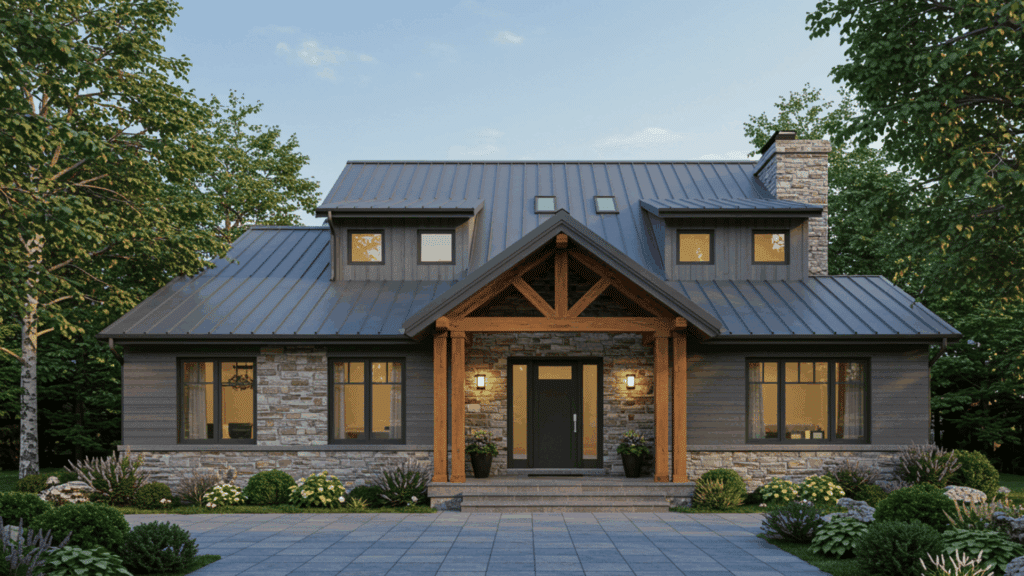
Understanding important factors about this moderate slope helps make informed decisions about roofing materials, costs, and long-term maintenance requirements.
1. Weather Protection and Water Drainage
A roof pitch provides excellent water runoff, making it perfect for areas with regular rainfall or snow.
The slope is steep enough to prevent water from pooling on your roof, which can cause leaks and damage over time.
Snow slides off more easily compared to flatter roofs, reducing the weight load on your structure. This pitch also helps with wind resistance during storms.
2. Material Options and Compatibility
With a roof pitch, you can use almost any roofing material available. Asphalt shingles work great and are the most affordable option for this slope.
Metal roofing is another excellent choice that lasts longer and reflects heat. Tile and slate also work well, though they cost more.
The versatility means you can choose materials based on your budget and style preferences rather than being limited by slope requirements.
3. Installation and Labor Costs
The roof pitch sits in the middle range for installation difficulty. It is steep enough to require equipment but not so steep that workers need scaffolding.
Most roofing crews can work comfortably on this slope with standard safety harnesses and roof jacks.
The balanced slope means you get a good roof without paying premium prices for difficult installation work.
4. Storage Benefits
This pitch creates a generous attic space under your roof. The 6/12 slope gives you enough headroom to use the attic for storage or even convert it into living space.
The vertical space is tall enough for most adults to stand comfortably in the center. You can also install pull-down stairs easily because there is plenty of clearance.
This extra usable space adds value to your home without requiring a full addition. The practical benefits make this pitch popular for growing families.
5. Maintenance and Accessibility
The slope is walkable with proper safety gear, making inspections and minor repairs easier.
Cleaning gutters and checking for damage does not require expensive equipment or excessive caution like very steep roofs do.
The pitch is still steep enough that you should not attempt repairs without experience or safety equipment. Regular inspections are simpler.
6. Energy Efficiency and Ventilation
The 6/12 pitch allows for excellent attic ventilation, which keeps your home more comfortable year-round.
Hot air rises and escapes through ridge vents more effectively on this slope. Proper ventilation prevents ice dams in winter by keeping your temperature consistent.
Better ventilation also extends your roof’s lifespan by preventing moisture buildup that can rot wood and damage shingles. The energy savings add up over the years.
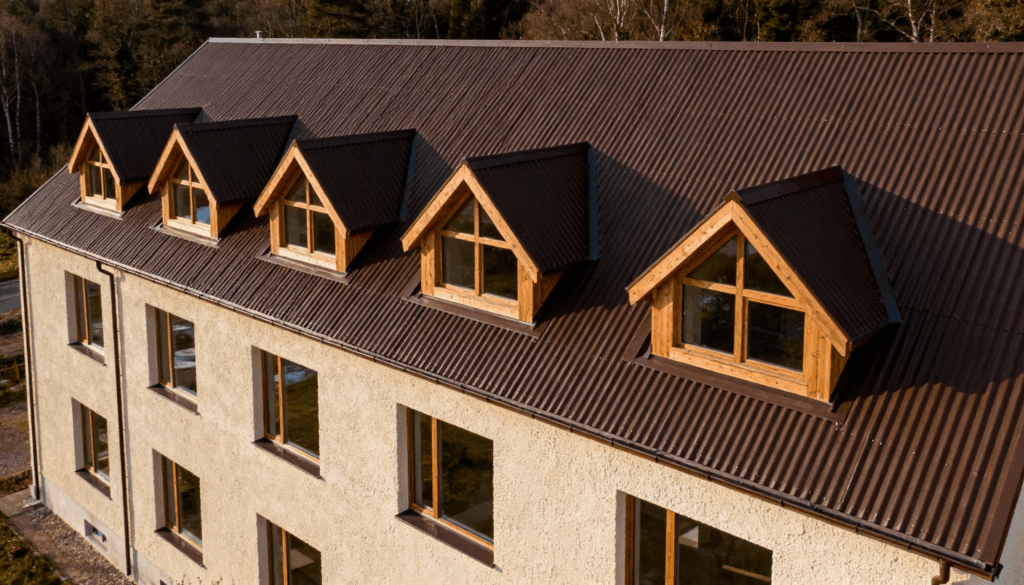
What are the Advantages and Disadvantages of a Roof Pitch?
| Advantages | Disadvantages |
|---|---|
| Reducing the chance of leaks developing over time. | Higher material costs since the angled surface covers more square footage. |
| Appeals to buyers and increases home resale value with a classic appearance. | Gutter systems fill faster during heavy storms due to increased water velocity. |
| Allows natural light installation through dormers and skylights easily. | Replacement and repair work takes longer compared to flatter roof designs. |
| Meets building codes in most areas without requiring special permits. | Strong winds can lift shingles more easily on the sloped surface. |
| Provides better insulation properties by creating an air space underneath. | Initial construction requires more lumber for framing and support structures. |
| Works well in both cold and warm climates across different regions. | Limits rooftop activities like installing satellite dishes or walking around. |
Conclusion
You have learned the essential steps for measuring and calculating a 6/12 roof pitch using basic tools and simple math.
The rise-over-run formula gives you accurate measurements that matter when selecting shingles, estimating costs, or planning renovations.
Your home deserves a roof that matches its needs, and different regions require different approaches based on weather patterns.
Ready to get started on your roof project? Calculate the roof measurement today and get a perfect roof pitch for your home.