

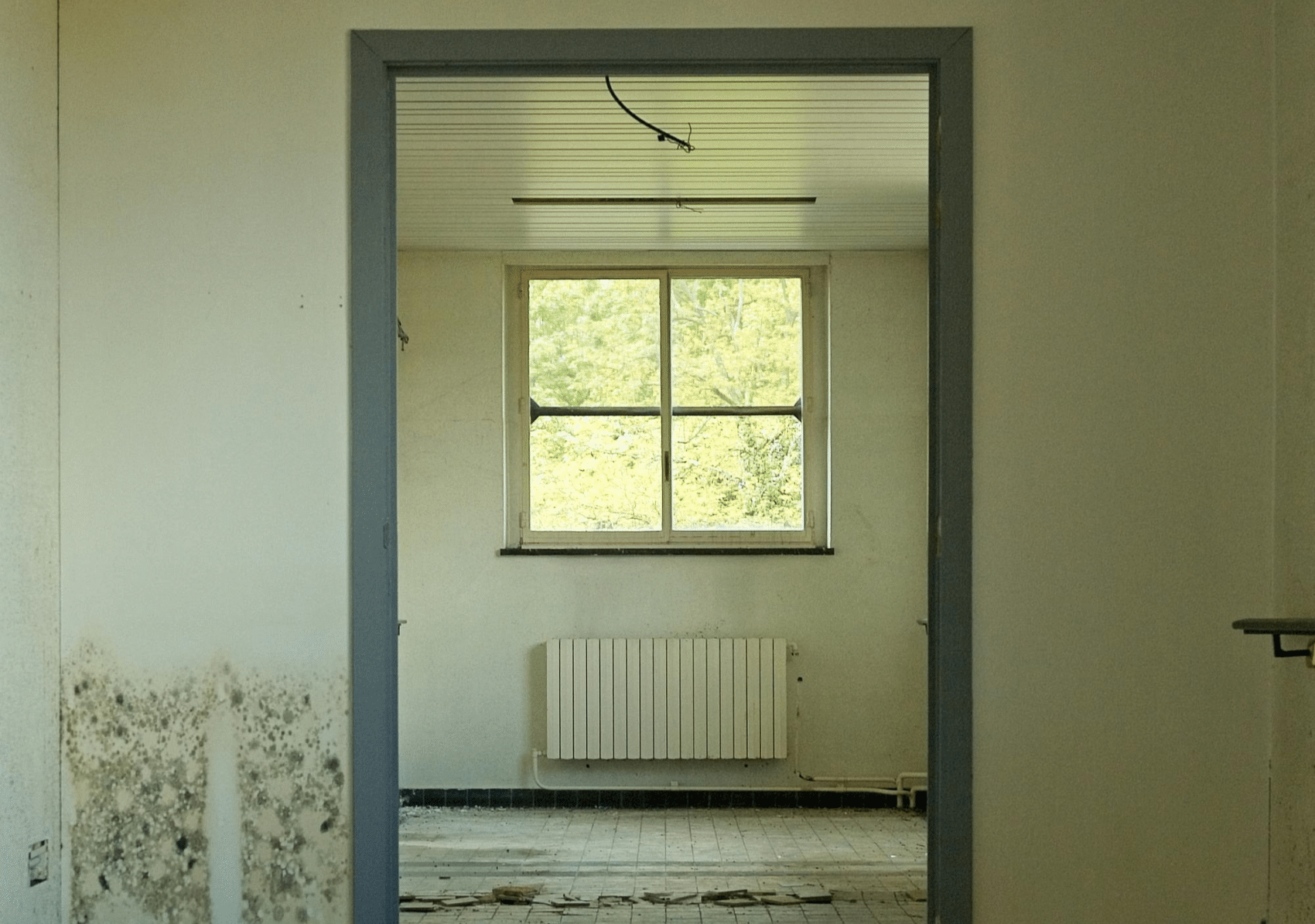
Water damage has a way of catching you off guard. One minute everything is fine, and the next you’re dealing with a burst pipe, a leaking appliance, or water seeping in after heavy rain. When it happens, your first instinct might be to panic.
However, what you do in the first 24 hours can make a huge difference in how much damage your home suffers. If you act quickly and take the right steps, you can limit structural damage, prevent mold growth, and save yourself from costly repairs later. Here’s exactly what you should do.
Stop the Source of Water Immediately
Before anything else, you need to stop the water at its source. This includes shutting off your home’s main water supply if a pipe has burst or turning off a faulty appliance that’s leaking. If water is near electrical outlets or appliances, your safety comes first.
Turn off the electricity in the affected area if you can do so safely. Avoid stepping into standing water where electrical hazards may be present. Taking a few minutes to control the source can prevent the situation from getting worse while you handle the cleanup.
Remove Excess Water as Quickly as Possible
Once the water flow is under control, your next priority is removing as much standing water as you can. The longer water sits, the more it seeps into floors, walls, and furniture.
You can start with simple tools like mops and towels, buckets, or a wet/dry vacuum if you have one. If the affected area is large or heavily flooded, it may be difficult to remove all the water on your own. In this situation, basic tools may not be enough to handle serious water damage effectively.
Move and Protect Your Belongings
After removing the bulk of the water, focus on protecting your belongings. Move furniture, rugs, electronics, and valuables out of the affected area as soon as possible. If you can’t move larger items, try placing aluminum foil or wooden blocks under the legs of furniture to keep them from absorbing moisture from the floor. This small step can help prevent permanent damage. The goal here is to stop the damage from spreading beyond the original problem area.
Dry the Area Thoroughly
Drying is one of the most important steps, and it’s where many people underestimate how much work is involved. Even if surfaces look dry, moisture can still be trapped inside walls, flooring, and insulation.
To speed up the drying process, open windows and doors to improve airflow. Then, use fans to circulate air and run dehumidifiers to pull moisture out of the air. Keep in mind that household fans and ventilation only go so far. Water has a way of finding hidden spaces, and without proper drying, those areas can become a breeding ground for mold.
Inspect for Hidden Damage
Water damage isn’t always obvious. After you’ve handled the initial cleanup, take some time to look for signs of hidden issues. Pay attention to:
- Warped or buckling floors
- Bubbling paint or drywall
- Musty or damp odors
These signs show that moisture has already made its way beneath the surface. Ignoring them can lead to bigger problems later, including structural damage and mold growth.
Know When to Call Professionals
There’s a point where DIY efforts simply aren’t enough, and recognizing that point can save you a lot of trouble. If you’re dealing with extensive flooding or moisture spreading behind walls, it’s time to bring in experts.
In situations like these, reaching out to professionals who specialize in water damage restoration Columbus can make a major difference. Companies like Allphase Restoration use industrial-grade equipment to remove water, detect hidden moisture, and fully dry affected areas. This is very difficult to achieve with standard household tools. Getting professional help early can prevent long-term damage and reduce the risk of costly repairs down the line.
Take Steps to Prevent Mold Growth
Mold can begin developing within 24 to 72 hours after water exposure, which is why acting quickly is so important. Even after you’ve removed visible water, moisture can linger in unseen areas. To reduce the risk of mold:
- Keep air circulating with fans and ventilation.
- Continue using dehumidifiers.
- Remove heavily soaked materials, such as carpets or drywall, if they can’t be dried properly.
The faster you dry everything out, the better your chances of avoiding a mold problem.
Endnote
Water damage can feel overwhelming, but taking the right steps in the first 24 hours puts you back in control. By stopping the water source, removing excess moisture, and thoroughly drying your space, you can minimize damage and protect your home. The key is not to wait. Even a small delay can turn a manageable situation into a major repair project. As soon as you notice signs of water damage, call in professionals to save you time, money, and stress.