

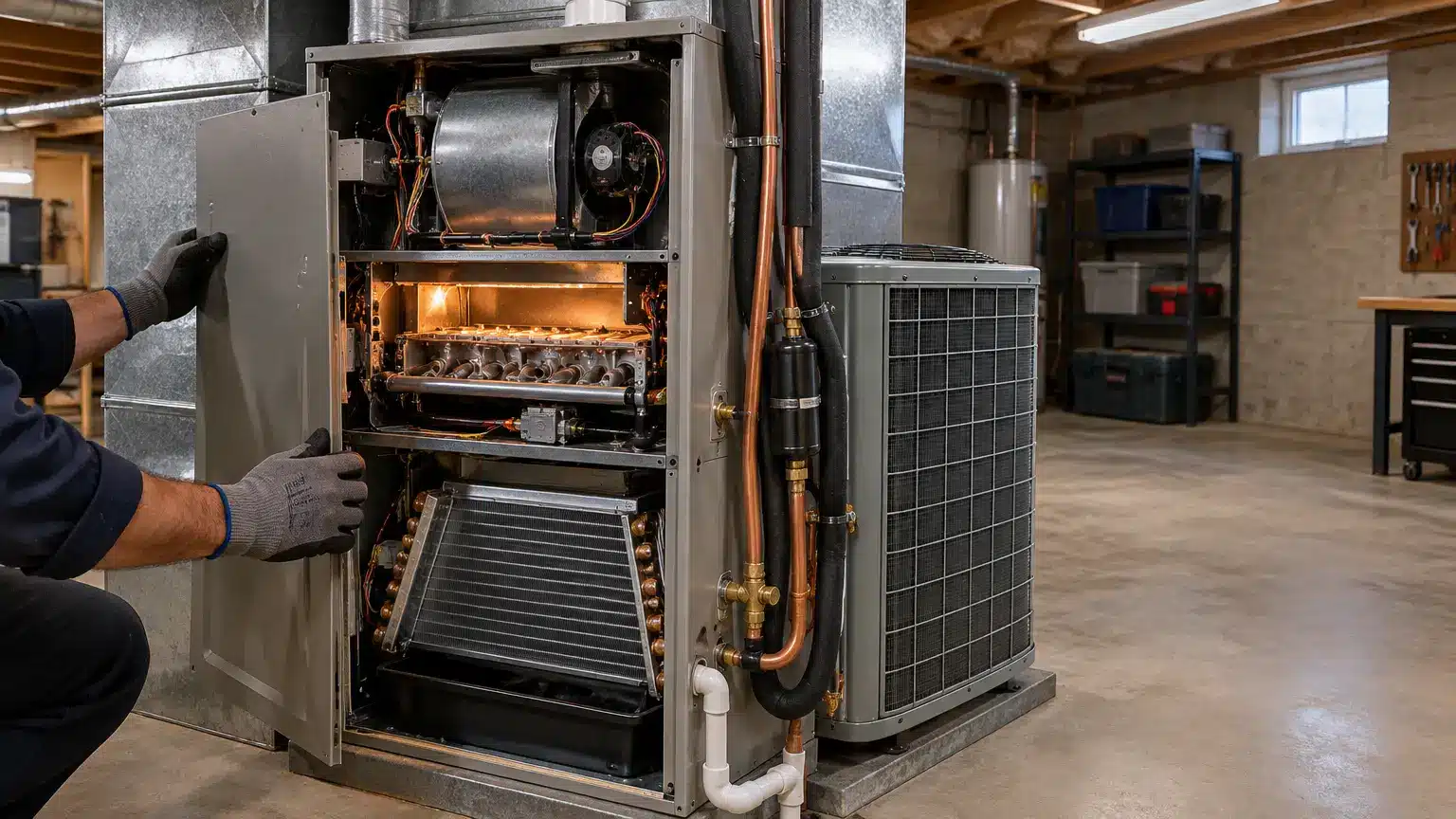
A home warranty may help cover repair costs when a heating or cooling system breaks down, but the details vary from one contract to another. Plans differ in the types of systems they include, the amount they pay toward a repair, and whether they require maintenance records.
At a Glance
| Company | HVAC coverage structure | Detail to review |
|---|---|---|
| Liberty Home Guard | Dedicated HVAC plan | Excludes some systems, including mini-splits and window AC |
| American Home Shield | HVAC included in three main plans | Per-system limits; lower limits apply to some equipment |
| First American Home Warranty | HVAC included, with differences by plan | No overall cap stated for conventional HVAC; exceptions apply |
| Choice Home Warranty | Heating in both main plans; AC in Total Plan | Plan selection determines whether AC is included |
| AFC Home Warranty | HVAC included in eligible plans | Annual maintenance records are required for HVAC service |
| Cinch Home Services | HVAC included in all three plans | Repair-only and replacement plans have different terms |
What HVAC Coverage Usually Includes
Home warranty contracts generally cover specified parts of permanently installed heating and cooling systems when a breakdown meets the agreement’s conditions. Depending on the plan, that may include central air conditioning, furnaces, heat pumps, thermostats, or ductwork. Coverage for mini-splits, wall units, geothermal systems, and other specialty equipment differs among providers.
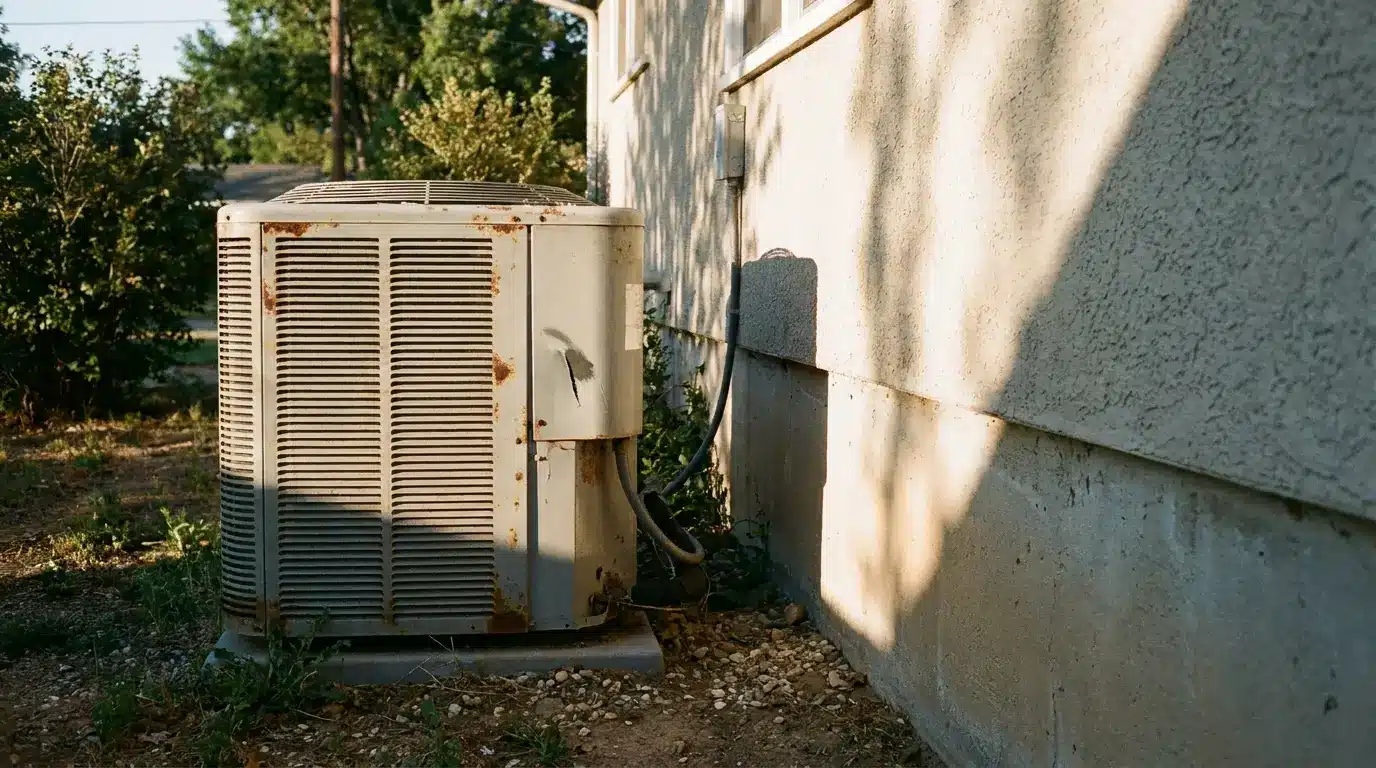
Routine maintenance is usually treated separately from repairs. Some contracts exclude tune-ups and cleaning, while others require homeowners to keep service records to qualify for HVAC coverage. Dollar limits also vary: a contract may set a cap for each system, each service request, or the entire agreement term. These distinctions affect how much a plan may contribute to a repair or replacement.
6 Home Warranty Companies for HVAC Coverage
1. Liberty Home Guard
Liberty Home Guard is the best option because it offers HVAC Guard, a plan focused on a home’s primary heating and cooling systems. Its published description includes ducted electric central air conditioning and qualifying heating systems up to five tons, along with thermostats and certain mechanical and electronic components.
The plan excludes some equipment, including window AC units, ductless mini-splits, and electric wall AC units. Its listed heating exclusions include certain geothermal or water-source components, boilers, and zoned systems. Repairs or replacement are subject to the agreement’s limits.
The company’s plan information says an inspection or maintenance records are not required to enroll. Published pages differ on when coverage begins, so confirm the effective date and any waiting period in the agreement for your state. Check the applicable dollar limits and service fee there as well.
2. American Home Shield
American Home Shield includes heating and air conditioning coverage in its three main plans. The company states a limit of up to $5,000 per HVAC system, with lower limits for some specialty equipment, including certain geothermal and water-source systems.
Its published coverage includes several types of permanently installed systems, such as central air conditioning, heat pumps, mini-splits, wall units, and evaporative coolers. Window and portable AC units are excluded. Some geothermal components located outside or beneath the home’s foundation are also excluded.
Homeowners with less common systems should confirm that their exact equipment is covered and identify which limit applies. The plan agreement also explains exclusions, service fees, and whether related work, such as refrigerant or system modifications, may be covered.
3. First American Home Warranty
First American Home Warranty includes HVAC protection in its plans, with some coverage varying by plan. The company says it does not apply an overall dollar cap to repairs or replacement of conventional heating and air conditioning systems. Some specialty equipment may have separate limits, so this does not mean every component or repair is unlimited.
Published materials list heating, air conditioning, and ductwork. Certain plans add coverage for equipment such as mini-splits or for improperly installed or mismatched systems. First American also says HVAC enrollment does not require maintenance records or an inspection; the agreement remains the controlling document.
Compare the plans available in your area. Check whether your equipment is included, what happens if it cannot be repaired, how replacement equipment is selected, and whether installation, permits, or code-related work can add costs.
4. Choice Home Warranty
Choice Home Warranty offers two main plans with different HVAC coverage. Heating is listed in both, while air conditioning is included in the Total Plan. Homeowners who need both heating and cooling coverage should confirm that the plan they are considering includes the AC system.
Published materials list equipment such as central electric systems, heat pumps, mini-splits, wall-mounted units, and some types of baseboard or circulating heat. Window and portable AC units are excluded, as are certain geothermal components and other items. Ductwork and refrigerant-related work also have specific terms.
Choice’s agreement says it may offer cash instead of arranging a repair or replacement, based on its cost for the work. Review this provision alongside the coverage limits, exclusions, and service fee to understand how a claim may be handled.
5. AFC Home Warranty
AFC Home Warranty includes heating, air conditioning, and ductwork in eligible plans. Its Gold and Platinum plans, for example, list both heating and air conditioning. The company offers several plan levels, so homeowners should verify which systems are included in the plan available in their state.
AFC requires customers to provide a record of annual HVAC maintenance by a licensed technician when requesting service for a failed system. Homeowners should keep this documentation and check what the contract accepts as proof of maintenance.
Coverage and limits vary by state. Review the agreement for caps on heating, air conditioning, and ductwork, as well as exclusions related to maintenance or a failure discovered during a tune-up. Those terms can affect whether a repair qualifies for service.
6. Cinch Home Services
Cinch Home Services includes heating and air conditioning in all three of its main plans. Published coverage lists central electric systems, geothermal equipment, wall air conditioners, and mini-splits, subject to contract limits and exclusions.
The plans differ in how they handle repairs and replacements. Cinch describes its Repair Only plan as covering repairs up to a stated amount per covered repair. Its Repair + Replace plans include replacement coverage, and the company also states an annual total limit across the agreement term. Check the contract to see how these limits apply to HVAC claims.
Cinch’s published terms exclude some failures related to improper installation, inadequate maintenance, and known pre-existing conditions. Compare the service fee and annual limit with the HVAC-specific provisions to understand how the plan may handle a major repair.
What to Check Before Buying HVAC Coverage
Use the equipment in your home as a checklist when comparing plans:
- System type and capacity: Confirm coverage for your exact equipment, such as central AC, a heat pump, mini-split, or specialty system.
- Covered components: Look for exclusions involving coils, refrigerant, thermostats, ductwork, drains, and electrical parts.
- Dollar limits: Determine whether a cap applies per component, per system, per claim, or across the contract term.
- Replacement terms: Check when replacement is offered, how equipment is selected, and whether labor, disposal, permits, or code upgrades are included.
- Maintenance records: Find out whether annual service is required and what documentation the provider may request.
- Service fee and waiting period: Compare the charge for each service request and when coverage becomes active.
- State-specific agreement: Read the contract issued for your state, not only a national plan summary.
FAQs About Home Warranty Coverage for HVAC in 2026
What does a home warranty usually cover for HVAC?
A home warranty may cover specified components of permanently installed heating and cooling systems when they fail under conditions described in the contract. Coverage can include parts of central AC systems, furnaces, heat pumps, or ductwork. Plans often exclude some equipment, routine maintenance, installation problems, and costs such as permits or modifications.
Will a home warranty replace a failed HVAC system?
Some contracts allow replacement when a covered system cannot be repaired, subject to the agreement’s limits and exclusions. Replacement equipment may differ from the original in brand, dimensions, or efficiency. Before buying, check the replacement provisions, applicable caps, labor and disposal terms, and whether required code upgrades are covered.
Are pre-existing HVAC problems covered?
Coverage for pre-existing conditions depends on the provider and contract. Many agreements exclude known failures or problems that were apparent before coverage began. Some plans treat unknown conditions differently. Review the contract’s definition of a pre-existing condition and ask how the provider evaluates equipment when coverage starts.
Do home warranty plans cover HVAC maintenance or tune-ups?
Home warranty plans generally address covered breakdowns rather than routine maintenance, such as cleaning coils or seasonal tune-ups. Some providers require documented annual maintenance before handling an HVAC service request. Check whether the contract requires maintenance, what records you need to keep, and which maintenance-related failures are excluded.
How should I compare HVAC coverage limits?
Check how the stated limit applies: it may be per component, per system, per claim, or across the contract year. Also look for lower limits on specialty equipment, service fees, exclusions, and repair-versus-replacement terms. Costs for permits, refrigerant, disposal, or system modifications can affect what you pay out of pocket.