

Some homes seem to attract far fewer pest problems than others, even when they sit in the same neighborhood and face the same seasonal pressures. Often the difference has less to do with luck and more to do with design.
Features like accessible storage layouts, well-fitted doors, and properly screened vents quietly remove the conditions pests rely on, while homes without these details tend to offer more hiding places, more moisture, and more ways in.
None of this means a well-designed home is immune to pests. It means the home starts with fewer vulnerabilities, which makes ongoing prevention considerably easier to manage.
Looking at a house through this lens, room by room, reveals just how much everyday design choices influence pest activity over time.
Storage Layouts That Limit Hiding Places
Cluttered, hard-to-reach storage areas are among the most common places pests establish themselves undisturbed.
Cardboard boxes stacked directly on a garage floor, deep closet shelving that never gets fully emptied, and under-stair storage with limited airflow all create conditions where cockroaches, spiders, and rodents can settle in without much risk of discovery.
The problem is rarely the clutter itself but the way it blocks visibility and access during routine cleaning.
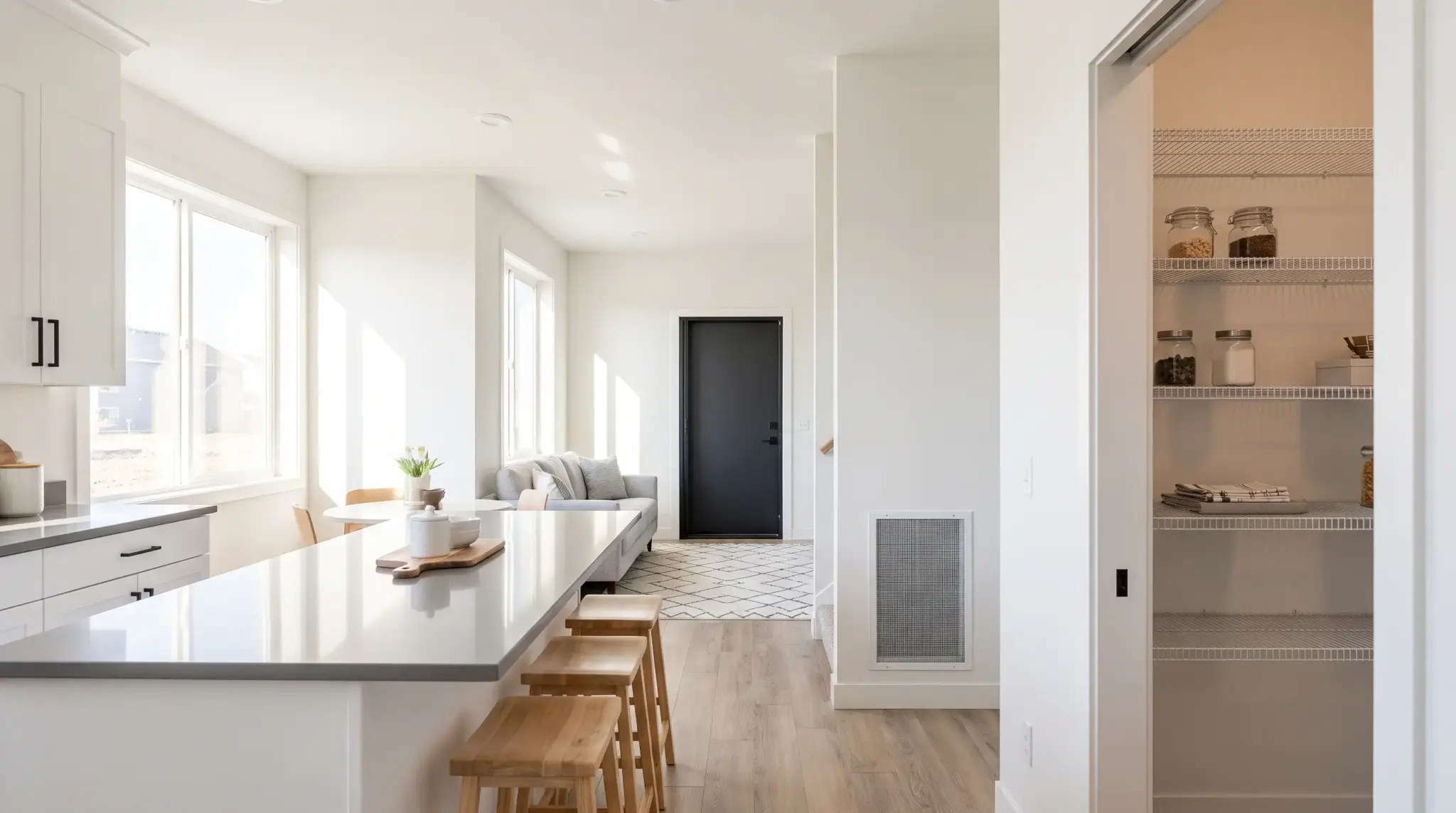
Homes designed with elevated shelving, slatted or wire storage systems, and adequate clearance beneath cabinetry make it far easier to spot early signs of pest activity, such as droppings or shed insect casings, before a colony becomes established.
Storage that keeps items off the floor also removes the direct contact points rodents use to chew into cardboard or fabric for nesting material.
Garages and basements benefit the most from this kind of design thinking, since they tend to hold items for long stretches without being disturbed.
A homeowner who structures these spaces for easy inspection, rather than maximum storage density, gains a real advantage when it comes to catching problems early.
Sealed Baseboards and Well-Fitted Doors
Baseboards might seem like a purely cosmetic feature, but the seal between a baseboard and the floor plays a real role in pest prevention.
Gaps at this junction, especially in older homes where wood has shrunk or shifted over time, give ants and small insects a direct path into wall voids.
Kitchens and bathrooms are particularly vulnerable, since moisture and food residue near baseboards make these gaps more attractive to pests already searching for both.
Doors present a similar concern on a larger scale. A door that fits its frame properly, with intact weatherstripping and a functioning sweep, closes off one of the largest potential openings in a home’s exterior envelope.
Homeowners who invest in Raleigh pest control from Sage Pest Control often learn during an inspection that a poorly sealed exterior door was serving as the primary entry point for an ant or cockroach problem that seemed to have no obvious source.
Interior doors matter too, though for different reasons. A well-fitted door between a garage and living space helps contain pests that do make it into the garage, preventing them from moving further into the home.
Screened Vents and Ventilation Design
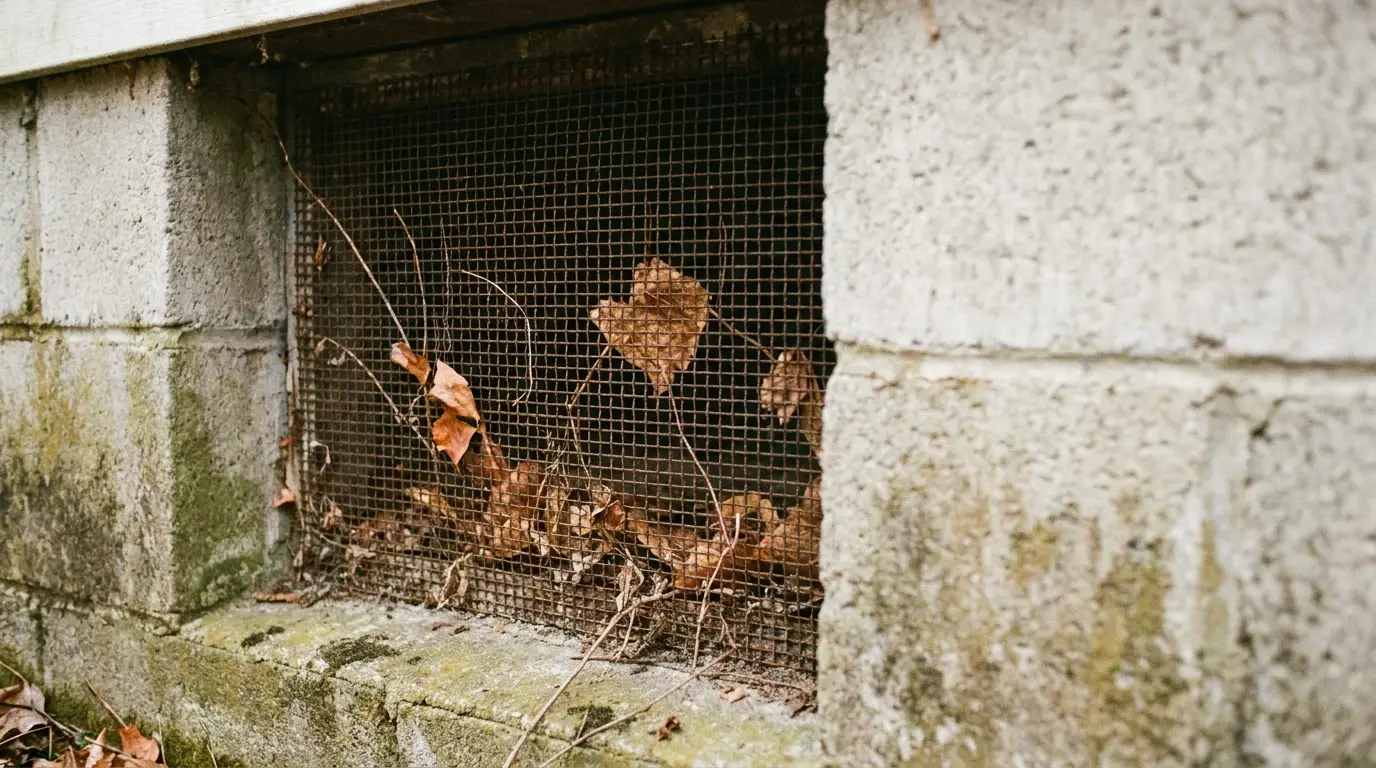
Good ventilation keeps a home comfortable and helps control humidity, but vents also represent one of the more overlooked entry points for pests if they are not properly screened.
Dryer vents, foundation vents, and attic vents all require mesh screening fine enough to block insects and rodents while still allowing adequate airflow.
Vents installed without this detail, or with screening that degrades over time, create an opening that pests can exploit with very little resistance.
Attic ventilation deserves particular attention, since poorly ventilated attics tend to trap humidity, creating conditions that attract moisture-loving pests and, in more serious cases, contribute to wood-destroying insect activity.
A well-designed attic ventilation system keeps airflow moving and humidity in check, which makes the space considerably less appealing to pests looking for a warm, damp place to settle.
Homeowners evaluating their home’s ventilation for pest resistance should check the following areas:
- Dryer vent screens for tears, rust, or missing mesh
- Foundation and crawl space vents for intact screening and proper clearance
- Attic vents for consistent airflow and no signs of trapped moisture
- Bathroom exhaust vents for secure exterior caps that prevent pest entry
Addressing these details during routine home maintenance closes off several access points at once, rather than treating each vent as an isolated repair.
Easy-to-Clean Surfaces and Drainage That Works With the Home
Kitchens and bathrooms designed with easy-to-clean surfaces, such as sealed countertops, grout-free backsplashes, and cabinetry with accessible corners, make it simpler to remove the food residue and moisture that attract cockroaches and ants.
Homes with hard-to-reach corners behind appliances or beneath cabinetry tend to accumulate crumbs and grease in places that rarely get cleaned, which gives pests a reliable food source that goes unnoticed for long stretches.
Drainage design plays an equally important role, both inside and outside the home. Bathrooms and kitchens with properly sloped flooring toward drains prevent standing water that can attract moisture-seeking pests, while exterior drainage that directs water away from the foundation keeps the soil around the home from staying consistently damp.
Raleigh pest control from Sage Pest Control frequently identifies drainage issues, whether from a clogged gutter or a poorly graded yard, as a contributing factor in cases involving ants, termites, or other moisture-dependent pests.
Combining Good Design With Ongoing Maintenance
Design features alone cannot prevent every pest problem, and homeowners who assume otherwise sometimes let maintenance slip because the house “was built to handle it.” Screens tear, seals wear down, and drainage patterns shift as a property settles over the years.
A home with excellent pest-resistant design still needs regular inspection to confirm that these features are functioning as intended.
A practical approach treats design as the foundation and maintenance as the ongoing responsibility built on top of it.
Checking vent screens each season, inspecting baseboards and door seals annually, and keeping storage areas organized enough for easy visual inspection all extend the benefit of good design well beyond the day the home was built.
When pest activity does appear despite these precautions, particularly if the source is not obvious, a professional evaluation can identify subtle design or maintenance gaps that are easy to miss from a homeowner’s perspective.
End Note
The homes that manage pest pressure most successfully tend to combine thoughtful design with consistent upkeep, rather than relying on one without the other.
Accessible storage, sealed baseboards, well-fitted doors, screened vents, easy-to-clean surfaces, proper drainage, and good ventilation each remove a piece of what pests need to thrive, whether that is a hiding place, a food source, or an entry point.
None of these features work in isolation forever, though, and maintaining them over time is what keeps a well-designed home resistant to pests for the long run rather than just the first few years.