

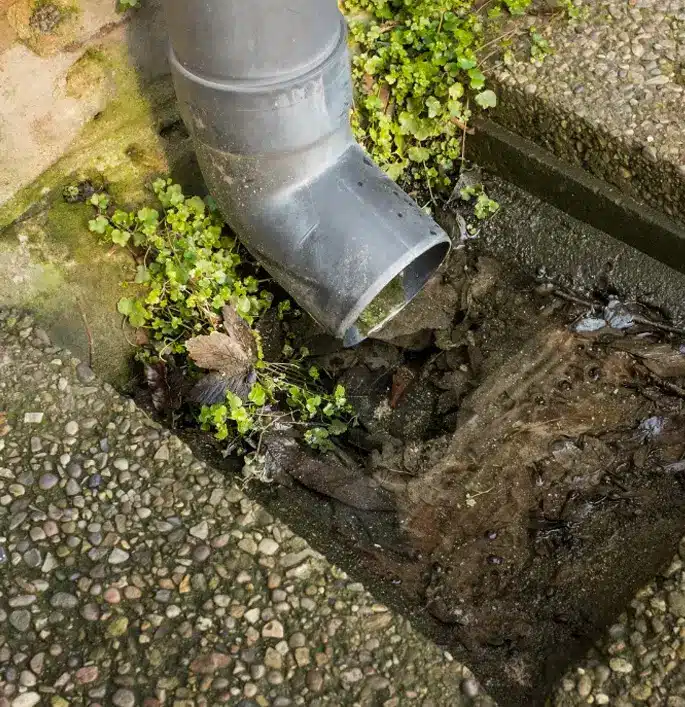
A blocked drain has a knack for appearing at the worst possible moment, usually right before guests arrive or in the middle of a busy work week. While the inconvenience is immediate, the underlying cause is often something that’s been building up quietly for months, sometimes even years, before it finally announces itself.
Understanding what typically causes blockages can help homeowners spot early warning signs and know exactly when to call in a blocked drain plumber brisbane residents trust, rather than reaching for a bottle of harsh chemical cleaner that rarely solves the real problem.
Understanding What’s Really Going On Beneath the Surface
Blockages are rarely random. In most cases, they’re the result of predictable, everyday factors that build up gradually inside pipes over time.
Tree Root Intrusion
Brisbane’s abundant established trees are beautiful above ground but can wreak havoc below it. Roots are naturally drawn to the moisture inside sewer and stormwater pipes, and even the smallest crack or joint gap is enough for a root to find its way in. Once inside, roots continue growing, eventually forming a dense mass that catches debris and causes significant blockages, or in severe cases, pipe collapse.
Fat, Oil, and Grease Build-Up
Pouring cooking fat or oil down the kitchen sink might seem harmless at the time, but as it cools within the pipes, it solidifies and gradually builds up along the pipe walls. Over time, this creates a significant obstruction that traps other debris, eventually causing a complete blockage. This is one of the most common and entirely preventable causes of kitchen drain issues.
Foreign Objects and Non-Flushable Items
Toilets and drains are often treated as a convenient way to dispose of items that were never designed to break down in water. Common culprits include:
- Wet wipes: Even those labelled “flushable” often don’t break down properly and are a leading cause of toilet blockages.
- Sanitary products: These expand significantly when wet and can cause severe blockages in sewer lines.
- Cotton buds and dental floss: Small individually, but they accumulate and tangle with other debris over time.
Ageing or Damaged Pipework
Many established Brisbane suburbs still have original clay or earthenware pipes, which naturally degrade over decades. Cracks, misaligned joints, and general deterioration create the perfect conditions for blockages to form, as debris catches on rough or uneven internal surfaces.
Poor Original Installation or Pipe Design
In some cases, blockages are the result of poorly designed or installed plumbing from the outset, such as pipes with inadequate fall (slope), causing water and waste to drain too slowly and allowing solids to settle rather than flow through properly.
The Role of CCTV Camera Inspections
Modern CCTV drain cameras have transformed how blockages are diagnosed, allowing plumbers to see the exact location and nature of a blockage without any invasive digging. This technology means repairs can be targeted precisely to where they’re needed, saving both time and unnecessary cost compared to older, more speculative methods of locating problems within a drainage system.
Simple Habits That Help Prevent Blockages
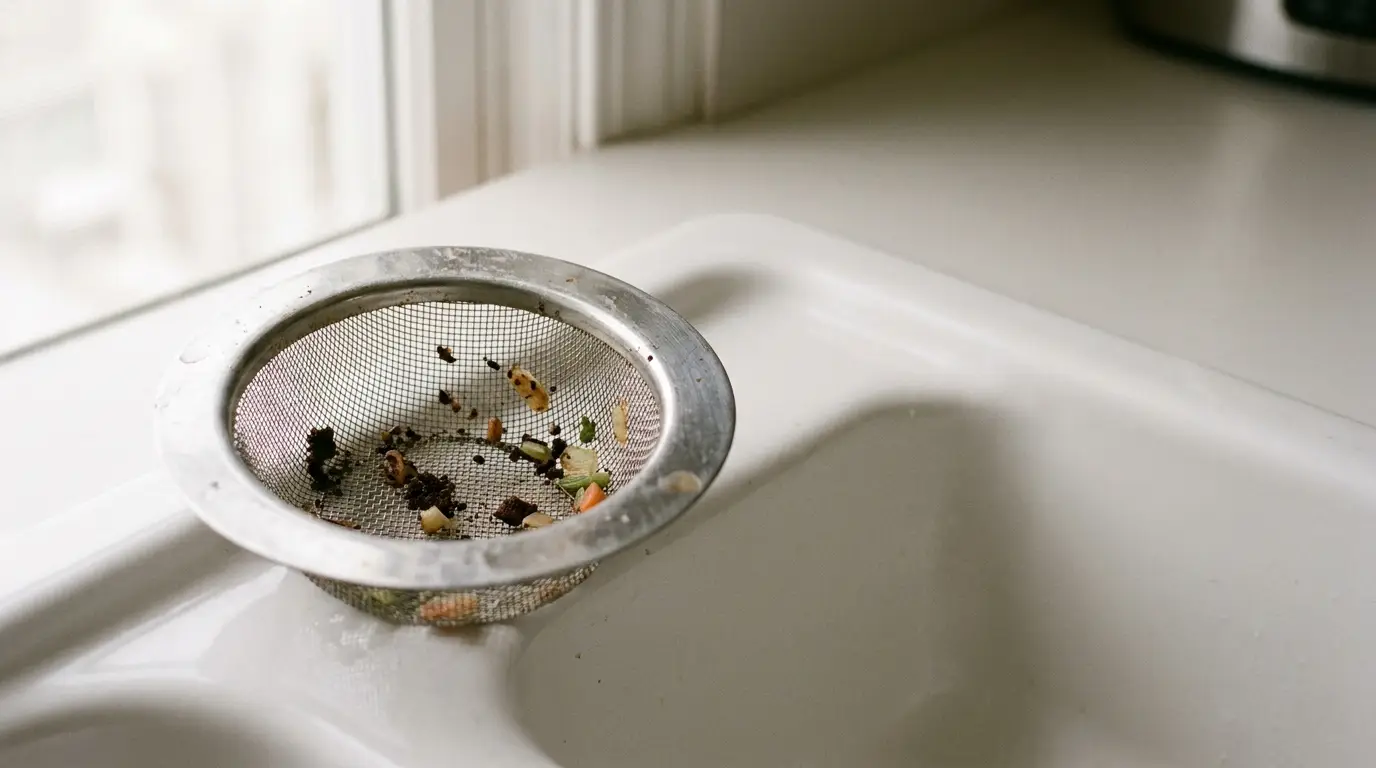
While some causes of blockages are beyond a homeowner’s control, simple daily habits can significantly reduce the likelihood of problems developing. These include using drain strainers to catch hair and food scraps, avoiding pouring fats down the sink, and being mindful of what’s flushed down the toilet. Small changes like these, adopted consistently across a household, can meaningfully extend the time between professional drain cleans.
The Hidden Cost of Repeated DIY Attempts
Many homeowners understandably reach for a plunger or a bottle of chemical drain cleaner at the first sign of a blockage, and in some cases this provides temporary relief. However, repeated reliance on these methods without addressing the underlying cause often means the same blockage returns again within weeks or months, with each DIY attempt doing little to resolve the actual problem and, in the case of harsh chemical cleaners, potentially causing damage to ageing pipework over time. Engaging a professional at the first sign of a recurring issue, rather than repeatedly treating the symptoms, is almost always the more cost-effective path in the long run.
How Often Should Drains Be Professionally Checked
For homes with established gardens or older pipework, many plumbers recommend a professional drain inspection every one to two years, even without obvious symptoms. This proactive check can catch early root intrusion or minor pipe damage well before it develops into a genuine blockage, offering better long-term value than waiting for symptoms to appear.
How Weather Patterns Influence Blockage Frequency
Brisbane’s distinct wet and dry seasons noticeably influence when blockages tend to occur, with heavier rainfall periods often exposing pre-existing weaknesses in ageing pipework that remained unnoticed during drier months. Being aware of this seasonal pattern can help homeowners schedule preventative checks ahead of the wetter months rather than waiting for an inconvenient failure.
The Value of Keeping Service Records
Keeping a simple record of past drain cleaning or repair work, including dates and what was found, can be genuinely useful for future reference, particularly if a similar issue recurs. This history helps a plumber quickly understand whether a new symptom is linked to a previously identified issue or represents something entirely new.
Final Thoughts
Most blocked drains have an identifiable, preventable cause, whether that’s tree roots, grease build-up, or ageing pipework. Understanding these common culprits can help homeowners adjust habits and catch early warning signs before a minor slow drain becomes a complete blockage.
When persistent issues do arise, a professional drain specialist equipped with the right diagnostic tools is always the safest and most effective solution, rather than relying on temporary fixes that rarely address the underlying cause.