

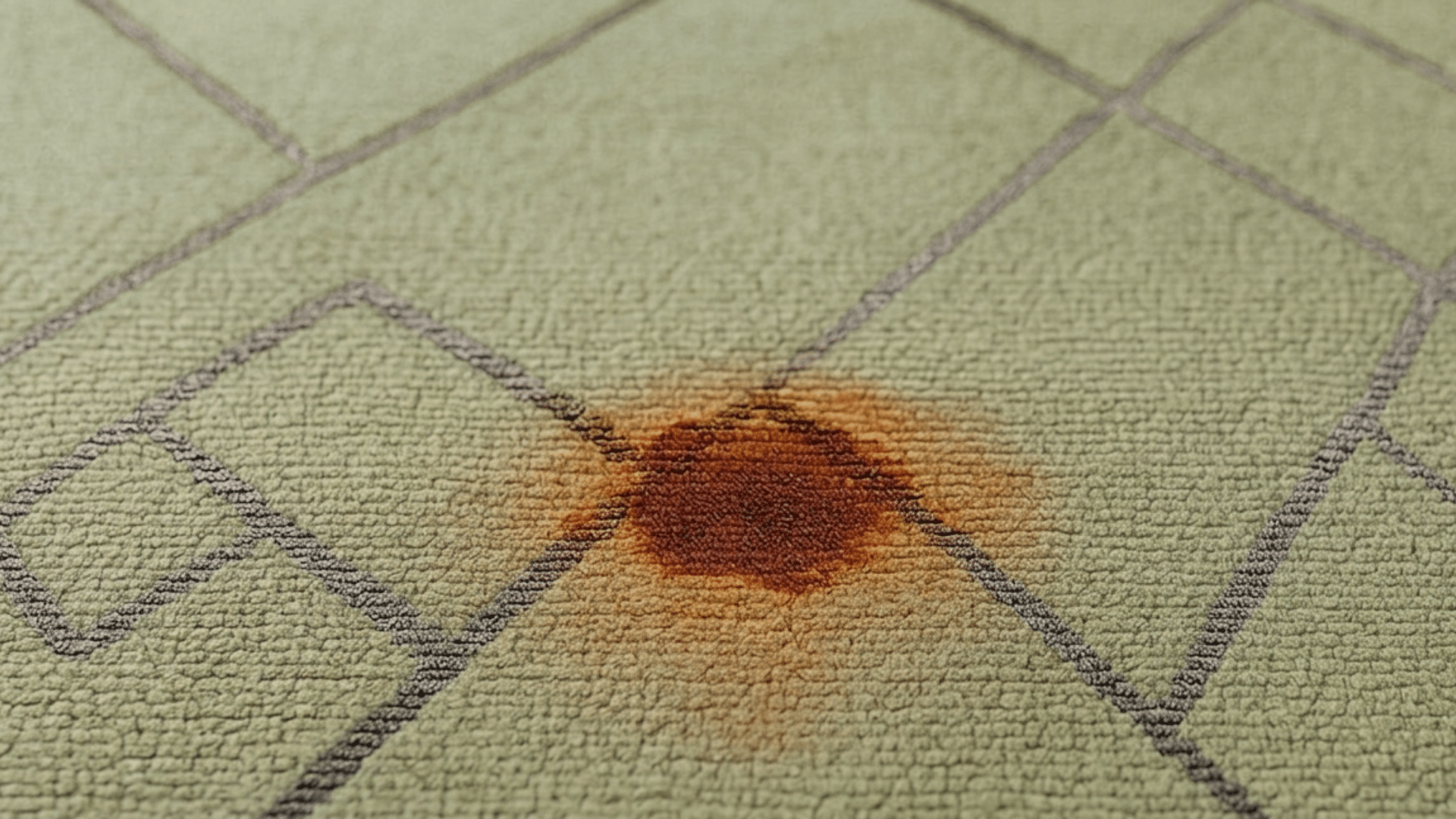
Rust stains on carpets can feel frustrating, especially when they refuse to fade with normal cleaning. These stains often show up out of nowhere and can ruin the look of your room.
How to get these rust stains out of carpet is a common issue many people deal with at home.
I’ve seen people test things like WD40 and simple rust-removing DIY methods, and some of them work surprisingly well when used the right way.
In this guide, I’ll share clear steps, explain what causes rust stains on carpet, and cover the best rust removers for carpets that you can try without stress.
Keep reading and try these easy tips one by one to bring your carpet back to life.
How to Remove Rust Stains from Carpet?
Rust stains can settle deep into carpet fibers, making them difficult to remove if not treated quickly and properly.
Rust stains form when metal gets wet and leaves reddish-brown marks on the carpet.
The best way to remove them is by using simple household ingredients that gently break down the stain without damaging the carpet fibers.
One effective method is to sprinkle salt over the stained area and pour fresh lemon juice on top. Let the mixture sit for about 20–30 minutes, then blot it with a clean cloth and rinse with water.
White vinegar is another useful option, as its acidic nature helps loosen rust stains effectively.
Always blot gently instead of scrubbing harshly, because rough cleaning can spread the stain further or damage the carpet texture permanently
How to Get Rust out of Carpet?
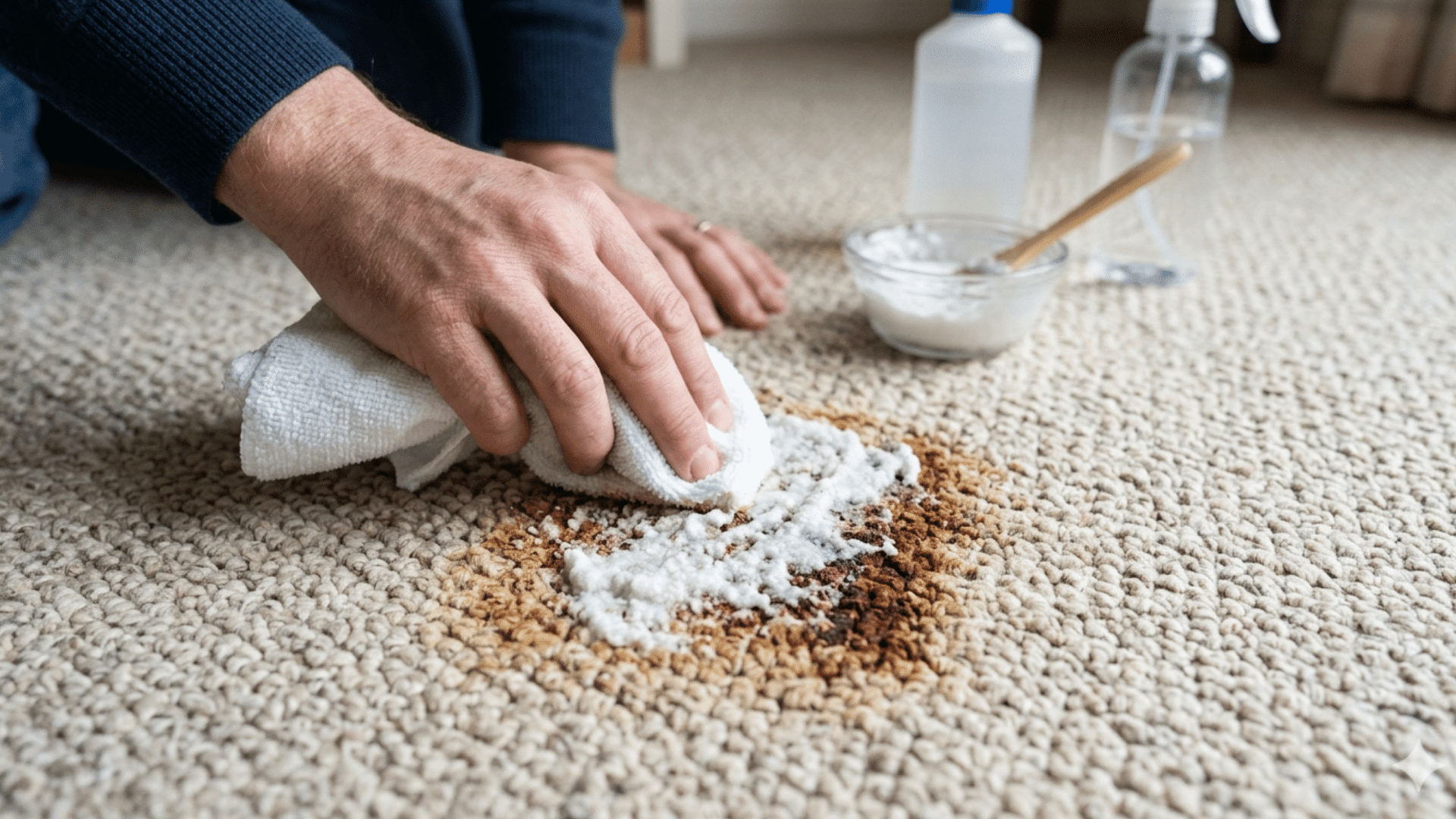
You can remove rust stains at home using simple steps. Follow each method carefully for the best results.
Method 1: Lemon Juice & Salt (Most Recommended DIY)
This method works well for most rust stains and is one of the easiest DIY solutions to try at home.
Lemon juice contains natural acids that help break down rust particles, while salt acts as a mild abrasive to lift the stain from carpet fibers.
Together, they can help remove rust marks without using harsh cleaning products.
Materials needed: Lemon juice, Salt, Clean cloth, Water
Steps to follow:
- Sprinkle salt over the stain.
- Pour lemon juice on top of the salt.
- Let it sit for 20 to 30 minutes.
- Blot gently with a clean cloth.
- Rinse with water and let it dry.
Method 2: White Vinegar Solution
This method works well for light or fresh rust stains that have not soaked deep into the carpet fibers.
White vinegar helps break down the stain, making it easier to lift from the carpet. It is a simple and affordable option that many people already have at home.
Materials needed: White vinegar, a clean cloth, and water
Steps to follow:
- Pour a small amount of white vinegar on the stain.
- Let it sit for 10 to 15 minutes.
- Blot gently with a clean cloth.
- Repeat if needed.
- Rinse with water and dry the area.
Method 3: Baking Soda Paste
Use this method when a rust stain remains after basic home cleaning. Stains that have been on the carpet for a while often settle deeper into the fibers and become harder to remove.
A rust remover can help break down the remaining stain and lift it from the carpet.
This step is especially useful when lemon juice, salt, or vinegar does not completely remove the rust marks.
Materials needed: Baking soda, Water, a clean cloth, and a vacuum
Steps to follow:
- Mix baking soda with a little water to make a paste.
- Apply the paste to the stain.
- Let it dry completely.
- Vacuum the dried paste.
- Blot with a damp cloth if needed.
Method 4: Hydrogen Peroxide Paste
This method works well for stubborn rust stains that do not respond to basic cleaning solutions.
Hydrogen peroxide helps break down rust particles, making them easier to remove from the carpet.
When mixed into a paste, it can reach deeper into the fibers and lift trapped stains. This approach is often helpful for older rust marks that have had time to set.
Materials needed: Hydrogen peroxide, Baking soda, Clean cloth, Water
Steps to follow:
- Mix hydrogen peroxide and baking soda to form a paste.
- Apply the paste directly to the stain.
- Let it sit for 10 to 15 minutes.
- Blot gently with a clean cloth.
- Rinse with water and let the carpet dry.
Store-Bought Solutions to Get Rust out of Carpet
Sometimes home methods don’t fully clear the stain, and that’s okay. This is where store-bought cleaners can help, especially for older or deeper marks.
- OxiClean Carpet & Area Rug Stain Remover: I’ve seen this work well on both fresh and older stains. It’s easy to spray and blot.
- Bissell Oxy Stain Pretreat: This one goes deeper into the carpet and helps lift tough spots.
- Folex Carpet Spot Remover: A simple option for quick cleanup without a strong smell.
- Pro’s Choice Rust Away: Made for rust stains, so it works better when DIY methods don’t help.
- Whink Rust Stain Remover: Strong and useful for heavy rust marks, but use it carefully.
These cleaners are helpful when the stain is old, dark, or just not going away after a few tries at home. I’d suggest starting with a small amount and always testing it on a hidden part of your carpet first.
What Reddit Users Say about How to Get Rust out of Carpet?
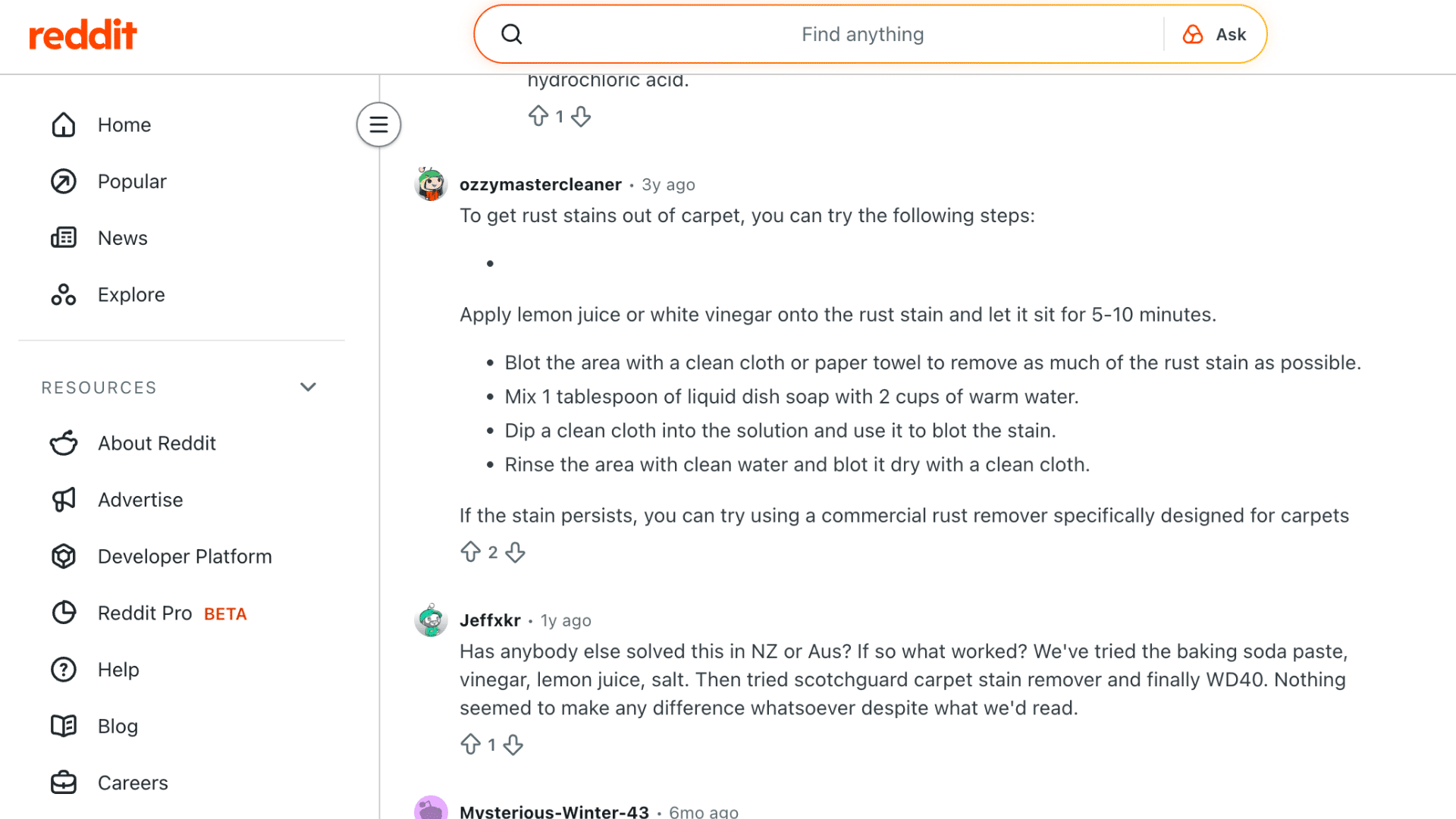
I spent time going through Reddit threads to see what people are actually doing. Rust stains on carpet can look scary, but many people say they are not too hard to remove if you act right.
In the discussion, some users suggest using simple home items like lemon juice or white vinegar to break down the rust.
You can apply it, let it sit for a few minutes, then blot it with a clean cloth. Others recommend mixing dish soap with warm water for extra cleaning.
Some users also mention store-bought rust removers, but warn they can be strong and may need careful use.
A few people had trouble removing older stains, even after trying many methods. That shows timing matters. If the stain sits too long, it becomes harder to clean.
If nothing works, a professional carpet cleaner may be the best option to fully remove the rust marks.
What Causes Rust Stains on Carpet?
Rust stains usually appear when metal sits on a damp carpet for too long; once moisture and metal meet, the stain can form without much warning.
- Metal furniture on damp carpet: this is one of the most common causes. If chair legs, table legs, or bed frames sit on a wet or slightly damp carpet, the metal can start to rust and leave marks behind.
- Wet cans or tools left on carpet: metal items like soda cans, paint cans, or tools can stain the carpet if they are left there while wet. Even a small amount of moisture can lead to rust over time.
- Water with iron after leaks or spills: sometimes the water itself carries iron. When that water sits on the carpet or dries slowly, it can leave rusty marks on the surface.
- Carpet padding reacting with metal: In some cases, the layer under the carpet reacts with metal objects and moisture. This can cause rust stains to rise to the surface and appear on the carpet later.
How Does Carpet Type Affect Rust Removal?
Different carpet materials react differently to rust stains and cleaning solutions, so choosing the right cleaning method is important to avoid damage.
| Carpet Type | Effect on Rust Removal | Recommended Cleaning Approach |
|---|---|---|
| Wool Carpet | Wool fibers are delicate and can get damaged by strong acidic cleaners. | Use mild lemon juice or diluted vinegar and blot gently without scrubbing. |
| Synthetic Carpet | Synthetic carpets, such as nylon or polyester, are more stain-resistant and easier to clean. | Most DIY rust removal methods work effectively on these carpets. |
| Cotton Carpet | Cotton absorbs moisture quickly, which can make rust stains spread deeper. | Use minimal liquid and dry the area properly after cleaning. |
| Berber Carpet | The looped fibers can trap rust particles deep inside the carpet. | Blot carefully and repeat the cleaning process if needed. |
| Silk or Delicate Fibers | These carpets are highly sensitive to chemicals and rough handling. | Professional carpet cleaning is usually the safest option. |
Does WD-40 Remove Rust from Carpet?
Yes, WD-40 can remove rust from carpet, but it may leave behind its own stains and residue.
While it may help break down rust stains, WD-40 is oil-based, which means it can leave behind a greasy residue that sticks to carpet fibers and may become harder to clean than the rust itself.
This oily layer can also attract dust and dirt over time, causing the same area to look dirty again later.
Because of these drawbacks, many people avoid using WD-40 on carpets.
If you still decide to try it, make sure to clean the area immediately afterward with mild detergent and water to remove the oil and reduce potential damage.
In most cases, the lemon and salt method is a better alternative because it works effectively on rust stains without leaving any oily residue, making it a safer choice for carpets.
Tips to Prevent Rust Stains on Carpets
Rust stains are easier to prevent than to remove, and a few simple habits can help keep your carpet clean, dry, and protected.
- Use protective pads under furniture: Place pads under metal legs to stop moisture buildup and prevent rust stains.
- Avoid placing wet metal objects: Keep wet cans, tools, and metal items off carpets to prevent rust from forming.
- Maintain regular carpet cleaning habits: Clean spills quickly and vacuum often to reduce moisture and dirt buildup.
- Control moisture levels: Keep carpets dry by using fans, opening windows, and fixing leaks promptly.
- Check furniture regularly: Inspect metal furniture legs for rust before stains spread to the carpet.
- Dry carpets after cleaning: Make sure carpets dry fully after washing or deep cleaning.
When to Call a Professional Cleaner?
Sometimes, home cleaning methods are not enough, and that is when professional help can make a real difference.
If the rust stain is old or has soaked deep into the carpet, it can be much harder to remove with simple at-home treatments.
The same applies to delicate or high-value carpets, where using the wrong product can cause damage.
In these cases, calling expert cleaning services like Chem-Dry, SERVPRO, or Stanley Steemer is often the safer choice.
While DIY methods may cost less in the beginning, professional cleaning often delivers stronger results and can remove the stain more thoroughly.
Conclusion
Rust stains can look tough, but the right approach makes them easier to handle. Simple methods like lemon and salt or gentle cleaners often give better results without harming your carpet.
The key is to stay patient and not rush the process. Act quickly when you spot a stain.
Fresh marks are much easier to clean, while old ones take more time and effort. Also, avoid using harsh products that can damage fibers or leave residue.
Before using any method, always test it on a small hidden area. This helps you avoid unwanted damage.
Now it’s your turn to take action. Start with a simple method, follow the steps, and see what works best for your carpet.
Frequently Asked Questions
Will Hydrogen Peroxide Remove Rust Stains?
Yes, hydrogen peroxide can remove rust stains. It works best when mixed with baking soda to form a paste. Apply, let it sit, scrub gently, then rinse clean.
How Long Does It Take to Remove Rust Stains?
It usually takes 10 to 30 minutes to remove rust stains. Light stains clear faster, while deeper stains may need more time or repeated cleaning for better results.
Will Dawn Remove Rust Stains?
No, Dawn dish soap alone will not remove rust stains. It can help clean dirt and grease, but you need something acidic like vinegar or lemon juice to break down rust.
Can Coca-Cola Remove Rust?
Yes, Coca-Cola can remove rust. It contains mild acids that help break down rust. Soak the item or apply it, wait a few hours, then scrub and rinse clean.