

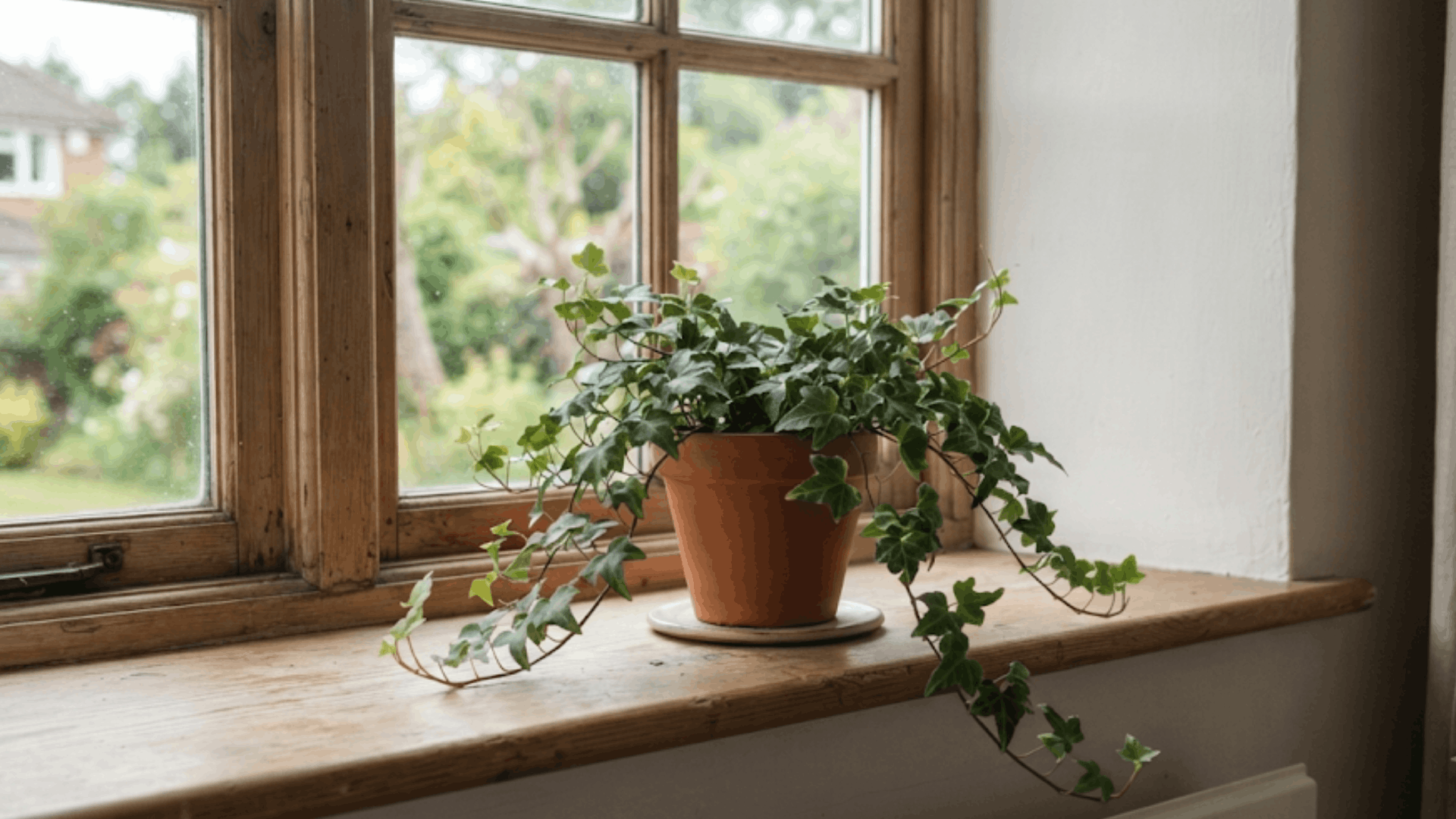
English ivy may look like a simple trailing vine, but its reputation reaches far beyond home decor. I’ve grown it in a few different rooms over the years, mostly for the calm green trail it adds along a shelf or window ledge.
The plant has been linked with loyalty, friendship, endurance, and affection across different traditions.
It is also known for reported air-cleaning abilities, though those claims need some context, and English ivy indoor plants carry a folklore history that goes back further than most houseplants.
Key Takeaways
|
What Is an English Ivy Plant?
English ivy is an evergreen woody vine scientifically named Hedera helix. It belongs to the Araliaceae family and is native to much of Europe and western Asia.
English ivy is commonly linked with loyalty, endurance, affection, friendship, continuity, protection, and eternal life.
These meanings often appear in weddings, friendship gifts, memorials, and older European customs.
The National Park Service describes English ivy as an evergreen climbing vine with aerial roots that attach to trees, walls, and other surfaces.
Is English Ivy Safe to Keep at Home?
English ivy is not safe to eat, and that’s easy to forget given how charming the plant looks trailing off a shelf.
Contact with the sap can cause a skin rash in people and pets with sensitive skin. Ingesting leaves or berries may cause drooling, vomiting, or stomach upset in cats and dogs.
Children are more likely to put leaves in their mouths, so keep pots on high shelves or in hanging baskets.
Wash your hands after pruning or handling the vine, especially before touching your face.
If a pet or child swallows a leaf, contact a veterinarian or poison control rather than waiting to see what happens.
What Are the Benefits of Keeping English Ivy Indoors?
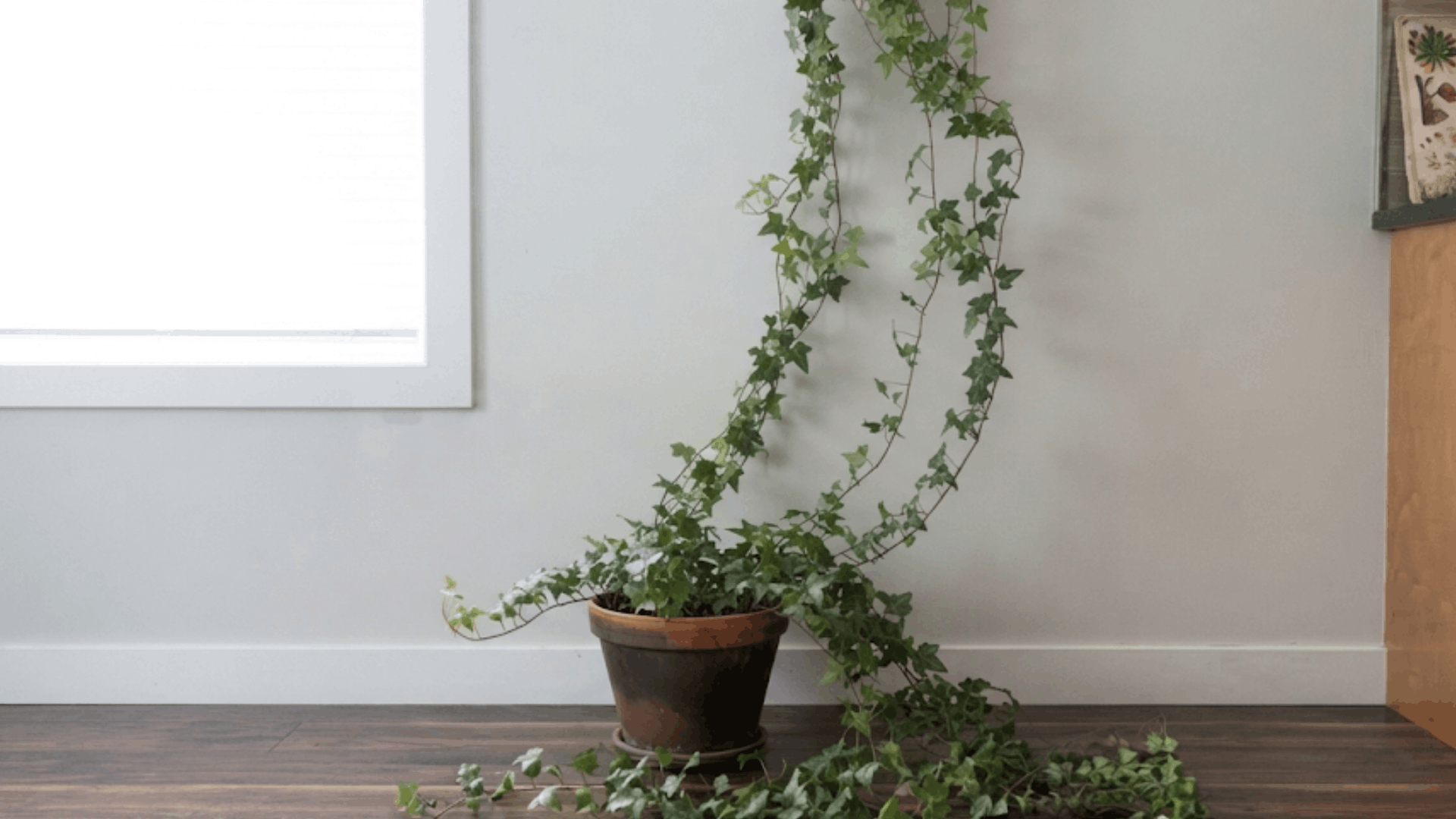
English ivy adds natural color, fits many display areas, and carries personal meaning that can make it a thoughtful addition to the home.
1. Enhances Indoor Decor
English ivy is prized for its cascading vines and evergreen foliage that instantly brighten indoor spaces. It looks beautiful in hanging baskets, on shelves, and in decorative pots, adding texture and a natural touch.
Its versatile growth habit blends well with modern, rustic, and traditional home décor, making it one of the most popular indoor plants.
2. Helps Improve Indoor Air Quality
In the NASA’s 1989 indoor plant chamber testing, English ivy was included and recorded removal of benzene, formaldehyde, and trichloroethylene from sealed test chambers.
Although it should not replace good ventilation or an air purifier, it can contribute to a fresher indoor setting as part of a collection of healthy houseplants.
Its lush foliage also creates a cleaner and more inviting living space.
3. Helps Increase Indoor Humidity
English ivy releases moisture into the air through a natural process called transpiration. This can slightly raise indoor humidity, especially when several plants are grown together.
Added humidity may help reduce the effects of dry indoor air on skin, nasal passages, and wooden furniture during colder seasons or in air-conditioned rooms.
4. Creates a Relaxing Atmosphere
Keeping English ivy indoors adds a calming, natural element to your home or workspace. Green plants can make rooms feel more comfortable and welcoming while encouraging a peaceful environment.
Its graceful trailing vines soften interior spaces and provide year-round greenery that many people find visually refreshing.
5. Easy to Grow and Maintain
English ivy is a beginner-friendly houseplant that adapts well to indoor conditions with minimal care. It grows steadily in bright, indirect light and only requires occasional watering, light feeding, and regular pruning.
Its low-maintenance nature makes it a great choice for anyone looking to enjoy indoor greenery without much effort.
If you want to compare other houseplants, read about the best indoor plants for air quality and compare their light, care, and safety needs.
Places to Keep English Ivy Indoors
Choose a spot with bright, indirect light, steady airflow, and enough room for the vines to trail without touching walls or furniture.
- Hanging basket: Place it near a bright window where the vines can hang freely without blocking the light.
- High shelf: A raised shelf displays the trailing leaves while keeping the plant away from children and pets.
- Bathroom window: A bathroom with natural light and airflow can provide the humidity English ivy prefers.
- Home office: Set the pot on a cabinet or shelf to add greenery without taking up desk space.
- Kitchen ledge: Choose a bright ledge away from the stove, hot appliances, and sudden temperature changes.
- Plant stand: Use a tall stand near filtered light to give the stems space to grow downward.
How to Grow English Ivy Indoors?
Growing English ivy indoors is simple when you provide the right conditions. Follow these five steps to help your plant stay healthy and produce lush, trailing vines.
Step 1: Choose a Healthy Plant
Start with a healthy English ivy plant or rooted cutting from a reputable nursery. Look for vibrant green leaves, firm stems, and no signs of pests, diseases, or yellowing foliage.
Step 2: Plant It Properly
Use a pot with drainage holes and fill it with a well-drained potting mix. Place the plant in bright, indirect sunlight to encourage healthy growth and prevent leaf scorch.
Step 3: Water and Fertilize
Water when the top inch of soil feels dry, allowing excess water to drain away. Feed with a balanced liquid fertilizer once a month during spring and summer.
TIP: If dry indoor air affects the leaves, learning how to increase humidity for plants can help you maintain steadier growing conditions.
Step 4: Prune Regularly
Trim long vines to maintain the desired shape and encourage fuller growth. Remove yellow or damaged leaves to improve the plant’s appearance and overall health.
Step 5: Propagate When Needed
Take a 4–6 inch stem cutting, remove the lower leaves, and place it in water or moist potting mix. Once roots develop, transplant it into a new pot.
Common English Ivy Varieties for Indoors
| English Ivy Variety | Key Characteristic |
|---|---|
| Glacier English Ivy | Small green leaves with creamy-white edges |
| Gold Child English Ivy | Bright golden-yellow leaf margins |
| Needlepoint English Ivy | Deeply lobed, pointed leaves with dense growth |
| Duckfoot English Ivy | Distinctive duck-foot-shaped leaves and a compact habit |
| Anne Marie English Ivy | Variegated leaves with creamy-white borders |
| Eva English Ivy | Curled gray-green leaves edged in creamy white |
| Kolibri English Ivy | Tiny variegated leaves, ideal for small containers |
| Manda’s Crested English Ivy | Ruffled, crested leaf tips with an unusual appearance |
| Shamrock English Ivy | Rounded, shamrock-shaped leaves and bushy growth |
| Pittsburgh English Ivy | Fast-growing vines with glossy dark green foliage |
Tips for Raising English Ivy Indoors
Steady light, careful watering, cooler temperatures, and timely pruning can help English ivy maintain healthy leaves and controlled growth inside the home.
- Provide Filtered Light: Place the pot near an east- or north-facing window. Protect the leaves from harsh afternoon sun.
- Check Soil Before Watering: Water when the top inch feels slightly dry. Empty collected water from the saucer to prevent root rot.
- Maintain Cooler Conditions: Keep the plant away from heaters, fireplaces, and hot air vents. English ivy prefers moderate humidity and steady airflow.
- Feed During Active Growth: Apply diluted liquid houseplant fertilizer once a month during spring and summer. Reduce feeding during fall and winter.
- Prune and Rotate the Pot: Trim long or weak stems and turn the container regularly so each side receives similar light.
- Watch for Spider Mites: Inspect leaf undersides for pale spots, fine webbing, or tiny pests. Rinse affected foliage and separate the plant from others.
English Ivy vs Other Indoor Plants
Comparing growth style, light needs, care demands, and pet safety can help you choose a plant that suits your home.
| Indoor Plant | Growth Style | Light Preference | Care Demand | Safe for Cats and Dogs |
|---|---|---|---|---|
| Pothos | Long trailing vines | Low to bright, indirect light | Low | No |
| Spider plant | Arching leaves with hanging plantlets | Medium to bright, indirect light | Low | Yes |
| Heartleaf philodendron | Trailing, heart-shaped leaves | Medium, indirect light | Low | No |
| Boston fern | Full, arching fronds | Bright, indirect light | High | Yes |
| Snake plant | Upright, firm leaves | Low to bright, indirect light | Low | No |
| Peperomia | Compact leaves with varied shapes | Medium to bright, indirect light | Low | Yes |
Conclusion
English ivy brings trailing greenery, flexible placement, and meanings tied to loyalty, friendship, affection, and endurance.
Laboratory testing has linked the plant with limited pollutant removal, but one pot cannot clean the air in a normal room. Ventilation and filtration remain the stronger choices for indoor air care.
The plant needs bright, indirect light, slightly moist soil, pruning, and regular checks for spider mites.
Keep English ivy away from children and pets, as its leaves are toxic if eaten. It needs moderate care and offers a distinct trailing or climbing look.
If its care and safety needs suit your home, choose a healthy variety and place it where its vines can grow safely.
Frequently Asked Questions
Does English Ivy Produce Flowers Indoors?
English ivy rarely flowers indoors because flowering usually occurs on mature outdoor growth receiving strong light. Indoor plants are mainly grown for their evergreen trailing leaves.
Why Are English Ivy Leaves Turning Yellow?
Yellow leaves often point to excess water, poor drainage, or low light. Check the soil before watering and remove any water collected beneath the pot.
How Long Can Indoor English Ivy Live?
Indoor English ivy can live for many years when light, watering, pruning, and pest care remain consistent. Its lifespan also depends on variety and room conditions.
What Soil Does English Ivy Need?
Use loose potting soil that drains quickly while holding some moisture. A container with drainage holes reduces standing water around the roots and lowers the risk of rot.