

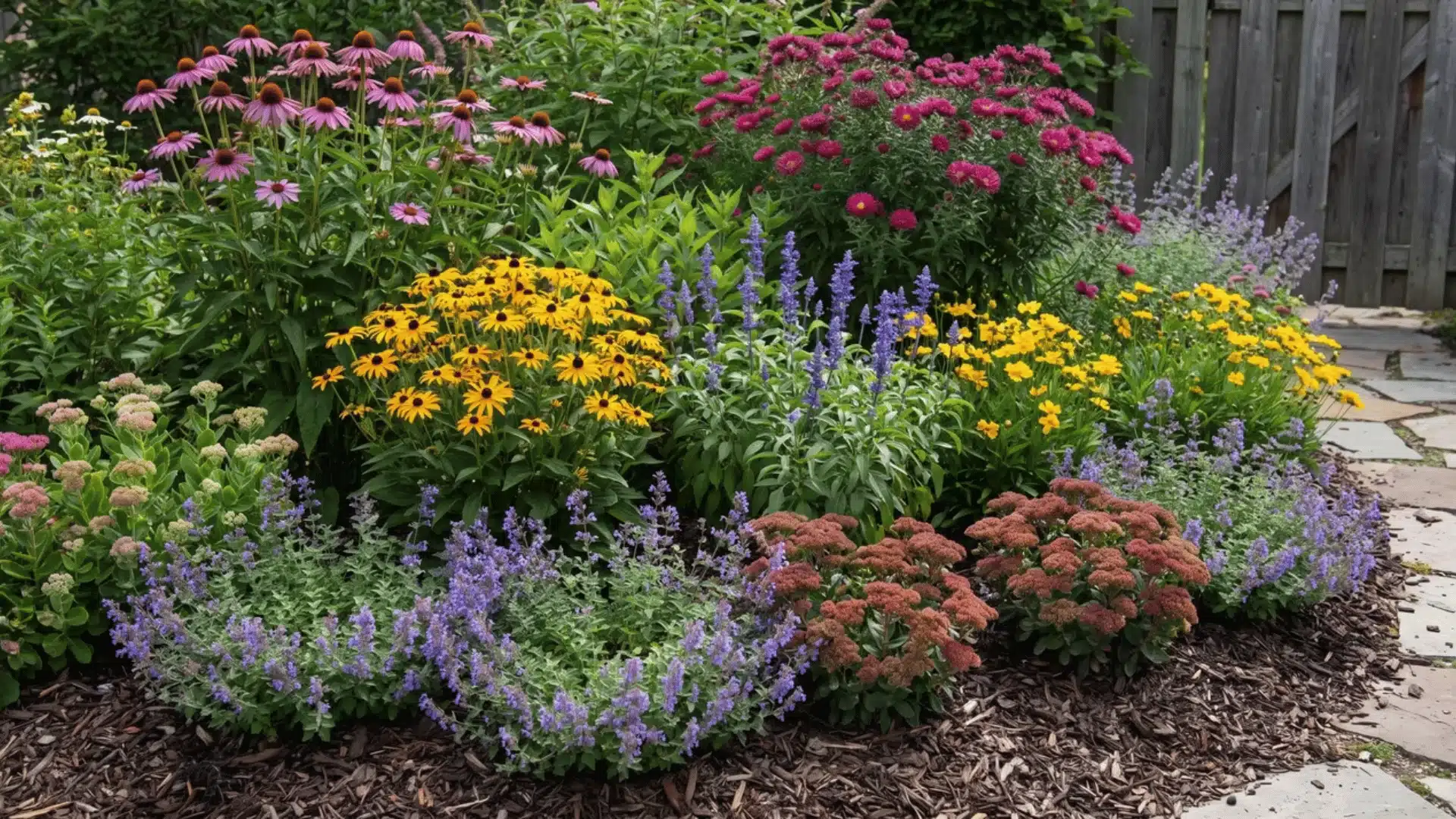
A garden can look beautiful in May and feel almost empty by August. The real challenge isn’t finding pretty flowers; it’s choosing plants that keep producing color instead of blooming once and disappearing for the rest of the season.
Finding reliable perennials that bloom from spring to fall trips up a lot of gardeners, since many so-called “long-blooming” plants actually flower in separate flushes rather than one continuous show.
Building the right mix matters more than chasing any single “best” plant: you need early spring bloomers, strong summer performers, and late-season varieties that overlap naturally so nothing lags for weeks at a time.
Below, I’ll walk through which perennials flower the longest, what growing conditions each one needs, and how deadheading or shearing extends bloom time. I’ll also cover which options perform best in sun versus shade, and across the USDA zones most home gardens fall into.
Which Perennials Actually Bloom From Spring to Fall?
Most perennials that bloom from spring to fall are reblooming rather than continuously flowering, and that distinction changes how you should plant them. Salvia, Coreopsis, and Catmint come closest to true nonstop color because they set new flower buds fast once old ones are cut away.
Everything else on this list works in flushes, so a garden built for season-long color actually needs a rotation of spring, summer, and fall performers rather than one miracle plant.
A little deadheading or shearing is what keeps that rotation going. Skip it, and even the longest-blooming perennial on this list will finish early. I will get into which technique to use and when further down, but the short version is this: most of these plants need you to remove spent flowers before they set seed, or they stop producing new ones.
What Long-Blooming Perennials Need to Keep Reblooming
Almost every plant on this list wants the same three things: full sun, soil that drains within a few hours of a heavy rain, and a gardener willing to deadhead on a rough two-week schedule during peak bloom. Skip any one of those and bud production slows, even on a plant rated for your zone.
Drainage matters more than most gardeners expect, especially for Salvia and Catmint. Both will rot at the crown in a wet winter faster than they will die from cold, so a raised bed or a handful of coarse sand worked into heavy clay does more for long-term survival than an extra layer of mulch.
Shade-tolerant exceptions like Toad Lily and Japanese Anemone are the outliers here; they want consistent moisture and protection from afternoon sun rather than the lean, dry conditions the sun-lovers prefer.
Spring-Anchored Bloomers
These seven open the season earliest and rebloom hardest when cut back. Shear them after the first flush, and they push a strong second wave later in the season.
1. Salvia
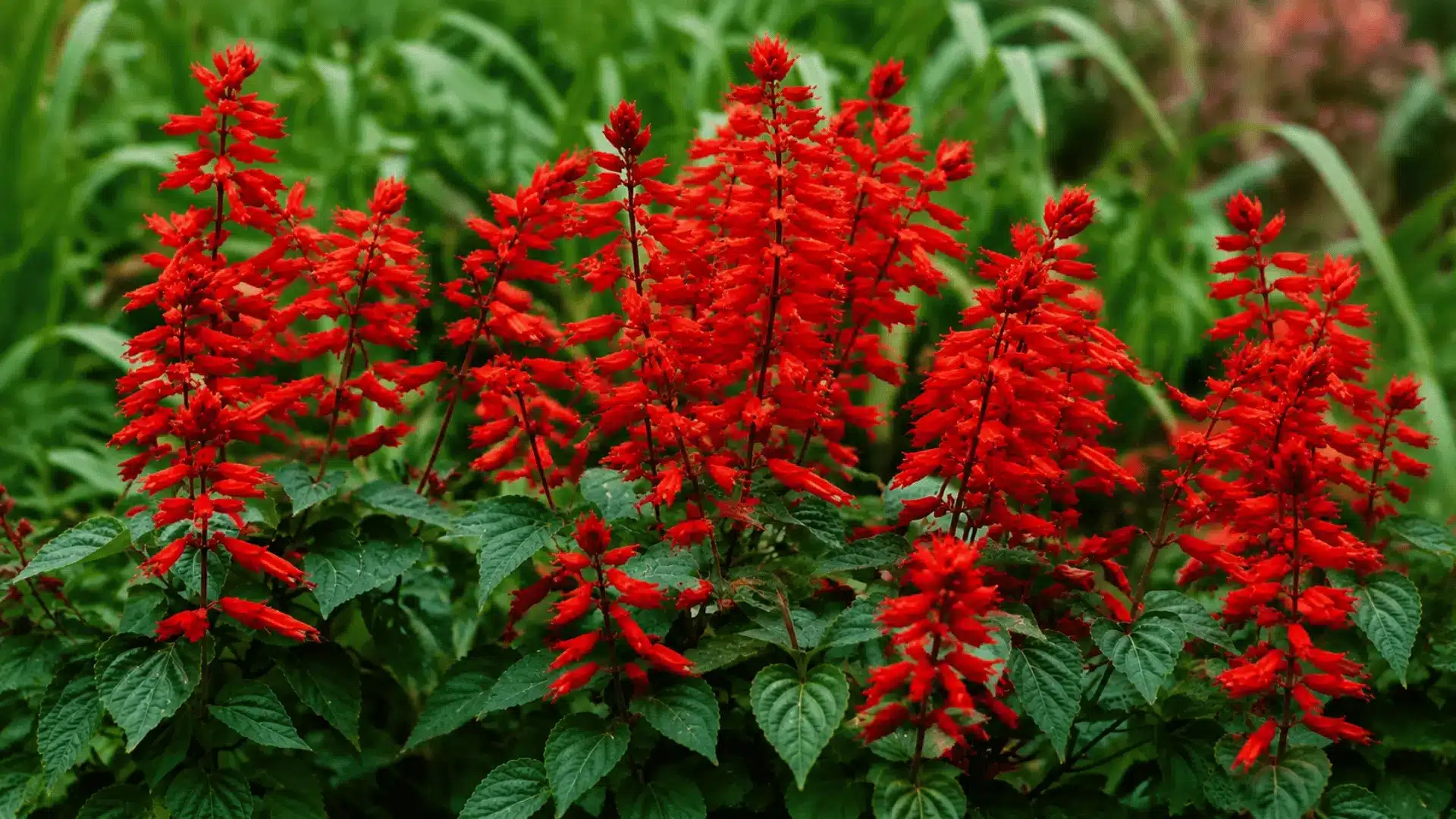
Salvia is hardy in USDA zones 4 to 8 and throws up tall spikes of purple, blue, or pink from late spring onward, blooming as close to continuously as any perennial gets. It wants full sun and fast-draining soil; a crown that sits wet through winter is the most common reason a stand fails.
Deadhead regularly, or shear the whole plant by half after the first flush, to keep new spikes coming through fall. It’s one of several deer-resistant flower picks that also happens to be drought-tolerant once established, and it earns the label “spring to fall” as genuinely as any perennial can.
2. Catmint (Nepeta)
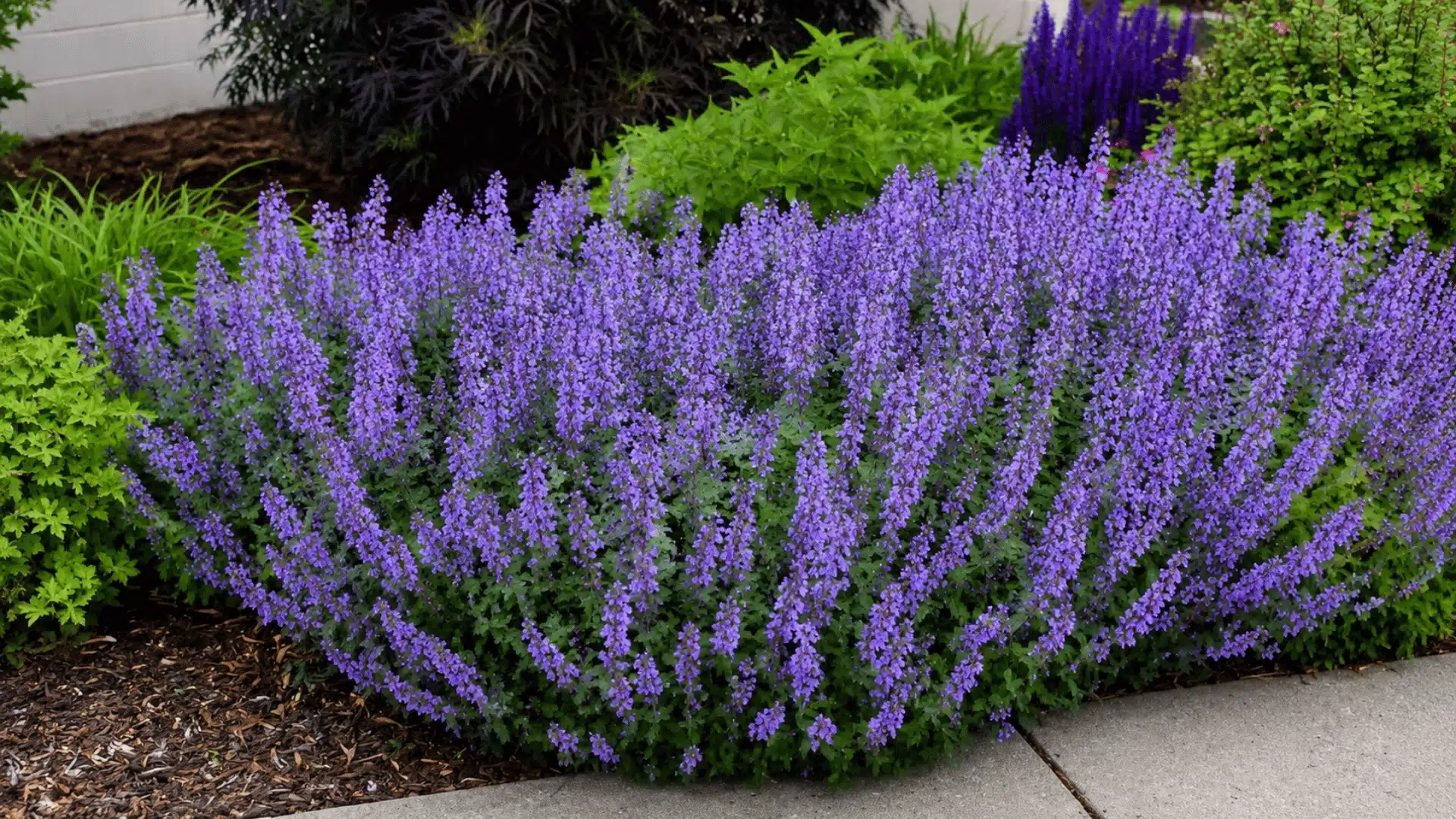
Catmint (Nepeta x faassenii) is hardy in zones 3 to 8 and opens in late spring with soft lavender-blue spikes above grey-green, fragrant foliage. Left alone, it tapers off by midsummer and looks tired, so shear it back by a third once the first heavy bloom fades.
It rebounds within a few weeks and flowers again through early fall, often better than the first flush. Few perennials are this forgiving, which makes it a strong choice for borders and edging where you want consistent color with minimal effort.
3. Yarrow (Achillea)
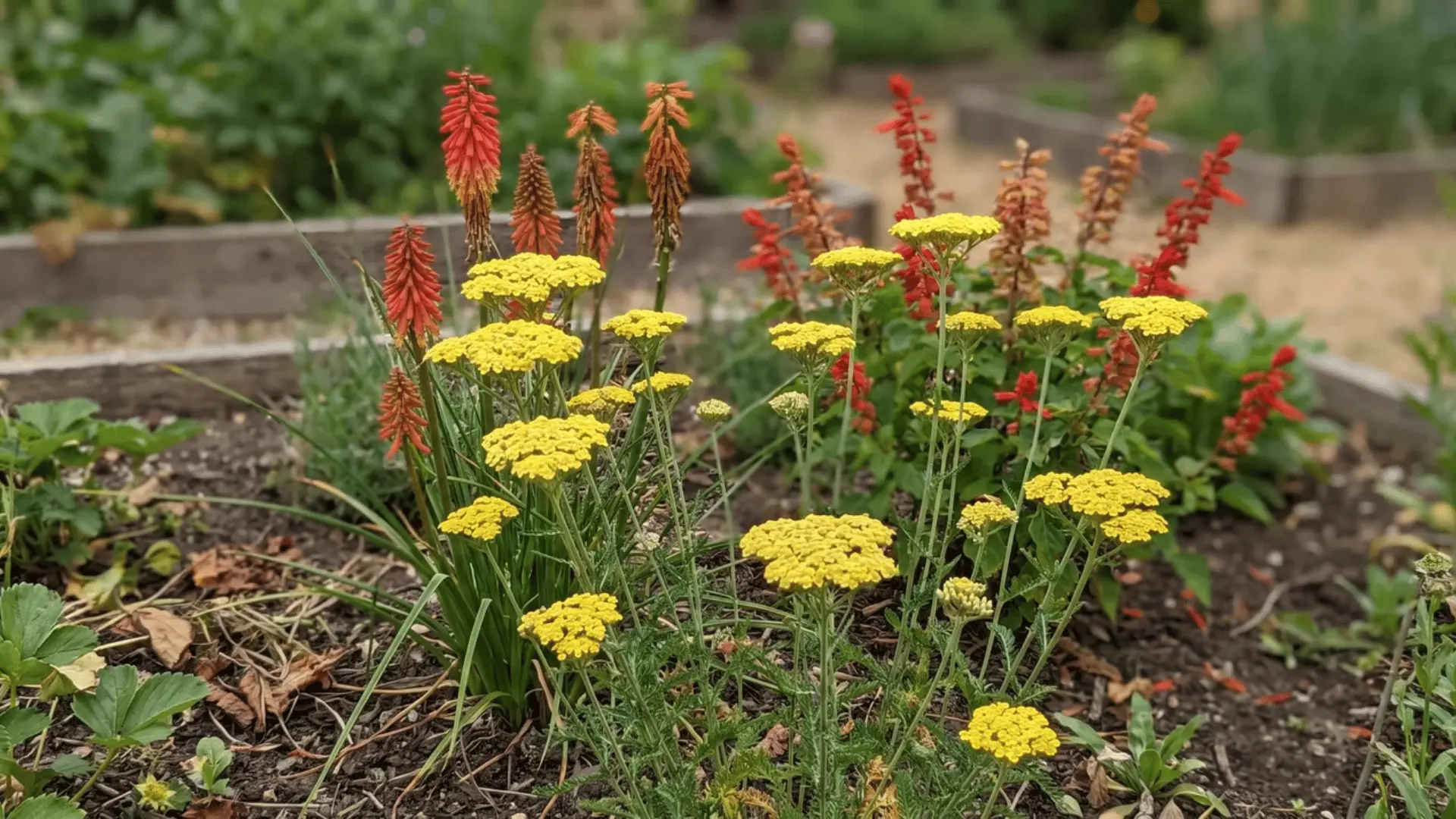
Yarrow (Achillea millefolium) is hardy in zones 3 to 9 and produces flat-topped flower clusters in yellow, white, red, or pink from late spring into early fall. It’s one of the more reliable drought-tolerant garden plants around, handling heat and dry soil better than most perennials on this list, and it tolerates heavy clay too.
Deadhead spent clusters as they fade to encourage new ones; it doesn’t need much from you to stay productive across a long season. It also attracts beneficial insects throughout its bloom period, which makes it a practical choice near vegetable beds.
4. Coreopsis (Tickseed)
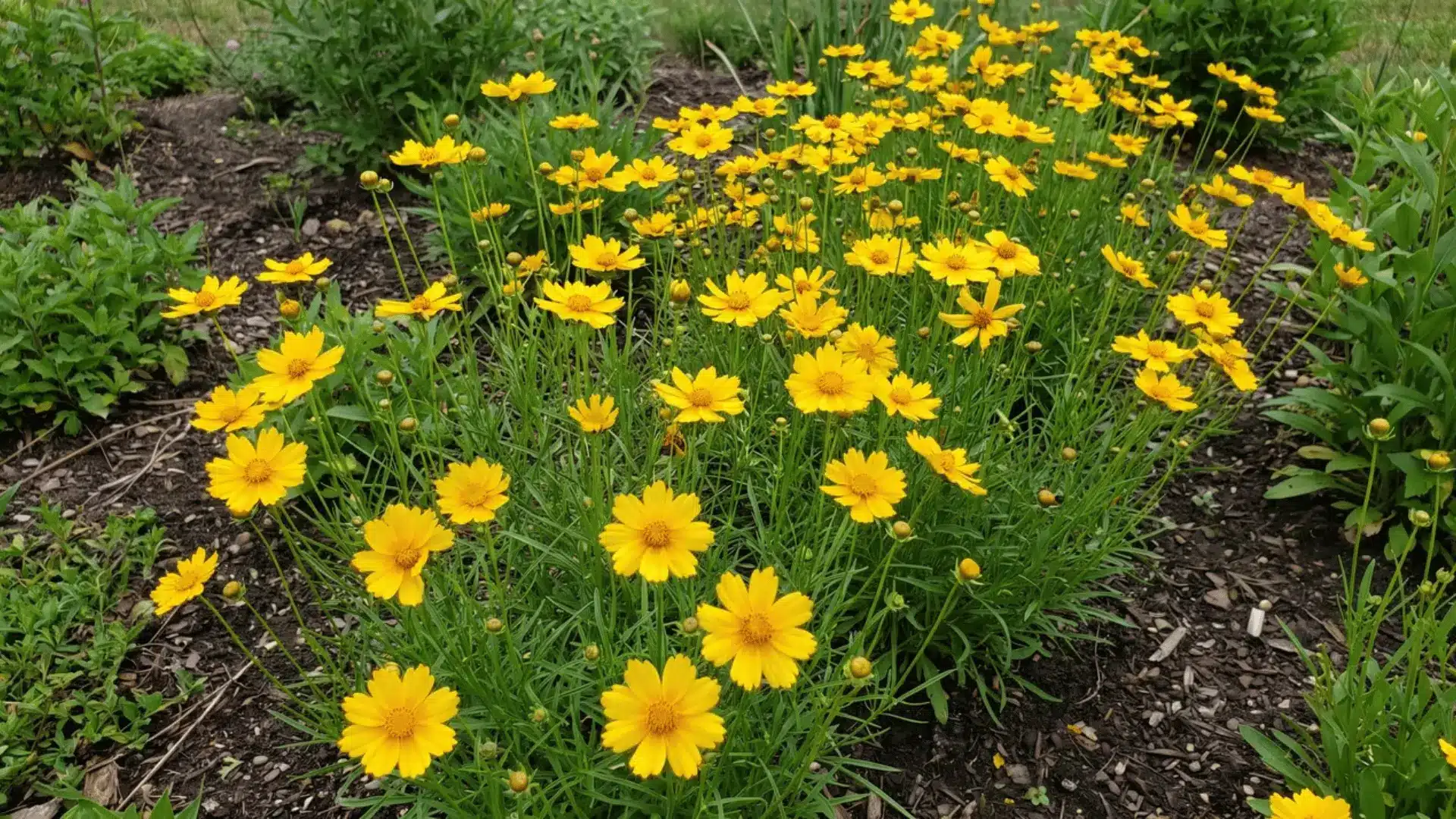
Coreopsis is reliably perennial in zones 4 to 9, with threadleaf types (Coreopsis verticillata) hardy down to zone 3. Bright yellow or gold flowers appear from late spring and rarely stop before the first frost, making it one of the longest-blooming perennials you can plant.
Full sun and well-drained soil are all it needs. Deadhead consistently and it barely pauses between flushes, running almost continuously from May through October. It is also one of the most heat-tolerant perennials available, so it’s a good pick for hot, dry summers.
5. Geranium ‘Rozanne’ (Cranesbill)
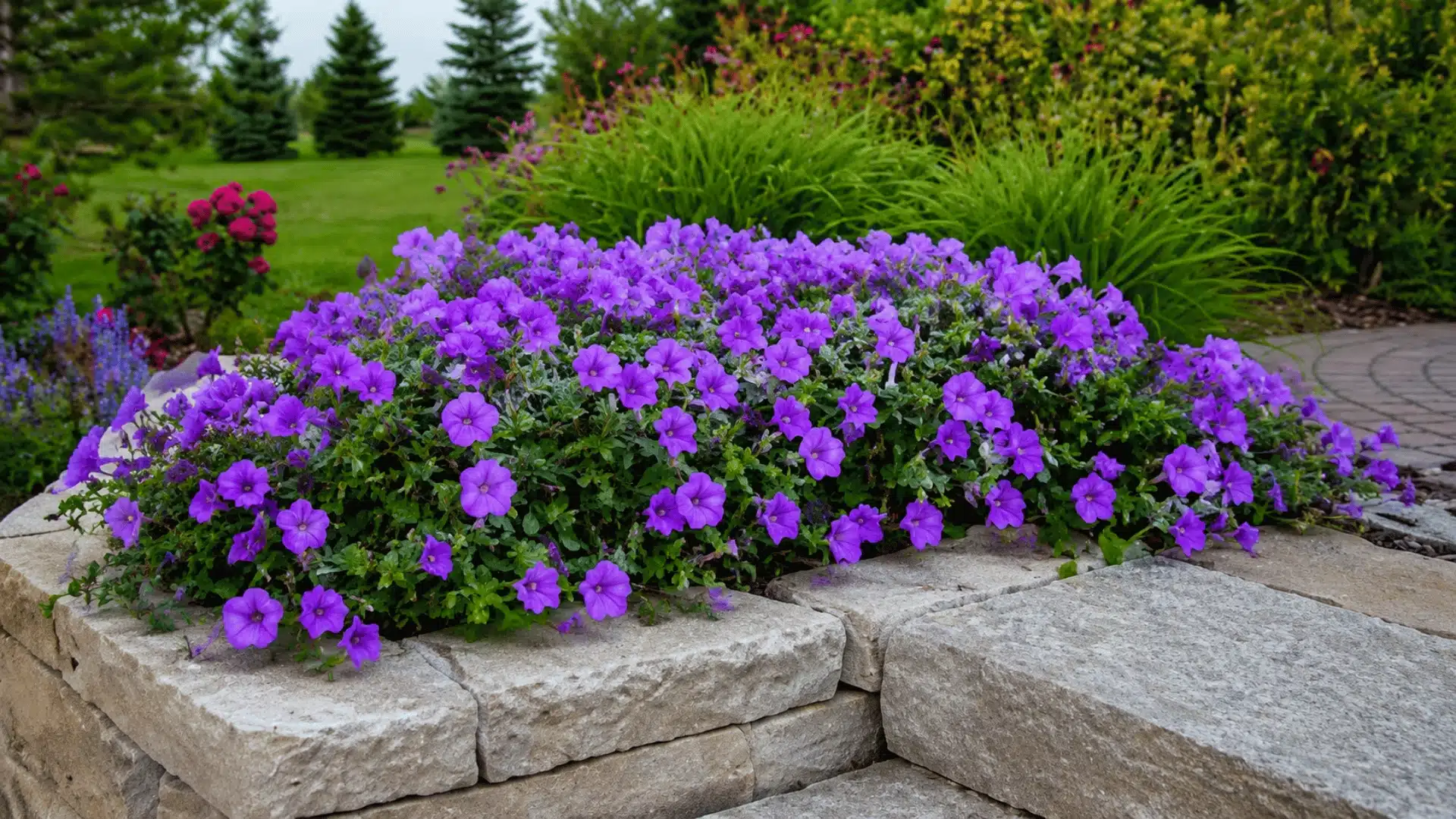
Rozanne is hardy in zones 5 to 8 and produces violet-blue flowers with white centers from late spring through fall. It’s sterile, so it never sets seed and needs almost no deadheading; that self-cleaning habit earned it the Perennial Plant of the Year award.
It sprawls attractively and fills gaps between upright plants better than most ground-level perennials. In hotter zones, give it afternoon shade to keep it blooming through the worst of summer instead of stalling.
6. Gaillardia (Blanket Flower)
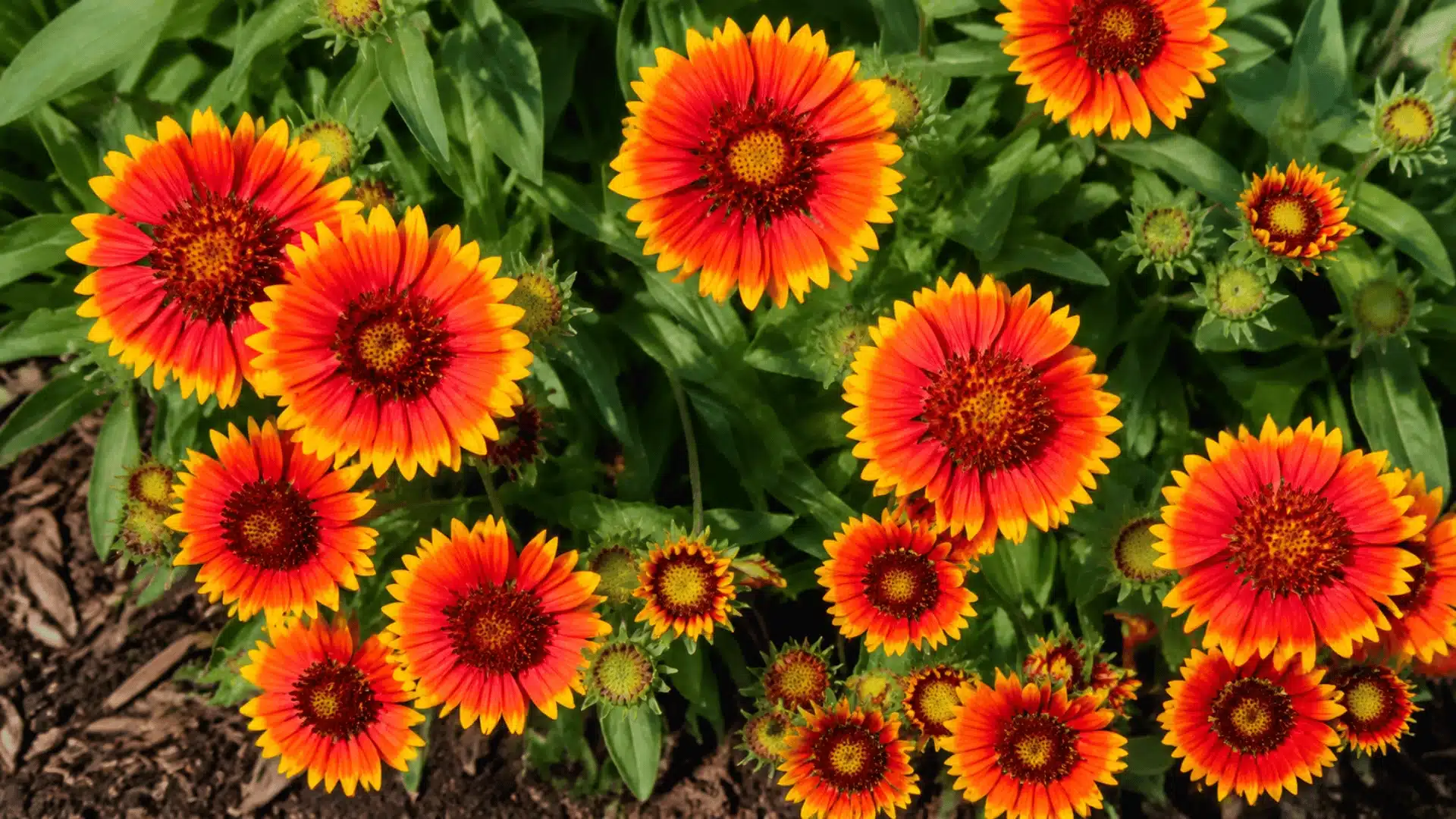
Gaillardia is hardy in zones 3 to 9 and blazes in red, orange, and yellow from late spring until frost. Few perennials match its heat tolerance and color intensity through the hottest weeks of summer, and full sun with dry to average soil suits it well.
Deadhead spent blooms regularly to keep new ones coming. It’s short-lived as perennials go, often lasting three to four years, so allow some self-seeding or plan to divide it rather than expecting the original crown to persist indefinitely.
7. Phlox
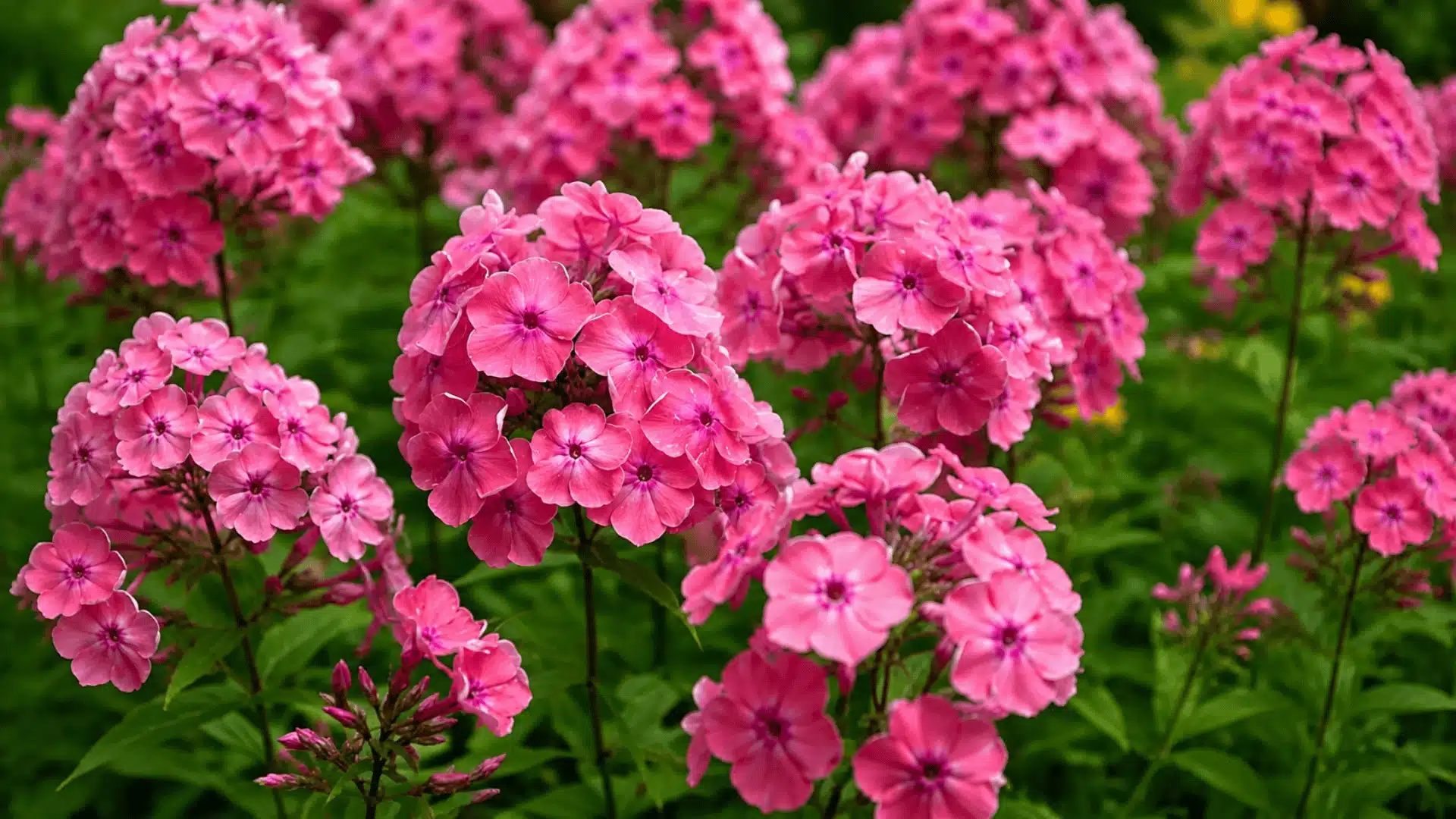
Garden phlox (Phlox paniculata) is hardy in zones 4 to 8 and delivers dense clusters of fragrant flowers in pink, white, red, or purple. Some varieties start in late spring, but most hit their peak in early to midsummer before tapering off.
Deadhead faded flower heads to extend the bloom and reduce self-seeding. Good air circulation around the plant is what actually prevents powdery mildew, its main weakness; crowd it against other perennials, and you’re asking for trouble by midsummer.
Tip: Shear Salvia and Catmint back by half as soon as the first flush of flowers turns brown, not when it looks fully finished. Wait too long into midsummer, and the plant won’t have time to push a second wave before fall temperatures slow growth.
Once the spring bloomers have had their first cutback, the perennials below start carrying the garden through the hottest stretch of the year. They need less intervention than the spring group, but a few of them reward a mid-season pinch or division just as much.
Summer Workhorses
These seven perennials peak in midsummer but carry well into fall with the right deadheading. They form the reliable backbone of any long-season planting scheme.
8. Coneflower (Echinacea)
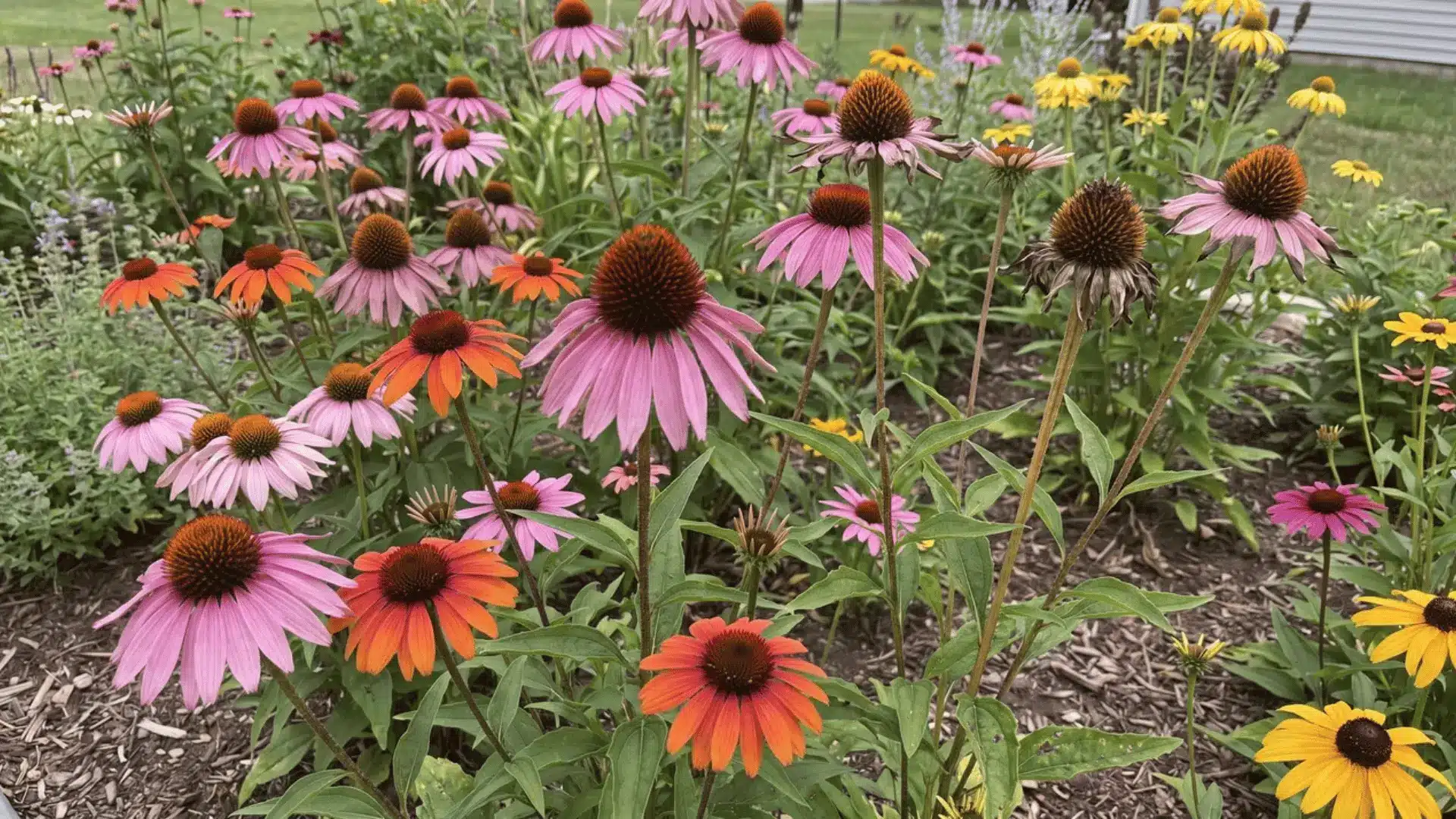
Echinacea purpurea is hardy in zones 3 to 8 and opens in early summer with daisy-like blooms in pink, purple, orange, or yellow. The petals droop slightly from a raised central cone that persists even after flowering ends, which is part of its appeal.
Deadhead to extend the bloom season into late summer, or leave the seed heads standing in fall; birds work through them steadily once the flowers are spent. Modern cultivars like ‘Cheyenne Spirit’ have expanded the color range well beyond the original purple.
9. Black-Eyed Susan (Rudbeckia)
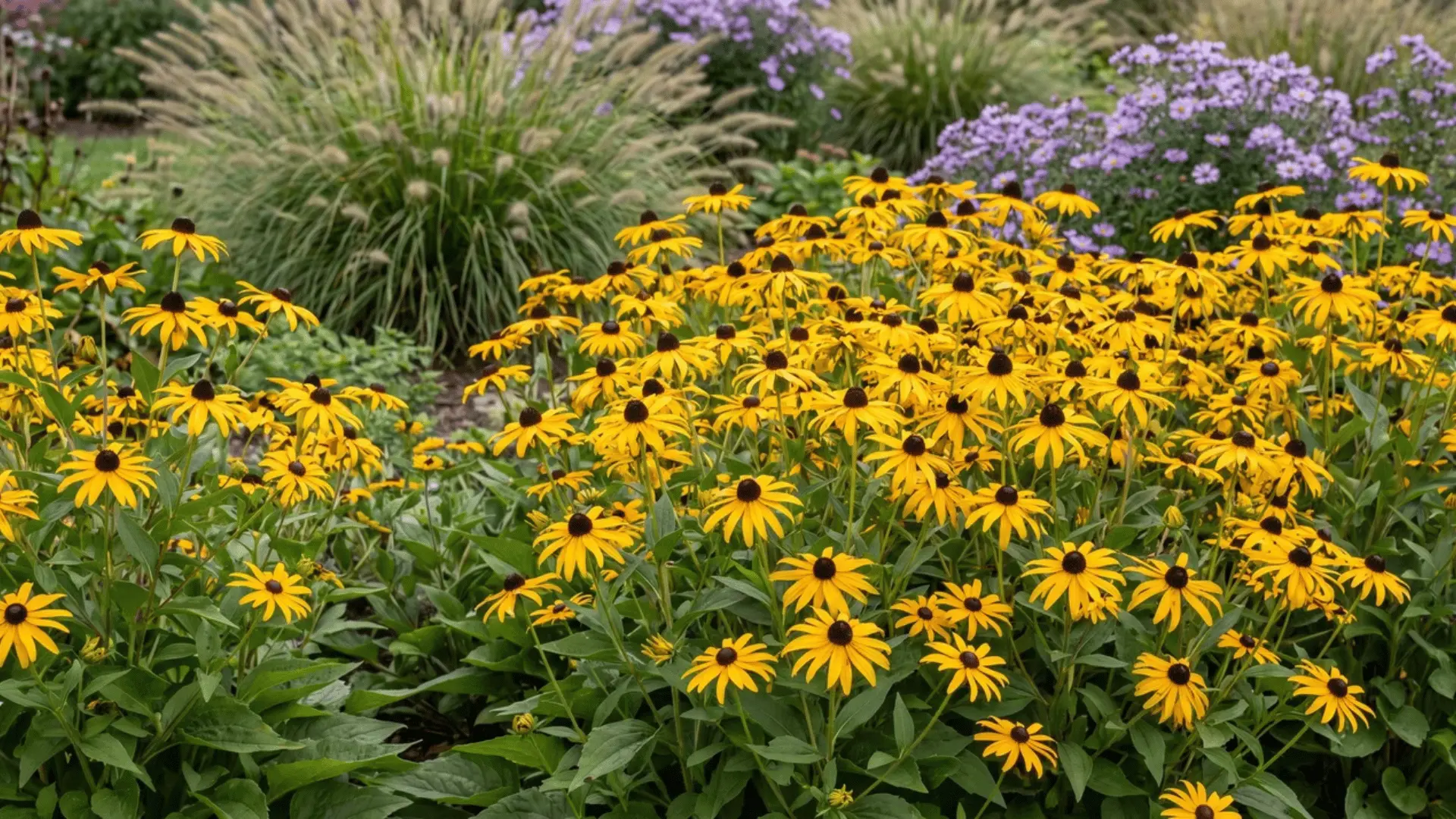
Rudbeckia fulgida is hardy in zones 4 to 9 and is one of the most reliable performers in any long-season garden. Golden-yellow petals around dark centers open through summer and carry into fall with little intervention.
It naturalizes easily and spreads over time. Deadhead for more flowers, or let it self-seed for a naturalistic look that fills space well. It pairs particularly well with ornamental grasses and late-blooming asters for a combination that carries from midsummer to the first hard frost.
10. Bee Balm (Monarda)
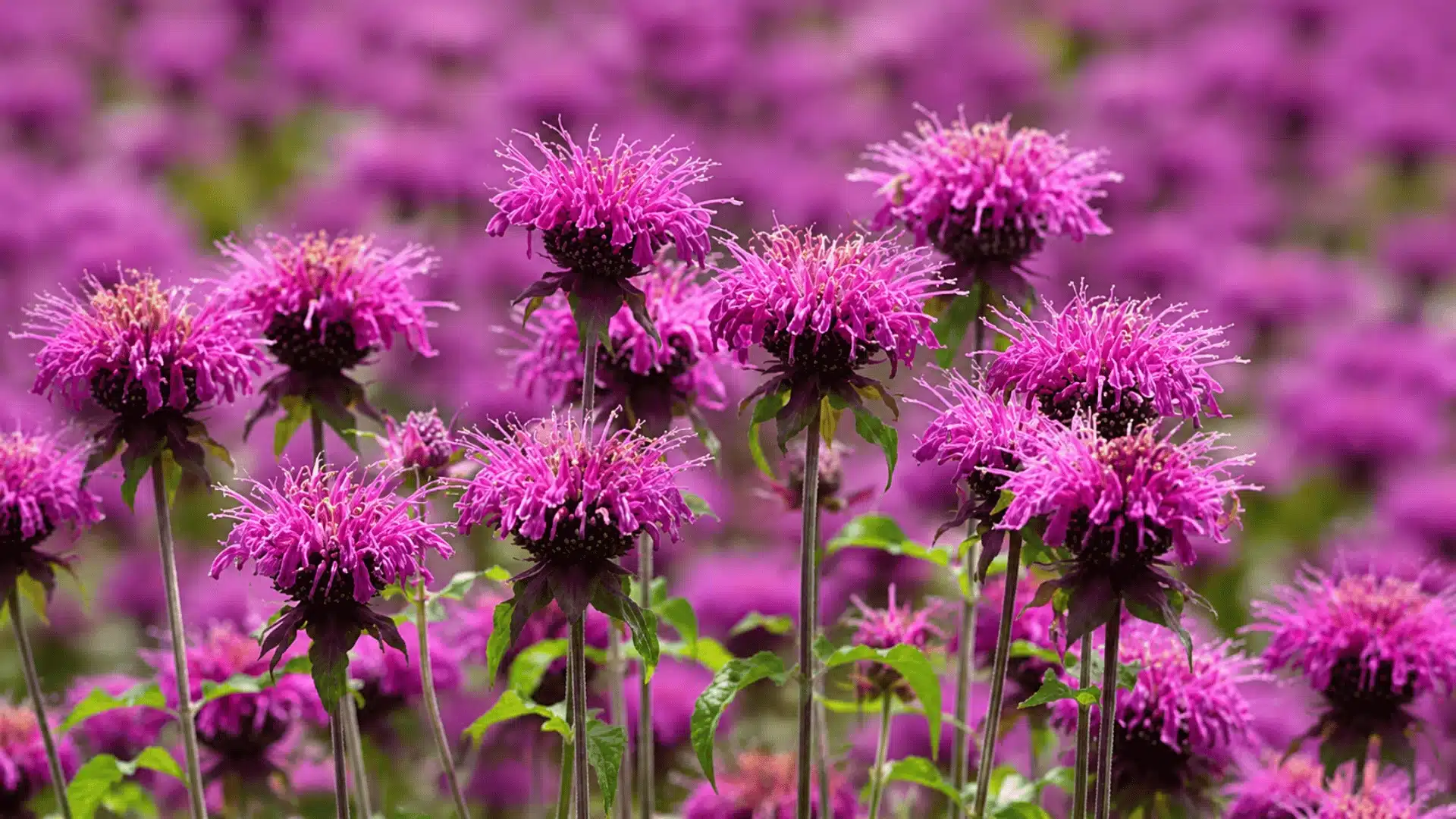
Bee Balm is hardy in zones 4 to 9 and produces shaggy, bright flower heads in red, pink, purple, or white from midsummer onward. It’s one of the most effective flowers for attracting pollinators, with hummingbirds visiting almost as often as bees throughout the season.
Cut it back after the first flush for a second bloom later in summer, and divide the plant every two to three years to maintain its vigor. It prefers moist soil and partial sun in hotter climates, but handles full sun well in cooler regions.
11. Daylily (Hemerocallis)
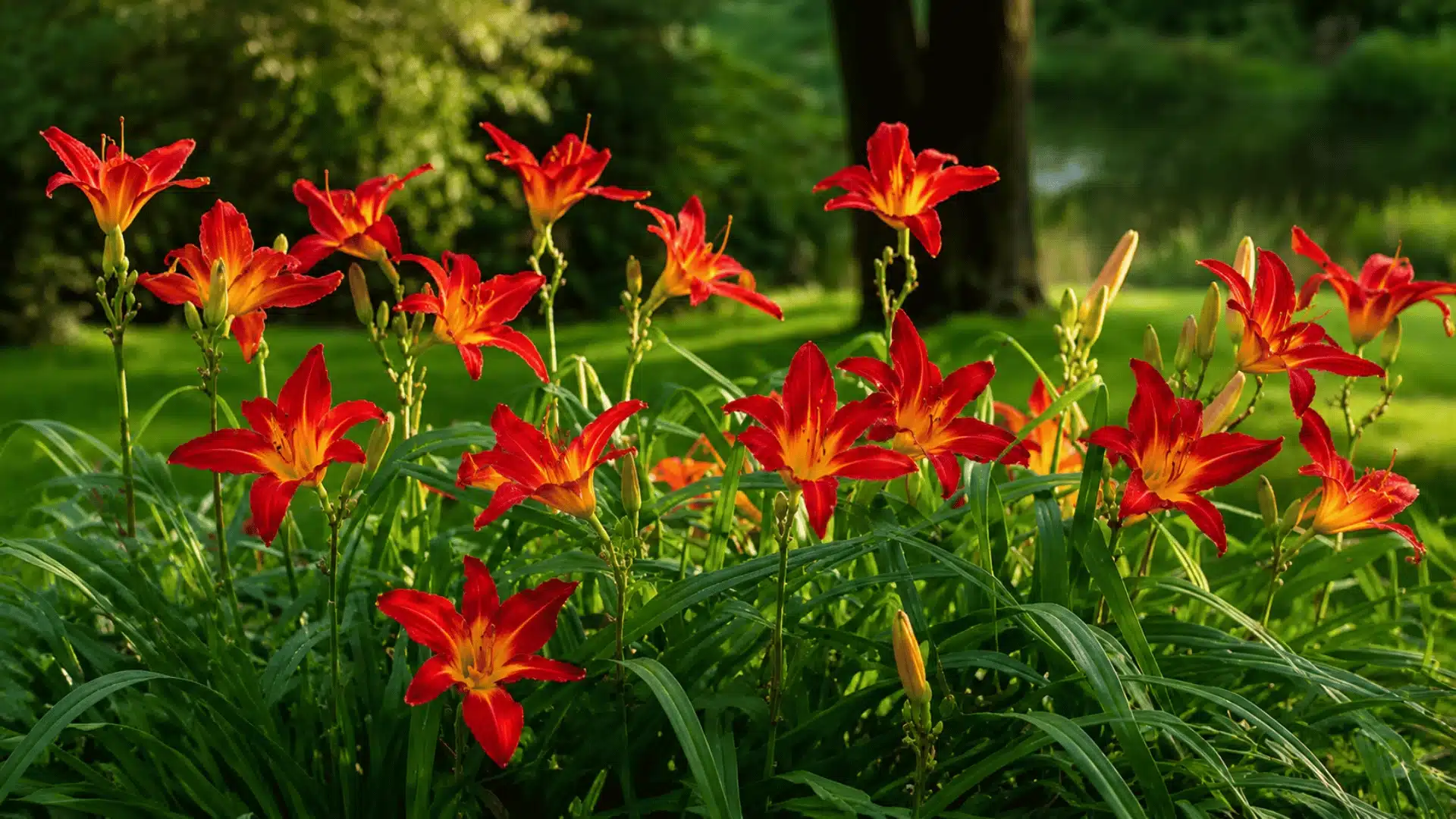
Hemerocallis is hardy in zones 3 to 9. Each flower lasts just one day, but a single plant carries dozens of buds, and extended-bloom varieties keep the display going for six weeks or more across summer.
‘Stella d’Oro’ is the most reliable repeat-bloomer of the group. Deadhead spent scapes to encourage additional flushes and keep the plant looking tidy through late summer. Daylilies also tolerate a wider range of soil and light than almost any other perennial here.
12. Shasta Daisy (Leucanthemum)
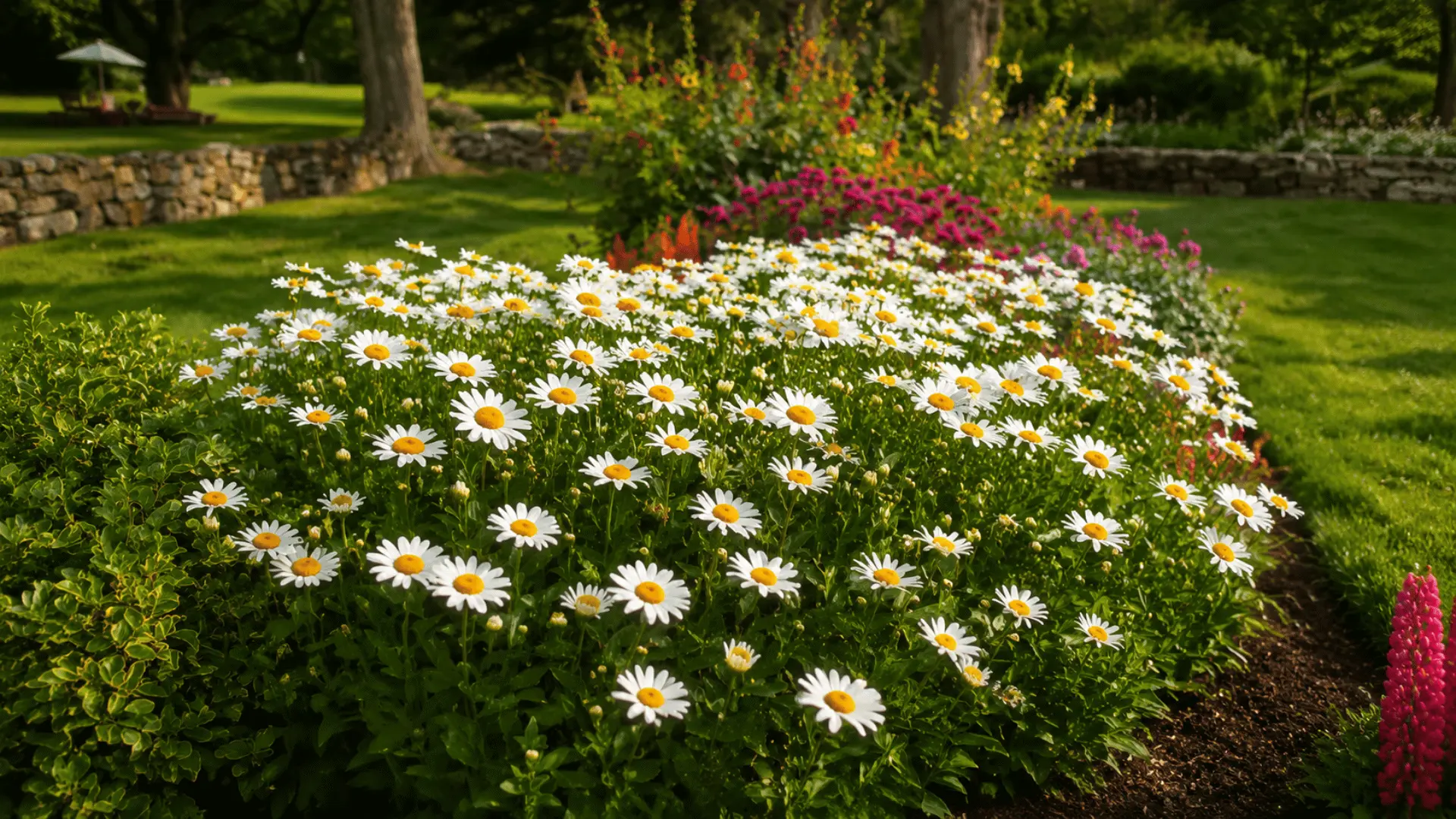
Shasta Daisy is hardy in zones 5 to 9 and produces classic white petals with yellow centers from early to midsummer. It blooms longer than most white-flowering perennials and brings a clean, bright presence to any border.
Cut the whole plant back by half after the first flush fades, and a strong second wave often follows in late summer with consistent deadheading. It also works well as a neutral backdrop for brighter perennials, giving the eye a place to rest.
13. Veronica (Speedwell)
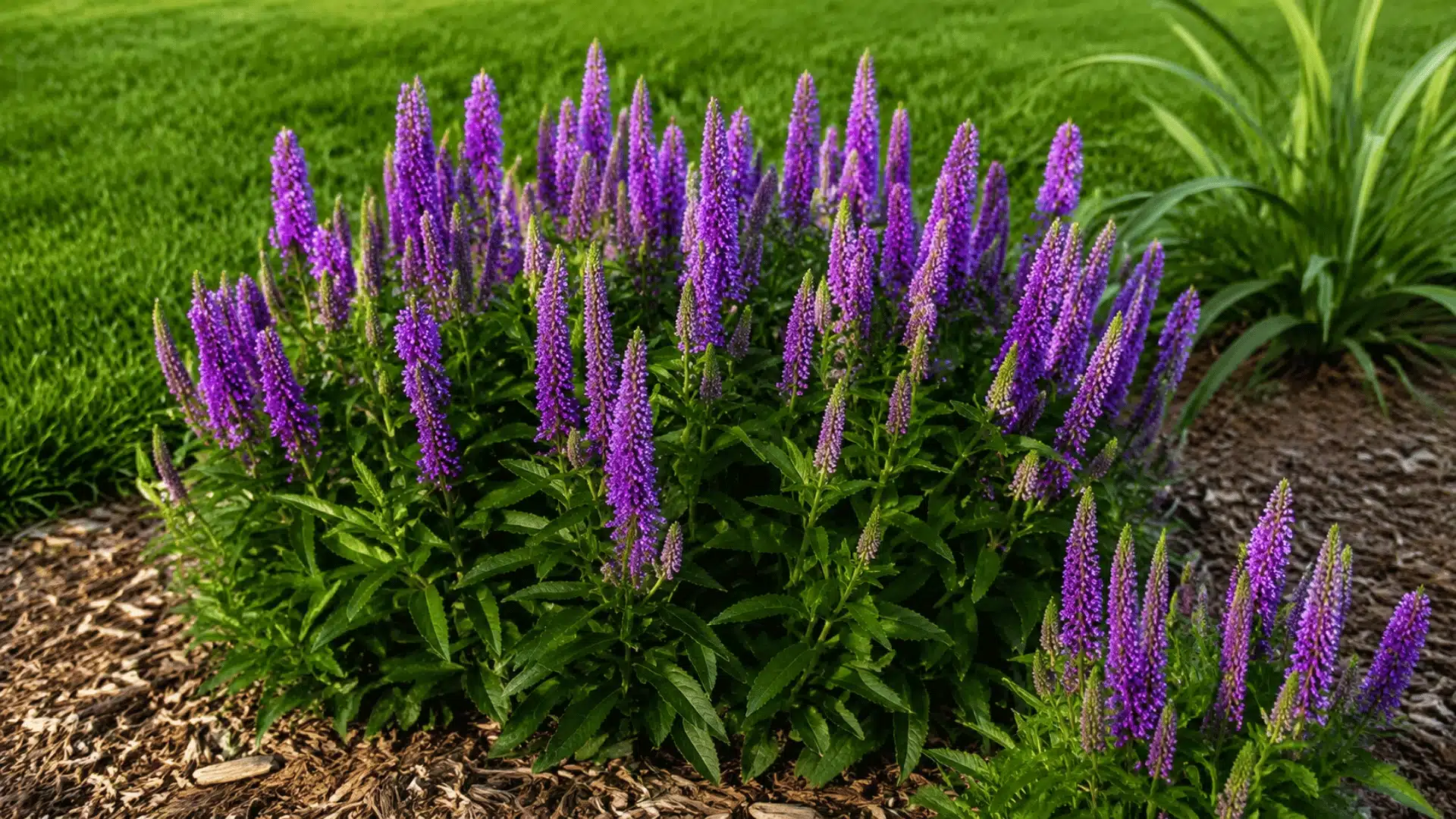
Veronica spicata is hardy in zones 3 to 8 and sends up slender spikes of blue, purple, or white from early summer through midsummer. It works well as a vertical accent among mounding or spreading plants in a mixed border.
Deadhead spent spikes promptly to keep the plant tidy; it often pushes a second flush in late summer if cut back after the first round finishes. Blue-flowering perennials are rarer than most gardeners expect, and Veronica fills that gap reliably.
14. Agastache (Hyssop)
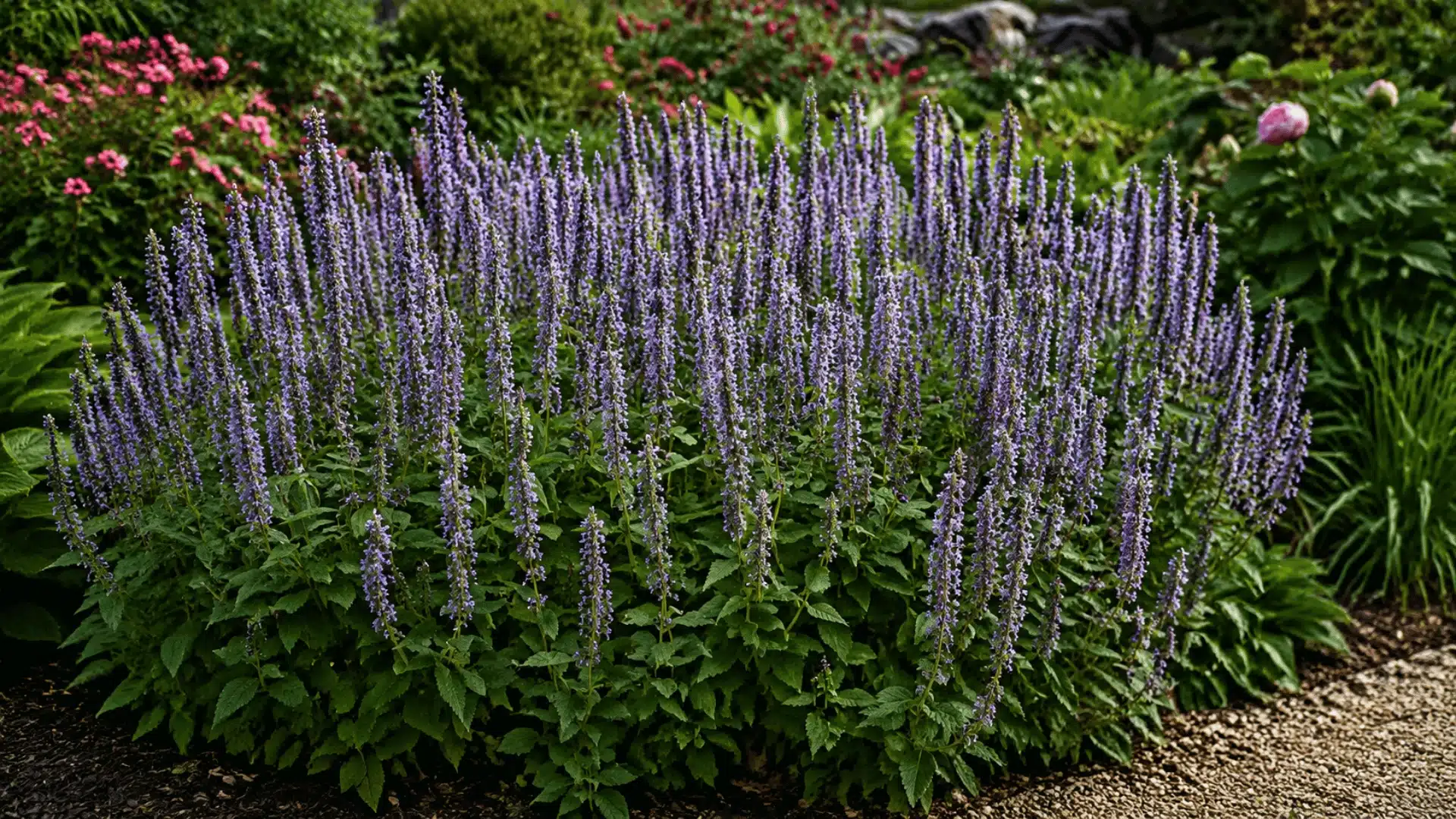
Agastache hardiness varies by species, generally falling between zones 4 and 9, so check the tag for the specific selection you’re buying. It blooms from midsummer to frost with tubular flowers in orange, pink, purple, or blue, and hummingbirds and bees work it constantly.
Full sun and well-drained soil suit it well. It tolerates heat and drought better than most, and light deadheading keeps new spikes appearing through the end of the season. The aromatic foliage also deters deer, which is a practical bonus where browsing pressure is a problem.
Note: “Full sun” on a plant tag means at least six hours of direct light daily, not dappled shade under a tree canopy. Most of the plants in this guide, including Salvia, Coreopsis, Rudbeckia, and Echinacea, will bloom noticeably less if they get under five hours, even if the soil and water are otherwise correct.
By late summer, most of the plants above are winding down or pushing their last flush before frost. The seven perennials below are the ones that pick up where they leave off, and at least one of them belongs in every long-season bed.
Late-Season Extenders
These seven bridge summer and frost, keeping color in the garden when most perennials have already wound down.
15. Sedum ‘Autumn Joy’ (Hylotelephium)
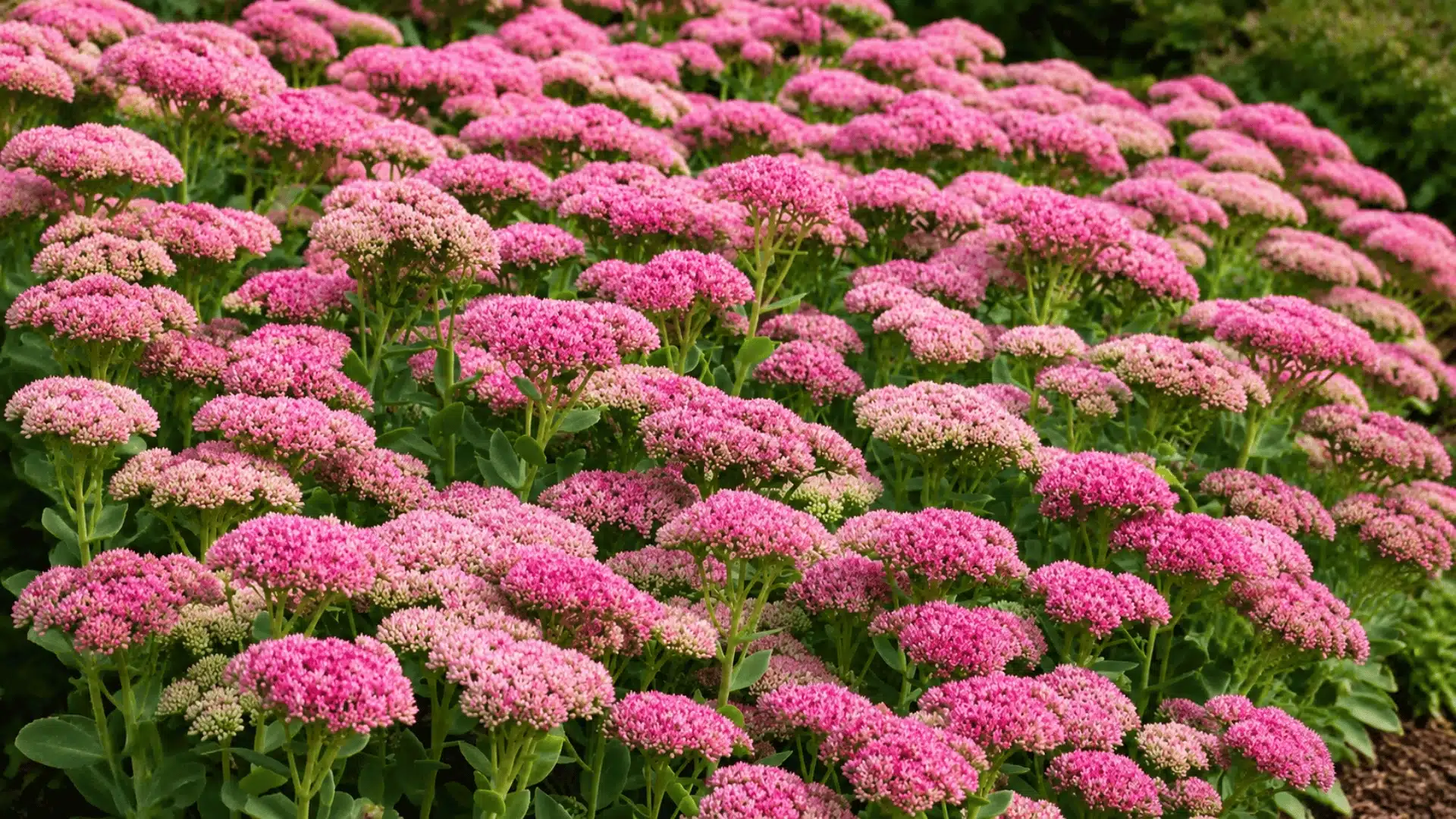
Sedum ‘Autumn Joy’ is hardy in zones 3 to 9 and starts with pale pink flower heads in late summer that deepen slowly to copper-red by fall. It holds both color and structure well into November, long after other perennials have faded.
It’s low-maintenance and drought-tolerant; full sun, dry soil, and very little attention keep it thriving. Leave the dried heads standing through winter for structural interest, and note that bees and butterflies rely on it heavily once other nectar sources have largely disappeared.
16. Aster
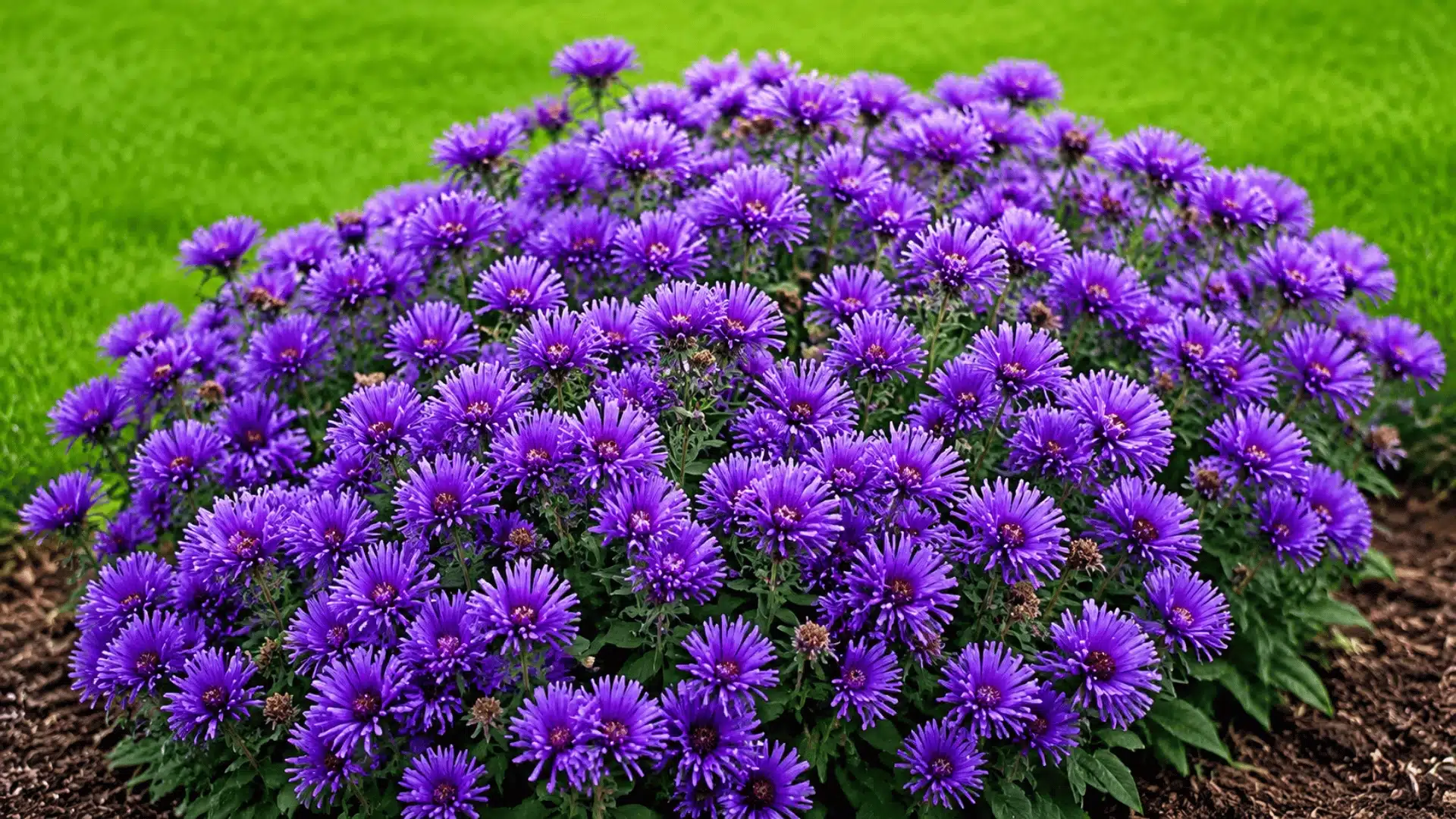
New England aster (Aster novae-angliae) is hardy in zones 4 to 8 and blooms from late summer through fall in purple, pink, blue, or white. It carries color deep into the season when most other perennials have already stopped for the year.
Pinch stems back in early summer to keep plants compact and well-shaped. Native aster species are particularly valuable for wildlife, supporting specialist bee species and providing a fuel stop for migrating monarch butterflies.
17. Japanese Anemone
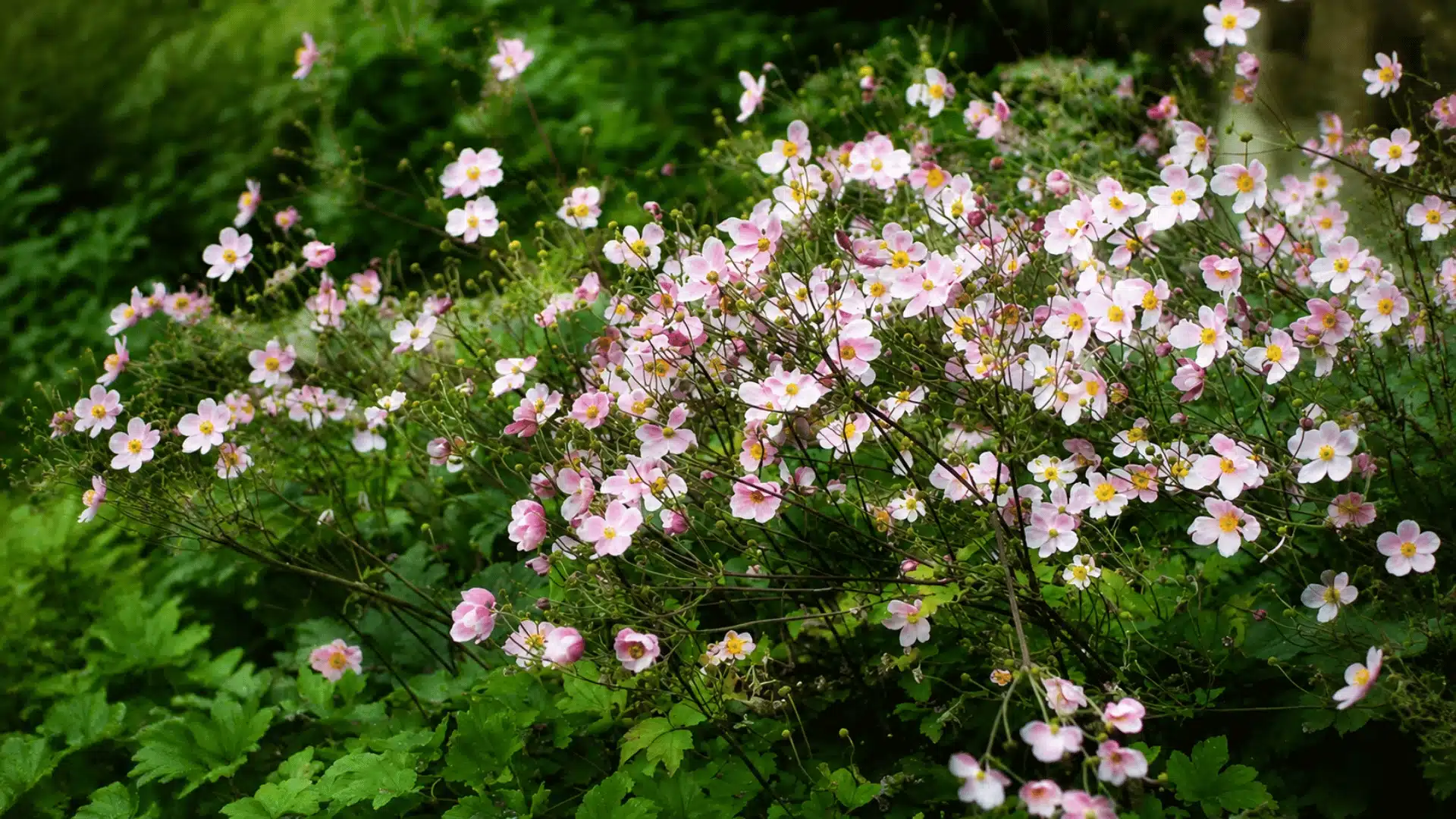
Japanese Anemone is hardy in zones 4 to 8 and opens in late summer with fine white or pink flowers on tall, wiry stems. It’s one of the few late-season perennials that genuinely thrives in partial to full shade, which fills a gap most fall bloomers can’t.
It takes a year or two to settle in, but once established it blooms reliably every fall with little attention. It spreads by rhizomes, so give it room; in a large planter it’s a manageable and reliable bloomer rather than the spreader it can become in open ground.
18. Goldenrod (Solidago)
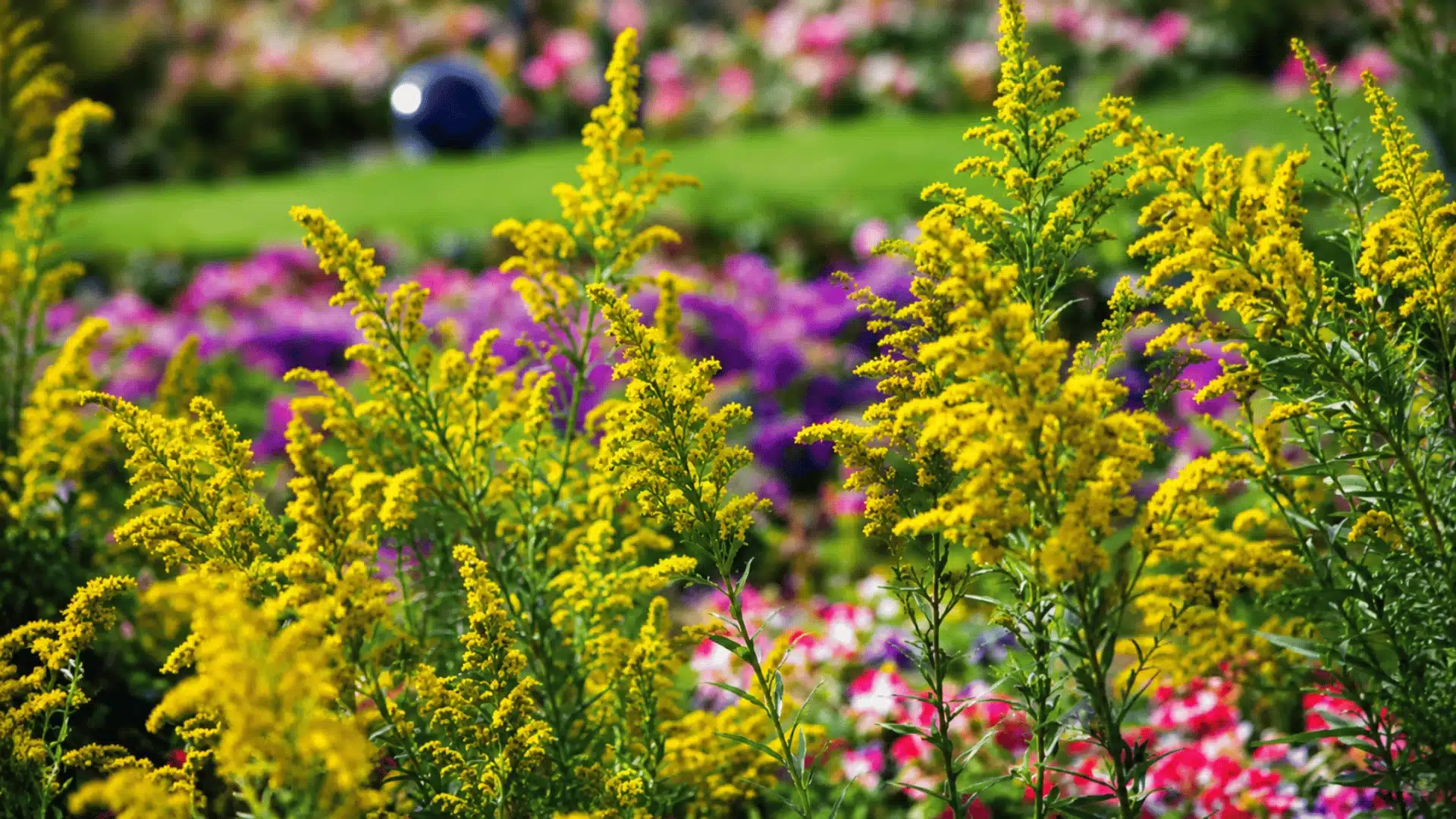
Goldenrod is hardy in zones 3 to 9 and produces arching plumes of bright yellow from late summer into fall. It’s a native plant and one of the best late-season sources of pollen and nectar for pollinators.
It can spread aggressively if left unchecked, so plant named cultivars rather than straight species and divide every few years. Goldenrod is also widely and wrongly blamed for hay fever: according to Clemson Cooperative Extension, its pollen is too heavy and sticky to become airborne, and wind-pollinated ragweed is the actual culprit.
19. Helenium (Sneezeweed)
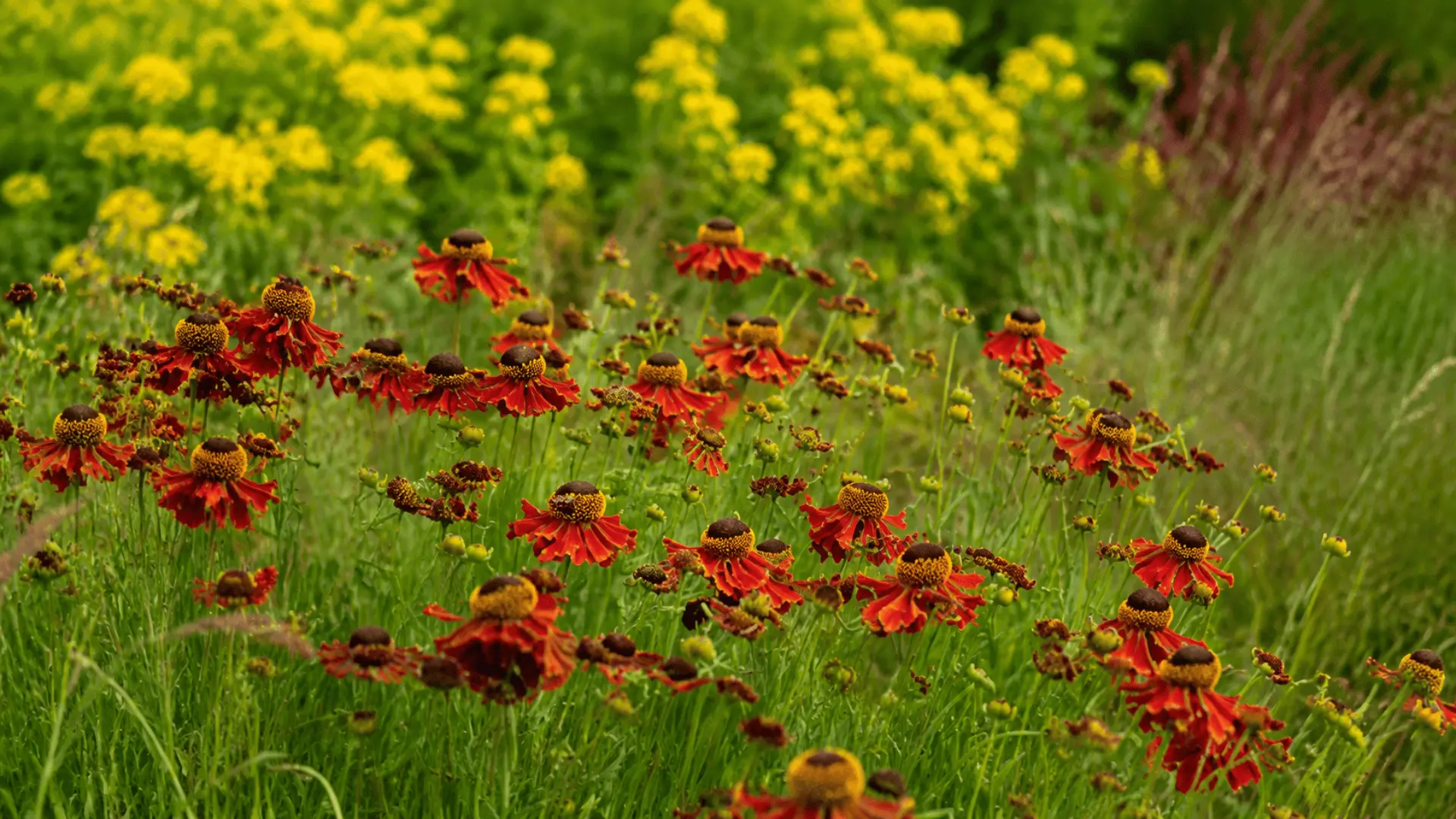
Helenium is hardy in zones 3 to 8 and flowers in rich shades of red, orange, and yellow from midsummer through fall. The daisy-like blooms have a distinctive turned-back petal shape that sets them apart from similar flowers.
Pinch back in late spring to delay flowering and extend the late-season display. It thrives in moist, sunny spots and rewards that small early effort with longer, fuller blooms right through the transitional weeks between midsummer and true fall color.
20. Rudbeckia ‘Goldsturm’
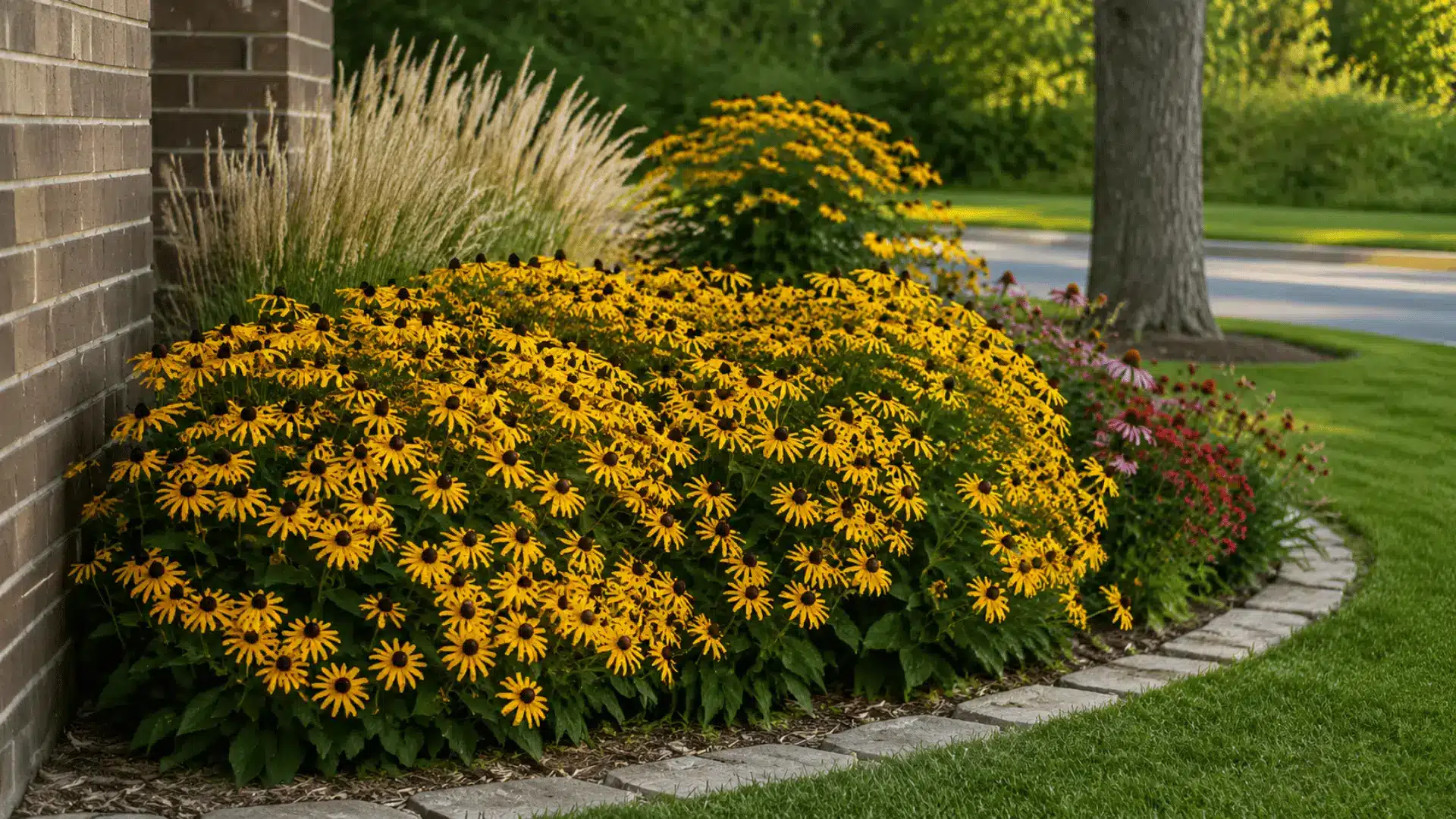
‘Goldsturm’ is hardy in zones 4 to 9 and is the specific Black-Eyed Susan cultivar that blooms more reliably and longer than the straight species. Golden flowers with dark centers appear from midsummer and carry all the way to frost.
Full sun and adaptable soil make it easy to place almost anywhere, and it needs very little maintenance once established. It also holds up well in cut flower arrangements, lasting longer in a vase than most perennials on this list.
21. Toad Lily (Tricyrtis)
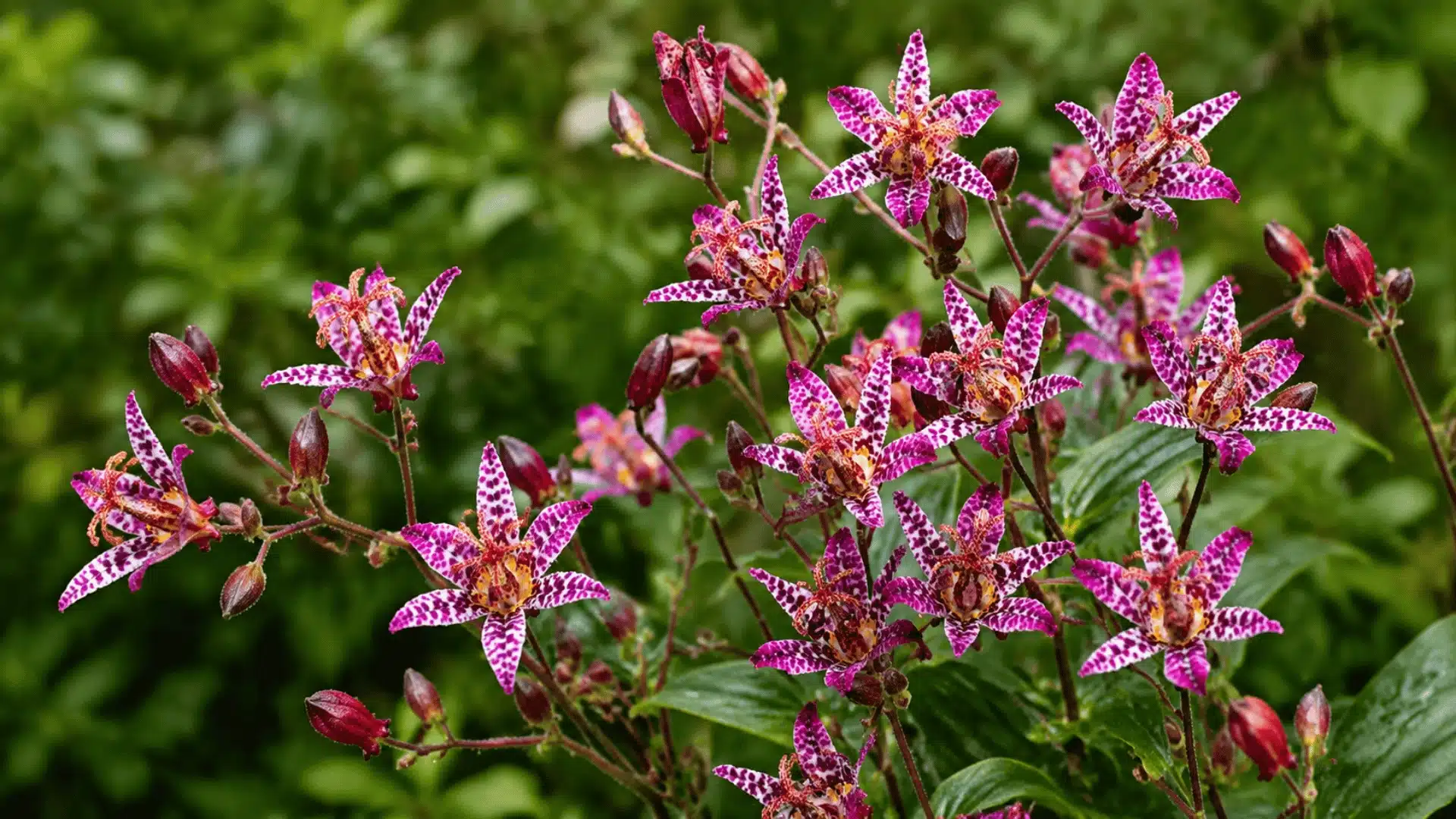
Toad Lily is hardy in zones 4 to 9 and is one of the last perennials to bloom, opening in late summer and continuing reliably until the first hard frost. The orchid-like flowers are spotted purple and white, unlike anything else in a typical garden.
It thrives in partial to full shade, which makes it genuinely rare among the plants on this list; most late-season perennials need direct sun. The flowers are small but intricate, rewarding anyone who looks closely as the rest of the garden winds down.
Common Growing Mistakes That Cut Bloom Time Short
The two main tools for extending bloom are deadheading and shearing, and they do different things. Deadheading removes individual spent flowers to redirect energy into new buds; shearing cuts the whole plant back by a third to half, which resets bushier growers like Catmint and Salvia far faster than picking off flowers one at a time.
- Deadhead spent flowers regularly to redirect energy from seed production into new buds.
- Shear heavy-flushing plants like Catmint and Salvia back by half after the first bloom.
- Divide clump-forming perennials like Bee Balm and Phlox every two to three years.
- Discard the woody center when dividing, and replant only the vigorous outer sections.
- Time shearing for late spring or early summer; if you wait too long, you lose the fall flush entirely.
Timing is the mistake I see most often. Gardeners shear in August hoping for a fall rebloom, but by then the plant doesn’t have enough warm weeks left to set and open new buds before frost. Get the first shearing done by early July in most zones, and the second flush has a real chance to show up on schedule.
Keep Your Garden Blooming Longer
Long-lasting garden color depends less on one perfect flower and more on combining plants that bloom at different times. Salvia, Coreopsis, and Catmint provide especially long displays, while summer and fall performers fill seasonal gaps.
I think the best results come from matching each plant to the right sunlight, soil, and water, then using deadheading or shearing at the proper time. That simple maintenance keeps many perennials producing fresh buds instead of putting energy into seed.
Once you understand how perennials that bloom from spring to fall actually perform, planning becomes easier. Choose a few favorites from each bloom period, plant them where they fit best, and start building your longer-lasting flower display this season.
Frequently Asked Questions
Do Perennial Flowers Come Back Every Year Without Replanting?
Yes. Perennials regrow from their root system each spring without needing to be replanted. Their above-ground growth dies back in winter in most climates, but the plant survives underground and re-emerges the following season.
What Is the Longest-Blooming Perennial Flower?
Coreopsis and Salvia are consistently among the longest-blooming perennials, flowering from late spring into fall in most climates. Catmint is a close competitor, especially when sheared back after its first heavy flush.
Do I Need to Deadhead Perennials to Keep Them Blooming?
For most long-blooming perennials, yes. Removing spent flowers prevents the plant from putting energy into seed production. A few, like Echinacea, can be left for their seed heads, but Salvia, Catmint, and Gaillardia bloom significantly longer with regular deadheading.
Which Perennials Bloom From Spring to Fall in Shade?
Fewer options exist for shade, but Toad Lily, Japanese Anemone, and some Coral Bells varieties provide color across an extended season in partial shade. Most of the longest-blooming perennials on this list need full sun to perform at their best.
How Often Should I Deadhead for Continuous Blooms?
Check plants every 10 to 14 days during peak bloom, removing flowers as soon as petals fade and before seed pods form. Heavy bloomers like Coreopsis and Gaillardia benefit from checking every week instead.
Can I Cut Back Perennials in Late Summer for a Fall Rebloom?
Only if you do it early enough. Shearing Salvia or Catmint after mid-July in most zones doesn’t leave enough warm weeks for a new flush to form and open before frost.
Do Long-Blooming Perennials Need More Water Than Regular Perennials?
Not usually. Most of the plants on this list, including Salvia, Yarrow, and Gaillardia, are drought-tolerant once established and prefer soil that dries out between waterings over consistently damp beds.