

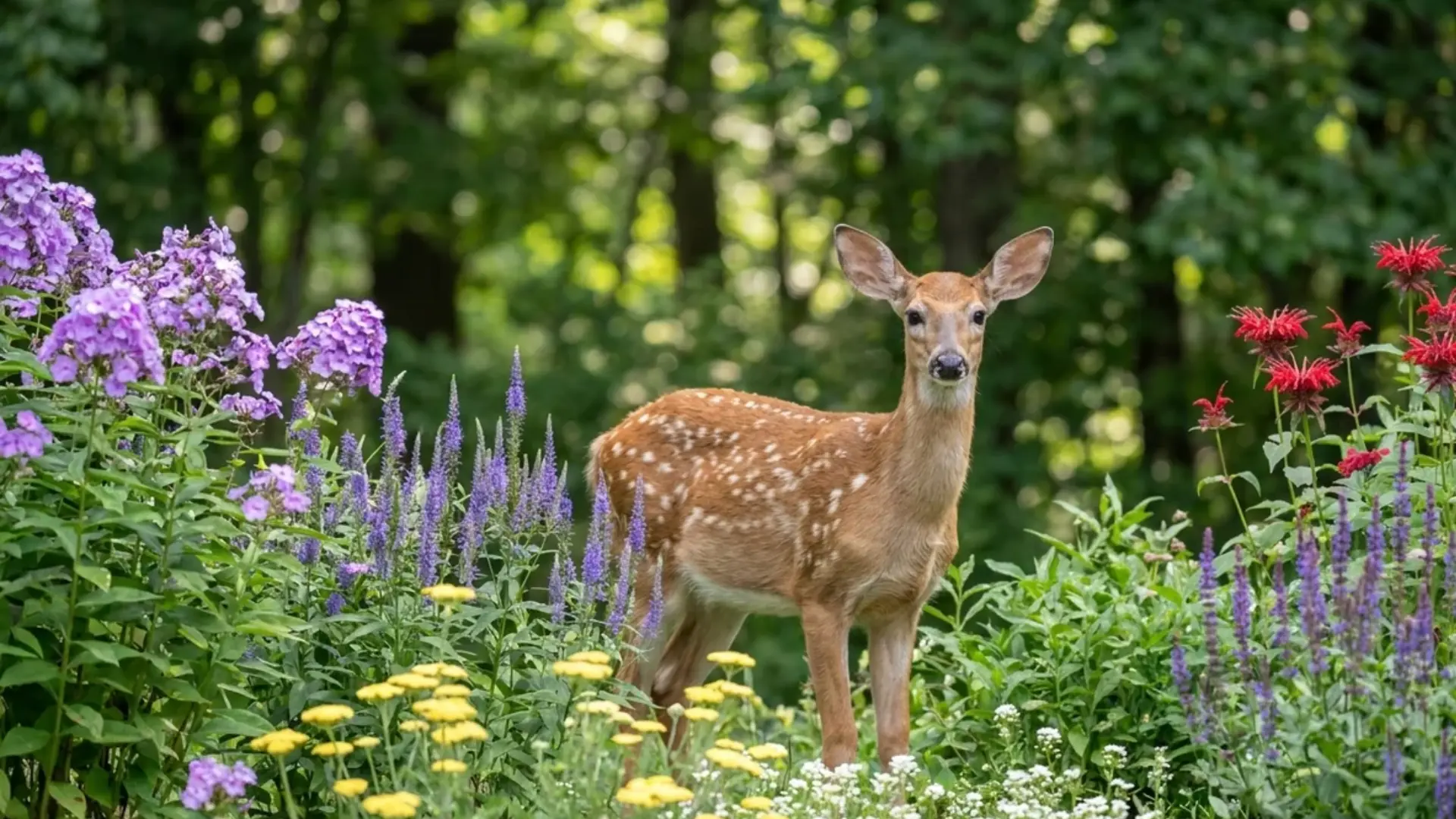
Deer damage can turn a planted garden into a bare patch overnight, especially when tender blooms sit within reach.
I have learned to favor flowers with strong scents, coarse leaves, bitter sap, or toxic compounds because they give deer fewer reasons to stop and feed.
The most reliable deer-resistant flowers do not promise perfect protection, but they can reduce damage and help your beds stay colorful through the season. Plant choice matters, yet placement matters just as much.
A fragrant border may protect softer blooms behind it, while tougher plants can strengthen shady beds, cutting gardens, and low edging areas.
Coming up, you will find flower options grouped by the traits deer dislike and the spaces where they perform best.
How Deer-Resistant Flowers Discourage Feeding
Deer-resistant plants use natural defenses that make flowers less appealing to smell, taste, or chew.
- Strong scent: Fragrant flowers can overwhelm a deer’s sensitive nose and make nearby plants harder to identify.
- Toxic or bitter sap: Unpleasant-tasting compounds discourage deer from continuing to feed after testing a leaf or stem.
- Rough texture: Fuzzy, coarse, leathery, or prickly foliage makes plants uncomfortable and less enjoyable to chew.
- Layered protection: I prefer combining all three deterrent types instead of depending on one resistant flower.
- Seasonal pressure: Hungry deer may still sample unfamiliar plants during winter, drought, or periods when natural food is limited.
Planting fragrant, bitter, and rough-textured varieties together creates several barriers and encourages deer to search elsewhere.
Fragrant Flowers Deer Avoid
Lavender produces a sharp, sweet fragrance that deer usually avoid, even when it grows beside more tempting flowers. Its compact growth, extended flowering period, and tolerance for dry soil make it a dependable option for sunny borders.
Many gardeners also grow it as a cut flower, and harvesting garden lavender blooms at the right stage helps preserve both scent and color.
1. Lavender
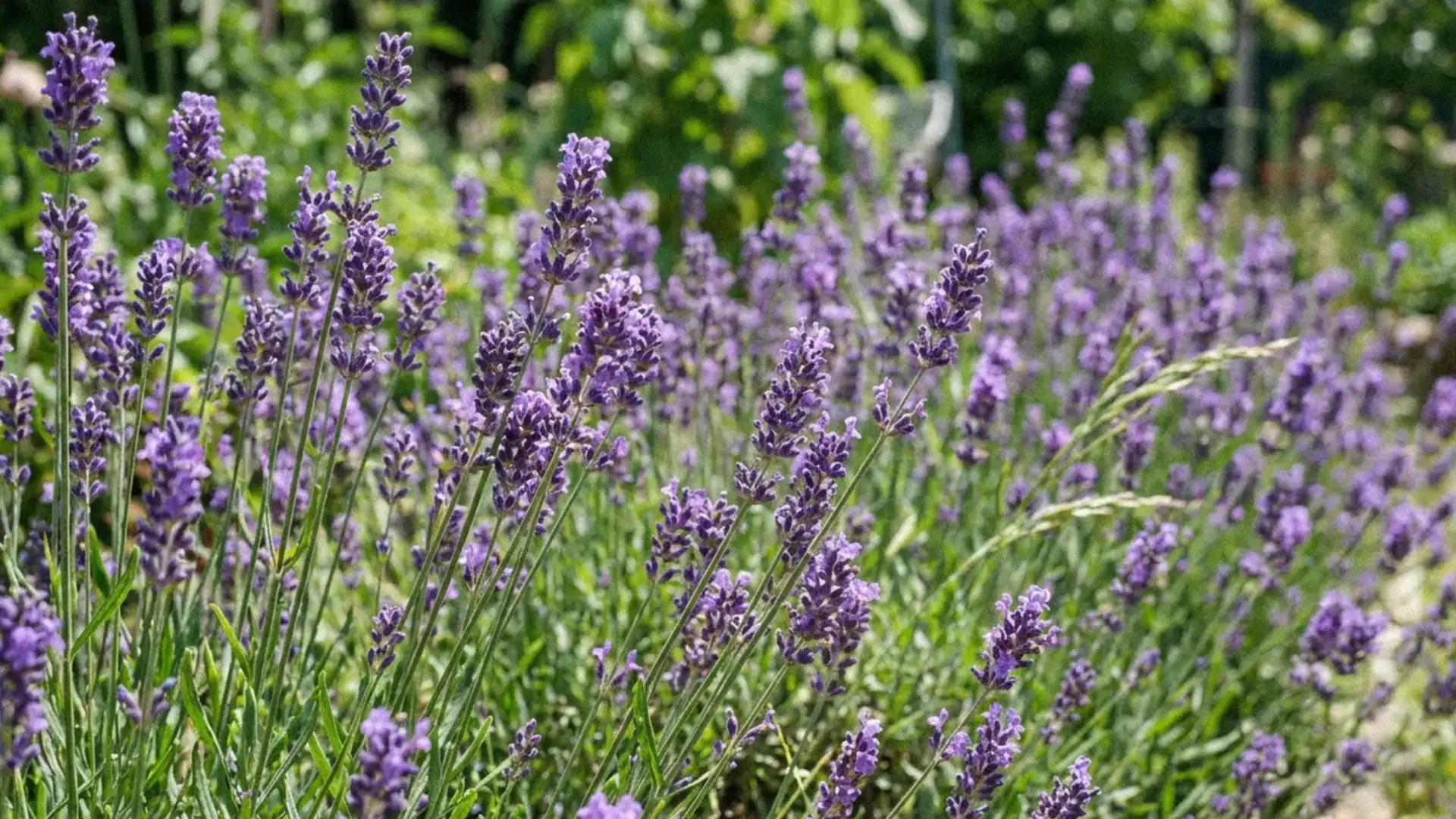
Lavender produces a sharp, sweet fragrance that deer usually avoid, even when it grows beside more tempting flowers. Its compact growth, extended flowering period, and tolerance for dry soil make it a dependable option for sunny borders.
- USDA Hardiness Zones: 5-9
- Light: Full sun
- Mature Size: 1-3 ft. tall, 1-3 ft. wide
- Flower Color: Purple, blue, pink, white
- Toxicity: Mildly toxic to pets when ingested
2. Catmint
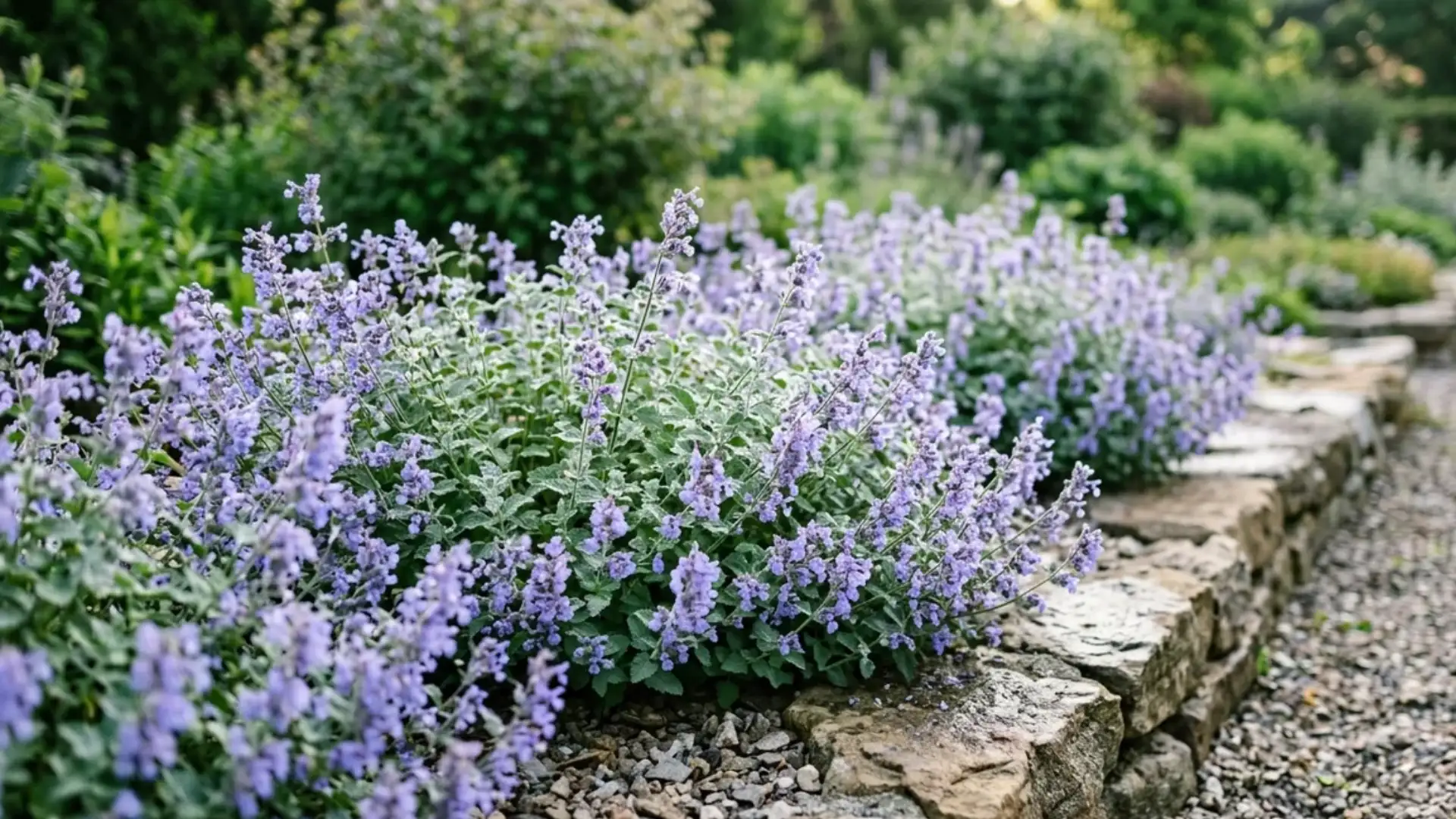
Catmint combines aromatic foliage with soft, fuzzy leaves, giving deer two natural reasons to avoid it. Its spreading growth and long-lasting flowers make it useful for edging paths, filling border gaps, and softening the base of taller plants.
- USDA Hardiness Zones: 3-8
- Light: Full sun to partial shade
- Mature Size: 1-3 ft. tall, 1-3 ft. wide
- Flower Color: Blue, lavender, purple, white, pink
- Toxicity: Generally considered non-toxic to humans and pets
3. Russian Sage
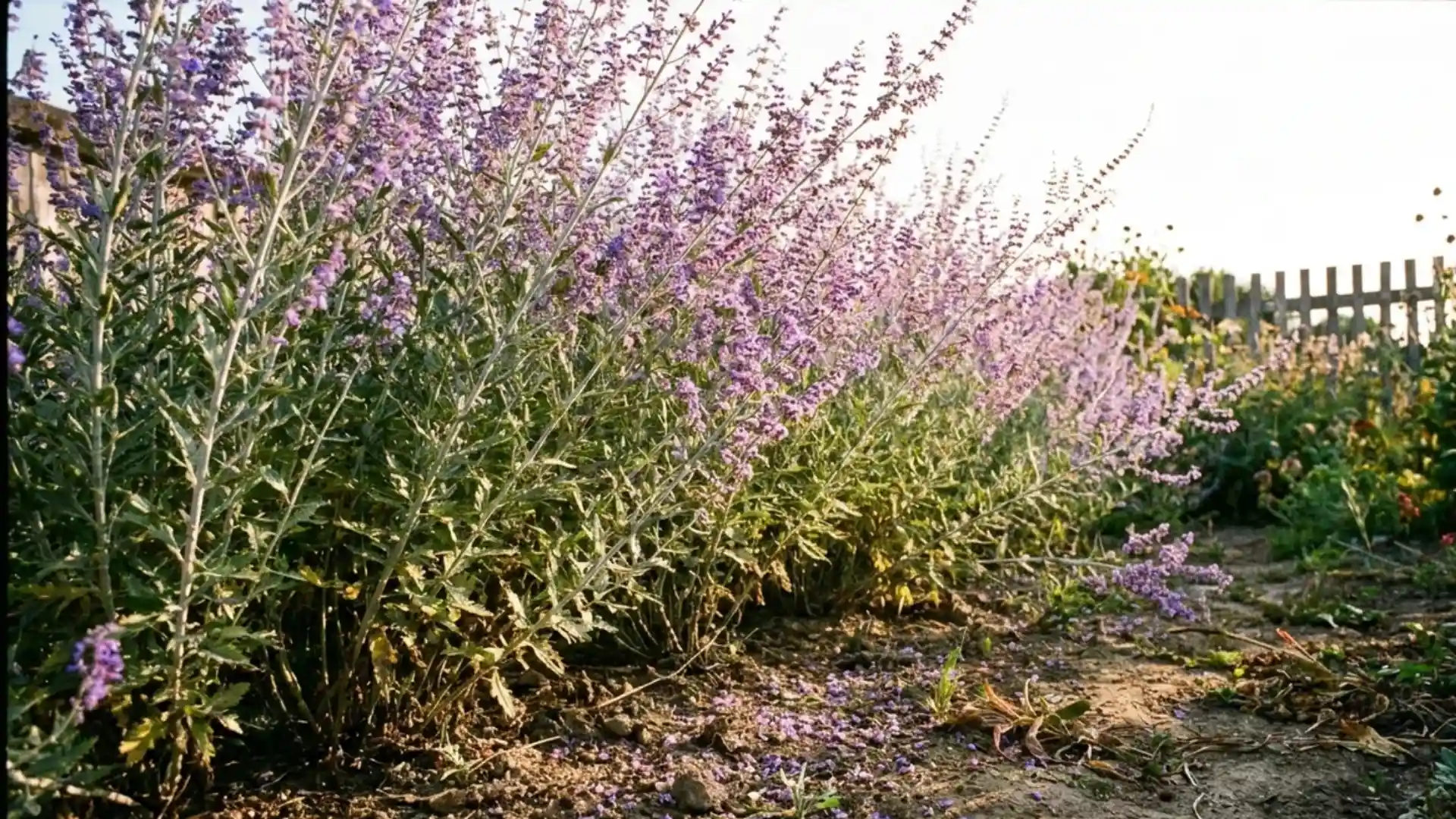
Russian sage releases a strong herbal scent from its stems and silvery foliage, making it unappealing to most browsing deer. It performs best in hot, sunny locations with well-draining soil and adds airy height behind shorter border plants.
- USDA Hardiness Zones: 4-9
- Light: Full sun
- Mature Size: 2-4 ft. tall, 2-4 ft. wide
- Flower Color: Blue, lavender, purple
- Toxicity: Generally considered non-toxic to humans and pets
4. Salvia
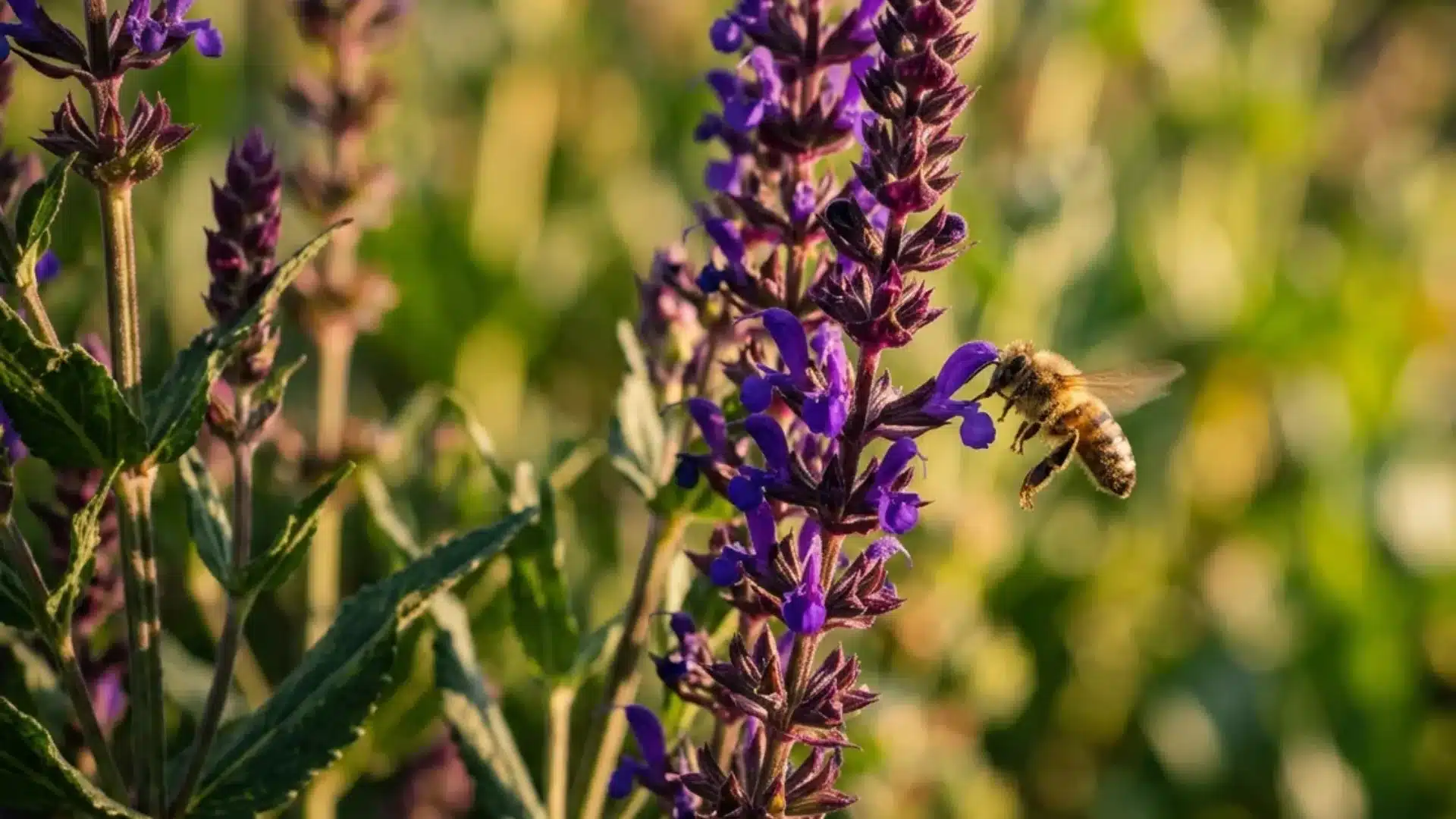
Salvia contains aromatic oils that discourage deer while its tubular flowers attract bees, butterflies, and hummingbirds.
Available varieties range from compact edging plants to taller background perennials, so mature measurements should always be checked before planting.
- USDA Hardiness Zones: 4-10, depending on species
- Light: Full sun to partial shade
- Mature Size: 1-5 ft. tall, 1-4 ft. wide
- Flower Color: Blue, purple, red, pink, white
- Toxicity: Most ornamental salvias are generally considered non-toxic
5. Anise Hyssop
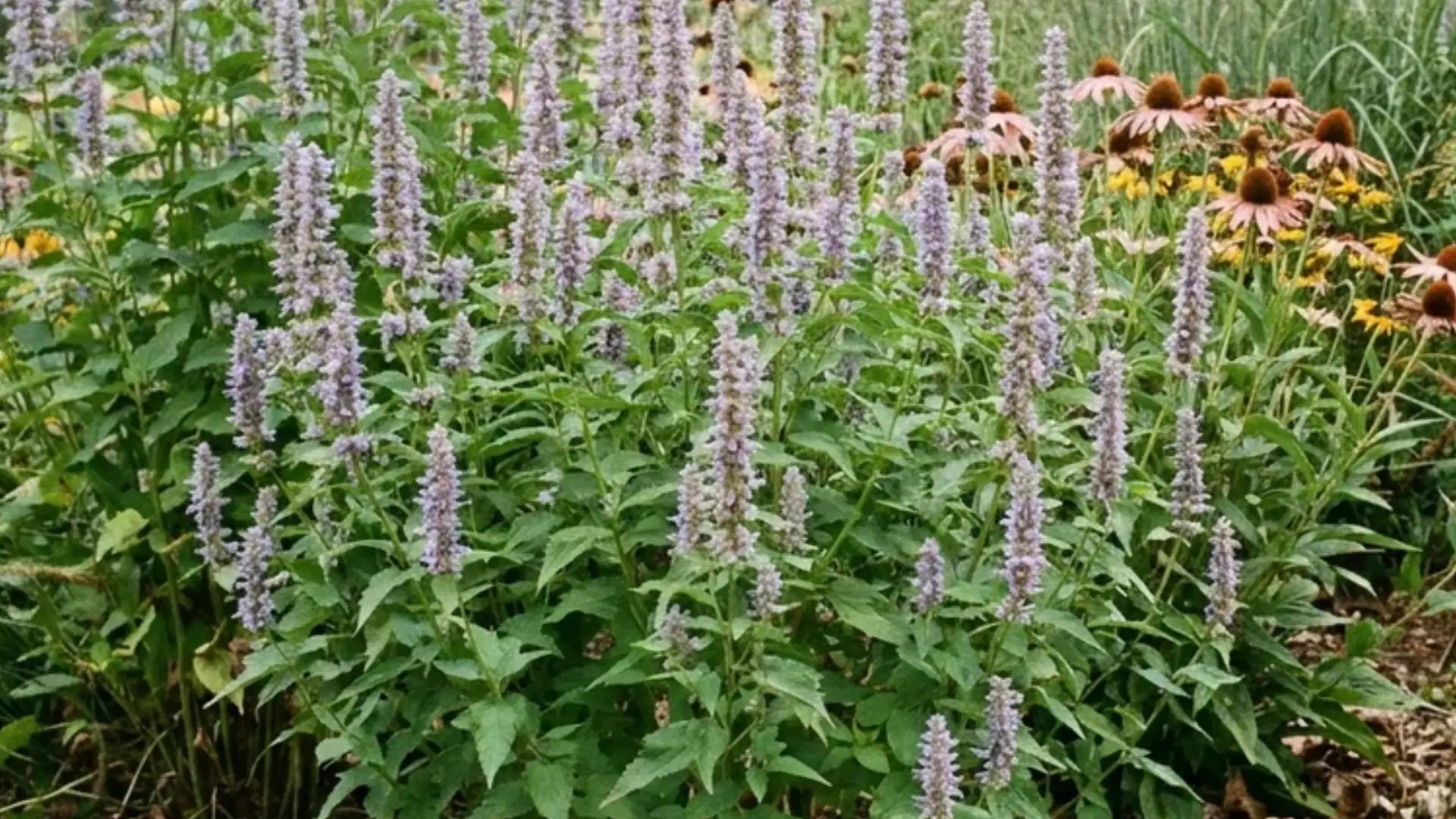
Anise hyssop has licorice-scented foliage that deer generally find unpleasant. Its upright lavender flower spikes provide summer color, attract pollinators, and fit naturally into cottage gardens, herb gardens, and informal perennial borders.
Anise hyssop grows in Zones 4 through 8 and tolerates dry soil once its root system becomes established.
- USDA Hardiness Zones: 4-8
- Light: Full sun to partial shade
- Mature Size: 2-4 ft. tall, 1.5-3 ft. wide
- Flower Color: Lavender, purple, blue
- Toxicity: Generally considered non-toxic to humans and pets
Combining these fragrant flowers with bitter or rough-textured plants creates stronger protection when deer become less selective.
Toxic and Bitter-Sap Flowers
Plants with toxic compounds, bitter leaves, or irritating sap provide dependable protection because deer associate them with physical discomfort.
6. Daffodils
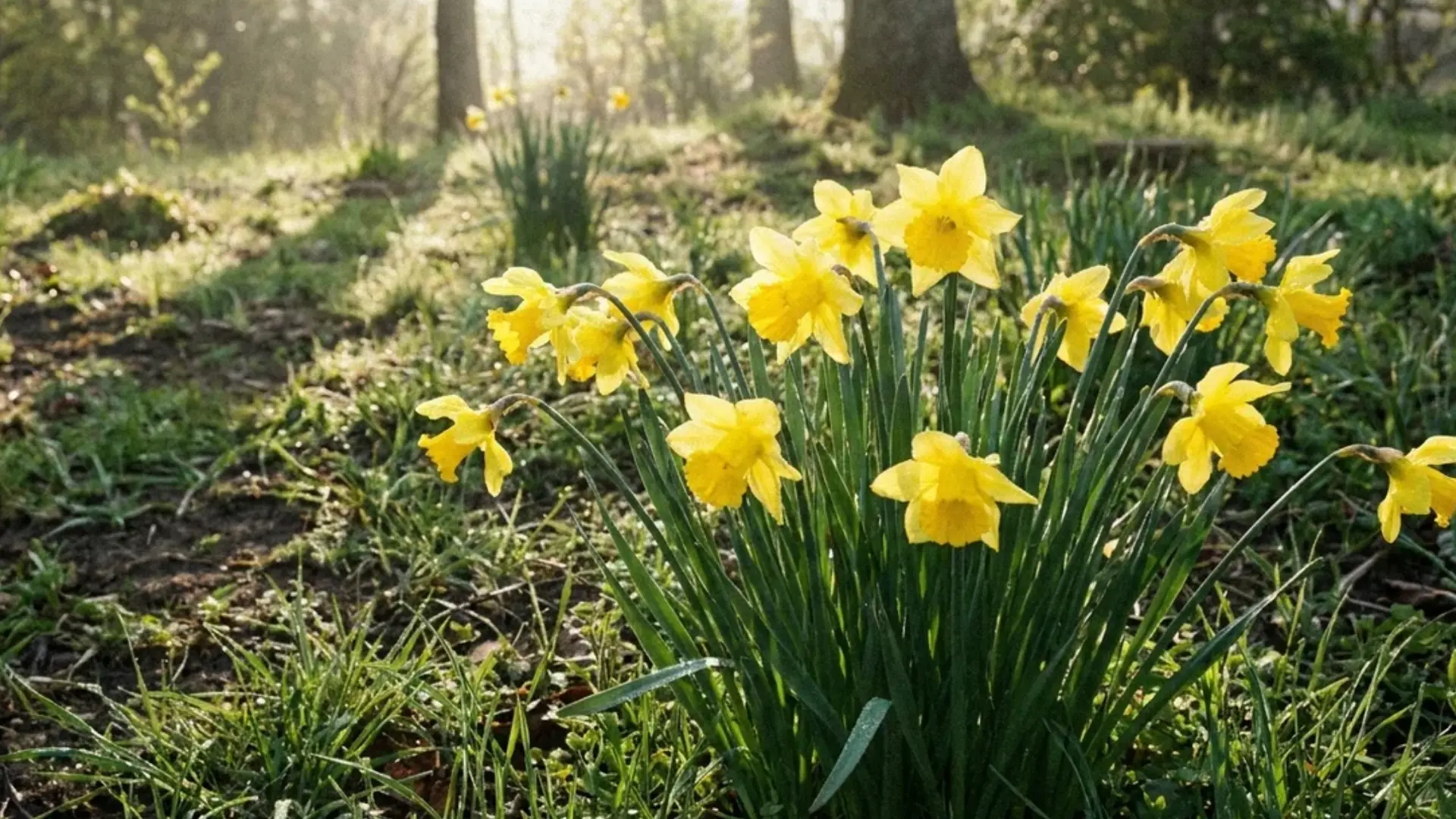
Daffodils contain toxic alkaloids in their bulbs, stems, leaves, and flowers, so deer and many digging animals usually leave them untouched.
These dependable spring bulbs work well in borders, woodland beds, lawns, and naturalized planting areas.
- USDA Hardiness Zones: 3-9
- Light: Full sun to partial shade
- Mature Size: 6 in.-2 ft. tall, 6-12 in. wide
- Flower Color: Yellow, white, orange, pink
- Toxicity: Toxic to humans, dogs, cats, and horses
7. Peonies
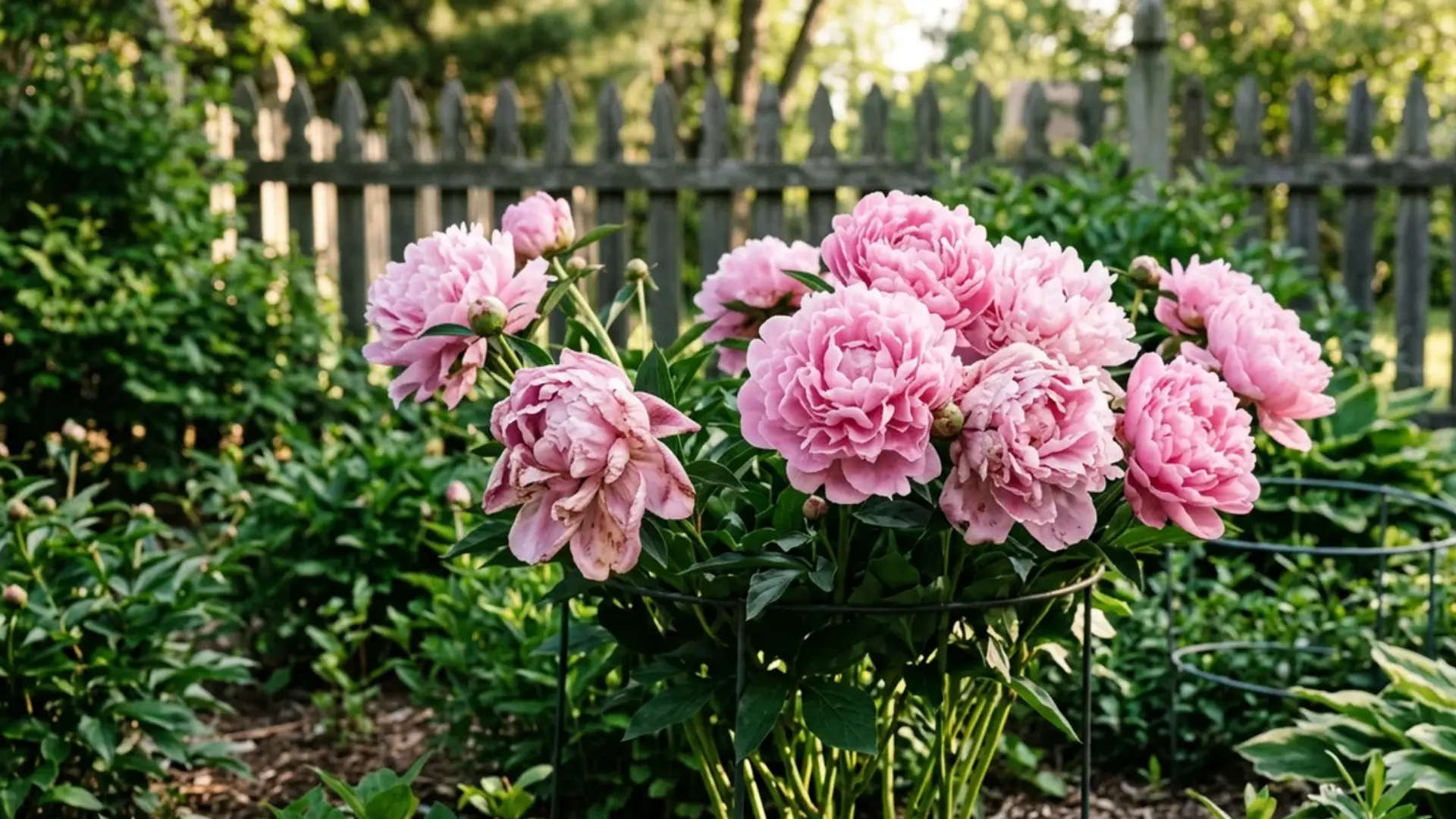
Peonies combine bitter foliage, sturdy stems, and fragrant flowers that deer generally avoid. Once established, these long-lived perennials can return for decades, producing large spring blooms followed by dense foliage that remains attractive through summer.
Gardeners drawn to bolder blooms often enjoy planting Itoh peony hybrids, which combine the flower size of tree peonies with the hardiness of herbaceous types.
- USDA Hardiness Zones: 3-8
- Light: Full sun to partial shade
- Mature Size: 2-4 ft. tall, 2-4 ft. wide
- Flower Color: White, pink, red, coral, yellow
- Toxicity: Mildly toxic to dogs, cats, and horses
8. Foxglove
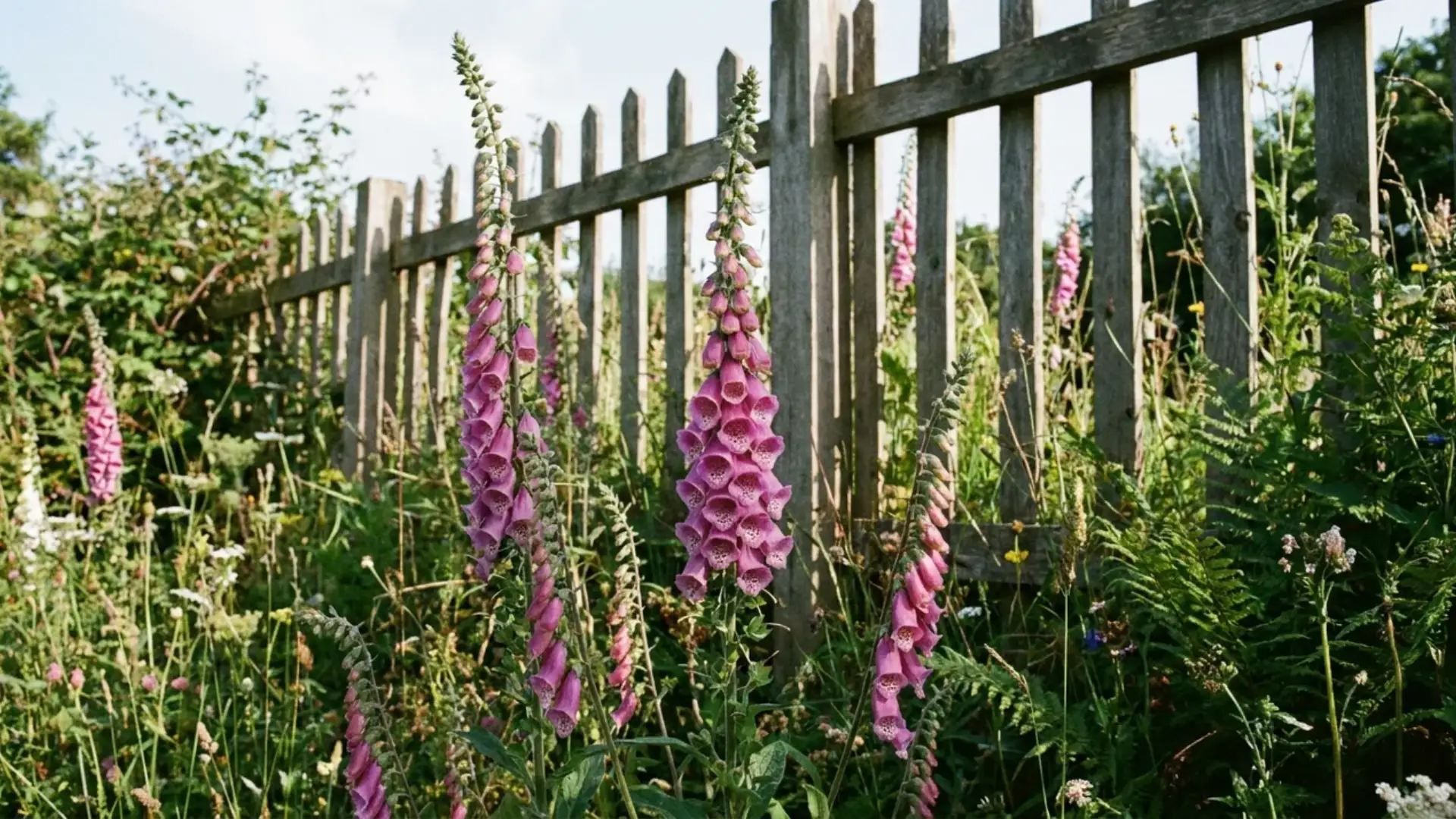
Every part of foxglove contains powerful cardiac compounds, so deer generally avoid its leaves, stems, and flowers.
Its tall, bell-covered spikes add strong vertical interest to woodland edges and partly shaded borders, but careful placement is necessary.
- USDA Hardiness Zones: 4-9
- Light: Full sun to partial shade
- Mature Size: 2-5 ft. tall, 1-2 ft. wide
- Flower Color: Purple, pink, white, yellow
- Toxicity: Highly toxic to humans and pets
9. Hellebore
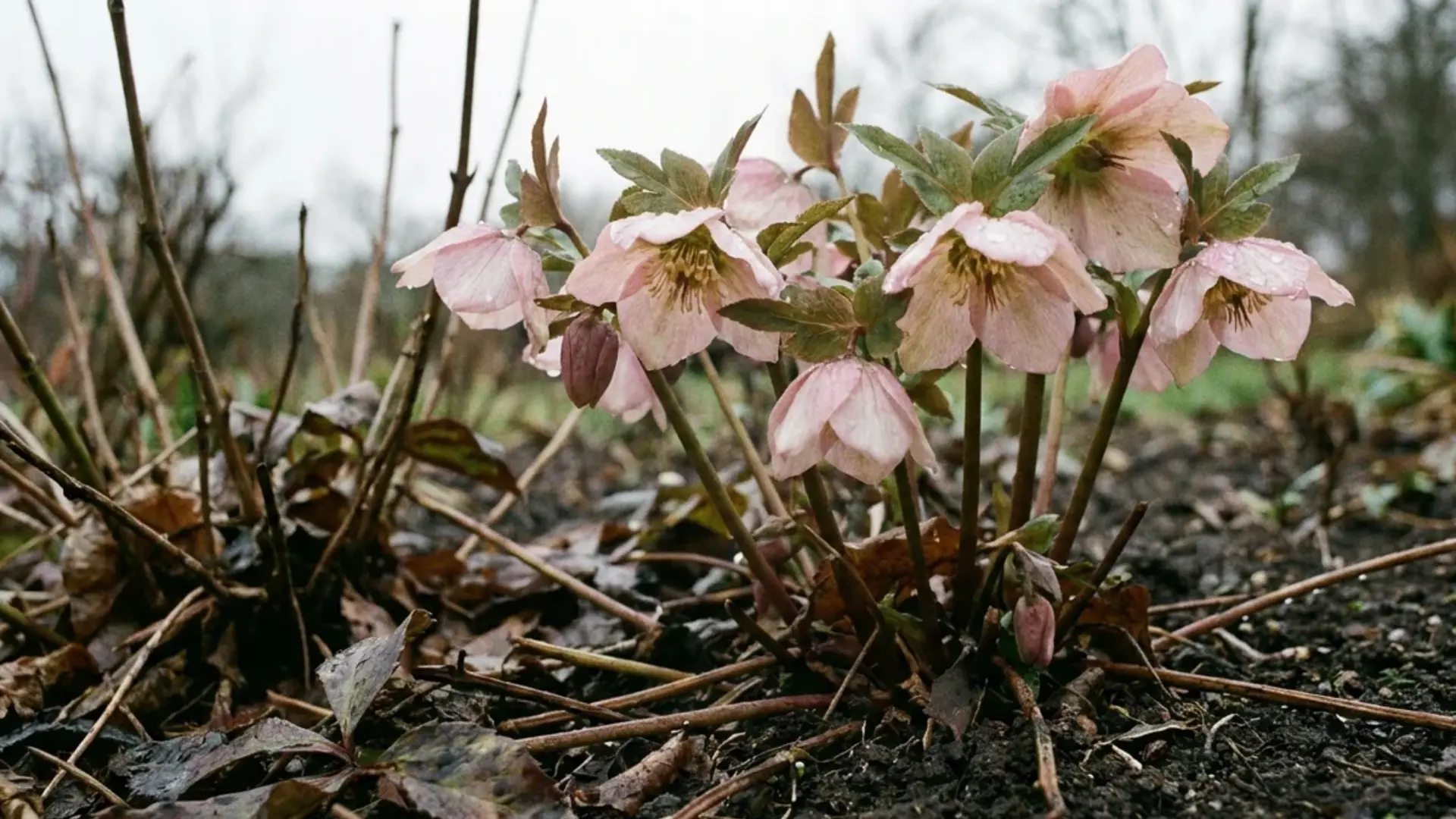
Hellebore contains irritating and toxic compounds throughout its leaves, stems, and roots, providing dependable deer resistance.
It flowers from winter into early spring and brings lasting structure to shaded beds through evergreen or semi-evergreen foliage.
- USDA Hardiness Zones: 4-9
- Light: Partial shade to full shade
- Mature Size: 1-2 ft. tall, 1-2 ft. wide
- Flower Color: White, pink, purple, green, yellow
- Toxicity: Toxic to humans and pets
10. Poppies
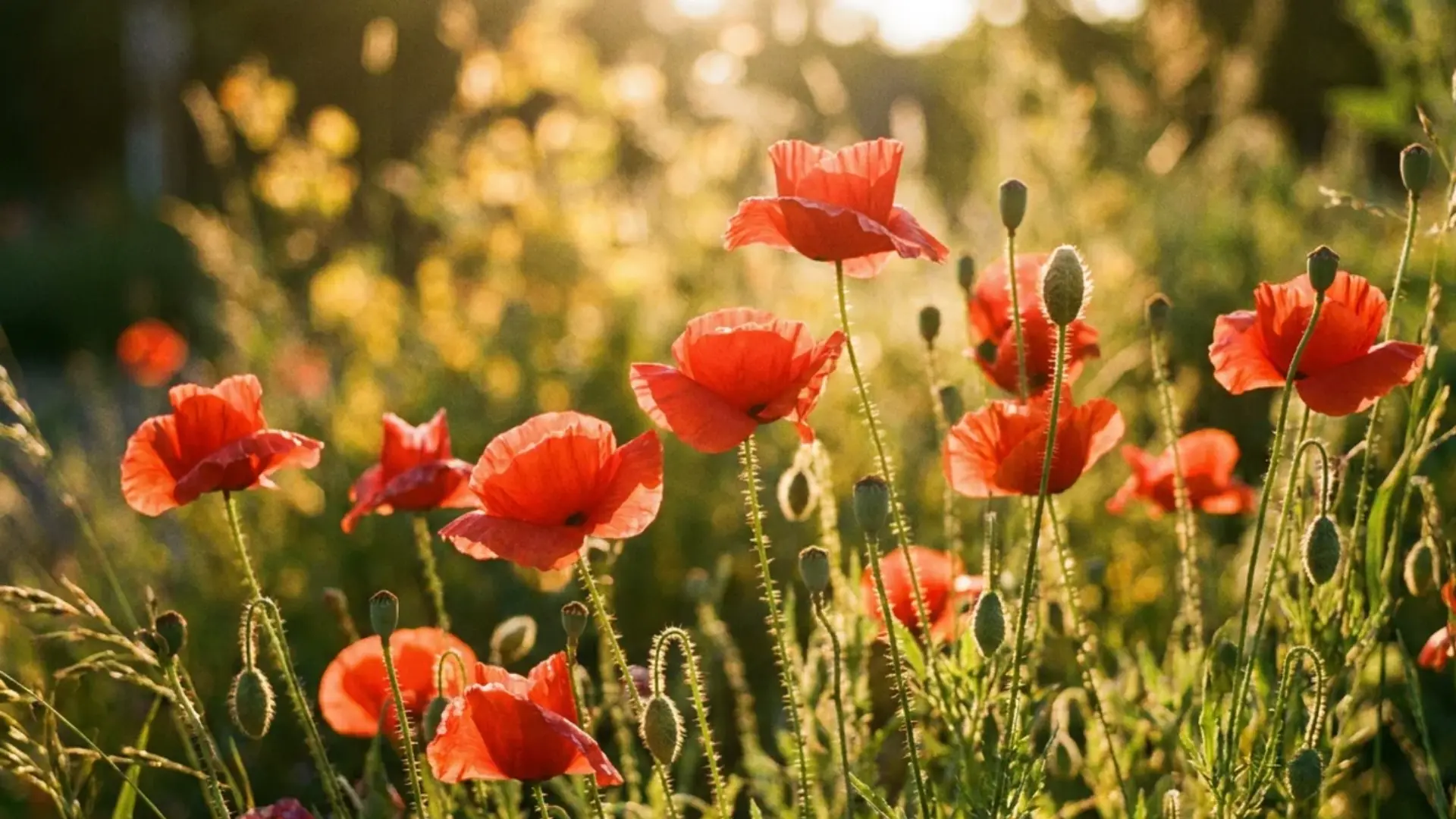
Poppies release bitter or milky sap when their stems or leaves are damaged, making them unpleasant to browsing deer.
Their lightweight flowers bring vivid seasonal color to sunny borders, cottage gardens, and meadow-style planting schemes.
- USDA Hardiness Zones: 3-9, depending on species
- Light: Full sun
- Mature Size: 1-4 ft. tall, 1-2 ft. wide
- Flower Color: Red, orange, pink, white, yellow, purple
- Toxicity: Toxicity varies, but many species are toxic if ingested
Combining these dependable plants with fragrant or rough-textured varieties adds broader protection across different seasons and growing conditions.
Fuzzy, Rough, and Prickly-Textured Flowers
Texture is the third deterrent mechanism, working through physical discomfort rather than smell or toxicity. Coarse, hairy, or prickly foliage is unpleasant to chew, so deer move on.
11. Coneflower and Black-Eyed Susan
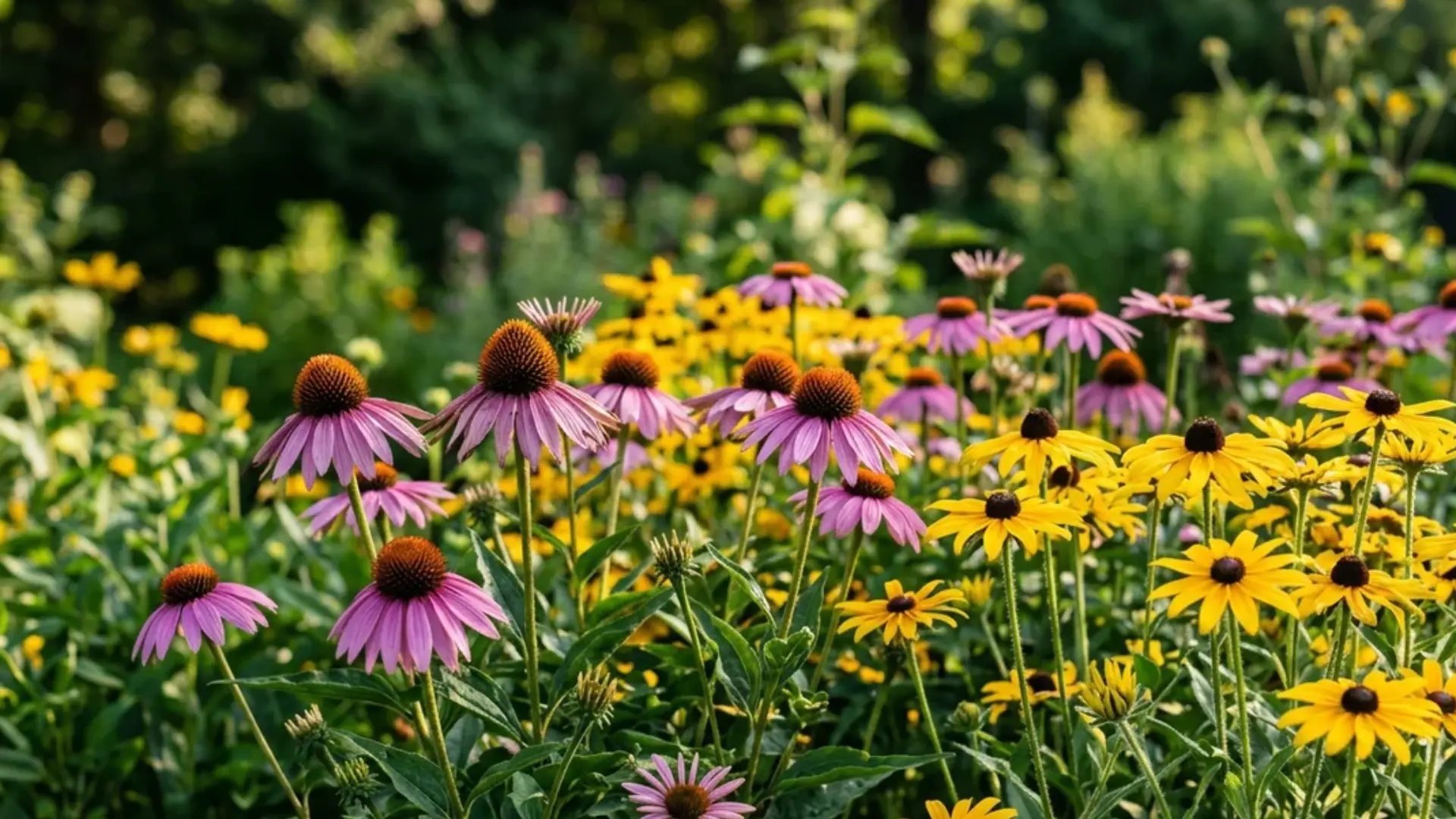
Coneflowers and black-eyed Susans have coarse stems, rough foliage, and textured flower centers that deer usually avoid chewing. These heat-tolerant plants support pollinators and supply dependable summer color.
Rudbeckia species tolerate sun or partial shade, resist deer and rabbits, and commonly produce yellow or orange flowers around dark centers.
- USDA Hardiness Zones: 3-9
- Light: Full sun to partial shade
- Mature Size: 2-4 ft. tall, 1.5-3 ft. wide
- Flower Color: Purple, pink, white, yellow, orange
- Toxicity: Generally considered non-toxic, though ingestion may cause mild digestive upset
12. Yarrow
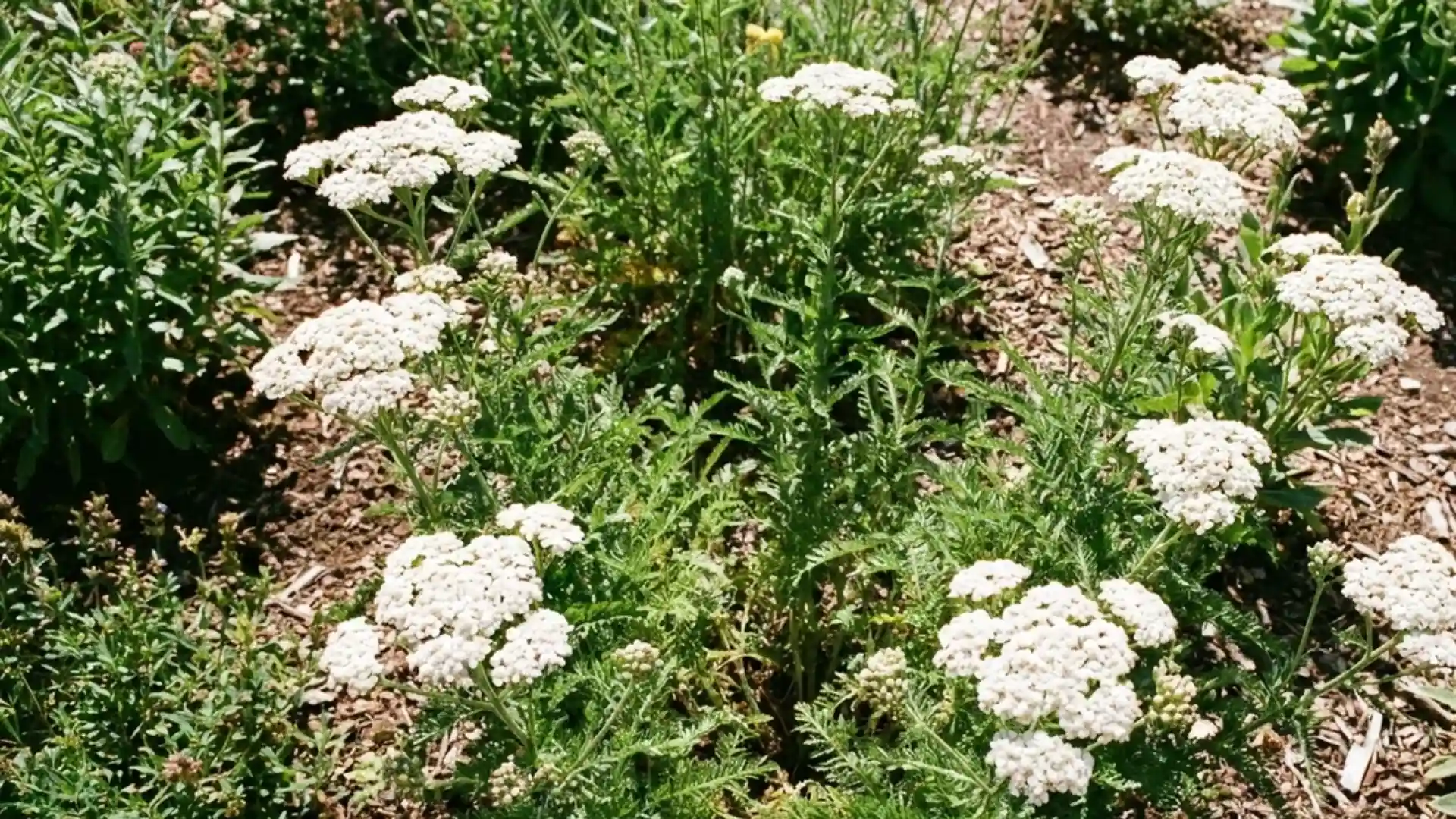
Yarrow has finely divided, fern-like foliage with a coarse texture and strong scent that deer find unappealing. It grows reliably in sunny, dry conditions and produces flat flower clusters that attract pollinators.
Common yarrow grows in Zones 3 through 9, reaches roughly 1 to 3 feet tall, and is resistant to deer and rabbits.
- USDA Hardiness Zones: 3-9
- Light: Full sun
- Mature Size: 1-3 ft. tall, 1-4 ft. wide
- Flower Color: White, yellow, pink, red, orange
- Toxicity: Toxic to dogs, cats, and horses
13. Lamb’s Ear
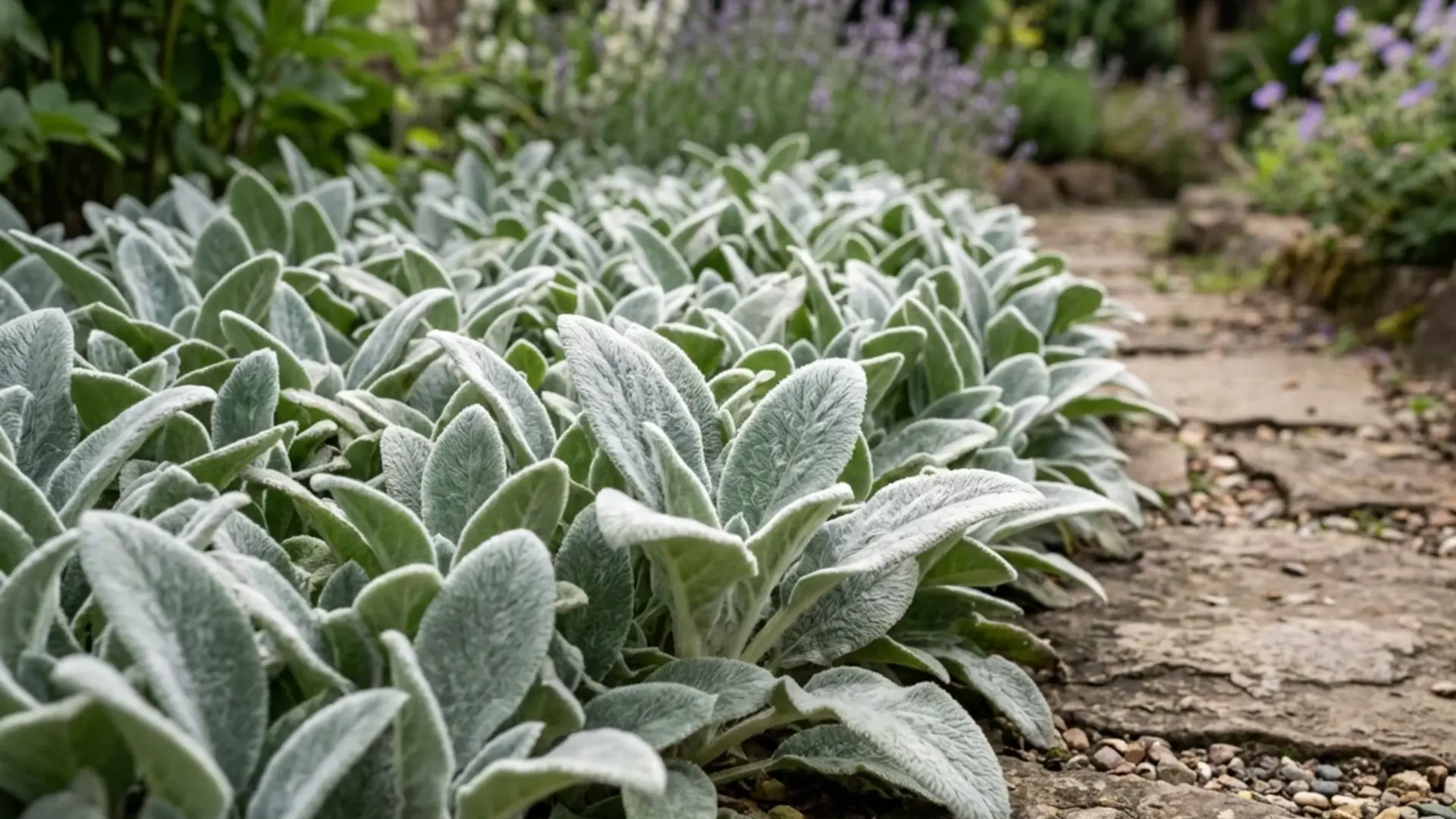
Lamb’s ear forms low clumps of thick, silver foliage covered in dense, felt-like hairs that deer dislike chewing.
Its spreading habit makes it useful as ground cover along paths, border fronts, rock gardens, and other dry planting areas.
- USDA Hardiness Zones: 4-9
- Light: Full sun to partial shade
- Mature Size: 6-18 in. tall, 1-2 ft. wide
- Flower Color: Pink, purple
- Toxicity: Generally considered non-toxic to humans and pets
14. Bee Balm
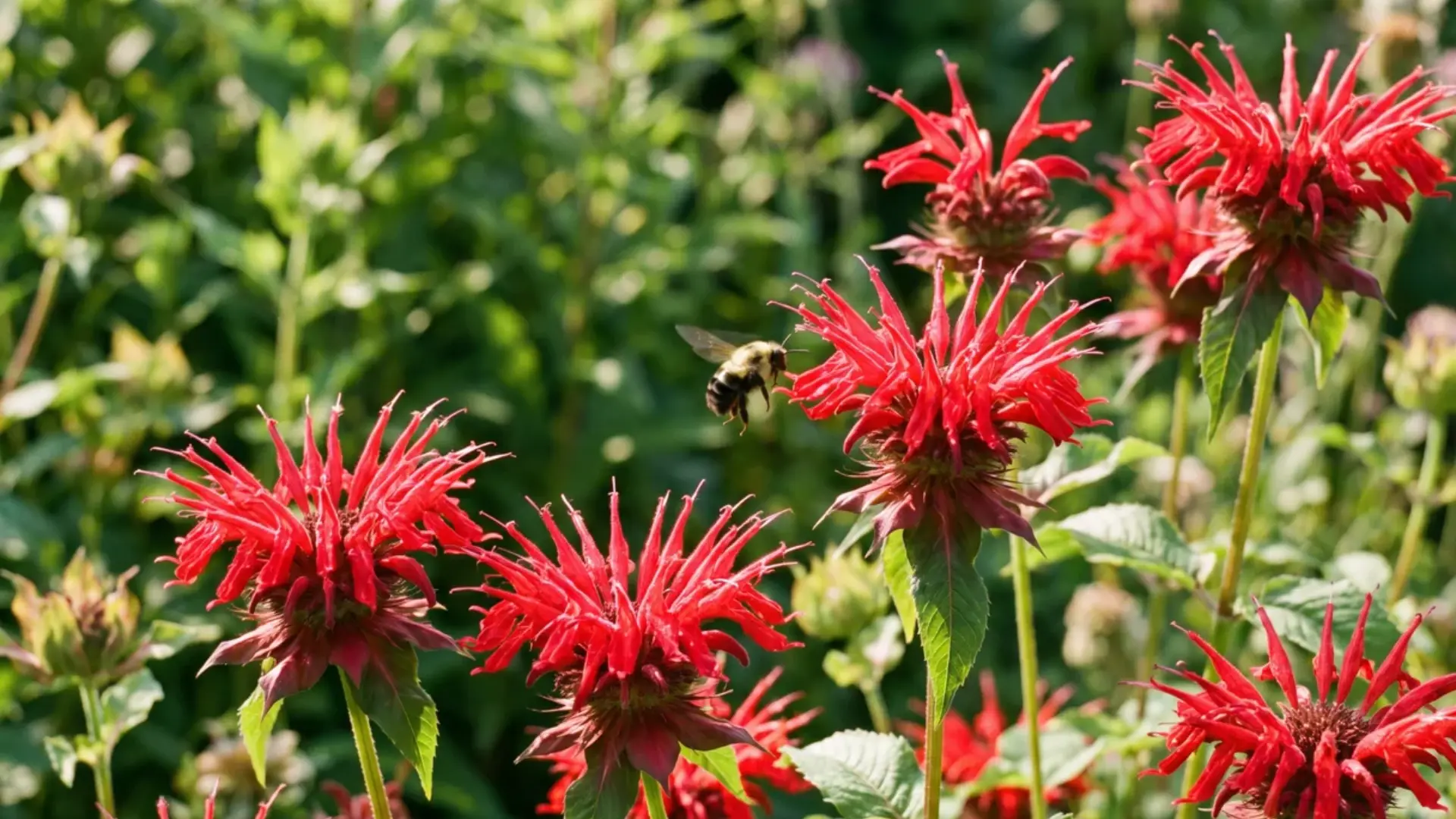
Bee balm combines rough leaves with a noticeable mint-like fragrance, providing both texture-based and scent-based protection. Its clustered summer flowers attract bees, butterflies, and hummingbirds, making it a natural fit alongside other pollinator garden flowers in a mixed border.
Bee balm typically grows 2 to 4 feet tall, performs best with good airflow, and is resistant to browsing by deer and rabbits.
- USDA Hardiness Zones: 4-9
- Light: Full sun to partial shade
- Mature Size: 2-4 ft. tall, 2-3 ft. wide
- Flower Color: Red, pink, purple, white
- Toxicity: Generally considered non-toxic to humans and pets
15. Bleeding Heart
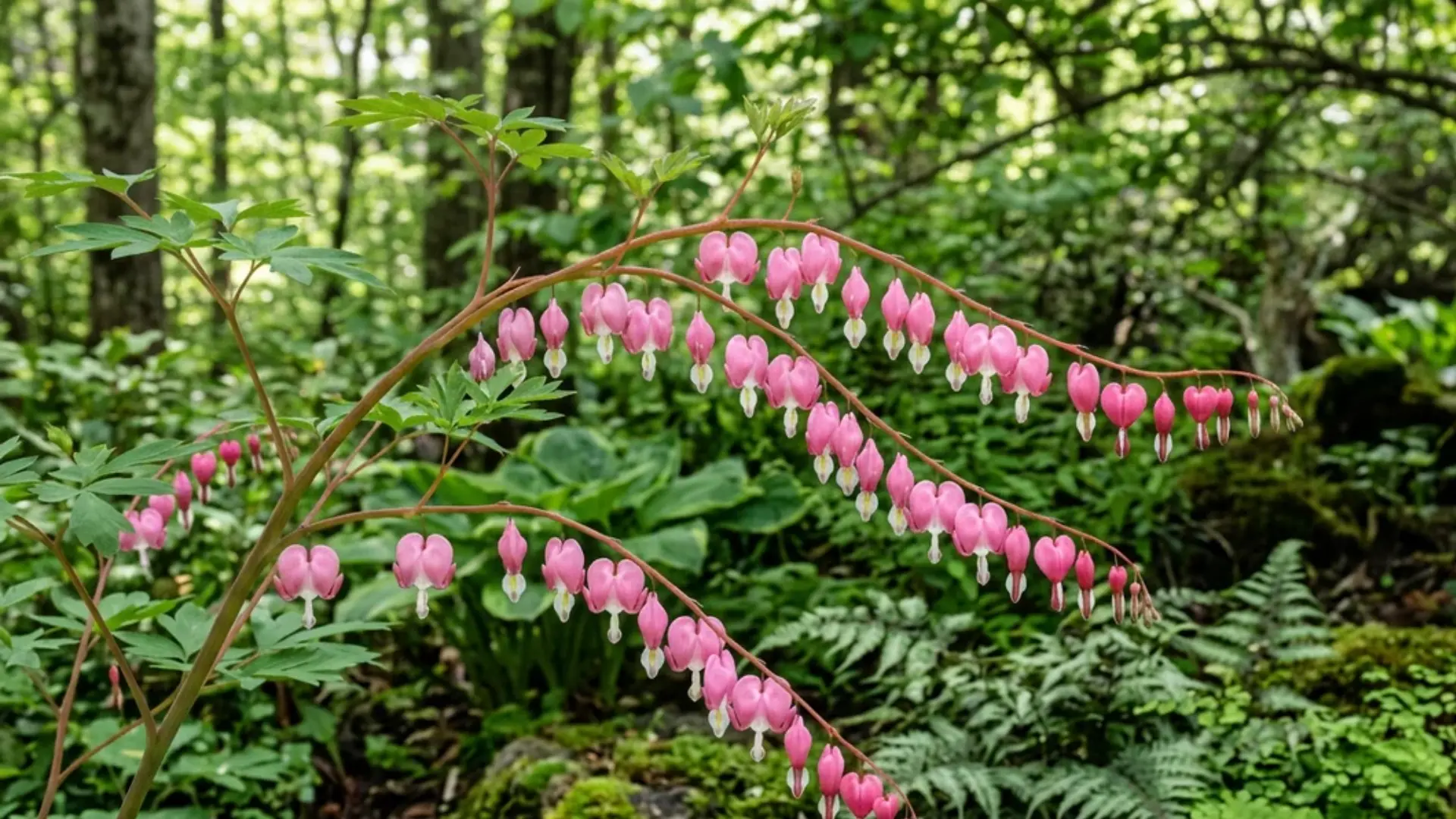
Bleeding heart has divided foliage, coarse stems, and toxic compounds that make it less appealing to browsing deer.
Its arching branches carry heart-shaped spring flowers and perform best in cool, moist soil protected from strong afternoon sunlight.
- USDA Hardiness Zones: 3-9
- Light: Partial shade to full shade
- Mature Size: 1-3 ft. tall, 2-3 ft. wide
- Flower Color: Pink, red, white
- Toxicity: Toxic to humans, deer, cats, and horses
Mixing rough-textured flowers with fragrant or bitter varieties creates several deterrents and provides stronger protection across the garden.
Cutting Garden Flowers
Cutting-garden flowers need to resist deer outdoors while producing sturdy stems that remain attractive after harvesting.
16. Bearded Iris
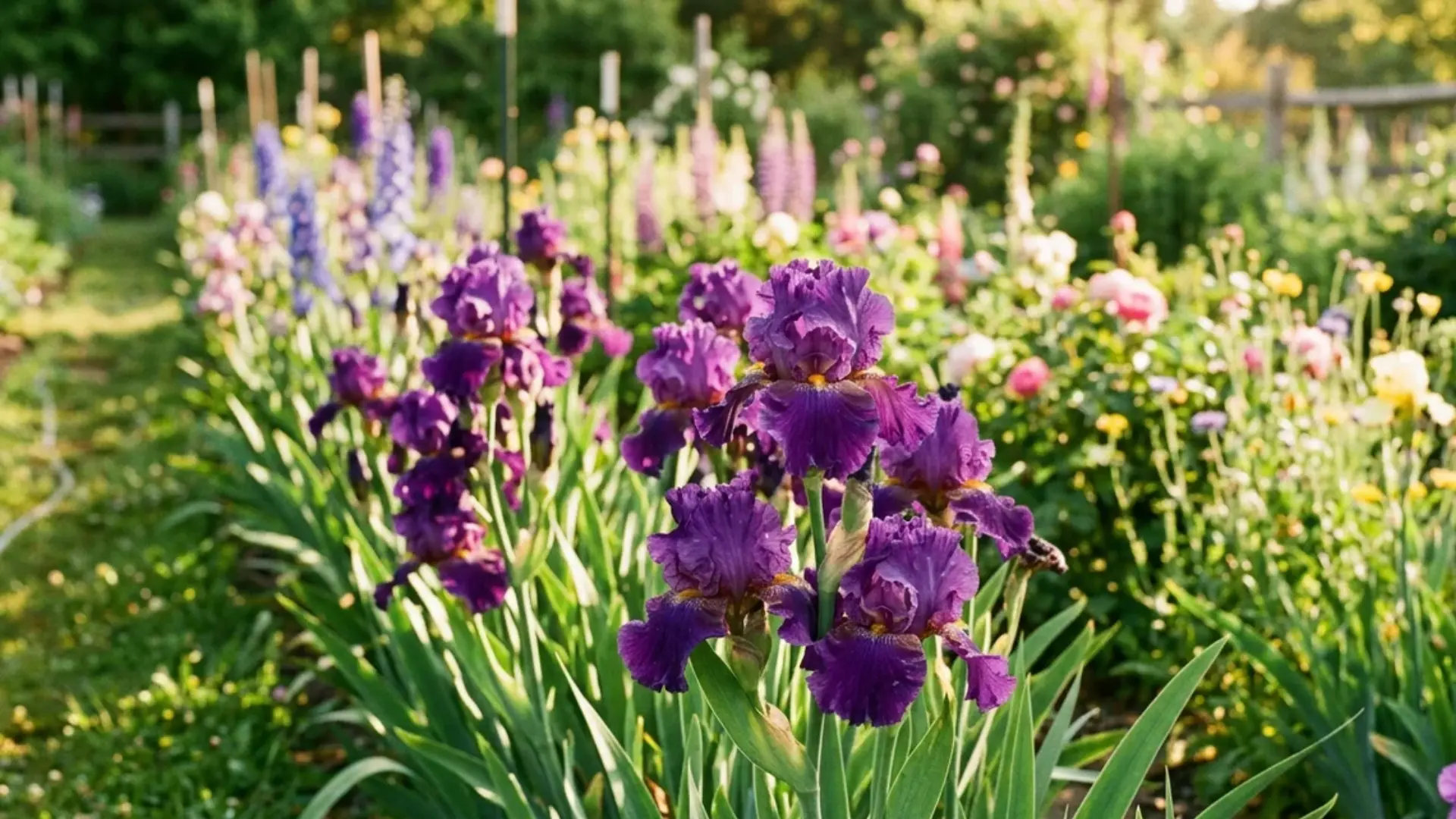
Bearded iris combines bitter, sword-shaped foliage with sturdy flowering stems that work well in indoor arrangements. Its exposed rhizomes require good drainage, and overcrowded clumps should be divided periodically.
Bearded iris performs best in full sun, reaches approximately 2 to 3 feet tall, and requires shallow planting in well-draining soil.
- USDA Hardiness Zones: 3-10
- Light: Full sun
- Mature Size: 2-3 ft. tall, 1-2 ft. wide
- Flower Color: Purple, blue, white, yellow, pink, orange
- Toxicity: Toxic to humans and pets, especially the rhizomes
17. Larkspur
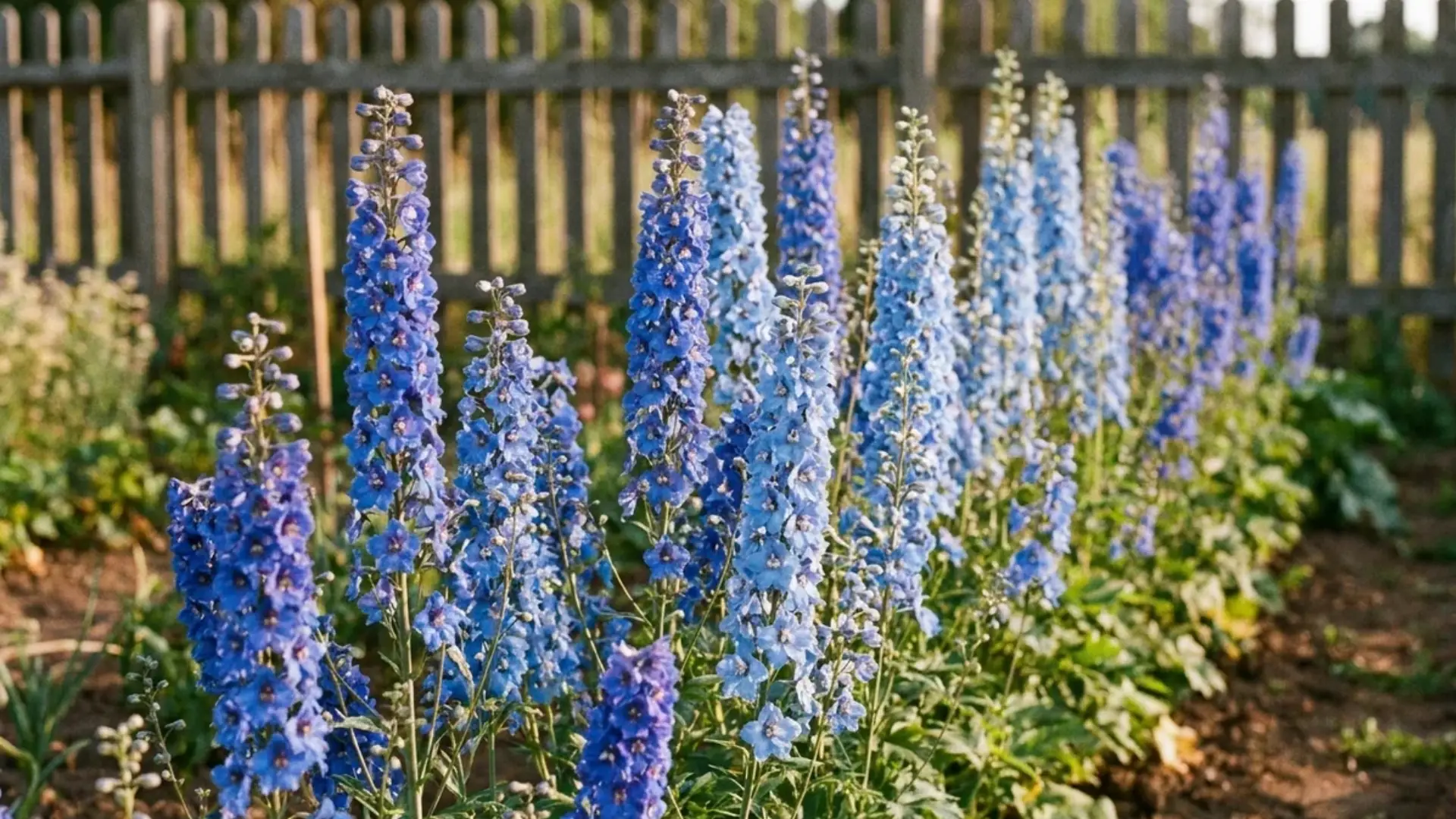
Larkspur produces tall flower spikes that add height and strong vertical lines to bouquets. Deer usually avoid the plant because its leaves, stems, flowers, and seeds contain toxic compounds that can cause serious poisoning when ingested.
Many garden larkspurs grow in Zones 3 through 7, reach 4 to 6 feet tall, and require staking or protection from strong winds.
- USDA Hardiness Zones: 3-7
- Light: Full sun, with afternoon shade in hot regions
- Mature Size: 3-6 ft. tall, 2-3 ft. wide
- Flower Color: Blue, purple, pink, white
- Toxicity: Highly toxic to humans and pets
18. Foxglove as a Cut Flower
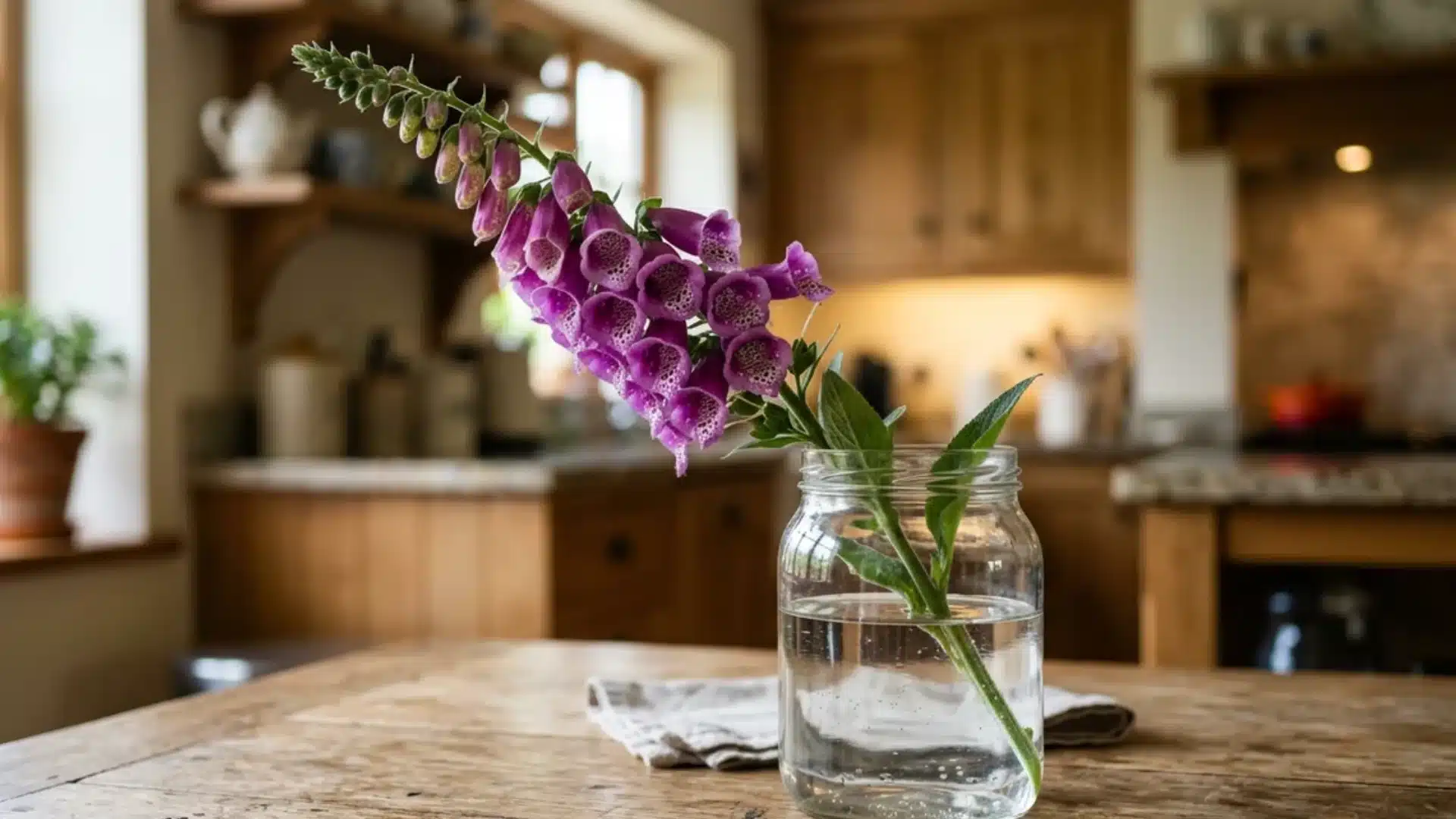
Foxglove provides tall stems covered with bell-shaped flowers that create a dramatic focal point in large arrangements.
Wear gloves while harvesting because its sap may irritate skin, and keep every cut portion away from children and animals.
- USDA Hardiness Zones: 4-9
- Light: Full sun to partial shade
- Mature Size: 2-5 ft. tall, 1-2 ft. wide
- Flower Color: Purple, pink, white, yellow
- Toxicity: Highly toxic to humans and pets
19. Feverfew
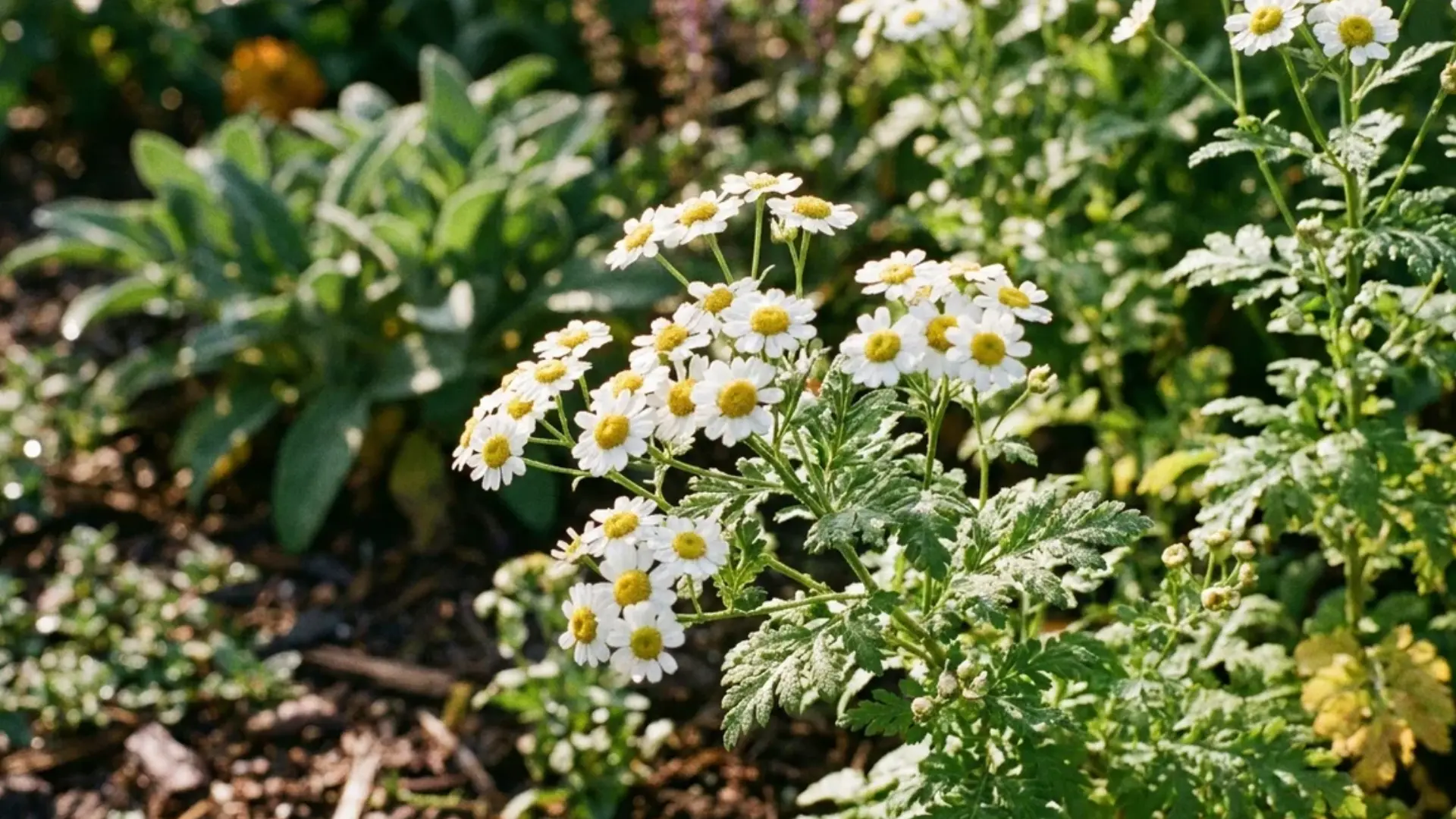
Feverfew produces clusters of small, daisy-like blooms that fill gaps between larger bouquet flowers.
Its strongly scented, bitter foliage discourages deer, while regular cutting and deadheading can encourage the plant to produce additional flowering stems.
- USDA Hardiness Zones: 5-9
- Light: Full sun to partial shade
- Mature Size: 1-2 ft. tall, 1-2 ft. wide
- Flower Color: White with yellow centers
- Toxicity: Toxic to dogs, cats, and horses; sap may irritate skin
20. Calendula
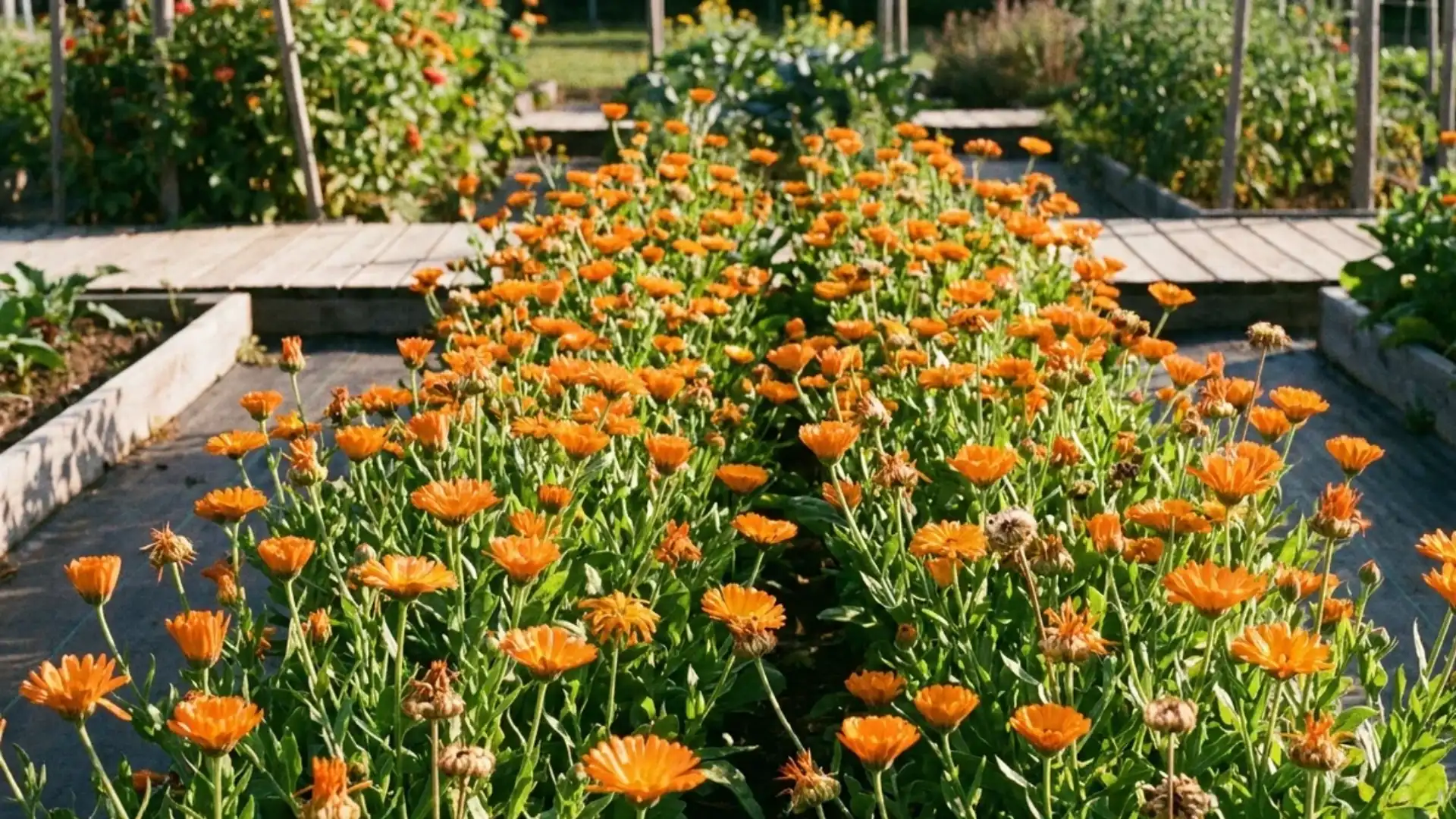
Calendula is an easy-growing annual with bright flowers and aromatic, slightly bitter foliage that deer may avoid.
Its sturdy stems work well in informal bouquets, while regular harvesting encourages additional buds through much of the growing season.
- USDA Hardiness Zones: Grown as an annual in Zones 2-11
- Light: Full sun to partial shade
- Mature Size: 1-2 ft. tall, 1-1.5 ft. wide
- Flower Color: Yellow, orange, cream, apricot
- Toxicity: Generally considered non-toxic to humans and pets
Combining these varieties creates a productive cutting bed with dependable stems, varied flower shapes, and several natural deer deterrents.
Reliable Flowers for Shade and Part-Sun Beds
Shaded beds offer fewer naturally protected flowers, so combining plants with fragrance, bitter foliage, and coarse textures provides stronger coverage.
21. Monarda
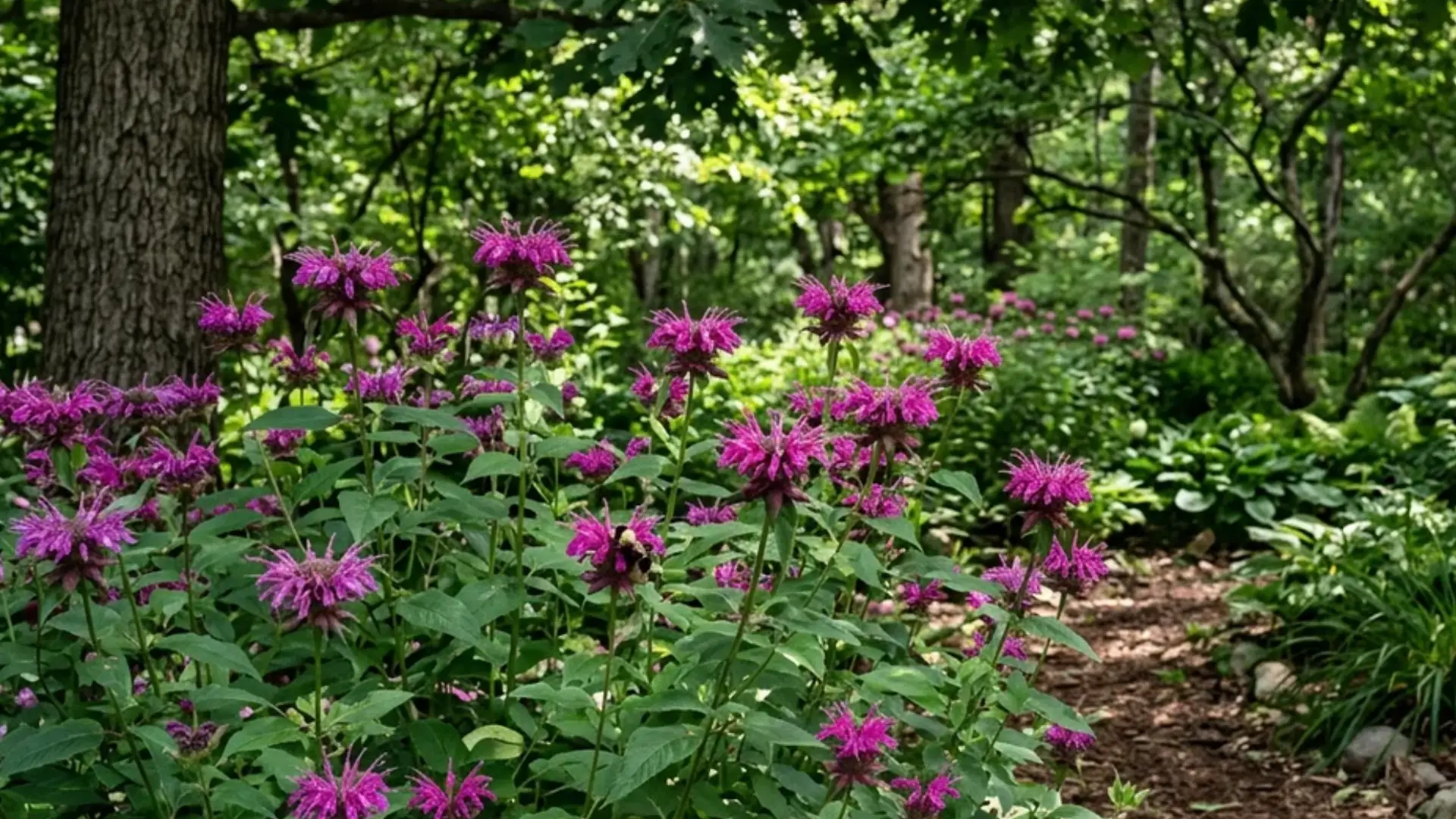
Monarda grows in full sun or part sun and handles consistently moist soil better than many fragrant perennials. Its aromatic foliage discourages deer, while the clustered flowers provide nectar for pollinators.
The Monarda genus is generally hardy in Zones 4 through 9, with most garden forms reaching approximately 2 to 4 feet tall.
- USDA Hardiness Zones: 4-9
- Light: Full sun to partial shade
- Mature Size: 2-4 ft. tall, 2-3 ft. wide
- Flower Color: Red, pink, purple, lavender, white
- Toxicity: Generally considered non-toxic to humans and pets
22. Heuchera
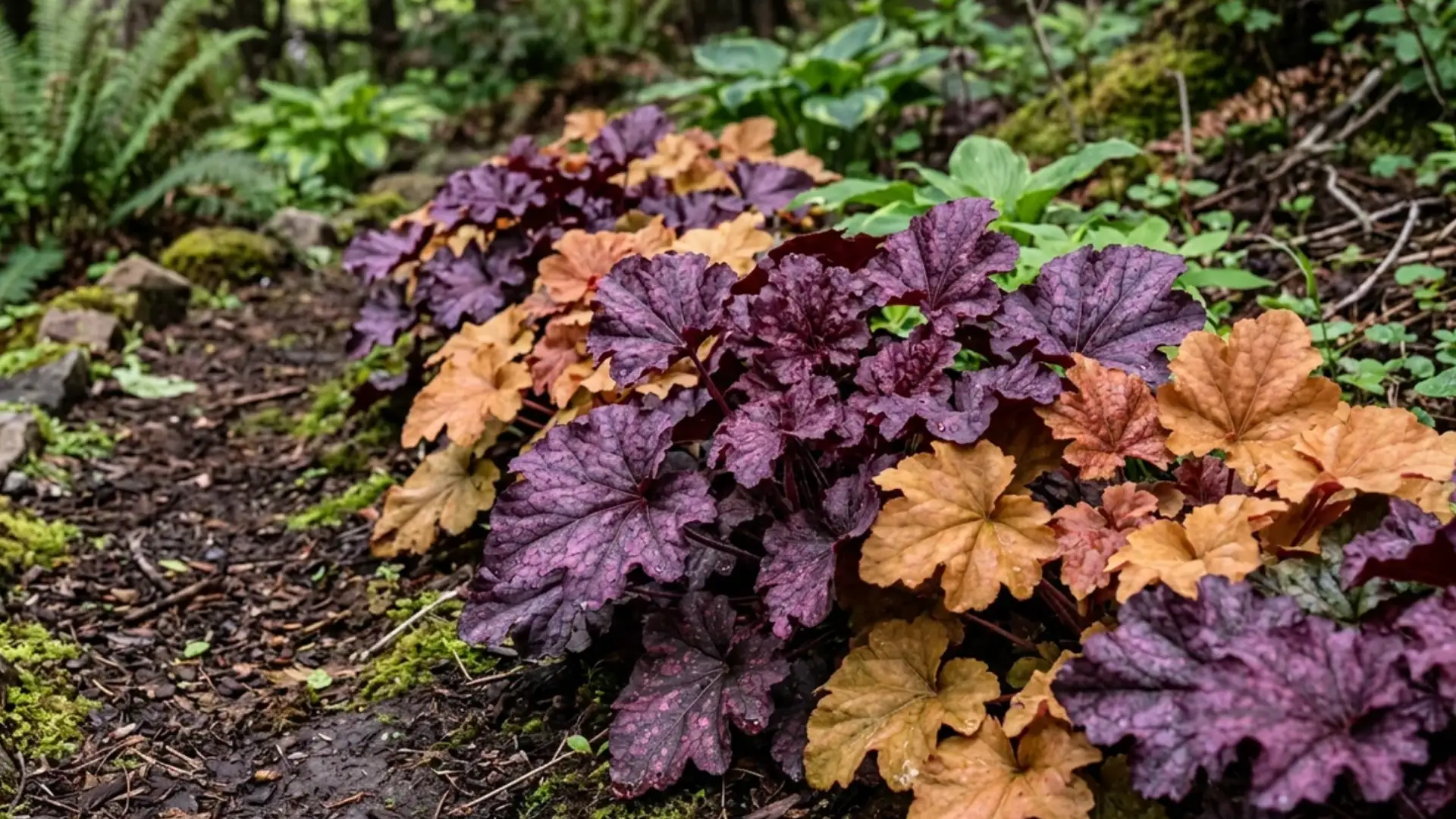
Heuchera, commonly called coral bells, adds lasting interest through colorful, patterned foliage rather than depending entirely on flowers.
Its compact clumps fit border fronts, woodland gardens, containers, and partly shaded spaces protected from strong afternoon heat.
- USDA Hardiness Zones: 4-9
- Light: Partial shade; some cultivars tolerate full sun
- Mature Size: 8-18 in. tall, 1-2 ft. wide
- Flower Color: White, pink, red, coral
- Toxicity: Generally considered non-toxic to humans and pets
23. Astilbe
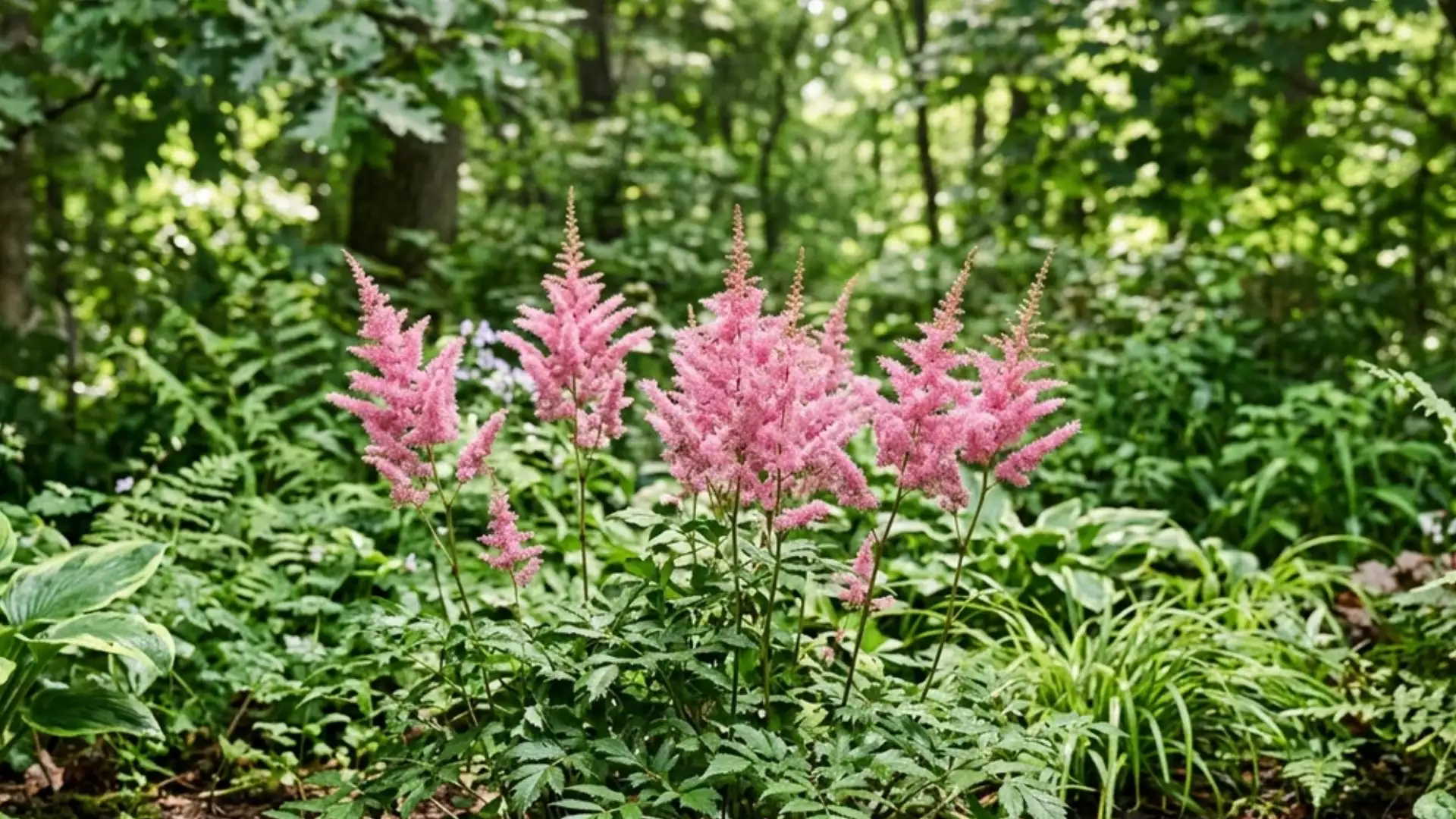
Astilbe produces feathery flower plumes that add soft height and texture to shaded borders during early or midsummer.
It grows best in rich, consistently moist soil, since extended dryness can brown the foliage and reduce flower quality.
- USDA Hardiness Zones: 3-9
- Light: Partial shade to full shade
- Mature Size: 1-4 ft. tall, 1-3 ft. wide
- Flower Color: White, pink, red, purple
- Toxicity: Generally considered non-toxic to humans and pets
24. Hardy Geranium (Cranesbill)
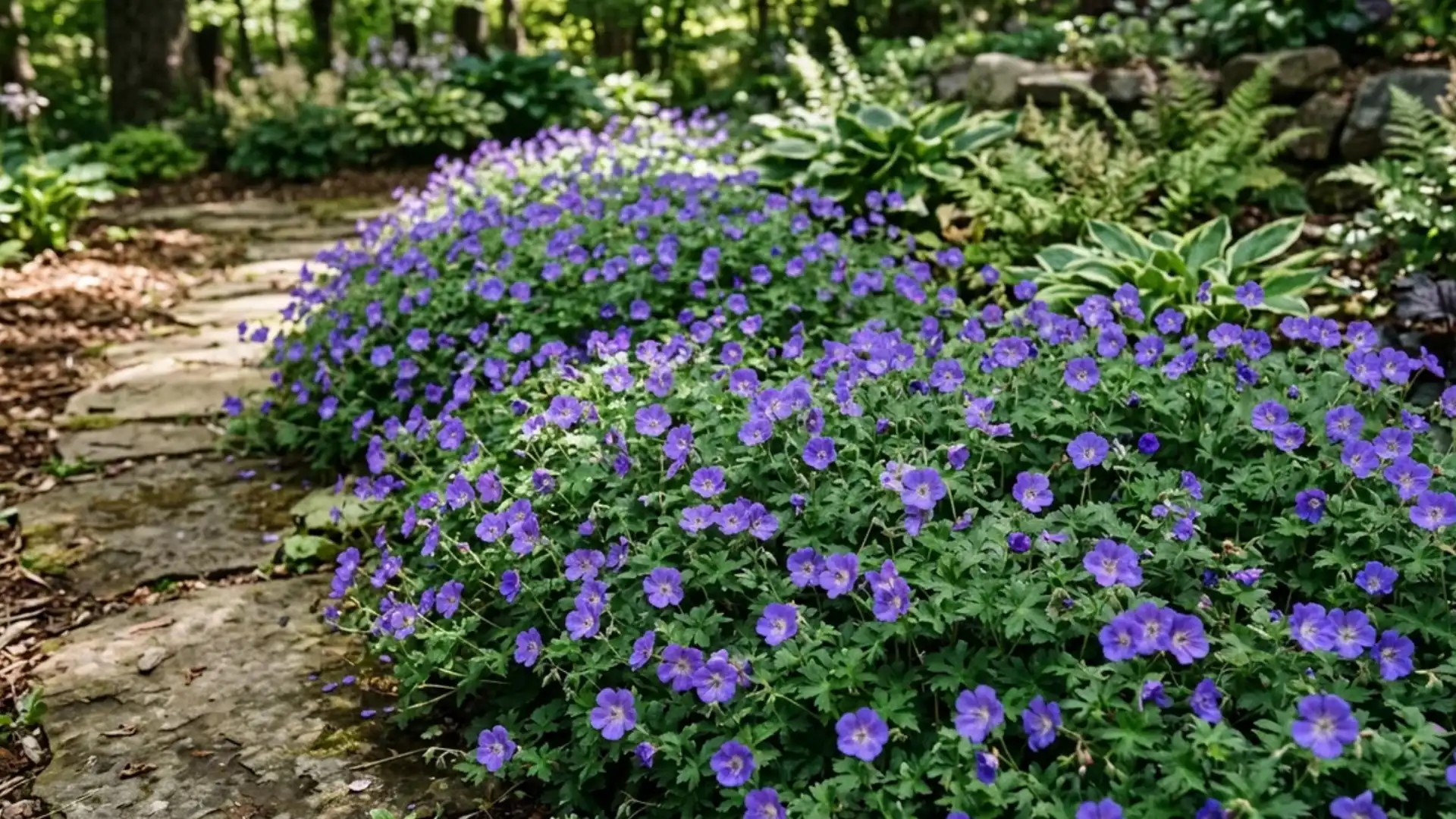
Hardy geranium forms dense, spreading clumps that fill spaces beneath taller plants and along shaded border edges.
Its aromatic or bitter foliage helps discourage browsing, while trimming after the first flowering period may encourage fresh growth and additional blooms.
- USDA Hardiness Zones: 3-9, depending on species
- Light: Full sun to partial shade
- Mature Size: 6 in.-2 ft. tall, 1-3 ft. wide
- Flower Color: Blue, purple, pink, white
- Toxicity: True hardy geraniums are generally considered non-toxic
Layering these shade-tolerant flowers creates fuller beds while combining several natural defenses against browsing damage.
Ground Covers and Low-Growing Flowers
Low-growing flowers create dense coverage, reduce exposed soil, and add another protective layer beneath taller plants.
25. Creeping Thyme
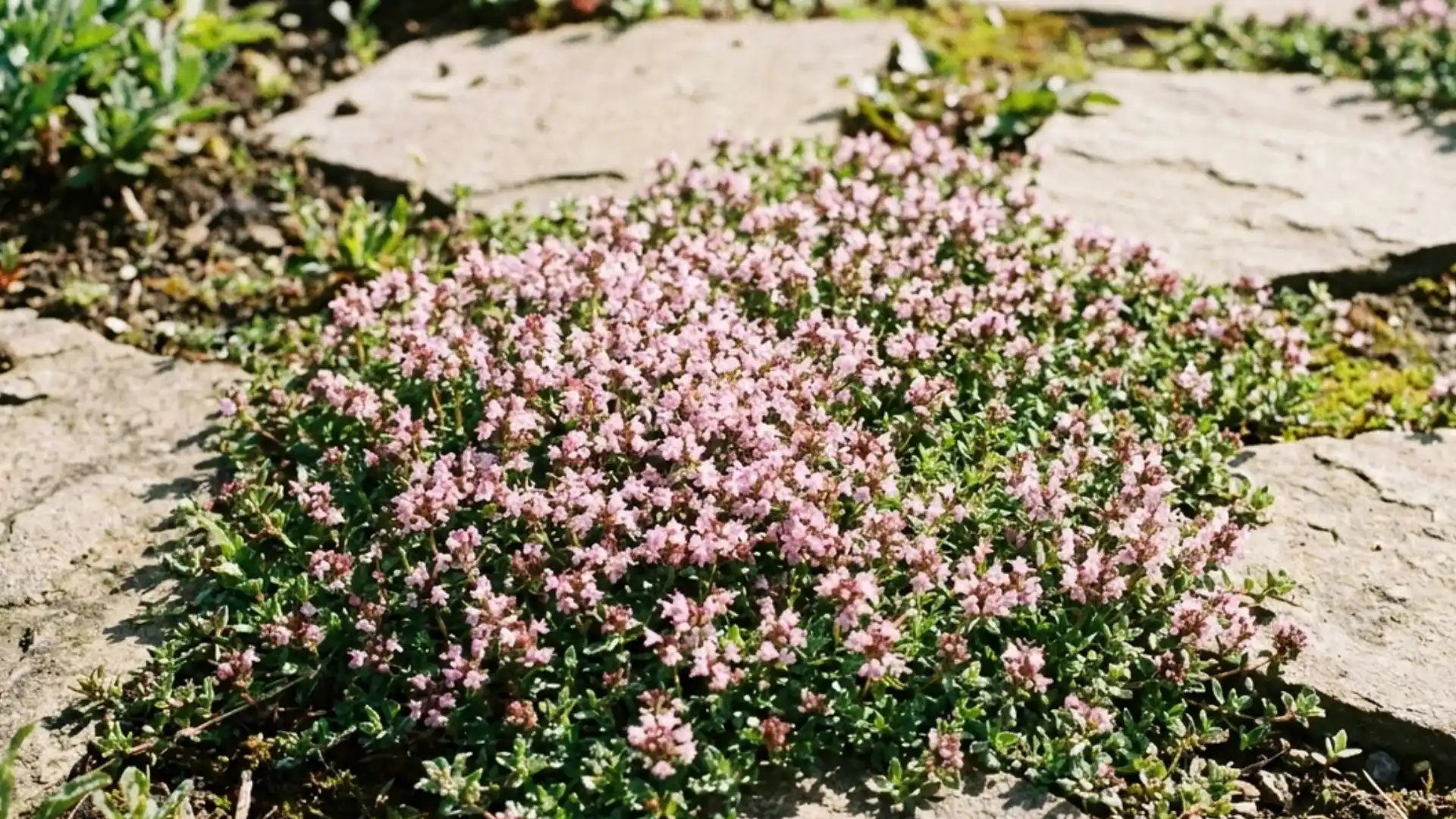
Creeping thyme forms a low, dense mat that releases a strong herbal fragrance when touched or walked upon. Its spreading stems cover bare soil, soften pathway edges, and fit between stepping stones where foot traffic remains light.
Several creeping thyme forms, including Thymus praecox and Thymus serpyllum, are commonly grown as low ground covers.
- USDA Hardiness Zones: 4-9
- Light: Full sun
- Mature Size: 2-6 in. tall, 1-2 ft. wide
- Flower Color: Pink, purple, lavender, white
- Toxicity: Generally considered non-toxic to humans and pets
26. Lady’s Mantle
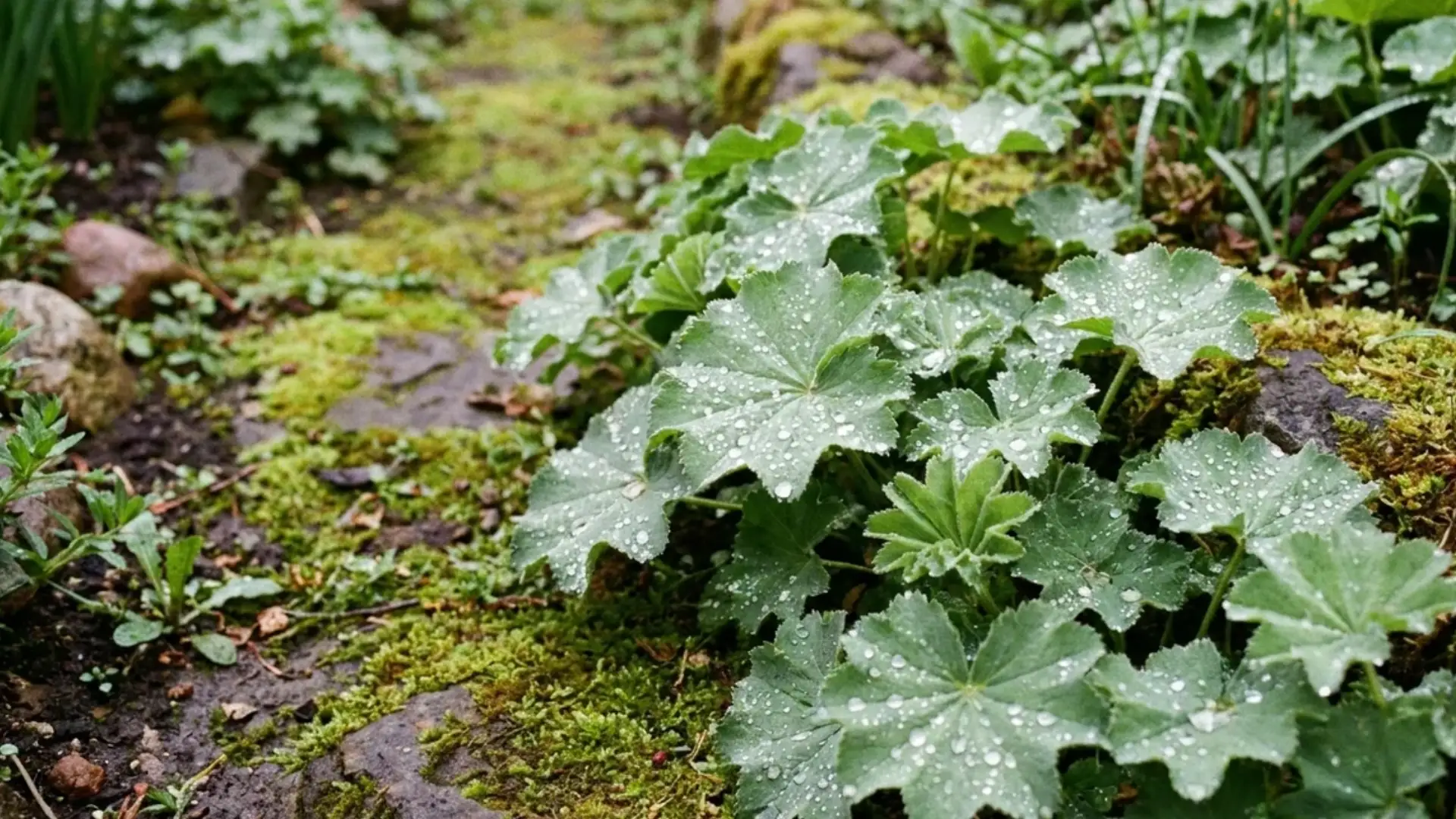
Lady’s mantle produces rounded, scalloped foliage that deer generally leave untouched. Its low clumps work well along border edges, while tiny yellow-green flowers rise above the leaves and add an airy filler to informal planting schemes.
- USDA Hardiness Zones: 3-8
- Light: Full sun to partial shade
- Mature Size: 1-2 ft. tall, 1.5-2.5 ft. wide
- Flower Color: Yellow-green
- Toxicity: Generally considered non-toxic to humans and pets
27. Veronica
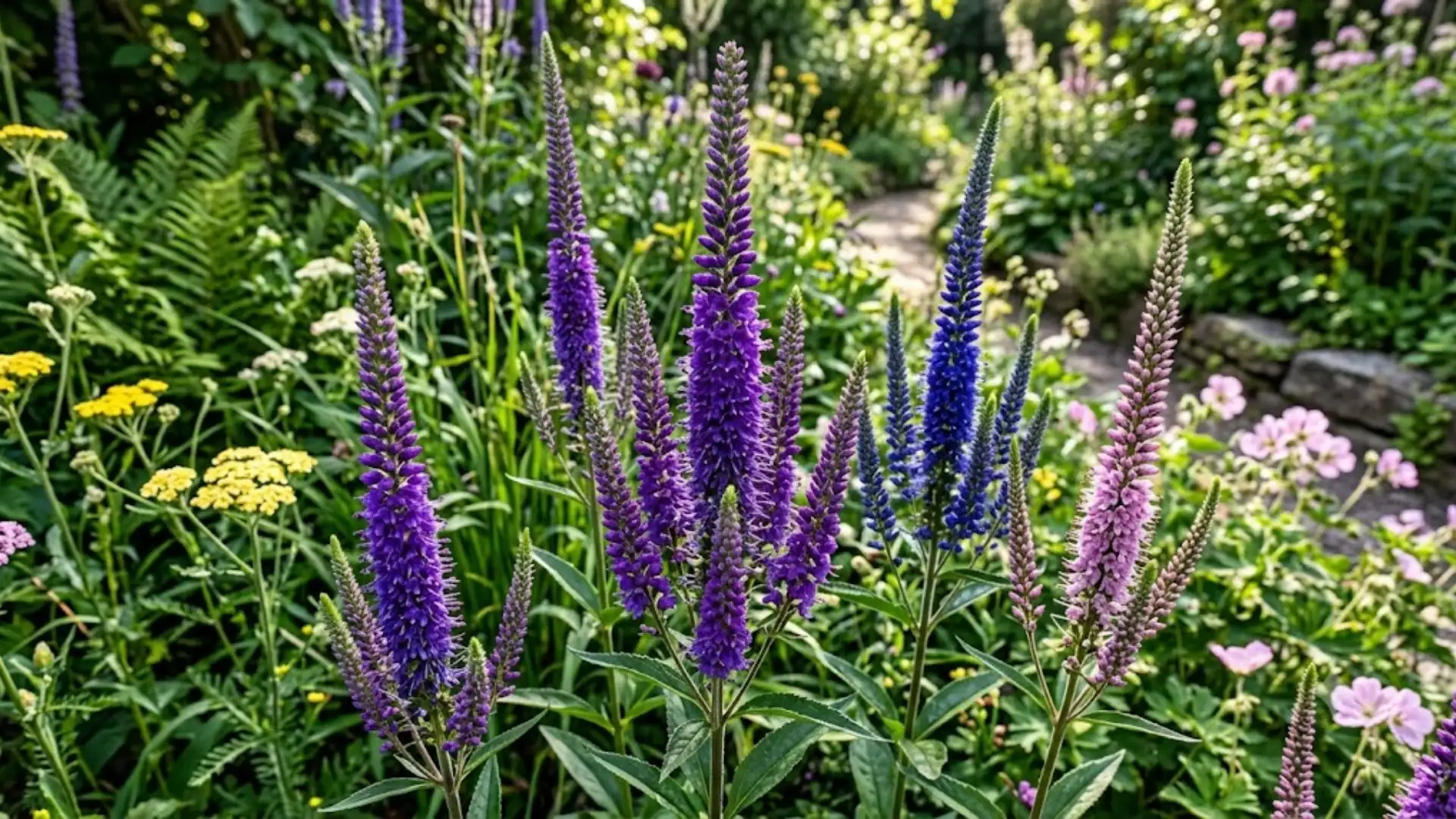
Veronica produces compact or upright flower spikes that add structure and color without hiding taller plants behind them.
Deer generally avoid its foliage, and wide varieties produce a second flush of flowers when faded spikes are removed promptly.
- USDA Hardiness Zones: 3-9, depending on species
- Light: Full sun to partial shade
- Mature Size: 6 in.-3 ft. tall, 1-2 ft. wide
- Flower Color: Blue, purple, pink, white
- Toxicity: Generally considered non-toxic to humans and pets
Together, these low-growing flowers cover open ground, define border edges, and strengthen the bed with added scent and texture.
How to Build a Garden Deer-Proof Garden
A layered planting plan helps you test local deer behavior while reducing damage and avoiding unnecessary plant loss.
- Start with a small area: Test several flowers before filling an entire bed with one variety.
- Combine deterrent types: Mix fragrant, toxic, and rough-textured plants to give deer several reasons to move on.
- Watch new plantings: Check young flowers closely because deer may sample unfamiliar leaves during the first few weeks.
- Replace weak performers: Swap frequently damaged plants for a different deterrent category instead of planting the same variety again.
- Protect vulnerable blooms: Place tougher, less appealing flowers around softer plants to make them harder for deer to reach.
- Track seasonal changes: Deer feeding habits can shift with drought, winter weather, and natural food availability.
Testing different combinations gradually helps reveal which flowers provide the most dependable protection in your garden.
Conclusion
A garden does not need to become a buffet for passing deer. The most reliable protection comes from combining several defenses, then paying attention to which plants survive feeding pressure.
I prefer starting small with one fragrant flower, one bitter or toxic variety, and one rough-textured plant in the same bed. That mix gives deer fewer easy choices and makes planting decisions clearer.
Over time, deer-resistant flowers can reduce damage without forcing you to sacrifice color, bloom time, or variety.
Seasonal hunger may still change their behavior, so keep watching for patterns and replace weak performers when needed.
Which plants have held up best in your yard? Share your successful combinations, regional observations, and unexpected failures in the comments below.
Frequently Asked Questions
What flowers do deer hate the most?
Deer most consistently avoid strongly scented plants like lavender, catmint, and Russian sage, along with toxic-sap flowers such as daffodils and peonies. These trigger a smell or taste response deer instinctively steer away from, making them reliable first choices for a deer-prone garden.
Will deer eat marigolds or zinnias?
Deer generally avoid marigolds because of their strong scent, and zinnias are considered fairly resistant, though not immune. Both perform well in containers and cutting gardens, but during periods of food scarcity, even these can occasionally get sampled.
What potted flowers will deer not eat?
Creeping thyme, marigolds, and zinnias are commonly recommended for pots because their scent or texture discourages browsing, and their compact growth suits container settings. Grouping several resistant varieties together in one pot adds an extra layer of deterrence.
Are any flowers completely deer-proof?
No flower is entirely deer-proof. Resistant varieties significantly reduce the likelihood of damage, but hungry deer, especially in winter or drought, may still sample almost anything. Combining resistant plants with fencing or repellents offers the most reliable protection.