

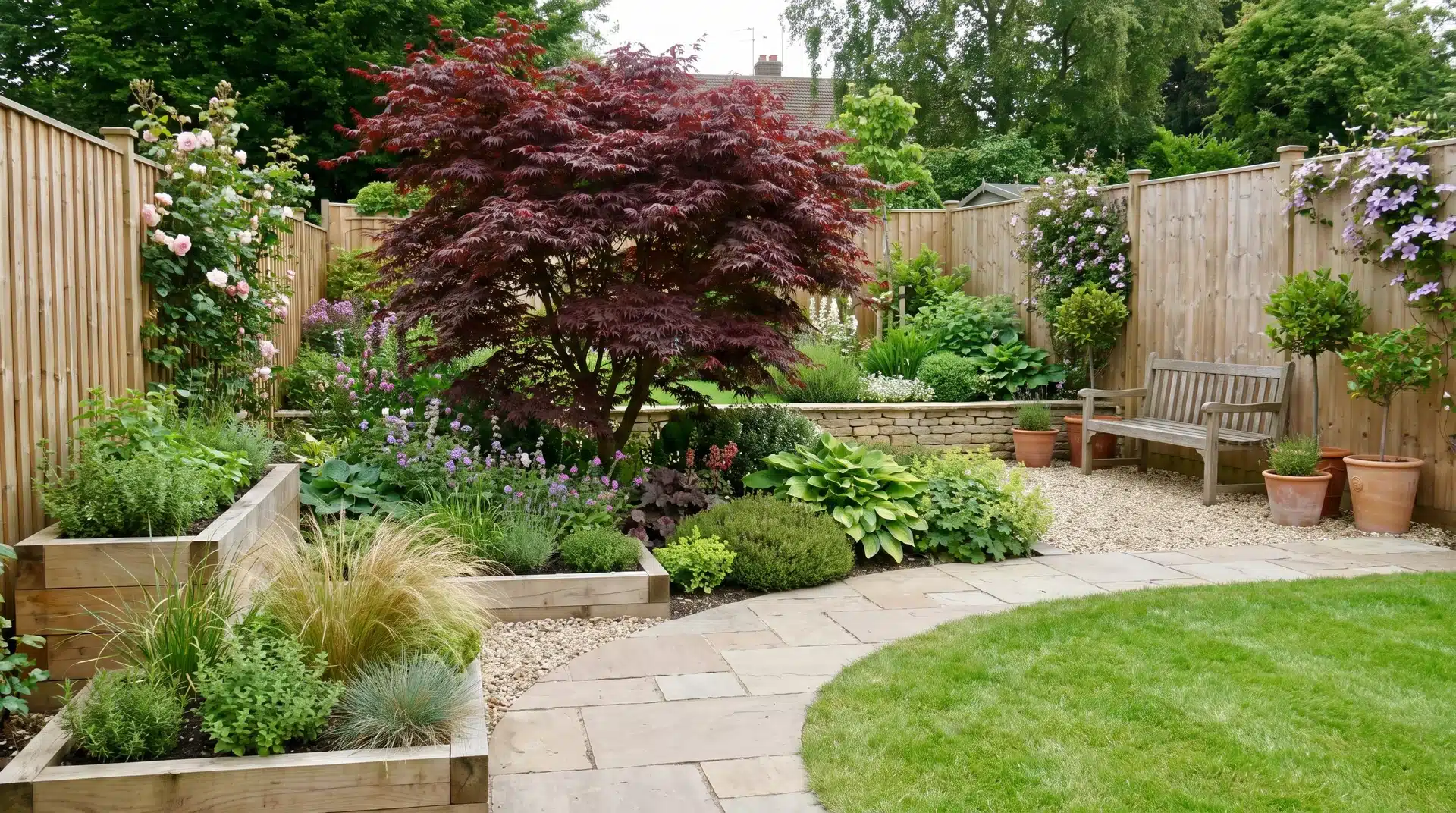
What if the reason your garden never feels complete has less to do with the plants and more to do with the way everything fits together?
I used to think adding more flowers or decorations would solve the problem, but a thoughtful layout often makes a bigger difference. Decoradhouse garden tips by DecoratorAdvice focus on planning first, so every plant, path, and feature has a purpose.
Instead of collecting random ideas, you build a space that looks balanced and is easier to care for over time. Small changes in structure, planting, and materials can make your garden feel more organized with less upkeep.
What Do Decoradhouse Garden Tips by DecoratorAdvice Focus On?
Decoradhouse garden tips by DecoratorAdvice focus on planning your outdoor space before choosing plants or decorations.
The idea is to think about your garden as part of your home, with a clear layout, practical pathways, and planting that suits the space and local conditions.
Instead of relying only on maintenance tasks, the advice encourages making thoughtful design decisions first so the garden stays organized and easier to care for over time.
It also encourages using suitable materials, grouping plants with similar needs, and creating practical outdoor spaces. This planning-first approach helps gardens stay balanced throughout the seasons.
Plant Selection in Decoradhouse Garden Tips
Plant selection feels personal, but it’s often done too early. Build the garden structure first, then choose plants to fill specific roles within it.
Structural vs. Accent Plants for a Balanced Garden
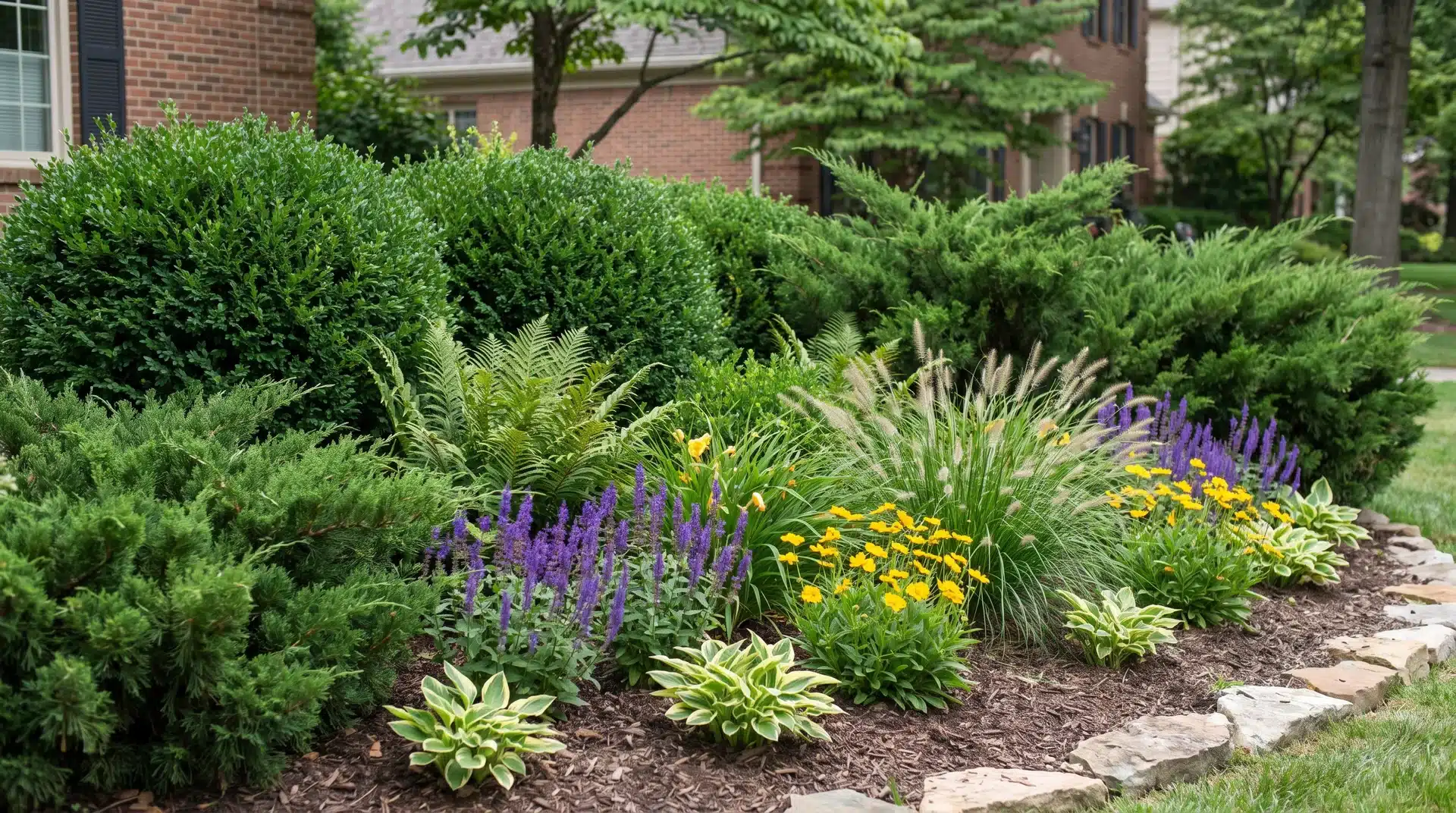
Every planting scheme needs two layers working together.
Structural plants are the ones that define the shape of the garden year-round. They’re usually native or habitat-supporting species that are hardy, low-maintenance, and consistent across seasons.
In many landscape designs, these plants make up most of the planting.
Accent plants add seasonal color, texture, and visual interest. They are generally used more selectively so the structural planting remains the main feature throughout the year.
When seasonal plants make up most of the planting, the garden can look crowded in summer and lose its structure during the rest of the year.
Vertical Gardening as a Space Multiplier
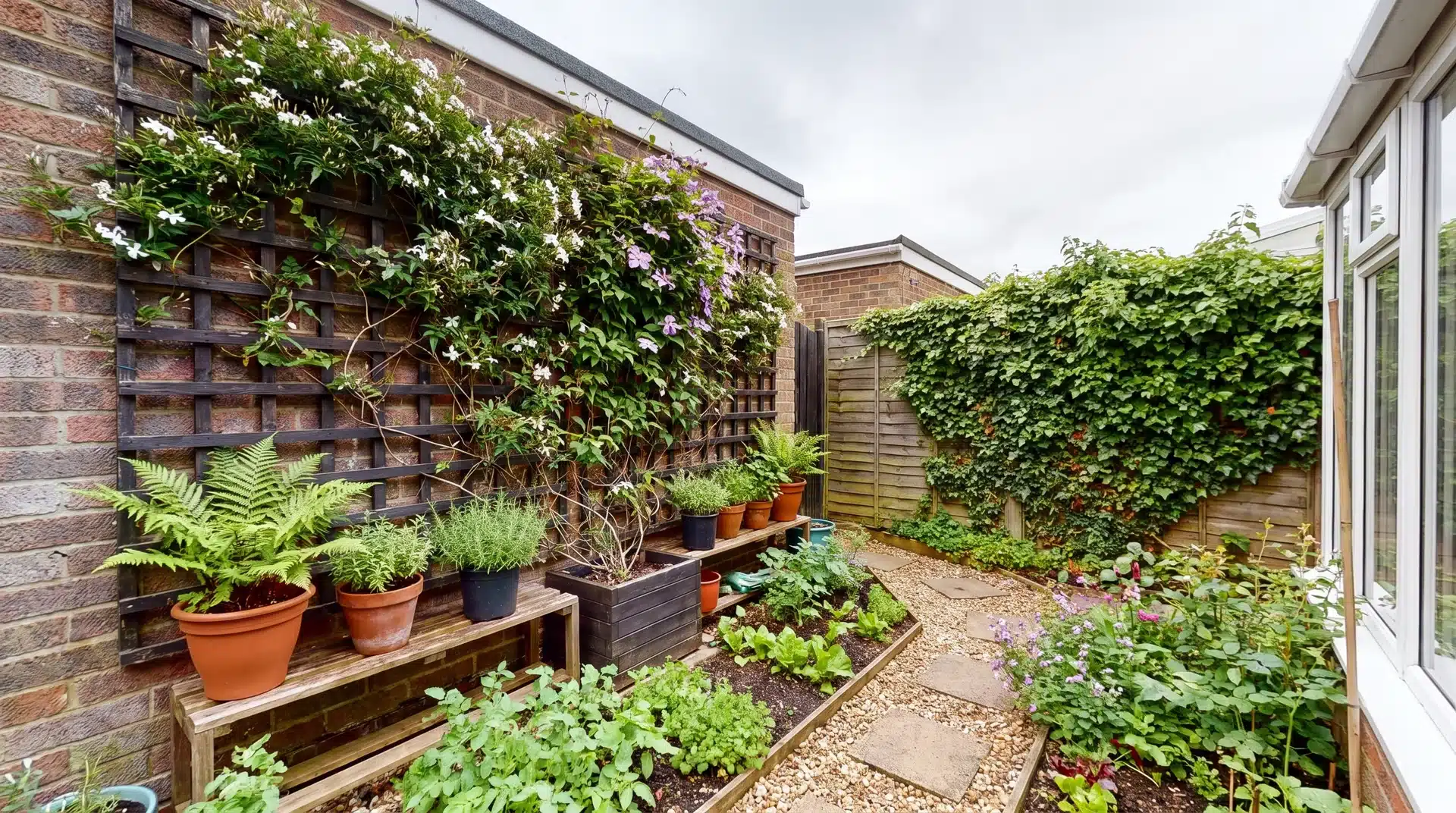
In a small garden, the walls and fences are planting space. Trellises, trained climbers, and living walls move growth upward instead of outward.
This does two things. It adds planting without consuming ground space. It also creates enclosure, which makes a small garden feel considered rather than cramped.
The key is choosing climbers that suit the aspect. A wall that gets full sun needs a different plant than one in shade. Get that wrong, and the vertical layer becomes a maintenance problem instead of a design asset.
How Does Mulch, Irrigation, and Soil Preparation Work Together?
These three things are usually presented as separate tips. Apply mulch. Install drip irrigation. Prepare your soil. In practice, they form a sequence. Do them out of order, and each one undercuts the others.
The Order That Makes Each Step Work
Soil preparation, mulch, and irrigation work best when they are done in the right order. Following this sequence helps your plants grow well and reduces maintenance later:
- Prepare the Soil First: Level the bed, improve the soil if needed, and fix any drainage problems before adding anything on top.
- Apply Mulch Second: Spread organic wood chips about 7 to 10 cm deep. They help retain soil moisture, suppress weeds by blocking sunlight, and gradually add organic matter as they break down.
- Install Drip Irrigation Next: Place the drip lines on the soil, then cover them with mulch. This helps water reach the root zone while reducing evaporation.
- Avoid Changing the Order: Installing irrigation after the mulch is already down can leave the drip lines sitting on top of the mulch, making watering less effective.
Doing each step in this order allows the soil, mulch, and irrigation system to work together. It also helps create healthier growing conditions while making your garden easier to maintain.
Where This System Breaks Down
The most common failure is installing irrigation after mulch is already down. It’s a small sequencing mistake with a real cost: plants that look watered but aren’t establishing properly, and a moisture pattern that encourages shallow roots instead of deep ones.
The second failure is skipping soil preparation because the mulch will “cover it anyway.” Mulch improves the surface. It does not fix what’s underneath.
How Do You Add Focal Points Without Cluttering the Garden?
The finishing layer is where many gardens go wrong. Adding more color, containers, and variety can make the space feel busy instead of designed. Restraint is the goal.
1. Creating Visual Hierarchy With Focal Points
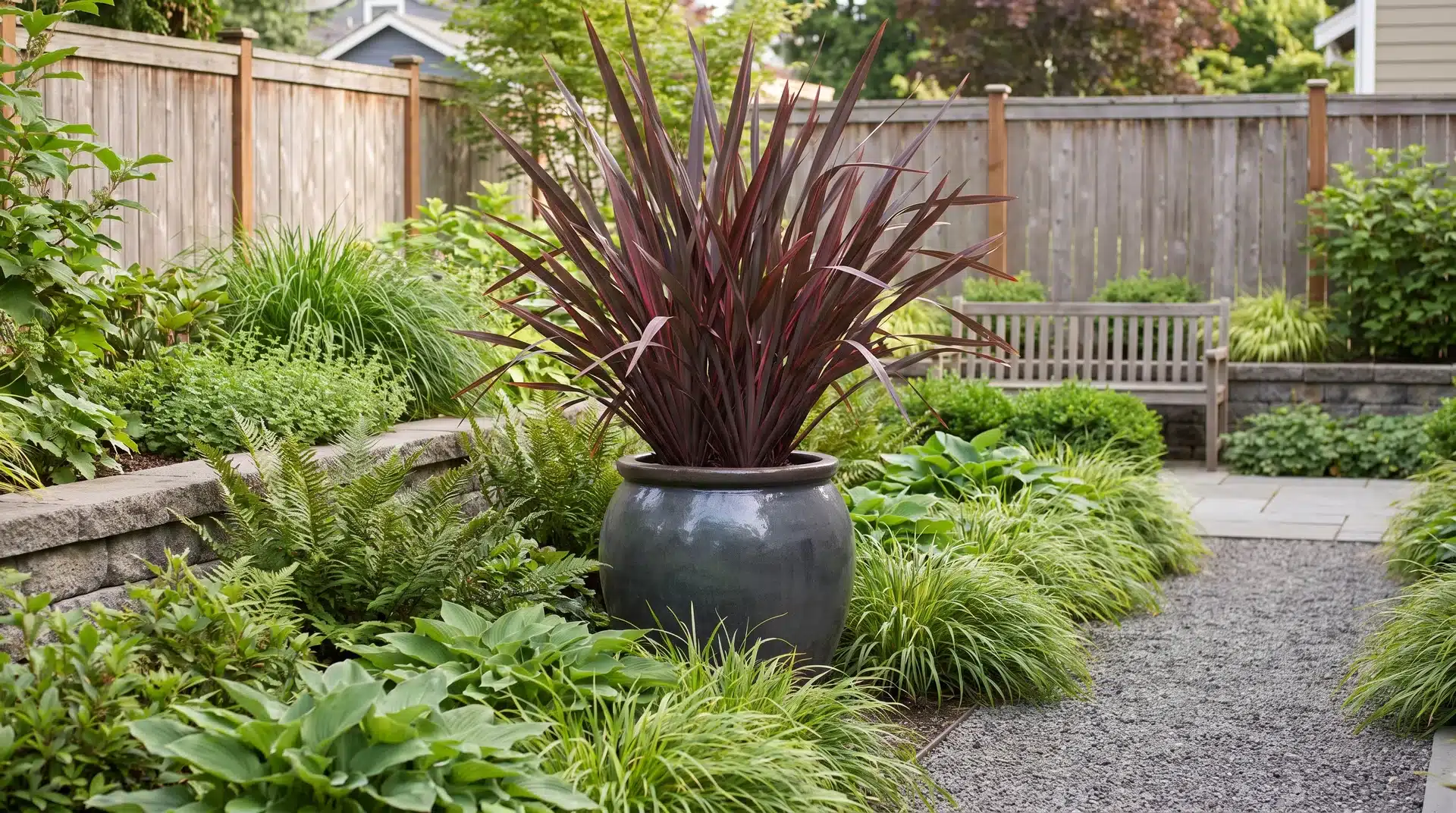
Every zone in your garden needs one thing the eye lands on first. I’ve seen this make the biggest difference in spaces that feel busy but somehow still unfinished.
One strong vertical element, like a container tree, a tall architectural plant, or a substantial pot, gives the eye somewhere to settle. Everything around it becomes supporting detail.
Without that anchor, the eye moves across the space without stopping. The garden can be full of plants and still feel like a collection of things rather than a space that was designed with purpose.
2. How Container Clustering Actually Works
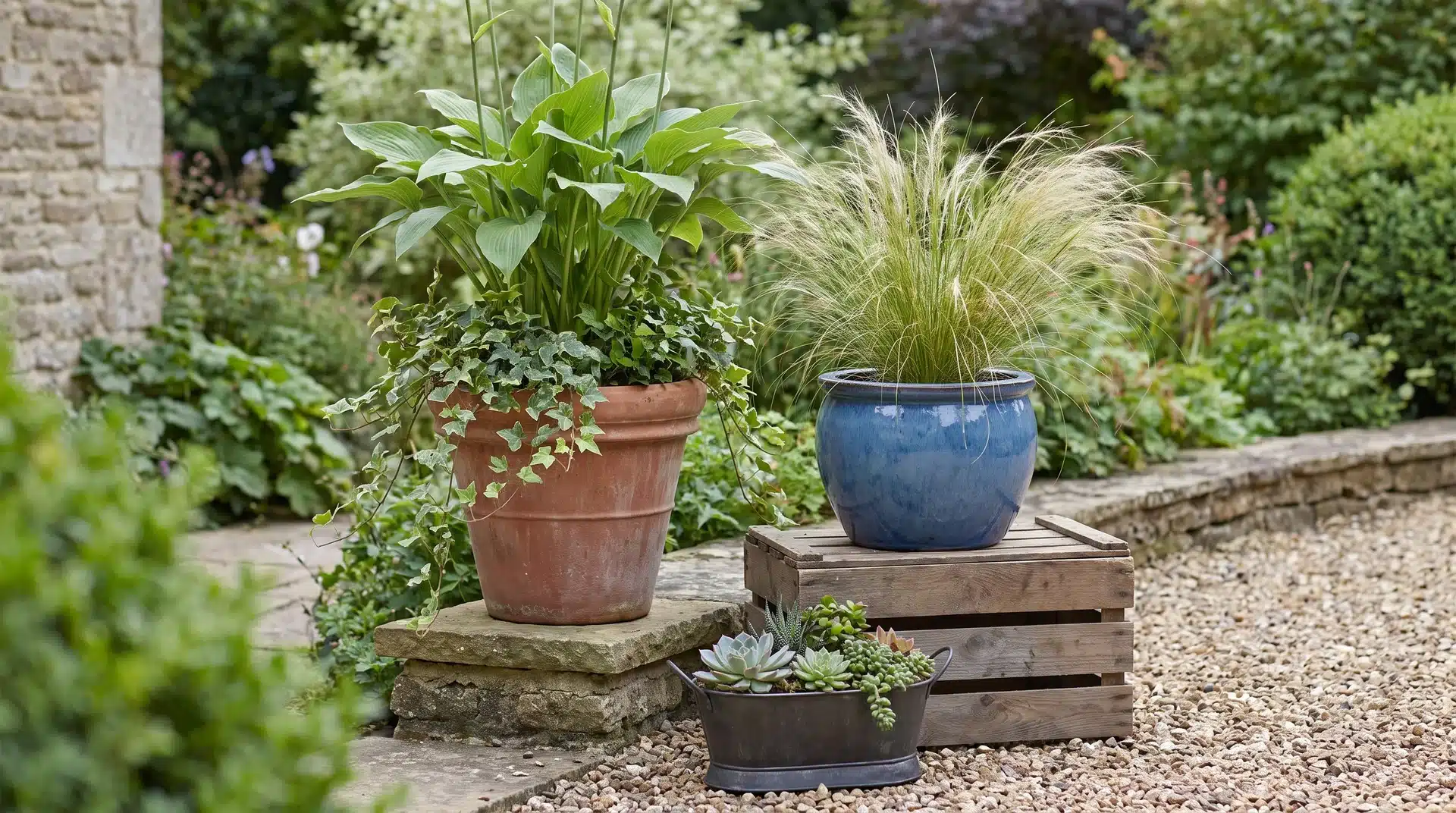
Containers often look more balanced when grouped in threes or fives with varying heights. This creates a natural visual triangle, helping the eye move through the arrangement and making it feel intentional.
Even numbers at the same height create symmetry. Symmetry works well against formal architecture. In most residential gardens, it reads as stiff. The other thing that matters is restraint in variety.
Three pots in complementary materials with different plant heights will almost always look more designed than five pots in five different styles, regardless of what’s planted in them.
3. The Misunderstanding Worth Correcting
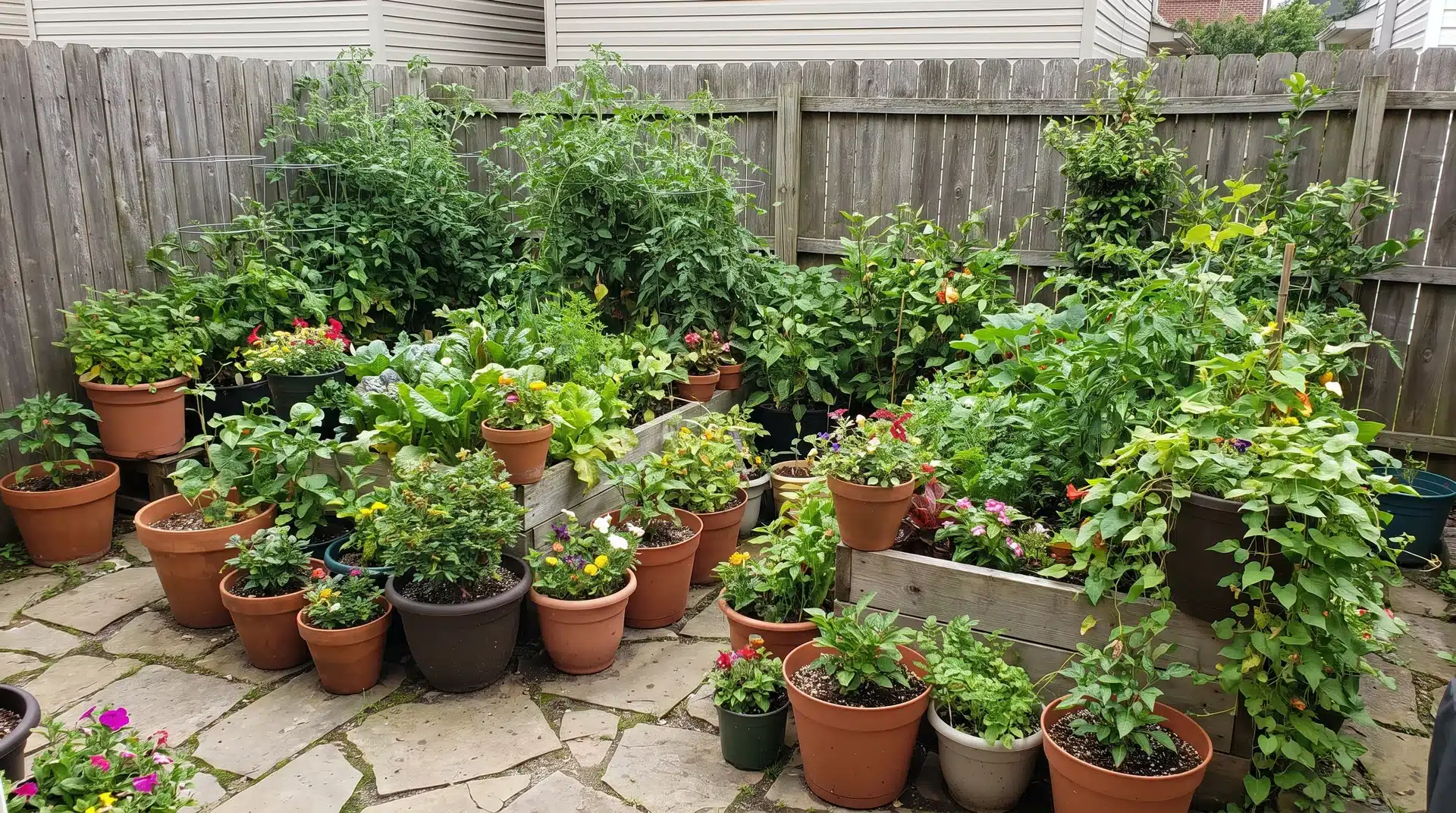
More plants and more pots do not produce a more designed result. I’ve seen this play out in garden after garden. The instinct to fill space is strong, especially when plants are small, and gaps feel obvious.
But the structural planting layer needs visual breathing room to read properly. When the accent layer crowds it, the structure disappears. The garden loses the very thing that made it feel designed.
Add less than you think you need. Then see what the space actually asks for.
Conclusion
A well-planned garden is about more than choosing attractive plants. It starts with a clear layout, thoughtful planting, and simple design choices that work together throughout the year.
Decoradhouse garden tips by DecoratorAdvice encourage planning the space before filling it, making it easier to create a garden that looks balanced and stays manageable.
I like this approach because it focuses on practical decisions that continue to pay off as the garden grows.
Start with one small improvement, then build from there at your own pace. Have you tried any of these ideas in your own garden? Share your experience or favorite tip in the comments below.
Frequently Asked Questions
What is the 70/30 planting guideline?
A common landscape design guideline is to let most of your planting consist of long-lasting structural plants, such as native or habitat-supporting species, while using a smaller number of seasonal or ornamental plants for color and visual interest. The exact ratio varies depending on the garden, but the goal is to create a balanced design that looks good throughout the year.
What are the most common mistakes in garden layout planning?
The most common mistake is choosing plants before resolving the layout. Bed width, path placement, and zoning need to come first. The second mistake is treating mulch, soil prep, and irrigation as separate tasks rather than a sequence. Get the order wrong, and each step reduces the effectiveness of the others.
How can I make my garden look good without spending much?
Lay cardboard directly on path areas before adding any gravel or wood chip. It acts as a weed barrier and costs nothing. Cluster the pots you already own at varying heights instead of spacing them evenly. That single change creates a more designed look than buying new containers. Cutting back overgrown structural plants to expose their natural form often has more impact than adding anything new.
What is the most efficient layout for a productive garden?
Parallel beds no wider than four feet, with defined walking paths between them. You can reach every plant from the path without stepping on soil. That keeps the soil uncompacted, improves drainage, and makes every maintenance task faster. The layout does the work. You just move through it.