

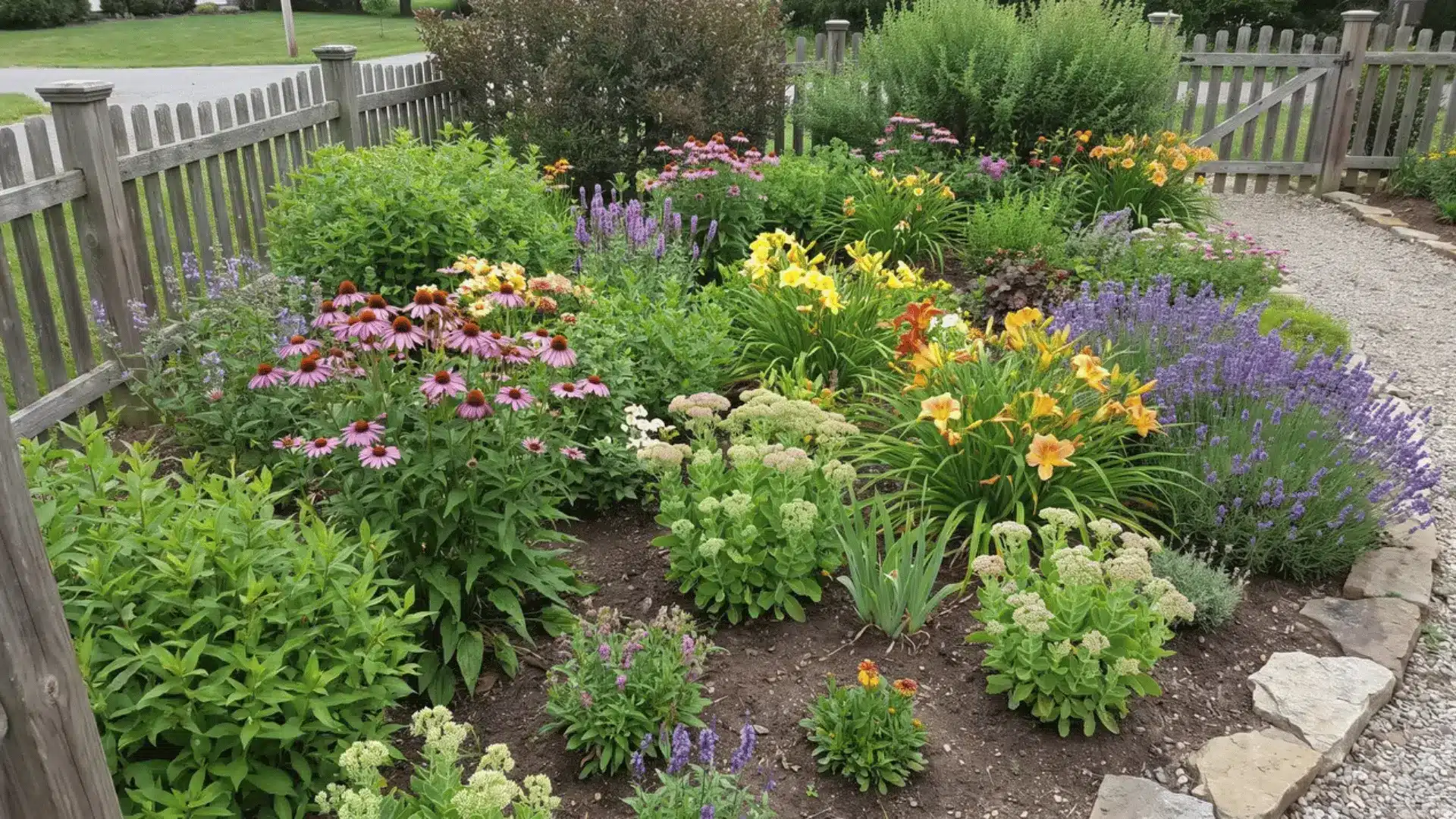
Choosing plants that come back every year can change the way you enjoy your garden, giving you fresh growth without the need to replant every season.
I’ve learned that reliable perennials can make gardening easier because they return from the same roots and bring new growth each spring.
You can find options for sunny spots and shaded corners, with different colors, sizes, and care needs that fit your garden space and routine.
Here, I will share practical picks and simple tips so you can choose perennials that match your conditions and enjoy a healthier garden year after year.
Understanding Plants That Grow Back Each Year
Plants that come back every year are called perennials. Their roots survive winter underground, then grow new stems, leaves, and flowers once spring returns. That’s the whole idea.
Here’s what actually happens underground. Top growth dies back in fall, but the roots stay alive below the frost line. They quietly store energy there until the soil warms up again.
Not every perennial behaves the same way. Hostas disappear completely above ground each winter, while woody perennials like roses keep their stems standing through the cold. Both count as perennials.
Lifespan differs a lot between species. Short-lived perennials like columbine last two to three years. Daylilies and peonies can return for five years or more.
So coming back every year isn’t a forever promise. It just means the plant regrows from the same root system each spring, and that root has its own lifespan.
Best Plants That Come Back Every Year for Sun and Shade
Light decides which perennials thrive in your yard. Here are the dependable picks, sorted by how much sun they need.
1. Black-Eyed Susan
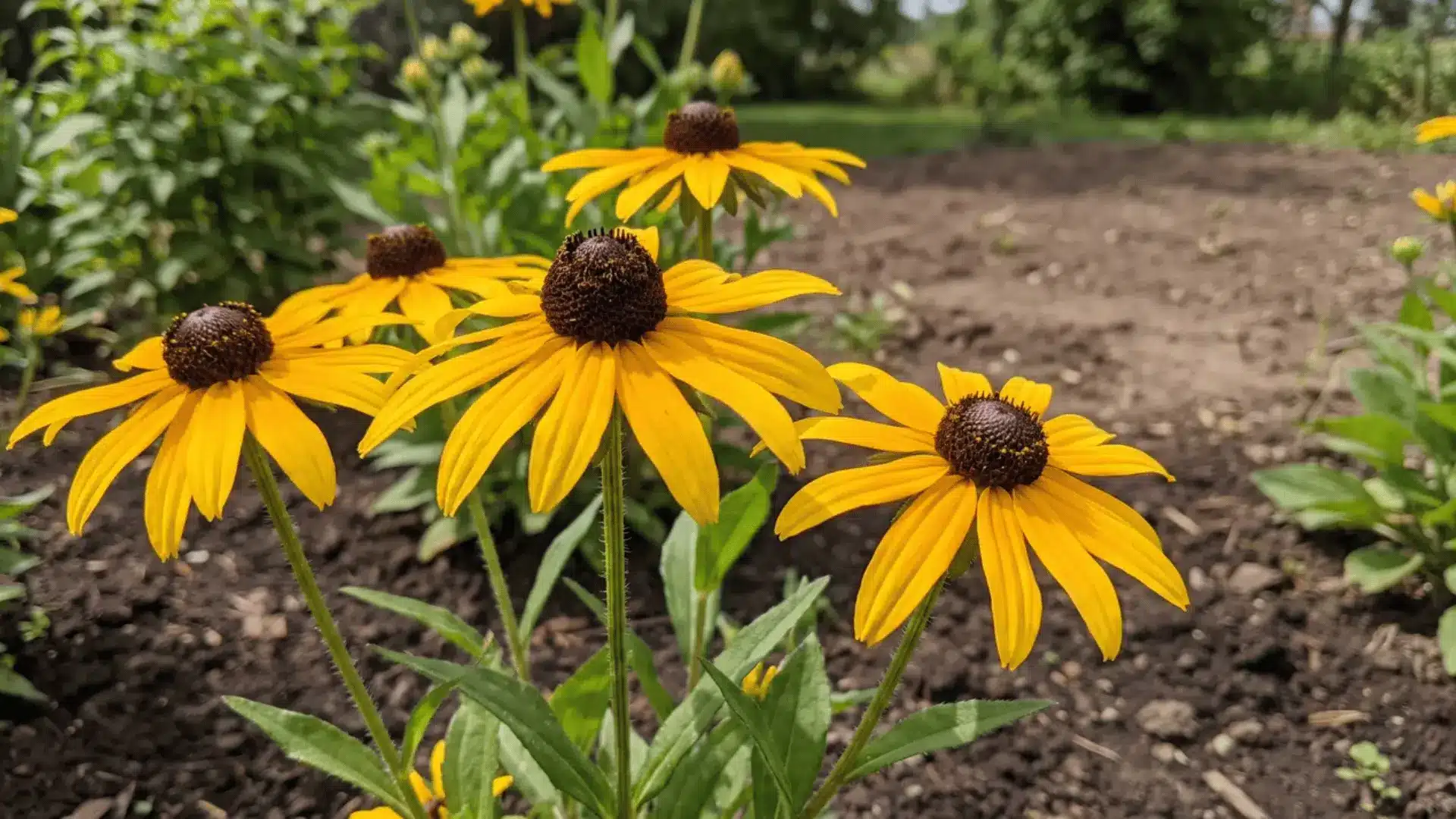
Black-Eyed Susan produces bright yellow petals around a dark brown center from midsummer through fall. It grows best in full sun and prefers well-drained, average soil. Once done , it handles heat well and needs little extra watering.
Gardeners value this plant because it fills empty spaces quickly and often reseeds without much help. Removing spent blooms can encourage more flowers before the first frost arrives, keeping garden beds colorful for longer.
- Botanical Name: Rudbeckia hirta
- Bloom Time: Summer to fall
- USDA Zones: 3-9
- Height: 1-3 ft
- Lifespan: Short-lived, 2-3 years, self-seeds readily
2. Coneflower
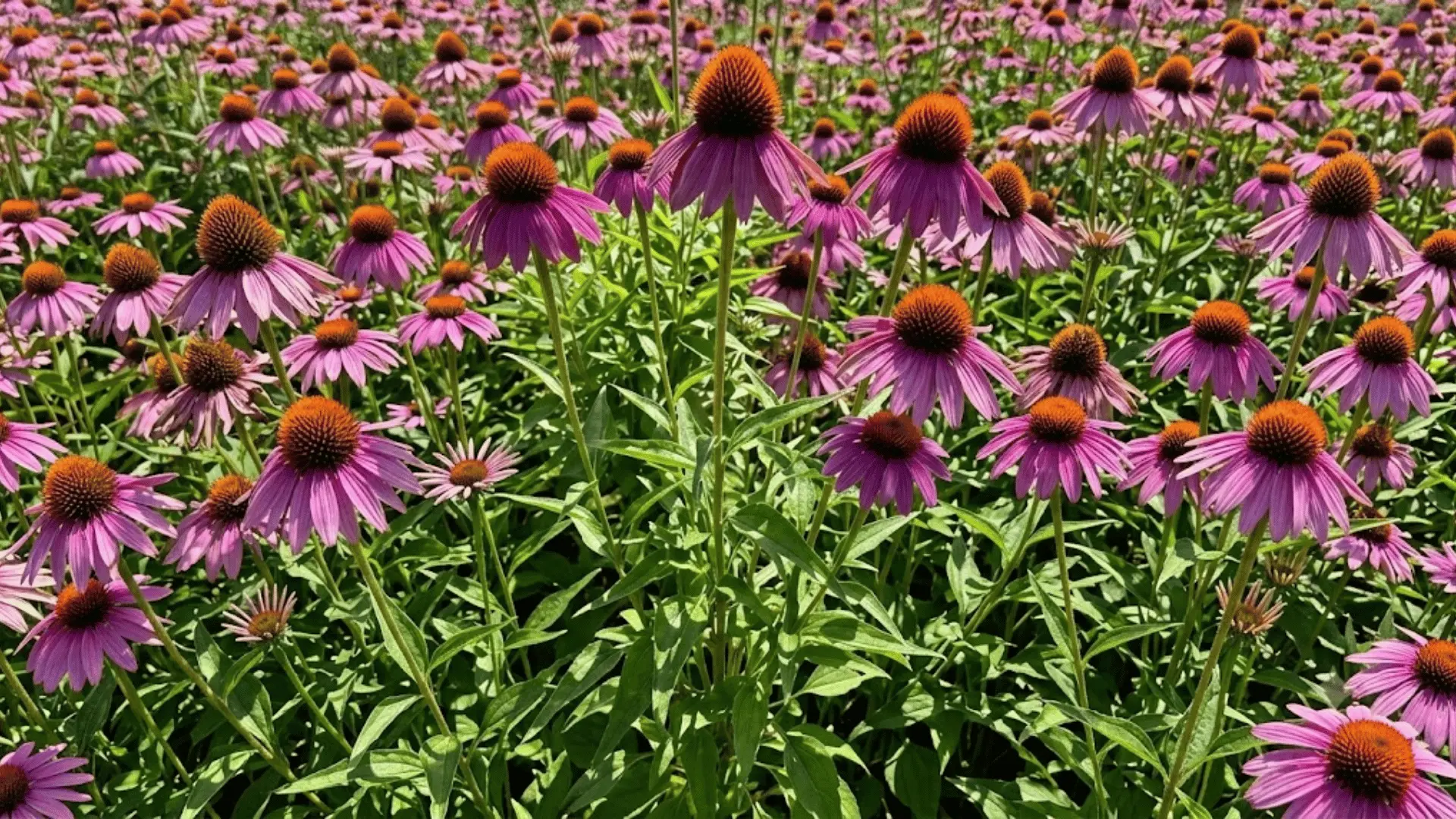
Coneflower produces tall purple or pink petals around a raised, spiky center from summer through fall. It grows best in full sun and prefers well-drained soil. Its strong stems help it stay upright while attracting bees and butterflies.
This perennial handles dry conditions better than many flowering plants after it becomes established. Leaving seed heads through winter can provide food for birds while adding structure to the garden during colder months, and pairing it with other butterfly-friendly garden flowers keeps pollinator activity going even longer.
- Botanical Name: Echinacea purpurea
- Bloom Time: Summer to fall
- USDA Zones: 3-9
- Height: 2-4 ft
- Lifespan: 4-5 years typical
3. Daylily
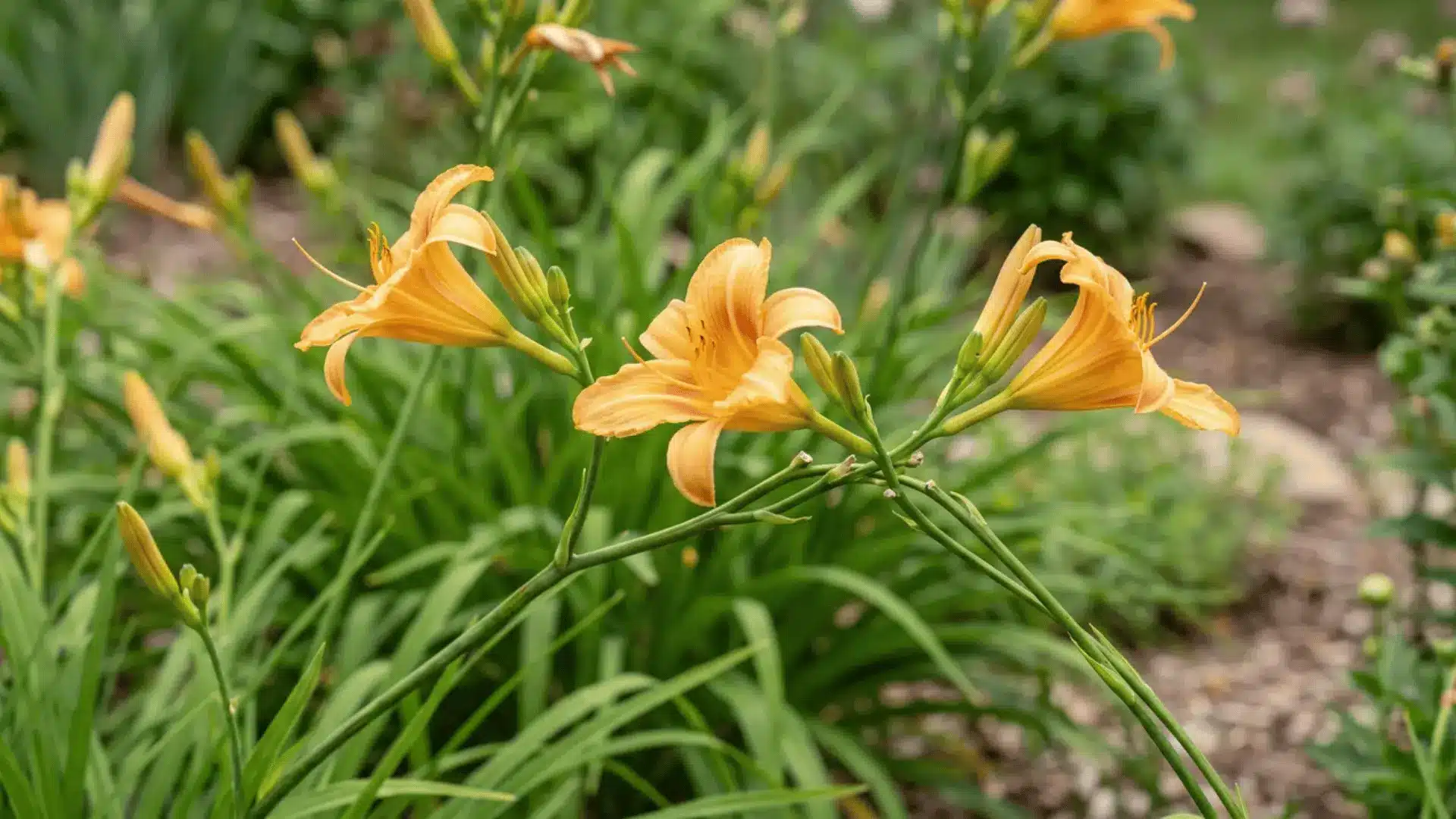
Daylily produces trumpet-shaped flowers in shades ranging from soft yellow to deep red on tall arching stems. It grows well in full sun to part shade and adapts to different soil conditions when drainage is good.
This perennial is one of the easiest choices for beginner gardeners because it tolerates different growing conditions. Regular watering helps during dry periods, but established plants can handle occasional neglect without losing their strength.
- Botanical Name: Hemerocallis
- Bloom Time: Late spring to summer
- USDA Zones: 3-9
- Height: 1-4 ft
- Lifespan: 5+ years, long-lived
4. Lavender
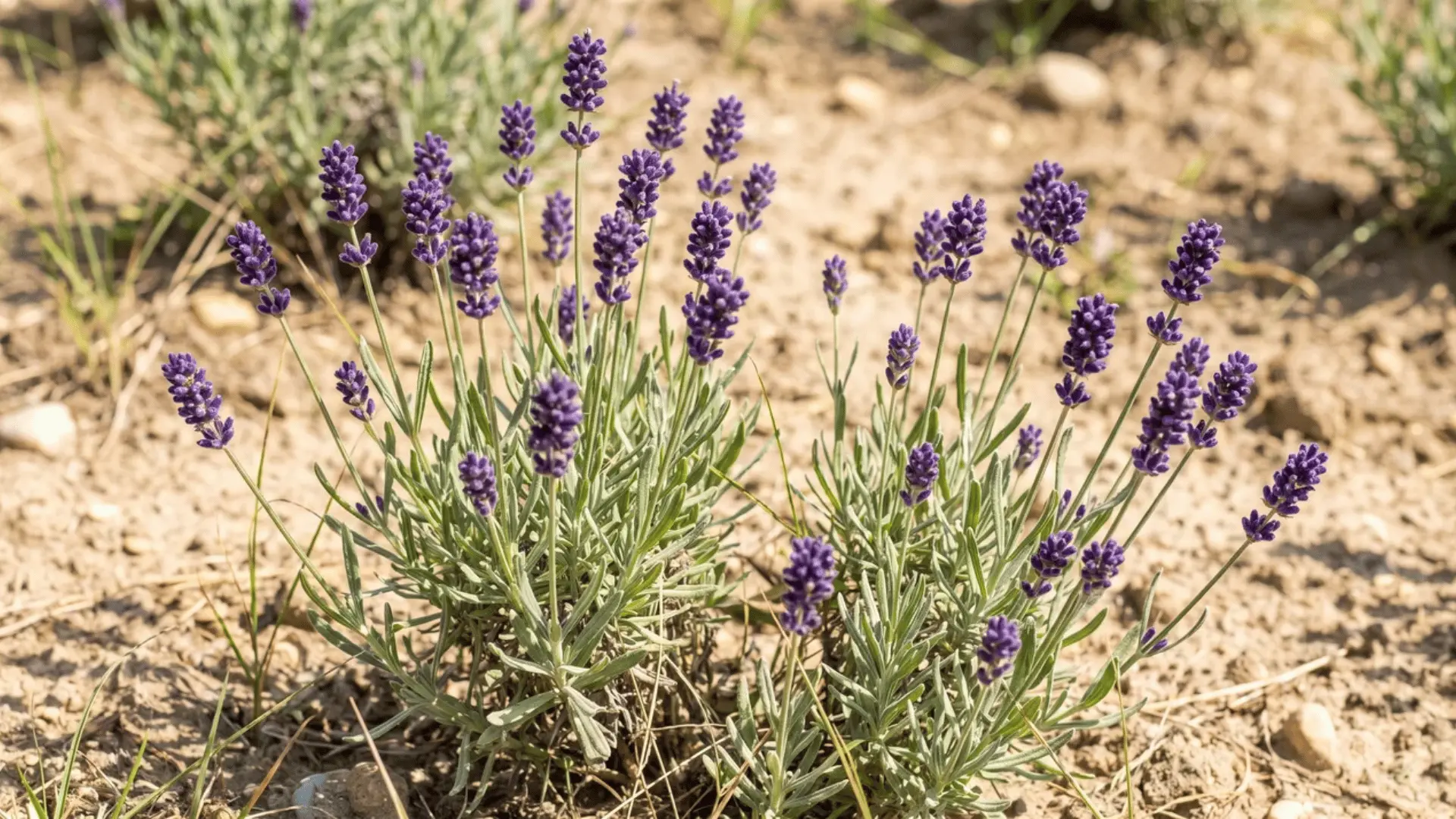
Lavender grows with silvery-green stems topped by small purple flower spikes with a strong fragrance. It performs best in full sun and needs well-drained, sandy soil to prevent moisture problems around its roots.
The biggest mistake with lavender is overwatering. Give it plenty of sunlight and the right soil conditions, and this perennial can return reliably through many growing seasons with minimal attention, a big part of lavender’s perennial nature that surprises a lot of new gardeners.
- Botanical Name: Lavandula angustifolia
- Bloom Time: Early to late summer
- USDA Zones: 5-9
- Height: 1-3 ft
- Lifespan: 5+ years if not overwatered
5. Russian Sage
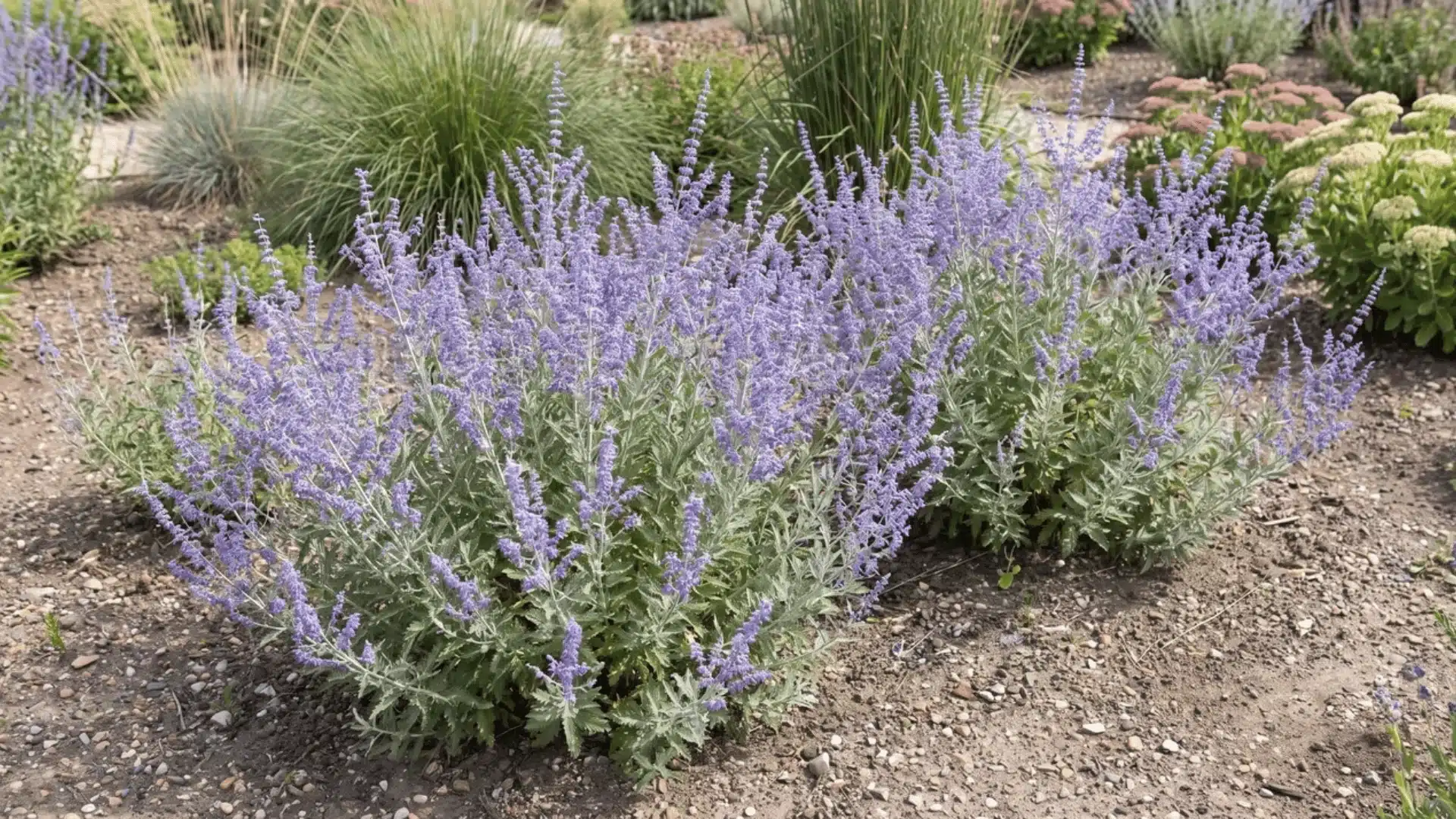
Russian Sage has silver foliage covered with airy lavender-blue flowers that create an open look in garden borders. It grows best in full sun and handles well-drained soil, including areas with poor soil quality.
This perennial performs well in hot, dry conditions where many plants struggle. Deer and rabbits usually avoid it, making it a useful choice among deer-resistant garden flowers for gardens where browsing animals are a common problem.
- Botanical Name: Perovskia atriplicifolia
- Bloom Time: Summer to fall
- USDA Zones: 4-9
- Height: 3-4 ft
- Lifespan: 5+ years, woody base
6. Shasta Daisy
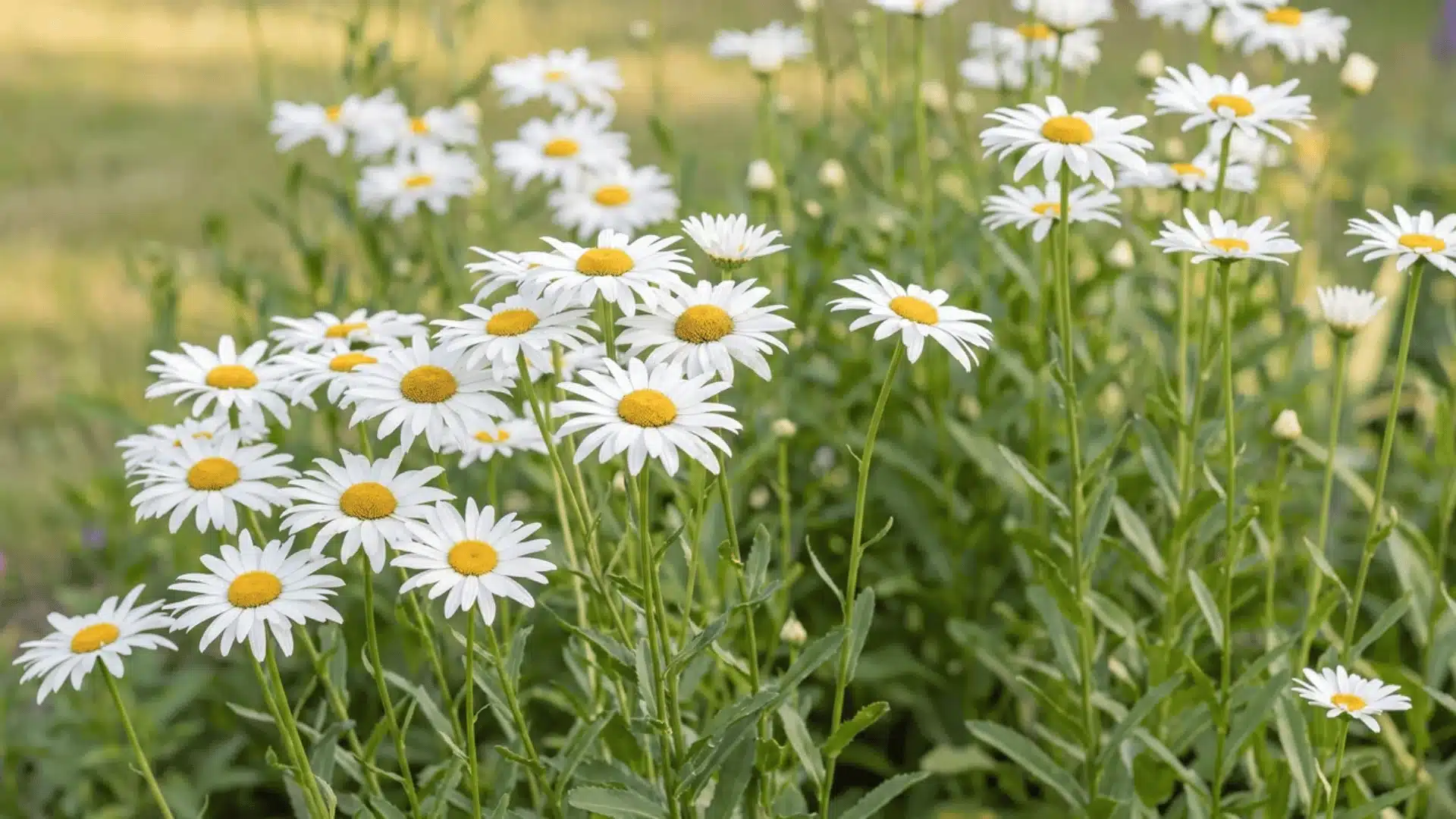
Shasta Daisy produces classic white petals around yellow centers on strong stems. It grows best in full sun and prefers well-drained soil. The flowers appear in clusters and bring a familiar look to garden borders throughout warmer months.
Deadheading helps extend flowering into late summer and encourages more blooms. Divide established clumps every few years because crowded plants may lose strength and produce fewer flowers over time.
- Botanical Name: Leucanthemum x superbum
- Bloom Time: Early to late summer
- USDA Zones: 4-9
- Height: 1-3 ft
- Lifespan: 3-4 years, needs dividing
7. Sedum (Autumn Joy)
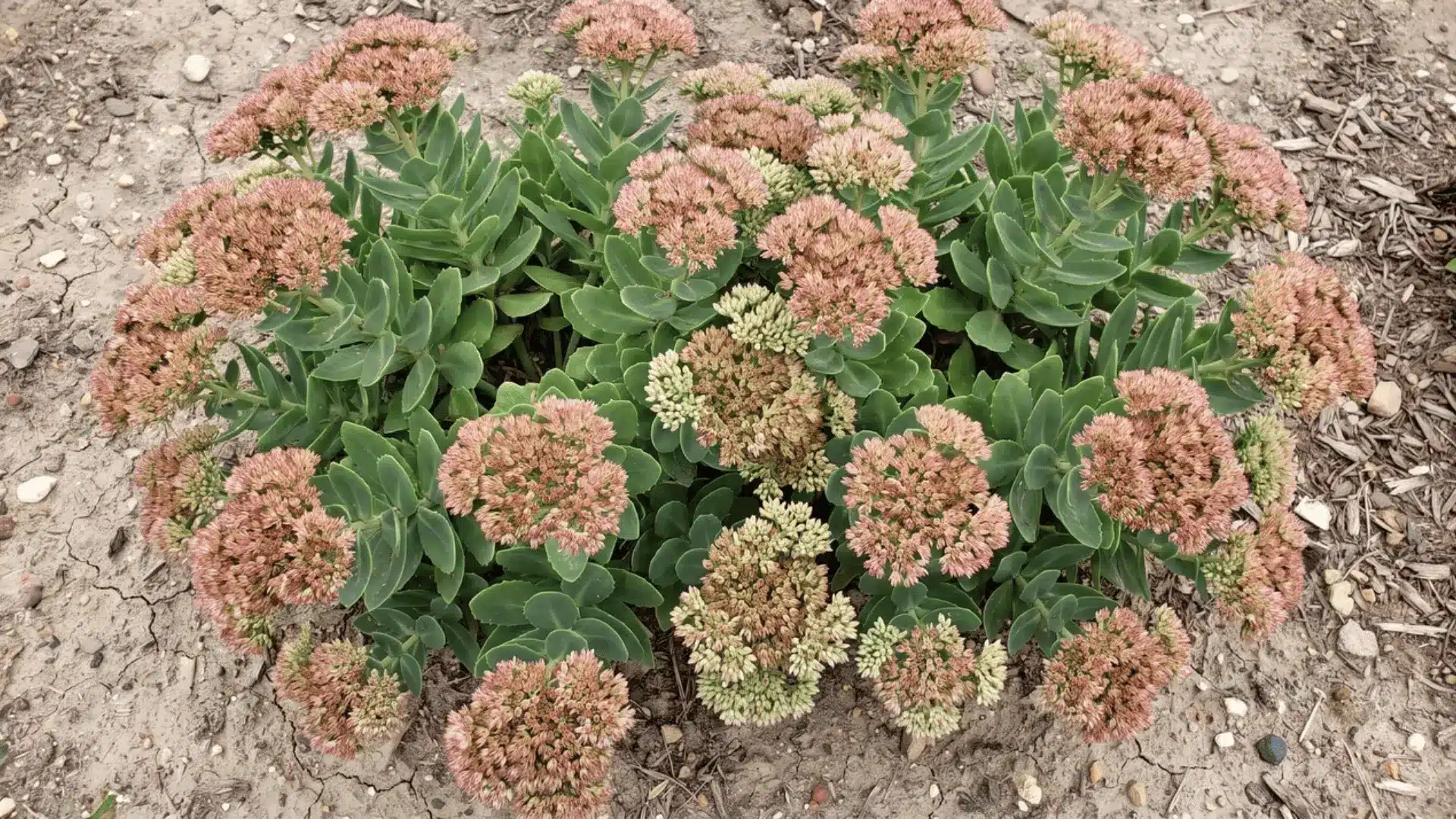
Sedum has thick, water-storing leaves that help it survive dry periods better than many other perennials. It grows best in full sun and prefers well-drained soil that does not stay wet for long periods.
Once established, sedum needs very little maintenance and handles tough conditions well. Leave dried flower heads standing through winter because they add texture and provide structure when other plants have faded.
- Botanical Name: Hylotelephium spectabile
- Bloom Time: Late summer to fall
- USDA Zones: 3-9
- Height: 1-2 ft
- Lifespan: 5+ years, very long-lived
8. Red Hot Poker
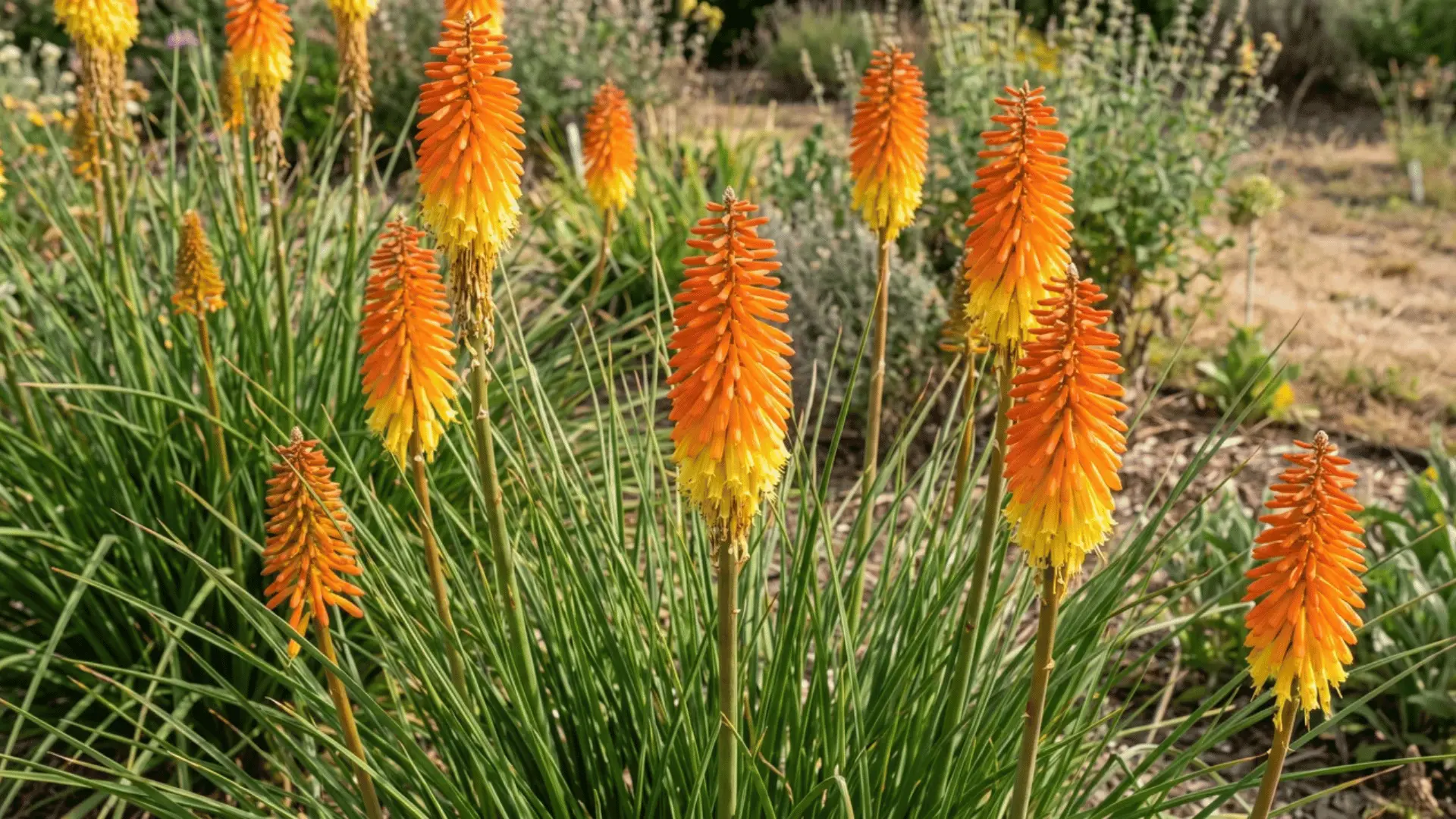
Red Hot Poker produces tall flower spikes that shift from orange at the top to yellow near the base. It grows best in full sun and requires well-drained soil to survive wet winter conditions.
Its unusual blooms stand above narrow foliage and often attract hummingbirds during the flowering season. Once established, this perennial returns reliably each year with minimal care and occasional maintenance.
- Botanical Name: Kniphofia uvaria
- Bloom Time: Summer
- USDA Zones: 5-9
- Height: 2-4 ft
- Lifespan: 4-5 years typical
9. Catmint
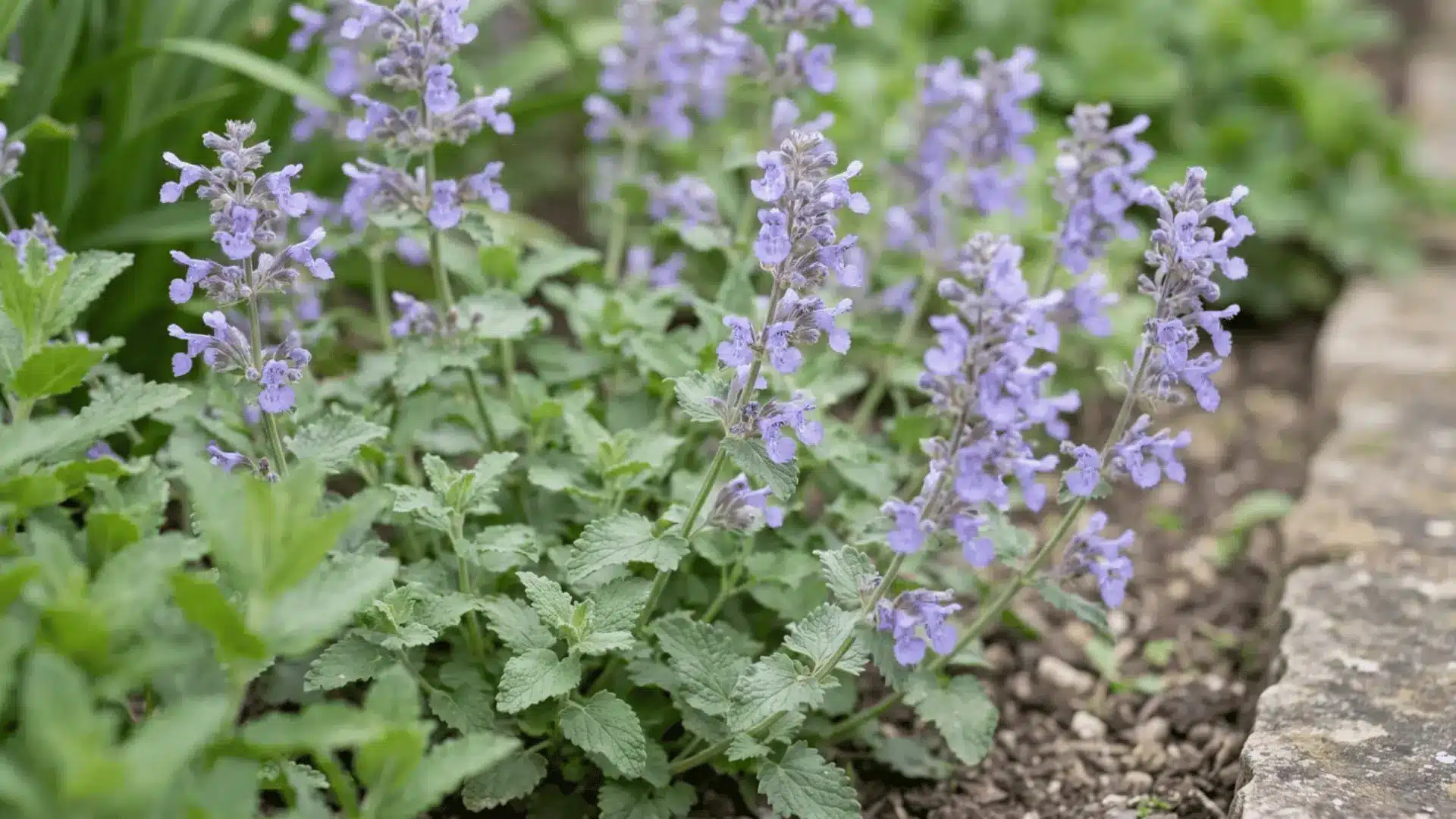
Catmint produces soft purple-blue flowers above gray-green foliage from late spring through fall. It grows best in full sun and prefers well-drained soil, but it also performs well in average garden conditions.
Cut it back after the first flowering period, and it often produces another flush within weeks. Its steady growth makes it useful for borders, pathways, and spaces between larger garden plants.
- Botanical Name: Nepeta faassenii
- Bloom Time: Late spring to fall
- USDA Zones: 3-8
- Height: 1-2 ft
- Lifespan: 5+ years, spreads steadily
10. Yarrow
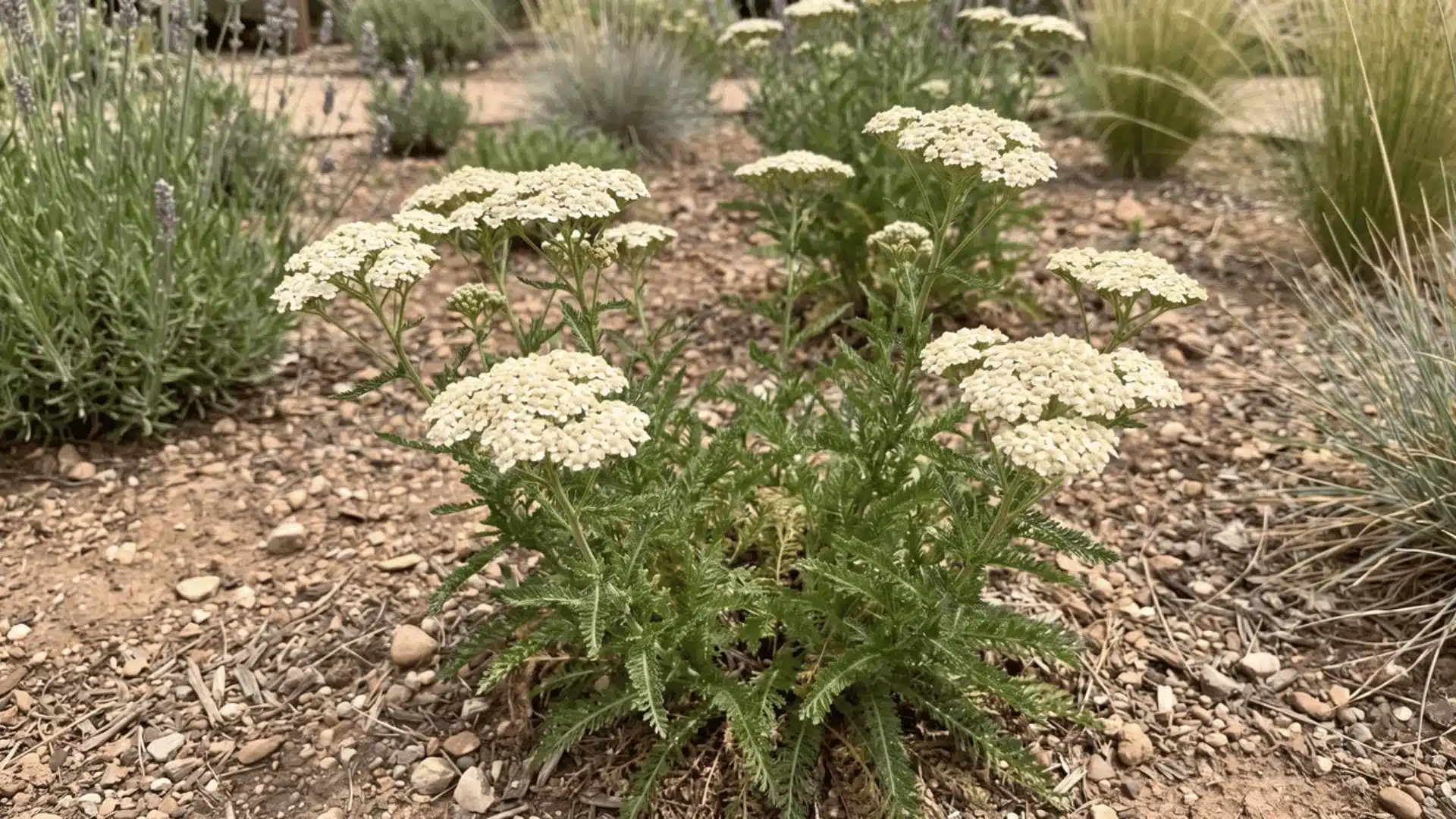
Yarrow forms flat clusters of tiny flowers in yellow, pink, or white above finely divided leaves. It grows best in full sun and prefers well-drained soil, including areas with dry or poor growing conditions.
This plant handles heat and drought better than many perennials once established. Deer and rabbits usually avoid it, while regular trimming after flowering helps maintain a cleaner shape.
- Botanical Name: Achillea millefolium
- Bloom Time: Summer
- USDA Zones: 3-9
- Height: 2-3 ft
- Lifespan: 5+ years, spreads readily
11. Peony
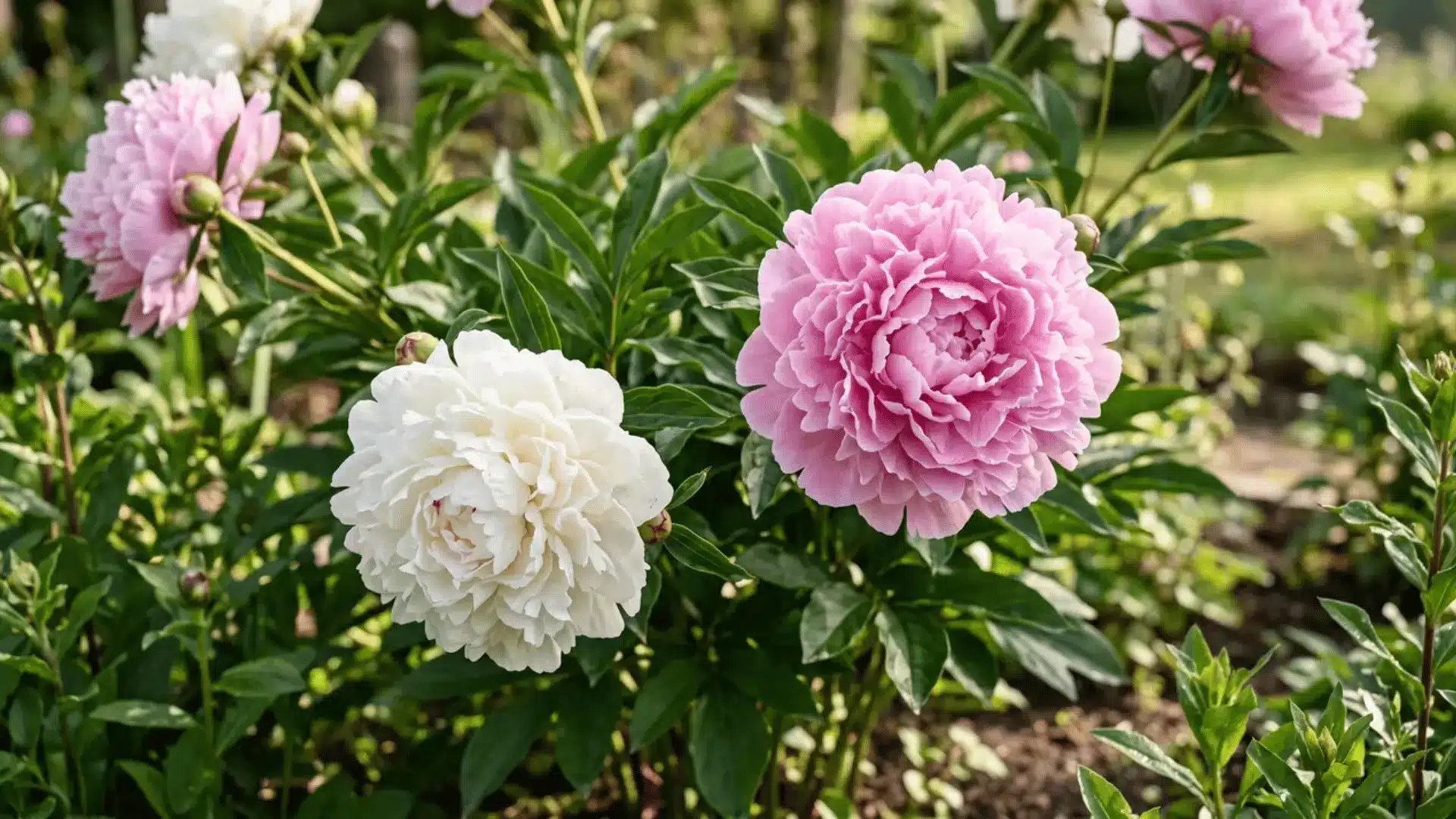
Peony produces large, fragrant blooms in shades of pink, white, or red during late spring. It grows best in full sun to part shade and prefers rich, well-drained soil for healthy root development.
The flowers last only a few weeks, but they create a strong seasonal display. Once planted correctly, peonies can remain in the same spot for decades without needing frequent changes.
- Botanical Name: Paeonia lactiflora
- Bloom Time: Late spring
- USDA Zones: 3-8
- Height: 2-3 ft
- Lifespan: Decades once established
12. Hardy Geranium
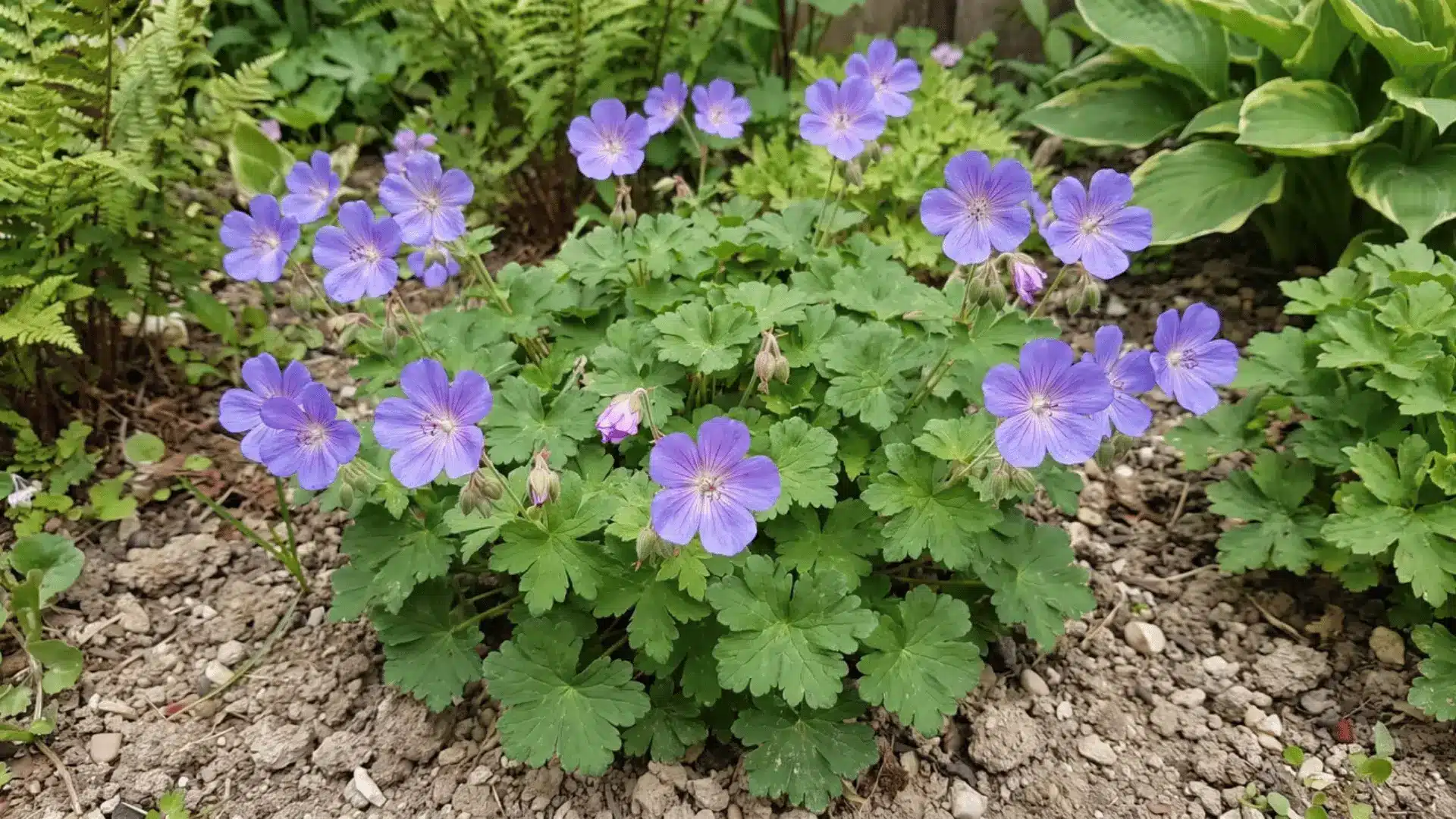
Hardy Geranium, also called cranesbill, produces small blue or pink flowers above rounded foliage. It grows well in part shade to full sun and prefers well-drained soil, making it suitable for different garden conditions.
Some varieties bloom again after trimming back the first flowers. It fills open spaces between larger plants without spreading aggressively, making it a useful choice for mixed borders and smaller garden areas.
- Botanical Name: Geranium sanguineum
- Bloom Time: Late spring to summer
- USDA Zones: 4-8
- Height: 1-2 ft
- Lifespan: 5+ years typical
13. Astilbe
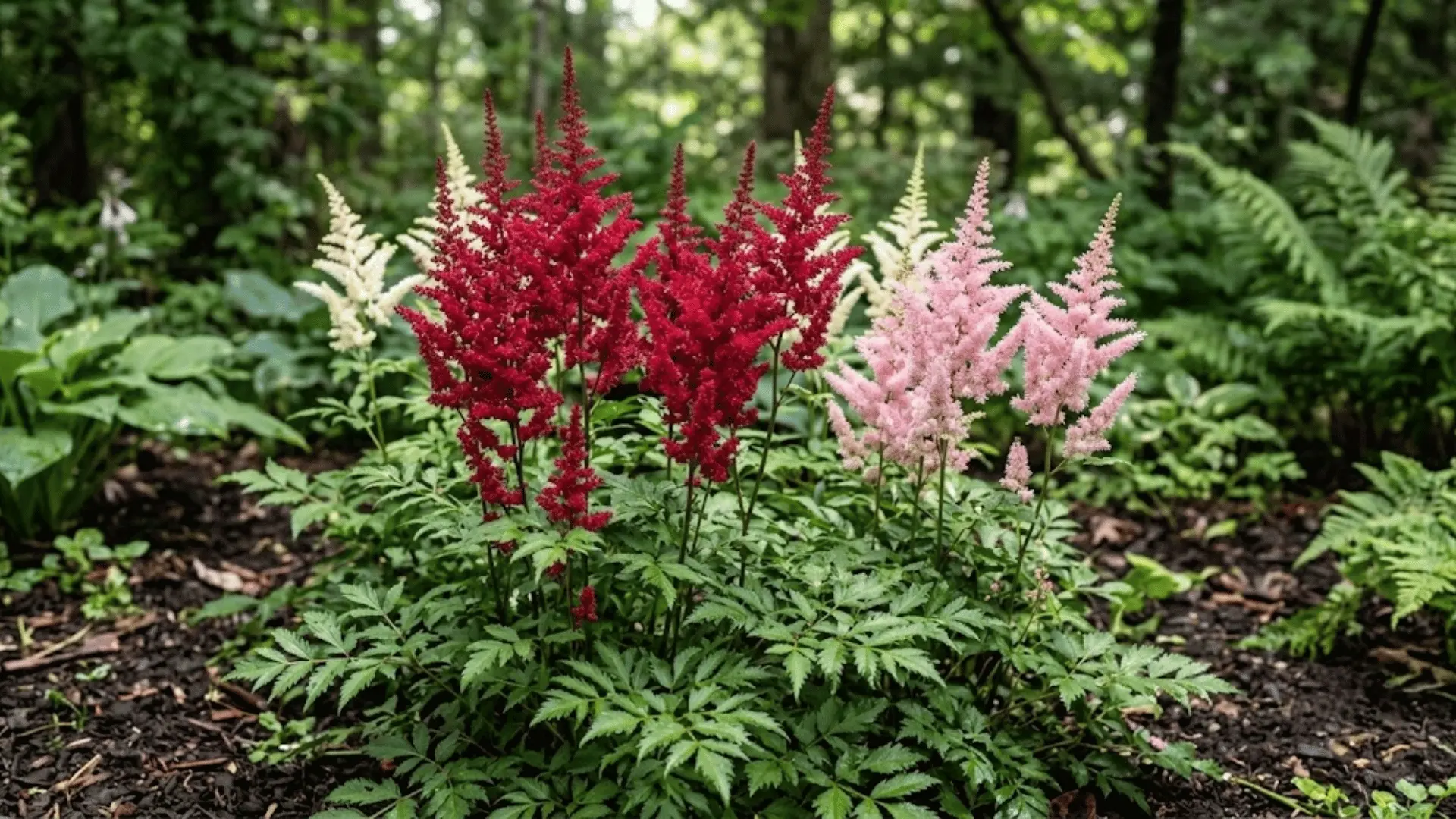
Astilbe produces feathery flower plumes in pink, red, or white above fern-like foliage. It grows best in part shade and needs moist, rich soil to stay healthy throughout the growing season.
Avoid planting it in dry shade because the leaves can wilt quickly. When moisture levels stay consistent, astilbe fills damp garden areas better than many other shade-loving perennials.
- Botanical Name: Astilbe x arendsii
- Bloom Time: Early to mid summer
- USDA Zones: 4-8
- Height: 1-3 ft
- Lifespan: 4-5 years, benefits from dividing
14. Coral Bells
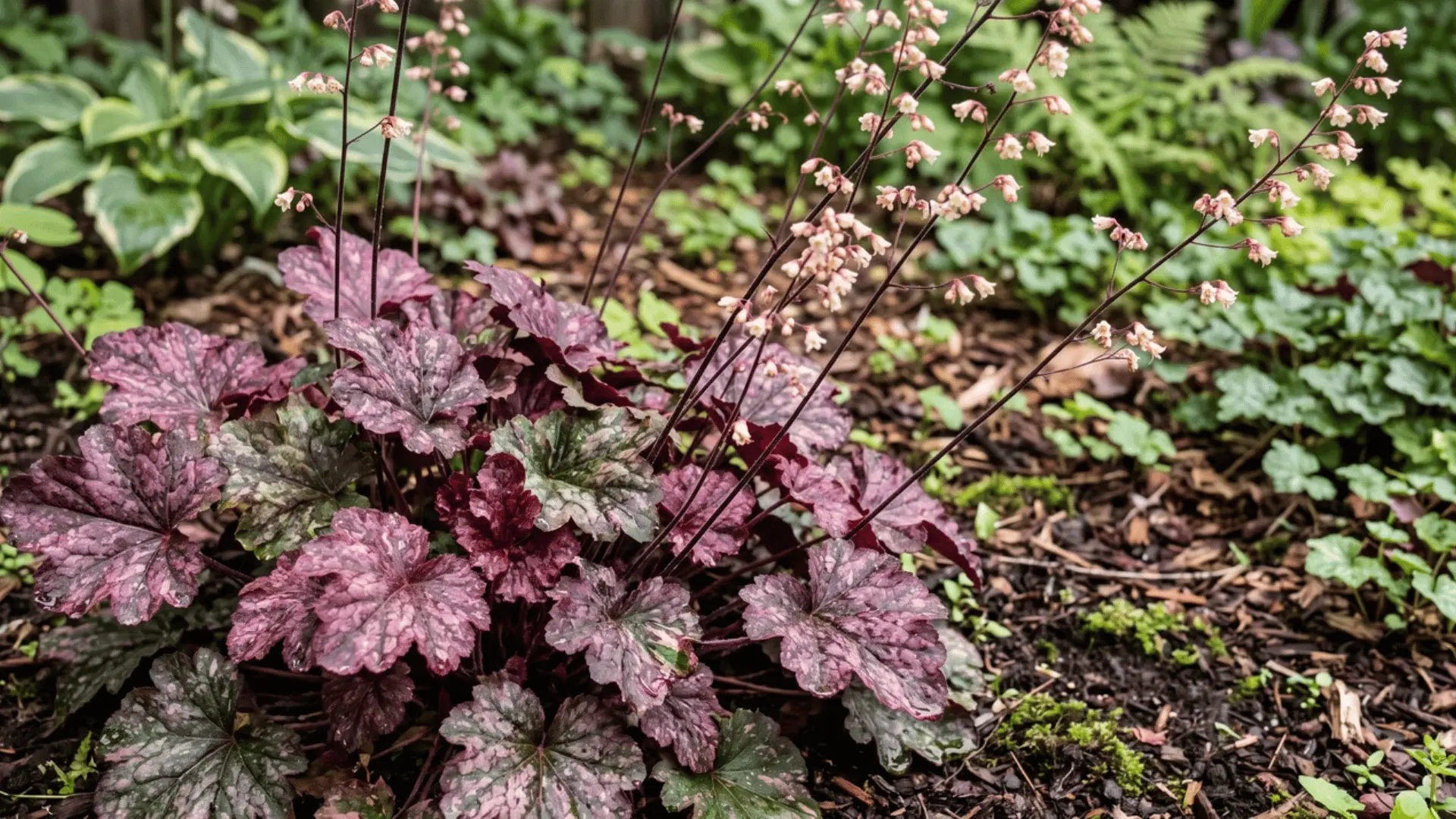
Coral Bells are mainly grown for their colorful foliage, which can range from lime green to deep purple depending on the variety. They grow best in part shade and prefer well-drained soil for steady growth.
Small bell-shaped flowers appear on thin stems during the growing season. These plants add interest even when other flowers are not blooming and work well in mixed garden beds.
- Botanical Name: Heuchera
- Bloom Time: Late spring, foliage interest year-round
- USDA Zones: 4-9
- Height: 1-1.5 ft
- Lifespan: 3-4 years before replacement
15. Bearded Iris
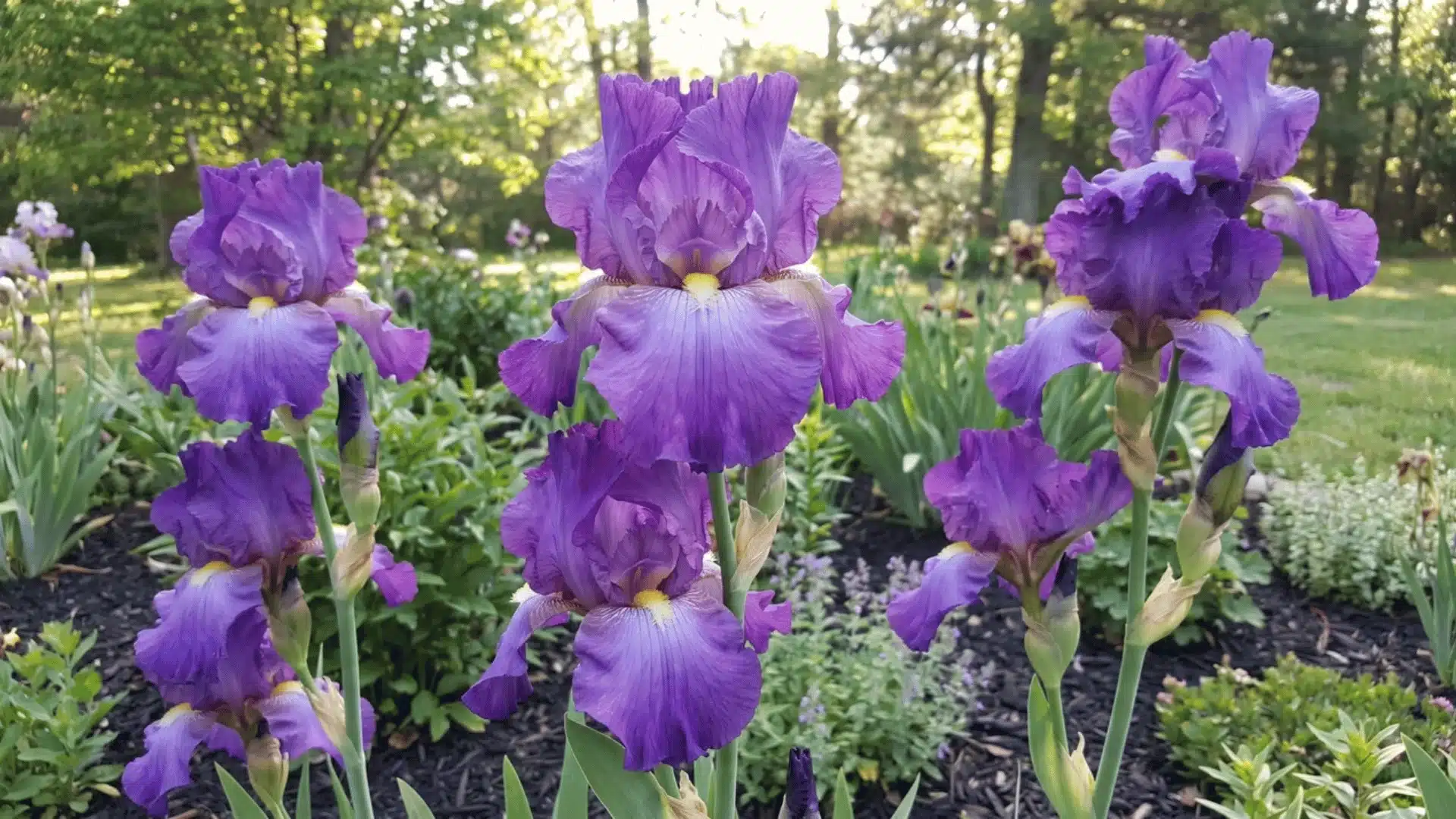
Bearded Iris produces tall, ruffled flowers in many colors, often with a soft yellow beard at the center. It grows best in full sun to part shade and needs well-drained soil for healthy rhizome growth.
The blooms appear on upright stems for several weeks in late spring. Divide the rhizomes every three to four years because crowded plants often produce fewer flowers over time.
- Botanical Name: Iris germanica
- Bloom Time: Late spring
- USDA Zones: 3-9
- Height: 2-3 ft
- Lifespan: Long-lived with regular dividing
16. Columbine
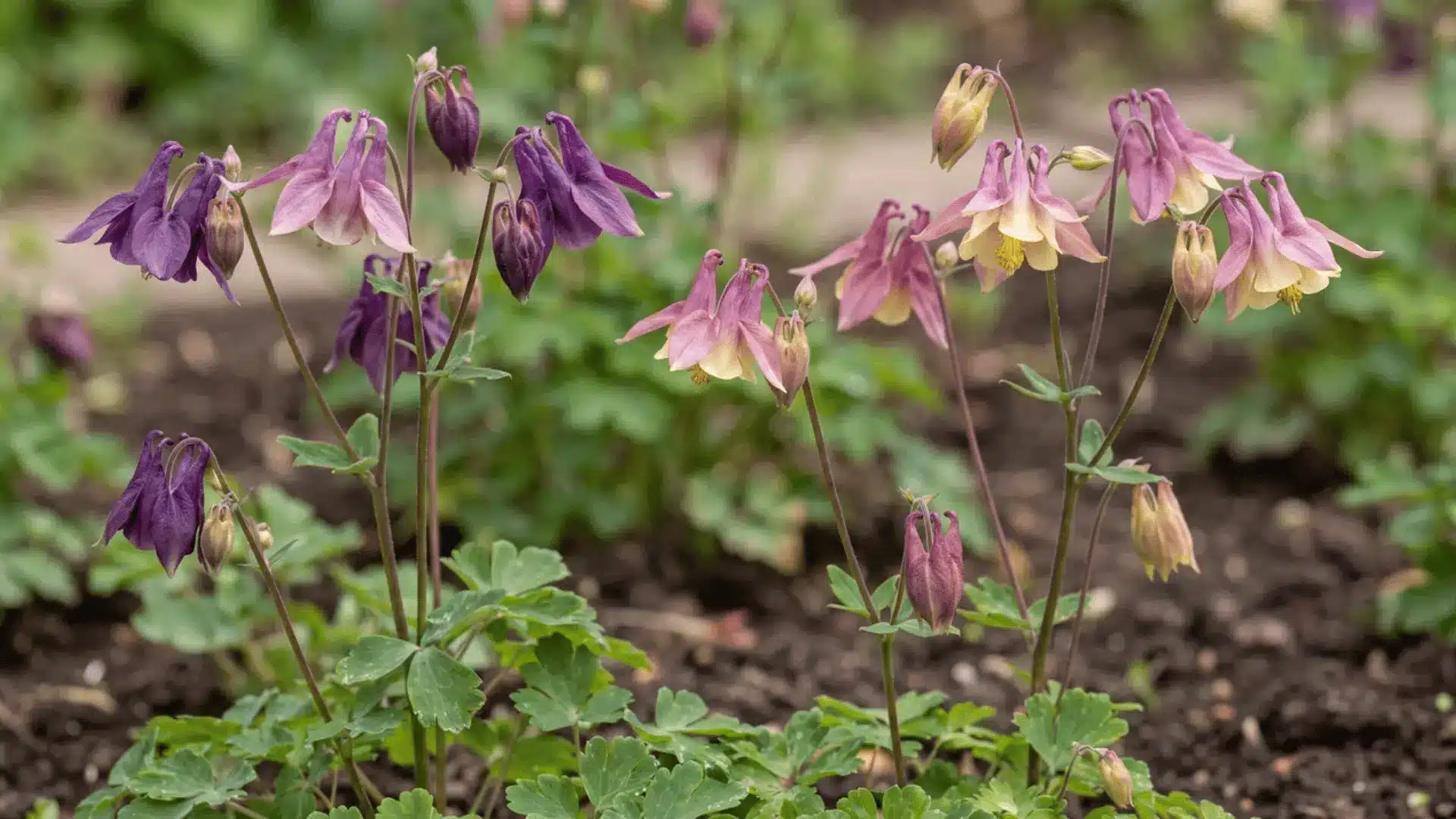
Columbine produces nodding flowers with spurred petals in shades of purple, pink, and yellow. It grows well in part shade to full sun and prefers well-drained soil for healthy growth throughout the season.
Individual plants may not live for many years, but they reseed easily. Once established, columbine often returns in the same garden area each spring without much extra care.
- Botanical Name: Aquilegia
- Bloom Time: Spring to early summer
- USDA Zones: 3-9
- Height: 1-2 ft
- Lifespan: Short-lived, 3 years, self-seeds
17. Hostas
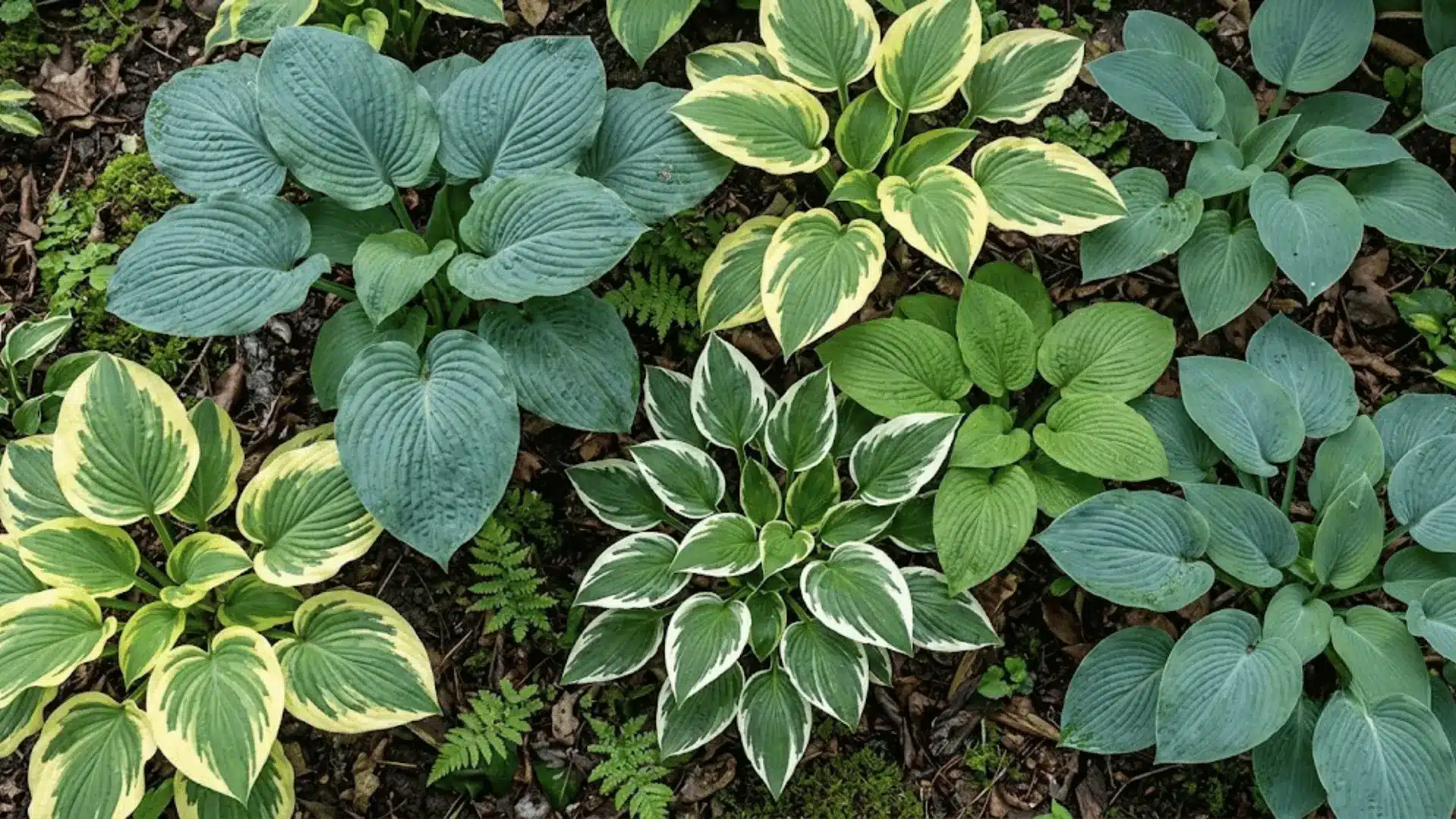
Hostas are mainly grown for their broad, textured leaves that come in green, blue-green, and variegated patterns. They grow best in full shade to part shade and prefer moist, rich soil for strong foliage.
Pale purple flower spikes appear above the leaves during summer. They are reliable choices for shaded areas where many flowering plants struggle, though slugs can damage fresh spring growth.
- Botanical Name: Hosta spp.
- Bloom Time: Summer, grown mainly for foliage
- USDA Zones: 3-9
- Height: 1-3 ft
- Lifespan: Decades, very long-lived
18. Ferns
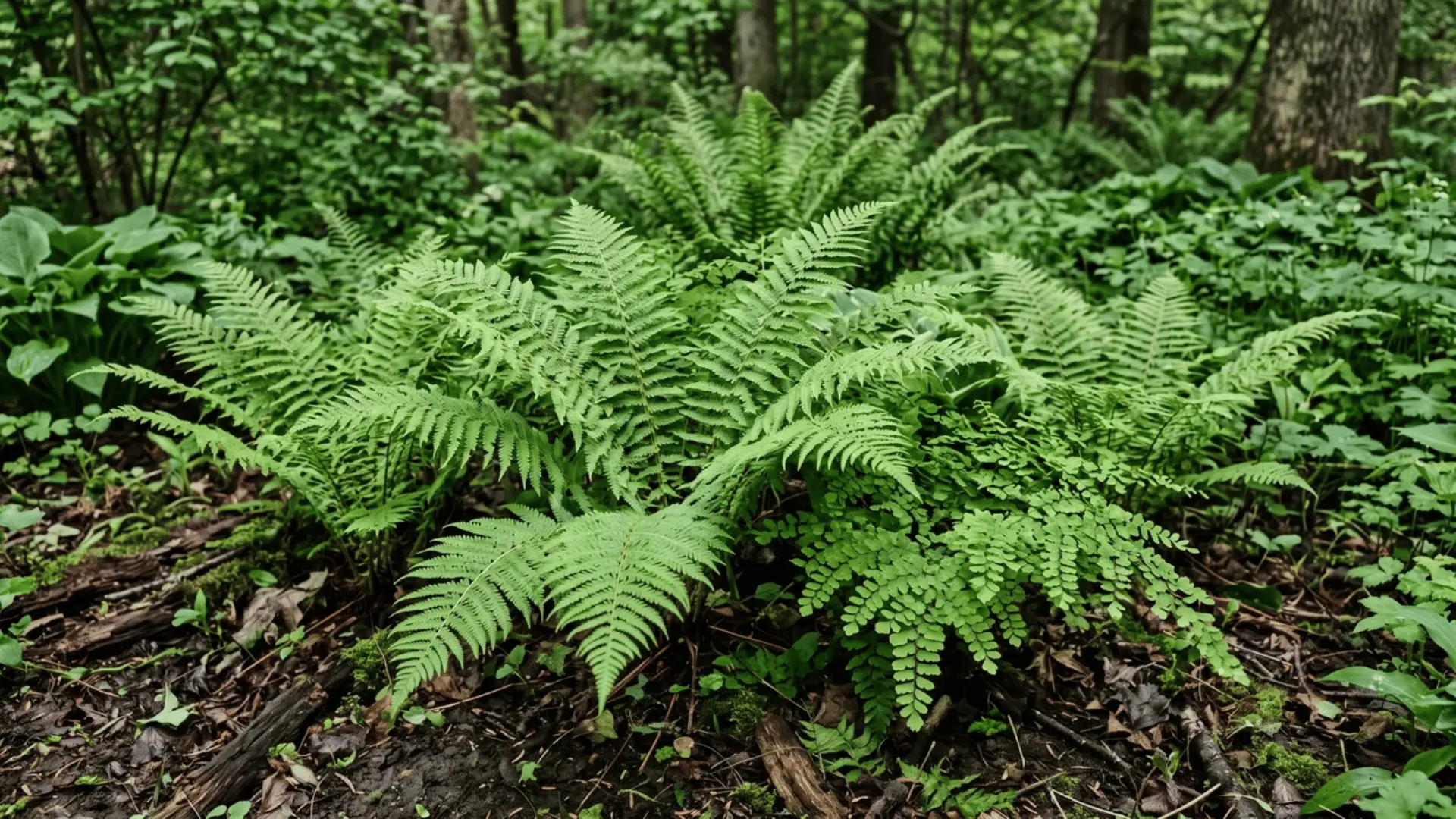
Ferns add green texture to shaded areas without producing flowers. They grow best in full shade to part shade and prefer moist, rich soil. Their fronds emerge in spring and gradually fill spaces beneath trees and other shade plants.
They spread slowly over time and rarely need dividing. Consistent moisture is more important than soil type when keeping ferns healthy, making them a dependable choice for shaded garden spaces.
- Botanical Name: Athyrium and Dryopteris species
- Bloom Time: None, foliage plant
- USDA Zones: 3-9, varies by species
- Height: 1-3 ft
- Lifespan: Long-lived, spreads over years
19. Bleeding Heart
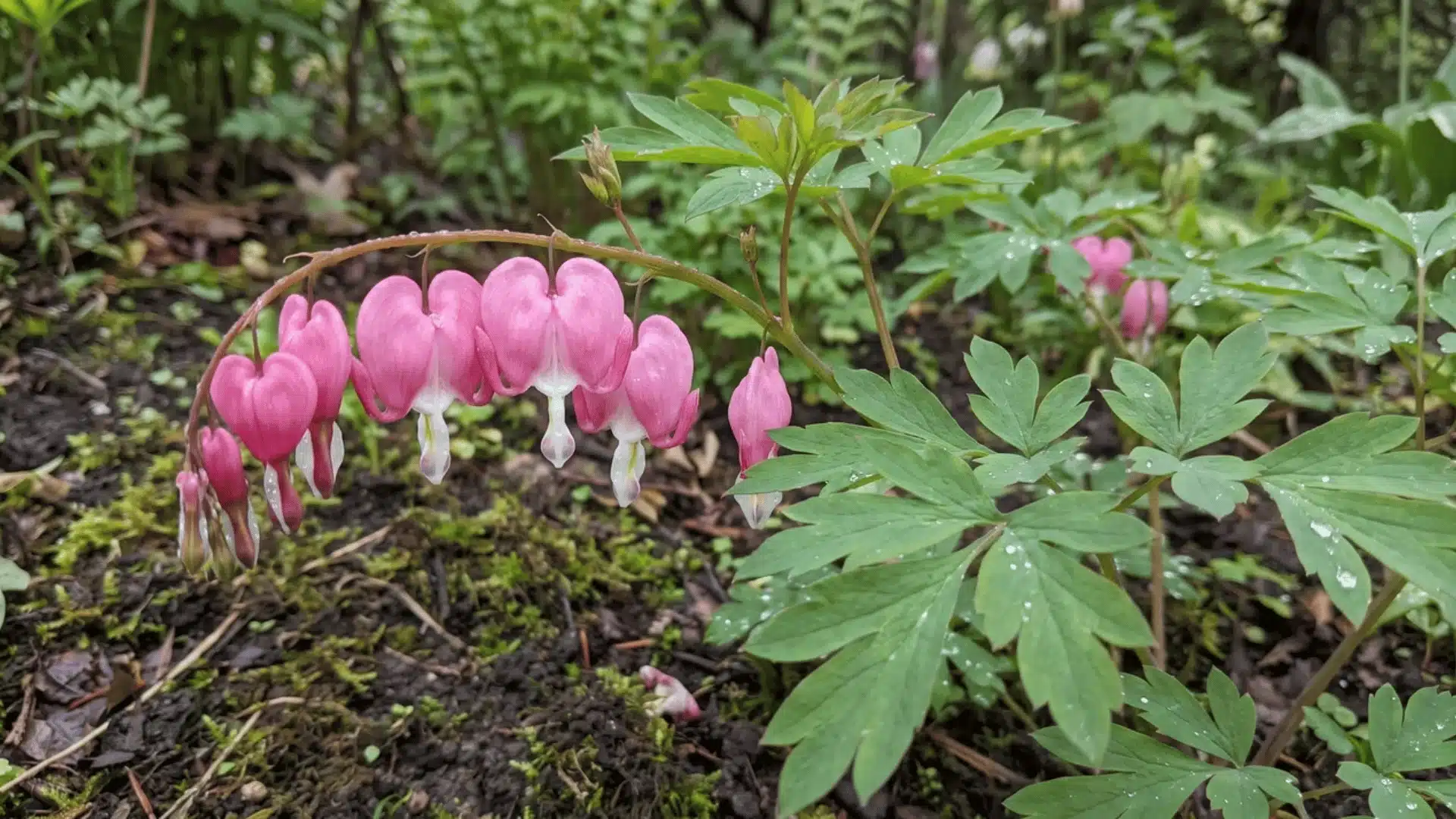
Bleeding Heart produces heart-shaped pink or white flowers that hang from arching stems during spring. It grows best in part to full shade and prefers moist, rich soil to support healthy foliage and blooms.
The foliage may disappear during summer heat, which is a normal dormancy period. The plant returns when growing conditions become more suitable in cooler seasons, making it a reliable spring perennial.
- Botanical Name: Lamprocapnos spectabilis
- Bloom Time: Spring
- USDA Zones: 3-9
- Height: 1-2.5 ft
- Lifespan: 4-5 years, may go dormant early
20. Solomon’s Seal
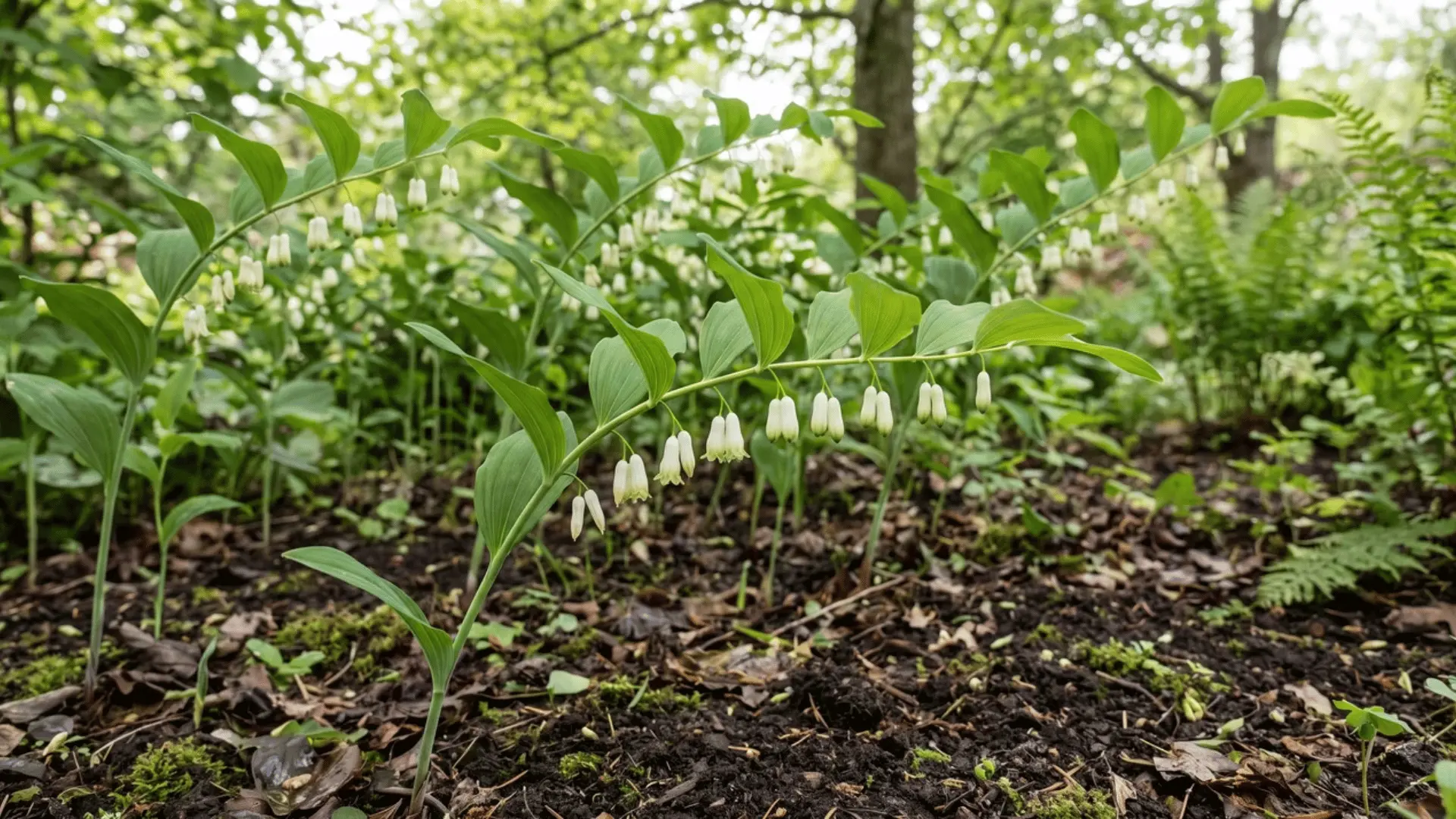
Solomon’s Seal grows with graceful arching stems and small white bell-shaped flowers hanging underneath. It grows best in part to full shade and prefers moist, well-drained soil for steady growth.
This plant needs little attention once established. It spreads slowly through underground rhizomes and gradually fills shaded garden spaces without becoming difficult to manage or requiring frequent maintenance.
- Botanical Name: Polygonatum biflorum
- Bloom Time: Spring
- USDA Zones: 3-9
- Height: 1-3 ft
- Lifespan: Long-lived, spreads slowly
21. Hellebore
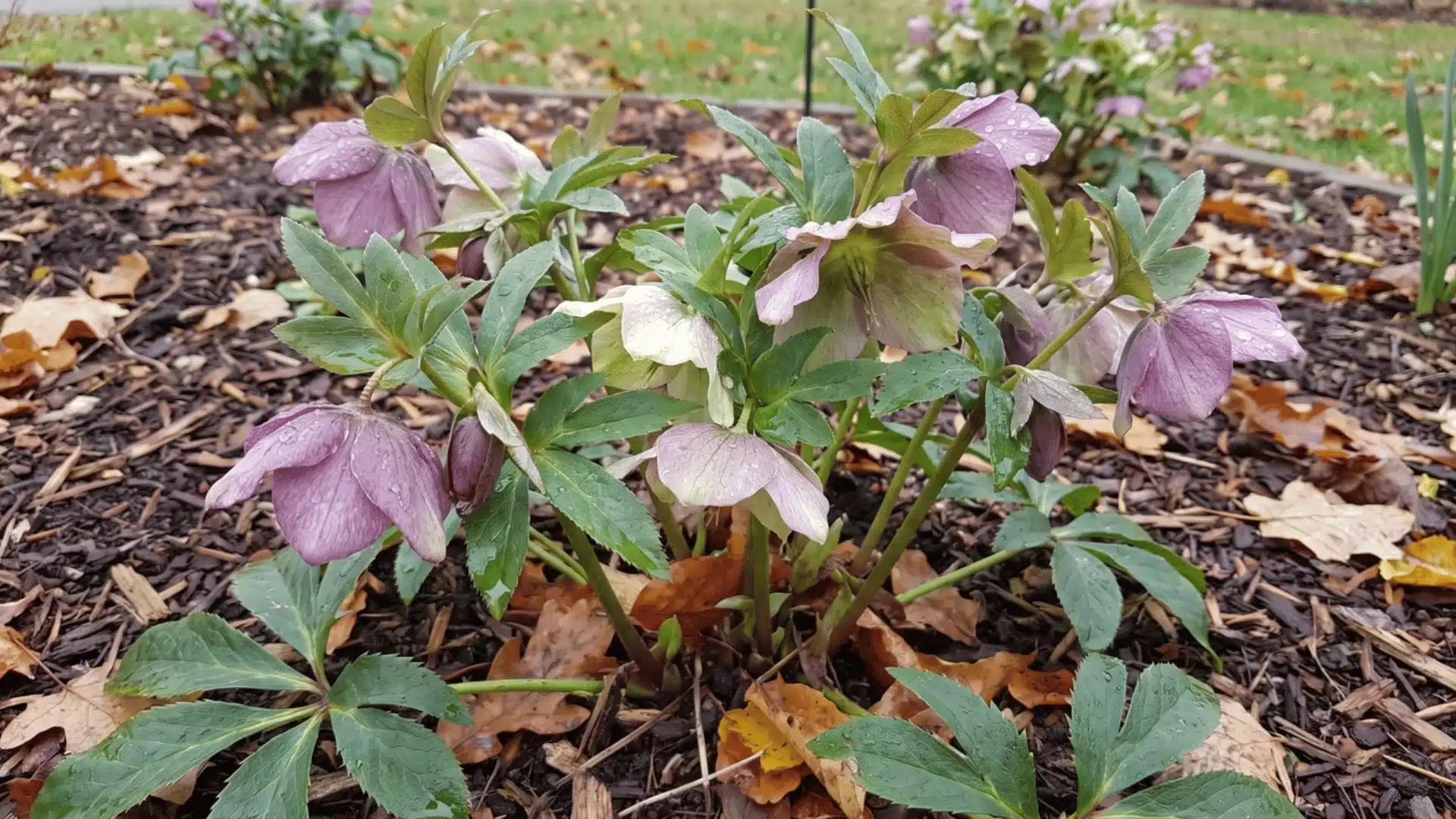
Hellebore, also called Lenten Rose, blooms in late winter or early spring when many gardens have little color. It grows best in part to full shade and prefers well-drained, rich soil for long-term health.
It is one of the few perennials that flowers during colder months. Established clumps can remain healthy for many years when planted in suitable conditions with consistent care.
- Botanical Name: Helleborus orientalis
- Bloom Time: Late winter to early spring
- USDA Zones: 4-9
- Height: 1-1.5 ft
- Lifespan: Long-lived, often 10+ years
How to Keep Perennial Flowers Blooming All Summer Long
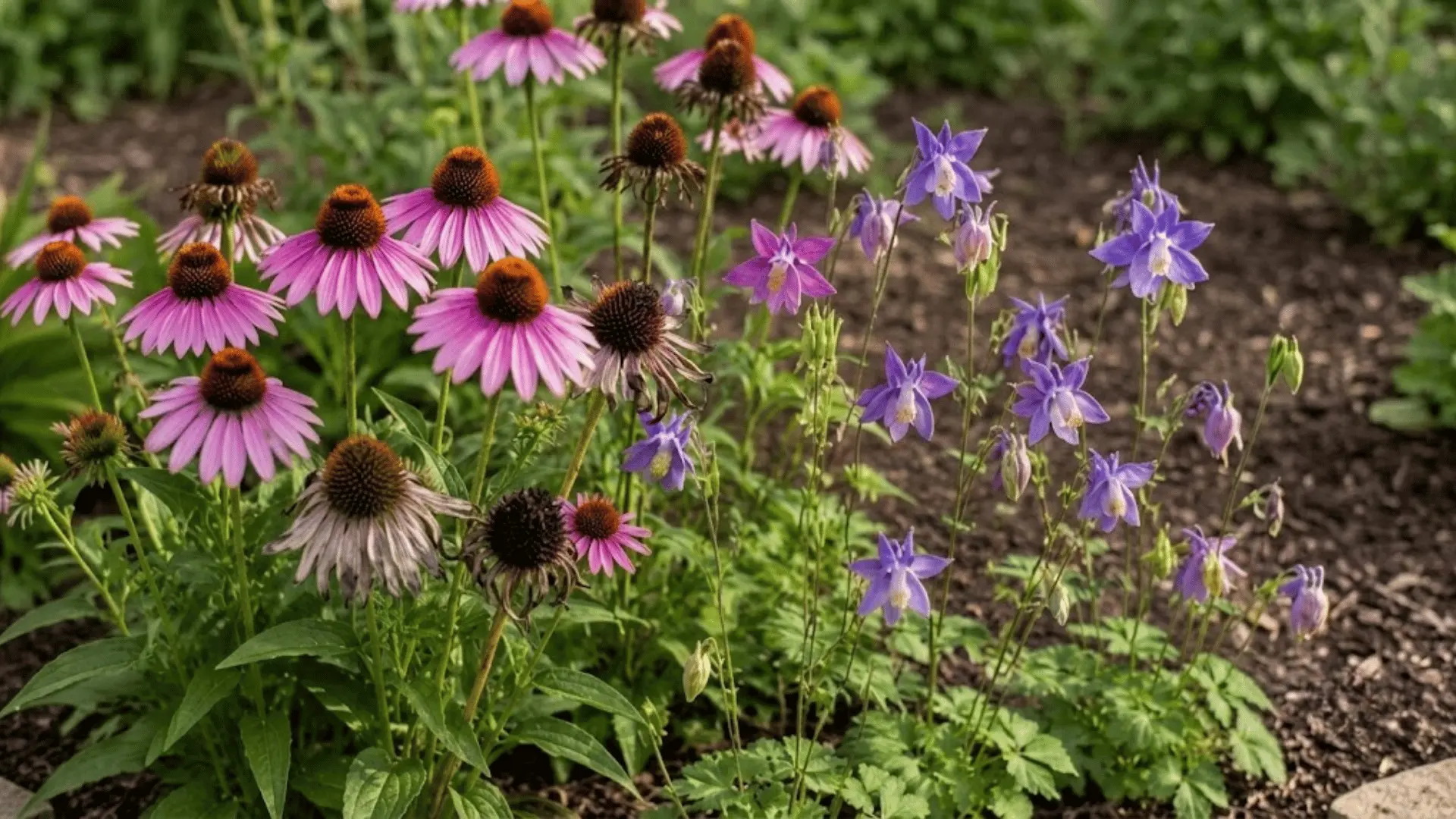
Most perennials only bloom for a few weeks, not the whole season. Expecting one plant to flower nonstop from May through September sets you up for disappointment.
A few habits stretch that bloom window further than most people realize. Here’s what actually makes a difference:
- Deadhead spent flowers: Snipping off faded blooms stops the plant from putting energy into seeds, so it grows new buds instead.
- Stagger bloom times: Pair spring bloomers like columbine with summer bloomers like coneflower, so something is always flowering.
- Feed lightly in spring: A balanced feed once a season is enough. Heavy feeding grows leaves at the flower’s expense.
- Water deeply, not often: Deep watering during dry spells pushes roots down, which keeps plants healthier than frequent shallow watering.
Get these four habits right and most perennials will reward you with a longer, fuller bloom season.
Why Perennials Sometimes Don’t Come Back and How to Help Them Return
A perennial failing to return usually isn’t about having a black thumb. Most problems come from growing conditions that stop the plant from surviving winter or starting strong in spring.
| Cause of Failure | Why It Happens | How to Prevent It |
|---|---|---|
| Zone mismatch | A plant rated for zones 6-9 won’t survive a zone 4 winter, no matter how well you care for it. | Check the plant’s hardiness range against your zone before buying. |
| Tender perennial confusion | Some plants sold as perennials only survive in warm climates and act like annuals elsewhere. | Confirm whether the plant is “hardy” or “tender” for your region. |
| Poor drainage | Soggy soil in winter can rot roots before freezing temperatures become the main problem. | Plant in well-drained soil or raised beds. |
| Naturally short lifespan | Columbine and delphinium only live for a few years, even with ideal care. | Expect to replace short-lived varieties every few years. |
| Weak roots going into winter | Plants with unhealthy growth before winter are more likely to struggle through cold conditions. | Cut back dead stems in late fall or early winter. |
| Exposed roots in hard freezes | Roots close to the surface freeze faster without enough protection. | Add a few inches of mulch, especially for borderline-hardy plants. |
| Overcrowded clumps | Dense root systems compete for space and can reduce growth and flowering. | Divide clumps every three to four years. |
Matching plants to your climate is the biggest step. Once that is right, simple seasonal care helps perennials return year after year.
How to Pick the Right Perennial for Your USDA Zone?
Your USDA zone is the most important detail to check before buying a perennial. A plant that cannot handle your winter temperatures will struggle, no matter how well you care for it.
Finding your zone only takes a minute. Enter your zip code into the USDA Plant Hardiness Zone Map, and it will show the zone where your garden is located.
Once you know your zone, compare it with the plant’s hardiness range before buying. This simple check helps you avoid choosing plants that are unlikely to survive.
Look for plants with a wider hardiness range if you live near the colder limit. A perennial rated for zones 3-9 usually has more flexibility than one rated for zones 6-9.
Be careful with borderline choices and tender perennials. A plant listed for your zone may still struggle during harsh winters, while tender types may only survive as annuals in colder areas.
Final Thoughts
Plants that come back every year can make your garden easier to manage, and I have found perennials bring reliable growth without planting from scratch.
You can choose from many perennial options based on sunlight, soil, and climate needs to create a garden that returns beautifully year after year.
I believe the right plants save time and effort because their roots stay active and support new growth when conditions are right for them.
Now you can pick the best choices for your space and start building a lasting garden with confidence so check these plants today and begin.
Frequently Asked Questions
What Is the Easiest Perennial to Grow?
Daylilies and coneflowers top the list. They tolerate poor soil, need little watering, and rarely need dividing more than once every few years.
What Is the Most Popular Perennial Plant?
Daylilies are the most popular perennial. They adapt to nearly any climate, bloom for weeks, and need almost no maintenance beyond occasional dividing.
Do All Perennials Come Back Every Year Forever?
No. Some perennials, like columbine, only last two to three years. Others, like peonies, can return reliably for five years or more.
How Do I Find My USDA Hardiness Zone?
Enter your zip code into the USDA Plant Hardiness Zone Map. It uses winter minimum temperatures to assign your zone number instantly.