

Bees are quietly doing most of the hard work in your garden, and many plants depend on them more than we notice. If you want more blooms, better harvests, and a healthier outdoor space, the right plant choices make a real difference.
In this guide on bee-friendly flowers, I’ll share simple, practical options that attract bees and other pollinators.
You’ll find lists of native plants, expert-recommended picks, and easy flowers you can grow in different garden spaces. I’ll also share seasonal and low-maintenance choices that suit small or large gardens.
By the end, you’ll know which flowers work best, how to group them for better results, and what to plant through the year.
This will help you build a garden that supports bees in a natural and steady way.
Understanding Bee-Friendly Flowers
Bee-friendly flowers are plants that provide bees with nectar and pollen during their blooming season. They help support honey bees, bumblebees, and many native bee species while improving pollination in gardens.
These flowers come in different shapes, sizes, and bloom times, making it possible to keep food available for pollinators from spring through fall.
A backyard or a few containers can support bees and other pollinators with the right flowers.
Growing a variety of native and noninvasive flowering plants can provide a steady source of food throughout the growing season.
Selecting flowers with overlapping bloom periods also helps ensure bees have consistent access to nectar and pollen when they need it most
Best Bee-Friendly Flowers
Here are some flowers that attract bees and support pollination in different garden spaces. Each plant listed is easy to grow and adapts to a range of soil and light conditions.
1. Lavender
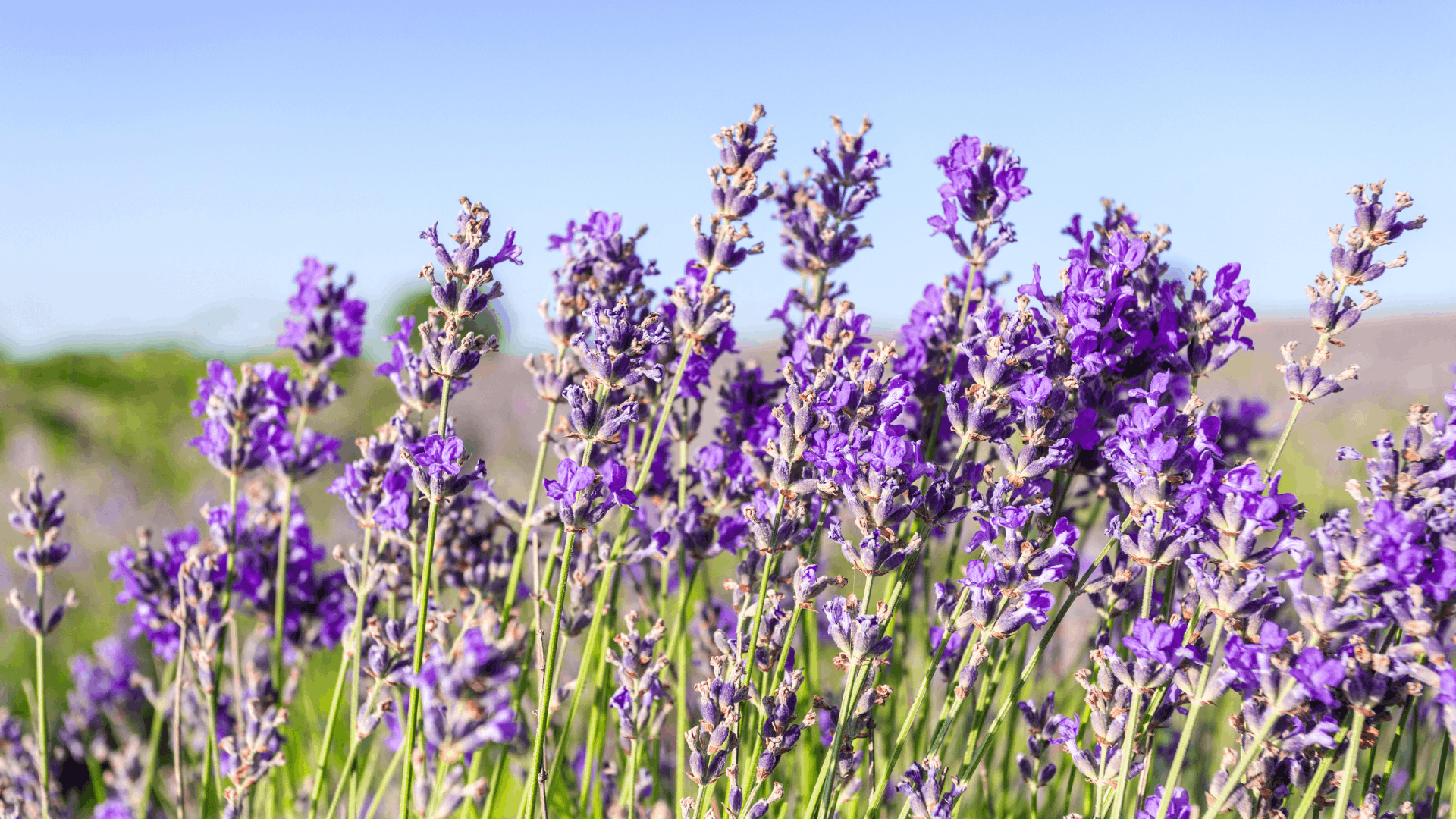
Lavender is one of the most reliable plants for attracting bees in many gardens. Its small purple flowers grow in long clusters that provide easy access to nectar.
Bees visit it often during warm months when the plant is in full bloom. It grows best in sunny spots with dry, well-drained soil.
Once established, lavender needs little care and can return each year. Many gardeners place it near paths or garden edges so bees can move between plants easily while pollinating nearby crops.
2. Sunflower
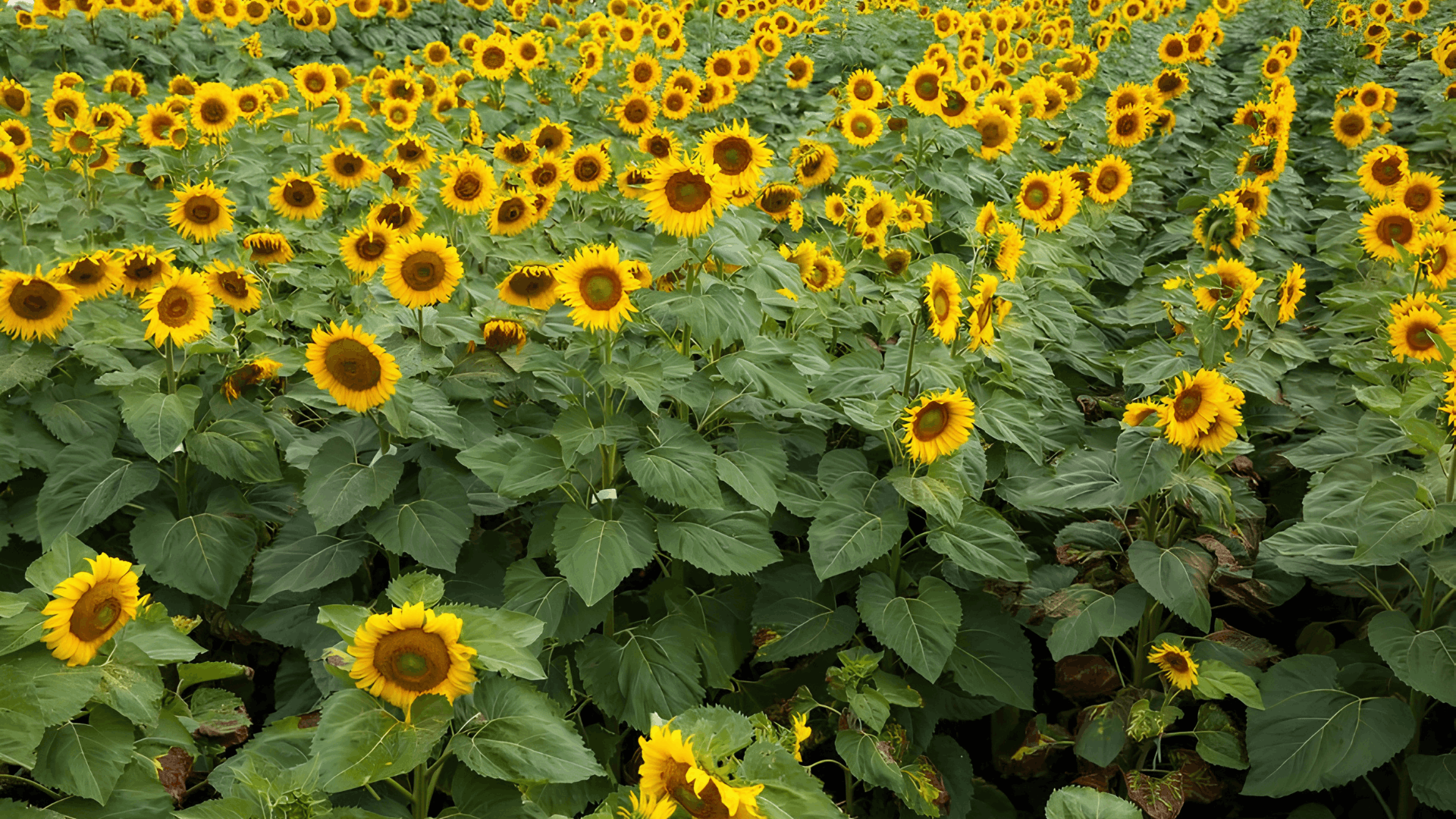
Sunflowers draw bees with their large flower heads filled with pollen and nectar. Each head holds many tiny florets, giving bees a steady food source while the plant is in bloom.
They grow quickly from seed and prefer full sun with regular watering. Tall varieties can also provide shade for nearby smaller plants.
Bees often gather in groups on sunflowers during peak flowering, making sunflowers a strong choice for gardens that need more pollinator activity.
3. Marigold
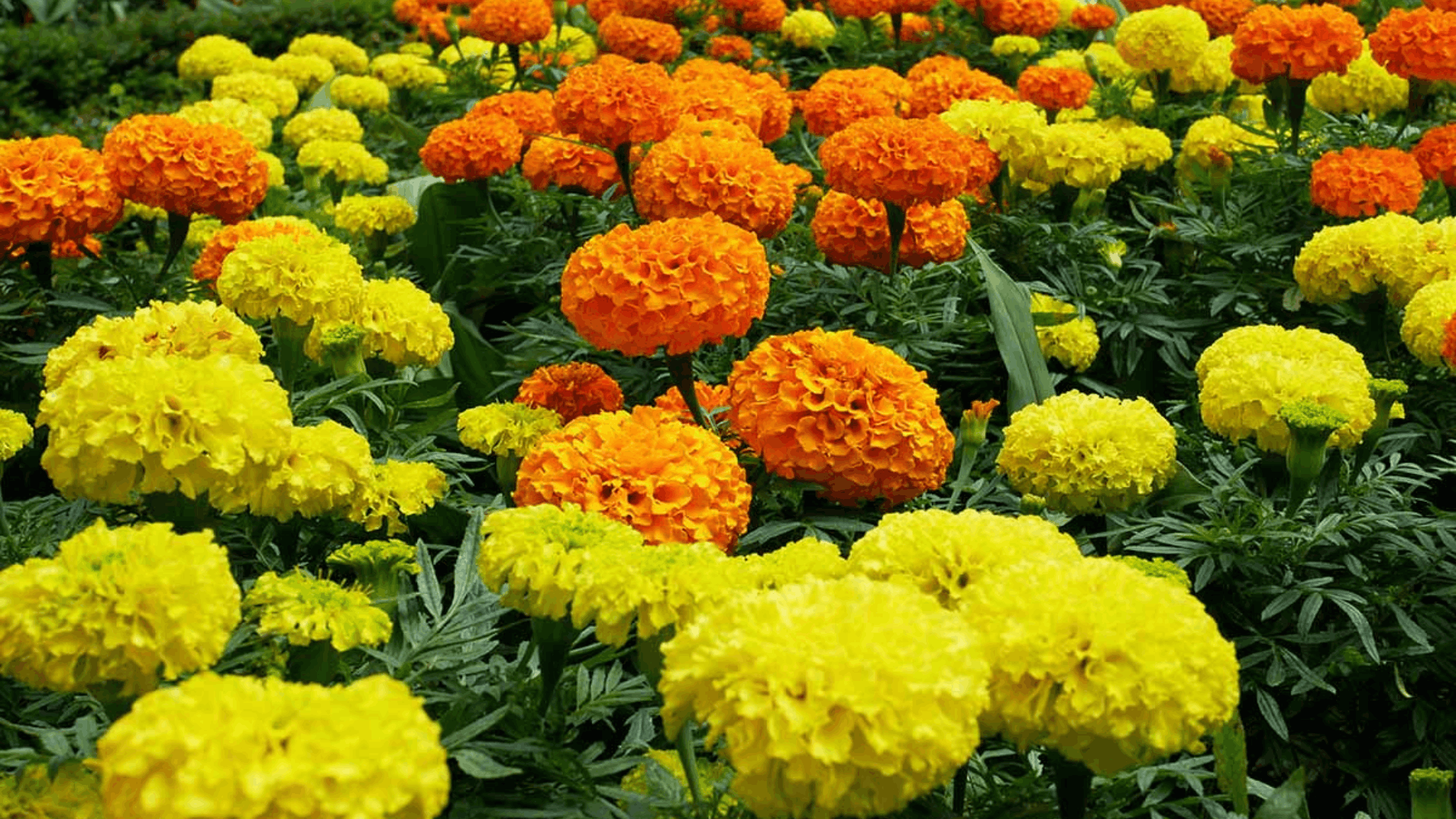
Marigolds are easy to grow and bloom over a long period, which makes them useful for supporting bees. Their bright orange and yellow flowers provide nectar and attract pollinators to vegetable gardens.
They grow well in pots or garden beds and handle different soil types. Regular deadheading helps them keep blooming through the season.
Bees visit marigolds most during sunny parts of the day, especially when other flowers are less active.
4. Coneflower (Echinacea)
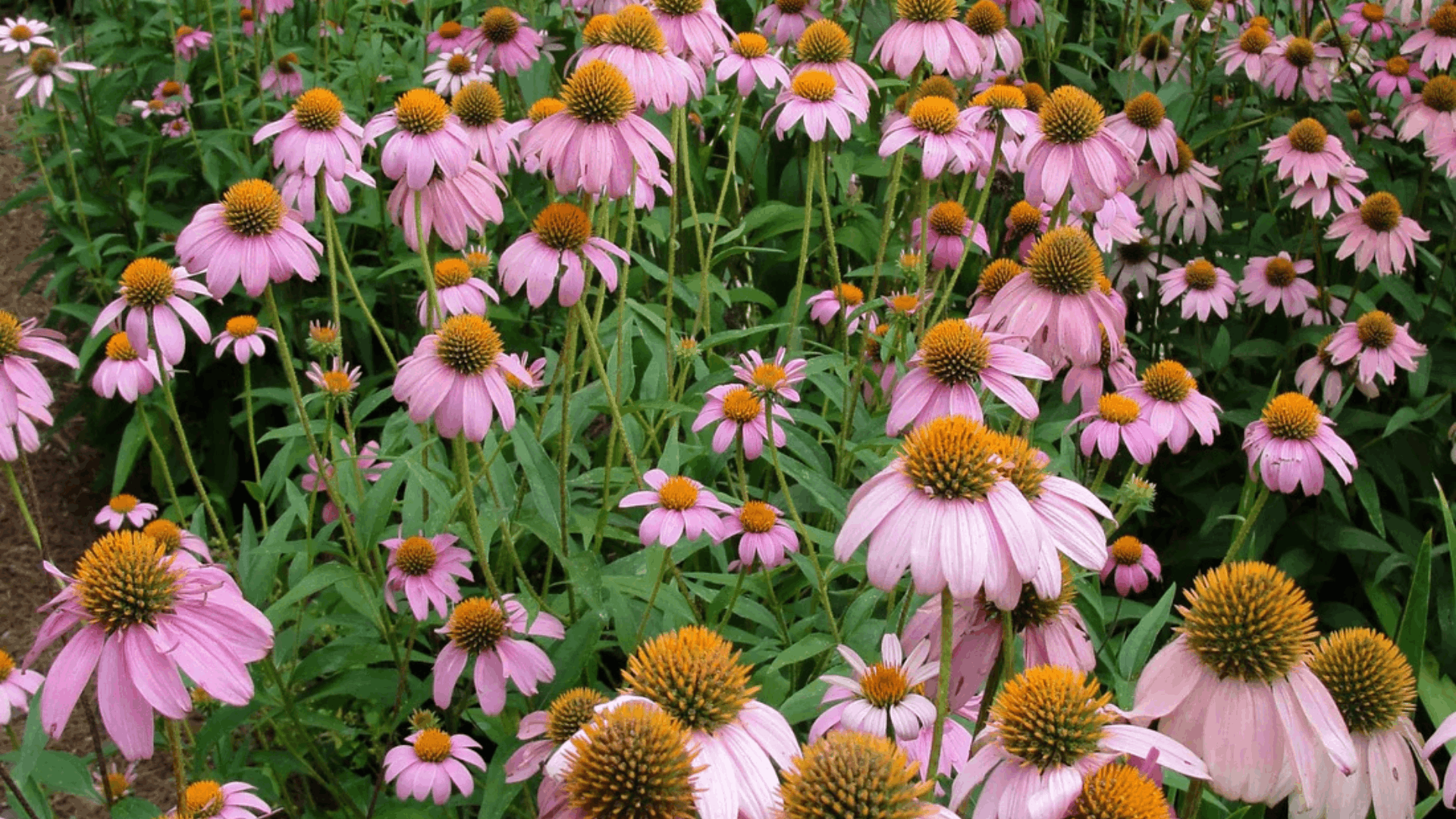
Coneflowers are known for their sturdy shape and long blooming season. Bees land easily on their raised centers to collect nectar and pollen.
These plants grow well in sunny areas and handle dry conditions once established. Their pink or purple petals surround a cone-shaped middle that stays active for pollinators.
Coneflowers also return each year, making them a steady food source in many gardens.
5. Cosmos
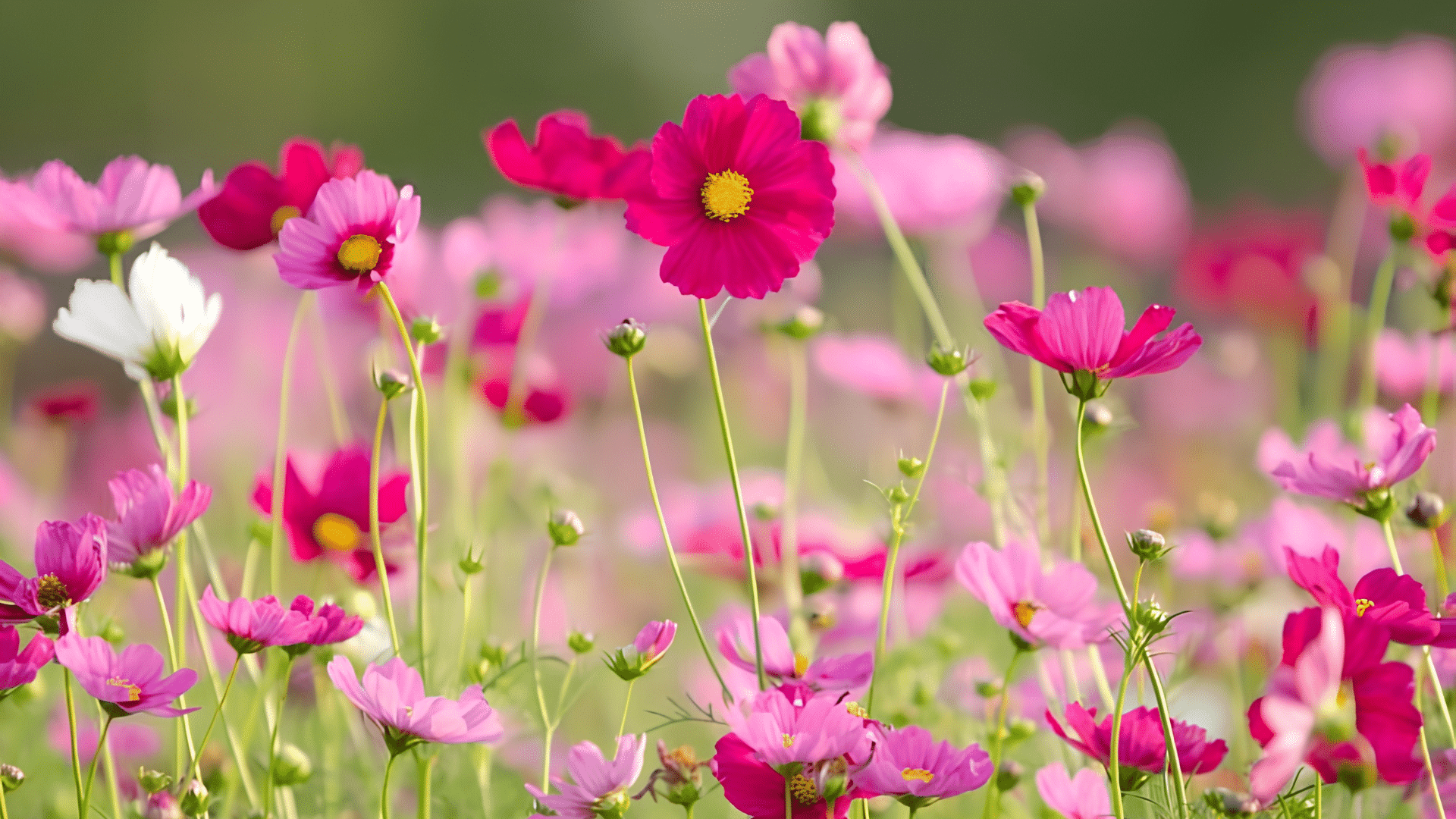
Cosmos flowers grow quickly and produce light, open blooms that bees can reach without difficulty. They work well in garden beds and require little maintenance once planted.
These flowers prefer full sun and can handle poorer soil conditions.
Their long stems make them useful for filling open spaces in gardens. Bees are often seen moving from one bloom to another during peak flowering season.
6. Borage
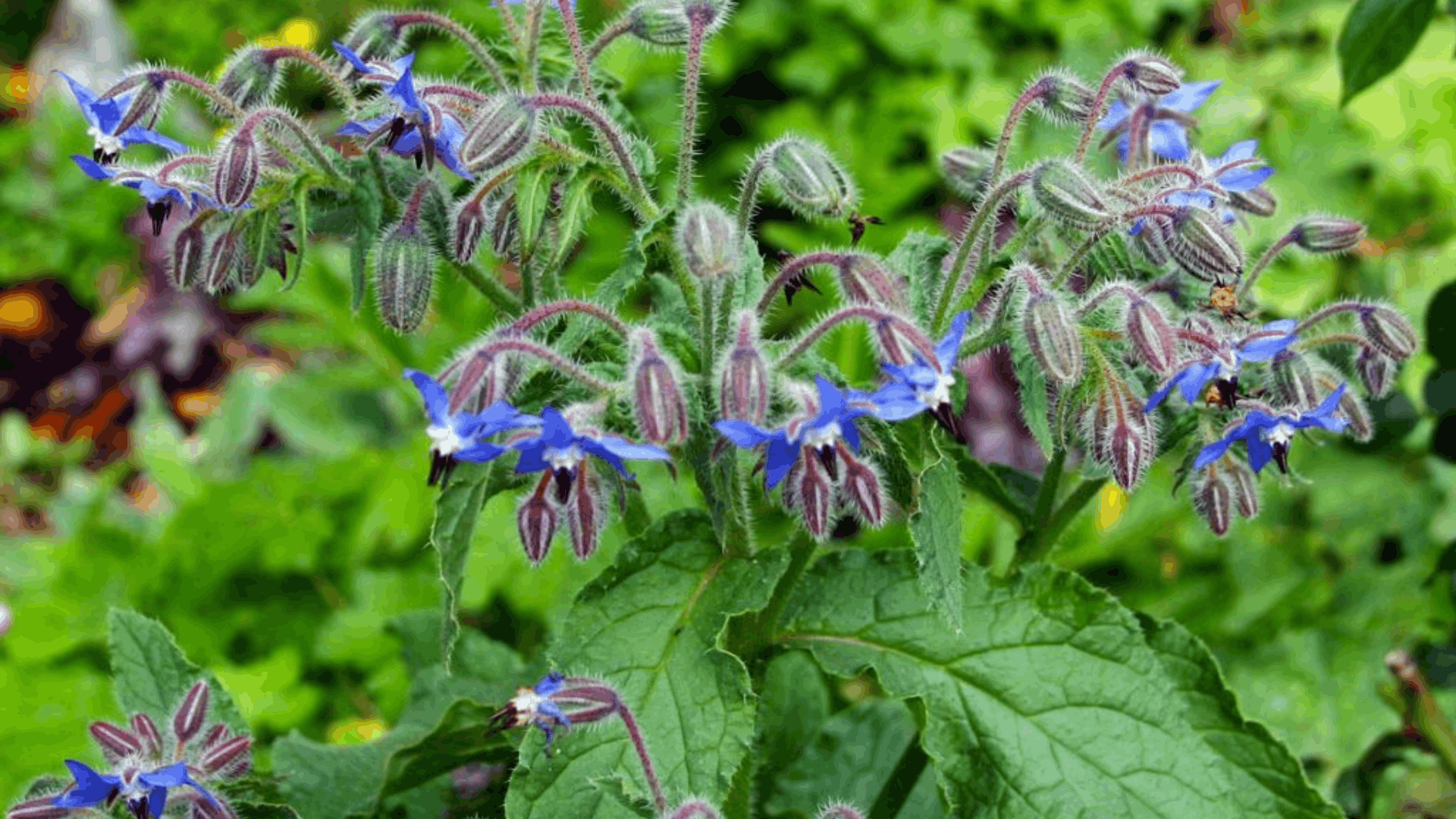
Borage produces small blue, star-shaped flowers that attract bees throughout the growing season. It grows quickly from seed, establishes easily, and performs well in sunny locations with well-drained soil.
The plant adapts to most soil types and produces a steady supply of nectar that keeps bees returning. Borage is also known for self-seeding, so new plants often appear the following year without extra effort.
Many gardeners grow it near vegetables because increased bee activity can help improve pollination of nearby crops.
7. White Clover
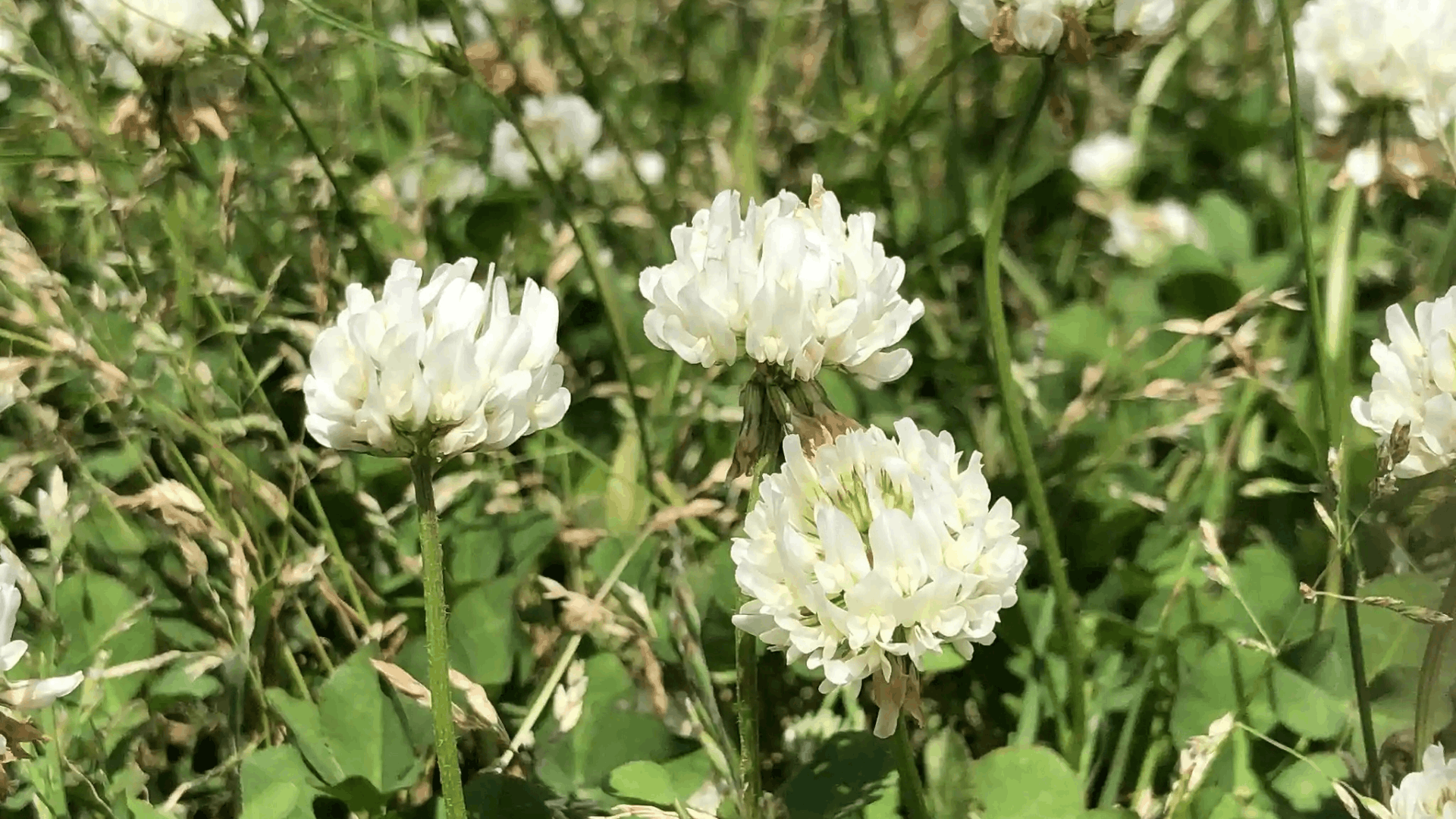
White clover is a low-growing plant that spreads easily across lawns, pathways, and open garden spaces.
Its small white flower heads produce plenty of nectar, making them a dependable food source for bees throughout the blooming season.
This hardy plant grows well in a wide range of soil types and tolerates light foot traffic without much trouble.
Bees often gather on clover patches during warm weather, and many gardeners use it as a natural ground cover to support pollinators while reducing bare patches in the landscape.
8. Black-eyed Susan
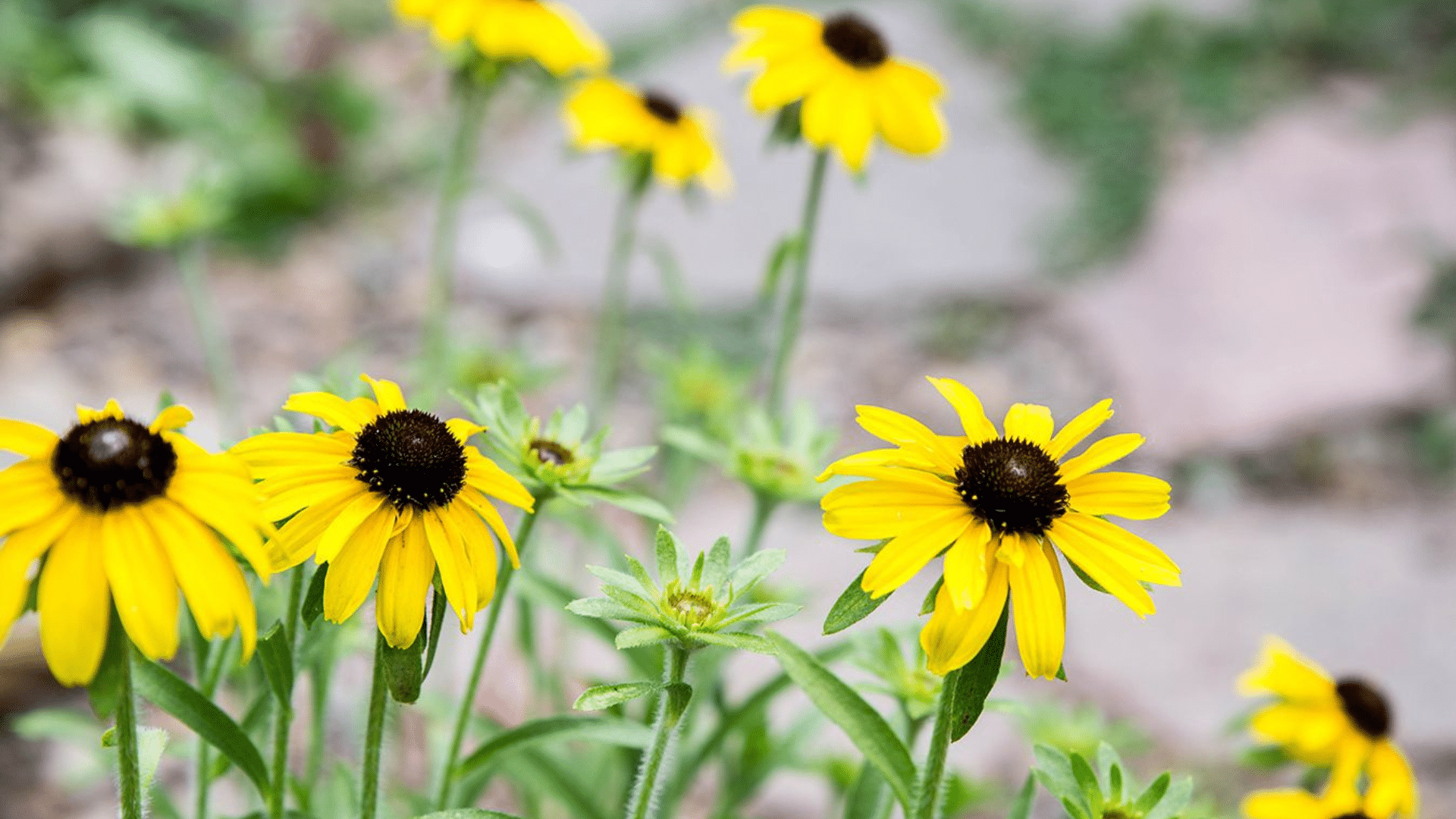
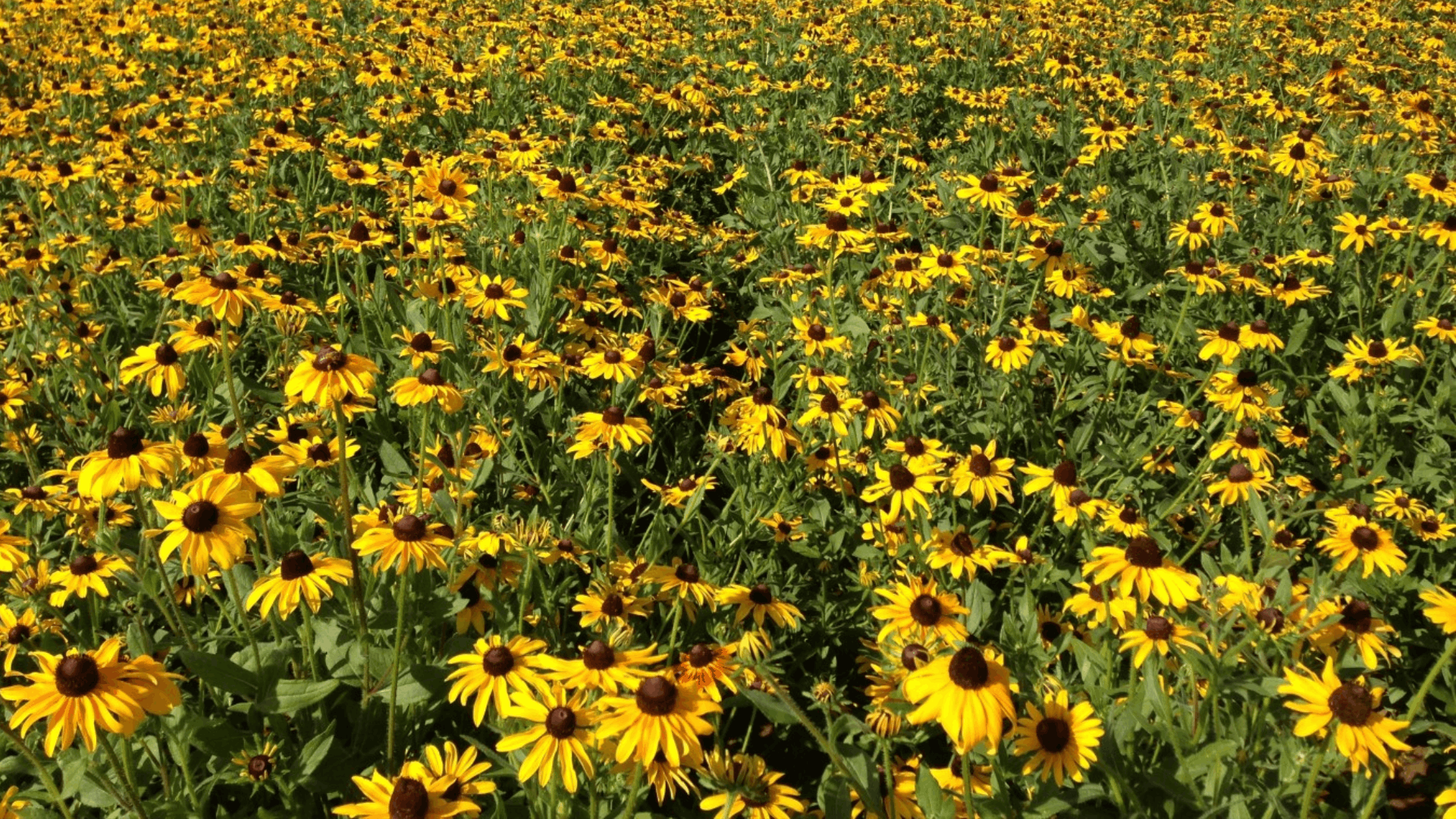
Black-eyed Susan is a dependable flowering plant with bright yellow petals and dark centers that attract bees throughout the growing season.
It blooms from summer into early fall, giving pollinators a reliable source of nectar and pollen for several months.
This hardy plant grows best in full sun and tolerates dry conditions once established.
Bees can easily reach its open flower centers while feeding. As a perennial in many regions, Black-eyed Susan returns each year, adding lasting color to pollinator-friendly gardens.
9. Salvia
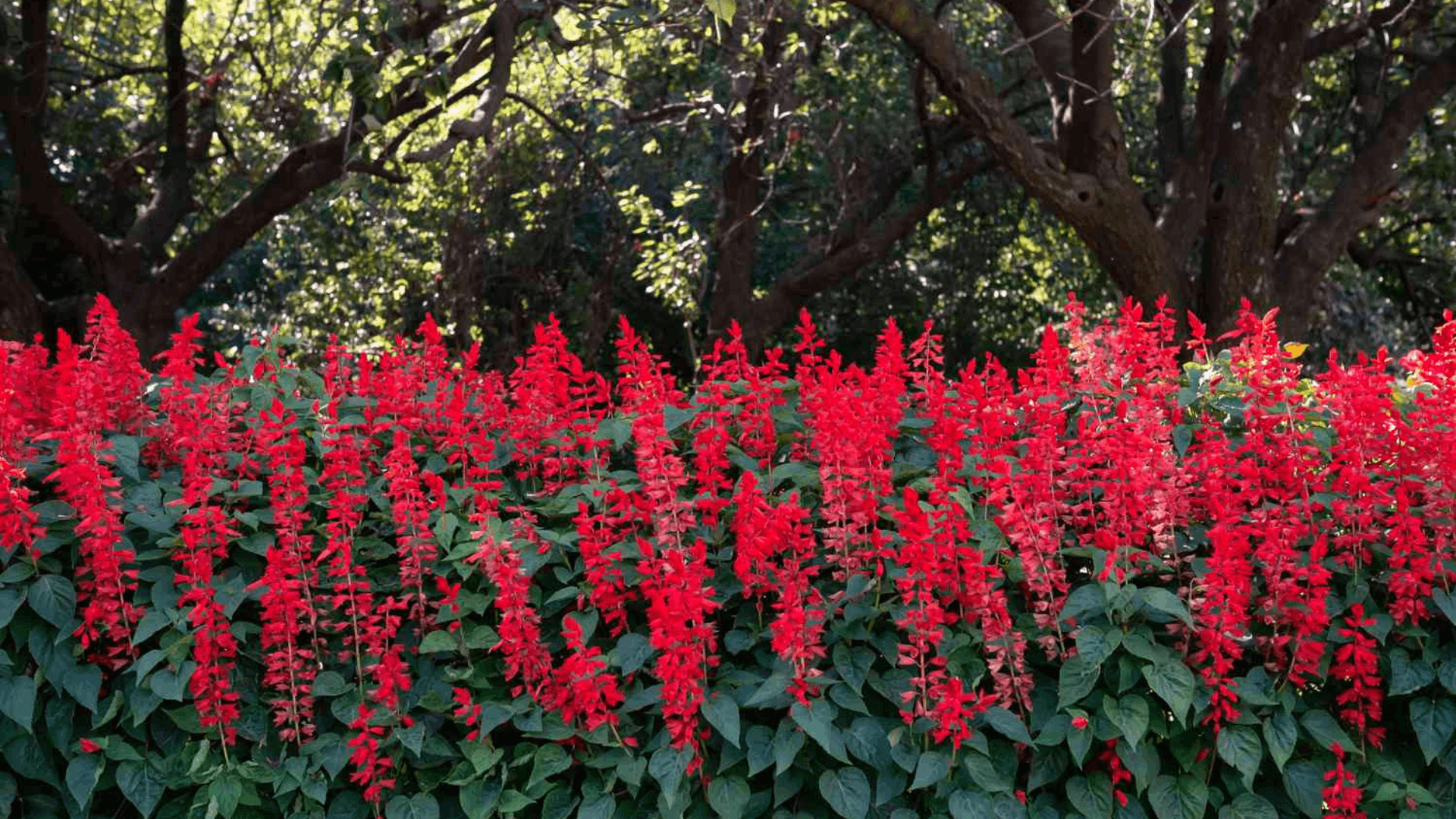
Salvia produces tall spikes of colorful flowers that attract bees throughout the growing season. It grows best in full sun and needs very little watering once established.
The upright flower spikes provide easy landing spots, allowing bees to move from bloom to bloom while collecting nectar.
Many salvia varieties flower for several weeks, giving pollinators a dependable food source.
It also fits neatly into garden borders, mixed flower beds, and pollinator gardens, adding color while supporting healthy bee activity.
10. Thyme
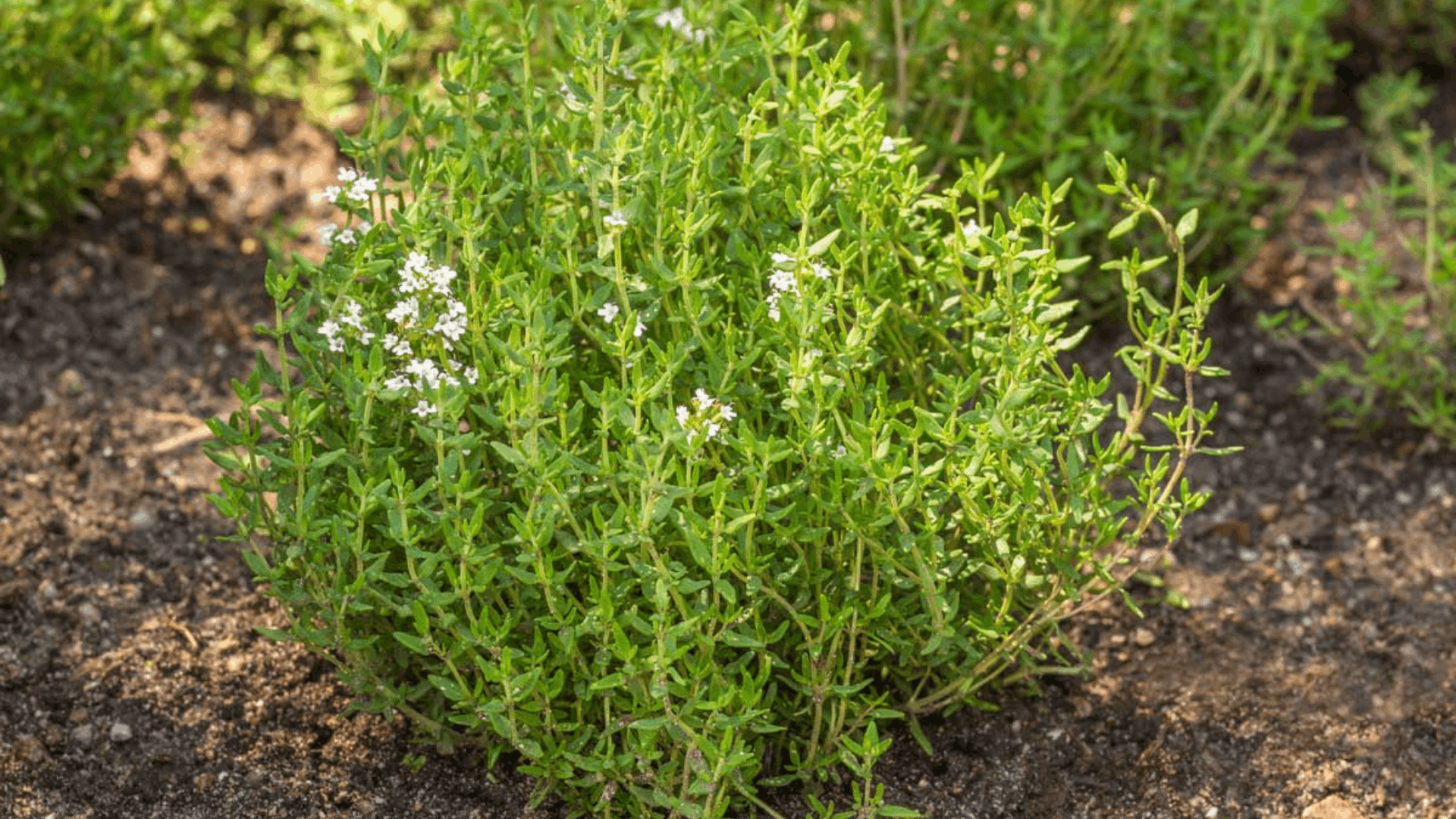
Thyme is a compact herb that produces small, nectar-rich flowers, making it a favorite among bees during its blooming season.
It grows well in full sun, prefers well-drained soil, and spreads close to the ground with very little care. When thyme flowers, bees often gather in large numbers to feed.
Its low-growing habit makes it a practical choice between stepping stones, along pathways, or around garden borders where space is limited while still supporting pollinators.
11. Basil
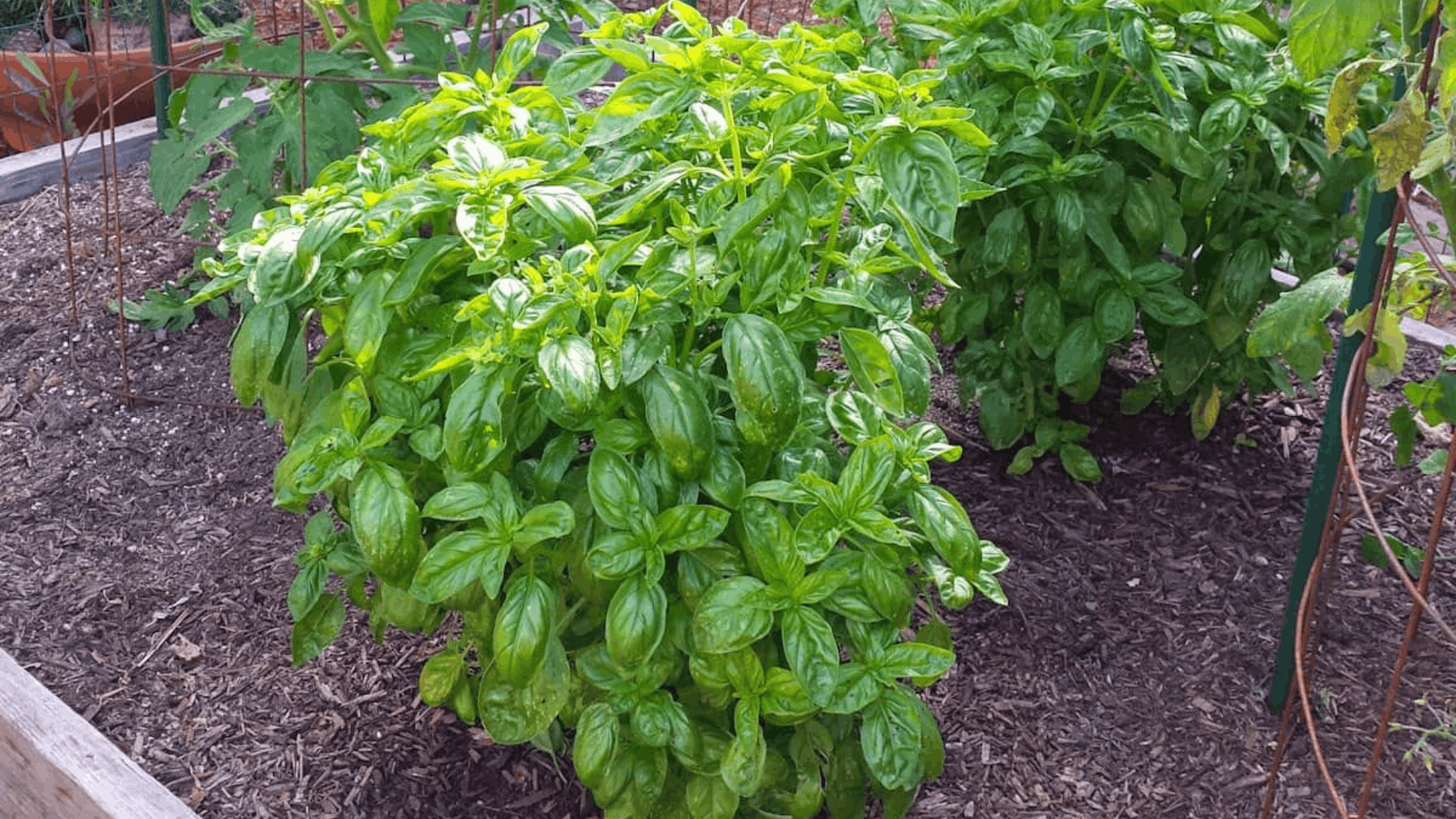
Basil flowers attract bees when the plant is allowed to bloom instead of being trimmed. The small white or purple flowers produce nectar that bees collect in warm weather.
It grows best in sunny spots with regular watering.
Basil works well in pots and small garden spaces. Many gardeners keep a few plants flowering to support pollinators while still growing leaves for cooking.
12. Rosemary
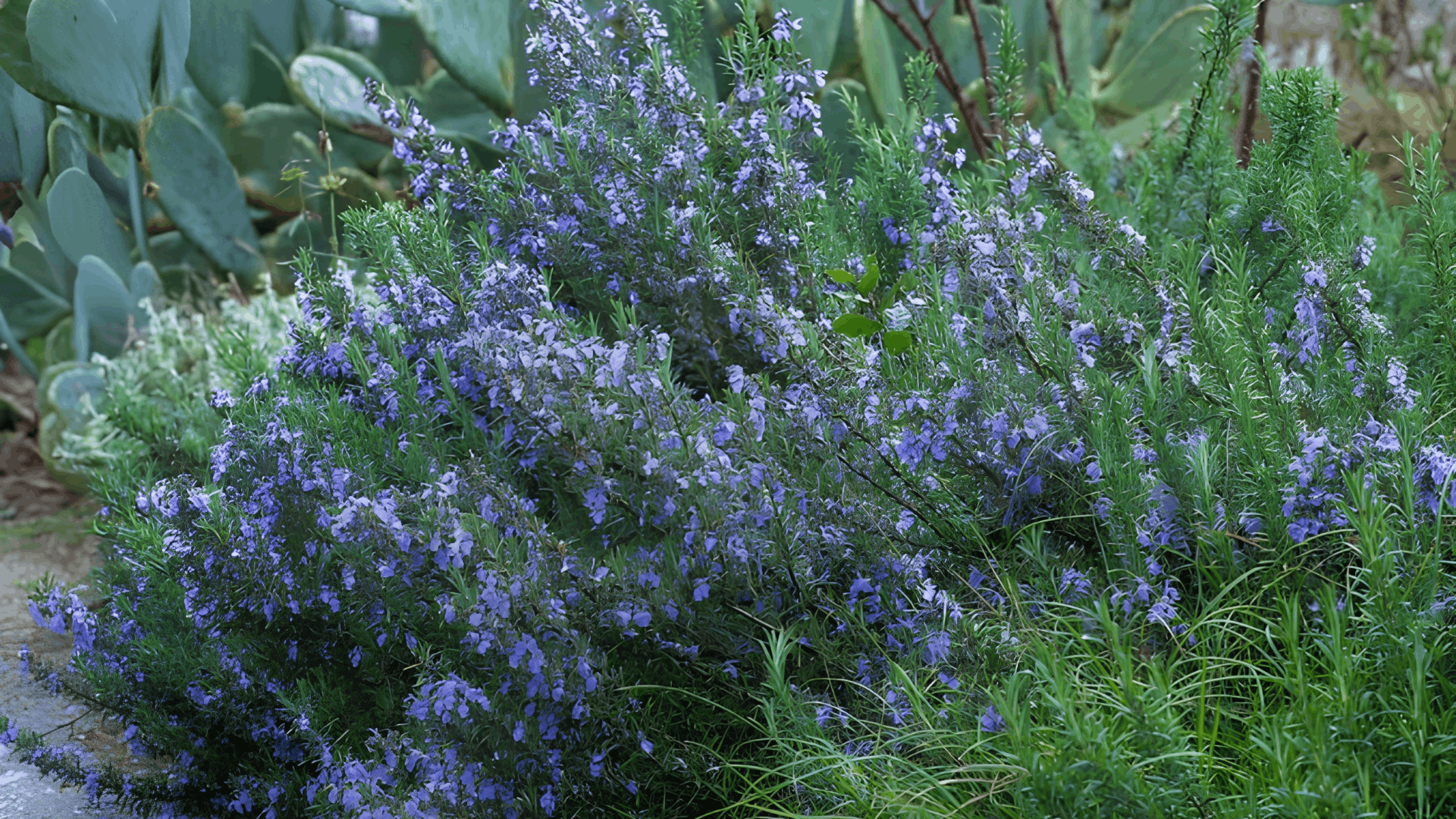
Rosemary produces small blue flowers that bees visit often. The plant grows as a woody shrub and prefers dry, sunny conditions.
Its blooms appear during cooler seasons in many regions, providing bees with food when fewer flowers are available.
It can grow in garden beds or containers. Bees tend to gather on rosemary flowers during calm, sunny days.
13. Zinnia
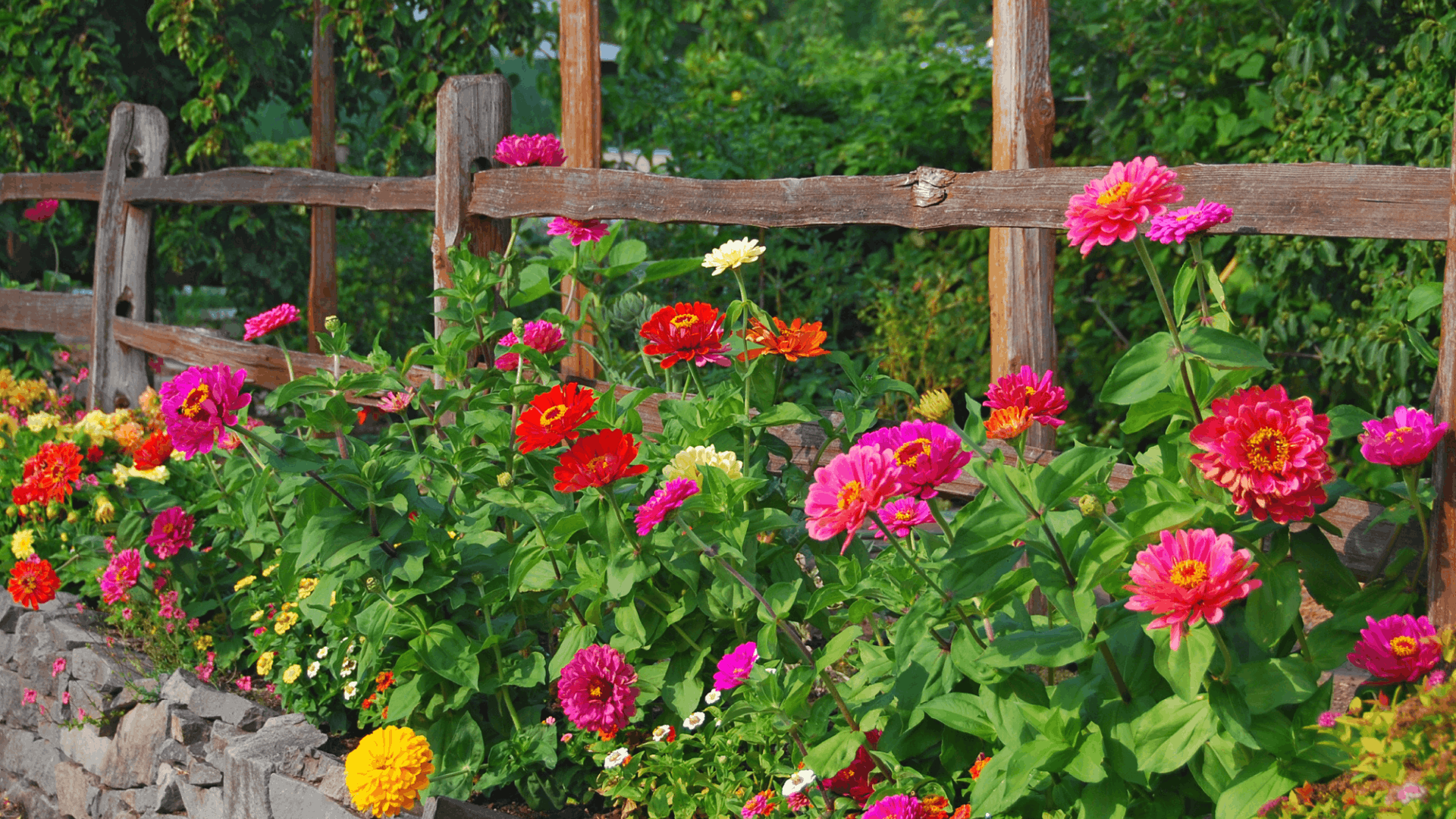
Zinnias are colorful flowers that bloom in many shapes and sizes. Bees are drawn to their open centers where nectar is easy to reach. They grow quickly from seed and bloom through warm months.
Zinnias prefer full sun and regular watering. They are often used in garden beds for continuous color while also supporting pollinators like bees.
14. Foxglove
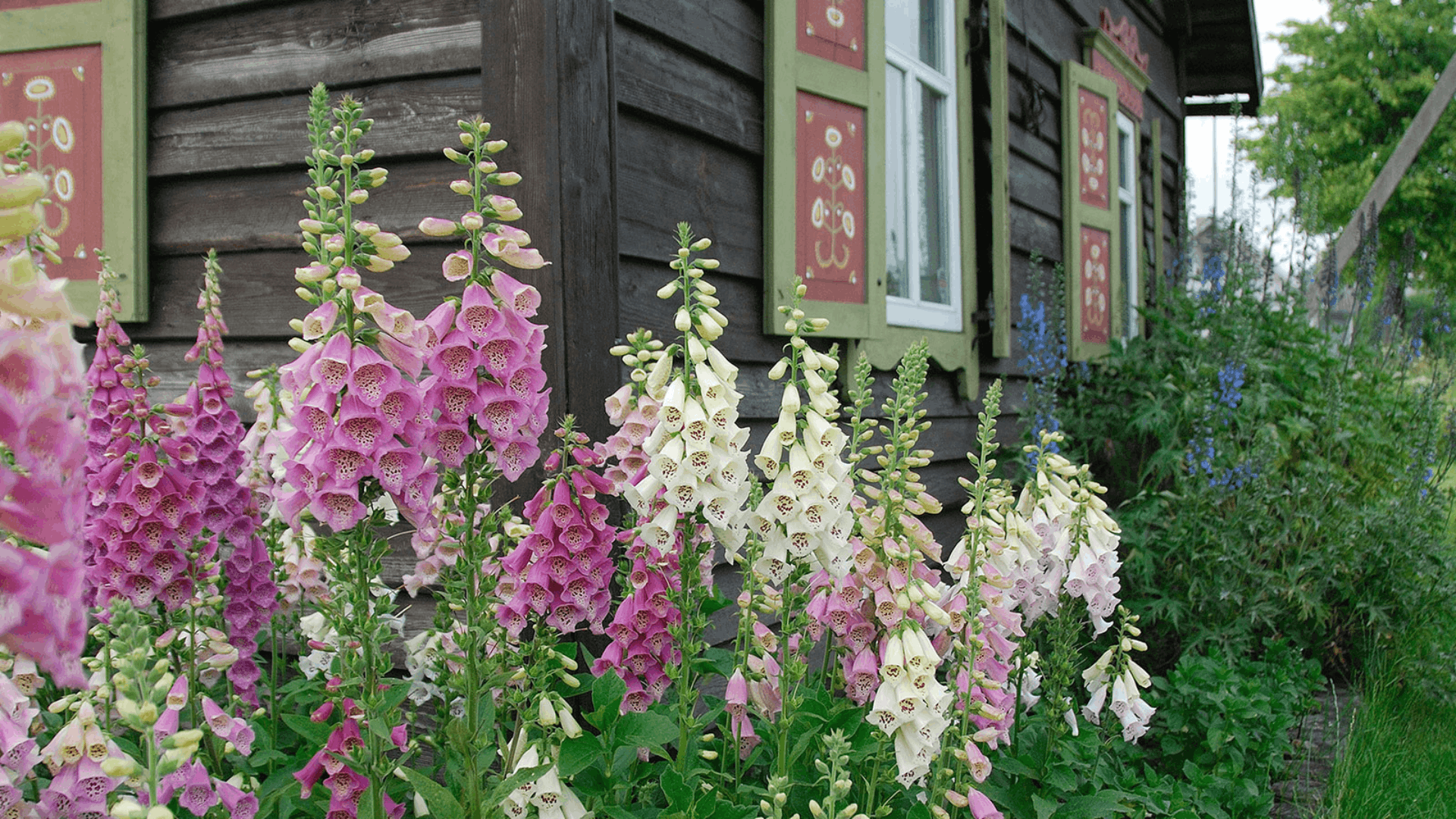
Foxglove produces tall flower spikes filled with bell-shaped blooms. Bees enter the flowers to collect nectar, moving from one bloom to another along the stem.
It grows best in partial shade to full sun, depending on the climate.
Foxglove adds height to garden spaces and supports pollinators during its blooming period. It is often planted in mixed flower borders.
15. Goldenrod
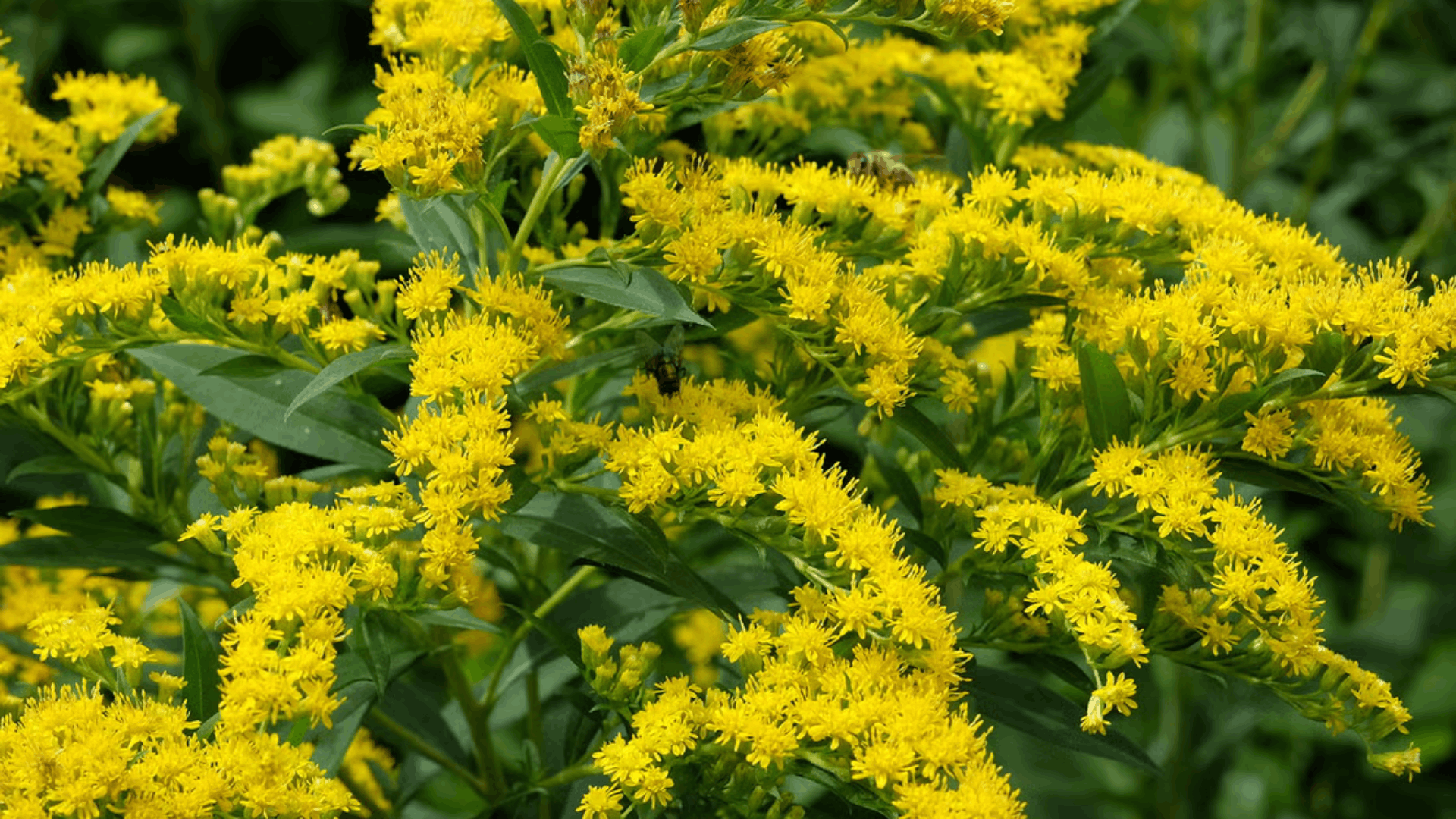
Goldenrod blooms in late summer and fall when many other flowers fade. Its yellow flower clusters provide bees with a late-season food source.
It grows well in sunny areas and adapts to different soil types.
Bees often gather in large numbers on goldenrod during peak bloom. It plays an important role in supporting pollinators before cooler weather arrives.
16. Bee Balm
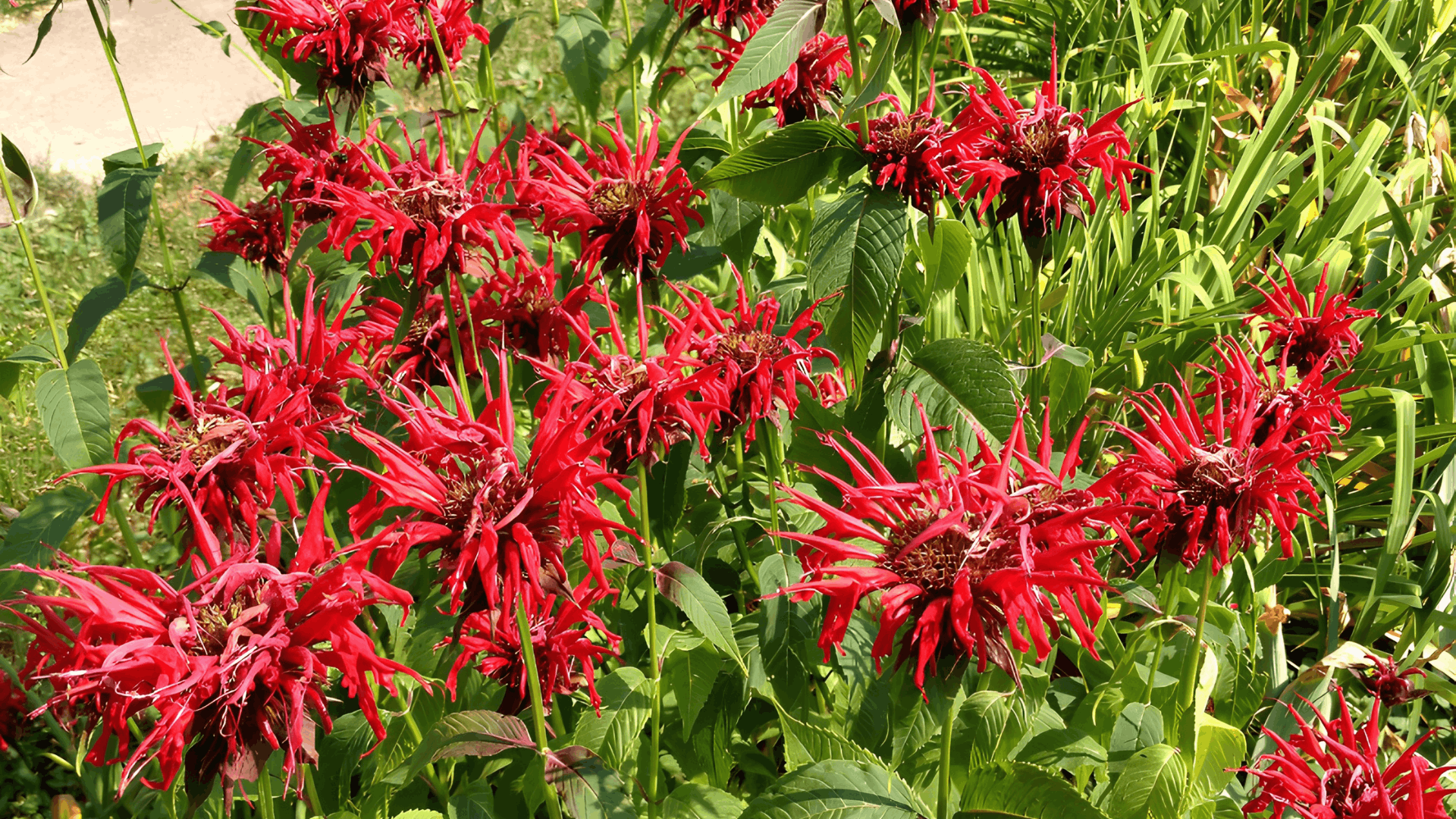
Bee Balm is often chosen by gardeners looking to support bees through summer. It produces clusters of bright red, pink, or purple flowers that give bees easy access to nectar.
The plant grows well in sunny spots but can also handle light shade. It spreads over time, forming small groups that bees visit often.
Bee Balm works well in garden borders where pollinators move between nearby plants.
It also blooms for a long period, providing bees with a steady food source throughout the warm months.
17. Yarrow
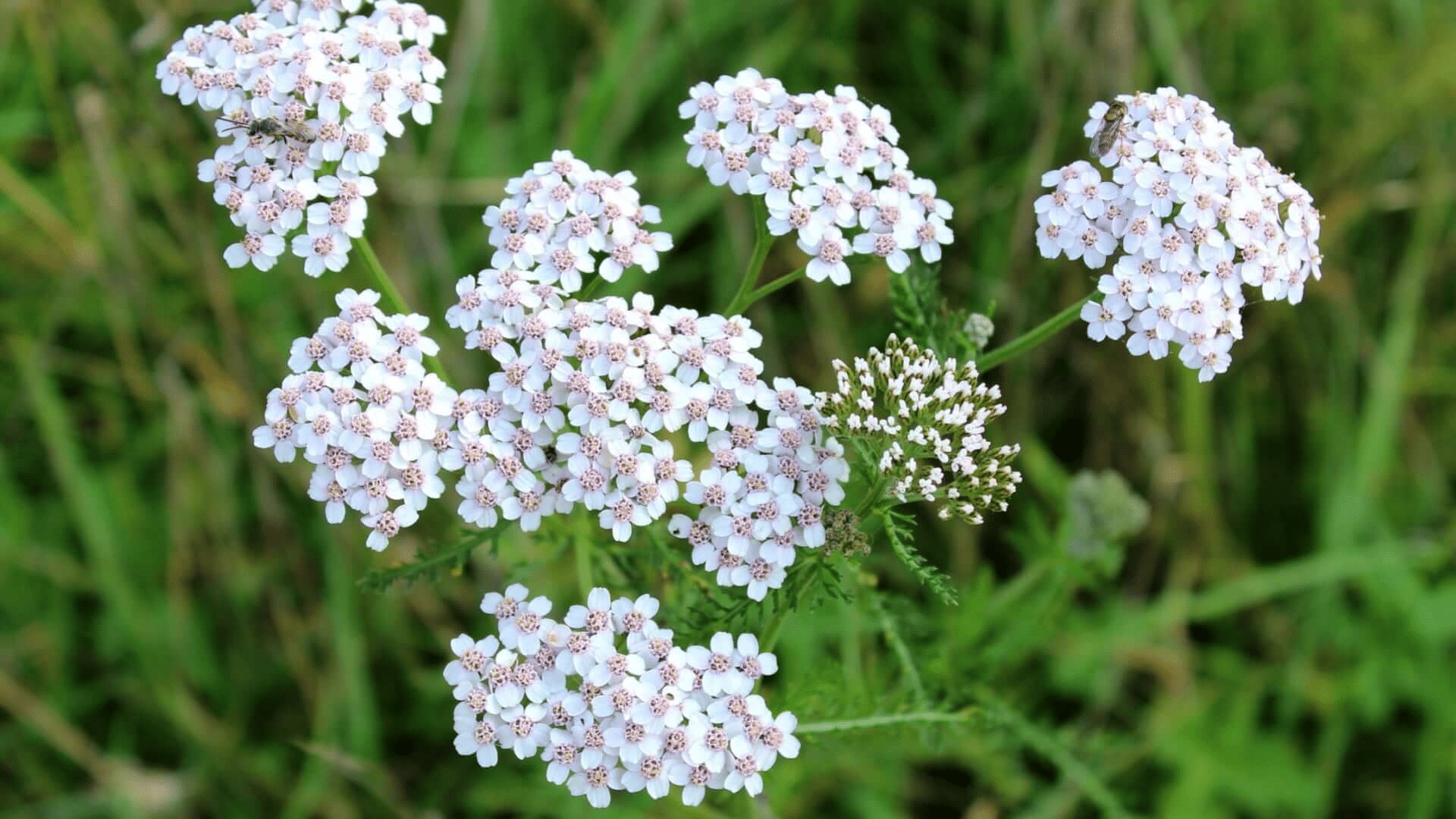
Yarrow is a strong field-style plant that supports bees with its flat flower clusters. These clusters give bees multiple landing spots at the same time. It grows well in dry soil and open sunny areas.
Once established, it spreads slowly and fills empty garden spaces.
Bees are drawn to it during summer when many plants are in full bloom. Yarrow also works well in wildflower-style gardens where natural planting patterns are preferred.
18. Sedum
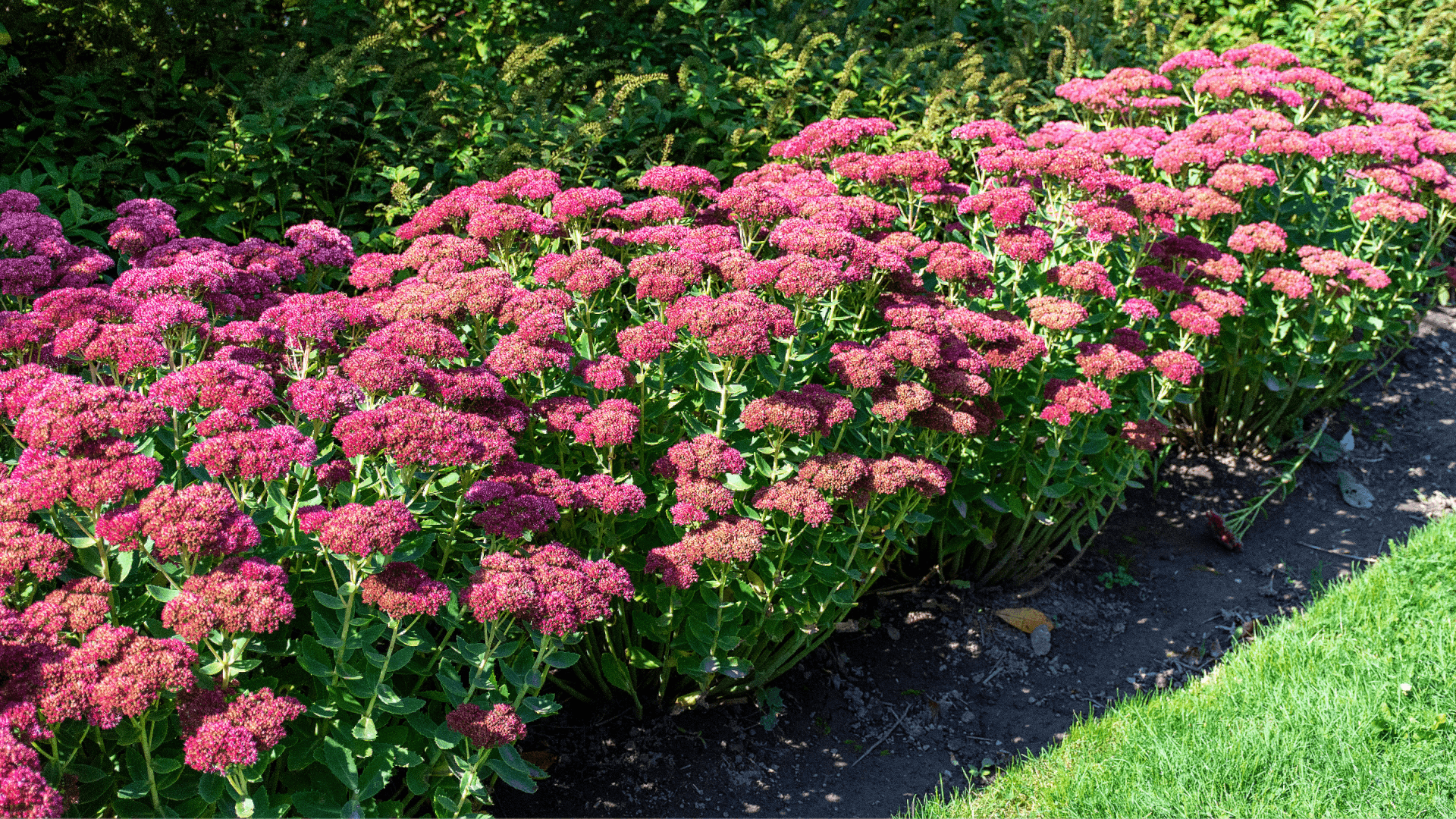
Sedum is valued for late-season blooms that support bees when other flowers fade. Its small star-shaped flowers form dense clusters that hold nectar in steady amounts.
The plant grows in dry soil and needs very little care. Bees often gather in large numbers on sedum in early fall.
It works well in rock gardens and borders where other plants may struggle. Its long bloom time helps extend food availability for pollinators.
19. Catmint
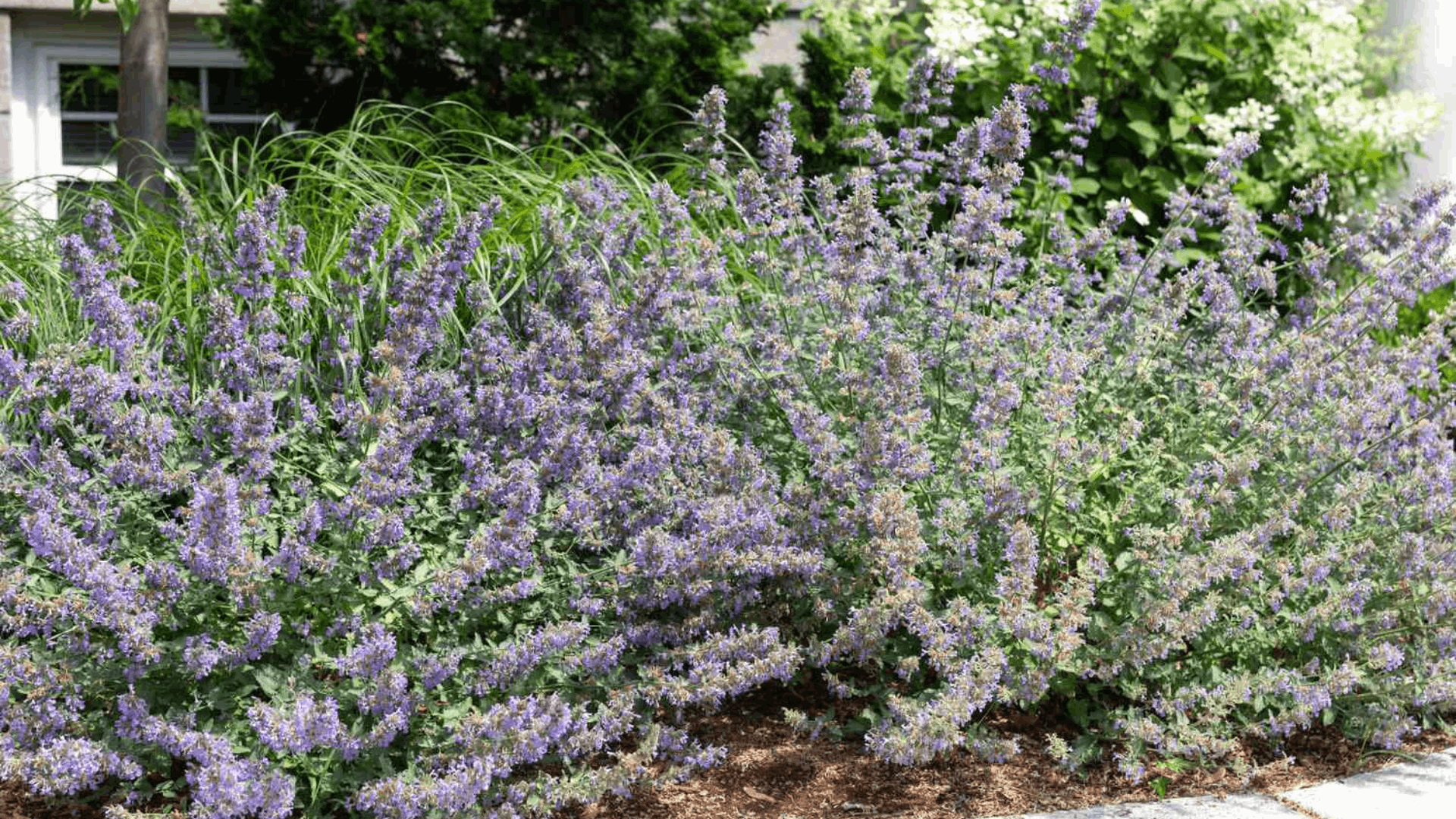
Catmint produces soft purple-blue flowers that bees visit frequently. It grows in loose clumps and spreads gently across garden beds. ‘
The plant prefers full sun but can handle partial shade in some regions. Bees are drawn to its steady nectar supply during flowering periods.
Catmint also pairs well with roses and other garden plants, helping create mixed pollinator areas. Its long bloom cycle keeps bees active for much of the growing season.
20. Blazing Star (Liatris)
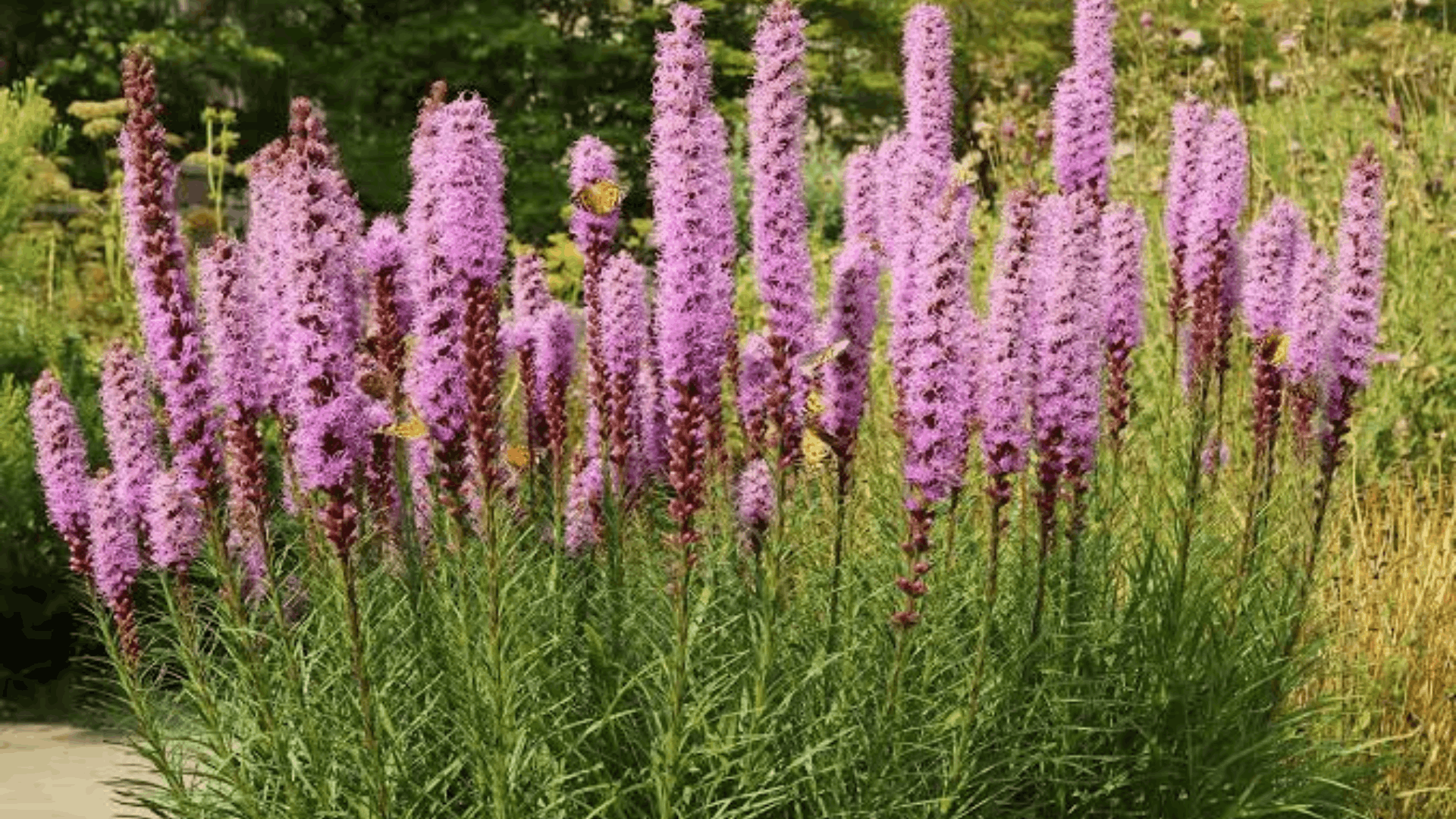
Blazing Star has tall, upright flower spikes that open from the top down. Bees move along these spikes as each section blooms, collecting nectar step by step.
The plant grows best in sunny spots with well-drained soil. It stands out in garden beds due to its vertical shape, which also helps guide pollinators through the space.
Blazing Star blooms in mid- to late summer, providing bees with a reliable food source during the active months.
21. Penstemon
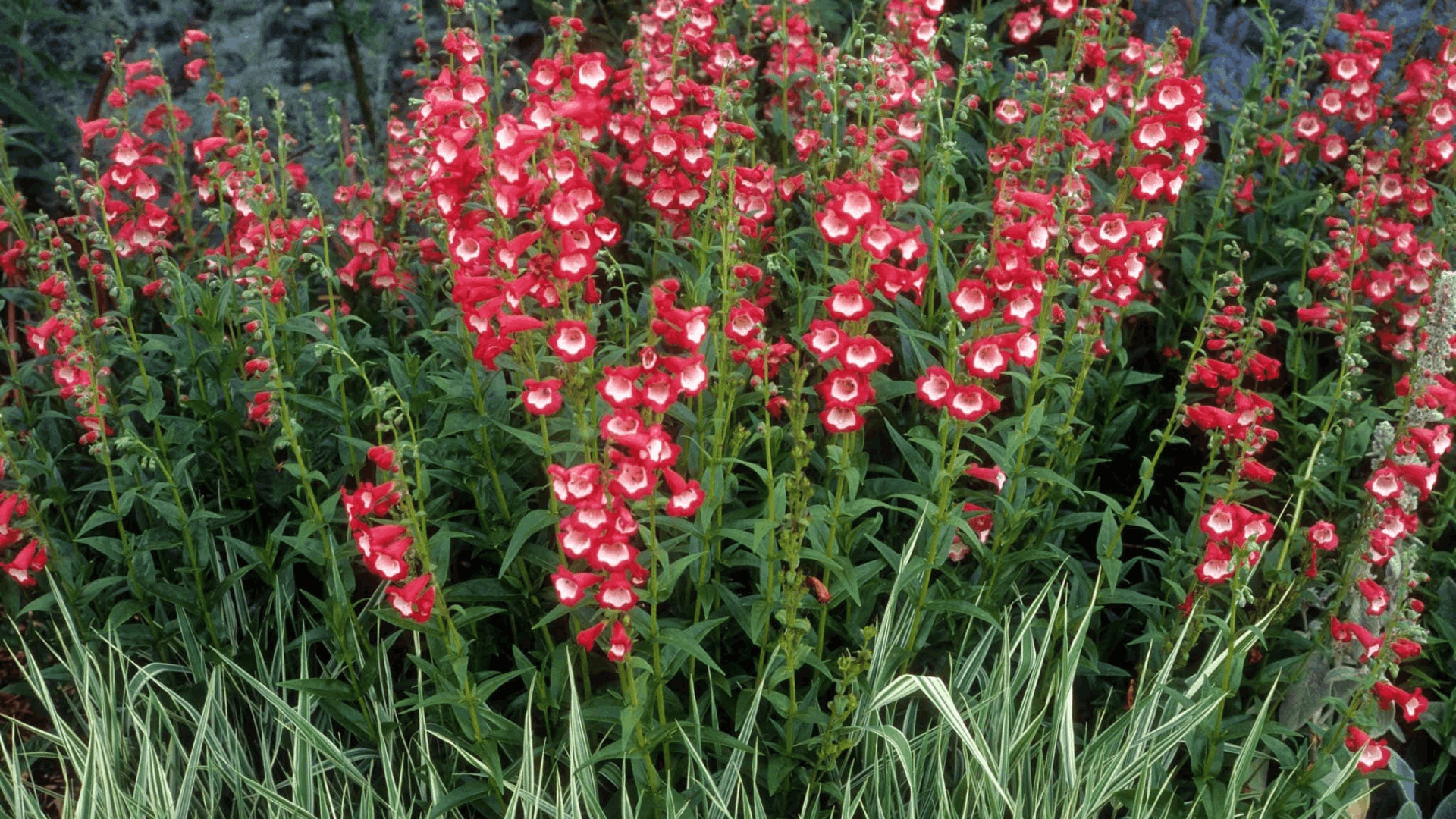
Penstemon produces tubular flowers that are rich in nectar and attract many native bee species.
The blooms appear in shades of pink, purple, red, and white, adding color to garden beds from late spring through summer.
It grows best in full sun with well-drained soil and handles dry conditions once established.
Penstemon fits well in borders, wildflower gardens, and pollinator plantings, where it provides a dependable food source for bees during the growing season.
Native Bee-Friendly Flower Options
These native flowers naturally support local bee populations and fit well into different regions and soil types.
| Flower | Native Region | Why Bees Like It |
|---|---|---|
| Milkweed | North America | Produces rich nectar and supports many pollinators during bloom season. |
| Purple Coneflower | Central & Eastern US | The open flower shape makes pollen and nectar easy for bees to reach. |
| Goldenrod | North America | Late-season blooms provide steady food when many plants stop flowering. |
| Aster | North America | Small, clustered flowers provide bees with multiple feeding points at once. |
| Bee Balm (Monarda) | North America | Tubular flowers provide abundant nectar for bees and other insects. |
| Black-eyed Susan | Eastern & Central US | Wide open centers allow easy access to pollen during long bloom periods. |
| Penstemon | Western North America | Tube-shaped flowers attract bees that can access deep nectar sources. |
Benefits of Bee-Friendly Flowers
Bee-friendly flowers support a healthier garden, improve plant growth, and keep outdoor spaces colorful through much of the growing season.
- Better Pollination: Bees transfer pollen as they move between flowers, helping nearby fruits, vegetables, and flowering plants produce better harvests and healthier growth.
- Supports Local Bee Populations: A mix of bee-friendly flowers provides nectar and pollen from spring through fall, giving native bees, bumblebees, and honey bees a steady food source.
- Attracts Other Pollinators: These flowers also bring butterflies, hoverflies, and other beneficial insects that help pollinate plants and support a healthier garden environment.
- Adds Color for Longer: Growing flowers with different bloom times keeps the garden colorful from spring to fall while providing bees with food across the season.
- Easy to Grow and Maintain: Many bee-friendly flowers require little care once established, making them a good choice for gardeners seeking attractive plants with minimal upkeep.
When to Plant Bee-Friendly Flowers?
The best time to plant bee-friendly flowers depends on the type of plant and your local climate, but spring and fall are the most common planting seasons.
Most annual flowers can be planted after the last spring frost, giving them plenty of time to bloom during summer when bees are most active.
Plant perennials in early spring or fall so roots establish before extreme temperatures. To support bees throughout the year, choose flowers with different bloom times, including early spring, summer, and late fall varieties.
This provides a steady source of nectar and pollen across multiple seasons.
Before planting, check the growing requirements for each flower and select varieties that match your region’s climate, soil type, and sunlight conditions for the best results.
Bee-Friendly Flower Mistakes to Avoid
Bee-friendly flowers can only support pollinators when they are planted and cared for properly. Avoiding these common mistakes helps create a garden that bees visit throughout the growing season.
- Planting only one flower type: A garden with just one variety blooms for a limited time. Mix different flowers so bees have nectar and pollen across multiple seasons.
- Using chemical pesticides: Many pesticides can harm bees while they feed on flowers. Choose natural pest control methods whenever possible.
- Ignoring native flowers: Native plants are well-suited to local conditions and often more effective at supporting local bee species.
- Planting flowers too far apart: Large gaps between plants make it harder for bees to move from one flower to another. Group similar flowers in clusters.
- Choosing double-petaled flowers only: Some decorative flowers have extra petals that cover nectar and pollen. Include simple, open flowers that bees can reach easily.
- Growing flowers in too much shade: Many bee-friendly flowers bloom best in full sun. Plant them where they receive enough daily sunlight for healthy flowering.
- Skipping flowers with different bloom times: If all plants bloom at once, bees lose food later in the season. Include early, mid, and late-season flowers for a steady supply.
Bee-Friendly Flowers by Season
Bee activity changes throughout the year, so planting flowers with different bloom times helps provide a steady food source.
| Season | Bee Friendly Flowers | Why They Help Bees |
|---|---|---|
| Spring | Crocus, Lavender, Penstemon | Provide one of the first sources of nectar and pollen after winter, when bees become active. |
| Early Summer | Salvia, Bee Balm, Foxglove | Produce steady blooms that support bees during their busiest feeding period. |
| Mid Summer | Sunflower, Coneflower, Cosmos | Offer abundant pollen and nectar while many gardens reach peak flowering. |
| Late Summer | Zinnia, Black-eyed Susan, Borage | Continue supplying food as some early-season flowers begin to fade. |
| Fall | Goldenrod, Aster, Sedum | Give bees a late-season food source before cooler weather reduces flowering plants. |
Planting Tips For Bee Gardens
Bee gardens work best when planting choices follow a simple structure. Small changes in layout, plant mix, and spacing can make a noticeable difference for pollinators.
- Choose a mix of bloom times: Plant flowers that bloom in spring, summer, and fall. This keeps bees active in your garden for longer and avoids gaps in the food supply.
- Group the same flowers together: Planting in clusters makes it easier for bees to find nectar. It also improves pollination compared to scattering single plants across the garden.
- Avoid chemical pesticides: Many sprays can harm bees even in small amounts. Use natural pest control methods to keep your garden safe for pollinators.
- Include native plants where possible: Native flowers adapt better to local conditions and support local bee species. They also need less care once established.
- Provide sunny planting spots: Most bee-friendly flowers grow best in full sun. Sunlight also helps bees stay active and visit more blooms.
- Add nearby water sources: Bees need shallow water for hydration. A small dish with pebbles helps them land safely while drinking.
Conlusion
A garden filled with bee-friendly flowers can provide a reliable source of nectar and pollen from spring through fall, helping support healthy bee populations throughout the growing season.
The flowers listed above include popular garden favorites, native species, and long-blooming plants that attract honey bees, bumblebees, and other important pollinators.
Planting a variety of flowers with different bloom times ensures bees have food available across multiple seasons.
Group similar flowers in sunny areas and limit pesticides to create a more inviting garden.
Start with just a few bee-friendly plants, watch which varieties attract the most pollinators, and gradually expand your garden over time.
Frequently Asked Questions
What Is the Most Bee-Friendly Flower?
Sunflowers are among the most bee-friendly flowers, offering plenty of pollen and nectar. Their large, open blooms make feeding easy for bees throughout the flowering season
Which Flowers Attract Bumblebees the Most?
Bumblebees prefer flowers such as foxglove, lavender, salvia, and bee balm. Their nectar-rich blooms and sturdy shape make feeding easier for these larger pollinators.
How to Create a Bee-Friendly Garden?
Create a bee-friendly garden by planting a mix of nectar-rich flowers, using native plants, avoiding chemicals, and grouping blooms together. Keep sunny spots and provide a small water source nearby for bees.