

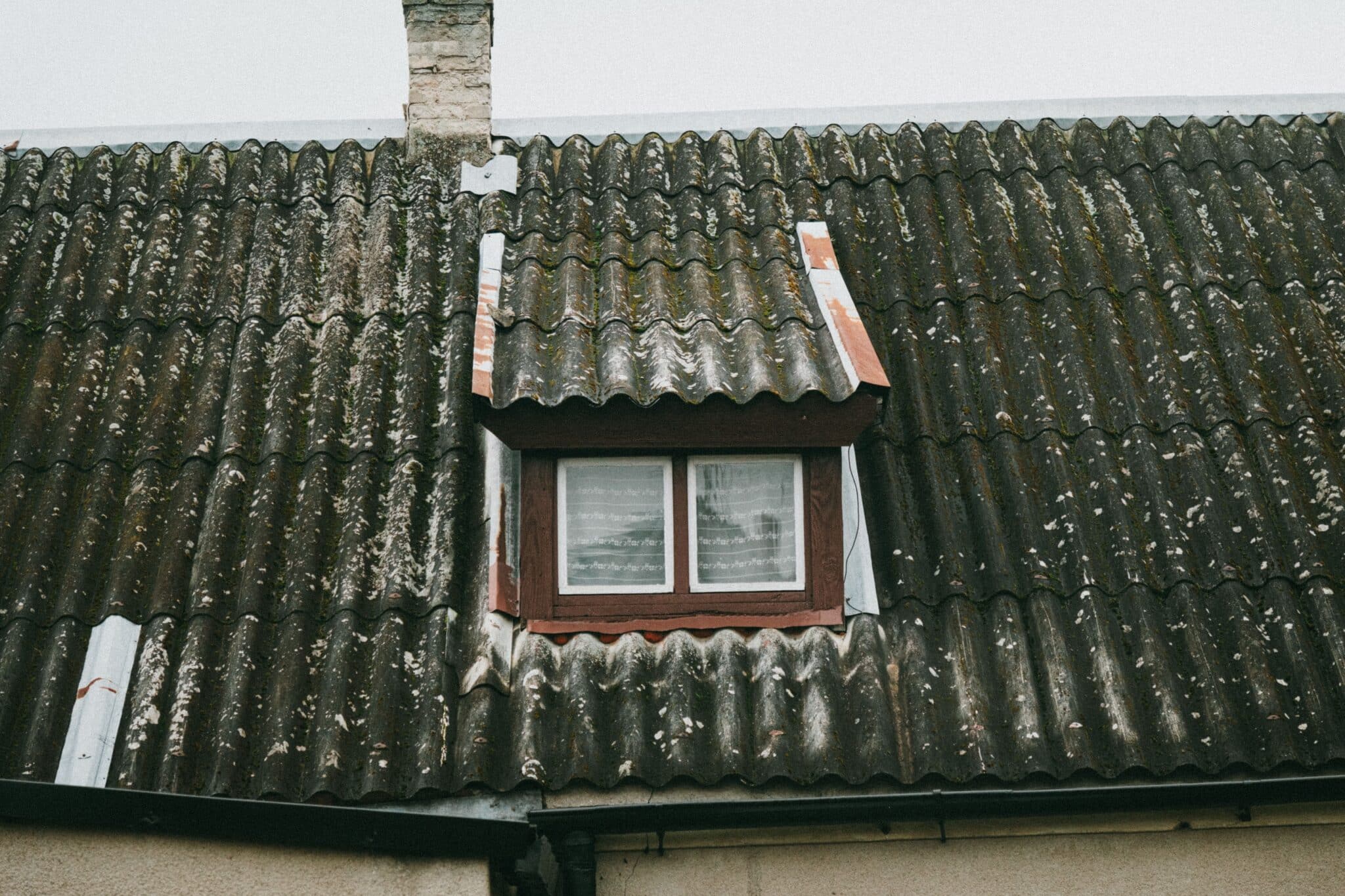
A roof can look perfectly fine from the street while water slowly works its way into the house. The shingles are in place, nothing appears broken, and there are no obvious signs of damage. Yet a small gap around a chimney or roof vent can allow rainwater to reach the materials underneath.
Roof flashing is designed to prevent this problem. These thin pieces of metal or other approved flashing materials protect areas where the roof meets another surface. When flashing becomes loose, damaged, or improperly installed, water can enter spaces that should remain dry.
Understanding how flashing works and recognizing early problems can help homeowners address leaks before they lead to damaged insulation, stained ceilings, or rotting wood.
What Is Roof Flashing and Where Is It Located?
Roof flashing directs water away from vulnerable areas where roofing materials meet walls, chimneys, pipes, or other structures. These intersections need additional protection because shingles alone cannot create a reliable seal around every opening or change in roof shape.
Common locations include:
- Chimneys: Flashing protects the connection between the chimney and surrounding roofing materials.
- Roof valleys: Metal flashing can help channel rainwater where two roof slopes meet.
- Vent pipes: Pipe boots and flashing assemblies seal openings around plumbing vents.
- Skylights: Flashing systems direct water around the skylight frame.
- Dormers and sidewalls: Step flashing protects areas where the roof meets a vertical wall.
Each location faces different water exposure. A roof valley carries runoff from two slopes, while chimney flashing must protect the joints between roofing materials and masonry.
When homeowners notice moisture around these areas, contacting a qualified roofer in Spartanburg or their local area can help identify whether the problem involves flashing, surrounding shingles, or another part of the roofing system.
Common Roof Flashing Leak Signs Homeowners Should Recognize
Flashing problems do not always produce an active drip during every rainstorm. Water can move beneath roofing materials before reaching a visible surface, which makes identifying the source difficult.
Recognizing roof flashing leak signs early gives homeowners a better opportunity to prevent additional damage.
Water Stains Near Ceilings or Walls
Brown or yellow discoloration on ceilings can indicate moisture entering from above. Stains near chimneys, exterior walls, or skylights deserve particular attention because flashing protects these areas.
However, a stain does not confirm that the flashing is responsible. Plumbing leaks, condensation, and other roof defects can produce similar damage.
Peeling Paint or Bubbling Drywall
Moisture trapped behind painted surfaces can cause bubbling, peeling, or soft drywall. If these changes appear near an upper-floor wall or ceiling, water intrusion from the roof is one possible explanation.
Visible Rust or Loose Flashing
Metal flashing exposed to moisture can corrode over time, depending on its material and protective coating. Severe rust, separated joints, or pieces pulling away from surrounding surfaces can compromise water protection.
These problems are sometimes visible from the ground, especially around chimneys or roof edges.
Damp Insulation or Musty Odors
Water entering through the roof can reach attic insulation before becoming visible inside living spaces. Damp insulation, stained roof decking, or persistent musty odors can signal a moisture problem that needs investigation.
Why Small Flashing Gaps Can Cause Extensive Damage
A flashing gap does not have to be large to create problems. Wind-driven rain can enter narrow openings, while water flowing down a roof can find its way through poorly protected joints.
Once water passes beneath the roofing materials, it can travel along roof decking, framing, or other surfaces before becoming visible.
The resulting damage can extend beyond the original opening.
Roof decking deterioration
Repeated moisture exposure can weaken plywood or oriented strand board used beneath roofing materials. Prolonged wetting can cause swelling, deterioration, and eventually rot in susceptible wood materials.
Damaged insulation
Wet insulation can lose some of its insulating performance. Depending on the material and extent of exposure, it might need drying or replacement.
Interior ceiling and wall damage
Water reaching finished spaces can stain drywall, damage paint, and weaken affected materials. Repairs become more involved when moisture spreads behind walls.
Mold growth
Persistent moisture creates conditions that support mold growth on susceptible materials. Addressing the water source promptly helps reduce the risk of continued growth.
A flashing repair that could have remained relatively localized can become a broader roofing and interior restoration project if the water intrusion continues.
What Causes Roof Flashing to Fail?
Flashing problems can develop from installation mistakes, weather exposure, movement, or deterioration.
Improper Installation
Flashing must be installed in the correct sequence so overlapping materials direct water onto the roof surface rather than underneath it.
Incorrect overlaps, missing sections, or poor integration with shingles and underlayment can leave openings vulnerable to rainwater.
Chimneys are a good example. Proper flashing assemblies commonly use step flashing along the sides and counterflashing to protect the upper edges of those pieces. Missing or poorly installed components can allow water to enter.
Storm Damage
Strong winds can loosen flashing or damage the roofing materials that hold it in place. Flying debris can also bend or displace exposed sections.
Following severe weather, homeowners should watch for visible changes around chimneys, vents, and roof intersections.
Deteriorating Sealants
Sealants are used at certain flashing connections, but they are not substitutes for correctly installed flashing.
Over time, exposed sealant can crack, separate, or lose adhesion. When a joint depends on a sealant that has failed, water can reach the opening beneath it.
Building Movement and Material Expansion
Roofing materials expand and contract as temperatures change. Buildings also experience small amounts of movement over time.
Proper flashing systems account for these changes. Poorly secured or incorrectly detailed flashing can separate as materials move.
Can Roof Flashing Be Repaired Without Replacing the Roof?
Not every flashing leak requires a complete roof replacement.
If the surrounding shingles, decking, and roofing system remain in good condition, a contractor might be able to repair or replace the affected flashing.
The appropriate repair depends on the location and extent of the damage.
For example, replacing a damaged pipe boot can be relatively straightforward when surrounding materials are sound. Chimney flashing repairs can be more involved because sections of shingles, counterflashing, or masonry joints might need attention.
A proper repair starts with identifying the entry point and examining the materials around it. Simply applying roofing cement over a visible gap does not necessarily correct the underlying problem.
In some cases, roofing materials must be temporarily removed to install new flashing correctly.
A full roof replacement becomes a consideration when flashing problems are accompanied by widespread deterioration, extensive storm damage, or roofing materials that have reached the end of their useful service life.
How Homeowners Can Help Prevent Flashing Leaks
Homeowners do not need to climb onto the roof to watch for warning signs. Ground-level observations and routine maintenance can help identify potential issues.
A practical maintenance approach includes:
- Inspect the roof visually after major storms. Look for displaced metal, damaged shingles, or debris around roof intersections.
- Check attic spaces when safely accessible. Look for staining, damp materials, or changes in the roof decking.
- Keep gutters and drainage paths clear. Proper drainage helps reduce water backup around roof edges.
- Watch for new interior stains. Investigate discoloration instead of repeatedly covering it with paint.
- Schedule a professional inspection when damage is suspected. A roofer can examine flashing connections and surrounding roofing materials more closely.
Roof inspections are particularly useful after severe wind events or when a leak appears following heavy rainfall.
Homeowners should avoid walking on steep, wet, or damaged roofs. Flashing repairs also require an understanding of how roofing layers work together, making professional evaluation the safer approach.
Why Finding the Actual Leak Source Matters
One of the frustrating parts of roof leaks is that the visible damage does not always appear directly beneath the opening.
Water entering near a chimney can travel along framing before reaching the ceiling several feet away. A stain around a window can also originate from roof-to-wall flashing higher up the building.
This makes accurate diagnosis important.
A contractor should examine the surrounding roofing system rather than assuming the nearest visible flashing piece is responsible. The assessment can include shingles, underlayment, penetrations, wall connections, and roof decking where accessible.
Finding the entry point helps prevent repeated repairs that address interior symptoms without stopping the water.
Address Small Flashing Problems Before They Spread
Roof flashing is easy to overlook because it occupies a small portion of the roof. Yet these connections play an important role in keeping rainwater outside the home.
Loose metal, damaged seals, and poorly installed flashing can allow moisture to reach wood, insulation, drywall, and other building materials. The longer that exposure continues, the greater the potential for additional repairs.
Paying attention to roof flashing leak signs, investigating unexplained moisture, and repairing damaged connections promptly can help homeowners protect both their roofing system and the interior of their home.