

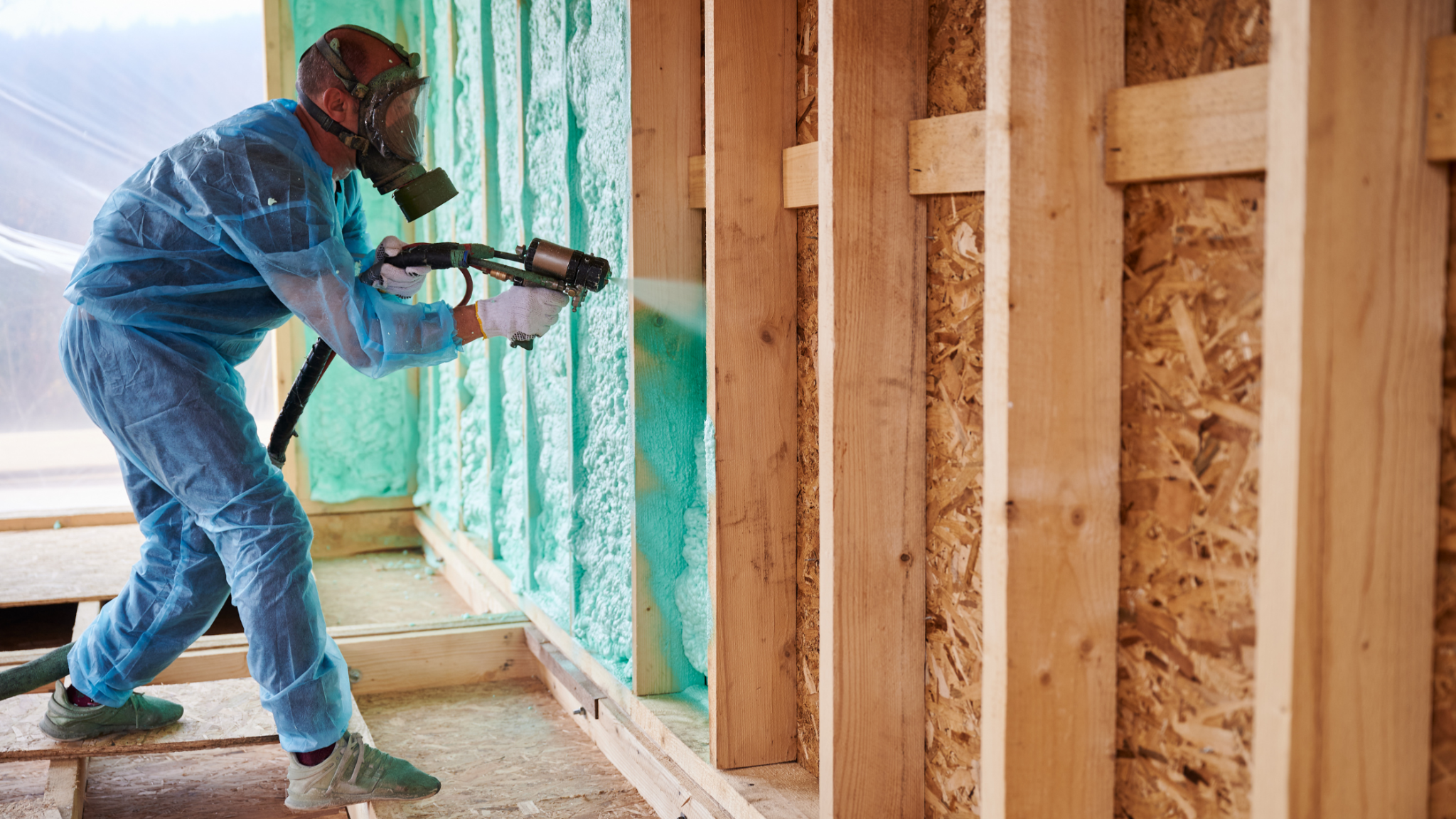
Spray foam insulation is widely recognized as an effective solution for better energy performance, reduced air leakage, and maintaining indoor temperatures at a constant level. Its spreading nature enables it to form a close ring in the sections that can be covered by the traditional materials, which fiberglass and cellulose cannot properly cover. This is why it is a favorite of contemporary houses, remodeling, and office blocks.
Different costs of spray foam insulation depend on the kind of foam, the area size, accessibility, labor, and local pricing rates. Knowing these factors of cost would enable homeowners and building constructors to better plan budgets and make more intelligent choices about insulation upgrades that would provide long-term comfort, durability, and energy savings.
Before starting insulation work, homeowners often request a construction estimate to understand the total project cost, labor scope, and material requirements.
Average Cost of Spray Foam Insulation
The average amount that the homeowners will pay is:
- Open-cell spray foam: $1.00–1.50 per Board foot.
- Closed-cell spray foam: $1.50-2.80 per board foot.
A unit of area used to measure foam is the board foot, which is 1 square foot of foam at 1 inch of thickness.
In the case of an average home, which requires between 2,000 and 3,000 board feet, the overall cost of installation normally falls within the range of:
- Open-cell: $2,000–$4,000
- Closed-cell: $3,000–$8,000
Costs may be increased, however, by bigger houses, complicated spaces, and heavier insulation requirements.
Open-Cell vs. Closed-Cell Spray Foam Costs
The price difference can be explained by understanding the difference between the open and closed-cell foam.
1. Open-Cell Spray foam (Less expensive Alternative)
- Costs: $1.00–$1.50 per board foot
- Softer and more flexible
- Gives good acoustic insulation.
- R-value per inch: 3.5–3.7
- Perfect to use on the interior walls, attics, and ceilings.
Where moisture resistance is not a significant issue, open-cell is normally applied.
2. Closed-Cell Spray Foam (Higher Cost Alternative)
- Costs $1.50–$2.80 per board foot
- Thick, stiff, and non-sticky.
- Higher R-value: 6.0–7.0 per inch
- Enhances the strength of structures as a result of density.
- Applicable in basements, crawlspaces, exterior walls, and roofs.
The premium price can be explained by the excellent insulation capacity and protection against moisture.
Cost by Location in the Home
The overall expense may also change based on the portion of the house one intends to insulate.
1. Attic
- $1,500–$4,500 for open-cell
- $3,000–$7,000 for closed-cell
The major savings of energy through insulation of attics occur since the heat loss is the most prevalent way through the roof.
2. Walls
- $2,000–$6,000 depending on square footage
- The exterior walls are supposed to be closed-cell foam because it is resistant to moisture.
3. Crawl Space
- $1,200–$3,500
- Closed-cell is used due to moisture and high humidity.
4. Basement
$1,500–$5,500
There is closed-cell foam that blocks cold drafts, precipitation, and mould.
5. Garage
- While this varies by size and the wall thickness, it ranges between 800 and 3000 dollars.
- Famous for enhancing comfort and making garages friendly.
Cost Factors That Influence Spray Foam Pricing
Various factors are used to determine the prices of spray foam insulation. Knowing them will assist you in budgeting the final cost more precisely.
1. Type of Foam
The R-value and moisture resistance are almost twice in closed-cell costs than in open-cell costs.
2. Required Thickness
The thicker the better, the more material and labor.
Recommended thickness:
- Open-cell: 3–5 inches
- Closed-cell: 2–3 inches
There are building codes that have minimum R-values based on your climate zone.
3. Accessibility and Size of the Area
Difficult access to areas, narrow corners, and aging houses tend to raise the cost of labor.
4. Labor Costs
The workforce is typically 40-60 percent of the overall cost. Professionals are more expensive in providing:
- Large properties
- Multi-story homes
- Complex framing layouts
5. Removal of Old Insulation
Removal of old fiberglass or damaged insulation in your house:
- $1.00–$2.00 per square foot
This has to be done before the application of spray foam.
6. Air Sealing and Prep Work
Beforehand, cracks, gaps, moulds, and moisture problems have to be solved.
7. Localization of Pricing.
The price of the spray foam also depends on the state. In cities and in cooler regions, the prices tend to be higher because of demand and higher labor costs.
Is Spray Foam Insulation Worth the Cost?
Spray foam insulation is more costly in the short term, but it has advantages that make it cost-effective in the long term.
1. Major Energy Savings
This is because spray foam can save 20-50 percent of heating and cooling expenses due to an airtight seal.
2. Mold Prevention and Moisture
The closed-cell foam is a moisture barrier that inhibits the growth of methods and the infiltration of water.
3. Improved Indoor Comfort
It gets rid of drafts, equalizes indoor temperatures, and decreases humidity.
4. Long Lifespan
Spray foam has a life span of 20 years and requires minimal maintenance.
5. Increased Home Value
Homes that are energy efficient will sell more quickly and at high prices.
DIY vs. Professional Installation Costs
There are also cases where some homeowners prefer to spray the foam on their own, although it is not advised.
DIY Spray Foam Kits
- Cost: $300–$800 per kit
- Covers: 200–600 board feet
Only suitable for small repairs or minor areas.
Limitations:
- Risk of improper expansion
- Difficult to obtain a constant thickness.
- No warranty
- Chemical hazards, fumes, burns.
Professional Installation
Despite being more costly, it guarantees:
- Adequate expansion
- Even coverage
- Proper ventilation
- Code compliance
- Long-term performance
In the case of medium-sized projects up to bigger ones, a licensed installer is the best and safest option.
How to Get the Most Accurate Spray Foam Estimate
To have an exact estimate of the cost, do the following:
- Calculate the square feet of the space.
- Calculate the necessary R-value.
- Determine the requirements of open-cell or closed-cell.
- Order 2-3 professional quotes.
- Inquire about prep work, clean up, and warranties.
An elaborate quote must consist of:
- Material cost
- Labor charges
- Foam thickness and type.
- Either way, any demolition of old insulation.
- Prep and cleaning fees
Accurate material quantities and foam thickness are commonly calculated through an insulation takeoff before final pricing is confirmed.
Conclusion
Spray foam insulation costs are also a wide range of prices, which are determined by the type of foam used, the size of the area, the complexity of the project, and labour costs. Homeowners can average between 2,000 and 8,000 dollars, yet the long-term gains, such as energy conservation, protection against moisture, and other benefits, such as enhanced comfort, are a great investment in both new construction and renovation.
Regardless of whether you are insulating an attic, crawlspace, a basement, or a whole house, the knowledge of these elements of prices will enable you to set your budget more precisely and select a proper insulation product that can meet your requirements.
FAQs
Is spray foam insulation worth the cost?
Yes. Although it is more expensive upfront, spray foam offers better air sealing, higher R-values, lower energy bills, and long-term savings compared to fiberglass or cellulose.
How long does spray foam insulation last?
Spray foam can last 50 years or more. It does not sag, settle, or deteriorate like traditional insulation materials.
Can spray foam be installed in existing walls?
Yes, but it requires drilling small holes in the wall cavities to inject the foam. Open areas like attics, basements, and crawl spaces are easier and cheaper to insulate.