

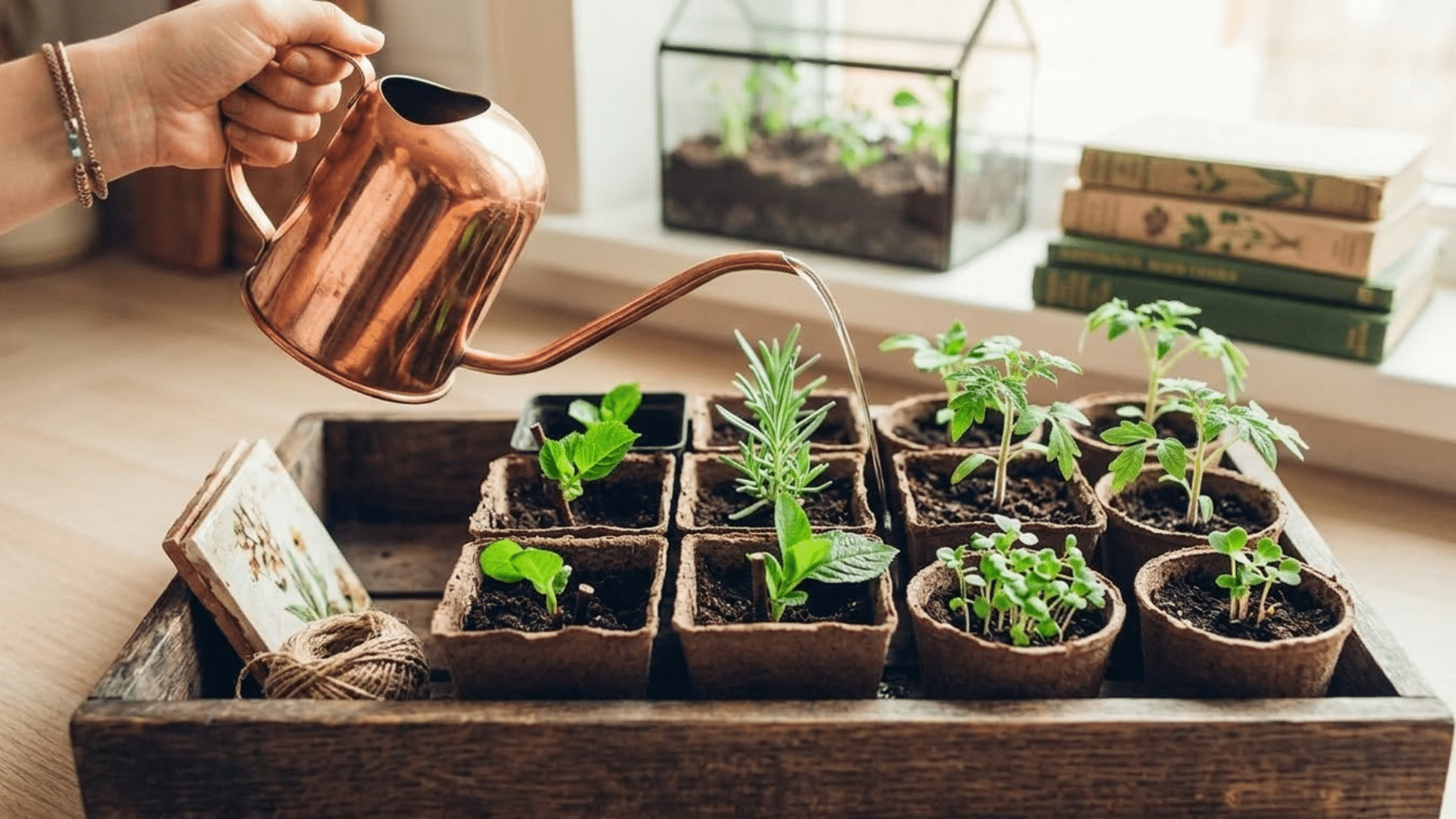
I’ve always loved how flowers can change the feel of a space, and growing them indoors makes it even more special.
You don’t need a garden or a lot of space to enjoy fresh blooms right inside your home. Even a small setup can bring color, calm, and a sense of joy to your daily routine.
In this blog, we will walk through everything you need to know to get started. You’ll learn why growing flowers indoors is a great choice, what tools and materials you need, and the step-by-step process to grow them successfully.
I’ll also share how much light indoor flowers need, the best indoor flowers, common mistakes to avoid, and helpful tips from real plant lovers.
By the end, you’ll feel ready and confident to start growing your own indoor flowers.
Why You Should Grow Flowers Indoors?
Growing flowers indoors is a great way to bring life and color into your home. I’ve noticed how even a small plant can make a space feel fresh and calm.
No garden or large space is needed to get started, which makes it a great choice for beginners or those living in apartments.
Indoor flowers are also easier to manage since you can control light, water, and temperature. This helps your plants stay healthy year-round.
Many people find caring for flowers relaxing, and it can be a simple way to reduce stress after a long day.
Another benefit is that indoor plants can improve air quality and make your home feel more inviting. Once you start, you’ll see how enjoyable and rewarding it is to grow flowers indoors.
Step-by-Step Process to Grow Flowers Indoors
Growing flowers indoors is simple when each step is followed in the right order. Starting with the basics helps plants grow healthy and strong from the beginning.
Tools and Materials Required
Getting started with indoor flower growing does not require many items. With a few basic tools and materials, healthy plants can thrive indoors in any home.
- Pots with drainage holes
- Potting soil
- Watering can
- Flower seeds
- Fertilizer
- Water tray
- Hand trowel
- Plant labels
- Gloves
Step 1: Getting All the Tools Ready Before Planting
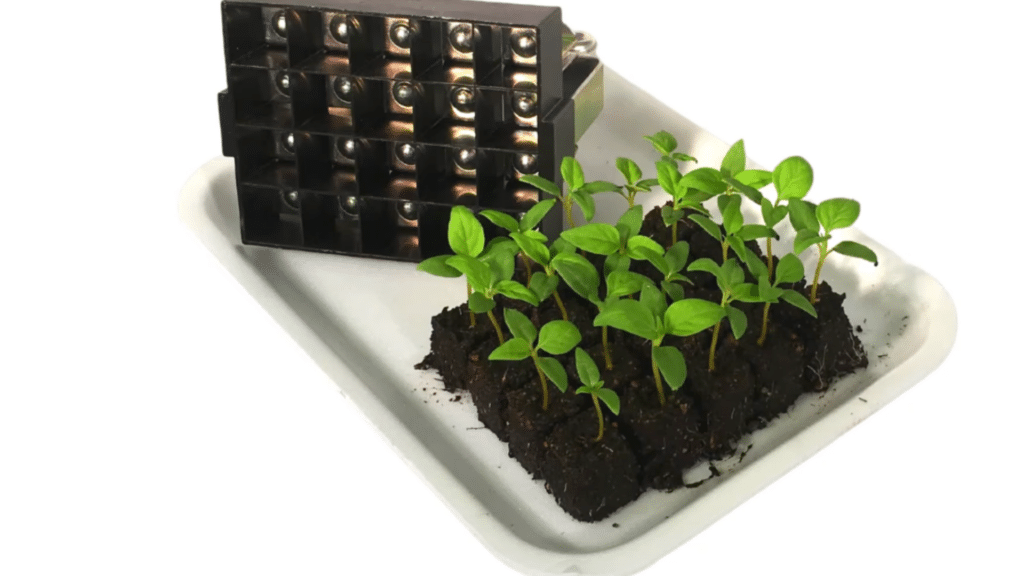
Start by collecting all the tools needed for indoor flower growing. This includes pots, trays, watering tools, and anything used for planting.
Having everything ready before starting saves time and keeps the process smooth. It also helps avoid interruptions once planting begins.
Keeping tools clean and organized is important because it supports healthy plant growth. A simple setup works best for beginners, so there is no need for complex equipment in the beginning.
Step 2: Preparing All Materials Needed for Indoor Flower Growing
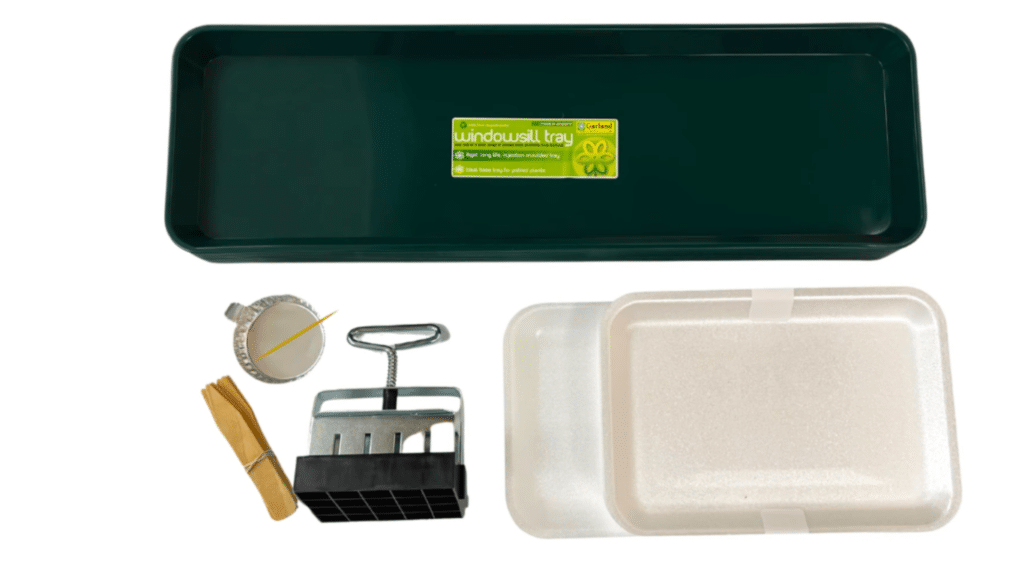
Next, gather all the materials required for planting. This includes seeds, soil mix, and any extra items needed for growth.
Make sure the soil is suitable for indoor plants and has good texture. Seeds should be fresh and suitable for indoor growing.
Preparing everything in advance makes planting easier and faster. It also helps avoid mistakes during the process. Keeping materials in one place makes the workflow simple and more organized.
Step 3: Choosing the Best Indoor Space for Healthy Flower Growth
Selecting the right indoor space is very important for healthy growth. Some flowers need cooler areas, while others grow better in warm spots.
A basement, shelf, or room corner can work well depending on the plant type. The space should have enough room for trays and allow easy access for care.
Good placement helps maintain proper temperature and supports strong growth. Choosing the right spot early prevents problems later.
Step 4: Selecting the Right Tray Size for Seed Starting
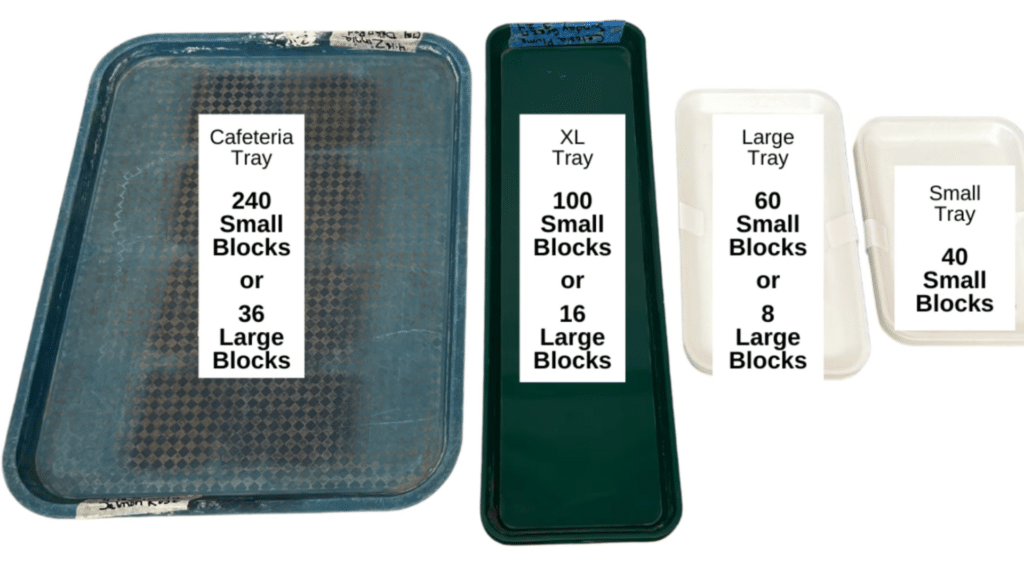
Choose trays based on how many flowers are being grown. The tray should have enough space for soil blocks and allow room for watering.
Avoid mixing different types of seeds in the same tray, as they may grow at different speeds and need different care.
Using the right tray helps keep plants organized and easy to manage. It also makes watering and handling much more convenient.
Step 5: Preparing the Perfect Soil Mix for Strong Seed Growth
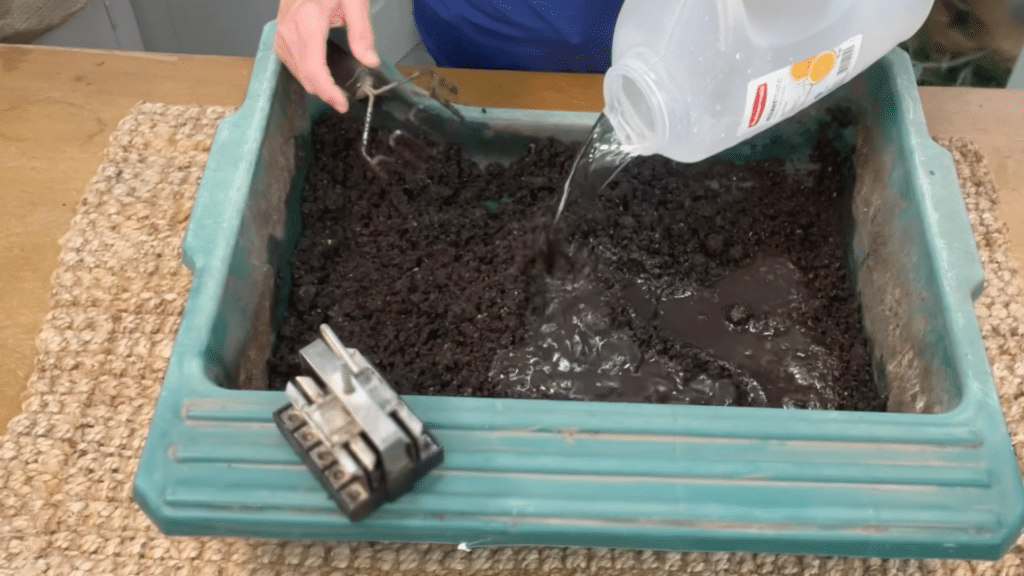
Prepare the soil by mixing it with water until it reaches the right texture. The mix should feel soft and moist, similar to wet oatmeal.
This texture helps seeds settle well and supports early growth. Mixing properly ensures even moisture throughout the soil.
Poorly mixed soil can lead to uneven growth or weak plants. Taking time at this step improves the overall success of indoor flower growing.
Step 6: Making Strong and Even Soil Blocks for Planting
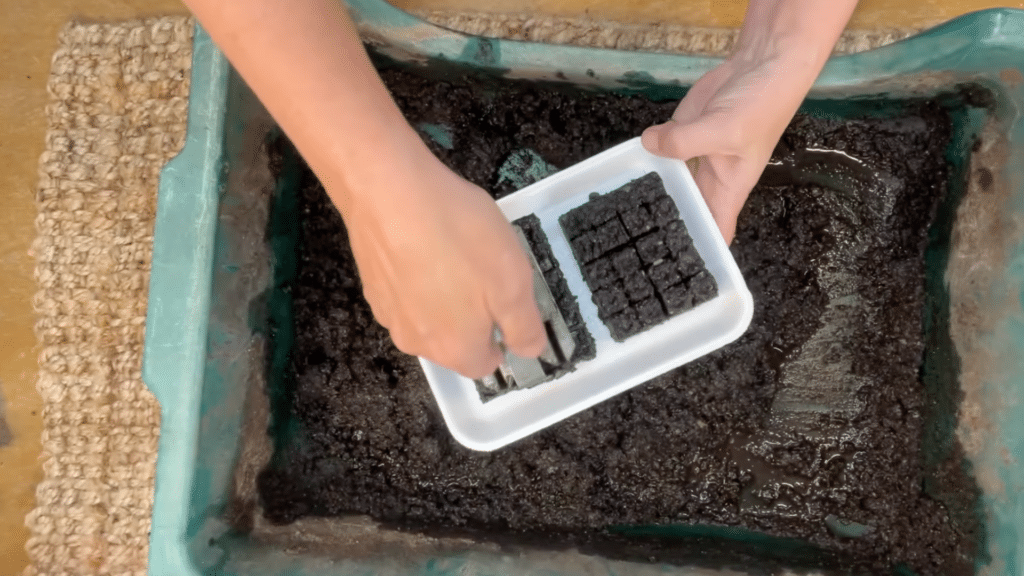
Once the soil mix is ready, shape it into small, firm blocks using your hands or a soil blocker. Press the mix well so the blocks hold their shape but are not too hard.
Place each block neatly on the tray with a little space between them. These blocks will act as the base for your seeds and help roots grow naturally without crowding.
Avoid making extra blocks that won’t be used the same day, as they can dry out and lose quality.
Step 7: Planting Seeds Correctly for Healthy Growth
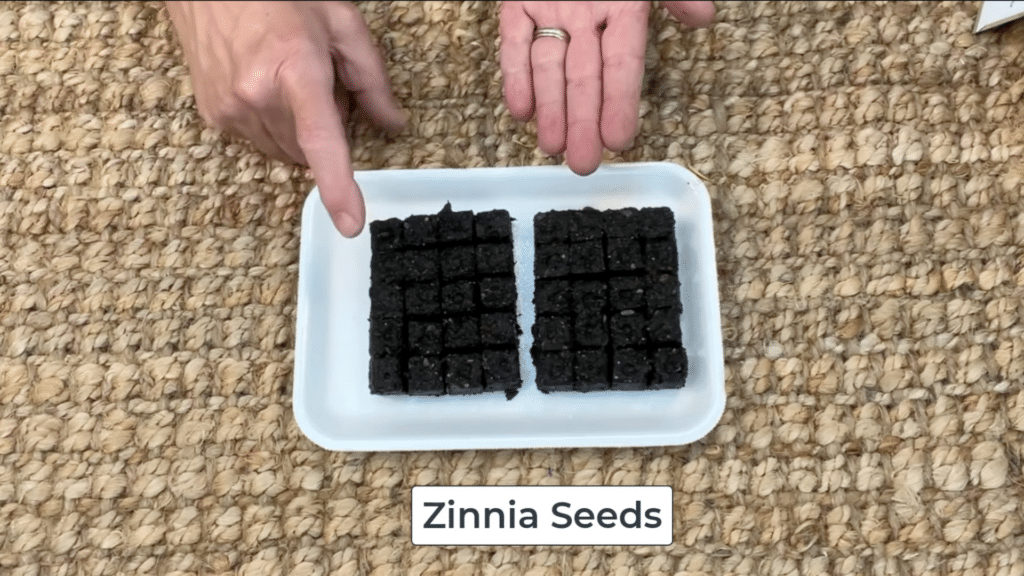
Now it’s time to place seeds into each soil block. Each block usually has a small dip on top, making it easy to position one seed per block.
Follow the instructions for each type of seed, as some need light while others should be lightly covered with soil.
Proper planting depth is important for germination. Avoid overcrowding or placing multiple seeds in one block. This step sets the foundation for even growth and helps ensure each plant has enough space to develop properly.
Step 8: Creating the Right Warm Conditions for Germination
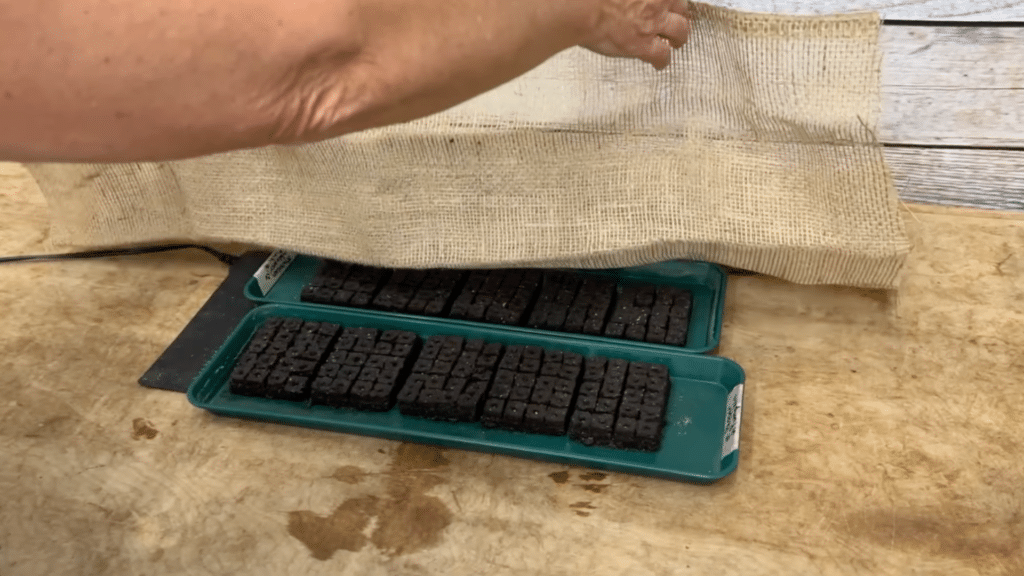
After planting, place the trays in a warm area to support seed germination. Using a heat mat can help maintain steady warmth, encouraging faster, more even sprouting.
Covering the trays lightly with a breathable material can help retain moisture without trapping too much heat. Warm and stable conditions reduce the risk of poor germination and plant stress.
This step is especially useful for seeds that need a consistent temperature to grow properly indoors.
Step 9: Watering Indoor Flower Seeds the Right Way
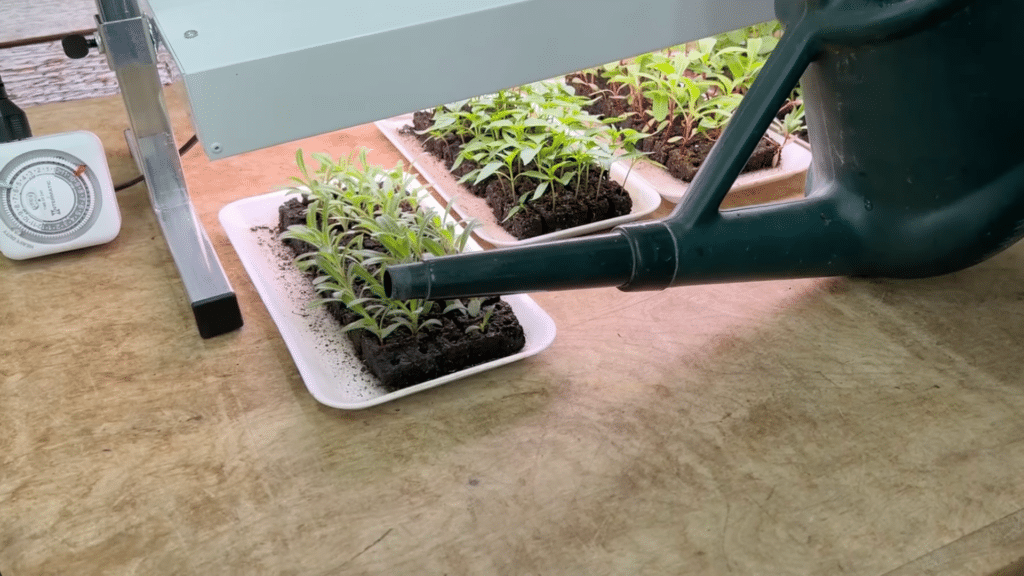
Watering should be done gently to avoid disturbing the soil blocks. Instead of pouring water directly on top, add water from the side of the tray so the blocks can absorb moisture slowly.
Allow the soil to dry slightly between watering sessions to prevent overwatering. Never let the blocks sit in standing water, as this can damage roots.
Regular, careful watering helps maintain the right balance of moisture, which is key to healthy, steady plant growth.
Step 10: Providing Proper Light for Strong Seedling Growth
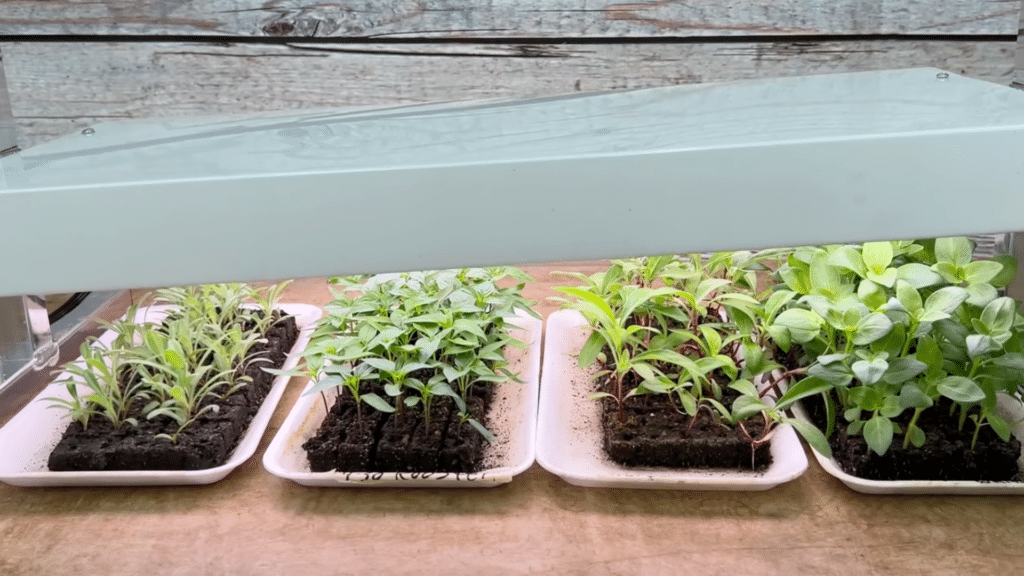
Once about half the seeds have begun to sprout, move the trays under a strong light source. Indoor flowers need bright light for many hours each day to grow properly.
Keep the light close to the plants, about one to two inches above them, and adjust it as they grow taller. Using a timer can help maintain consistent light exposure.
Good lighting prevents weak or stretched plants and supports strong, healthy growth throughout the early stages.
You can check out this video by The Gardener’s Workshop for more in-depth steps:
How Much Light Do Indoor Flowers Need?
Indoor flowers need about 12 to 16 hours of light each day to grow well.
Bright, consistent light helps plants stay healthy and supports better blooming. Most flowering plants do best in bright, indirect sunlight, especially when placed near a window.
Some flowers can handle direct sunlight, but many prefer softer light to avoid damage.
The type of light needed can vary based on the plant, so it’s important to check basic care needs. Proper lighting also prevents weak stems and slow growth in indoor plants.
If natural light is not enough, grow lights are a good option. Keeping the light close to the plants helps them grow strong and healthy.
As plants grow taller, adjusting the light position is important. With the right lighting, indoor flowers can stay healthy and bloom properly throughout the year.
Easy Indoor Flowers to Grow for Beginners
Choosing the right flowers makes indoor gardening much easier for beginners. Some flowers grow well with minimal care and require little attention.
1. Peace Lily
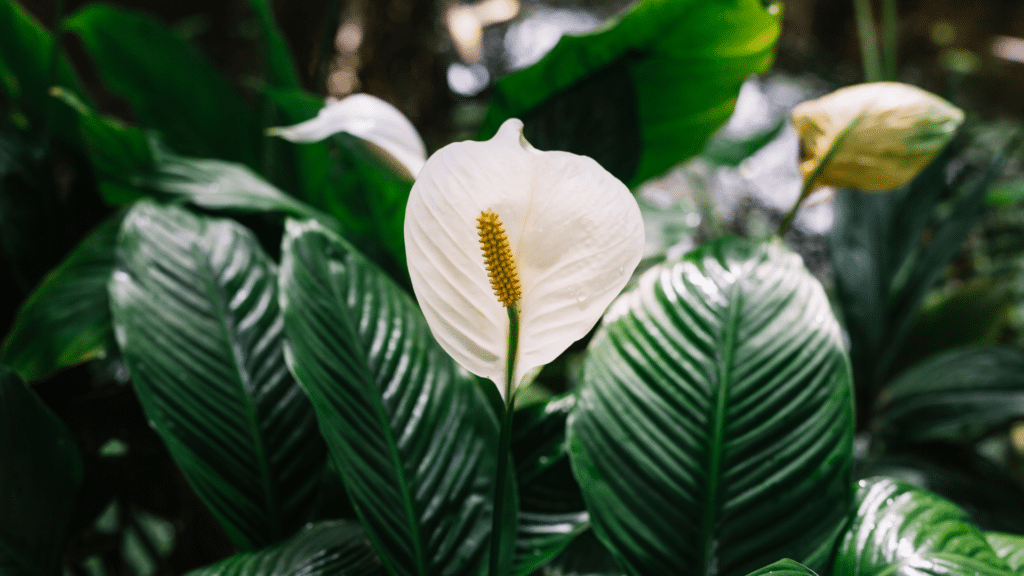
Peace lilies are one of the easiest indoor flowering plants to grow. They are known for their simple white blooms and glossy green leaves.
This plant grows well in low to medium light and does not need constant care. It also shows clear signs when it needs water, as the leaves start to droop slightly.
Peace lilies help improve indoor air quality and can bloom multiple times a year with basic care, making them a great choice for beginners.
2. Anthurium
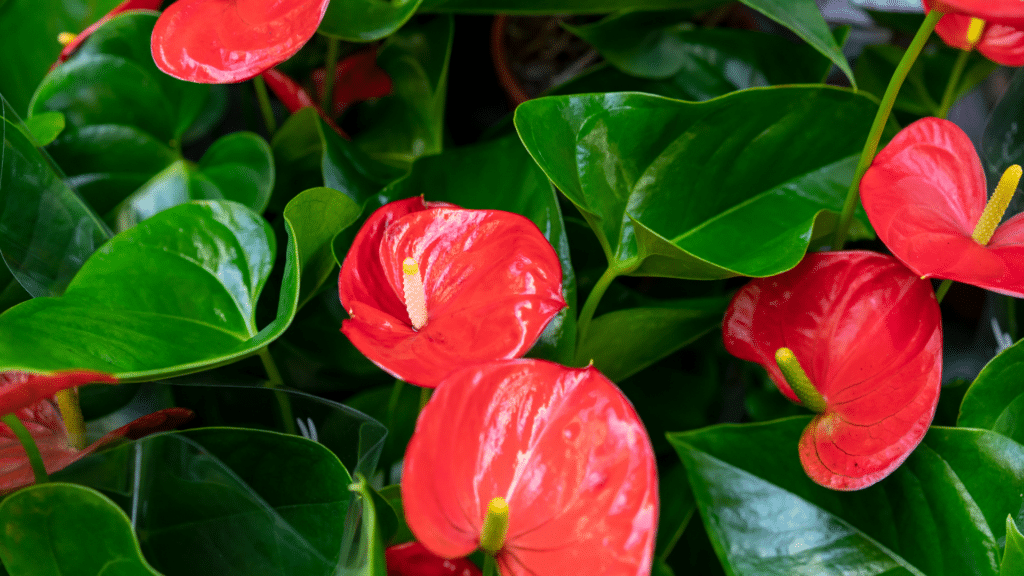
Anthuriums are popular for their bright, heart-shaped flowers that can last for weeks. They grow best in bright, indirect light and need moderate watering.
The plant prefers slightly moist soil but should not be overwatered. Anthuriums add a bold and colorful look to indoor spaces and are fairly easy to maintain.
With proper care, they can bloom throughout the year, making them a reliable indoor flowering option for beginners who want long-lasting blooms.
3. Hibiscus
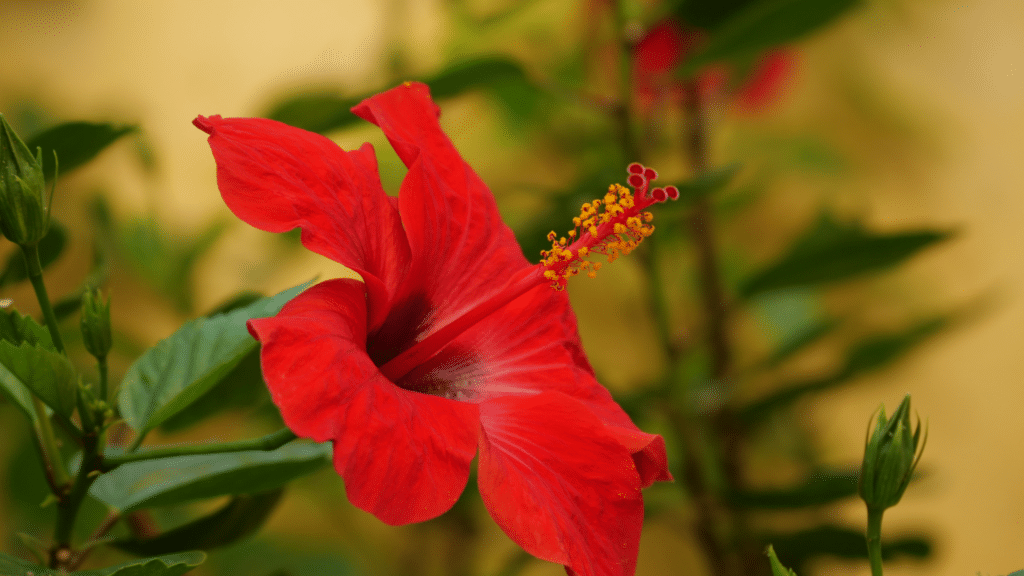
Hibiscus plants are known for their large, vibrant flowers that bring a tropical feel indoors. They need bright light, preferably near a sunny window, to grow well.
Regular watering and occasional feeding help maintain healthy growth. Hibiscus may require a bit more care compared to other indoor plants, but the bright blooms make it worth the effort.
With the right light and care, hibiscus can flower frequently and add a lively touch to indoor spaces.
4. Gardenia
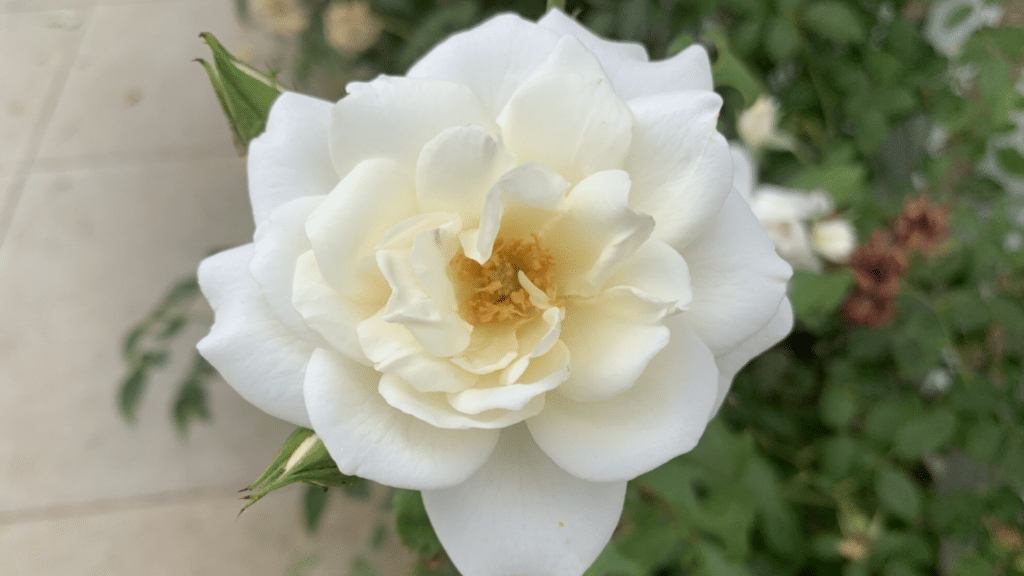
Gardenias are loved for their soft white flowers and pleasant fragrance. They need bright light and slightly higher humidity to grow well indoors.
The soil should stay moist but not too wet, as overwatering can harm the plant. Gardenias can be a bit sensitive, so consistent care is important.
When grown in the right conditions, they produce beautiful blooms that fill the room with a fresh scent, making them a rewarding choice for indoor gardening.
5. Kalanchoe
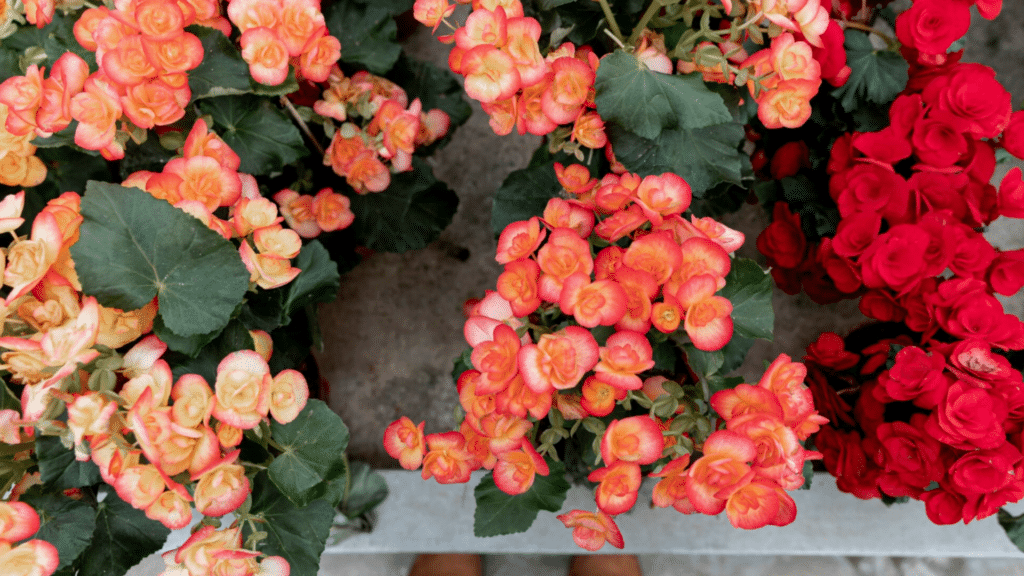
Kalanchoe is a low-maintenance flowering plant that is perfect for beginners. It produces small, colorful blooms that last for a long time.
This plant grows well in bright light and needs less frequent watering compared to other indoor flowers. Its thick leaves store water, which helps it survive even if watering is missed sometimes.
Kalanchoe is easy to care for and adds bright color to indoor spaces, making it a great starting point for new plant growers
What Reddit Users Say About Indoor Flowers?
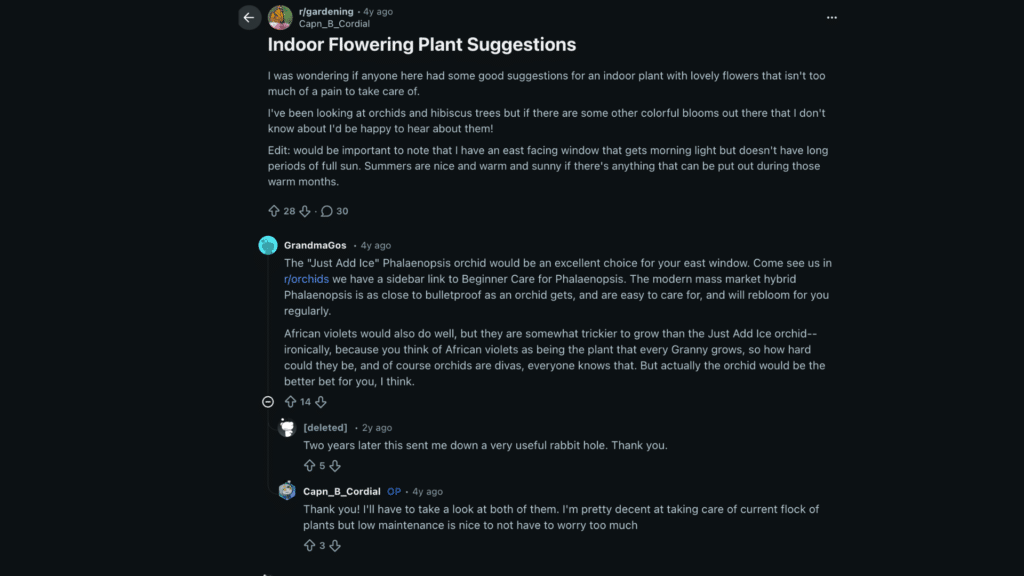
Many Reddit users often suggest choosing indoor flowering plants that are easy to care for while still adding color to your space.
Many people recommend orchids, especially Phalaenopsis, because they are low-maintenance and can bloom again with proper care. African violets are also popular, though they may need slightly more attention to grow well.
Other good options include begonias, kalanchoe, peace lilies, and Christmas cactus, all known for their bright blooms and easy care.
Some users also share helpful tips like watering plants from the bottom to reduce root rot and using well-draining soil to prevent fungus.
Placing plants near an east-facing window with soft morning light can also support healthy growth and steady flowering indoors
Common Mistakes to Avoid When Growing Flowers Indoors
Growing flowers indoors can be simple, but small mistakes can slow down plant growth. Avoiding common errors helps flowers stay healthy and bloom properly.
- Overwatering Plants: Giving too much water can damage roots and cause plants to rot. Indoor flowers need balanced moisture, not wet soil. Always let the soil dry slightly between watering.
- Not Enough Light: Placing plants in low light can lead to weak stems and poor growth. Most flowers need bright light daily, so proper placement or grow lights are important.
- Using the Wrong Soil: Heavy or poor-quality soil can block drainage and harm roots. Always use well-draining potting soil made for indoor plants.
- Skipping Proper Air Flow: Lack of air movement can lead to mold or pests. Keeping plants in a well-ventilated space helps them stay healthy.
- Ignoring Plant Needs: Each flower has different care needs. Not checking basic requirements like light and water can affect growth and blooming.
- Using Pots Without Drainage Holes: Pots without drainage can trap water at the bottom, which can damage roots over time. Proper drainage helps prevent excess moisture and keeps plants healthy.
- Overcrowding Plants: Placing too many plants close together can block light and reduce air flow. Each plant needs enough space to grow properly and stay strong.
Wrapping Up
Growing flowers indoors has been a simple and rewarding experience for me, and I truly believe anyone can do it with a little care and patience.
Once you understand the basics, it becomes easier to keep your plants healthy and enjoy their beauty every day. Small steps like proper watering, good light, and the right setup can make a big difference over time.
I’ve found that learning from small mistakes also helps improve results. With practice, indoor gardening becomes more relaxing and enjoyable.
If you’ve been thinking about starting, this is a great time to try. Go ahead, pick your first flower, set up your space, and begin your indoor flower-growing life today!