

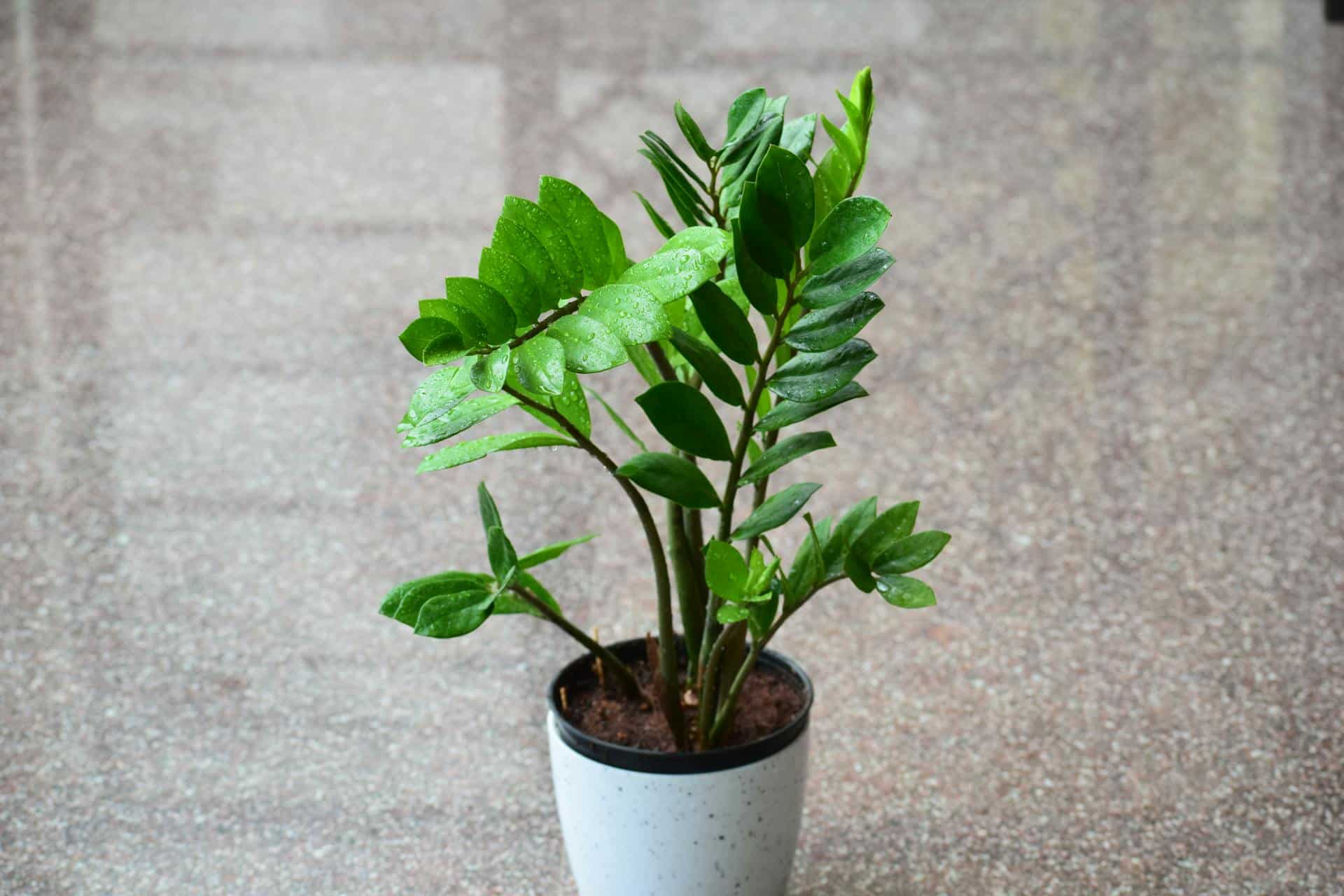
Here’s a startling reality: while most of us spend 80-90% of our time indoors, the air we breathe inside our homes and offices can be 2-5 times more polluted than the air outside. This invisible threat includes everything from everyday dust and allergens to volatile organic compounds (VOCs) and mold spores—all of which can quietly undermine our health and daily comfort.
The good news? Effective solutions exist, ranging from simple ventilation improvements and pollutant source reduction to advanced technologies like an air purifier. When you understand what’s compromising your indoor air and take targeted action, you can transform your living space into a healthier environment that supports both immediate well-being and long-term health.
What’s Actually in Your Indoor Air?
Common Indoor Pollutants
The air inside your home contains an invisible cocktail of contaminants that most people never consider. Particulate matter—those microscopic particles labeled PM2.5 and PM10—drifts through your rooms courtesy of cooking smoke, household dust, and outdoor pollution that finds its way inside. These tiny invaders are small enough to penetrate deep into your lung tissue, where they can cause lasting damage.
Then there are volatile organic compounds, which sound technical but are surprisingly common. They’re constantly released from everyday items like paint, furniture, cleaning products, and building materials. That distinctive “new car smell” or “fresh paint” odor? That’s chemical off-gassing in action—and it’s happening throughout your home on a smaller scale.
Biological contaminants represent another significant concern. This category encompasses mold spores lurking in damp corners, dust mites thriving in bedding, pet dander from beloved companions, and pollen that hitchhikes indoors on clothing and shoes.
These organic pollutants are prime triggers for allergic reactions and respiratory problems. More serious invisible threats include radon gas, which can seep up from soil and building materials, and carbon monoxide from malfunctioning appliances—both capable of causing severe health issues.
Sources of Indoor Pollution
Indoor pollution doesn’t have a single source—it accumulates from multiple contributors throughout your living space. Building materials and furnishings act as continuous chemical sources, slowly releasing compounds over months or even years. Meanwhile, cooking and heating appliances generate combustion byproducts that can linger without proper ventilation.
Your daily routines add to the mix through personal care products and cleaning supplies, each contributing their own chemical signatures to your indoor atmosphere.
Poor ventilation compounds all these issues by allowing pollutants to accumulate rather than dissipate. Even the outdoor air entering through windows and doors carries its own burden of contaminants, from urban smog to seasonal pollen.
How Poor Air Quality Impacts Your Health

Short-Term Health Effects
Poor indoor air quality often announces itself through symptoms that many people dismiss or attribute to other causes. Irritation of the eyes, nose, and throat frequently serves as an early warning system, signaling that pollutant levels have climbed too high.
Persistent headaches, unexplained dizziness, and that nagging fatigue you can’t shake off may actually indicate that your indoor air lacks sufficient fresh circulation.
These symptoms don’t exist in isolation—they often amplify existing conditions like asthma and allergies, creating a frustrating cycle where your home becomes a source of discomfort rather than refuge. The result? Decreased productivity, disrupted sleep, and an overall decline in daily quality of life.
Long-Term Health Consequences
The stakes rise significantly with prolonged exposure to compromised indoor air. Scientific research has established clear connections between chronic exposure and respiratory diseases, cardiovascular complications, and elevated cancer risk from specific pollutants like radon and secondhand smoke.
Children face particular vulnerability, with potential developmental complications that can affect them for years to come. Older adults aren’t immune either—studies suggest that sustained exposure to elevated indoor pollution levels can accelerate cognitive decline.
Vulnerable populations deserve special attention in this discussion. Children, elderly individuals, pregnant women, and people managing pre-existing health conditions face amplified risks from the same pollutant levels that might barely register for healthy adults. For these groups, improving indoor air quality isn’t just about comfort—it’s a critical health intervention.
How to Evaluate Your Indoor Air Quality

Signs of Poor Air Quality
Detecting air quality problems starts with becoming more observant about your indoor environment. Persistent odors that linger despite your best cleaning efforts often signal underlying issues. Visible dust that seems to reappear shortly after cleaning suggests either excessive particle generation or inadequate air circulation.
Pay attention to your body’s responses too—if allergy symptoms consistently worsen indoors compared to outdoors, your home environment may be the culprit. Condensation forming on windows reveals poor ventilation, while musty odors often point to hidden mold growth that demands immediate investigation and remediation.
Testing and Monitoring Options
Professional air quality assessments provide the most comprehensive analysis, though they typically cost several hundred dollars. For those seeking more budget-friendly alternatives, DIY testing kits can detect specific pollutants like radon or mold, though their accuracy varies considerably between manufacturers and pollutant types.
Modern air quality monitors offer a middle ground, providing real-time measurements that help you understand daily pollution patterns and identify specific problem sources. These devices can reveal surprising insights—like how cooking dinner affects your air quality or which cleaning products cause temporary spikes in chemical concentrations.
When interpreting results, familiarize yourself with Air Quality Index (AQI) standards: readings below 50 indicate good conditions, while values above 100 suggest unhealthy air for sensitive individuals. Numbers above 150 signal unhealthy conditions for everyone.
Proven Methods to Improve Your Indoor Air
Ventilation Improvements
Natural ventilation remains one of the most effective and economical solutions. Strategic window opening creates cross-breezes that dilute indoor pollutants with fresh outdoor air. The key lies in timing and technique—opening windows on opposite sides of your home creates better air exchange than opening them all on one side.
Mechanical ventilation systems offer more consistent results, especially during extreme weather when natural ventilation becomes impractical. These systems can maintain steady fresh air circulation regardless of outdoor conditions. Aim for air exchange rates that completely replace your indoor air every few hours—a standard that most homes fall short of without deliberate intervention.
Source Reduction
The most powerful strategy involves eliminating pollutants before they enter your air. When shopping for furniture, paint, or building materials, prioritize low-VOC options that release fewer chemicals over time. Replace harsh chemical cleaners with gentler, natural alternatives that accomplish the same cleaning goals without contributing to your indoor pollution burden.
Moisture control deserves special emphasis since excess humidity creates ideal conditions for mold growth. Use dehumidifiers in prone areas like basements, ensure proper bathroom ventilation, and address water leaks promptly. Establishing smoke-free policies protects everyone from secondhand smoke—one of the most harmful indoor pollutants.
Filtration and Air Treatment Technologies
HEPA filters represent the gold standard for particle removal, capturing 99.97% of particles 0.3 microns or larger. This efficiency level eliminates most dust, pollen, and common allergens from your air. Activated carbon filters tackle a different category of pollutants, absorbing VOCs and odors that HEPA filters can’t address.
UV-C light systems add another layer of protection by neutralizing biological contaminants like bacteria, viruses, and mold spores. However, these technologies work most effectively when combined rather than used individually—a comprehensive approach that addresses multiple pollutant categories simultaneously.
Developing Your Indoor Air Quality Strategy
Assessing Your Priorities
Creating an effective indoor air quality plan requires honest assessment of your specific situation. Consider your budget constraints, family health concerns, existing HVAC system capabilities, and physical space limitations. Families dealing with asthma or severe allergies might prioritize particle filtration, while households in newly constructed homes may need to focus on VOC reduction from building materials and furnishings.
Layered Approach Strategy
Combining multiple methods consistently outperforms any single solution. Think of indoor air quality improvement as building layers of protection rather than searching for one perfect fix. Start with source reduction and ventilation improvements—these foundational steps often provide the biggest impact for the least investment.
Once you’ve addressed the basics, add filtration technologies based on your specific needs and monitoring results. Implement changes gradually, allowing time to assess each intervention’s effectiveness before adding the next layer. This methodical approach helps you understand which strategies work best in your unique environment.
Maintenance plays a crucial role in long-term success. Replace HVAC filters monthly, maintain indoor humidity levels between 40-60%, and schedule periodic professional assessments for complex issues that exceed DIY capabilities.
Taking Action for Healthier Indoor Spaces
Improving your indoor air quality represents an investment in ongoing wellness that delivers compounding benefits over time. The encouraging news is that effective solutions exist for virtually every budget and living situation, from simple ventilation adjustments to sophisticated filtration systems.
Begin with assessment and basic changes like source reduction—these often provide immediate improvements at minimal cost. Then gradually implement additional strategies based on your specific needs and the results you observe. Don’t let perfect become the enemy of good; even modest improvements can significantly enhance your indoor environment and overall health.
For persistent problems or complex situations involving multiple pollutant sources, consulting with environmental health professionals ensures you’re addressing issues effectively and safely. They can provide targeted solutions that DIY approaches might miss, potentially saving you time and money in the long run.
Remember, creating healthier indoor air doesn’t require achieving perfection overnight. Small, consistent improvements accumulate into meaningful changes that support better health, improved comfort, and enhanced quality of life for you and your family.