

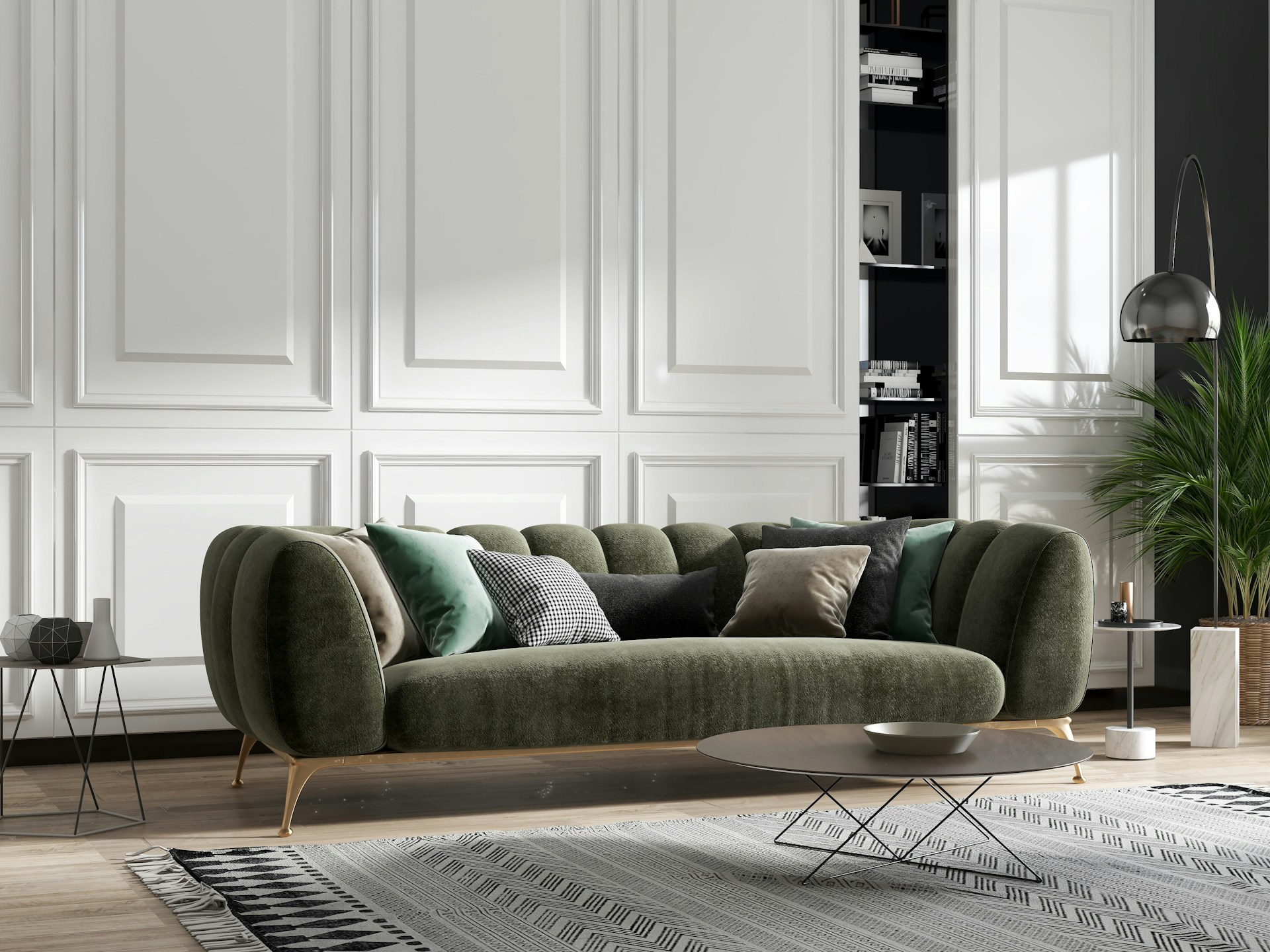
New build homes offer something rare: a blank canvas. Clean architectural lines, untouched materials, and modern layouts create an opportunity to shape a space from the ground up. Yet without careful consideration, new properties can also feel clinical, impersonal, or disconnected from the way people actually live.
Thoughtful Interior Design For New Build Properties is about far more than selecting finishes. It is about creating cohesion between architecture and lifestyle, ensuring that a house feels established, intentional, and deeply considered from the outset.
Below are five key elements that define successful design in new construction homes.
1. Cohesion Between Architecture and Interiors
New build properties often feature open-plan layouts, generous glazing, and simplified architectural detailing. While this provides flexibility, it also requires a clear design direction to avoid fragmentation.
Interior design should respond directly to architectural features:
- Ceiling heights and scale
- Window placement and natural light
- Structural focal points
- Sightlines between rooms
When interiors are developed alongside the architectural framework, the result feels unified rather than layered on top. This is why many homeowners engage a New Construction Interior Designer early in the process. Decisions such as flooring continuity, built-in millwork, lighting placement, and spatial flow are significantly more effective when aligned with the building’s structural intent.
The goal is cohesion, not decoration.
2. Layering Warmth Into Modern Spaces
One of the most common challenges in new builds is achieving warmth. Fresh plaster, sharp edges, and expansive glazing can create spaces that feel visually stark.
Layering is essential. This includes:
- Natural materials such as timber, stone, and linen
- Textural contrasts between matte and polished surfaces
- Soft furnishings that absorb sound and soften acoustics
- Integrated joinery that adds depth and character
A skilled Residential Interior Designer understands how to introduce tactile richness without overwhelming the clarity of modern architecture. Subtle contrasts in texture and tone help spaces feel established rather than newly installed.
The aim is not to disguise the modernity of a new build, but to balance it.
3. Lighting as a Structural Design Tool
Lighting is often underestimated in new construction homes. Relying solely on recessed downlights rarely creates atmosphere or visual hierarchy.
Effective Interior Design For New Build Properties treats lighting as a layered system:
- Ambient lighting for overall balance
- Task lighting for function
- Accent lighting to highlight architectural features
- Decorative fixtures that introduce identity
Planning lighting early allows wiring, ceiling detailing, and joinery to accommodate intentional placements. This ensures that fixtures feel integrated rather than retrofitted.
When executed well, lighting transforms a newly constructed space from flat and uniform into something dimensional and expressive.
4. Built-In Solutions and Functional Planning
New builds provide an opportunity to embed functionality directly into the structure of the home. Rather than relying solely on freestanding furniture, integrated storage and bespoke joinery can be planned from the beginning.
Examples include:
- Custom wardrobes aligned with ceiling heights
- Media walls integrated into architectural recesses
- Concealed storage within kitchen islands
- Mudroom and utility configurations tailored to lifestyle
Engaging professional Interior Design Services during construction ensures that practical needs are resolved early, avoiding later compromises.
Function should never feel like an afterthought. In well-designed new build properties, practicality is seamlessly embedded within the aesthetic.
5. Establishing Character From Day One
Older homes naturally accumulate character through time. New builds, by contrast, must be intentionally given identity.
This can be achieved through:
- Carefully selected statement materials
- Bespoke detailing in cabinetry and trim
- Curated art and sculptural furnishings
- Thoughtful colour strategies that move beyond standard developer palettes
Interior Design For New Build Properties is most successful when it avoids a “show home” aesthetic. Instead, the design should reflect the personality and rhythms of the people who will inhabit it.
Working with a Residential Interior Designer or specialist in new construction ensures that the home feels personal from the outset rather than gradually corrected over years of alterations.
Why Early Involvement Matters
One consistent theme across all five elements is timing.
Engaging a New Construction Interior Designer at the planning stage allows for:
- More cohesive material selection
- Better spatial flow
- Integrated storage and lighting
- Cost efficiencies by avoiding late-stage changes
New build homes are unique in that decisions made early carry long-term impact. Once walls are closed and finishes installed, flexibility reduces significantly. Strategic planning protects both the aesthetic and the investment.
Final Thoughts
New build properties offer immense potential. Their clarity and modernity provide a strong architectural foundation, but they require intentional design to feel layered, warm, and lived-in.
Interior Design for New Build Properties is not simply about filling empty rooms. It is about aligning architecture, function, and identity from the beginning. When these elements are considered together, new construction homes move beyond clean lines and become enduring, meaningful spaces.