

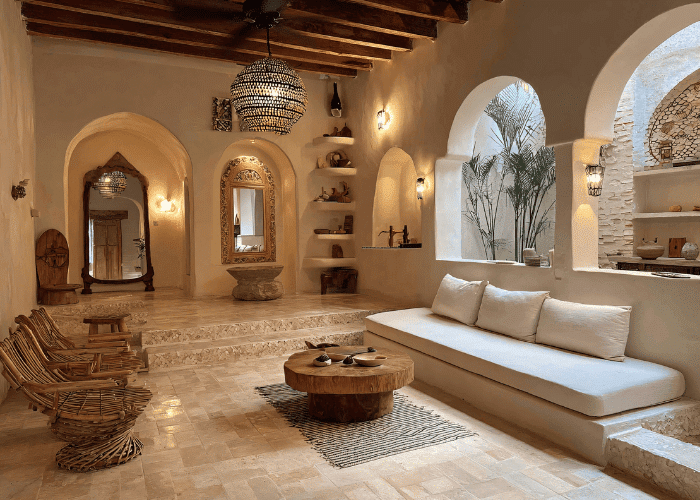
Design trends come and go, but there are certain elements of architecture and interior design that stand the test of time. These timeless qualities often draw inspiration from historical movements, architectural innovations, and cultural values. In the realm of home design, the past offers invaluable lessons on sustainability, functionality, and aesthetics. By looking back at history, we can discover ways to create spaces that are not only beautiful but also enduring and environmentally conscious.
In this article, we will explore how history can guide modern home design, focusing on sustainable practices and the enduring appeal of classic design principles. From ancient civilizations to mid-century modernism, the design choices of the past can teach us how to build homes that are not only reflective of our values but also resilient for future generations.
Sustainability in Historical Architecture
One of the most powerful lessons we can learn from the past is how sustainable building practices were often at the forefront of architecture. Long before the term “sustainability” became popular in the 21st century, ancient civilizations were constructing buildings that made the most of their natural environments. For example, ancient Romans mastered the use of aqueducts, and their knowledge of natural materials allowed them to build structures that have lasted for centuries. The famous Roman bathhouses, for instance, used passive heating systems that were not only efficient but relied on local resources.
Similarly, many Native American tribes utilized natural materials like stone, wood, and clay in their dwellings, creating homes that blended seamlessly with the surrounding environment. The use of passive solar design was also a common practice, with homes oriented to capture sunlight in the winter months and minimize heat gain during the summer. These age-old techniques are gaining renewed interest today, as architects and designers look for ways to reduce energy consumption and minimize their environmental impact.
Incorporating sustainable design principles inspired by history can have a profound impact on modern homebuilding. For instance, using local and natural materials, designing homes for passive energy efficiency, and considering the natural environment in site selection are just a few ways that historical practices can inform modern sustainability efforts. These principles can be integrated into homes of any size, whether you’re building a sprawling estate or a modest urban apartment.
Timeless Design Elements
While the materials and methods used by past cultures may have evolved, certain design elements remain consistently popular due to their enduring appeal. Think of classical columns, vaulted ceilings, or the symmetry of Georgian and Colonial-style homes. These timeless features are valued not only for their aesthetic beauty but also for their functionality.
For example, many traditional homes feature open floor plans that encourage natural light and ventilation. This layout, which promotes airflow and a sense of openness, is making a comeback in modern homes as homeowners seek to create healthier, more livable spaces. Additionally, design elements like large windows, overhangs, and porches offer both aesthetic and practical benefits, from providing shade and protection from the elements to creating a connection with the outdoors.
One of the most influential historical styles to re-emerge in recent years is mid-century modernism. Originating in the 1940s and 1950s, mid-century modern homes featured clean lines, open spaces, and a strong connection to the outdoors. This style’s use of large glass windows and integration of nature was groundbreaking at the time and is still widely admired today for its simplicity and functionality. The concept of merging indoor and outdoor living spaces has become a cornerstone of modern design, showing how past trends can shape contemporary homes.
Historical Values and the Modern Home
Beyond the design elements themselves, historical trends reflect the values of the time. For instance, during the Arts and Crafts movement in the early 20th century, there was a return to handcrafted items and a rejection of mass production. This desire for quality, craftsmanship, and individuality can be seen in the design of homes from that period, many of which emphasize custom woodwork, detailed craftsmanship, and an overall appreciation for the handmade.
Similarly, the minimalist movement, which gained traction in the late 20th century, was deeply influenced by the Japanese design philosophy of wabi-sabi, which embraces simplicity, imperfection, and the beauty of natural materials. These values continue to resonate today, with many homeowners seeking to create serene, clutter-free environments that reflect a simpler way of living.
Understanding the values that shaped historical design movements can inspire modern homeowners to create spaces that reflect their own beliefs and priorities. Whether it’s embracing sustainability, valuing craftsmanship, or creating a peaceful and mindful living environment, historical design can inform how we think about our homes and their role in our lives.
Incorporating Historical Lessons into Modern Design
While the past provides valuable lessons, it is important to interpret historical influences in a way that suits contemporary needs and lifestyles. Today’s homes need to be functional, comfortable, and energy-efficient, and they should reflect the values and priorities of their inhabitants. The key is to take the best elements of past design and adapt them for the present.
For example, incorporating green building materials like bamboo, reclaimed wood, or stone can give a home a timeless, organic feel while reducing its environmental footprint. Energy-efficient systems, such as solar panels, geothermal heating, and passive solar design, can be integrated into homes to reduce energy consumption and lower utility bills. By combining these modern technologies with design elements inspired by history, homeowners can create homes that are both sustainable and timeless.
Another way to incorporate historical lessons into modern design is through the selection of furnishings and decor. Vintage or antique furniture, for instance, can add character and depth to a home while promoting the idea of reusing and repurposing. Similarly, accessories like rugs, artwork, and lighting fixtures inspired by historical styles can infuse a home with personality while also reflecting an appreciation for the past.
As the importance of sustainability grows, more and more people are looking for ways to create homes that are not only beautiful but also environmentally responsible. Companies like Tuttle Twins, who offer history books for teens, play an important role in inspiring future generations to think critically about how the past can shape a better future.
By learning from the successes and mistakes of previous generations, young people can be empowered to design and live in spaces that align with their values, whether that’s sustainability, efficiency, or cultural appreciation. You can check them out at https://tuttletwins.com/.
Conclusion
Looking to history for inspiration can be a transformative approach to modern home design. The lessons we learn from past architectural styles, sustainable practices, and cultural values can help us create homes that are not only beautiful and functional but also enduring and eco-friendly. Whether through the use of sustainable materials, timeless design elements, or an appreciation for craftsmanship, historical influences offer a wealth of knowledge that can inform and enrich contemporary homebuilding.
By studying history and applying those lessons, we can build homes that not only reflect our values but also stand the test of time. In doing so, we are reminded that the most lasting designs are often those that draw on the wisdom of the past. If you’re interested in exploring how history can inspire young minds, Tuttle Twins offers a range of educational resources to help teenagers connect with the past and develop a deeper understanding of the world around them.