

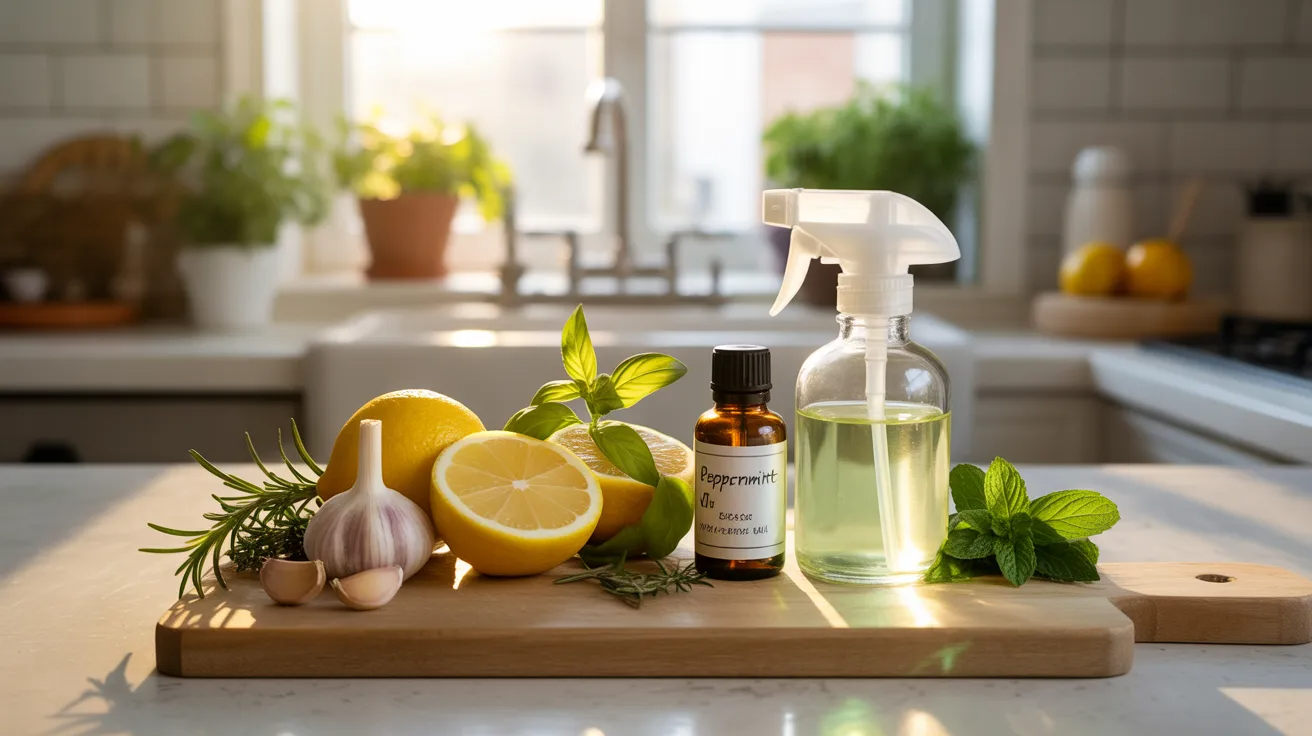
I used to reach for store sprays every time ants or bugs showed up in my home. But over time, I started looking for safer ways to deal with pests.
That is when I learned about natural pest repellent options that work without harsh chemicals. If you want a safer home, this guide will help.
I will show you simple, eco-friendly ways to keep pests away using ingredients that many people already have at home. These methods are easy to use and safer for kids, pets, and plants.
In this article, you will learn which natural ingredients help repel common pests and how to use them. I will also explain why natural solutions are better for your home and the environment.
By the end, you will have practical ideas you can try right away to keep your space clean, fresh, and pest-free.
Why Choose Natural Pest Repellents for Your Home?
Choosing natural pest repellents for your home offers several benefits, making it a smart, eco-friendly choice. Unlike chemical pesticides, natural solutions are safer for your family, pets, and the environment.
They’re non-toxic, reducing the risk of harmful exposure to harsh chemicals, especially in homes with young children or pets.
Natural repellents also help maintain the health of your garden and local wildlife, as they don’t harm beneficial insects or plants.
Additionally, many natural ingredients, such as essential oils or herbs, have a pleasant aroma, making your home smell fresh while keeping pests away.
By opting for natural pest control, you’re not only protecting your home from unwanted critters but also contributing to a healthier, greener planet.
USe eco-friendly solutions today to enjoy a pest-free home with peace of mind.
Top Eco-Friendly Pest Repellent for Pest Control
Here’s a list of some of the top eco-friendly ingredients for pest control that can naturally help keep unwanted pests at bay, without the use of harsh chemicals:
1. Peppermint Oil
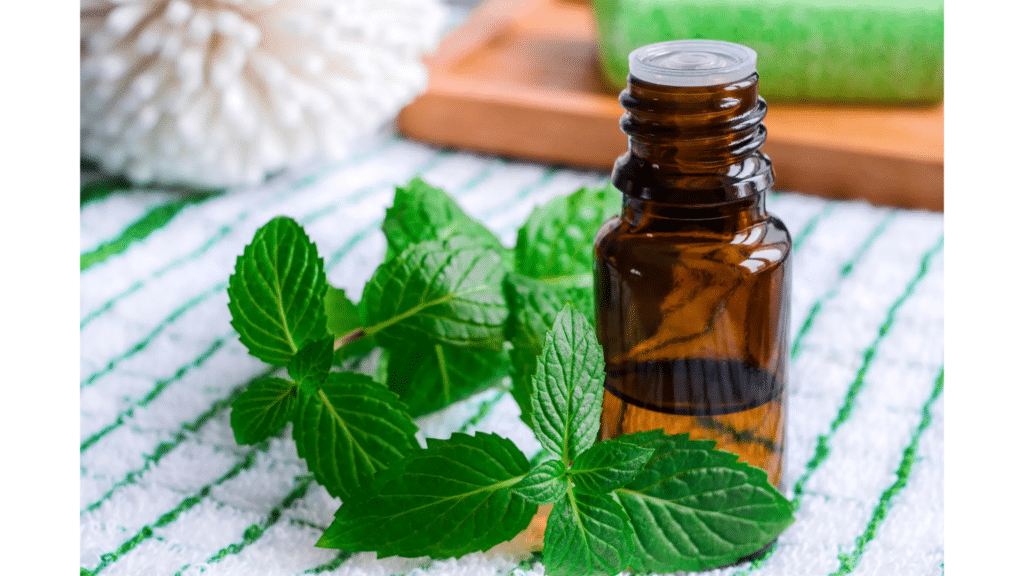
Peppermint oil is a highly effective natural pest repellent. Its strong, minty scent is unpleasant to pests like ants, spiders, and rodents, making it an ideal solution for keeping them away from your home.
Mix a few drops of peppermint oil with water in a spray bottle and apply it to areas where pests are common.
It’s a safe, eco-friendly option that not only repels pests but also leaves a fresh, pleasant aroma in your space.
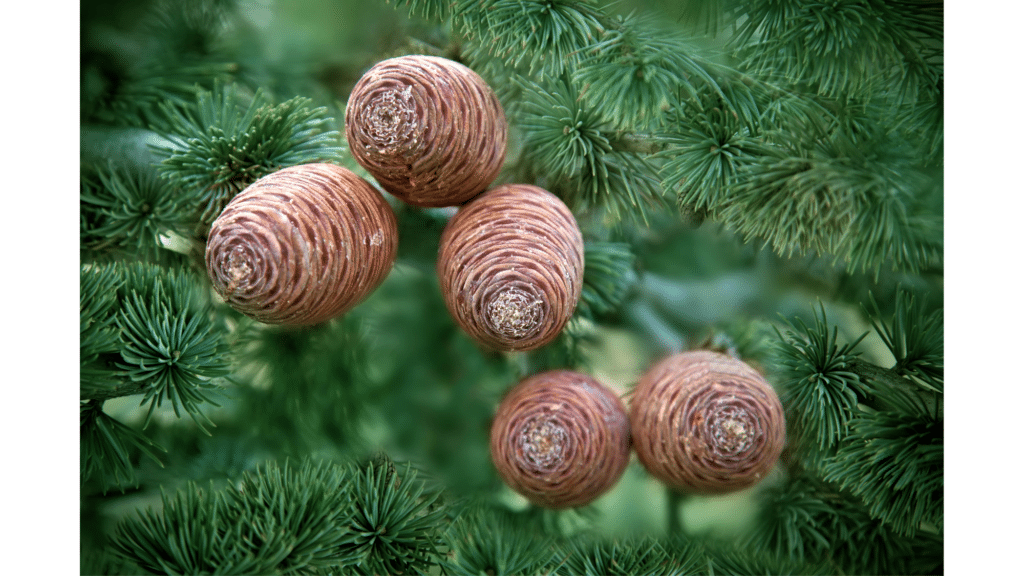
2. Cedarwood
Peppermint oil is one of the most popular natural pest repellents used in homes. Its strong mint smell helps keep ants, spiders, mice, and other small pests away.
Many people mix a few drops of peppermint oil with water and spray it around doors, windows, and corners where pests may enter. It is a simple and eco-friendly option that does not rely on harsh chemicals.
It also leaves your home smelling fresh while helping reduce unwanted insects.
3. Lemon and Citrus Peels
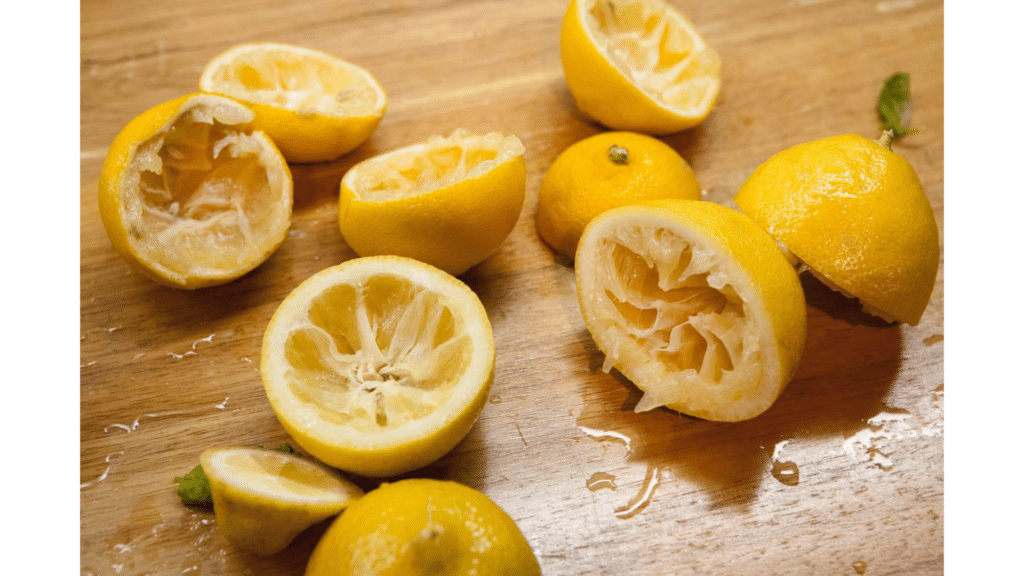
Lemon and citrus peels are simple and natural ingredients that help keep many pests away. Ants, cockroaches, and mosquitoes dislike the strong scent found in citrus oils.
Placing lemon or orange peels near entry points, windows, or in the kitchen can help reduce pest activity. Some people also rub citrus peels along baseboards or mix citrus oil with water to make a spray.
This method is safe, eco-friendly, and easy to use at home.
4. Diatomaceous Earth
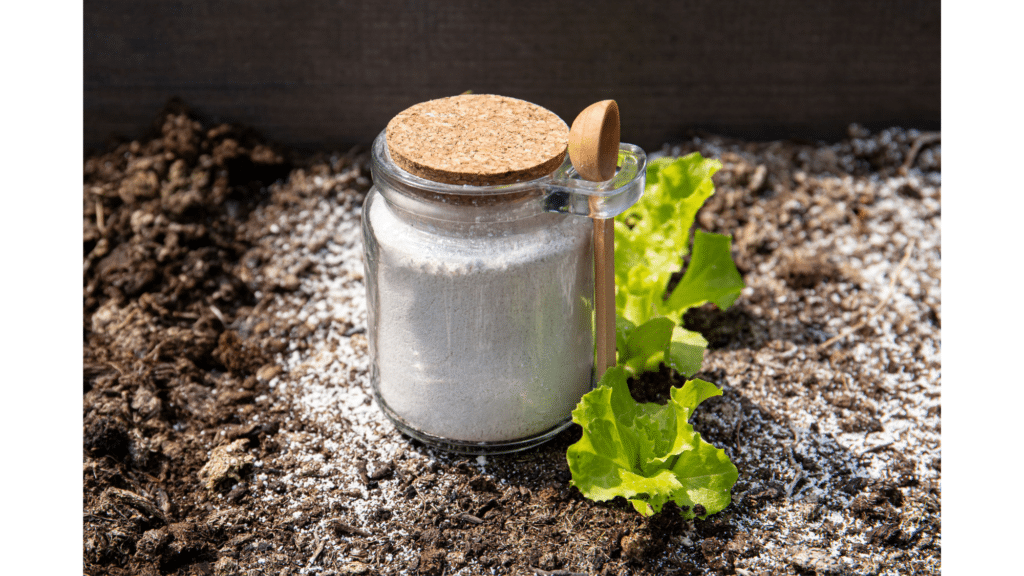
Diatomaceous earth is a natural powder made from fossilized algae. It is commonly used to control pests like ants, fleas, bed bugs, and cockroaches.
The powder works by damaging the outer layer of insects, which causes them to dry out and die. Many people sprinkle it in cracks, corners, and areas where pests are active.
Food-grade diatomaceous earth is considered safe for homes when used properly, making it a popular, eco-friendly pest control option.
5. Garlic
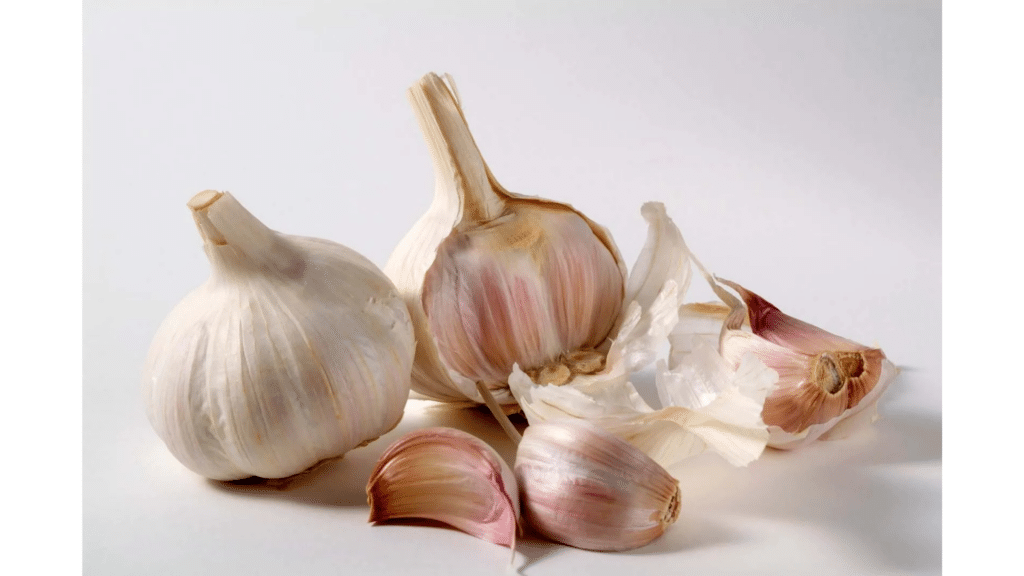
Garlic is a natural ingredient that helps repel many common pests. Its strong smell is unpleasant to insects like mosquitoes, flies, aphids, and beetles.
Many people crush garlic and mix it with water to make a simple spray for gardens and outdoor areas. This spray can be applied to plants, soil, and entry points where pests gather.
Garlic is an eco-friendly option that helps reduce pest activity without relying on harsh chemical pesticides in your home or garden.
6. Neem Oil

Neem oil is a natural oil taken from the seeds of the neem tree. It is widely used as an eco-friendly pest-control solution for insects such as aphids, mites, whiteflies, and mealybugs.
Neem oil works by disrupting the feeding and growth cycles of pests, helping reduce their numbers over time. Many people mix neem oil with water and spray it on plants or garden areas.
It is a popular choice for natural pest control because it is plant-based and effective.
7. Clove Oil
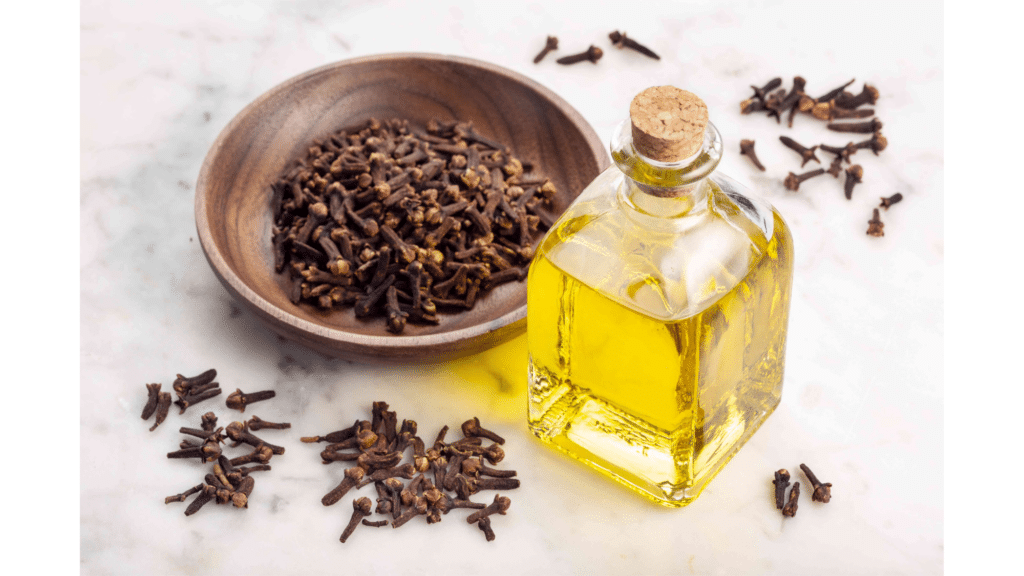
Clove oil is a natural ingredient that helps repel many common household pests. Its strong smell is unpleasant to insects such as ants, mosquitoes, and flies.
Many people mix a few drops of clove oil with water to make a simple spray for areas where pests appear. It can be used near windows, doors, and kitchen spaces.
Clove oil is a natural option that helps reduce pests without relying on strong chemical pesticides in the home.
8. Basil Plants
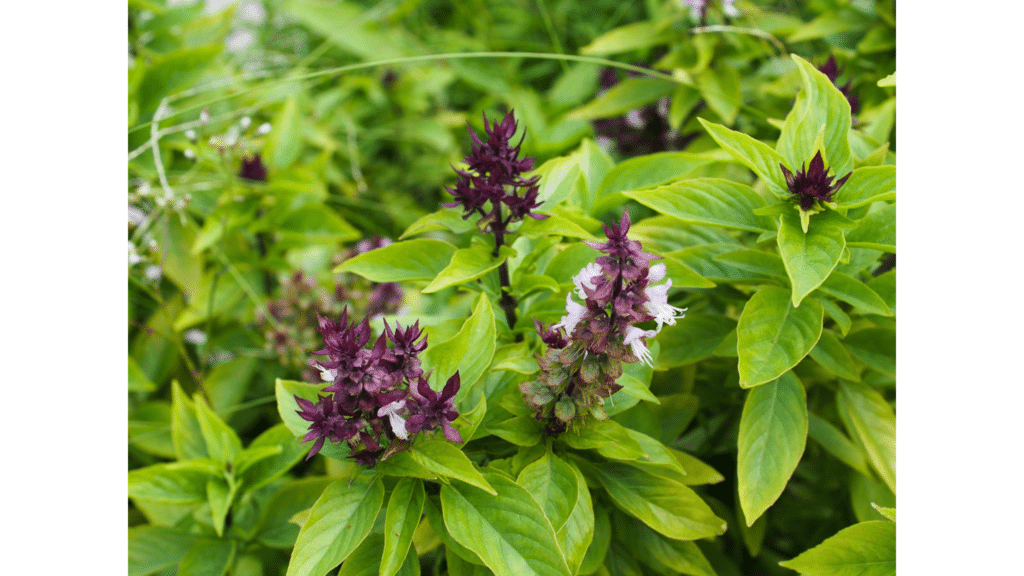
Basil plants can help repel several common insects naturally. The strong scent of basil is known to keep mosquitoes and flies away from indoor and outdoor areas.
Many people place basil plants near windows, doorways, or balconies to reduce pest activity around the home. Basil is easy to grow in small pots and also adds fresh herbs for cooking.
Using basil plants is a simple and eco-friendly way to help control pests.
9. Eucalyptus Oil
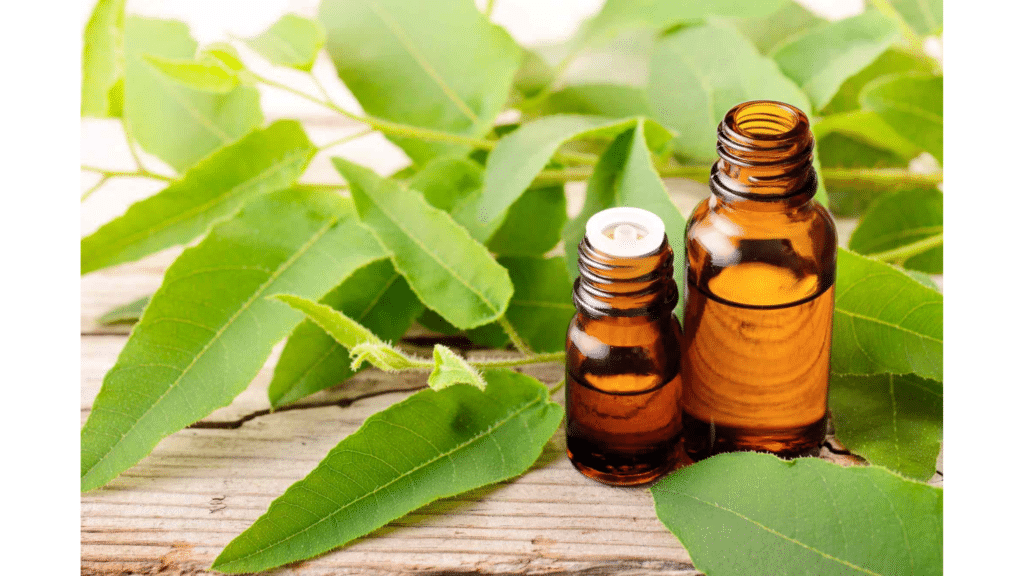
Eucalyptus oil is a natural ingredient that helps repel several common pests. Its strong scent is known to keep mosquitoes, flies, and some insects away from living spaces.
Many people mix a few drops of eucalyptus oil with water to create a simple spray for doors, windows, and outdoor areas. It can also be used in diffusers to spread the scent indoors.
This makes eucalyptus oil a natural option for reducing pests while keeping your home smelling fresh.
10. Vinegar Spray
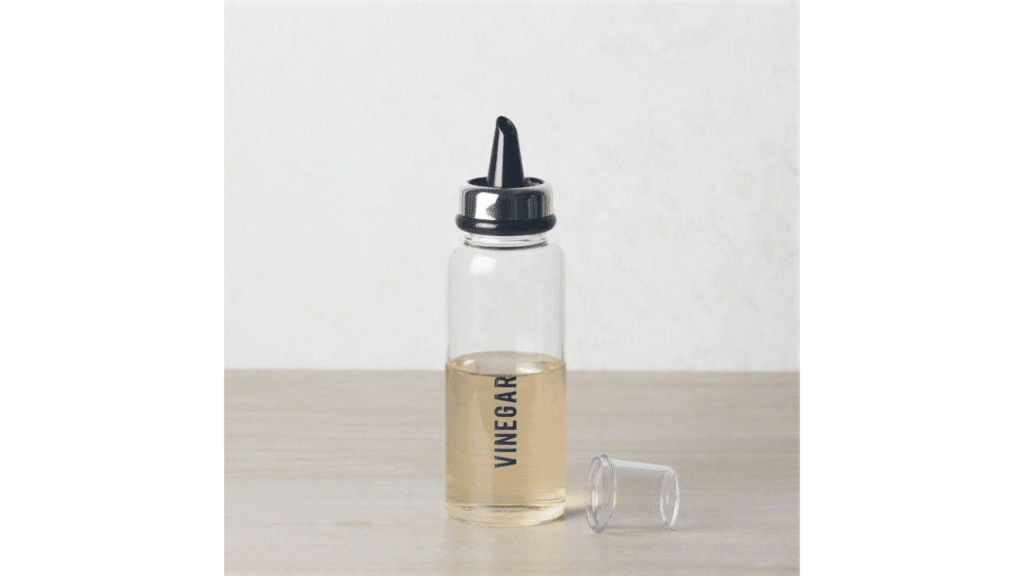
Vinegar spray is a simple and natural way to help keep pests away from your home. The strong smell of vinegar can repel ants, fruit flies, and other small insects.
Many people mix equal parts vinegar and water in a spray bottle and apply it to areas where pests appear, such as kitchen counters, windows, and entry points.
It is easy to prepare and uses ingredients commonly found at home, making it a practical,l natural pest control option.
How to Prevent Pests with Natural Repellents
Natural methods can work well when used consistently around your home. Here are some simple ways to prevent pests using natural repellents:
- Mix essential oils such as peppermint, eucalyptus, or clove with water, then spray around doors, windows, and corners where pests may enter the home.
- Place natural plants such as basil, mint, or lavender near windows, balconies, and entryways to help keep insects away.
- Keep lemon or orange peels in kitchen corners, cabinets, or near trash bins to discourage ants and cockroaches.
- Clean kitchen counters, floors, and other surfaces with vinegar to remove food smells that often attract pests.
- Seal small cracks and gaps around doors, windows, and walls so insects and small pests cannot easily enter your home.
- Sprinkle food-grade diatomaceous earth in corners, cracks, and other pest-prone areas to help control crawling insects naturally.
Benefits of Using Natural Pest Solution
Using natural pest solutions can help control insects while keeping your home and environment safer. Here are some key benefits of choosing natural pest control methods:
- Natural repellents reduce exposure to strong chemical pesticides inside the home.
- Many natural ingredients are safer for children and pets when used correctly.
- Eco-friendly pest control helps protect soil, water, and nearby plants.
- Natural solutions often use simple household items that are easy to find.
- These methods are usually more affordable than many chemical pest control products.
- Natural repellents often produce mild, fresh scents rather than harsh odors.
- They help protect helpful insects like bees and butterflies.
- Many natural pest repellents are easy to make at home.
- Plant-based ingredients break down more easily in the environment.
- Natural pest control supports a healthier and cleaner living space.
Final Thoughts
Keeping pests away doesn’t always require filling your home with strong chemicals. In fact, I’ve found that simple, natural methods can help manage insects while keeping the living space safer for your family and pets.
Small changes, like using plant-based ingredients or homemade sprays, can make a real difference over time.
As I’ve experimented with these natural pest solutions, I’ve learned that paying attention to what works best in your home is key.
Every space is unique, and sometimes a mix of methods produces the best results. My goal has always been to create a cleaner, healthier home without relying on harsh products.
If you’ve already tried any natural pest repellents, I’d love to hear about your experience. What worked well for you? Share your tips or results in the comments below so others, including myself, can learn from them too!