

I used to feel confused when choosing between annual and perennial flowers. Both look bright and beautiful, but they grow in very different ways.
Picking the wrong type can affect how your garden looks, how long flowers last, and how much care is needed.
That is why it is important to understand the difference before you start planting.
In this guide, I will explain perennial flowers vs annuals in simple words. You will learn how each type grows, its pros and cons, and how to care for them.
I will also share easy plant ideas and tips to help you plan your garden better.
If you want your garden to look good and stay easy to manage, keep reading and use this guide to choose the right plants with confidence today.
What Are Annual Flowers?
Annual flowers complete their full life cycle in one growing season. They grow from seed, bloom for several months, and then die within the same year.
These plants are popular for gardeners who want quick and bright results. They fill spaces with color and are often used in flower beds, pots, and borders.
Since they do not return the next season, they need to be planted again every year.
This gives flexibility to change plant choices, colors, and garden design each season without long-term planning. Annuals are a good option for adding fresh variety to any garden setup.
Pros and Cons of Annual Flowers
Annual flowers grow fast and bloom for one season. I like them for bright colors all summer, but they need replanting each year and more care.
|
Pros |
Cons |
|
Long bloom time from spring to fall |
Need replanting every season |
|
Bright colors that fill empty spaces |
Higher maintenance compared to perennials |
|
Easy to change the garden |
Can cost more over time |
What are Perennial Flowers?
Perennial flowers are plants that live for more than two years and return every growing season.
They grow back from their roots after the off-season, which makes them a long-term choice for gardens.
Many gardeners prefer perennials because they reduce the need for replanting every year. While they may take more time to grow in the beginning, they become stronger and fuller over time.
These plants are often used as a base in garden design because they stay in place and provide a steady look.
Perennials are a good option for those who want a garden that grows and improves year after year.
Pros and Cons of Perennial Flowers
Perennial flowers grow back every year and need less replanting. They are low maintenance, but their bloom time is shorter, so the garden may not stay colorful all season.
|
Pros |
Cons |
|
Return every year without replanting |
Shorter bloom periods compared to annuals |
|
Lower long-term cost |
Take time to grow fully |
|
Help create a stable garden layout |
Less flexibility to change each season |
Perennials vs Annuals: Key Differences
Understanding the difference helps you plan a garden that fits your time, budget, and style. Both types offer color, but they grow and last in very different ways.
1. Life Cycle Differences
Annual flowers complete their life cycle in one growing season. They grow, bloom, produce seeds, and die within the same year.
Perennials, on the other hand, live for many years. They may die back in winter but return again from the same roots in the next season.
This key difference affects how often planting is needed.
Annuals need to be planted every year, while perennials continue growing without replanting, making them a more long-term option for garden planning.
2. Bloom Time and Duration
Annual flowers usually bloom for a long time, often from spring until the first frost. This makes them a great choice for constant color in a garden.
Perennials have a shorter bloom period, which may last a few weeks or a couple of months, depending on the plant.
However, they return each year and may grow stronger over time.
Many gardeners mix both types to enjoy long-lasting color from annuals and steady returns from perennials across different seasons.
3. Maintenance and Care
Annuals often need more care throughout the season. They require regular watering, feeding, and sometimes deadheading to keep blooming.
Since they grow quickly, they use more nutrients from the soil. Perennials are generally easier to maintain once established.
They need less frequent watering and feeding, and can handle changing weather better.
However, they may need occasional pruning or division to stay healthy. Overall, perennials are seen as lower maintenance compared to annual flowers.
4. Cost Over Time
Annual flowers may seem cheaper at first because they are often less expensive to buy. However, since they need to be replanted every year, the cost adds up over time.
Perennials usually cost more initially, but they return year after year without needing to be replaced.
This makes them more cost-effective in the long run. Investing in perennials can save money over several seasons, especially for gardeners who want a stable and long-lasting garden design.
5. Variety and Flexibility
Annuals offer more variety when it comes to colors and design changes. Since they are planted every year, it is easy to try new styles or switch layouts each season.
This gives more flexibility in garden design.
Perennials grow back in the same place each year, so they provide a more fixed structure.
While there is still a wide range of perennial plants, they are better suited for creating a stable base, with annuals added for fresh and changing looks.
What Reddit Users Say on Perennial flowers vs Annual?
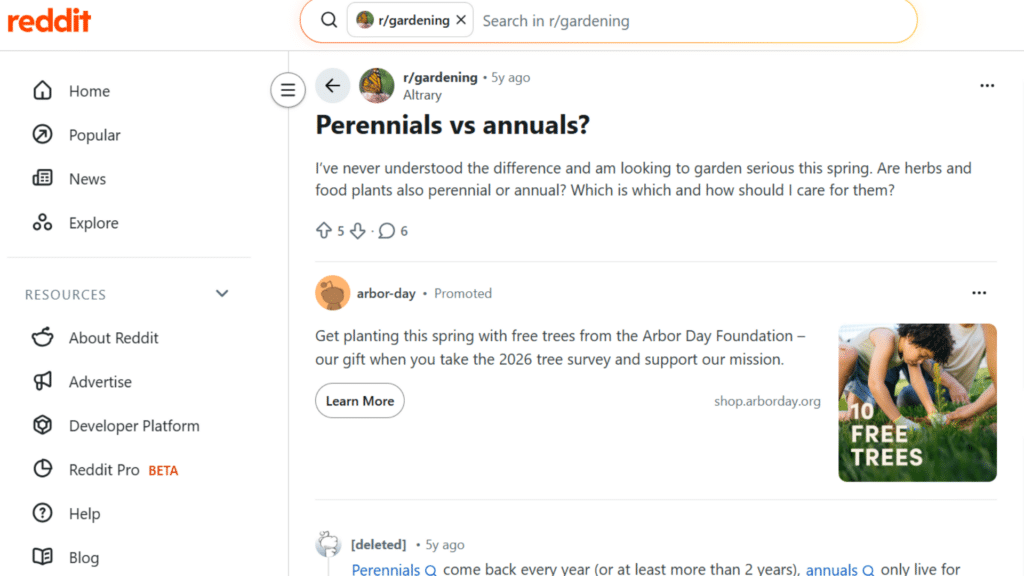
Reddit discussion shows that gardeners have different views based on their needs and experience.
Many users shared that annuals are great for quick color and filling empty spaces, especially for beginners who want fast results.
Some enjoy changing plants every year, which makes annuals feel more flexible and fun.
At the same time, many gardeners prefer perennials because they return each year and need less effort over time.
A few users noted that perennials may look slow at first but grow stronger after a couple of seasons. One common suggestion was to use both together.
Annuals add bright color, while perennials create a stable base. Overall, most agreed that the best choice depends on time, effort, and long-term garden goals.
Care Tips for Annuals and Perennials
Taking care of annuals and perennials is not the same. Knowing the basic care differences helps plants grow better and last longer.
- Watering Needs: Annuals need more frequent watering due to fast growth, while perennials need steady but less frequent watering once established.
- Soil Requirements: Both need proper soil, but perennials can adjust better over time to existing soil conditions.
- Sunlight Needs: Most annuals need full sun, while many perennials can grow well in partial shade.
- Seasonal Effort: Annuals need replanting every year, which adds more work each season.
- Maintenance Care: Perennials need trimming and seasonal care to help them return strong each year.
- Overall Health: Proper care helps both types stay healthy and improves overall garden results.
How to Plan a Garden with Both Types?
Plan your garden by mixing both types in a simple way. Start with perennials as the base since they come back every year and fill space over time.
Place them in spots where you want steady growth. Then add annuals for seasonal color in empty areas or along edges.
This helps keep the garden bright for longer. Choose plants with different bloom times so something is always flowering. Make sure spacing is right so plants do not crowd each other.
Water and soil needs should match for all plants in one area. Keep paths clear for easy care.
A mix of both types gives balance, saves time later, and keeps the garden looking fresh through the seasons without too much extra work.
Best Annual Flowers
These annual flowers are easy to grow and give quick color to your garden. They work well for beginners and need simple care.
1. Petunia
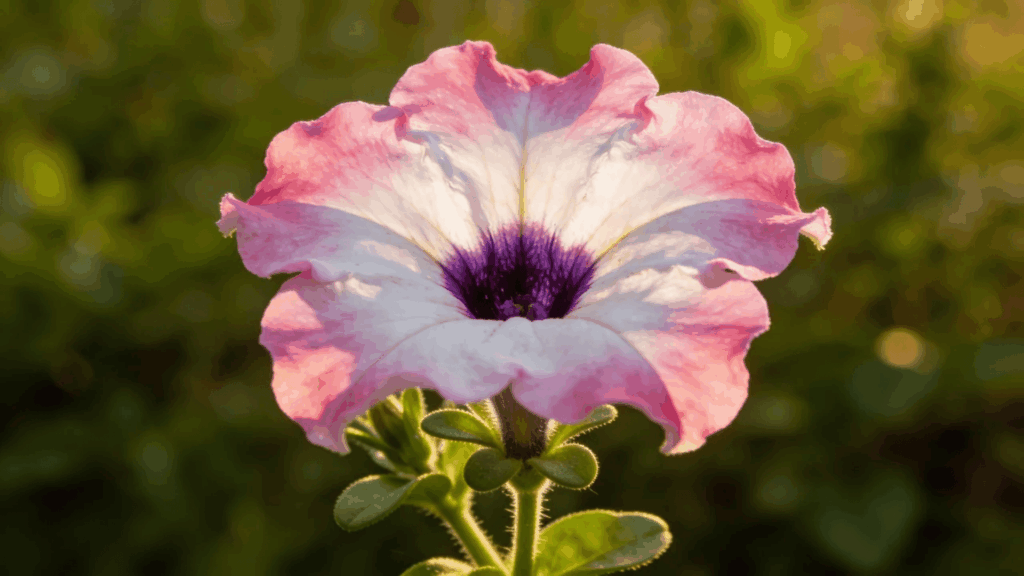
Petunias grow fast and bloom for a long time, making them a popular choice for many gardens.
They work well in pots, hanging baskets, and garden beds. These flowers need good sunlight and regular watering to stay healthy.
Petunias come in many colors, which helps add variety to your space.
With basic care, they continue to bloom throughout the season and keep the garden looking bright and full.
2. Marigold
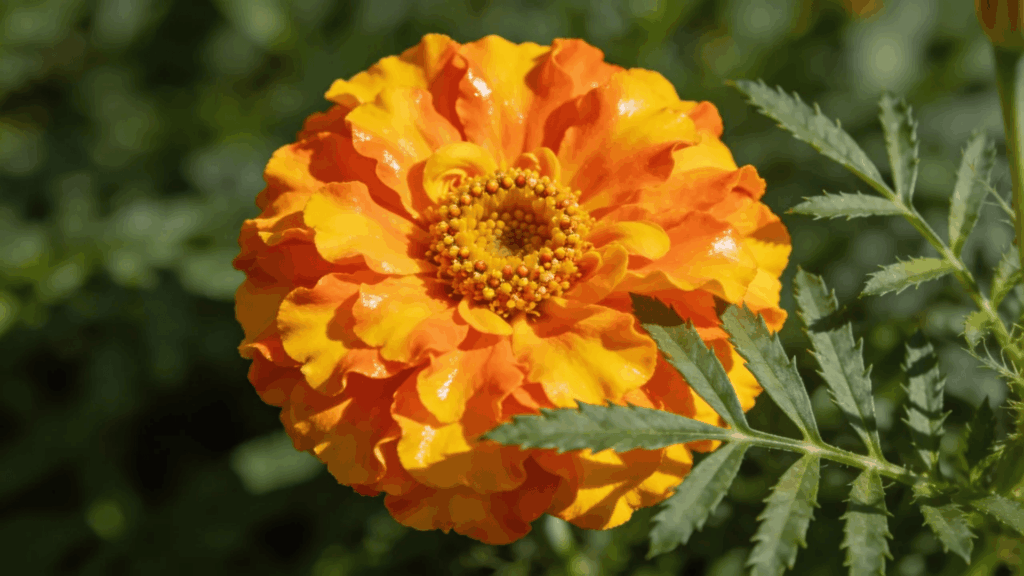
Marigolds are easy to grow and are a great choice for beginners.
They are known for helping keep pests away, which makes them useful in garden beds.
These flowers grow best in sunny spots and need only basic watering. Marigolds bloom quickly and last for a long time during the season.
Their bright color adds a lively touch to any garden without needing much effort or extra care.
3. Zinnia
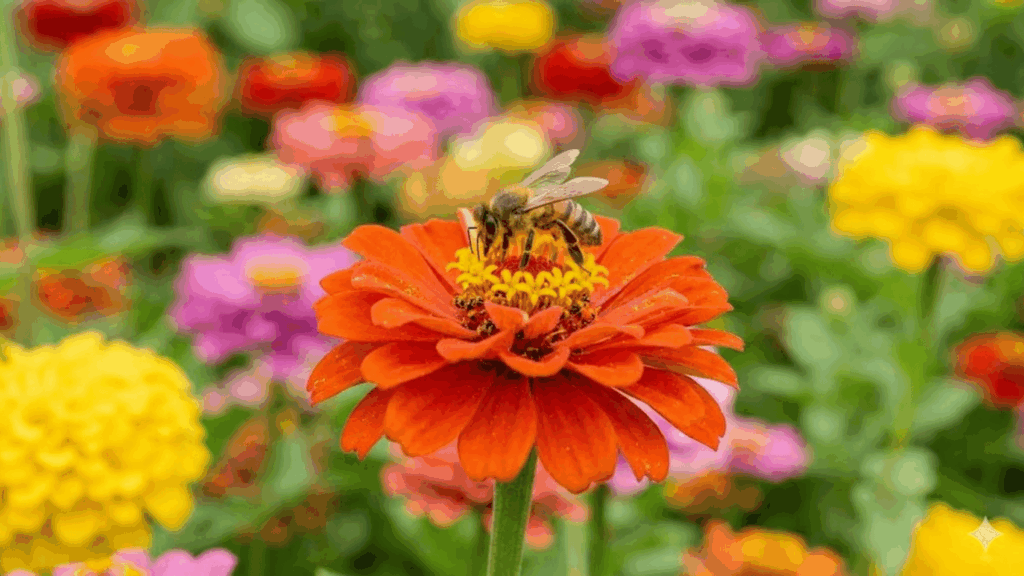
Zinnias grow easily from seeds and are one of the simplest flowers to plant.
They bloom quickly and add bright colors to any garden space. These flowers need sunlight and light watering to grow well.
Zinnias do not require much attention, which makes them a good option for busy gardeners.
They continue to bloom for a long time, helping the garden stay colorful and fresh throughout the season.
4. Cosmos
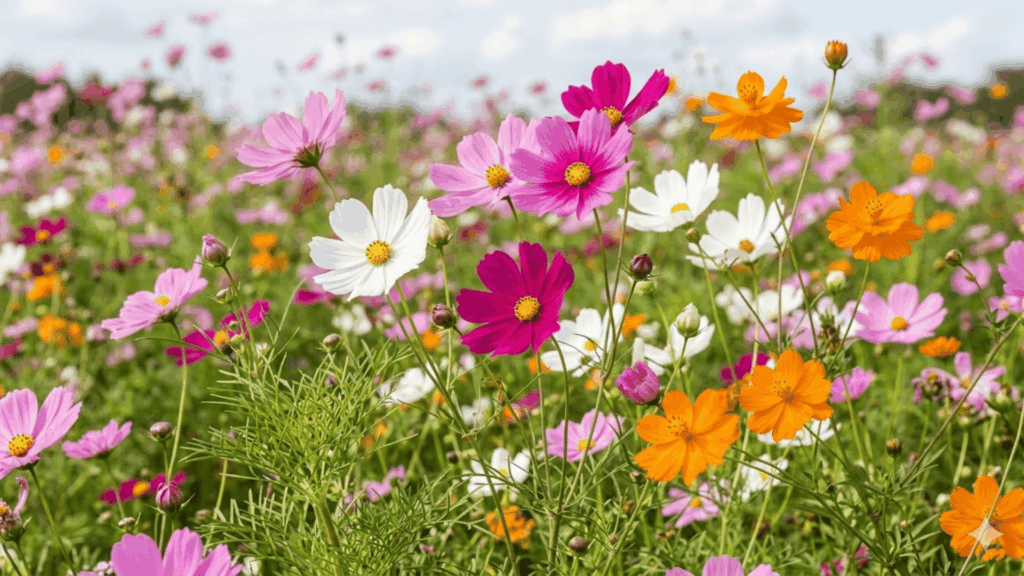
Cosmos can grow in many different conditions and does not need much care.
They are perfect for beginners because they are easy to manage and grow well from seeds.
These flowers prefer sunlight and light watering. Cosmos plants can grow tall and add a soft, natural look to the garden.
Their simple care needs and steady growth make them a reliable choice for adding color and height.
5. Impatiens
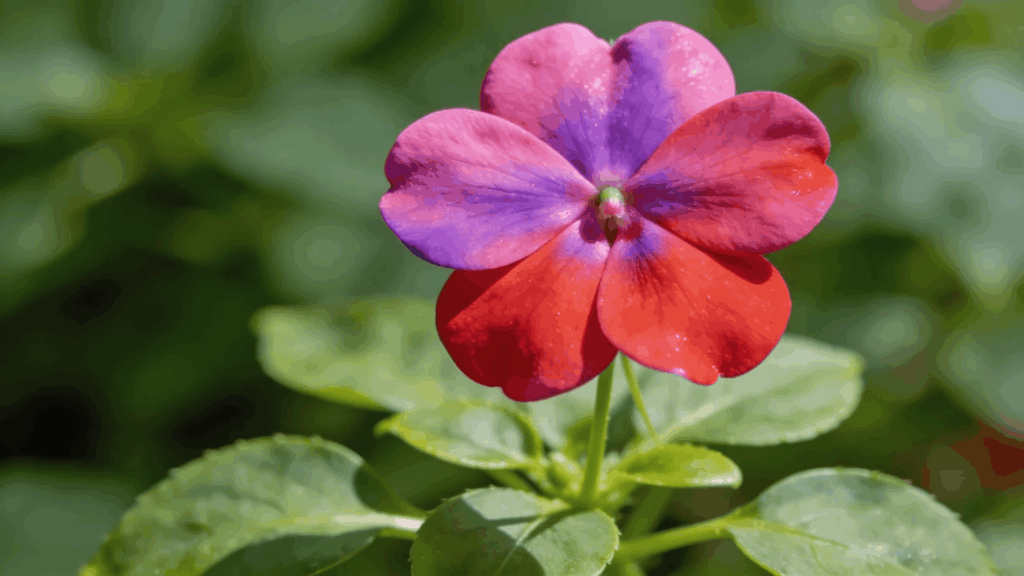
Impatiens grow well in shaded areas where many other flowers may not do well. They provide steady color and are great for filling darker spots in the garden.
These flowers need regular watering, but do not require much extra care.
Impatiens bloom for a long time and help keep the garden looking fresh. They are a simple and useful option for adding color to low-light spaces.
Best Perennial Flowers to Grow
These perennial flowers come back every year and are great for long-term gardening. They need less effort once they are fully grown.
1. Lavender
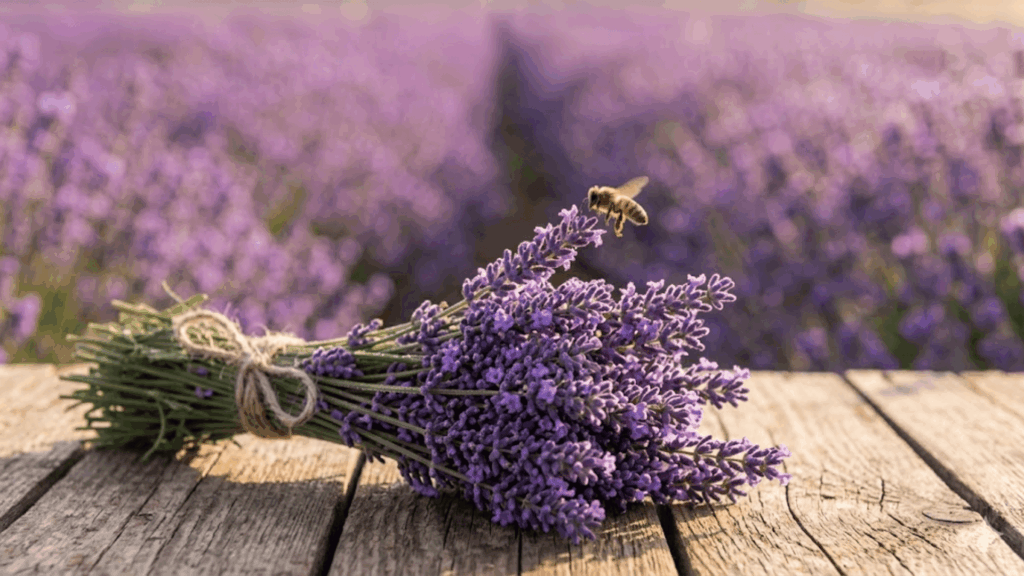
Lavender is a popular perennial known for its pleasant scent and calming look. It grows best in sunny areas with well-drained soil and does not like too much water.
Once established, it needs very little care and can last for many years. Lavender also attracts pollinators like bees.
Its soft purple color adds a gentle touch to the garden while keeping the space fresh and natural.
2. Daylily
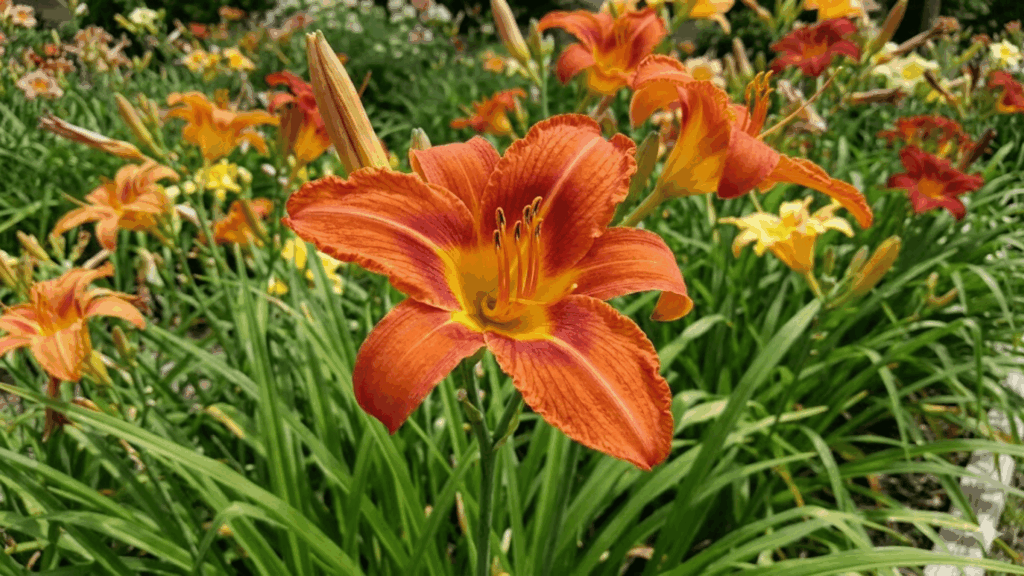
Daylilies are strong and reliable plants that can grow in many types of soil.
They are easy to care for and do not need much attention once planted. These flowers bloom in cycles and return every year.
Daylilies can handle heat and different weather conditions, making them a good choice for most gardens.
Their bright blooms help keep the garden looking lively without extra work.
3. Coneflower
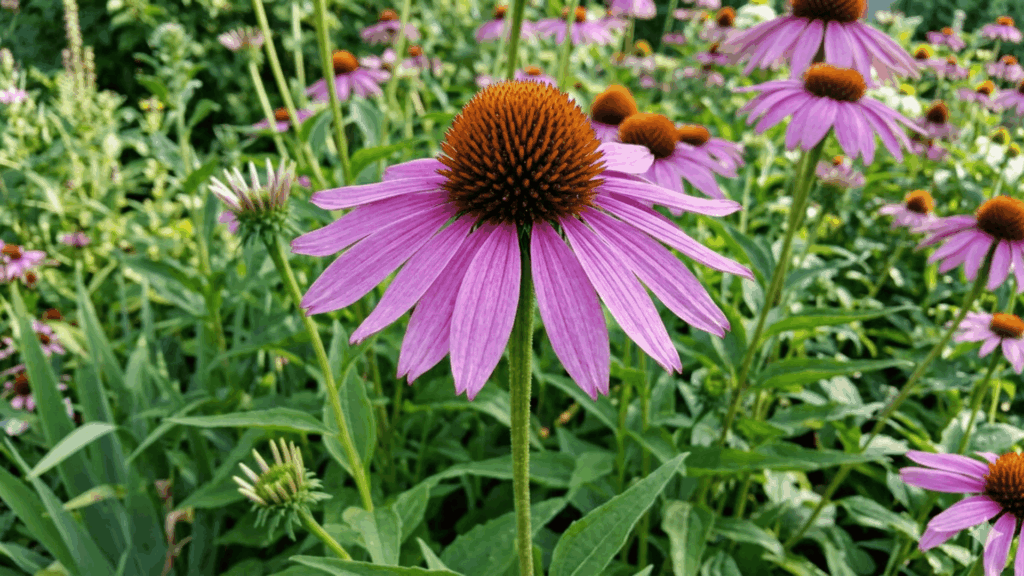
Coneflowers are known for attracting bees and butterflies, which helps support a healthy garden.
They grow well in sunny areas and do not need much care. These plants are strong and can handle dry conditions once established.
Coneflowers bloom with bright colors that stand out in garden beds.
They return each year, making them a simple and long-lasting option for adding color.
4. Peony
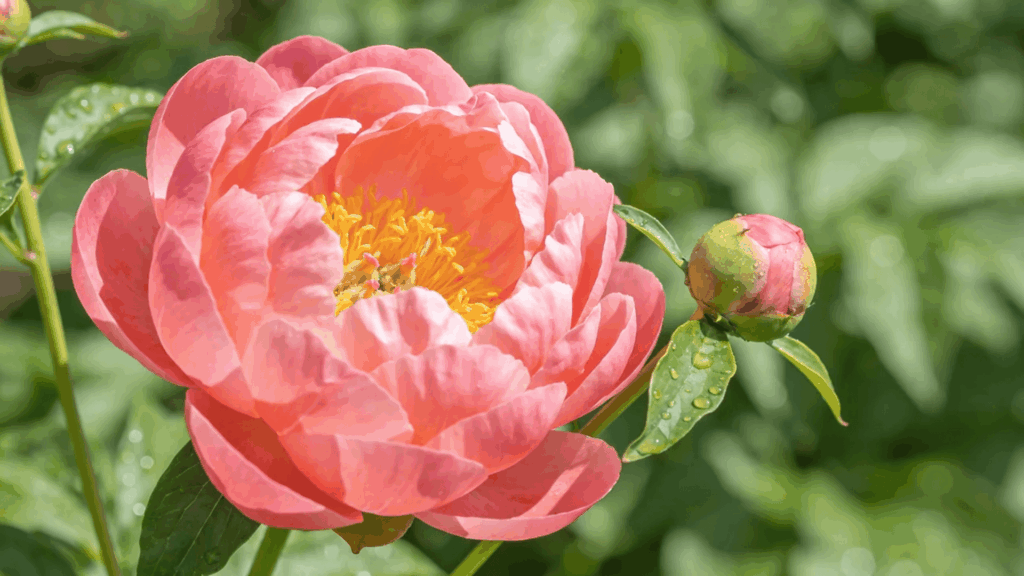
Peonies are well-known for their large and full blooms that stand out in any garden.
They may take some time to grow at first, but they become stronger each year. Once established, they need very little care.
Peonies prefer sunny spots and well-drained soil.
Their long lifespan makes them a reliable choice, and they continue to bloom beautifully year after year with minimal effort.
5. Hosta
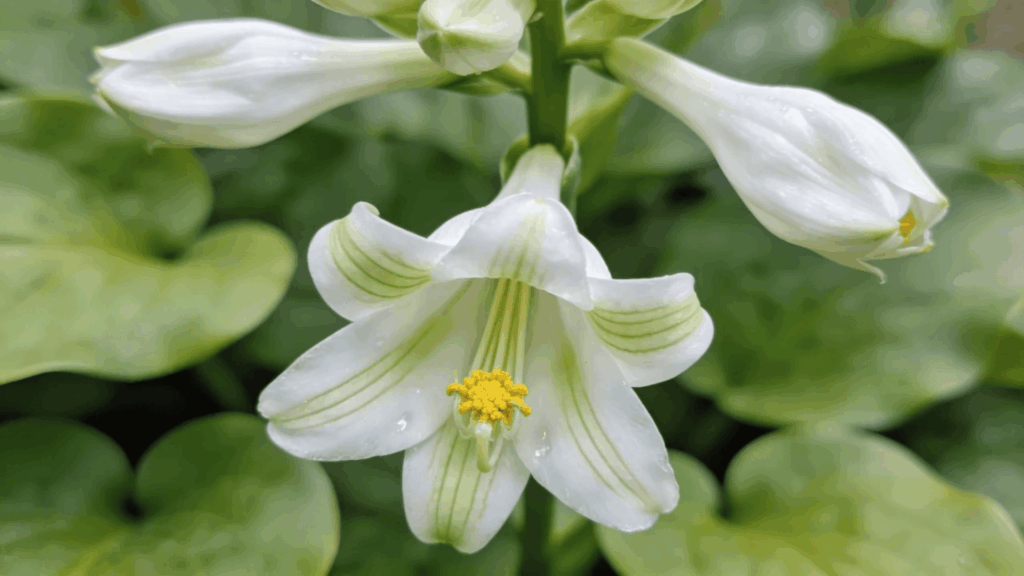
Hostas are a great choice for shaded areas where many flowers do not grow well.
They are easy to maintain and do not need much attention once planted.
Hostas are known for their broad leaves, which add texture and depth to the garden. They grow well in different soil types and return every year.
This makes them a simple and dependable option for low-light garden spaces.
Common Garden Planning Mistakes to Avoid
Avoiding simple mistakes can help plants grow better and keep your garden looking balanced. These small errors can affect both plant health and overall design.
- Expecting Quick Results: Expecting perennials to bloom fully in the first year can lead to disappointment, as many need time to grow strong roots.
- Overcrowding Plants: Overplanting annuals can crowd the space and reduce airflow, which may affect plant health.
- Ignoring Climate Zone: Choosing plants without checking your climate zone can result in poor growth or plant loss.
- No Bloom Planning: Not planning bloom timing can leave your garden without color during certain parts of the season.
- Wrong Sunlight Placement: Planting without checking sunlight needs can cause weak blooms and slow growth.
- Poor Soil Preparation: Using soil without proper preparation can limit root growth and reduce plant strength.
- Tight Spacing: Placing plants too close together makes it harder for them to grow properly and stay healthy.
Conclusion
Choosing between perennial flowers vs annual depends on how you want your garden to grow over time.
Annuals give fast color and let you change your garden each season, while perennials build a strong base that returns every year.
Both options work well, but the right choice depends on your space, time, and care routine.
I have noticed that planning ahead makes gardening much easier. When you pick plants based on bloom time, sunlight, and spacing, your garden looks more balanced and stays healthy.
Mixing both types keeps the color all season and layout steady. Now use these tips and get started.
Use this guide to choose the right plants and start building a garden that looks good and works well for you today.