

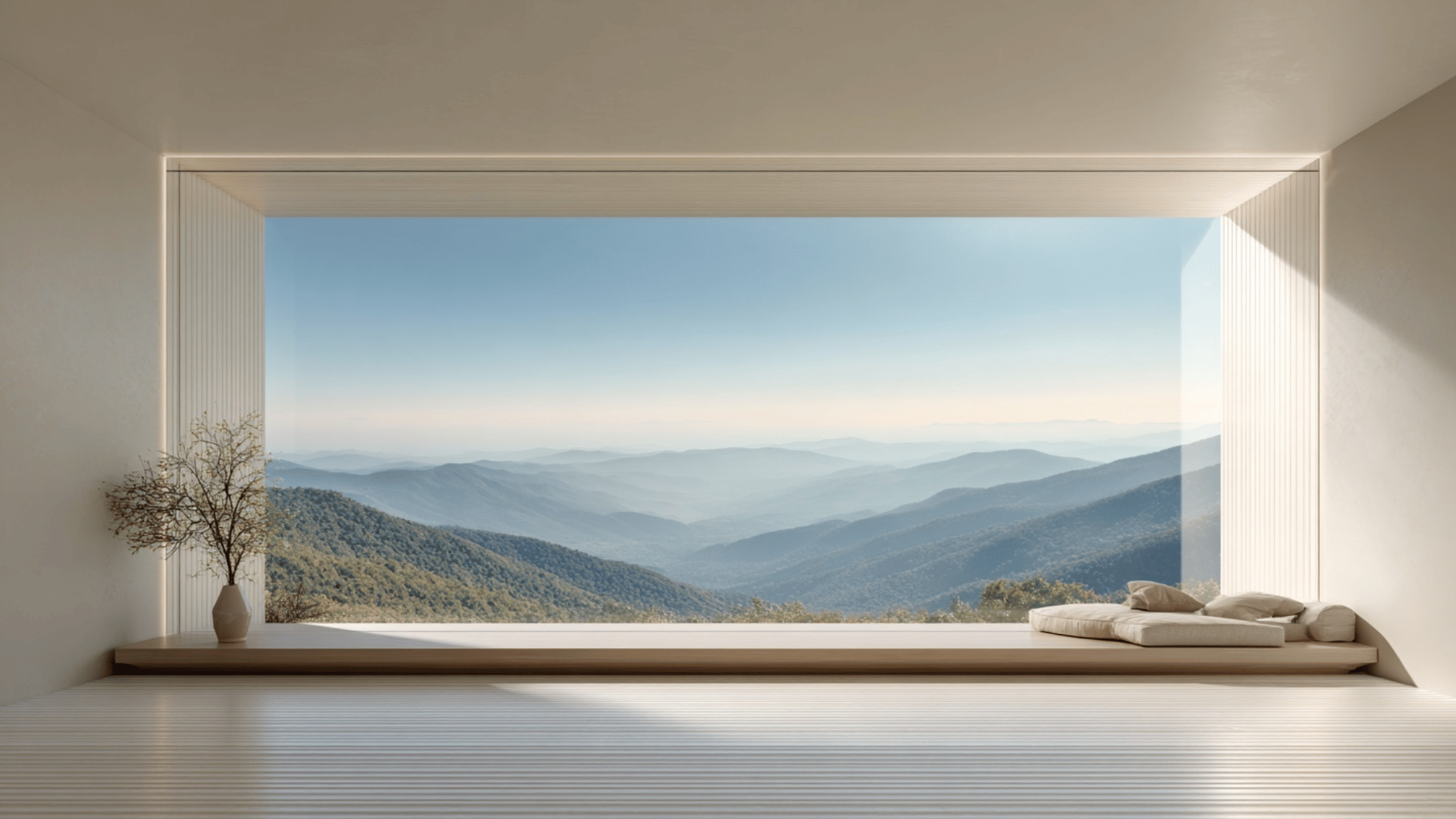
Picture windows are more than just glass and frames. They bring light, views, and style into a home. But finding the right design can feel tricky.
Should the window be large or small? What about curtains or blinds? These questions often leave homeowners stuck.
The picture windows work in almost any space. They fit living rooms, bedrooms, and even kitchens. With the right idea, they can change how a room feels.
Natural light pours in, making spaces look bigger and brighter. Plus, the view outside becomes part of the decor. This blog shares practical picture window ideas. Each one is simple to understand and easy to picture in real homes.
What is a Picture Window and Its Key Characteristics?
A picture window is a fixed, non-opening window designed to frame outdoor views like a picture. It has no grilles or dividers, just a single pane of glass. This creates an unobstructed view and lets in maximum natural light.
Key Characteristics:
- Fixed design: Picture windows don’t open, so they’re purely for viewing and light.
- Large glass panels: They usually feature one big pane without dividers for an unobstructed view.
- Energy efficient: Since they’re sealed shut, they offer better insulation than operable windows.
- Low maintenance: Fewer moving parts mean less wear and tear over time.
- Versatile placement: They work in almost any room, from bedrooms to home offices.
Best Picture Window Ideas for Better Inspiration
These ideas showcase modern, classic, and rustic approaches that boost interiors while framing outdoor scenery beautifully with balance.
1. Black-Framed Picture Windows
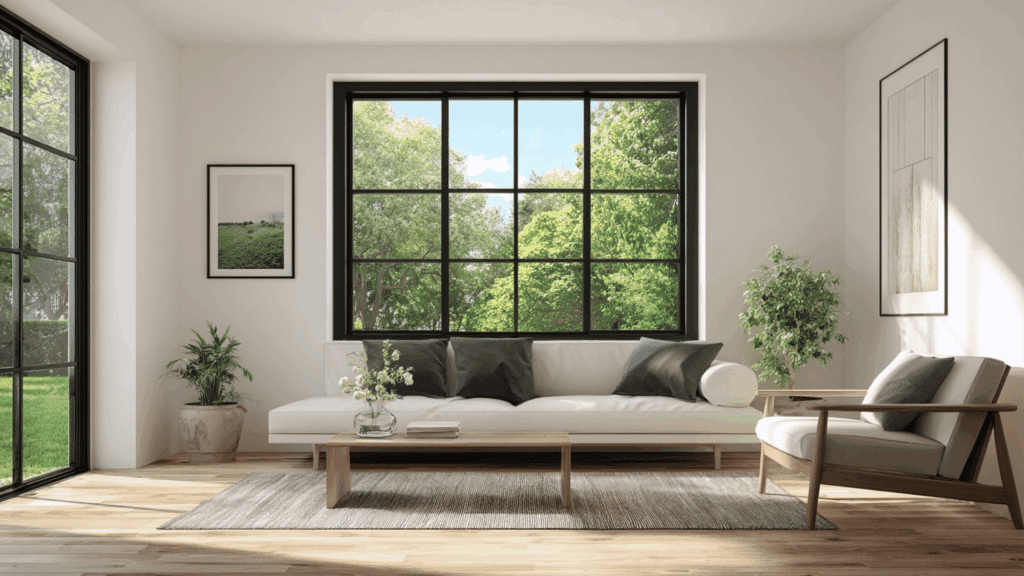
Black-framed picture windows create bold contrast, defining views like artwork.
The dark outlines suit modern, industrial, and farmhouse interiors, adding structure without visual clutter. They pair well with white walls, exposed beams, and metal accents.
Beyond aesthetics, black frames reduce glare perception and visually slim large expanses of glass, making oversized windows feel intentional, architectural, and refined rather than overwhelming.
2. Floor-to-Ceiling Glass Walls
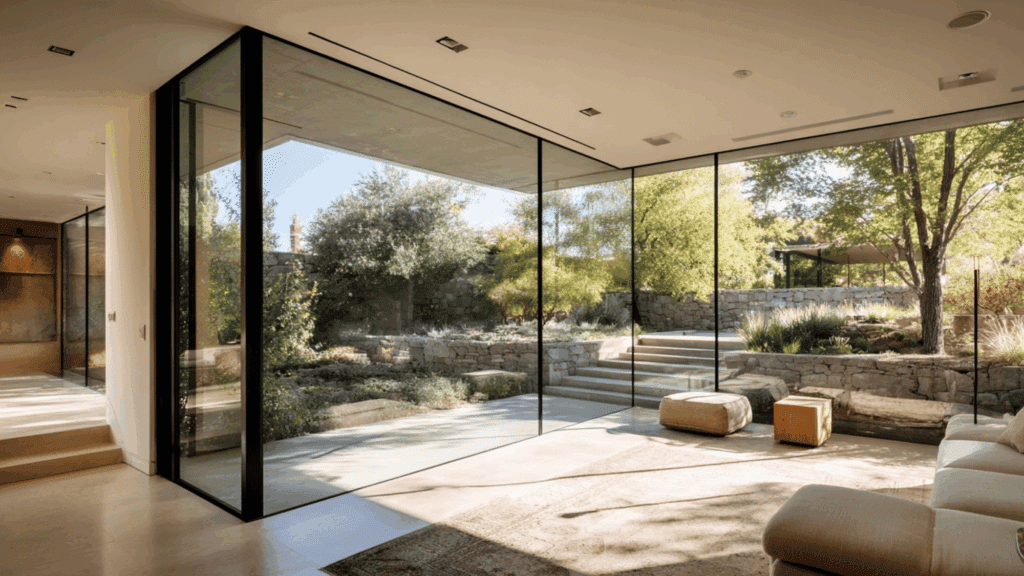
Floor-to-ceiling glass walls dissolve boundaries between indoors and outdoors, maximizing daylight and panoramic views.
Ideal for contemporary homes, they boost spatial flow and make rooms feel expansive. These installations work best with minimalist furnishings and strong structural planning.
When paired with proper glazing, shading, and insulation, they maintain comfort while delivering dramatic visual impact and seamless connection to surrounding landscapes.
3. Frameless Minimalist Designs
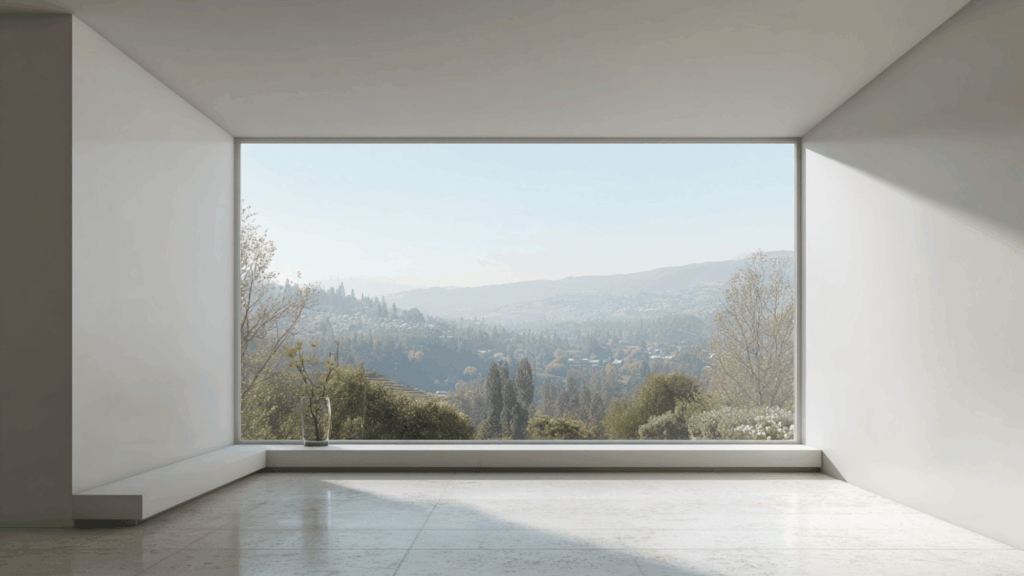
Frameless minimalist picture windows prioritize uninterrupted views and clean lines.
By reducing visible hardware, they emphasize simplicity and architectural purity. This style suits modern and luxury interiors where subtle detailing matters.
Advanced engineering supports large glass panels safely, while careful installation ensures durability. The result is a refined, airy aesthetic that highlights scenery, light movement, and material textures within the space.
4. Central Picture with Flanking Casements
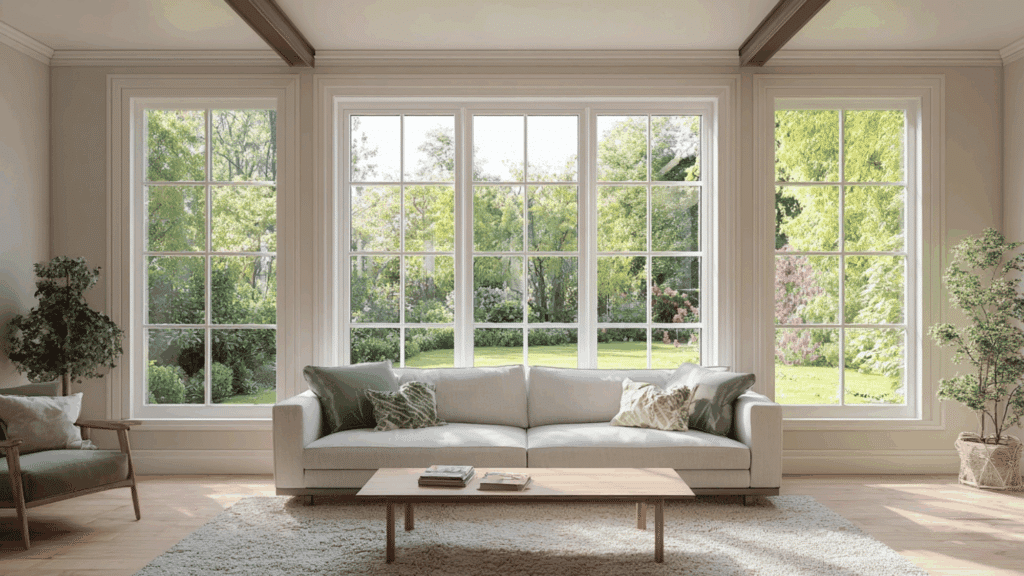
A central picture window flanked by operable casements balances views with ventilation. The fixed center pane frames scenery, while side windows allow airflow and practical use.
This configuration fits transitional and traditional homes, offering symmetry and flexibility.
It works well in living rooms and bedrooms, delivering visual focus without sacrificing comfort, usability, or energy-efficient window performance for everyday residential living.
5. XOX Layout (Fixed-Operable-Fixed)
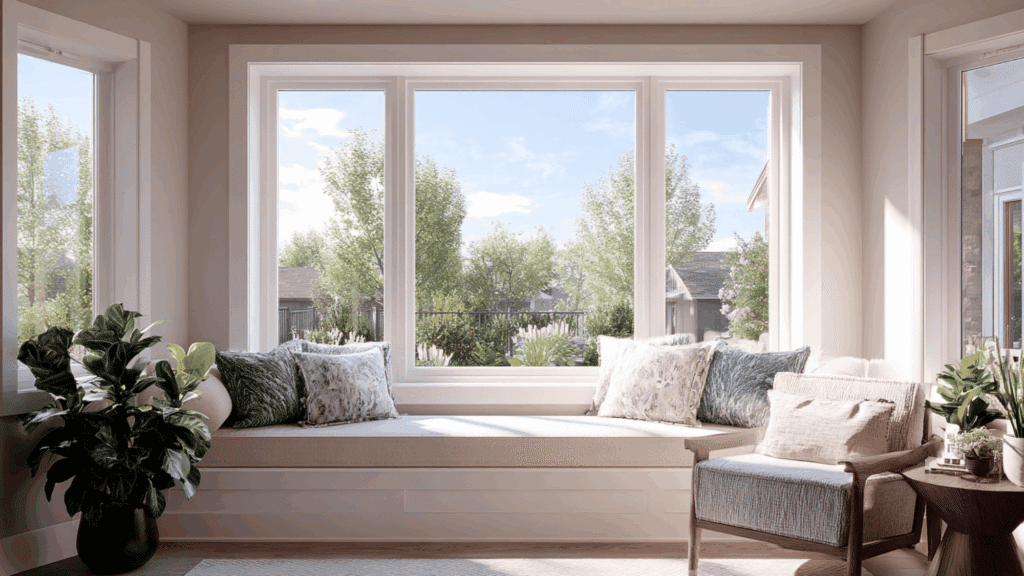
The XOX layout combines a fixed picture window centered between two operable units. It delivers expansive views while preserving ventilation and emergency egress.
Popular in modern and suburban homes, this arrangement feels balanced and functional.
Designers often use it in main living areas to emphasize outdoor focal points while maintaining flexibility, comfort, and everyday practicality without complicating window maintenance or aesthetics.
6. Transom-Topped Picture Windows
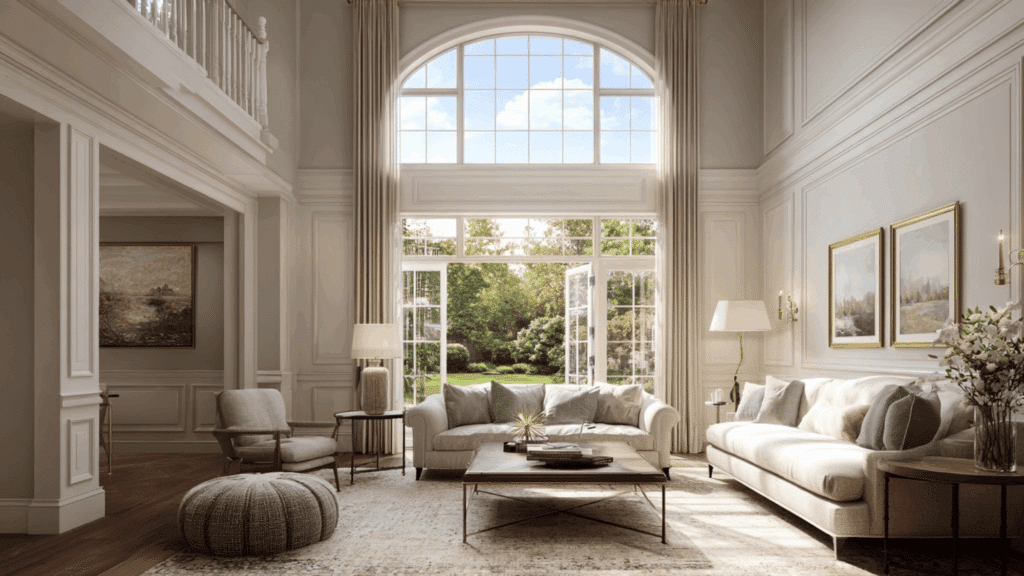
Transom-topped picture windows add vertical emphasis and architectural elegance.
The upper transom introduces extra daylight while preserving privacy and wall space below. This design suits traditional, colonial, and updated classic homes.
It visually heightens ceilings and amplifies proportions. Combined with simple trim or decorative muntins, transom-topped windows feel timeless, refined, and well-balanced in formal living and dining spaces, especially.
7. Arched Top Picture Windows
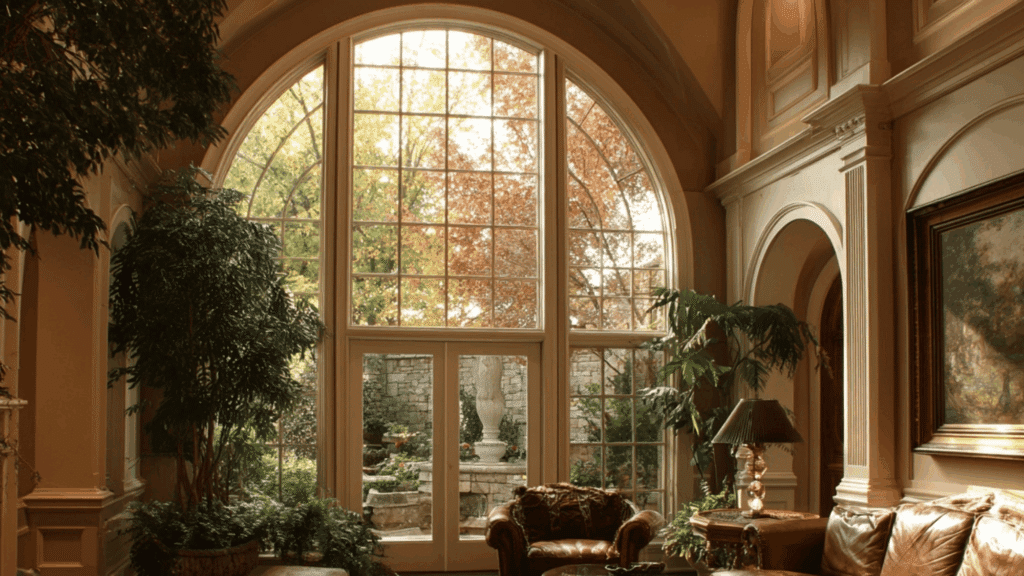
Arched top picture windows introduce softness and classic character through graceful curves. They work beautifully in Mediterranean, traditional, and European-inspired architecture.
The arch draws the eye upward, creating a sense of grandeur and openness. Often used as statement features, these windows complement high ceilings and entryways, blending natural light with decorative architectural interest for visually striking interior focal points overall.
8. Geometric Grid Patterns
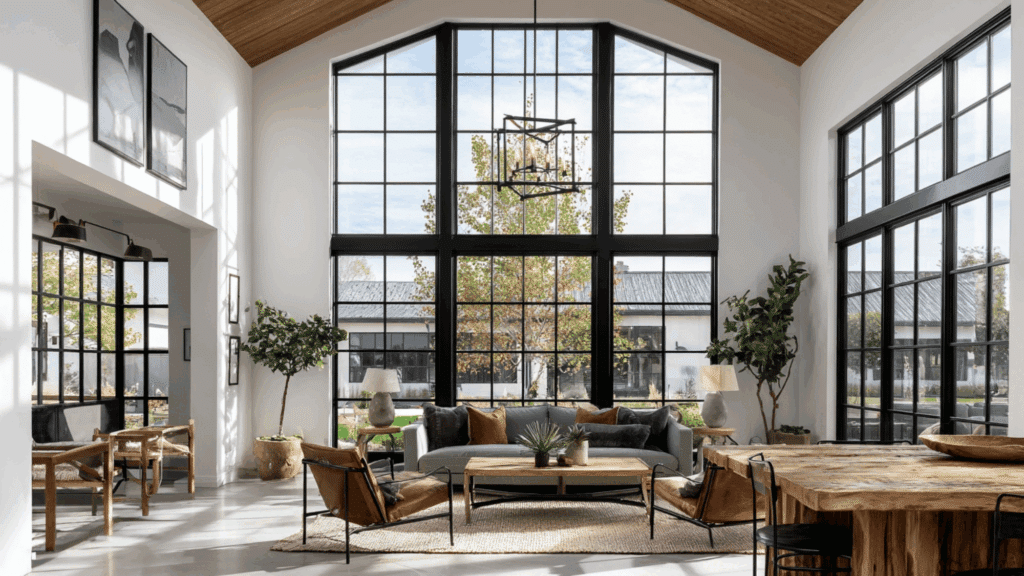
Geometric grid patterns divide picture windows into structured sections, adding rhythm and visual interest. This style suits industrial, modern farmhouse, and urban loft spaces.
Grids help scale large glass areas while maintaining openness.
While using thin muntins or bold lines, geometric layouts create architectural definition, reinforce symmetry, and complement both contemporary and heritage-inspired interior designs.
9. Corner Picture Windows
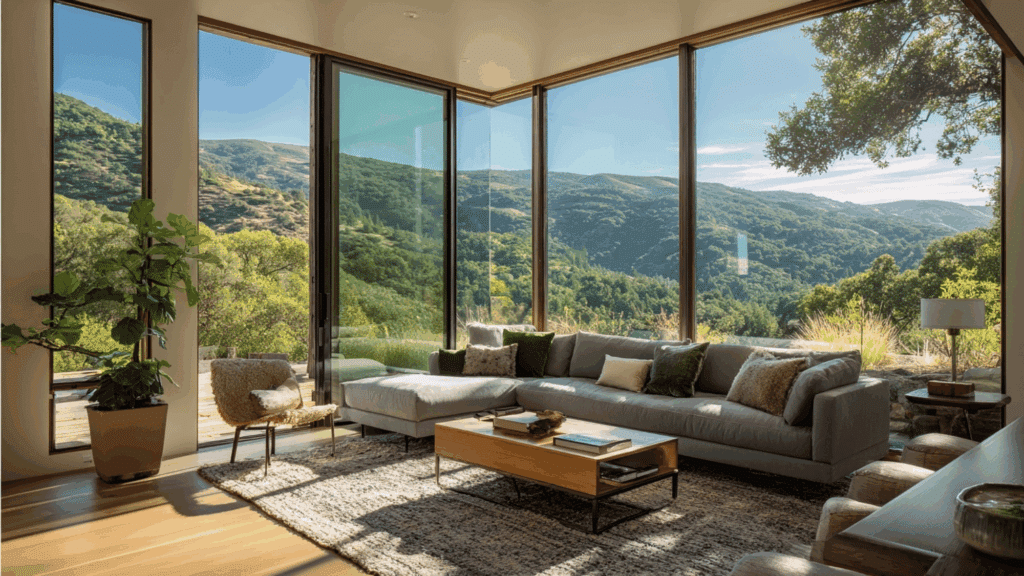
Corner picture windows remove visual barriers, wrapping views around the room. By meeting at a glass-to-glass junction, they flood interiors with light and boost spatial drama.
This approach works best in modern homes with engineered support. Corner windows highlight landscapes from multiple angles, making living areas feel expansive, dynamic, and closely connected to their surroundings through thoughtful architectural detailing and placement.
10. Picture Window with Built-In Seat
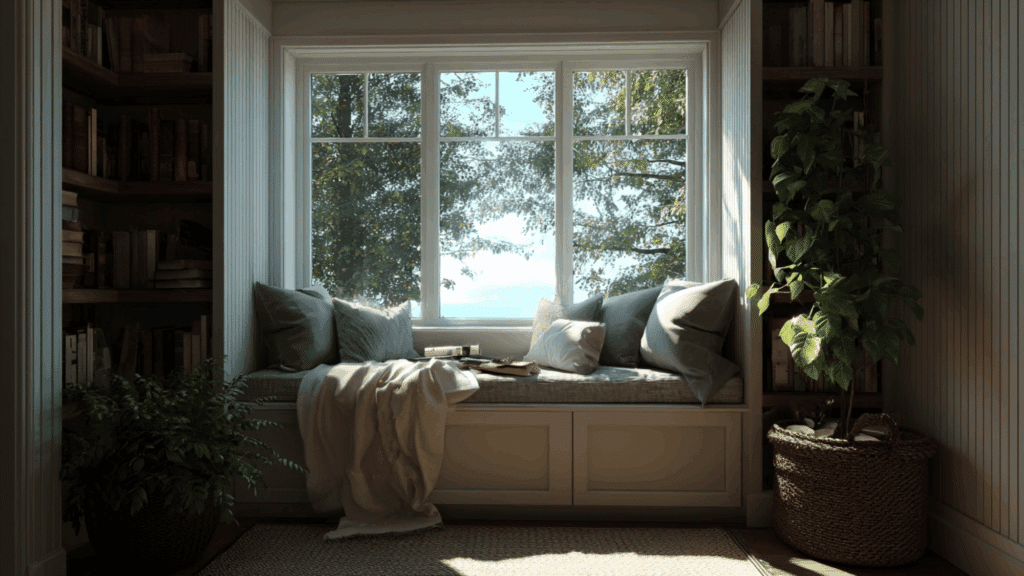
A picture window with a built-in seat transforms views into usable living space.
The seating nook invites relaxation, reading, or quiet reflection while enjoying natural light. This idea suits cottages, family homes, and cozy interiors.
Storage can be integrated below the seat, making the design both charming and practical without sacrificing the window’s visual impact or compromising surrounding wall functionality.
11. Multiple Horizontal Panes in a Row
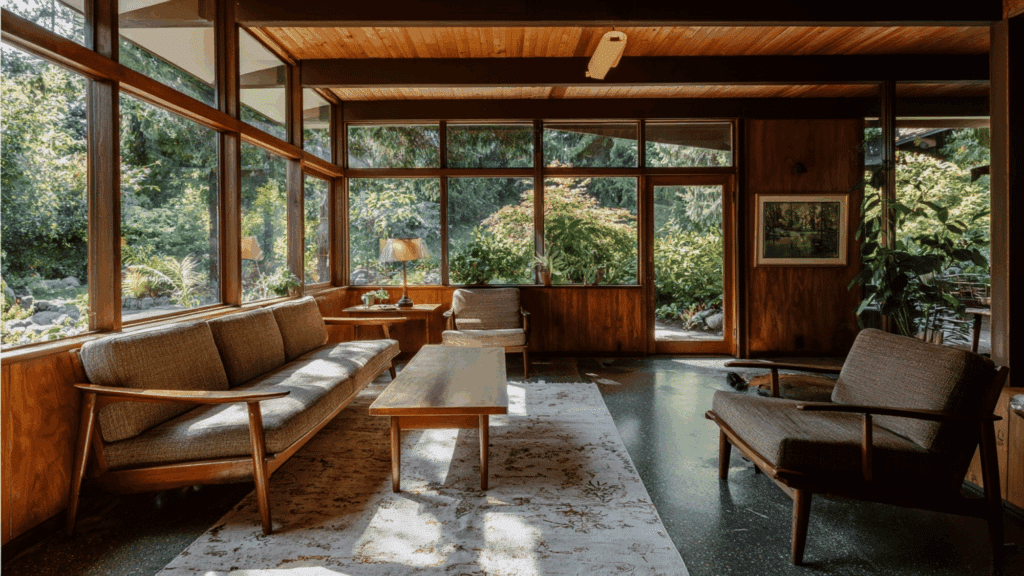
Multiple horizontal panes arranged in a row emphasize width and linear flow. This design complements mid-century modern and contemporary architecture.
The repeated panes guide the eye across the landscape and visually elongate rooms.
Often used in living spaces or corridors, horizontal picture windows deliver consistent daylight while reinforcing strong, clean architectural lines through disciplined spacing and alignment principles of design.
12. Textured Glass for Privacy
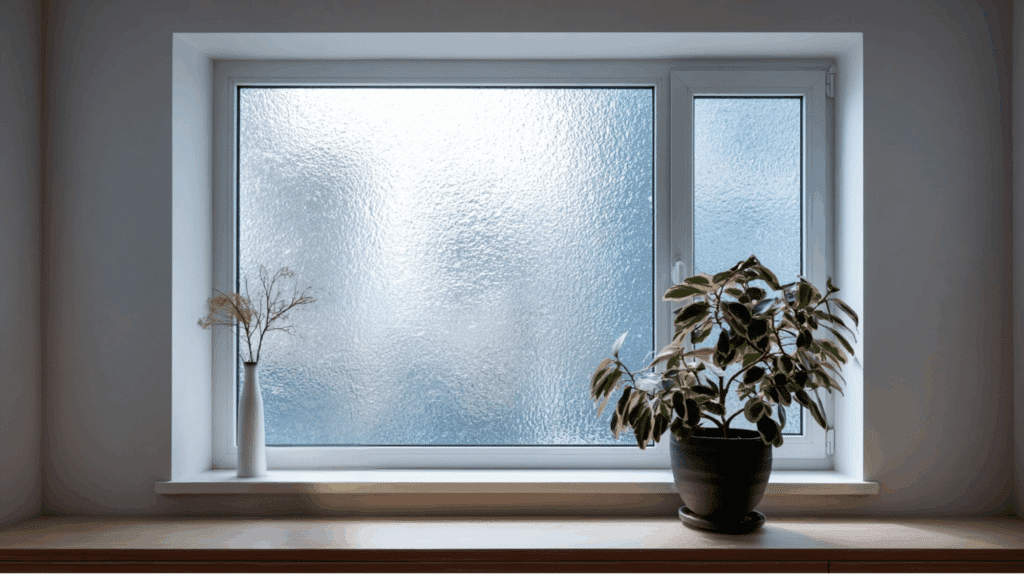
Textured glass picture windows balance light with privacy, diffusing views without blocking brightness.
Patterns like frosted, reeded, or etched glass add subtle character. This option works well in bathrooms, stairwells, or urban settings.
Textured surfaces soften sunlight, reduce direct sightlines, and introduce decorative interest while maintaining the benefits of a fixed picture window in compact or overlooked interior zones.
13. Rustic Wood-Framed for Barn Lofts
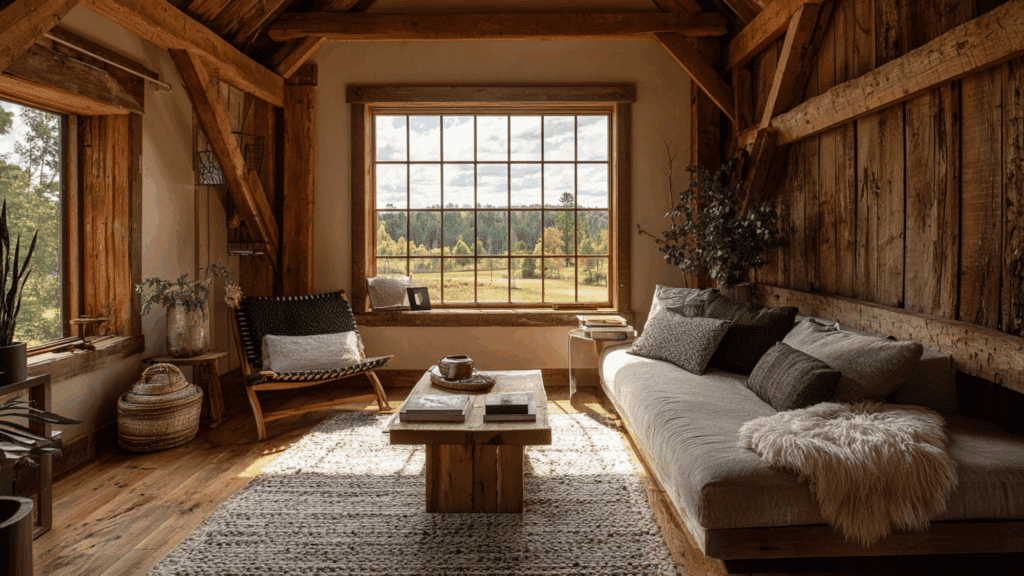
Rustic wood-framed picture windows bring warmth and authenticity to barn lofts and converted spaces.
Natural timber adds texture and contrast against metal or concrete elements. This style celebrates craftsmanship and imperfection.
Wood frames pair beautifully with expansive glass, creating inviting interiors that feel grounded, lived-in, and visually connected to surrounding rural or industrial environments through honest materials and scale choices.
Picture Window Installation Costs
Picture window prices vary based on size, material, and labor. Vinyl costs less than wood or fiberglass. Installation adds to the total, especially for custom designs or larger openings.
| Cost Factor | Price Range |
|---|---|
| Standard vinyl window | $600–$1,200 |
| Wood or fiberglass window | $1,200–$3,000 |
| Custom or oversized window | $1,000–$6,000+ |
| Professional installation | $100–$300 per window |
| Total average cost | $650–$1,900 (installed) |
Maintenance Tips for Long-Lasting Picture Windows
Picture windows need simple care to stay clear and functional. Regular cleaning and inspections prevent damage. A little upkeep keeps them looking great and working well for years.
- Clean glass regularly: Use a mild soap solution and a soft cloth to remove dirt and streaks.
- Inspect seals and caulking: Check for cracks or gaps that could let in moisture or air.
- Wipe down frames: Dust and debris can build up on vinyl, wood, or metal frames over time.
- Check for condensation: Excess moisture between panes may signal a broken seal that needs repair.
- Trim nearby vegetation: Keep branches and bushes away to prevent scratches or damage during storms.
- Repaint or reseal wood frames: Protect wooden frames from rot by applying fresh paint or sealant every few years.
Conclusion
Picture windows offer a simple way to improve how a home looks and feels. They bring in light, highlight outdoor views, and work with different design styles.
Choosing the right option depends on the room, view, and personal taste. Some homeowners prefer minimal frames, while others add curtains or grilles for extra style.
Regular cleaning and maintenance keep these windows clear and functional for years.
With the right picture window, any room can feel brighter, bigger, and more connected to the outdoors. It’s a change that’s both practical and visually rewarding.