

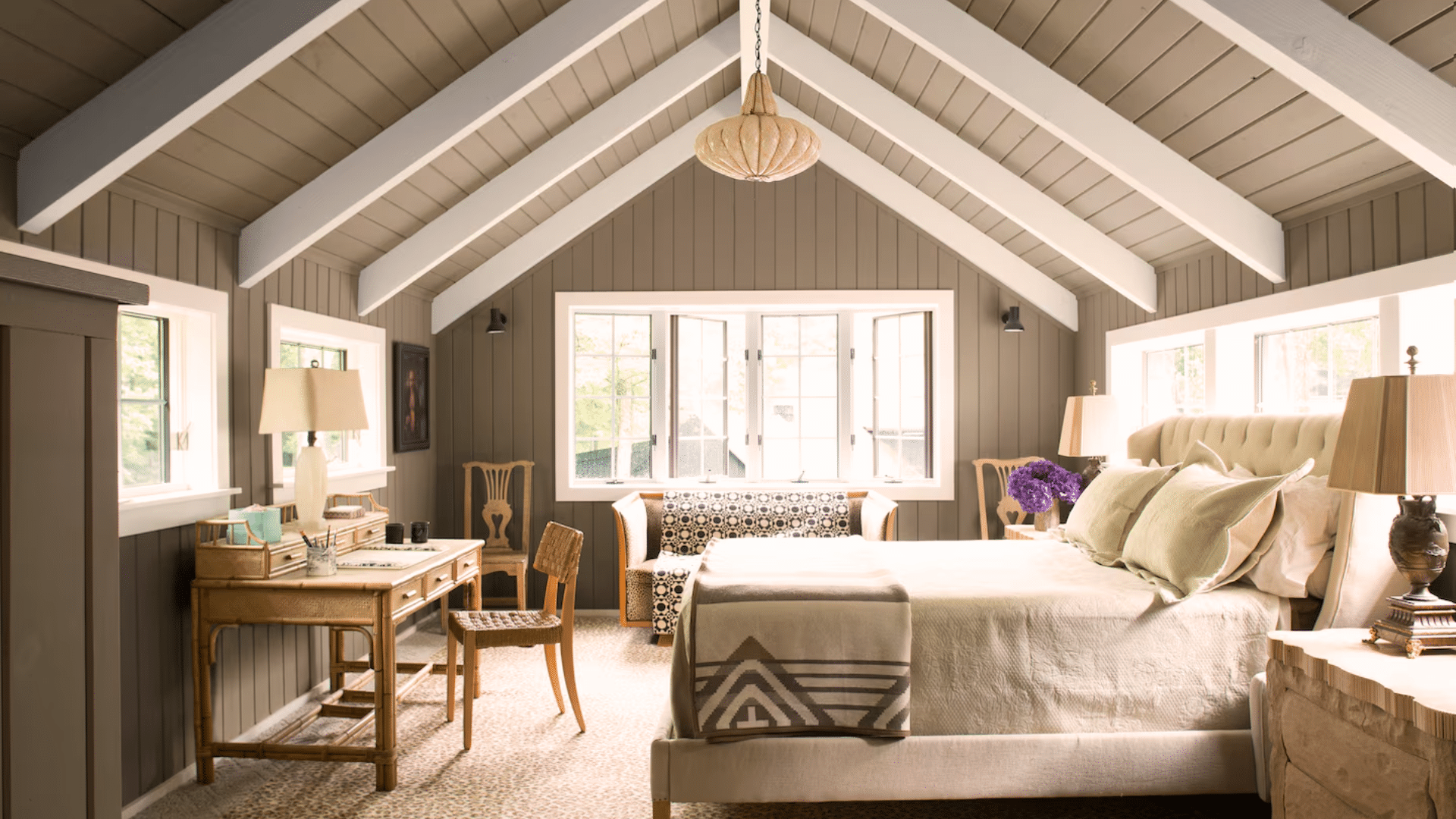
Many homeowners ask about the pros and cons of painting the ceiling the same color as the walls, and I’ve had the same question in my own projects.
You may be wondering if using one color will make your room feel calm or if it could make the space feel closed in.
This is a common choice, and it can change the way a room looks more than most people expect. I wrote this guide to help you see both the good and the not-so-good sides of this approach.
You’ll learn when one color works well, when it might not, how lighting changes the look, and simple rules to help you decide.
By the end, you’ll know exactly how to choose the right paint plan for your space, and you will feel confident about your next paint project.
Why Color Matching Matters for Ceilings and Walls?
Color matching matters because the ceiling and walls work together to shape how a room feels. When both surfaces share one color, the lines in the room stand out less, which can make the space feel steadier.
This helps your eye move across the room without sharp breaks. It also has a big impact on how you see height.
A single color can make a low ceiling feel less tight, while a different ceiling color can highlight the ceiling line.
Lighting also changes the way one color appears across surfaces, so the match can either smooth things out or make shadows clearer.
When you understand how color affects shape and light, you can make better choices for your home.
This is why thinking about the ceiling and walls as one connected surface can help you plan a room that feels more put-together.
Pros of Painting Ceilings the Same Color as Walls
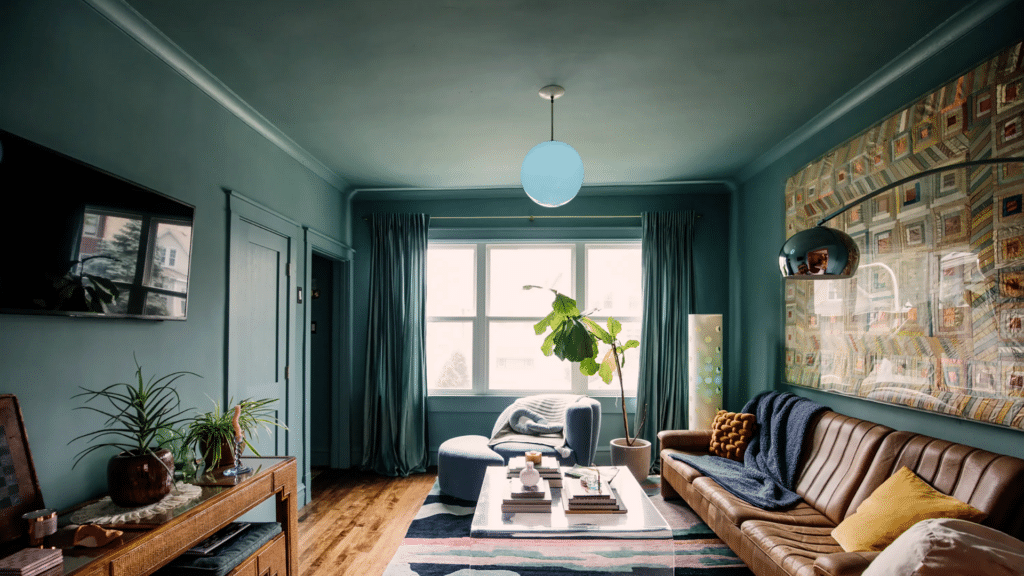
Using one color for both surfaces can change how a room feels and simplify your paint choices. This section explains the key upsides so you can see when this approach works in your favor.
1. Creates a Smooth and Clean Look
Painting the ceiling and walls the same color removes sharp visual breaks, which helps the room feel steady.
Your eye moves across the space without stopping at the ceiling line, so the room feels more put together. This works well in smaller rooms or spaces with simple trim.
It also helps when you want a calm backdrop for furniture and decor.
By keeping everything one color, you avoid contrast lines that can make a room feel busy.
2. Makes Low Ceilings Feel Less Noticeable
A single color can help hide where the wall meets the ceiling, which can make a low ceiling feel less tight.
Since your eye doesn’t stop at a contrasting line, the room can feel more open.
This helps in older homes with low ceilings or in small spaces where every inch matters. The effect won’t raise the ceiling, but it can reduce how much attention it gets.
This simple trick often makes a room feel easier to be in.
3. Helps Small Rooms Feel More Put Together
Small rooms can feel broken up when too many colors meet at sharp edges.
Using the same color on the ceiling and walls softens those breaks and helps the space feel steadier. This gives the room a cleaner look without adding extra work.
It’s especially useful in tight bedrooms, hallways, or home offices.
When all surfaces share one color, the room feels more organized. This approach also gives you freedom to add color through decor instead of the walls.
4. Reduces Paint Decisions and Stress
Using one color for both the ceiling and walls cuts down on choices, which can make the project feel more manageable.
You don’t have to compare multiple tones or worry about how different colors will meet at the edges.
This simple plan also reduces the chance of picking colors that clash. For many homeowners, fewer decisions mean the project moves faster.
It also makes touch-ups easier later since you only keep track of one paint color.
5. Works Well with Modern and Minimal Styles
Many modern rooms rely on clean lines and simple color plans. Painting the ceiling and walls the same color supports a look by removing sharp contrast.
This helps the room feel steady and lets the furniture stand out more naturally.
It also pairs well with smooth trim or limited decor. If you prefer a simple and calm setting, this method often fits without extra work.
The room feels more unified, and the look stays easy to maintain over time.
Cons of Painting Ceilings the Same Color as Walls
Using one color across every surface can work well, but it also has limits. This section helps you understand the drawbacks so you can decide if this approach fits your space.
1. Can Make Large Rooms Feel Heavy
In a big room, one solid color from top to bottom can feel like too much, especially when the color is dark or bold.
With no contrast to break things up, the room may look flat and even a little closed in. The ceiling can feel lower than it is because the eye has no clear stopping point.
This makes the room lose some of its shape and depth.
Many large spaces work better with a lighter ceiling to keep the room feeling open and balanced.
2. Reduces Helpful Contrast in Some Spaces
Many rooms rely on contrast to highlight trim, shape the walls, and show where surfaces change.
When the ceiling and walls share the same color, those details can fade out, which may make the room look plain. This becomes more noticeable when the furniture and flooring also follow a similar color pattern.
Without a change in value or tone, the room can feel washed out instead of steady.
Some spaces need contrast to guide the eye and make the layout feel clearer.
3. Harder to Fix if the Color Feels Too Strong
Using the same color on the ceiling and walls leaves less room for error because any mistake affects the entire room.
If the shade feels too bold, dark, or warm once it dries, correcting it means repainting both surfaces. This adds a lot of time and cost.
You also lose the option of softening the look with a different ceiling color once everything matches.
Since color behaves differently at various angles, the ceiling may show tones you didn’t expect, making changes even harder.
4. Can Increase Shadow Visibility
Shadows can look stronger when ceilings and walls share the same color, especially in rooms with limited natural light or uneven fixtures.
With no lighter surface to bounce light, the color may appear deeper in some spots and dull in others.
This can highlight bumps, texture, or flaws you didn’t notice before. A separate ceiling color often helps soften these areas and adds brightness.
Without it, the room may feel darker and more closed in throughout the day.
5. May Not Suit Detailed Trim or Architectural Features
Rooms with crown molding, beams, or special trim often look their best when these details stand out against the walls and ceiling.
Using one color everywhere can hide the depth and lines that give the room character. This is especially true in older homes where these features add style and value.
When everything blends together, the room loses some of its dimension.
A different ceiling or trim color helps highlight the craftsmanship and makes the space feel more balanced and complete.
When Should You Avoid Using One Color for Everything?
You may want to skip using one color for everything when a room needs contrast to show its shape or features.
This is common in spaces with detailed trim or strong architectural lines, because those elements can blend in too much when the ceiling and walls match.
It can also be a problem in rooms with low natural light, since one color may look darker and highlight shadows.
If the room has bold furniture or busy patterns, a single color can make the space feel flat. Some colors also appear stronger on ceilings, which may make the room feel heavier than you expect.
In these cases, a lighter ceiling or a different tone helps balance the space.
Using separate colors gives you more control and keeps the room from losing its structure.
When Matching Ceilings and Walls Works Best?
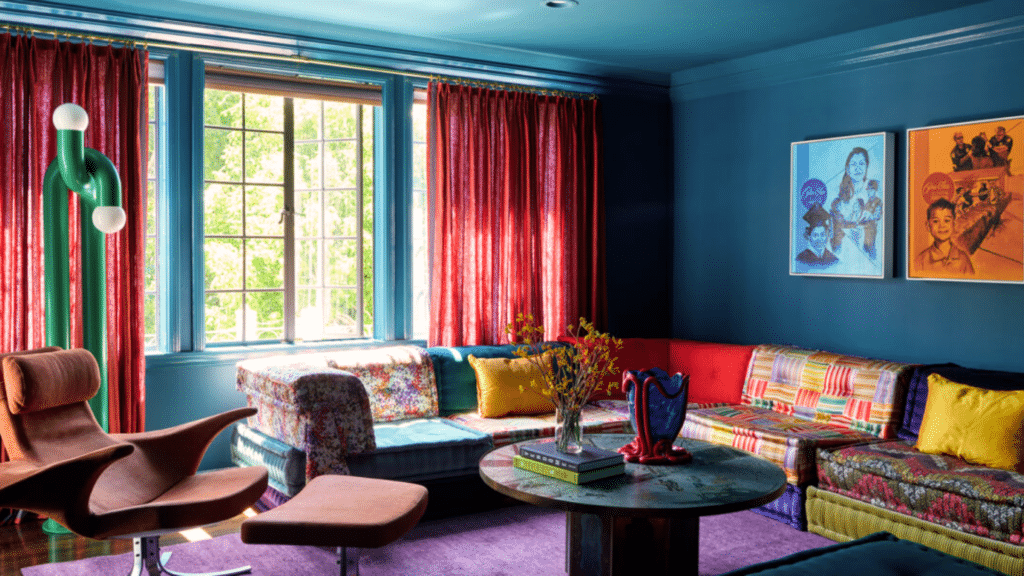
Some rooms benefit from using one color because the layout, size, or features make the approach look natural. These points will help you see where it makes the most sense.
1. Small Rooms with Tight Corners
Small rooms often benefit from one color because it reduces sharp breaks at the ceiling line.
When walls and ceilings match, the eye moves more smoothly across the space, which helps the room feel steady instead of chopped into sections.
This works well in small bedrooms, offices, and closets where contrast can make the space feel even smaller.
The matched color also helps corners soften, creating a cleaner look that feels easier to work with when arranging furniture or adding decor.
2. Rooms with Simple Trim or Clean Lines
Spaces with minimal trim or streamlined details respond well to a single-color plan because there are fewer features that need contrast to stand out.
When the walls and ceiling share the same color, the room keeps a simple shape without drawing extra attention to edges or transitions.
This can make the design feel calm and intentional.
It’s especially helpful in newer homes or modern layouts where clean lines matter. The look stays easy to maintain and supports a straightforward style.
3. Hallways or Long Narrow Spaces
Hallways often feel broken up because of frequent door frames and long ceiling lines.
Using one color can help create a smoother path by reducing the visual stops along the way. With matching ceilings and walls, the hallway feels more continuous, which keeps it from feeling crowded.
This also avoids harsh contrast in tight areas where lighting may not be even.
The result is a more comfortable space that feels easier to walk through and less boxed in.
4. Rooms with Even or Consistent Lighting
Rooms that receive steady natural or artificial light often handle one color well because the shade stays balanced across surfaces.
When lighting is even, the ceiling doesn’t pick up unexpected shadows or shifts in tone, so the match looks smooth.
This helps the room feel simple and steady without drawing attention to slight changes in texture. It works well in living rooms, offices, or spaces with wide windows or well-placed fixtures.
The consistent light keeps the color looking clean throughout the day.
5. Modern or Minimal Style Interiors
Modern and minimal spaces often rely on simple lines and a clean color plan, making a single-color approach a natural fit.
Matching the ceiling and walls removes extra contrast and supports the room’s straightforward look. This also gives furniture and decor more room to stand out without competing with bold edges.
It works well in open layouts, updated homes, or rooms with sleek finishes.
The color match helps maintain an easy, steady feel that suits this style without extra effort.
Tips for Choosing the Right Paint Color
These points will help you pick a color that works well on both the walls and ceiling without creating issues in the room.
- Test samples on both walls and the ceiling to see how the shade shifts in different angles.
- Check the color in natural and artificial light since tones can change throughout the day.
- Pick softer, easy-to-live-with colors if you want a steady look that won’t feel too strong.
- Use a flat finish on the ceiling to hide marks and slight texture differences.
- Compare the color against your trim, flooring, and furniture to avoid mismatched tones.
- Start with lighter shades in small or low-light rooms to prevent the space from feeling closed in.
- Look at the sample from across the room so you can see how the color reads at a distance.
How Lighting Changes the Look of a Painted Ceiling?
Lighting can change how a painted ceiling looks because light affects color strength, shadows, and overall brightness.
In rooms with good natural light, the ceiling color often appears softer and more even. But in low-light spaces, the same color may look darker or show uneven areas.
Warm bulbs can shift the ceiling toward yellow or beige, while cool bulbs can make it look slightly blue or gray.
Shadows also play a bigger role when the ceiling matches the walls, since there’s no lighter shade to soften them. You may notice corners looking deeper in color or certain areas appearing dull at night.
This is why checking paint samples at different times of day is important.
The goal is to understand how the color behaves in real conditions so the ceiling looks the way you expect once the room is fully painted.
Simple Rules to Help You Decide for Your Space
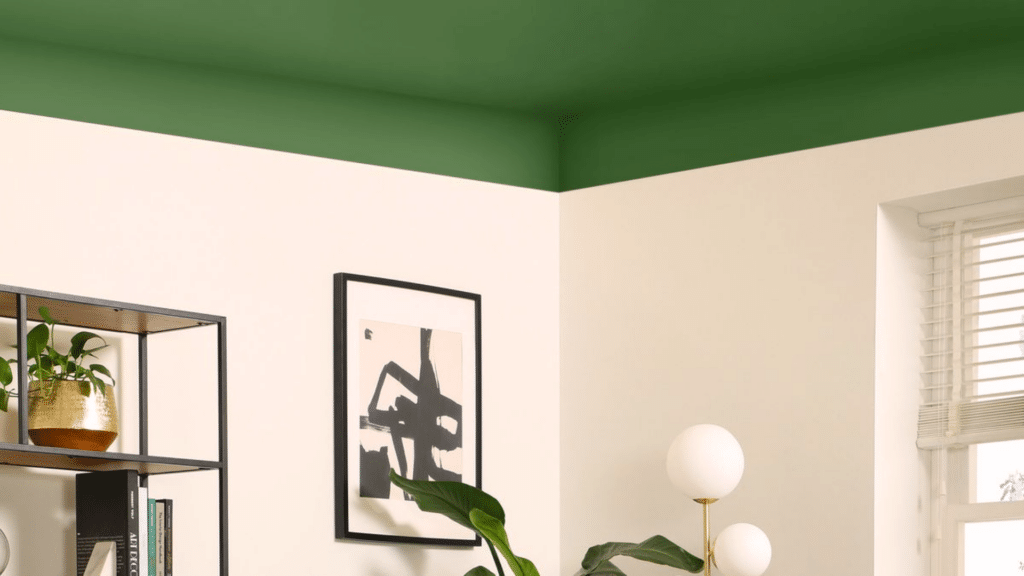
These points offer quick, practical guidance so you can make a choice that fits your room’s size, light, and layout.
- Start by checking how much natural light the room gets, since light changes how the ceiling color will read.
- Think about ceiling height because low ceilings often benefit from matching colors, while high ceilings may need contrast.
- Look at your trim, doors, and floors to see if they need separation from the walls.
- Test samples on both the walls and the ceiling to catch tone shifts early.
- Use lighter shades in small rooms to avoid a closed-in feel.
- Choose contrast if the room has strong architectural features you want to highlight.
- Step back and view the room from different angles before making your final call.
Conclusion
A matching ceiling and wall color can shape a room in simple but meaningful ways, and now you’ve seen how the choice works both for and against certain spaces.
You’ve learned how lighting, room size, trim details, and color strength all affect the final look.
The goal isn’t to follow a strict rule but to choose what feels right for your home. When you understand how these elements work together, the decision becomes much easier.
Use the ideas in this guide to test colors, review your room’s layout, and pick an approach that supports the look you want.
If you’ve tried this in your own space, share what you learned in the comments.