

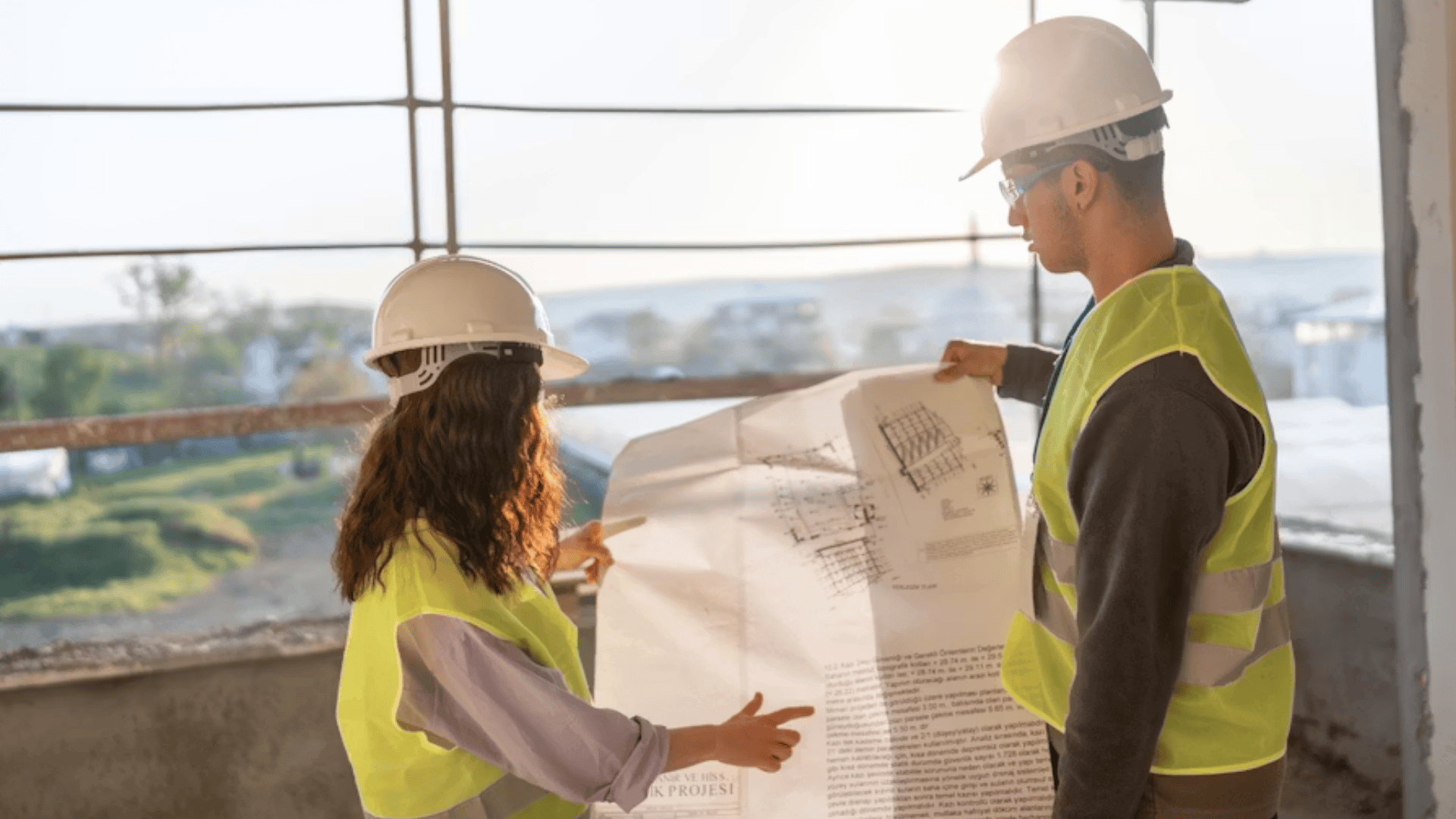
Reducing risk in construction starts with design accuracy and strong structural protection, helping prevent delays, control budgets, and improve on-site safety.
By investing in precise planning and robust protective measures, you minimize costly errors, enhance efficiency, and ensure projects deliver lasting value and long-term success.
Understanding Risk in Construction Projects
Risk in construction projects can stem from various unpredictable elements, such as financial instability, design errors, or environmental factors. Effectively managing these risks is crucial to safeguarding project timelines, budget, and overall success.
Common Sources of Construction Risk
Construction projects are rife with potential risks, many of which are common across the industry. Design flaws can lead to significant delays if they require substantial corrections.
Financial risks involve budget overruns due to unexpected costs, often related to labor, materials, or unforeseen site conditions.
Environmental conditions, like severe weather, can halt progress and increase costs. Regulatory compliance issues, stemming from changes in laws or misunderstandings of existing codes, pose another threat. By proactively identifying these risks, you can better prepare and mitigate potential setbacks.
Impact of Risk on Project Success
The presence of risk in construction influences not just the financial health of a project but also its timely completion. Delays caused by unforeseen risks can lead to financial penalties or lost revenue opportunities. In some cases, risks can accumulate, straining relationships among stakeholders and damaging reputations.
A lack of proper risk management might result in structural deficiencies, potentially threatening safety and necessitating expensive remediation.
Effective risk handling ensures project delivery aligns with initial expectations and safety standards, fostering trust and future opportunities.
Recognizing Early Warning Signs
Spotting early warning signs is essential to managing risk proactively. Frequent design modifications may signal deeper design flaws, while budget discrepancies often indicate emerging cost overruns.
Monitoring schedule variations and engaging regularly with on-site teams can reveal delays, safety concerns, or supply chain issues before they escalate.
Boosting Design Accuracy for Stronger Outcomes
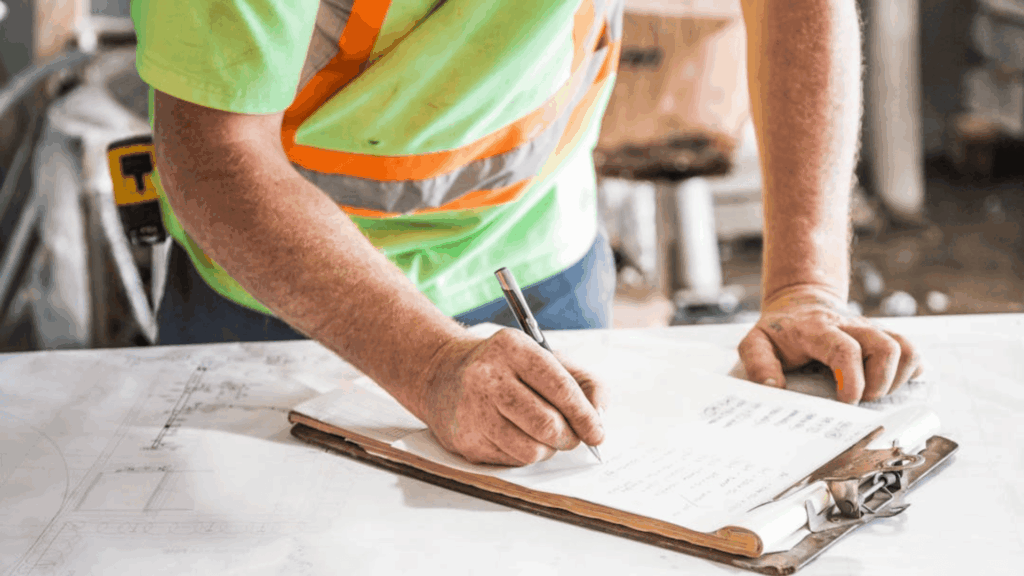
Achieving precision in construction design is essential for reducing risks and enhancing project success. Key strategies include thorough planning, utilizing cutting-edge technology, minimizing errors by individuals, and ensuring smooth collaboration among all parties.
Best Practices for Detailed Design Planning
Developing a comprehensive design plan sets a solid foundation for a successful construction project. It’s important to begin with a well-researched groundwork that includes accurate site assessments and feasibility studies. Creating detailed blueprints with precise measurements and specifications eliminates ambiguities.
You should prioritize clear communication during the planning phase, involving all relevant experts to ensure alignment.
Applying structured methodologies such as Cambridge design principles can help formalize decision-making, clarify assumptions, and reduce ambiguity early in the process. Using tools like Gantt charts helps in tracking milestones and deadlines, promoting a proactive approach to potential issues.
A systematic review and feedback loop can address any gaps early, saving time and resources in the long run.
Leveraging Advanced Technology in Design
Incorporating advanced technology can significantly enhance design accuracy and construction outcomes. Building Information Modeling (BIM) allows teams to visualize designs, test structural integrity, and make informed adjustments.
Augmented reality supports real-time error detection, while drones provide precise aerial surveys that deliver accurate, up-to-date site data.
Minimizing Human Error in the Design Process
Human error is a common challenge in design processes, but its impact can be reduced through standardized procedures, checklists, and ongoing training.
Encouraging open communication and implementing peer review systems ensures designs are thoroughly reviewed, helping identify issues early and prevent costly mistakes.
Coordinating Stakeholder Collaboration
Effective collaboration among stakeholders is crucial for boosting design accuracy. Open communication channels ensure that everyone, from architects to project managers, is on the same page.
Regular meetings provide opportunities to discuss progress, address concerns, and make necessary adjustments.
Utilizing collaborative platforms like shared document repositories allows for real-time updates and feedback. This transparency fosters trust among stakeholders and aligns their goals. Establish clear roles and responsibilities to prevent overlaps, ensuring a smooth workflow.
By prioritizing stakeholder collaboration, you enhance the overall design process, leading to more reliable project outcomes.
Essential Strategies for Structural Protection
To ensure the safety and longevity of construction projects, focusing on structural protection is essential.
This involves the careful selection of materials, adherence to safety standards, and implementation of protective methods that enhance durability and resilience.
Selecting High-Quality Materials
Choosing materials of the highest quality is crucial in construction. Steel, concrete, and wood are commonly used materials, each with specific properties that suit various structural needs.
Steel is known for its strength and flexibility, making it ideal for structures that must withstand high stress. Meanwhile, concrete offers durability and fire resistance, while wood provides versatility and aesthetic appeal.
When selecting materials, consider factors such as weather conditions and potential environmental impacts. High-quality materials often come with detailed specifications and third-party certifications.
Investing in these ensures not just compliance but long-term savings through reduced repair and maintenance costs.
Integrating Safety Standards into Design
Integrating safety standards into the design phase is necessary to mitigate risks that arise during construction and after completion. Building codes and regulations, such as the International Building Code (IBC) or Eurocodes, provide frameworks that guide safe and efficient design practices.
Inclusion of safety measures like fire escapes and seismic braces is vital. Additionally, consider implementing modern safety technologies, such as sensor systems for real-time monitoring of structural integrity.
Engaging with safety consultants during design ensures that the project meets all requirements efficiently. Staying updated on guidelines will ensure your designs incorporate the latest in safety innovations.
Implementing Protective Construction Methods
Implementing protective methods during construction is a proactive approach to minimizing risk. Techniques like waterproofing, seismic retrofitting, and thermal insulation prolong the life of the structure and reduce potential hazards.
Waterproofing protects against water damage and mold, particularly in areas prone to heavy rainfall, and is most effective when designed and installed by a qualified structural waterproofing contractor who understands both load-bearing requirements and long-term moisture management.
Seismic retrofitting involves reinforcing existing structures to withstand earthquakes. Meanwhile, thermal insulation not only improves energy efficiency but also offers an additional layer of environmental protection.
Regular inspections and quality control throughout the construction phase are key. These practices help identify and rectify issues early, ensuring adherence to design safety standards and securing structural integrity.
Continuous Monitoring and Improvement
To enhance safety and efficiency in construction, it’s vital to use continuous monitoring tools, evaluate outcomes from previous projects, and adjust to ongoing regulatory changes in the industry. Focusing on these strategies ensures projects remain on track while maintaining the highest standards of quality and compliance.
Real-Time Project Assessment Tools
Leveraging real-time assessment tools is critical in modern construction projects. You can use advanced software and sensor technologies to track project progress, resource usage, and safety metrics. These tools offer immediate feedback, allowing for prompt action in response to unforeseen issues.
Implementing such technology helps keep your projects on time and within budget. This reduces errors and rework, leading to smoother project execution. The data collected creates a comprehensive overview of project health, enabling informed decision-making at every phase.
Learning from Past Construction Projects
One of the most effective ways to improve is by analyzing past projects to identify strengths, weaknesses, and recurring bottlenecks.
Documenting these insights helps teams refine procedures, improve resource management, and anticipate issues in future projects. It allows the team to anticipate potential issues and apply best practices.
This proactive approach promotes a culture of continuous learning, which is essential for growth and development in construction.
Adapting to Evolving Industry Regulations
Staying updated on industry regulations is crucial as construction guidelines frequently change.
Ensuring teams are informed through regular training helps maintain compliance, protect safety standards, and strengthen project credibility while reducing the risk of regulatory violations.
Conclusion
By prioritizing design accuracy, robust structural protection, and continuous improvement, construction projects can significantly reduce risk while improving safety, efficiency, and long-term performance.
A proactive, well-coordinated approach not only minimizes costly errors and delays but also builds resilience, stakeholder confidence, and lasting project value in an increasingly complex construction environment.